The whiskey boom is boring. There I said it.
Of course I’m not the first to say it, and I won’t be the last.
As 2025 has ramped up, I’ve found myself skimming across my whiskey related social media feeds faster, clicking through online retailer websites less attentively, perusing local store shelves less often. I still thoroughly enjoy a good pour at home or with friends, and experimenting with cocktails. But my enthusiasm for engaging with either the hunt or the online whiskey community has definitely flagged lately.
Is it a personal phase I’m going through? Or a change in the wider whiskey climate? I suspect it’s indeed a confluence of both.

“And the times
they are a changin’…”
I have no doubt my slack interest is at least in part due to the… how shall I put it…? The daily horrors coming out of Washington DC. The episodic Shit Show that is America right now is far more interesting, to use an inappropriately mellow word, than anything anyone might have to say about whiskey.
This also makes the inherent lack of any actual necessity to buy whiskey feel more palpably than ever like a hollow void. I’ve even felt embarrassment as I’ve contemplated certain purchases. I could donate that money to organizations that are looking after the health and safety of people the current American government wishes to undermine—which on a daily financial level appears to be 99% of us, while in much more sinister ways targeting the most vulnerable and historically ill-treated among us.
On my About page I make it clear that the notion of leaving politics at the door when it comes to whiskey is not a thing here, so, here we are. Cheers! 😉🥃
Our current moment in time has me reflecting on a comment about relevancy, which the American theater director and critic, Harold Clurman, made back in the 1930s—another politically tumultuous era when concepts of “freedom” and “fascism” faced off. Speaking to a perception of theater’s general irrelevance to American life, and a desire by theater makers to change that, Clurman said that if you want to change the American theater, first you have to change America.
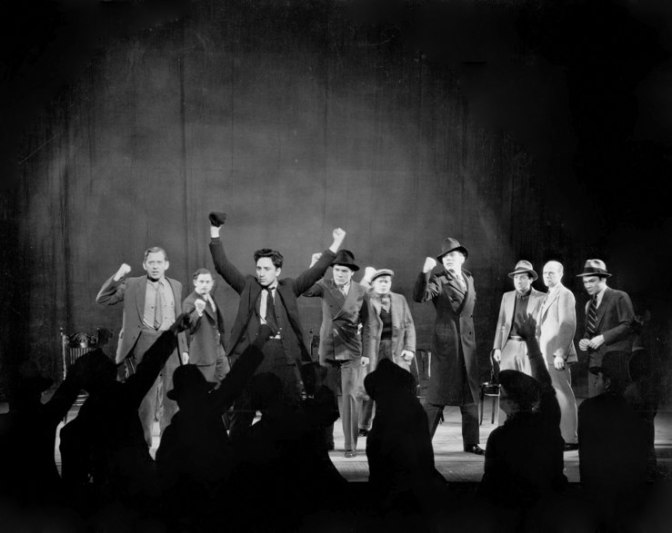
This idea has always stayed with me. It’s a daunting idea if taken literally, especially for those of us who work in theater, which I do. Arguably, it would mean one might never get to the point of changing the American theater, given the task of changing the country is a never-ending struggle between staunchly clenched ideas and opposing motivations. Plus, the fact that our American socio-political systems are fundamentally vertical and capitalistic, while theater is fundamentally horizontal and socialist, puts the art form directly at odds with the core American mindset.
I’ve related theater and whiskey many times on this blog. Broadly speaking:
- They are both handmade.
- They are a craft and an art.
- They can only be experienced live, in person.
- They offer something for everyone who wishes to partake in them.
- Some people find them intimidating, others frivolous.
- Theater and whiskey aren’t always easy, sometimes even dangerous. But at their best, they encourage a spirit of community, curiosity, and contemplation.
Like the whiskey boom, theater bores me most of the time these days. This partly explains why I don’t involve myself in making it as much as I used to. I still absolutely believe in theater as a concept, and still do enjoy it occasionally. I’m just no longer convinced the American theater is capable of playing a significant role in American life.
As my faith in theater waned, I held hopes that whiskey might take up its role in my life, offering me something enjoyable that also connects to important matters of culture and society. Like theater, whiskey is associated with human stories. With theater this is literal. Theater uses words, design, music and characters to tell stories. Whiskey, on the other hand, often has stories associated with it, told through marketing, while the liquid itself in no literal way tells a story.
Though some do argue whiskey tells stories indirectly—the story of local farmers who grow the grain, of the place where the distillery stands—still one must rely on the marketing to be aware of those stories.
Another aspect of whiskey-as-storyteller is how the aroma and taste of a whiskey can conjure memories and associations in the drinker, who then shares their personal stories with others gathered around the bottle. This is whiskey as story prompter, of course. The whiskey itself has nothing to say.
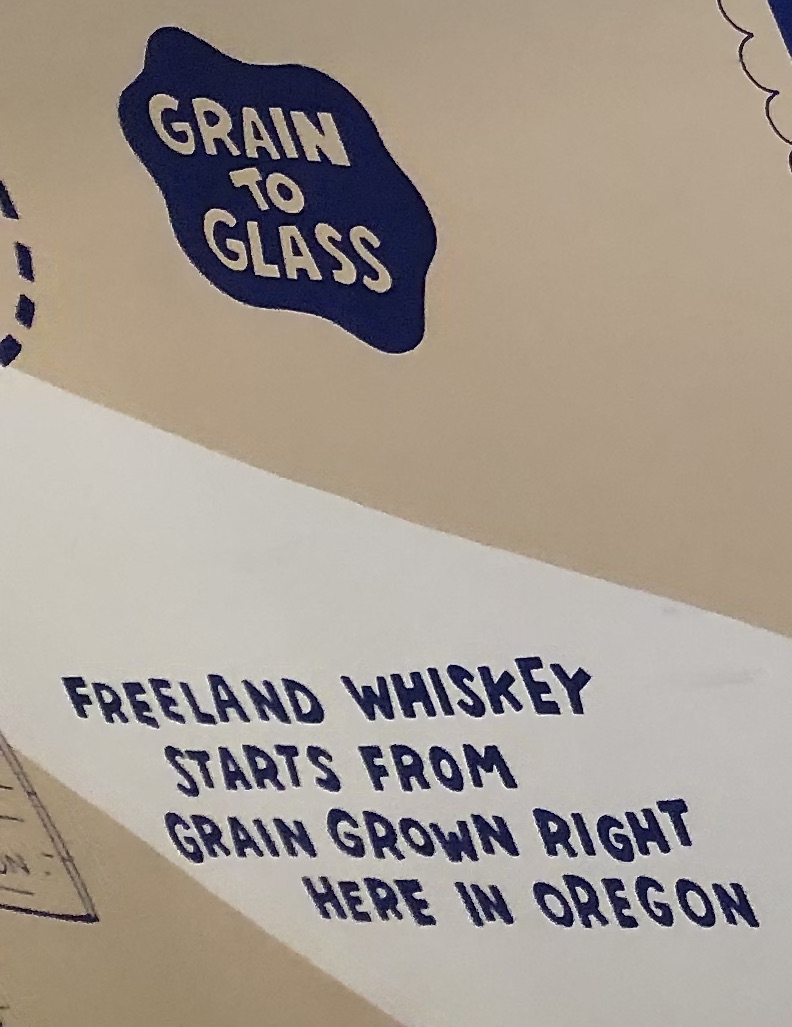
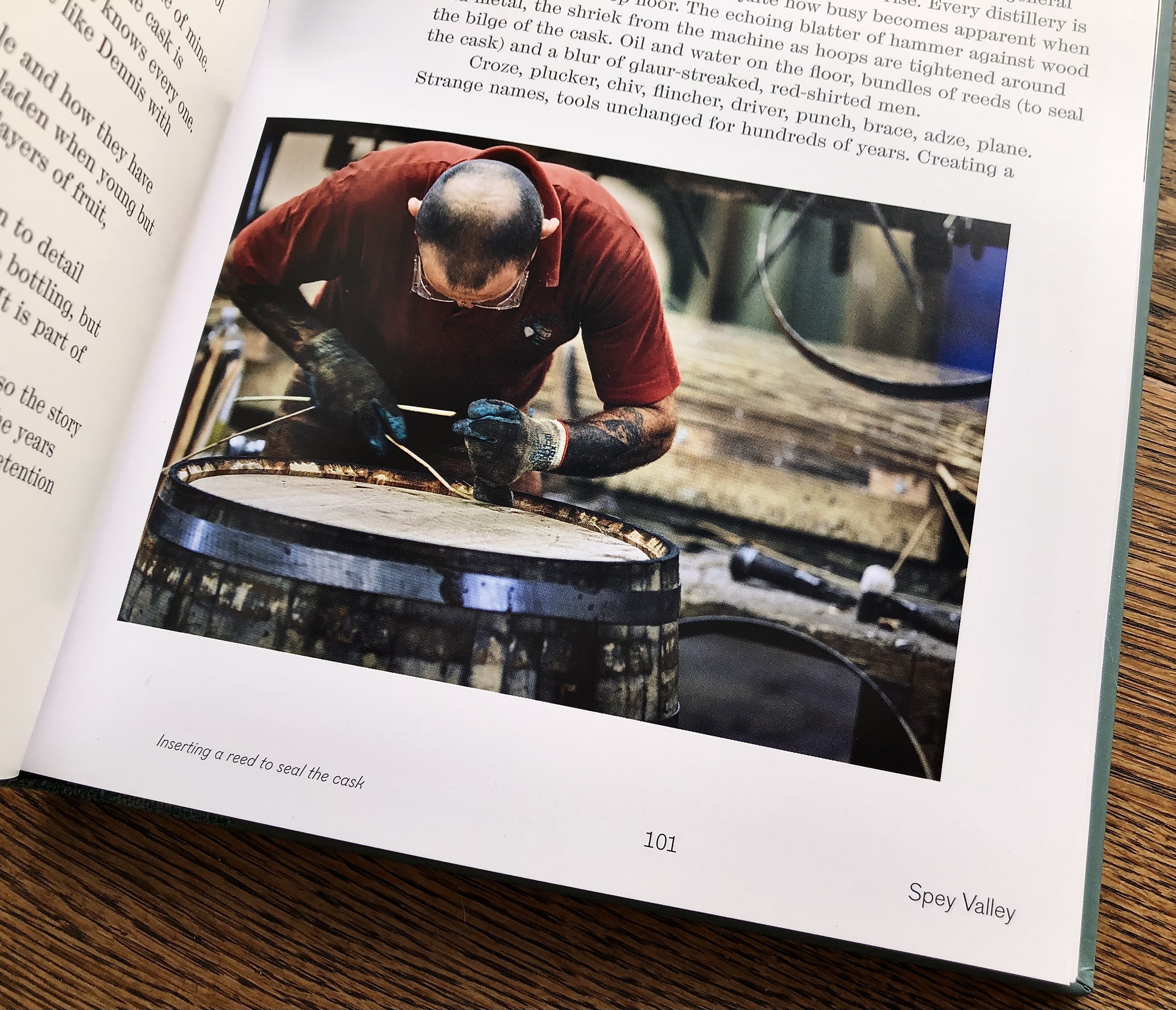
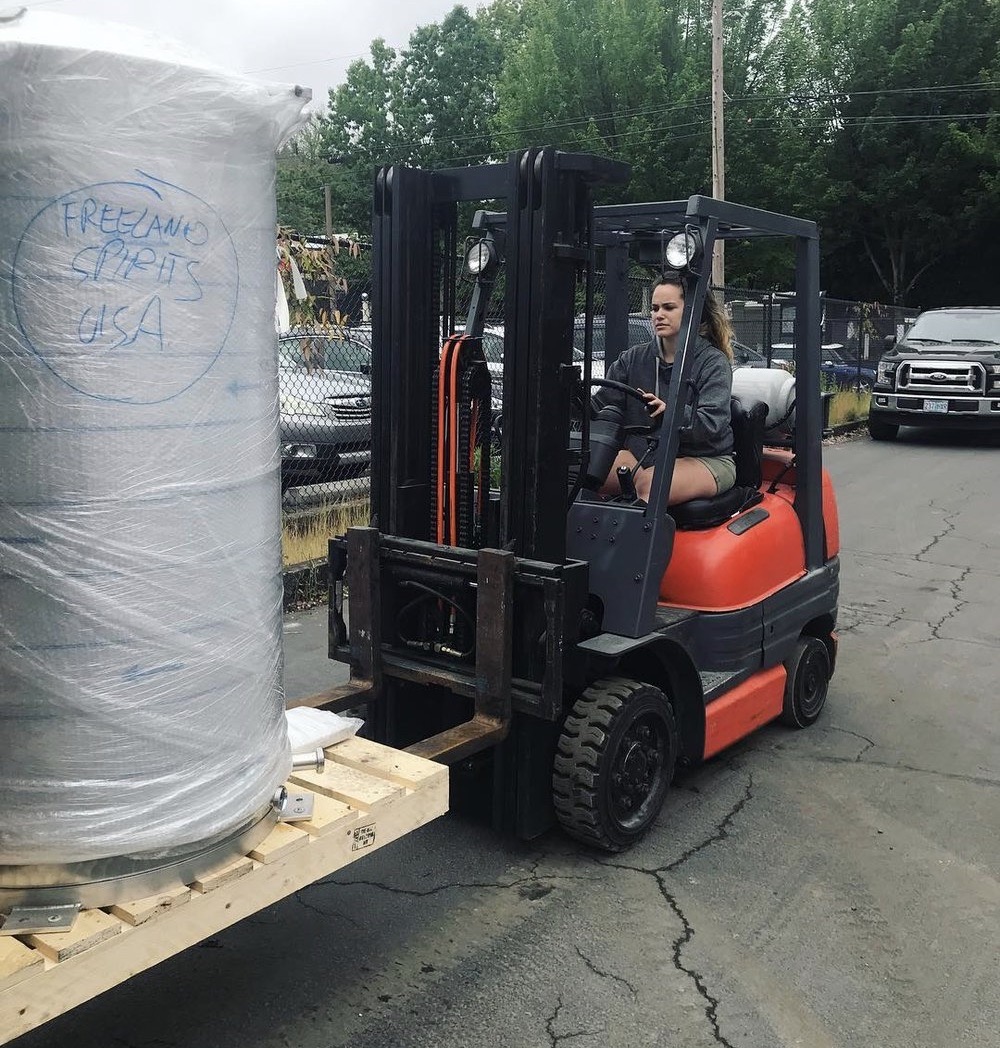
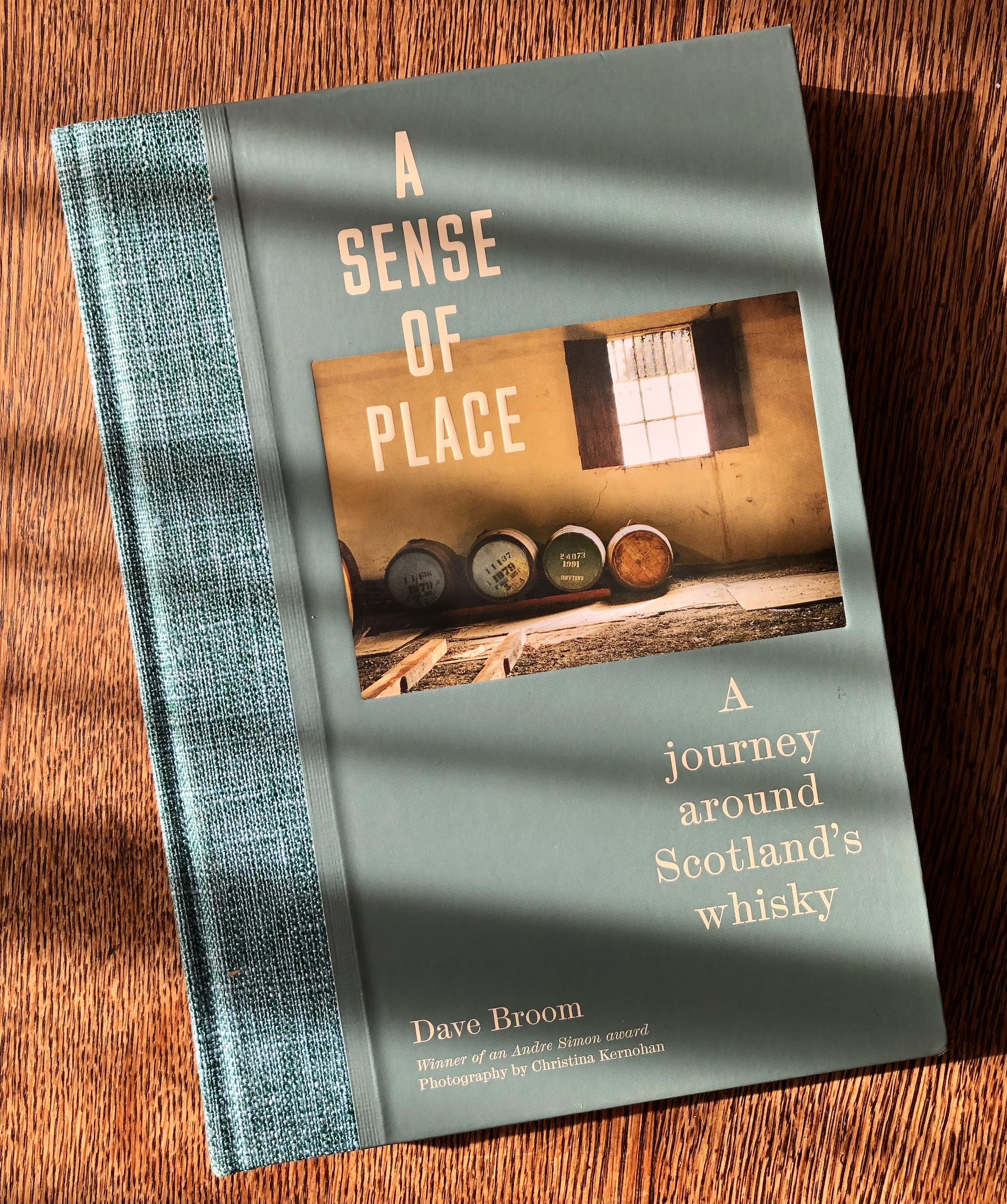
So as fascinated as I am by the history and cultural implications of whiskey, and as much as I’ve wanted to believe whiskey to be in some way, on some level, profound, I recognize it is ultimately just another product people can buy, about which only a minority of us might ever become interested at a level beyond its basic function as social lubricant. (If you’re reading this you’re likely with me in that minority. Cheers!)
Whiskey’s practical, material, base function seems all the more defining of it to me lately, as I ingest the daily reports of our new government’s rabid, often patently illegal actions. As something worth contemplating, whiskey could never, ever compete with the real-time, real-life soap opera that is the United States of Amnesia.
As for the whiskey boom specifically, its evident bust (read this and this) is very consequential to those who stand to lose their livelihoods. Yet no matter how many distilleries announce they are scaling back production and eliminating jobs, and whatever tariffs the Orange Menace continues to inflict, the rest of us will always have plenty of whiskey readily available to drink or collect or fuss over or dismiss as irrelevant. Distilleries went and over-produced, and now their employees are going to pay for it in layoffs and reduced hours. There is more whiskey on the market now than is needed or even wanted by consumers. Go to Total Wine & More if you haven’t lately. Walk down those aisles with their tall shelves stacked to the rafters. Who is going to drink all that?!
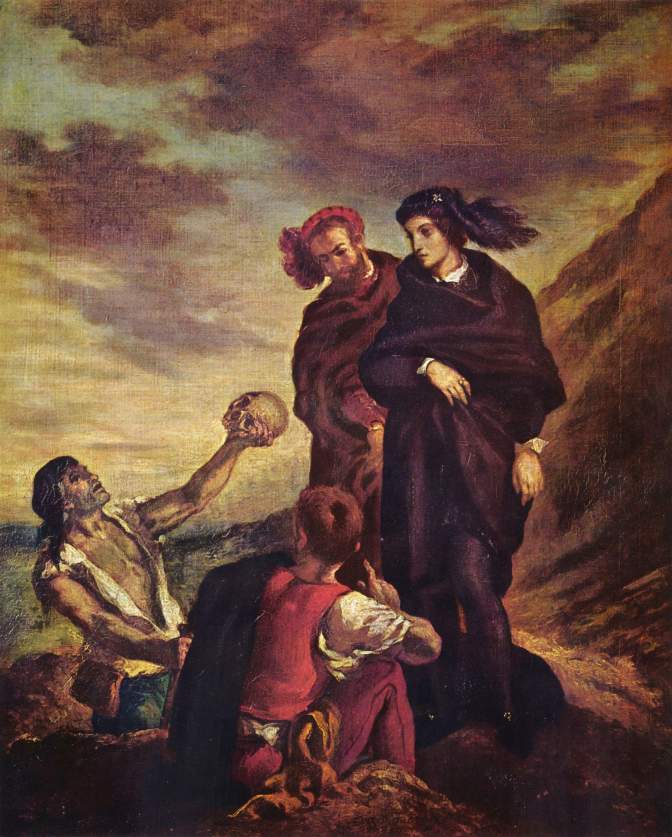
Whiskey as Horatio
I’ve been asking too much of whiskey. It’s just whiskey. I can’t say I’ve asked too much of theater. Theater isn’t just entertainment, in the way whiskey is just a drink. I do believe theater, as a concept, has the capacity to change hearts and minds by telling human stories in ways that invite us to expand our points of view. But capitalism holds the American theater back in that regard. Capitalism doesn’t favor change or new points of view. It prefers we buy the same shit over and over.
And we tend to prefer that, too, if we’re honest. Anyone remember when Coke changed their recipe? It didn’t go over well. And notice how all Buffalo Trace has to do is swap in a different color on their Weller label, nudge the proof up or down a few degrees, and people stumble all over themselves to throw their money at it. Change, embracing the new or unknown, takes a level of curiosity and persistence of effort about which only a minority will ever be enthusiastic.
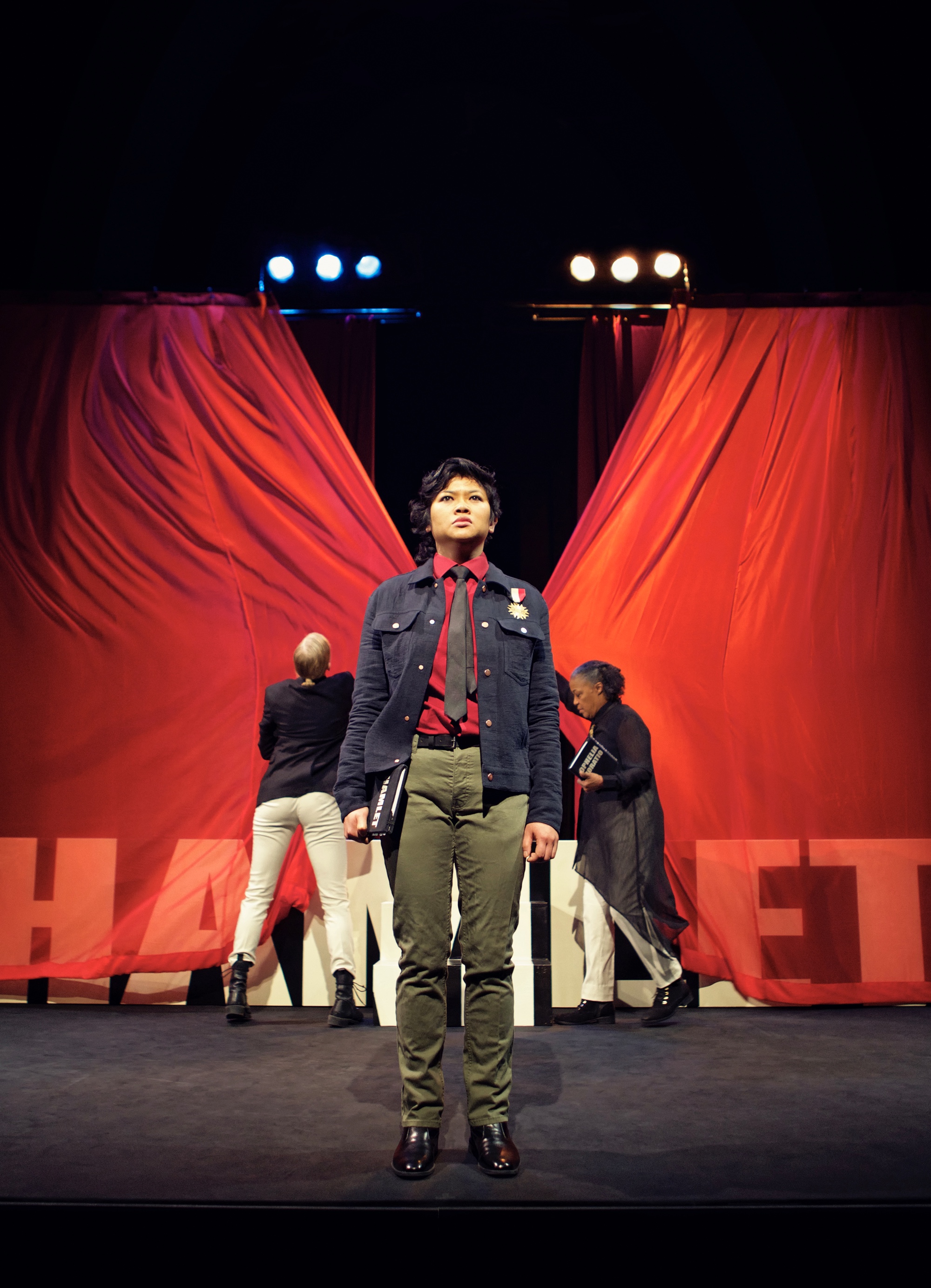
So yes, I’ve been asking too much of whiskey. If I lower my expectations, I might actually enjoy drinking and tasting it even more. Whiskey need not be the star. Whiskey need not be Hamlet. Whiskey can be Hamlet’s congenial sidekick, Horatio—friend to all, enemy of none.

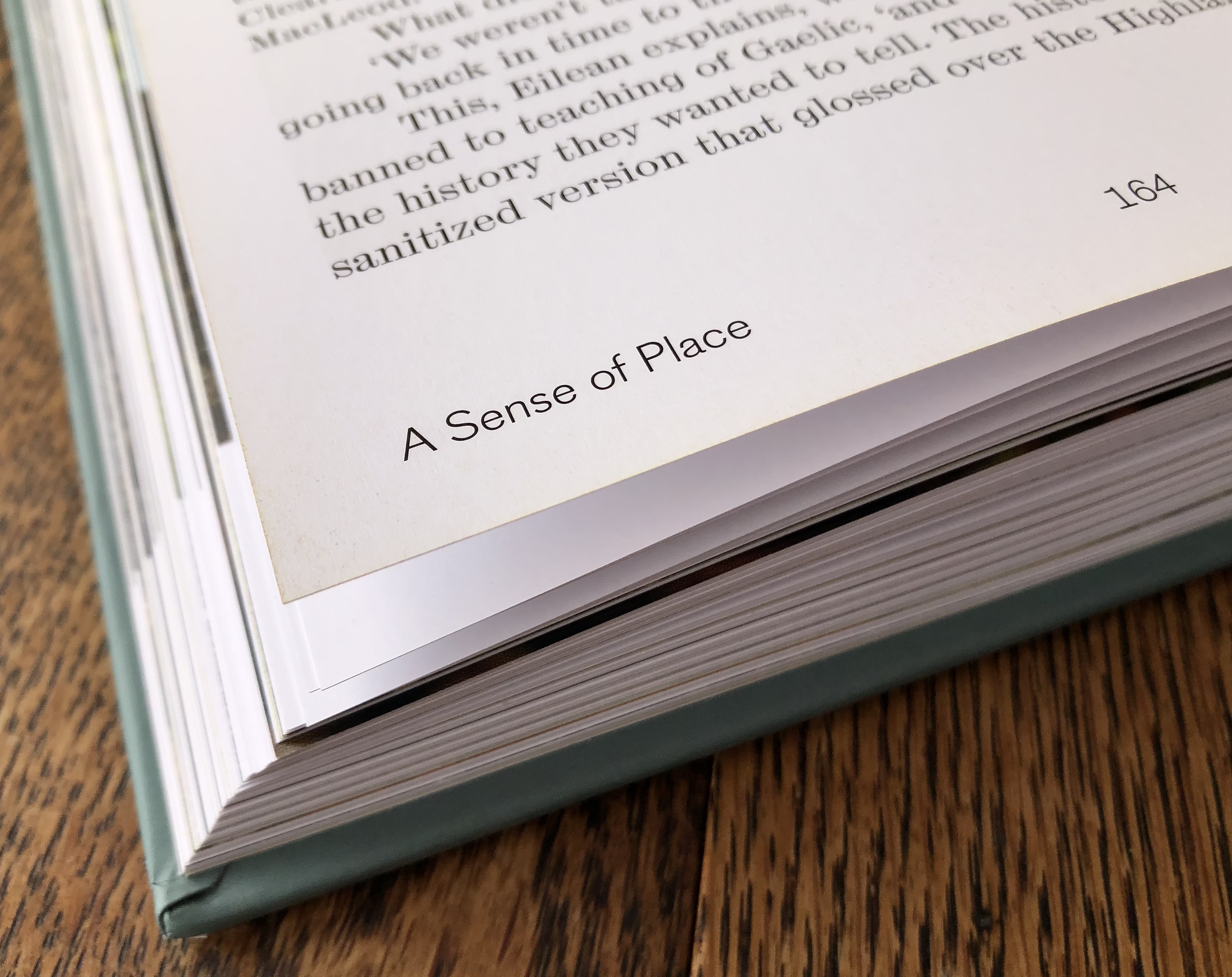
I’ll admit to being disappointed about this, however, and to resisting it even as I accept it. I really do take inspiration from what Dave Broom wrote in his book, A Sense of Place, about how the climatic conditions of a place shape the culture formed by the people who live there. This relationship between nature’s inclination to insist that life find a way, accepting death as a part of the life cycle, and the human inclination to not just survive but exercise our creativity along the way—whiskey-making is a potent example of this.
But right now, and for at least four years to come, conditions in the United States are shaping the culture of those of us who live here—and beyond—in ways far more profound than the story of any whiskey distillery. And theater is too slow and marginal to speak in a timely manner to this changing socio-political climate.
So, for the moment, whiskey and theater, and other endeavors akin to them, might only be expected to offer momentary respite, diversion, entertainment. And frankly I do welcome a bit of that just now.
Last Call
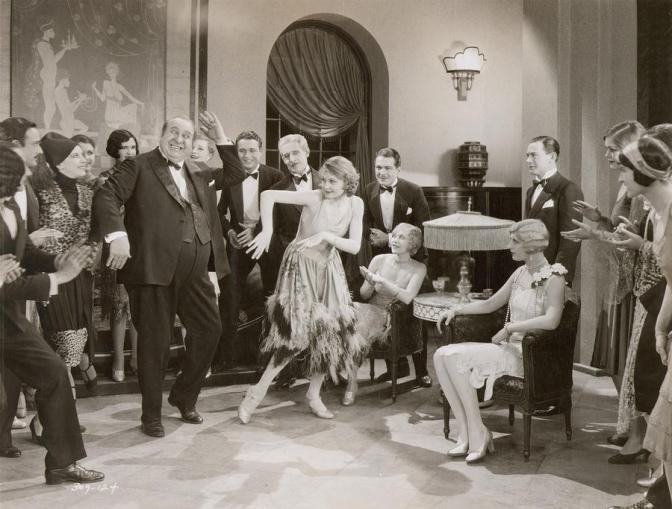
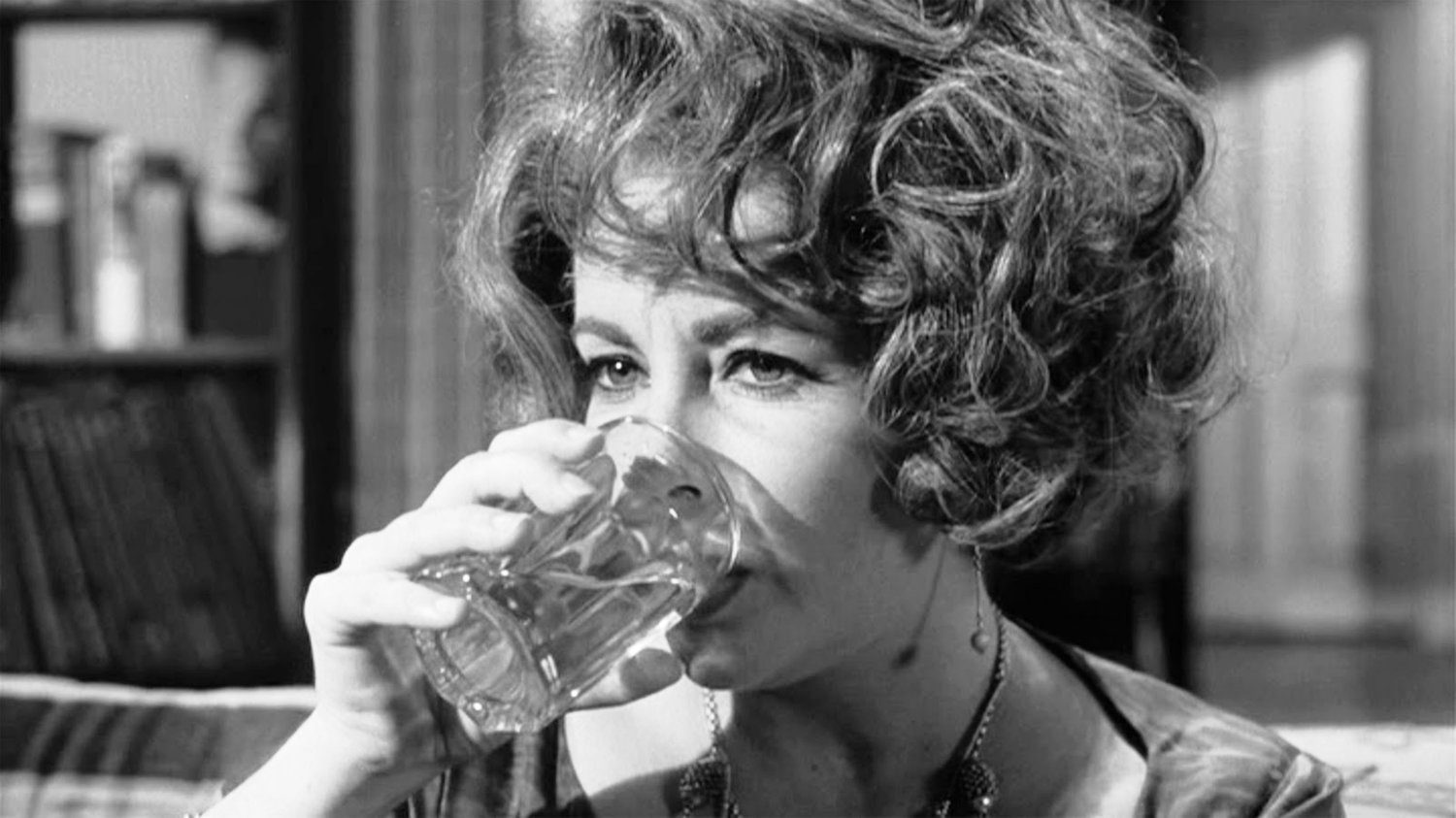
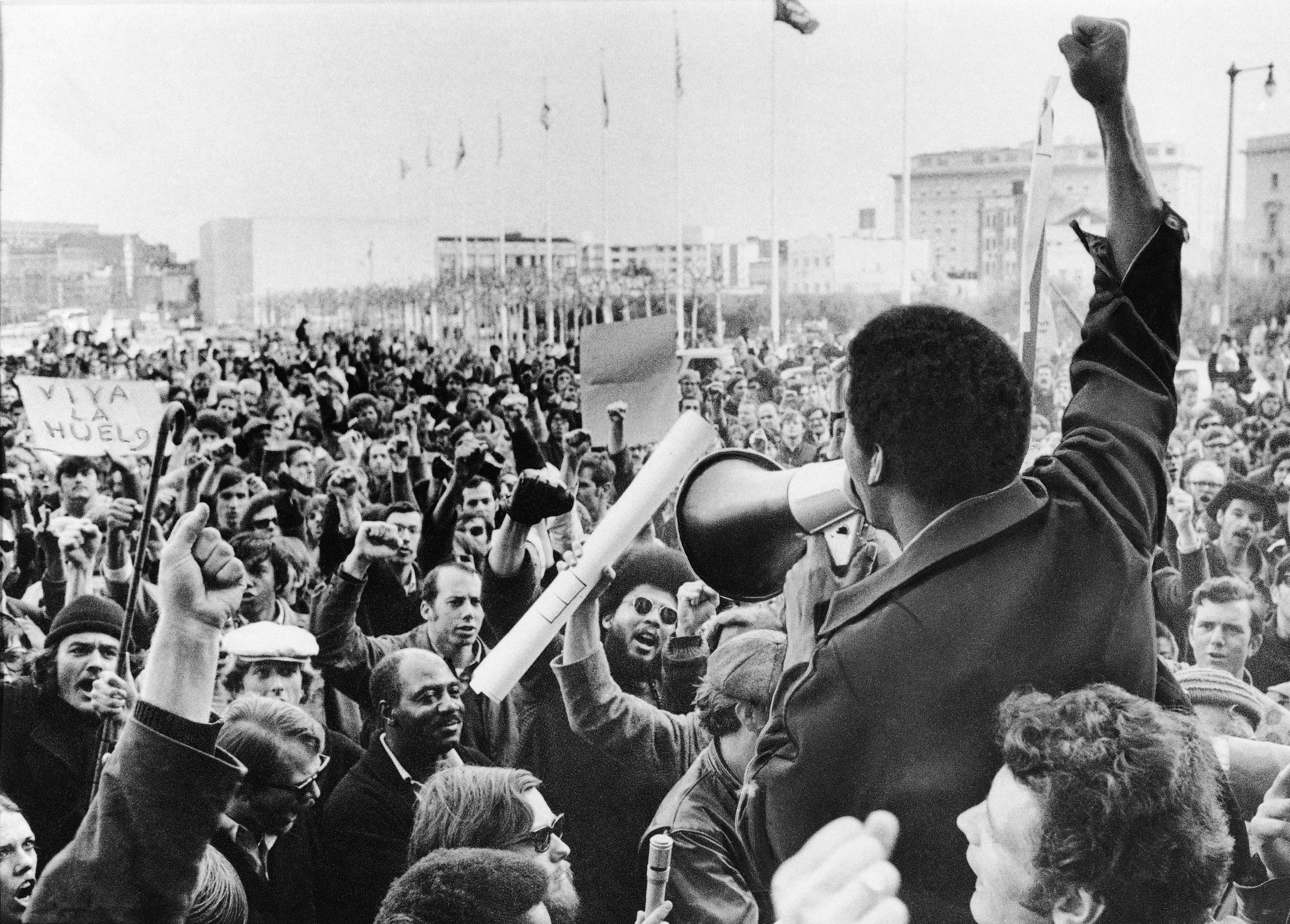
Again I think of the 1930s. Look at movies and entertainment from that time. Half of it was pure escapism. The other half was very politically engaged. We need both. You can’t march all day and night. You need to get some rest, to refuel and rejuvenate.
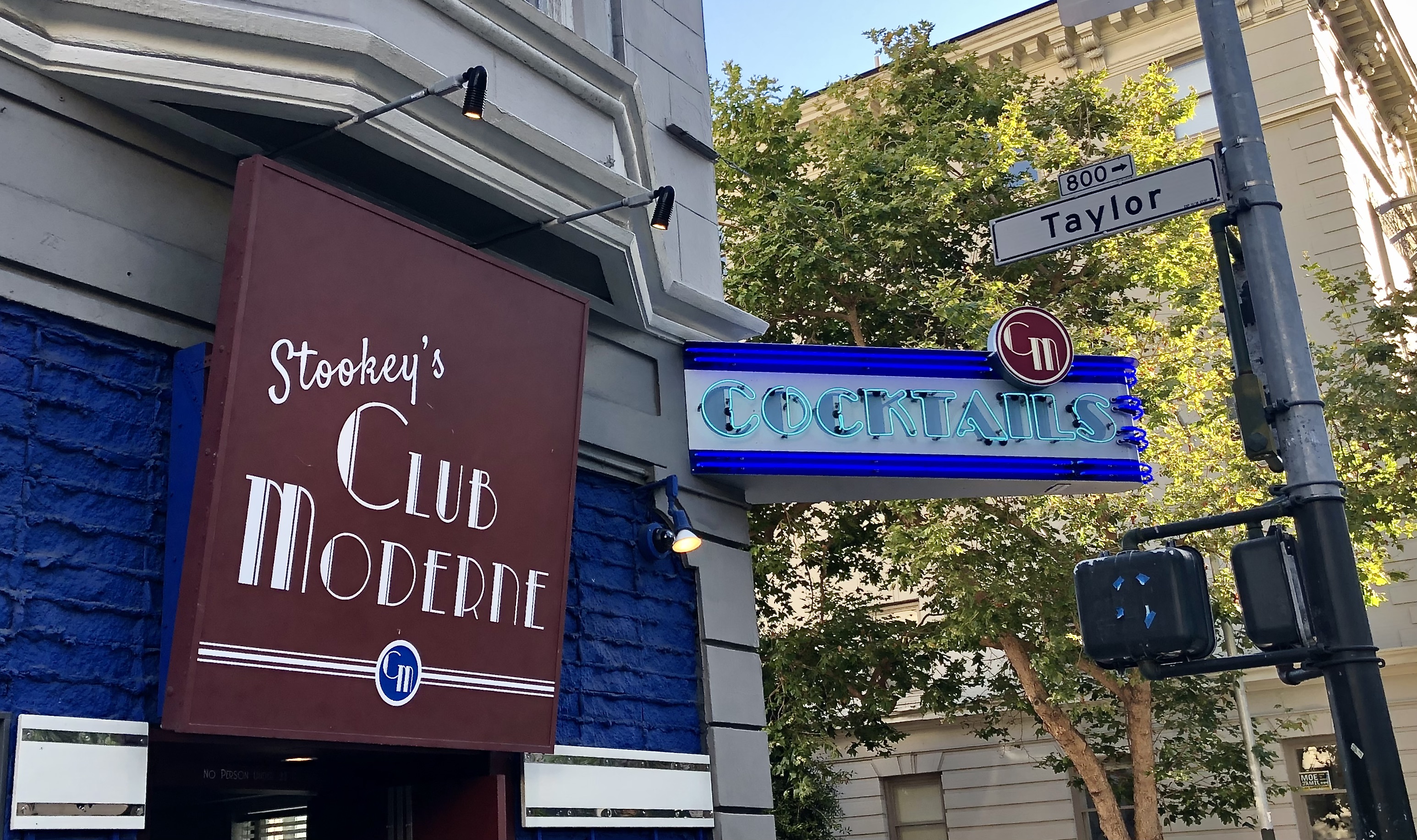
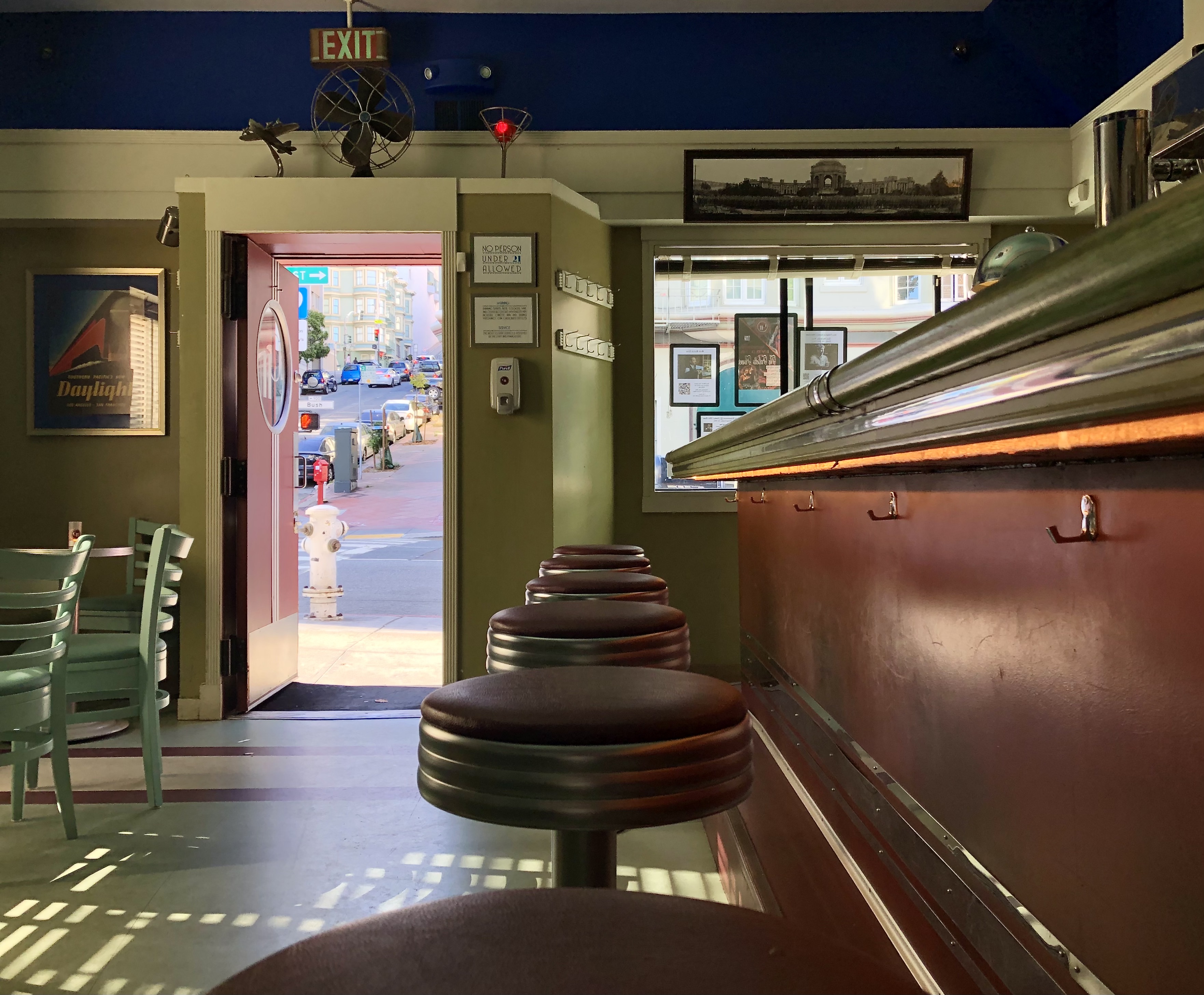
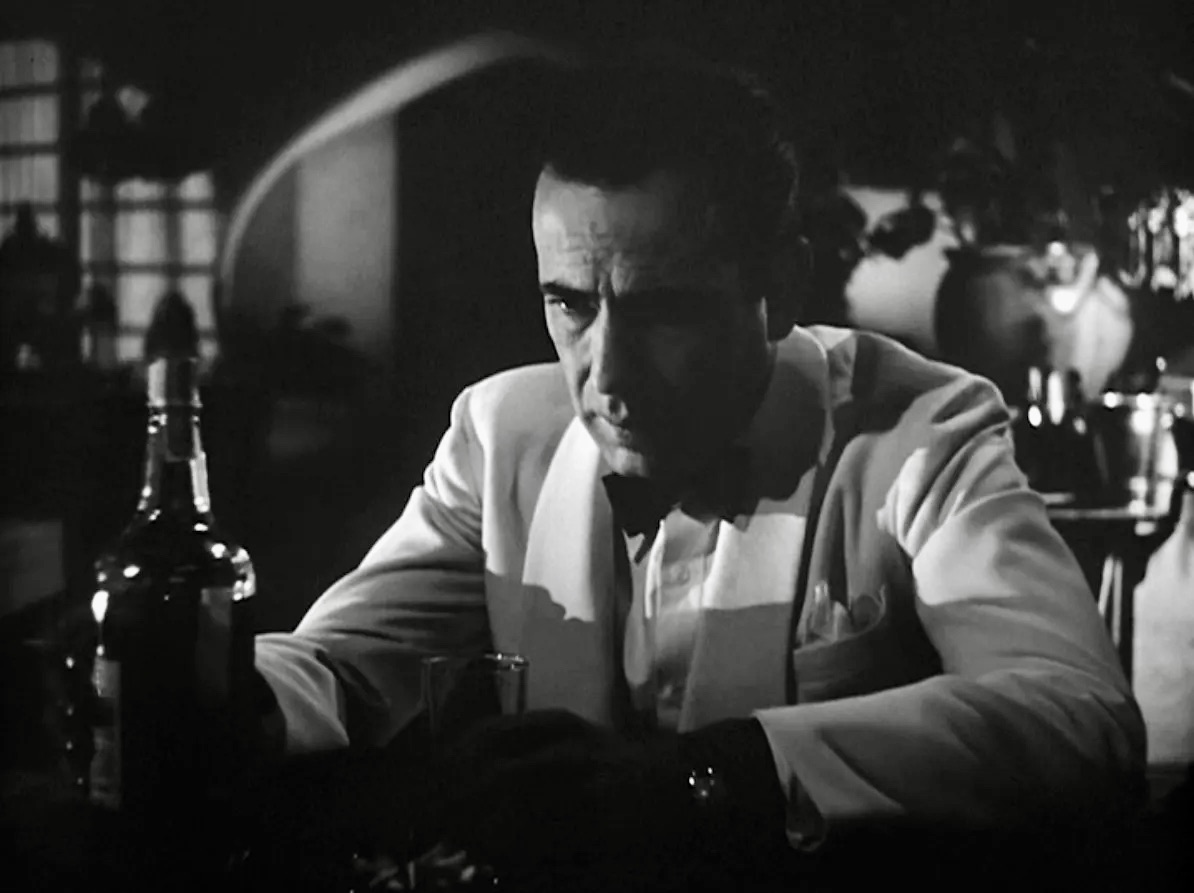
So maybe after watching the news tonight I’ll get myself over to Stookey’s Club Moderne, a great San Francisco bar fashioned after the 1930s post-Prohibition cocktail bars. Or maybe I’ll watch Casablanca, an entertaining movie about refugees from across the globe, gathered together in the limbo of Rick’s Cafe Americain, escaping fascism and fighting for freedom. And then, in addition to persisting at treating my friends and neighbors with respect and consideration despite the ruling government’s disdain for doing the same, I’ll call my representatives and add my voice to those demanding Congress do their job to stop the hostile takeover of the United States by a handful of billionaires, who hate the very mob that throw their support and money at them like they would at a cheap-ass bottle of overhyped Weller.
Cheers!
Past Whiskey Journey Posts
Part 1 – Getting Started
Part 2 – Checking In
Part 3 – Why I Whiskey
Part 4 – On Weller Antique 107 and the Art and Practice of Letting Go
Part 5 – What have three years of writing whiskey notes done to me?
Part 6 – Nosing The Grind
Part 7 – What would happen if I didn’t buy whiskey for a year?
Part 7.5 – halfway through The Year of No Buying
Part 8 – Turning-Point Bottles Pinned To My Journey’s Map
Part 9 – my Year of No Buying comes to its end…!
Part 10 – To be continued…
Part 11 – Curiosity, Bunkering, and Bartering

 The Right Spirit
You pack a lot in the blog I’d agree with.
Living in Ireland with Scottish roots I often notice the way Scotch is embedded in the cultural fabric of the country which Irish Whiskey hasn’t yet achieved.
it has taken a remive from these times for Irish Whiskey to revive – & now face a tailing off.
Often this has to do with politics & struggle. Irish Whiskey during the overthrow of British rule was often sympathetic to Britain – both for markets & politically.
Theatre is not something that looms large on my horizon – yet the 7.84 theatre company did make me notice the genre. Check it out.
Ultimately Whiskey is a product – yet I do enjoy exploring it. How the Orange Menace will upset the apple cart is always in the background though.
LikeLike
Thanks so much for reading the blog, and your comments. I’m fascinated by the confluence of politics and whisk(e)y. Very intrigued by your insights into Irish whiskey’s history in this regard. If you have any recommendations for good books or other sources of information on that history I’d be keen to know. (And I’ll definitely keep an eye out for 7.84 Theater Company.) Sláinte!
LikeLike