Curiosity drives this blog for me. So as an explicit subject, it keeps coming back around.
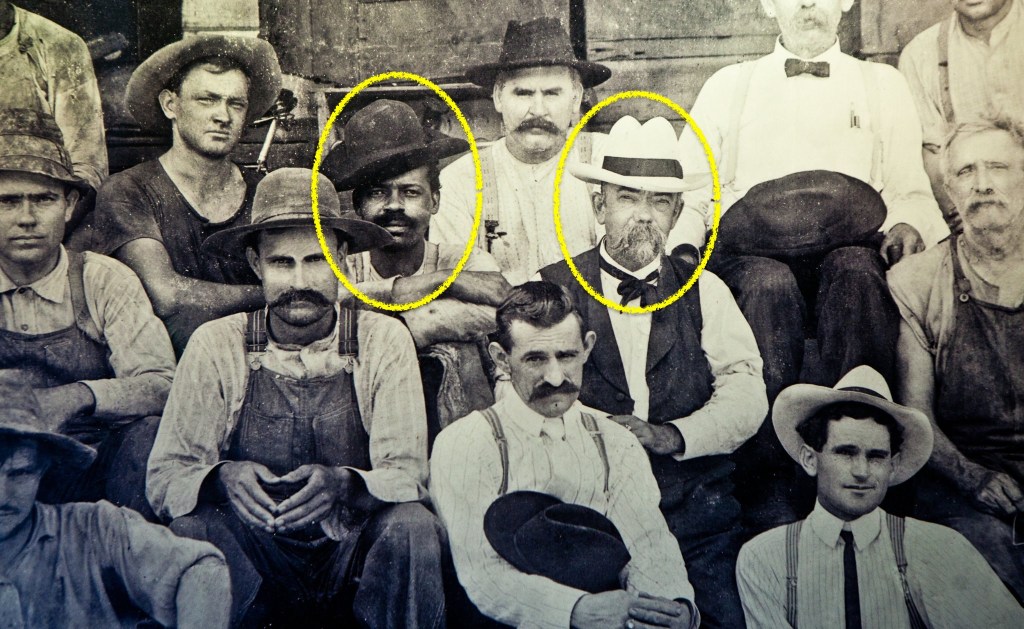
I’ve written here about curiosity in relation to the frequent separation of whiskey and politics, despite whiskey’s longstanding role in various political histories. I’ve written about curiosity in relation to the contradictions between how whiskey gets promoted as a means of welcoming, and yet how self-appointed gatekeepers will deride those earlier on in their whiskey journey as “taters.” Similarly, I’ve written about the words we use to talk about whiskey, and what the disdain some people have for “smooth” as a descriptor suggests about common ways of stifling curiosity.
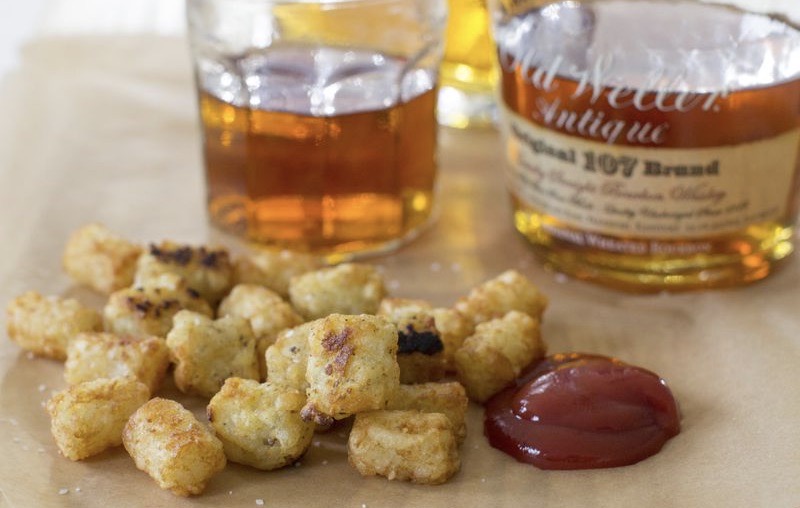

And of course every post here in which I share my notes about a whiskey is me exploring my curiosity about that whiskey—the story behind it, how it’s made and marketed, how it tastes. My various Bar Hop posts similarly explore my curiosity about cities, and how their local culture is expressed through their bar culture. These city explorations are themselves a variation on my curiosity about place and its relationship to terroir in creating whiskey and culture.
There is a lot to be curious about in whiskey.
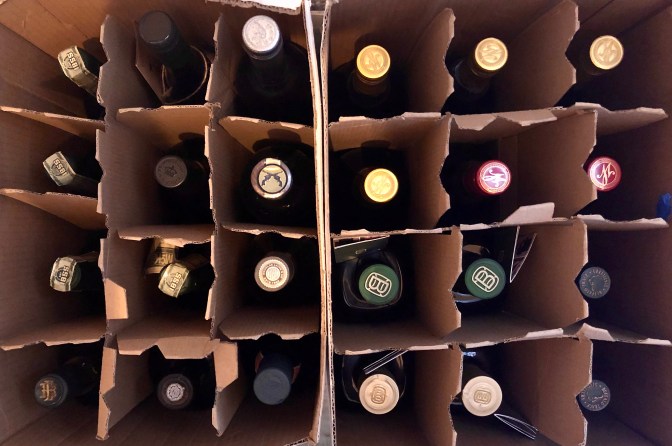
Bunkering is something I’ve also written about often, starting with how in 2021 I decided to stop.
Why fill the limited space I have in my small San Francisco apartment with several bottles of one brand? By bunkering less of the familiar favored labels, I could literally make more room for my curiosity about craft and other off-beat brands.
This decision to bunker less turned out to be a veritable keychain of discoveries. The average number of bottles on my shelves did not change much. But the range of whiskeys certainly increased. And my susceptibility to FOMO dropped significantly, saving me money as well as sparing me the sillier angsts of the hunt. It’s just whiskey after all.
Bunkering less, I began to notice what’s actually on store shelves all the time—so, no need to make sure I always have it on hand. Or those “limited editions” that arrive with fanfare, then sit there for weeks and months, eventually going on sale for a better price because really nobody was in the rush to get them that the marketing had declared. Even the twice or thrice annual releases, bait for collectors who like amassing verticals, they come out two or three times a year, so, at some point I’ll be able to get one if I really want it. Patience pays off.
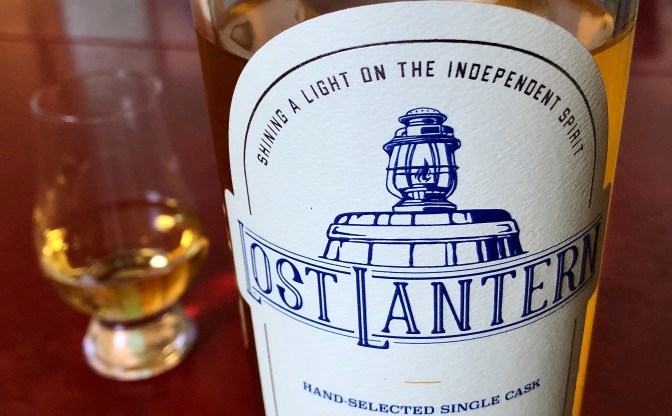
Bunkering less also expanded my understanding of pricing and availability between non-distiller producers (NDPs) and the distilleries they source from. I was initially very excited by the advent of Lost Lantern, for example. Their mission to promote smaller craft distilleries through single barrel and very small batch blend releases is great. The level of transparency they provide is exceptional. But their prices tend to be quite high. Sometimes it makes sense, as when the distillery of origin doesn’t do single barrel releases of their own. (St. George Spirits put out its first ever single barrel through Lost Lantern.) But as a consumer, I can see no reason to pay Lost Lantern’s price for, say, a Woodinville or Tom’s Foolery SiB, since those distilleries already release their own at roughly half Lost Lantern’s price on average.
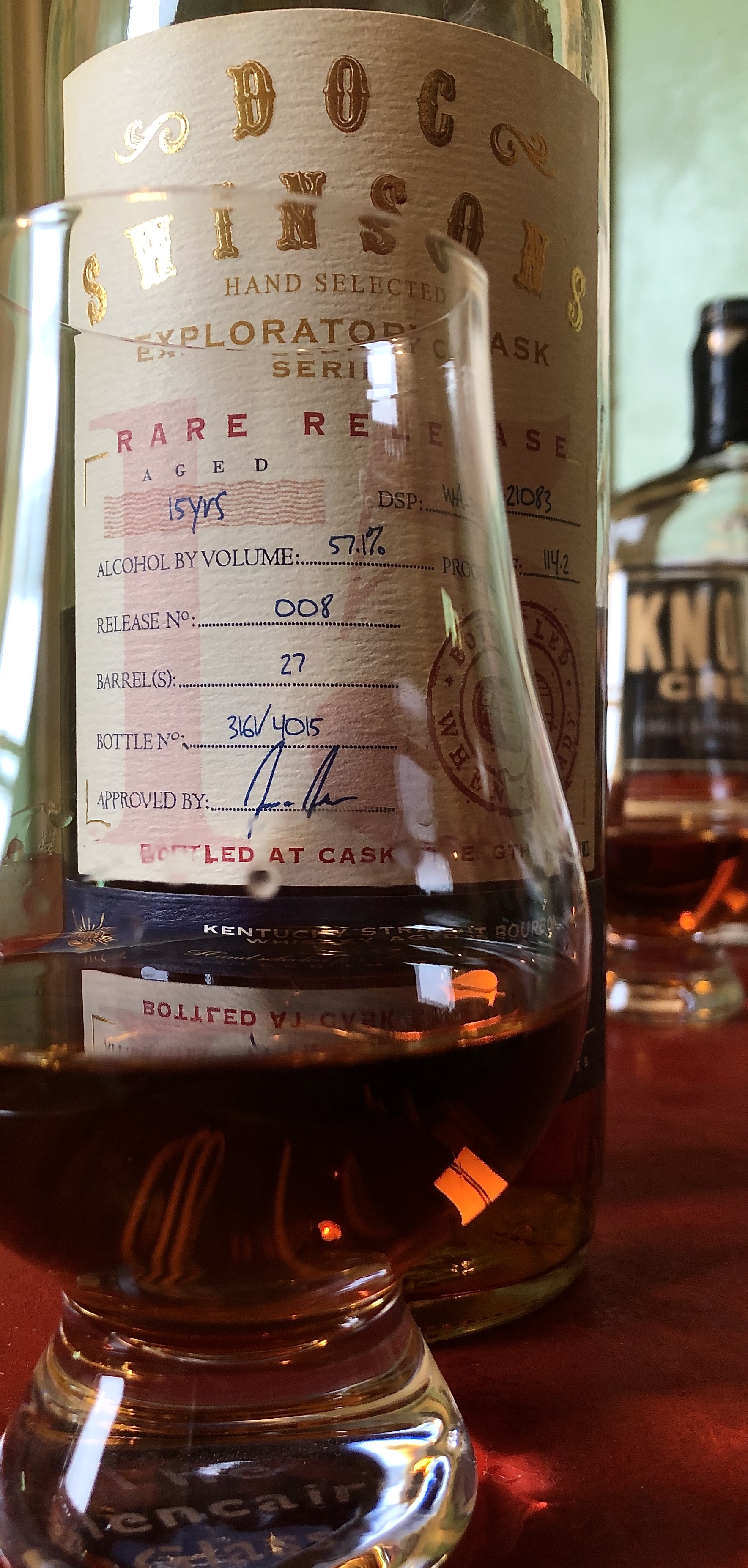
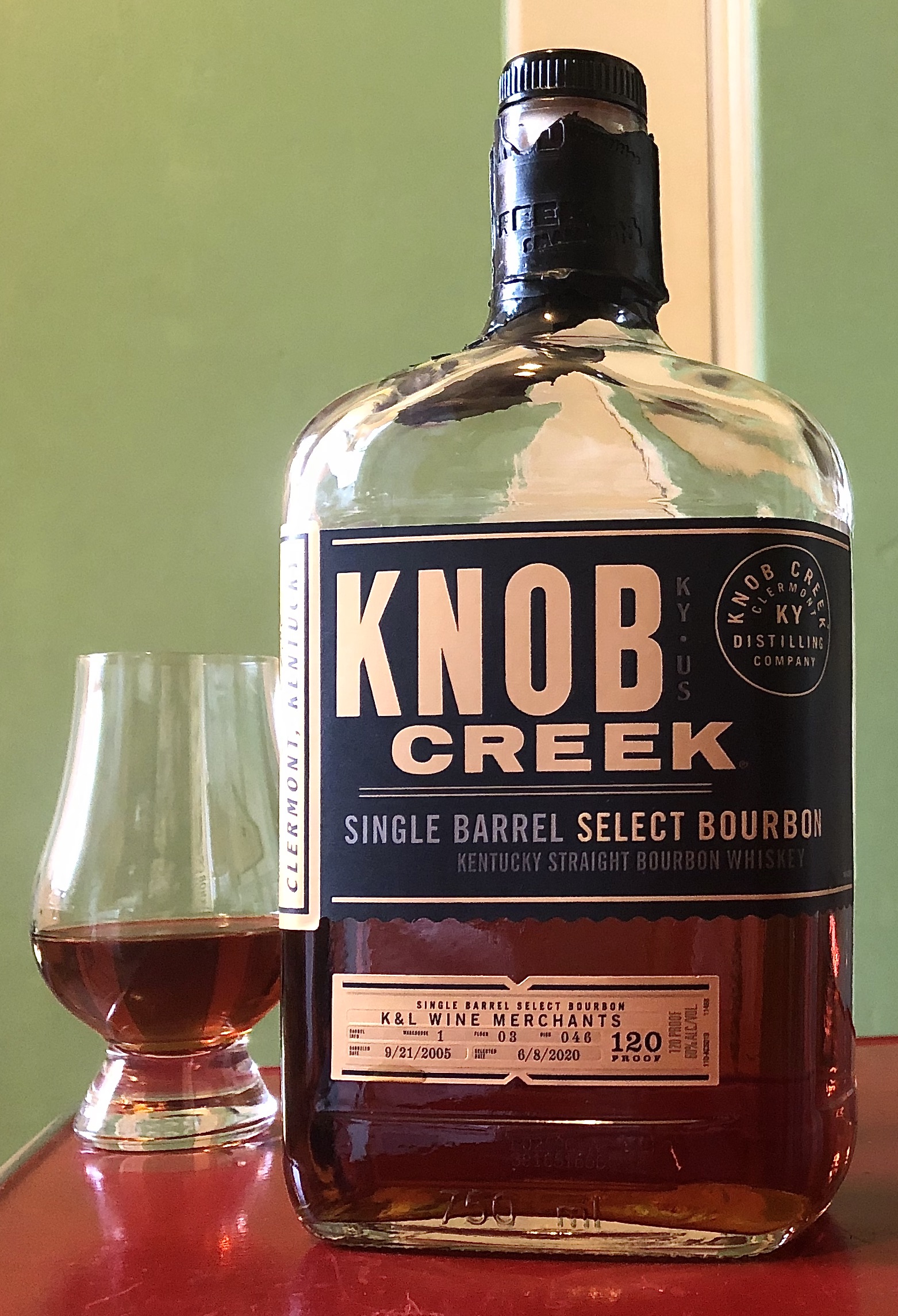
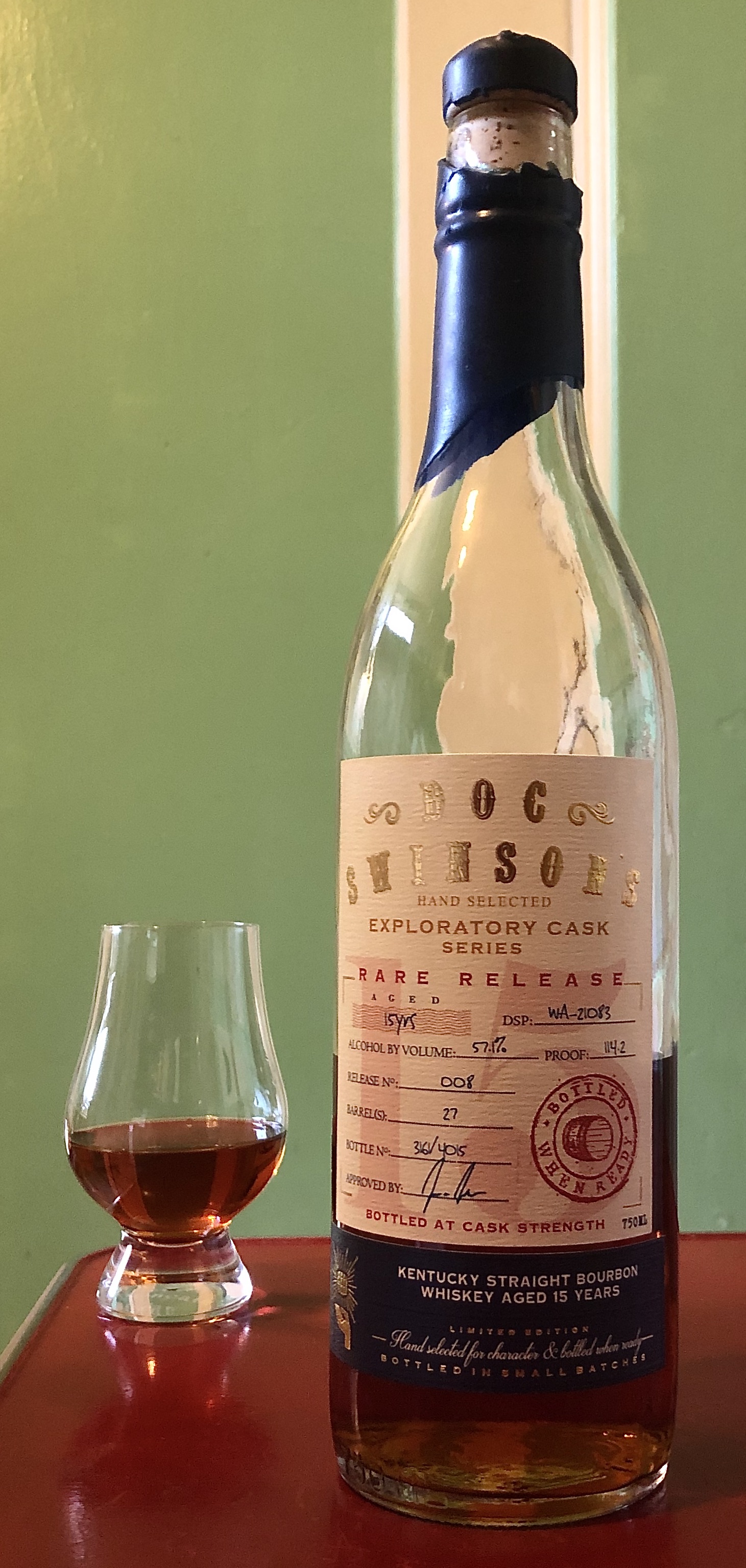
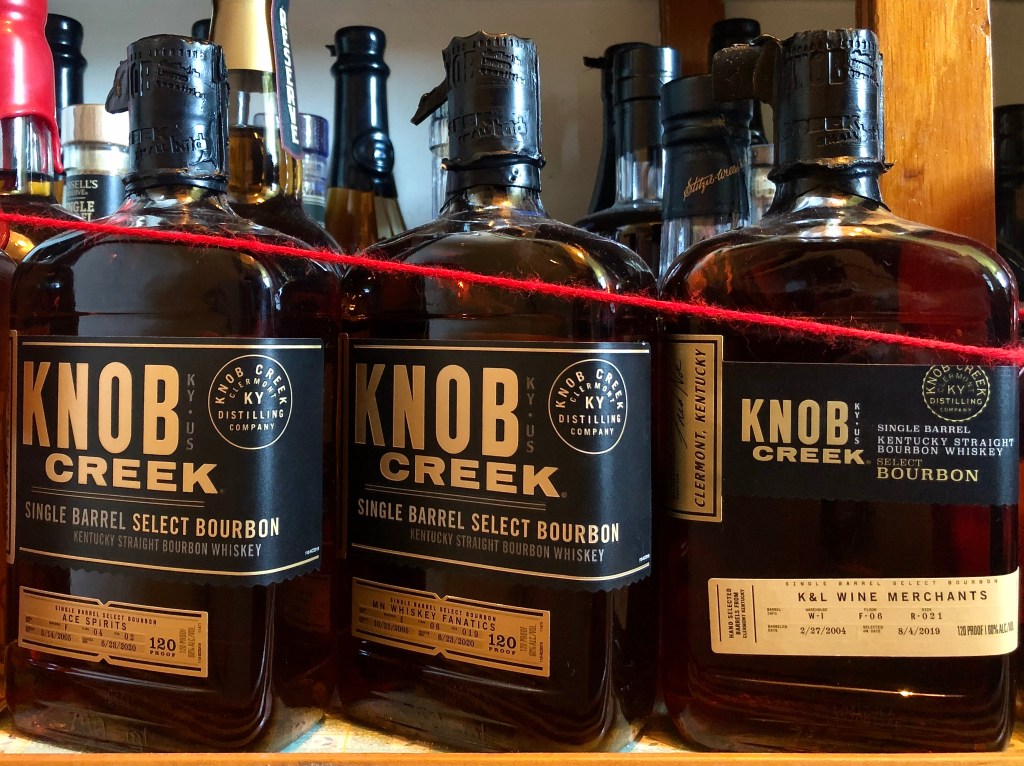
And then there was that period in 2020 when every NDP seemed to be putting out Kentucky bourbon aged 15 years made from a peculiar unidentified mash bill: 78.5% corn, 13% rye, 8.5% malted barley. This was before my no bunkering rule, and I was among those who scrambled for the Doc Swinson’s entry into this mystery offering. I bought two bottles. When I opened one and tasted it, it was certainly very good. And very reminiscent of Knob Creek. So I opened a Knob Creek SiB aged ~15 years and tried them side by side. My conclusion? Why pay 3x the price for the Doc Swinson’s when the Knob Creek tasted similarly excellent? I let that second Doc Swinson’s bottle go to a fellow whiskey fan at cost.

And here we get into another curiosity: Bartering!
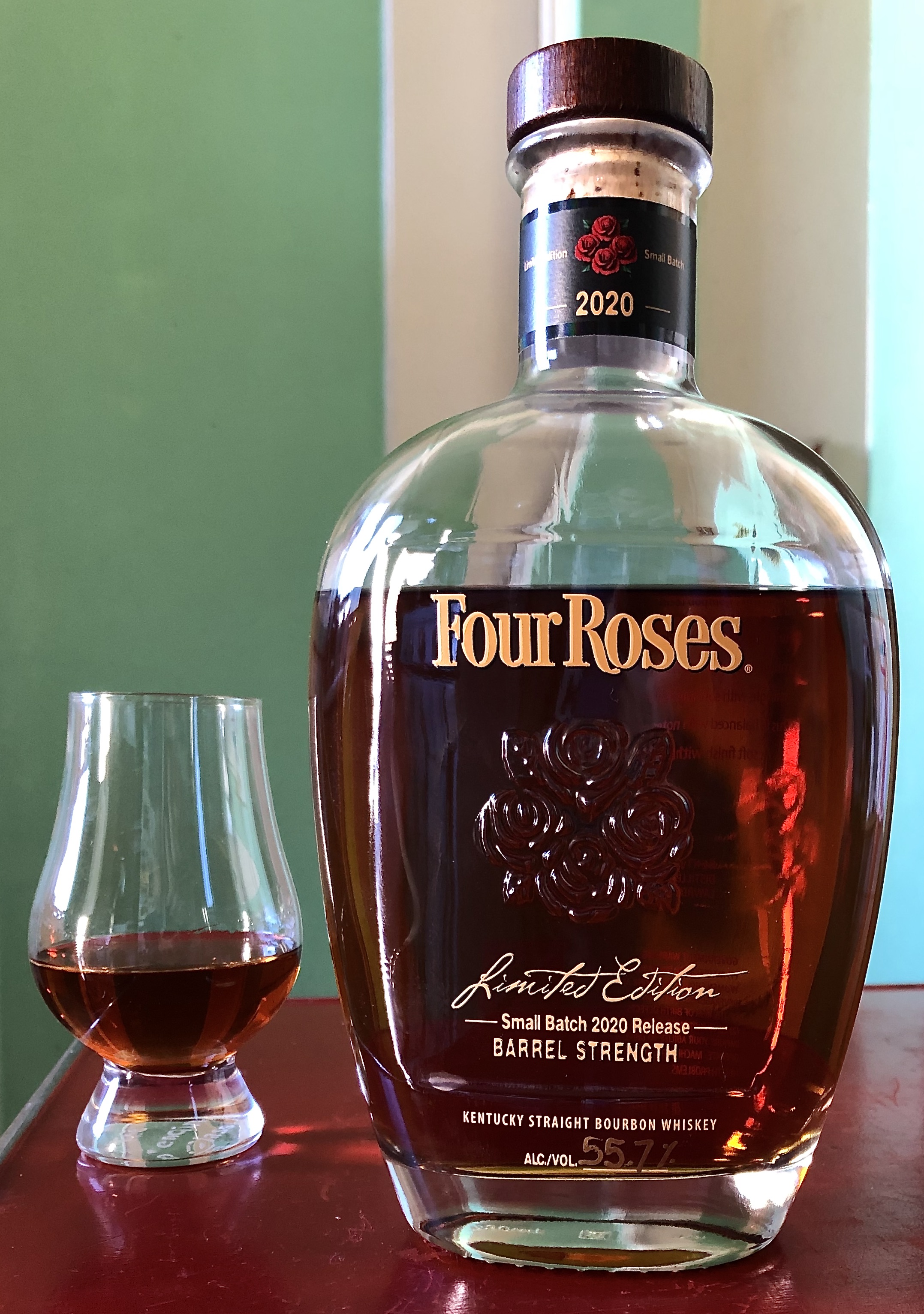
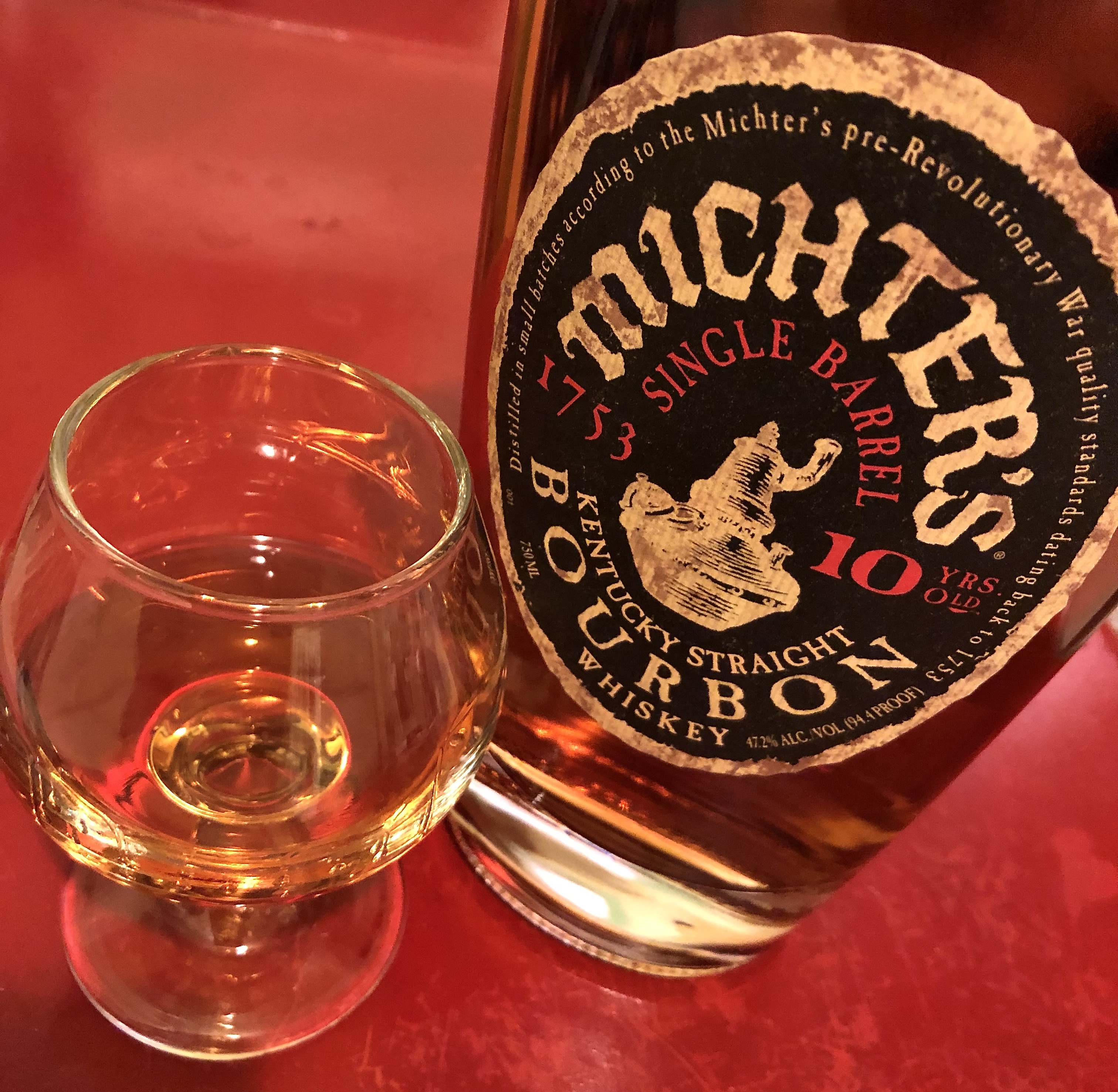
The Doc Swinson’s 15 Year I let go was actually among a quartet of bottles in one bundle, which included an Elijah Craig 18 Year, a 2020 Four Roses Small Batch Limited Edition, and a Michter’s 10 Year Single Barrel Bourbon. All let go at cost, which in each case had been msrp. I’d tried them all before. I knew they were all quite good. But ☟
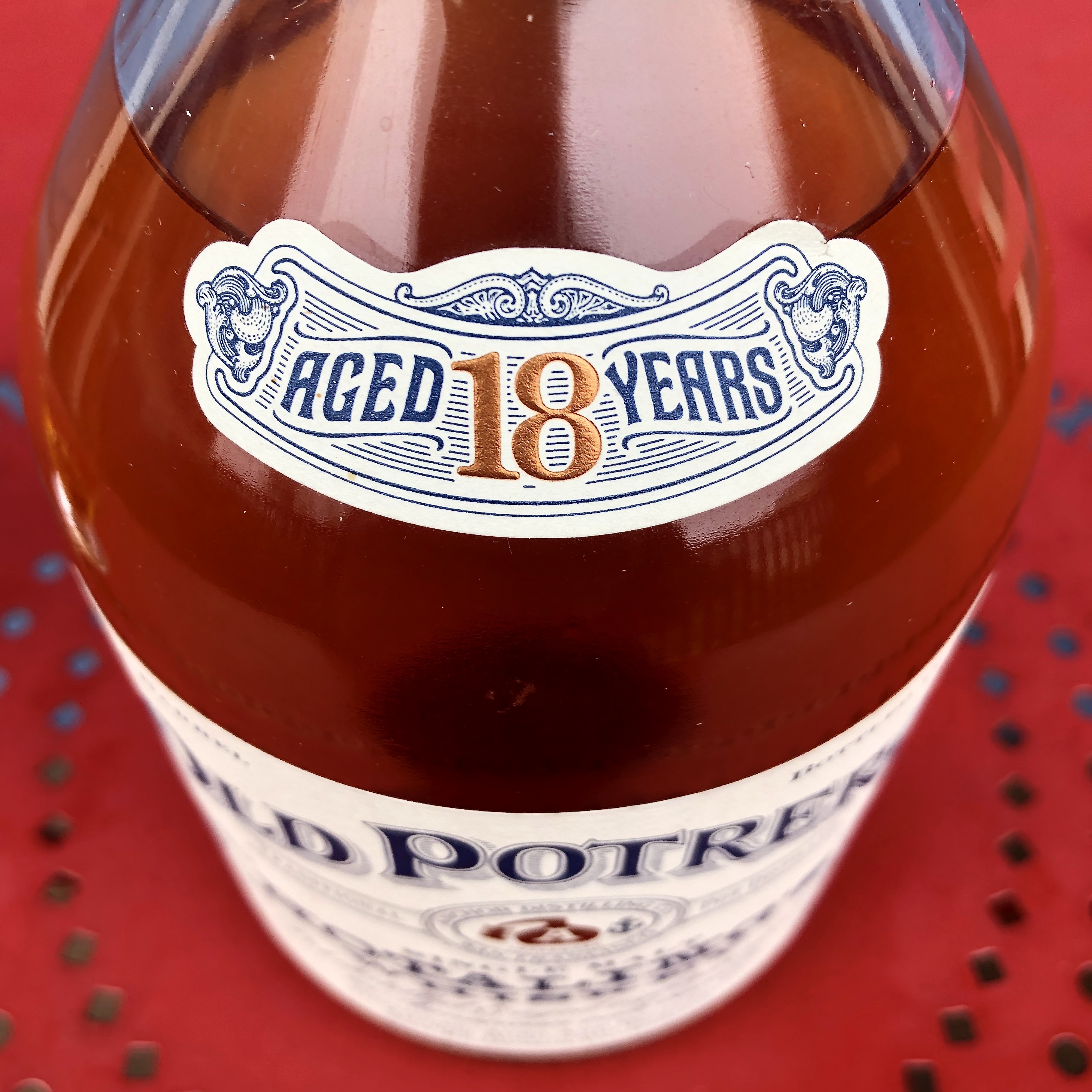
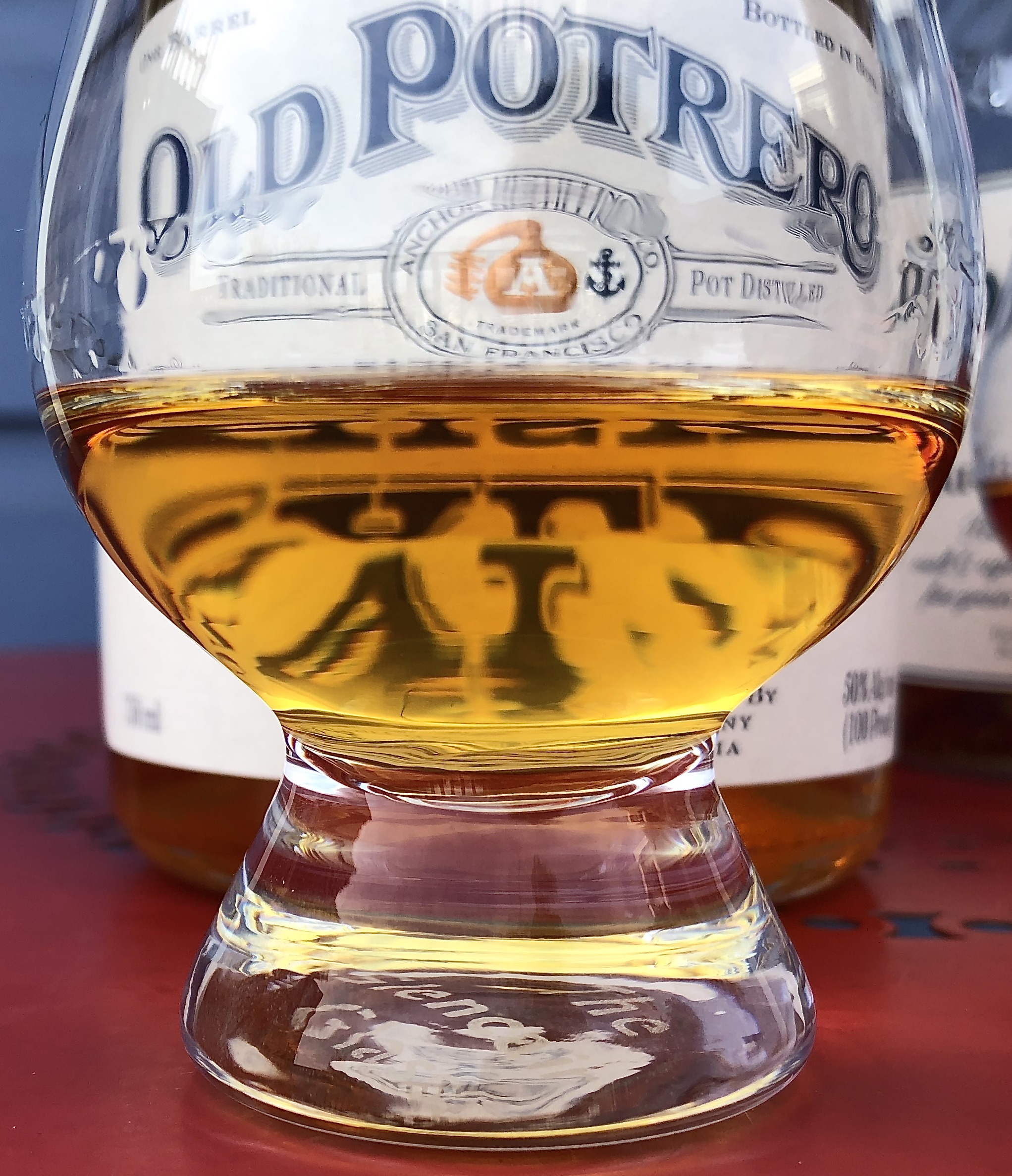
There was a dusty bottle of a rare, 2013 one-time release of an Old Potrero Hotaling’s 18 Year Single Barrel, perched high up on the shelf of a local shop. And I’m a big ol’ Old Potrero fan. I’d been eyeing it for a long time but couldn’t stomach the price. So eventually I let go that handful of familiar bottles to raise money for the Old Potrero rarity. Essentially, I’d bartered with myself. Four bottles in exchange for one. No additional money spent.
Now, the more committed capitalists among my readers may be scratching their heads, or shaking them, wondering why I let go four bonafide “unicorns” at the msrp I paid for them rather than take advantage of more typical secondary pricing, which I could easily have asked for and received?
Frankly, because if I wanted to make money selling whiskey I’d open a whiskey shop. My interest in whiskey is not financial. For a brief moment I once considered monetizing this blog. But I quickly came to my senses. First, blogs are old-school internet and don’t make money. More importantly, I’m here for curiosity.
And this is no noble posture. I’m not making a point or taking a stance. I simply don’t value money. 🤷🏼♂️ Money pays my bills and helps me to maintain material and other necessary comforts. So I need money, like anyone. But beyond that common need I don’t value it. I actually find money, when in excess, can ruin most things I enjoy—whiskey, art, creativity, relationships.
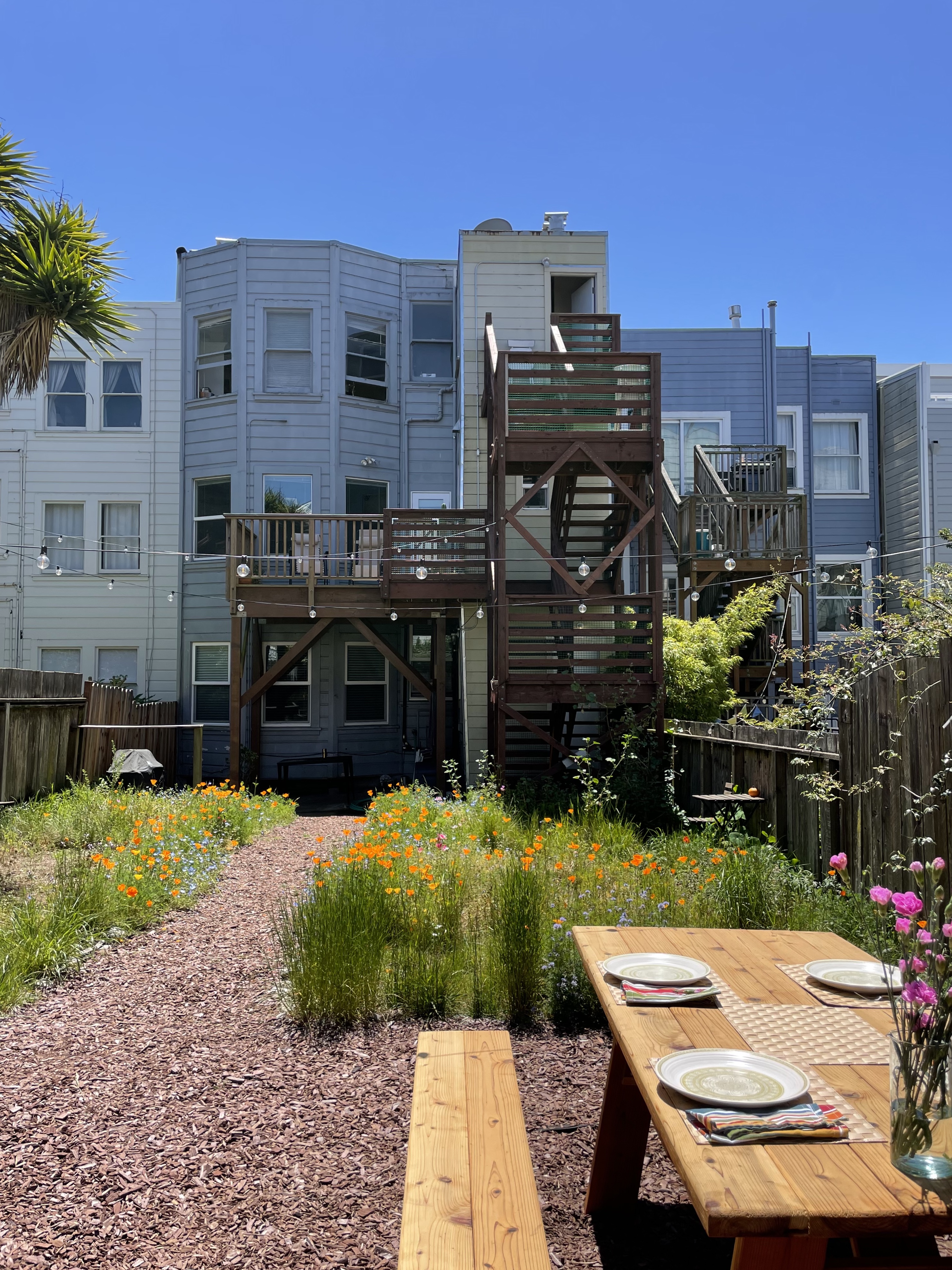
But bartering? I’m all for it! A graphic designer friend once designed a book cover for me. I “paid” him with a very nice bottle of bourbon. A much more satisfying trade. A neighbor who is a professional gardener helped me out when I was first getting my backyard together. I “paid” her with free tickets to a show at the theater where I work, and maybe a bottle too. 😉 Another much more satisfying trade.
But when money has been the trade, I’ve only ever let bottles go at my cost. Money out, money back in—as if I’d never spent it. Or like I bought it on someone else’s behalf and they paid me back, something whiskey fans do for one another all the time.
If I’m seeking a particular bottle of whiskey I can’t find in stores, I’d much rather offer someone a bottle in trade rather than offering money. I figure if I’m trading bottles with someone, we’ve both already spent money. Why spend more? They have something I want, I have something they want, and we each want the other’s bottle more than the bottle we have. Everyone is happy.
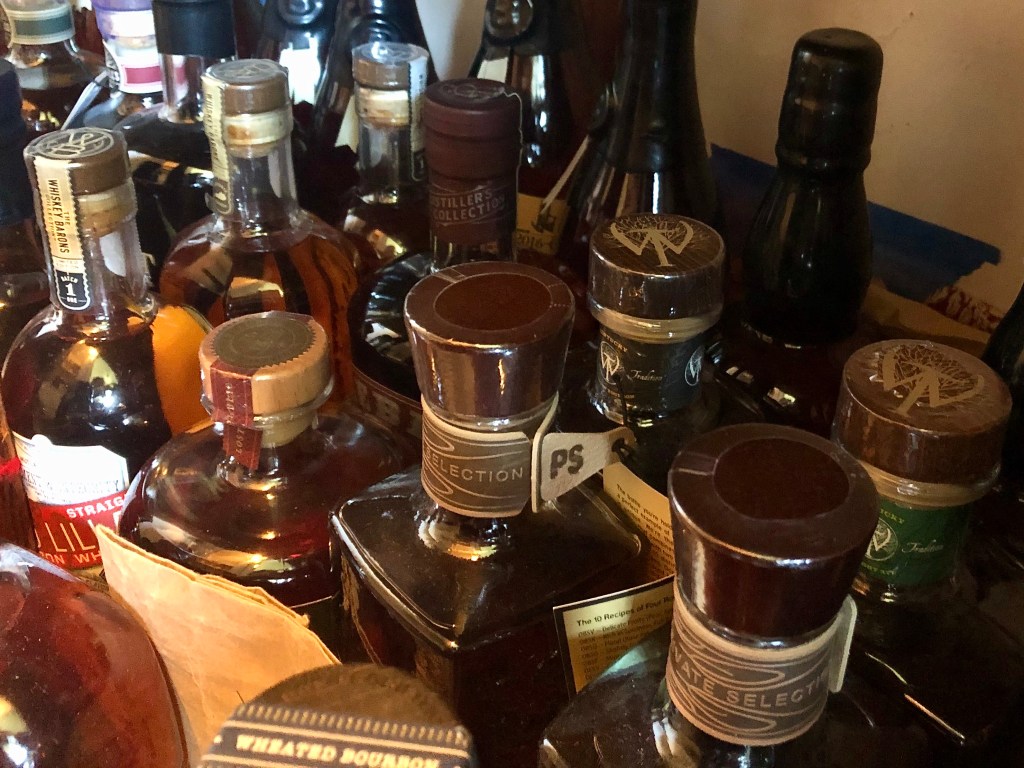
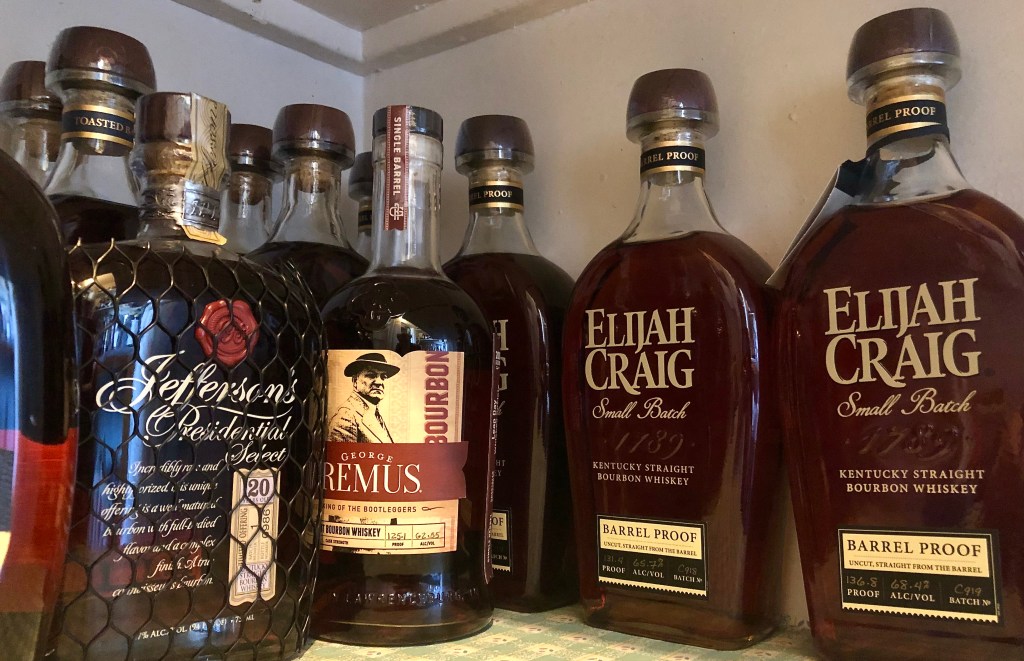
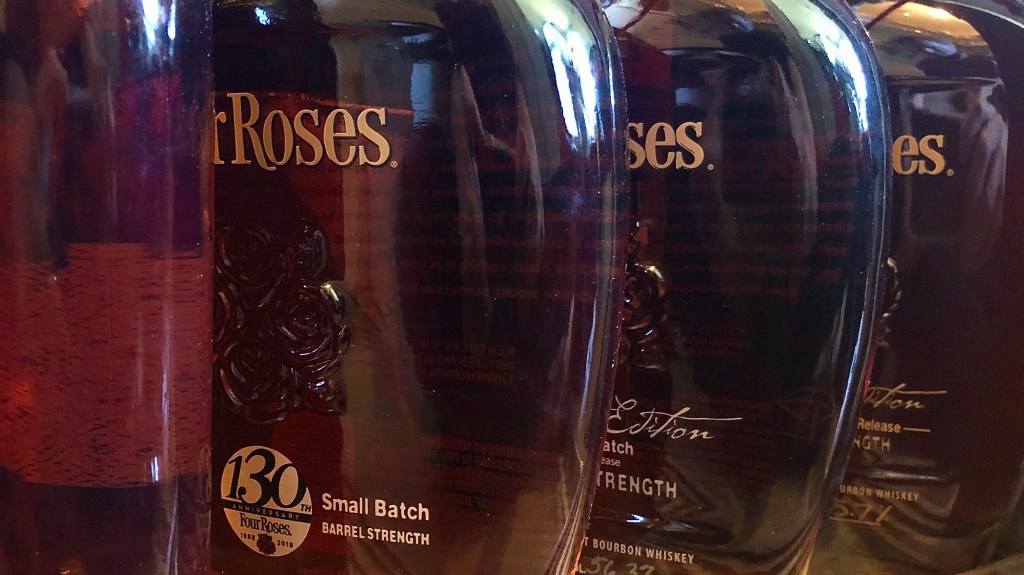
Here is where bartering gets into subjective territory. The msrp of a bottle, or the price someone actually paid for it, these are objective numbers. You paid what you paid. In a bottle trade, however, the valuation can become much more individualized. Someone might have a personal connection to a bottle they’re seeking, which raises its value for them. To get this bottle, they might be willing to trade a bottle they have that objectively costs more money.
Or maybe a bottle once cost $50 and that’s when you bought it. It’s been knitting a dusty shawl in your bunker for a handful of years, and now people pay $150 for current releases of the same thing—even more if it’s a past release. This scenario has served me well in bottle bartering. I’ve managed to come into current releases of one thing priced at three digits by trading past releases of some other thing that cost me only two digits. The person I’m trading with values my past release equally to their current one. Everyone is happy.
One could argue I make a profit in these exchanges. But I think that’s a pretzel logic. “Profit” is a concept tied to money. In a bottle trade, no money has changed hands. There has been no sale. We’ve exchanged objects. Once we’d bought them, they no longer held any value other than what we continued to give them. This relates to that old capitalist notion that things are worth whatever people are willing to pay for them. And by that old chestnut, value is truly ultimately subjective.
I mentioned my rationale to a friend, who squinted at me and said that I am in fact the one making a pretzel of logic. But as our debate continued, it became pretty apparent that every system related to trade is a political philosophy one buys into more or less. Capitalism, socialism, gambling, these are all ways of conceptualizing how we exchange money that take the exchange away from material objects one can hold in hand, away from bartering. Before money, one might value some higher number of chickens equal to some lesser number of pigs. Or the local carpenter’s work on your barn was worth some number of cows. Bartering is trade. It’s just now we trade in money, which seems to become less of an object every day! There are no bills, coins, or bullion stacked up in my bank account. Just a digital number in a bank’s server. Strange how money continues to have such a real impact in the world, despite it being arguably no longer even real! We’ve literally bought into this elaborate financial ghost story.
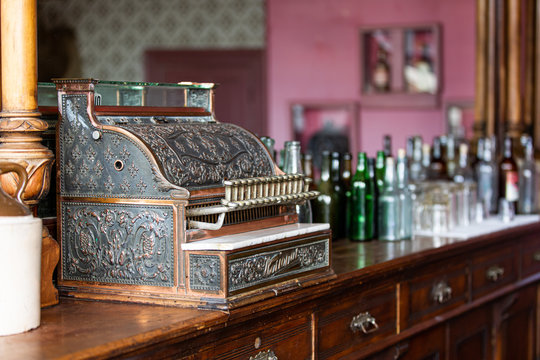
Okay enough about money.
Which is exactly the point of bartering for me! With the invention of money now long behind us, good old-fashioned bartering helps keep trade away from money’s corruptive influence and closer to other less quantifiable means of valuing. We value unique experiences. We value nostalgia. We value thoughtfulness. Kindness. Time. Attention. What’s the price on these things in digitized or cash dollars? We can trade in these things without exchanging money. Experiences for experiences. Kindness for kindness. Bourbon for rye.
Bartering has allowed me to experience whiskeys I may not have otherwise. That 2013 Old Potrero Hotaling’s 18 Year I mentioned? It just wasn’t worth the price to me—in dollars! But when I realized I could effectively buy it with dollars already spent, it was on my home shelf in no time. And it was great!
The Wellers and Henry McKennas I bunkered back when they were affordable? The backups of Limited Editions I managed to find at msrp? Through bartering, these perfectly good whiskeys have allowed me to try other whiskeys I missed or afford new whiskeys I was more curious about. It all comes around to curiosity in the end.
Last Call
Having experimented with less bunkering, and similarly having recently tried not buying whiskey at all for a full year, I’ll now try leaning into this practice I’ve been dabbling with of bartering bottles for bottles, leaving money out of it. How might this in turn impact my buying habits? What might it reveal about how I value what I already have? And how might limiting my trades to bartering indulge and expand my curiosity?
Only one way to find out.
Cheers!
Past Whiskey Journey Posts
Part 1 – Getting Started
Part 2 – Checking In
Part 3 – Why I Whiskey
Part 4 – On Weller Antique 107 and the Art and Practice of Letting Go
Part 5 – What have three years of writing whiskey notes done to me?
Part 6 – Nosing The Grind
Part 7 – What would happen if I didn’t buy whiskey for a year?
Part 7.5 – halfway through The Year of No Buying
Part 8 – Turning-Point Bottles Pinned To My Journey’s Map
Part 9 – my Year of No Buying comes to its end…!
Part 10 – To be continued…


