ARDMORE SINGLE MALT
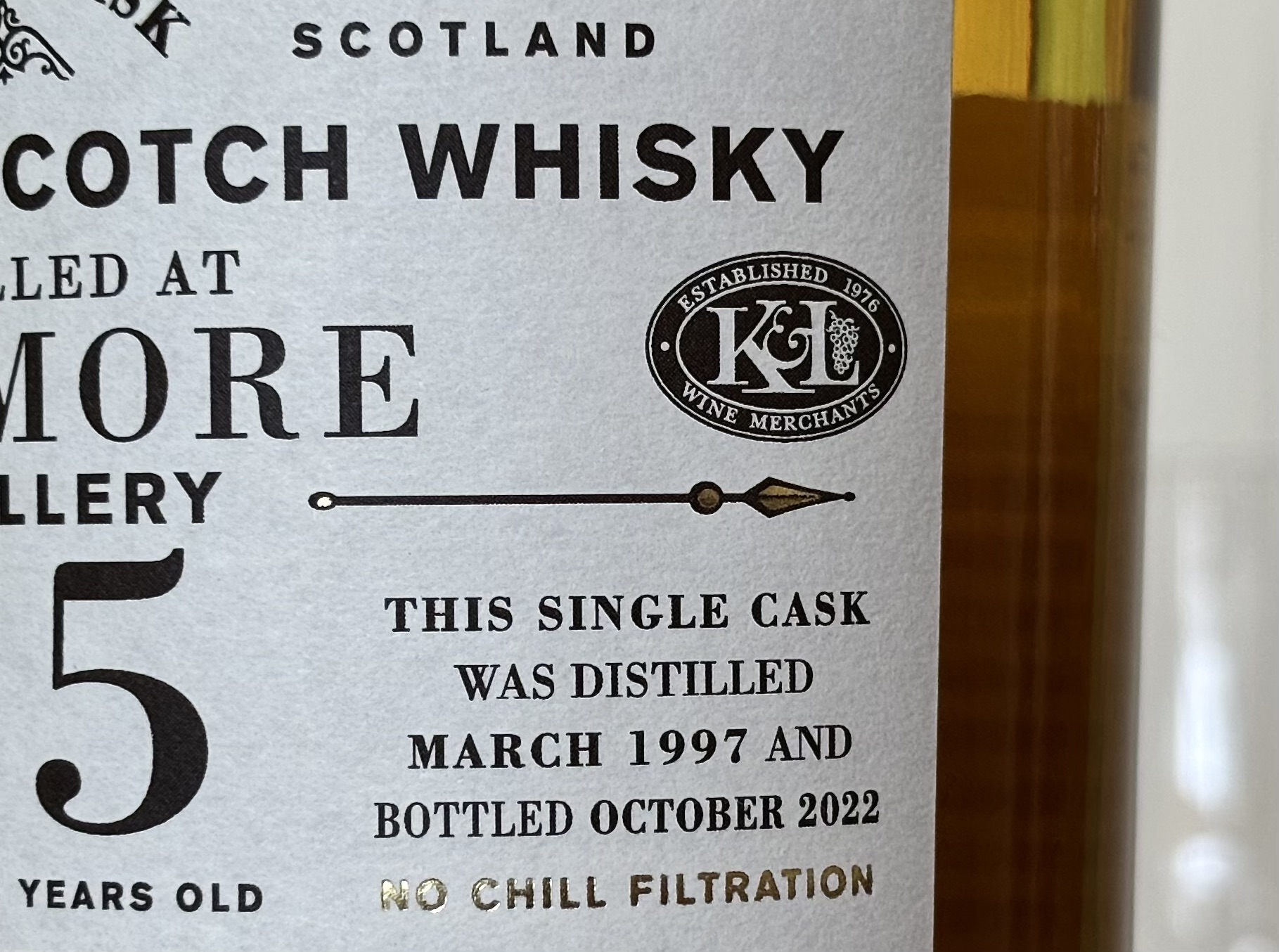
Cask DL16534; distilled March 1997; bottled October 2022MASH BILL – 100% malted barley
PROOF – 106.6
AGE – 25 years 7 months
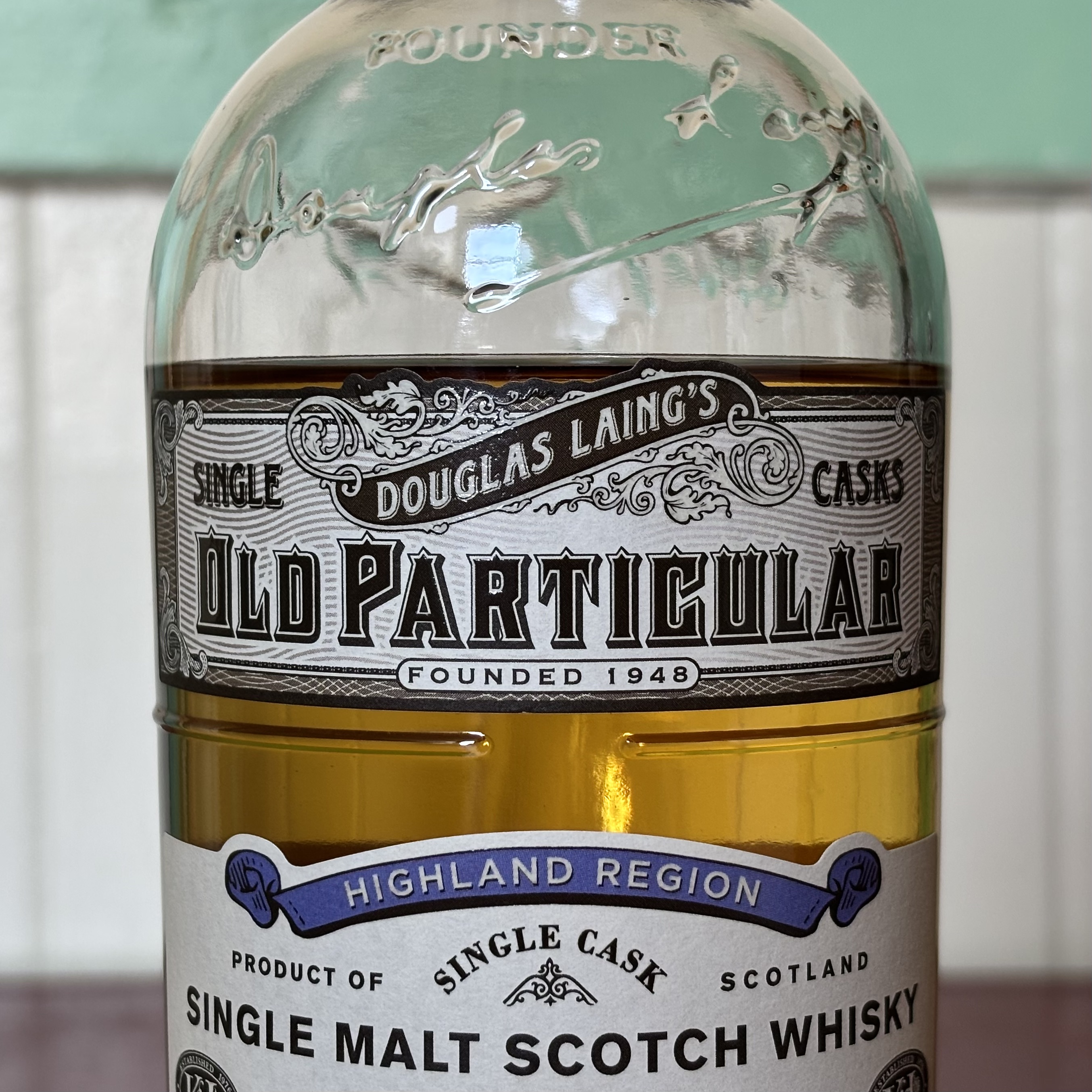
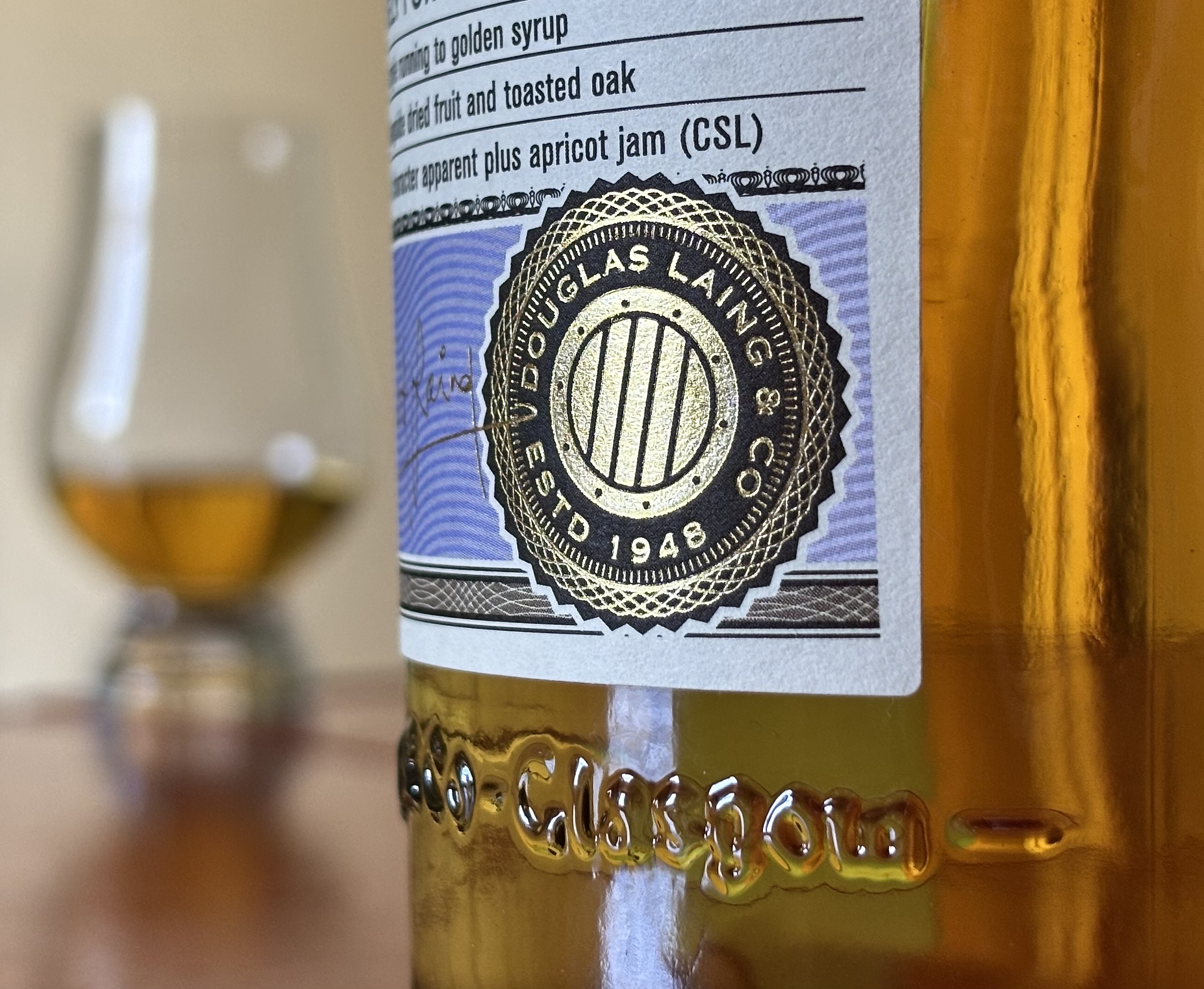
DISTILLERY – Ardmore (bottled by Douglas Laing)
PRICE – $218
WORTH BUYING? – Yes
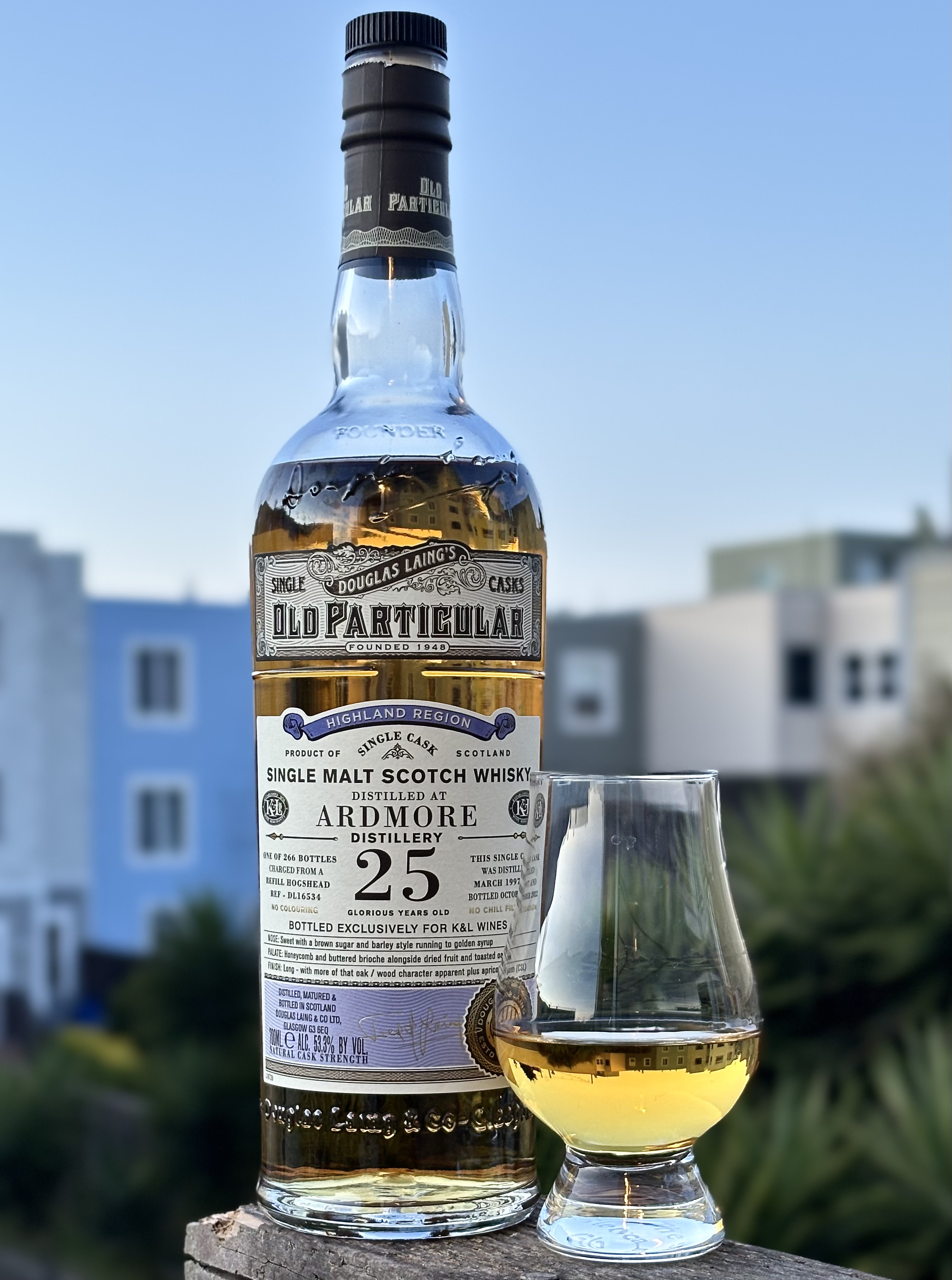
I picked this up in early 2023, when I was on the hunt to find a scotch brand I’d once thoroughly enjoyed in the lobby bar of the Sokos Hotel Villa, in Tampere, Finland, back in 2016. All I could remember about that scotch was that its name started with an “A,” it was aged 18 years, and it tasted like a forest fire. My vague memory of the label design is white on a dark green or brown bottle—not very specific.
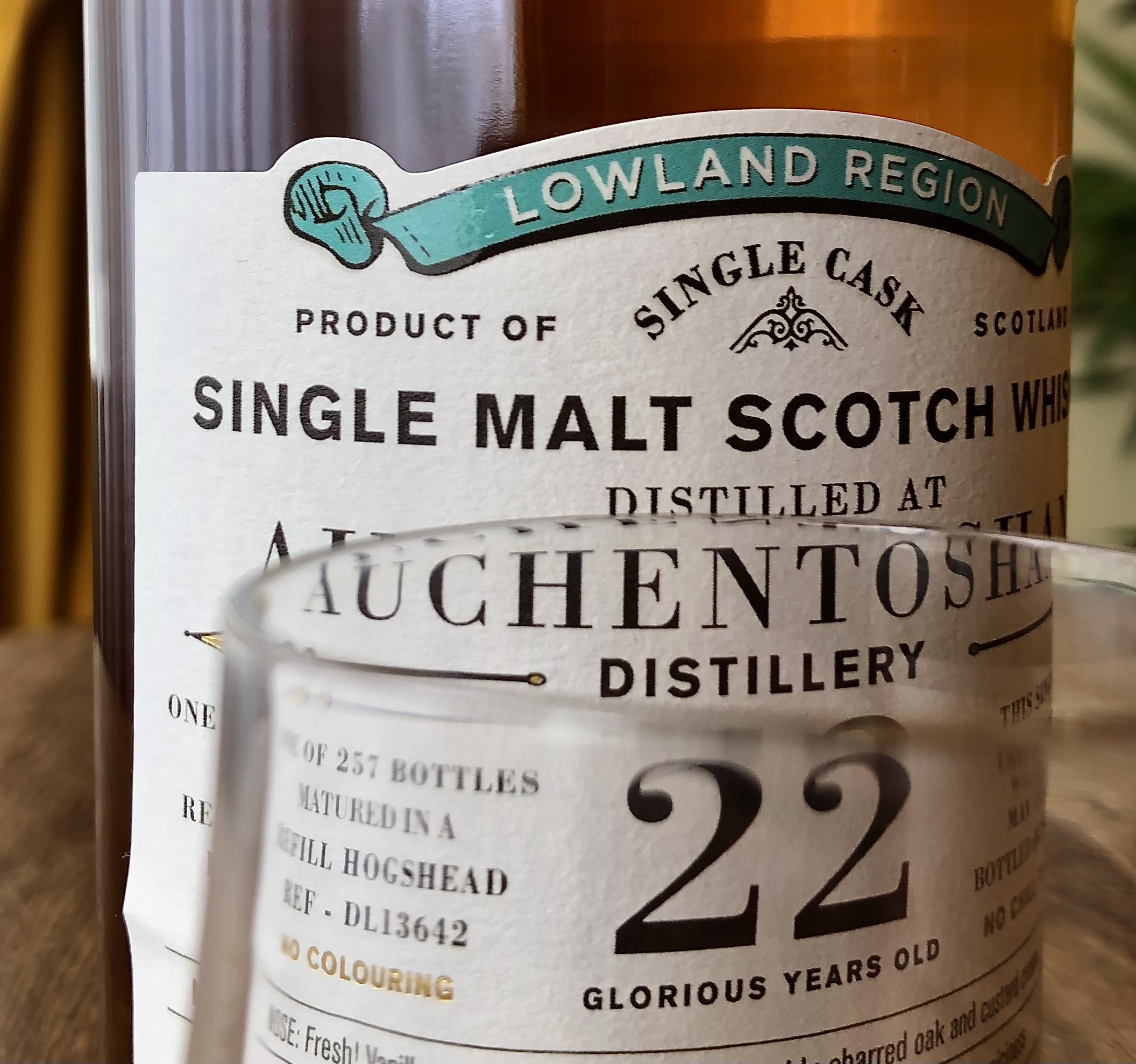
I tried an Auchentoshan 22 Year, hoping that might be it. Although my hopes hadn’t actually been too high given Auchentoshan isn’t known to traffic much in peat, if ever at all. Balvenie has their occasional “Week of Peat” release. Maybe Auchentoshan also tiptoed into the bog now and then? No such luck with this 22 Year.
I told a friend about my pursuit of this Tampere hotel bar mystery dram, and he gave me a sample of cask strength Auchroisk 12 Year, a single cask released in 2022. No peat or smoke. I enjoyed it fine, though I didn’t understand how “forest fire” had prompted my friend to think the unpeated Auchroisk might be the one. 🤷🏼♂️ I appreciated the sample in any case, and another “A” brand was struck from the list, so…
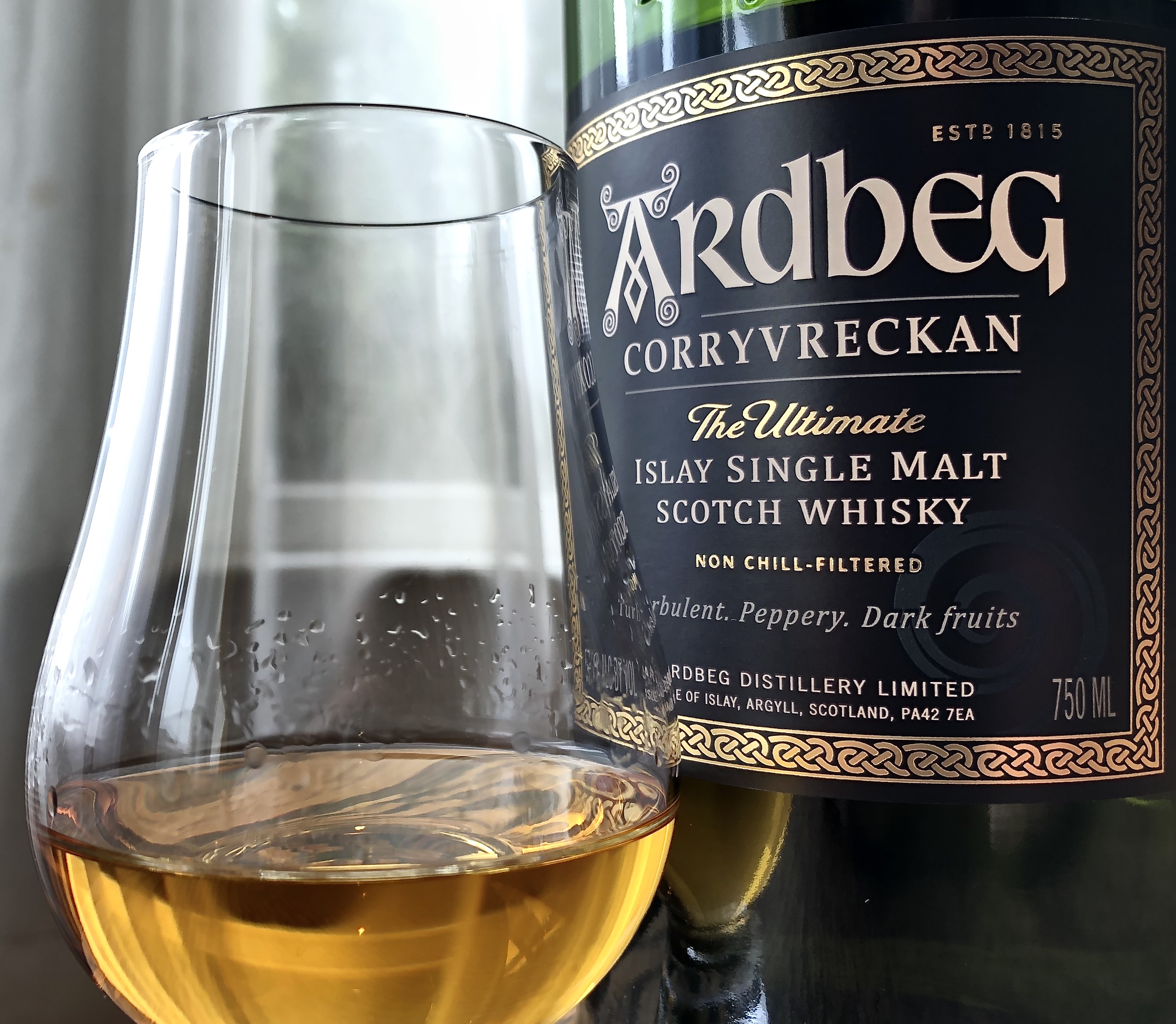
Of course it had already occurred to me the Tampere bottle could very well have been Ardbeg. But I enjoy this wandering hunt, regardless of my unlikely ability to recognize the exact flavor profile a decade later.
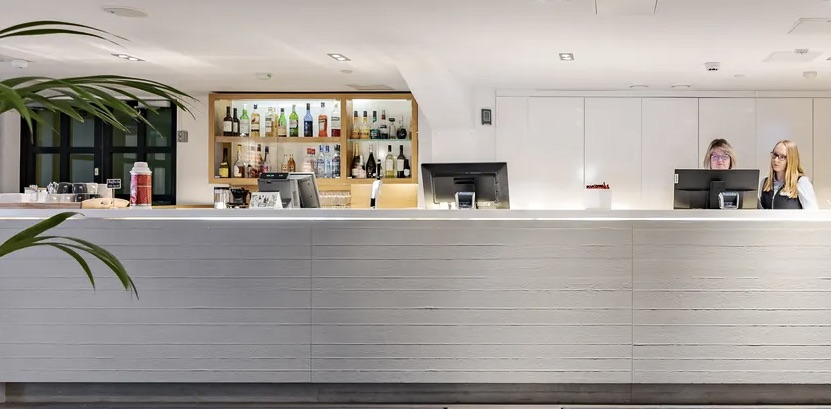
In that regard, it’s also very worth noting that in 2016 when I was nightly capping my Tampere days with a pour of that impressive smoky scotch, seated comfortably by the hearth in the hotel bar’s swinging chairs, I was at the very start of my whisky journey. The week after Tampere, I was in Edinburgh, Scotland, where I asked the bartenders to pour me what they might drink. I tasted quite a range of whiskies in Edinburgh, all new to me at the time—and now I was starting to jot down names. My sense for smokiness in scotch was only just awakening. So what I described then as tasting like a forest fire might today waft across my palate like the lingering smoke of a distant campfire.
Roy over on the Aqvavitae YouTube channel recently did one of his live vPubs on the subject of “peat blindness,” the phenomenon of intensity diminishing as one grows accustomed to peat’s harsher charms. I have no doubt the range of aromas, flavors, and ABV levels that once shocked my palate back in 2016, now do not. In addition to time passing, this factor alone could mean I’ll never manage to identify that fabled smoky scotch featured on the shelf of Tampere’s cozy Sokos Hotel Villa lobby bar.


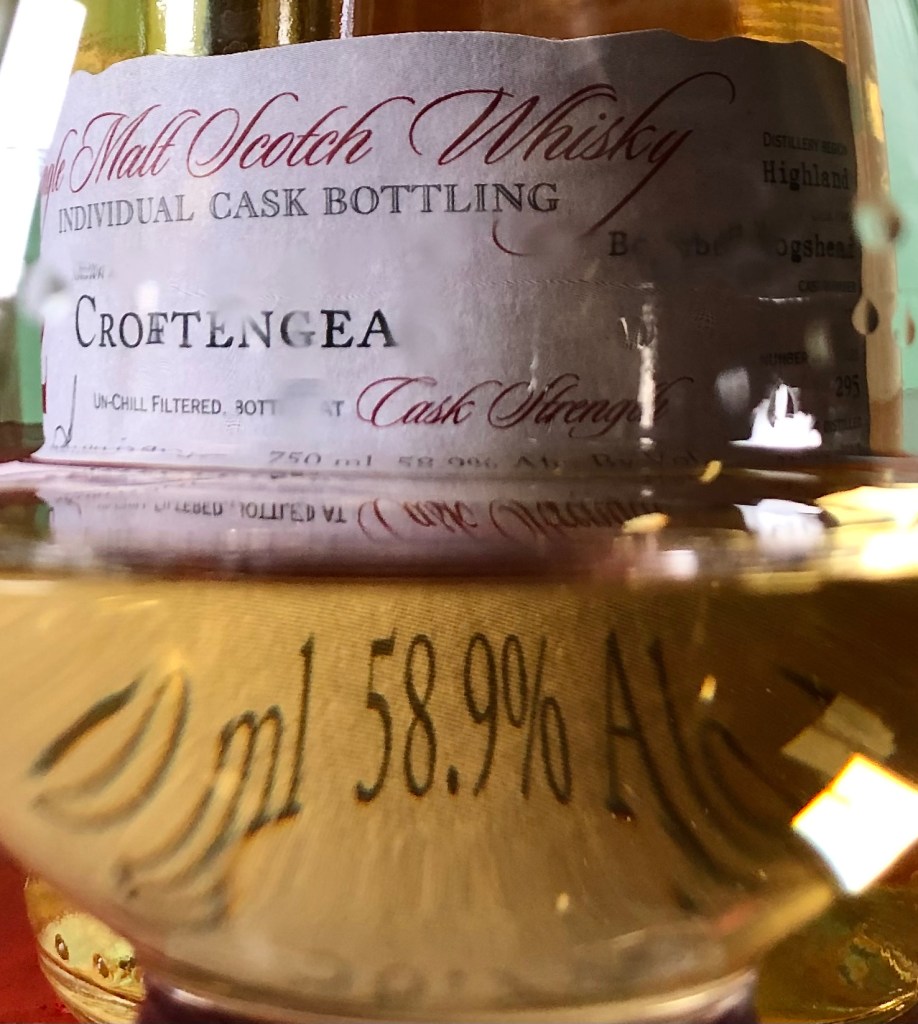
Unlike Auchentoshan or Auchroisk, Ardmore does figure among the known peated scotch brands. Being a Highland region scotch, the peat doesn’t have the same intensity as the infamously medicinal Islay region peat. Highland peat tends toward a gentler, sweeter, heathery smoke. Croftengea, for example, is among my favorite Highland peated whiskies, always delivering an utterly lovely smokiness.
But it happens this particular cask of Ardmore was distilled unpeated. According to K&L, who sold this cask, it came from a rare unpeated run of distillate, with only faint remnants of Ardmore’s signature peat having wandered into the whisky from the unwashed pipes after the previous peated distillate run. So it for sure won’t be akin to my Tampere forest fire. But it’ll be something!
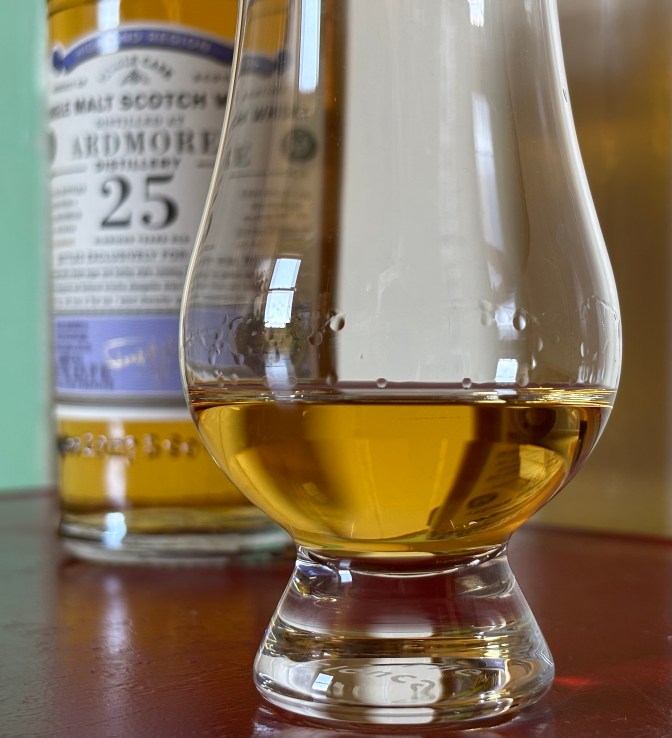
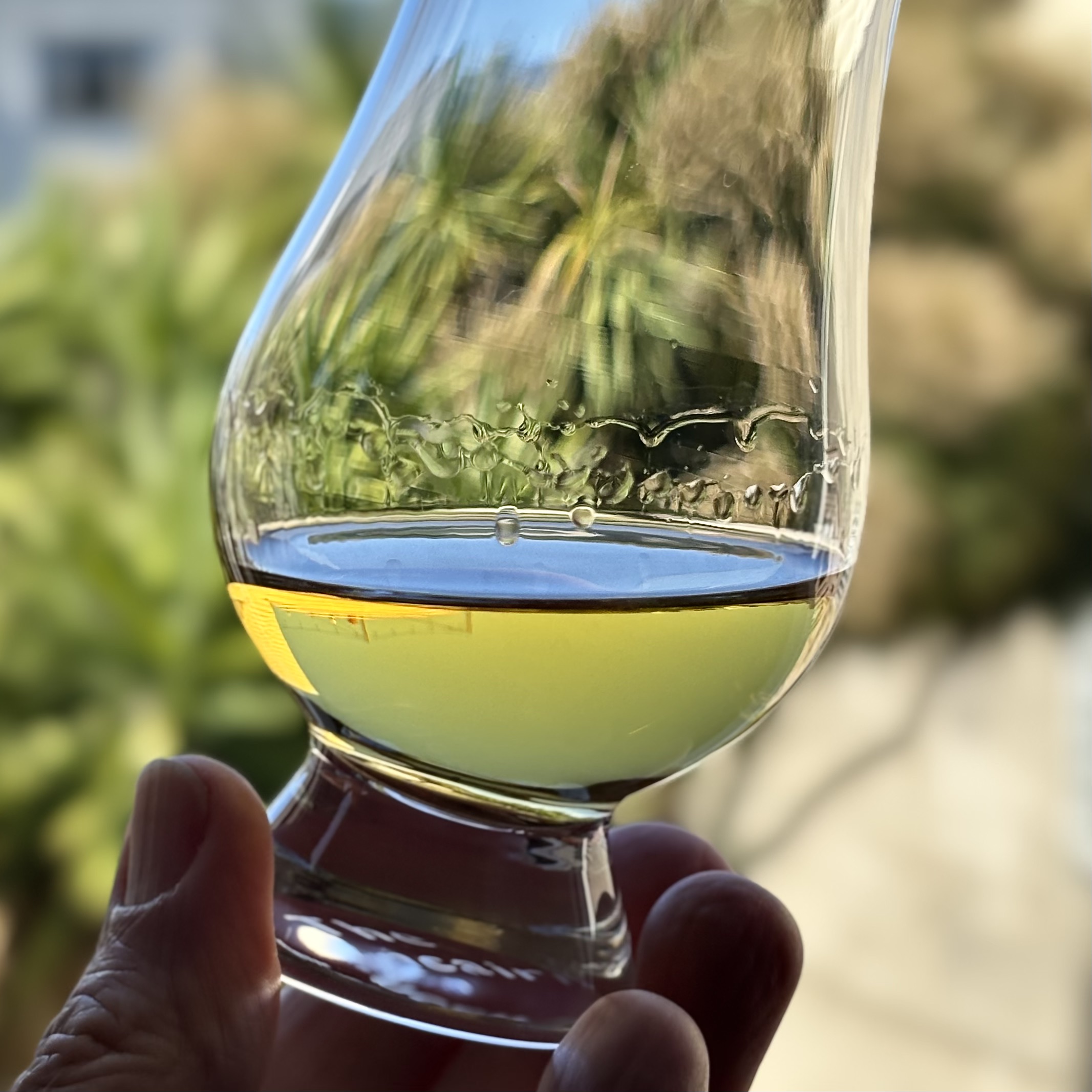
Here we are, four days after uncorking and three pours into the bottle. These brief notes were taken using a traditional Glencairn.
COLOR – pale straw yellows with light gold highlights
NOSE – thick whole cream and vanilla right up front, followed by nicely weathered oak, sand, salt, wood smoke, a bit of lemon zest
TASTE – the cream and vanilla still take the lead, now sharing center stage with a tangy nectarine / peach / papaya compote, surrounded by a swirl of the smoke, salt, oak, and sand.
FINISH – a cozy warmth from the ABV contrasts the brightness of vanilla, cream, and lemon zest, all trailed by wisps of the smoke, and now some earthy peat starts to show itself
OVERALL – sweet and earthy, like a kind elder
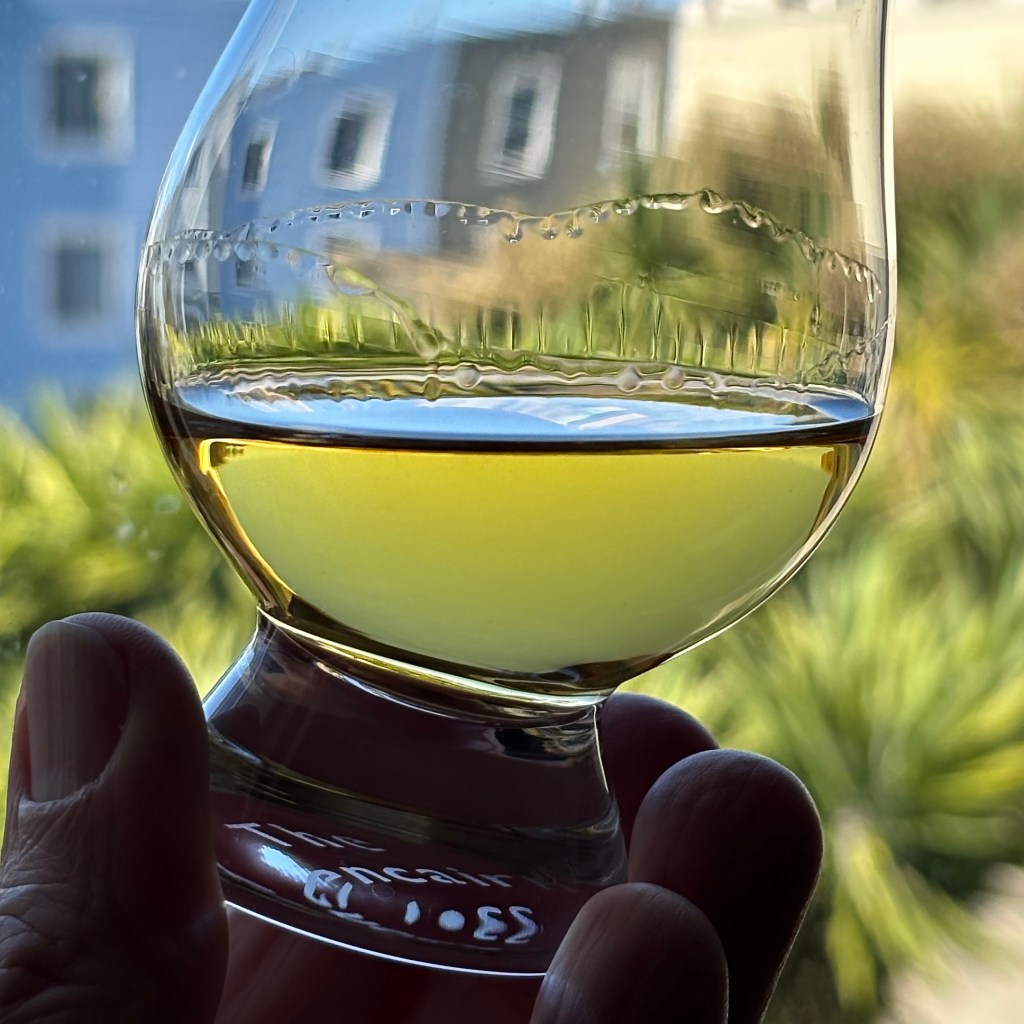
My Tampere mystery aside (which I accept will go forever unresolved) this is an enjoyable old whisky. The clean, clear malted barley has aged exceptionally well. I’d be curious what a refill sherry cask might have brought to this distillate. But the vanilla from the bourbon cask is luxurious in a very easygoing way, paired perfectly with that thick whole cream note. This foundation is nicely accented by familiar maritime, fruit, and citrus notes.
This is my first sip of the day. It’s worth noting my first two pours out of this bottle benefitted from my palate having been warmed up a bit by other whiskies. That’s not to suggest it isn’t as good today. But as a tasting session’s ice-breaker, some of the richness does get lost. In the future I’ll remember to work my way toward it, rather than start here.
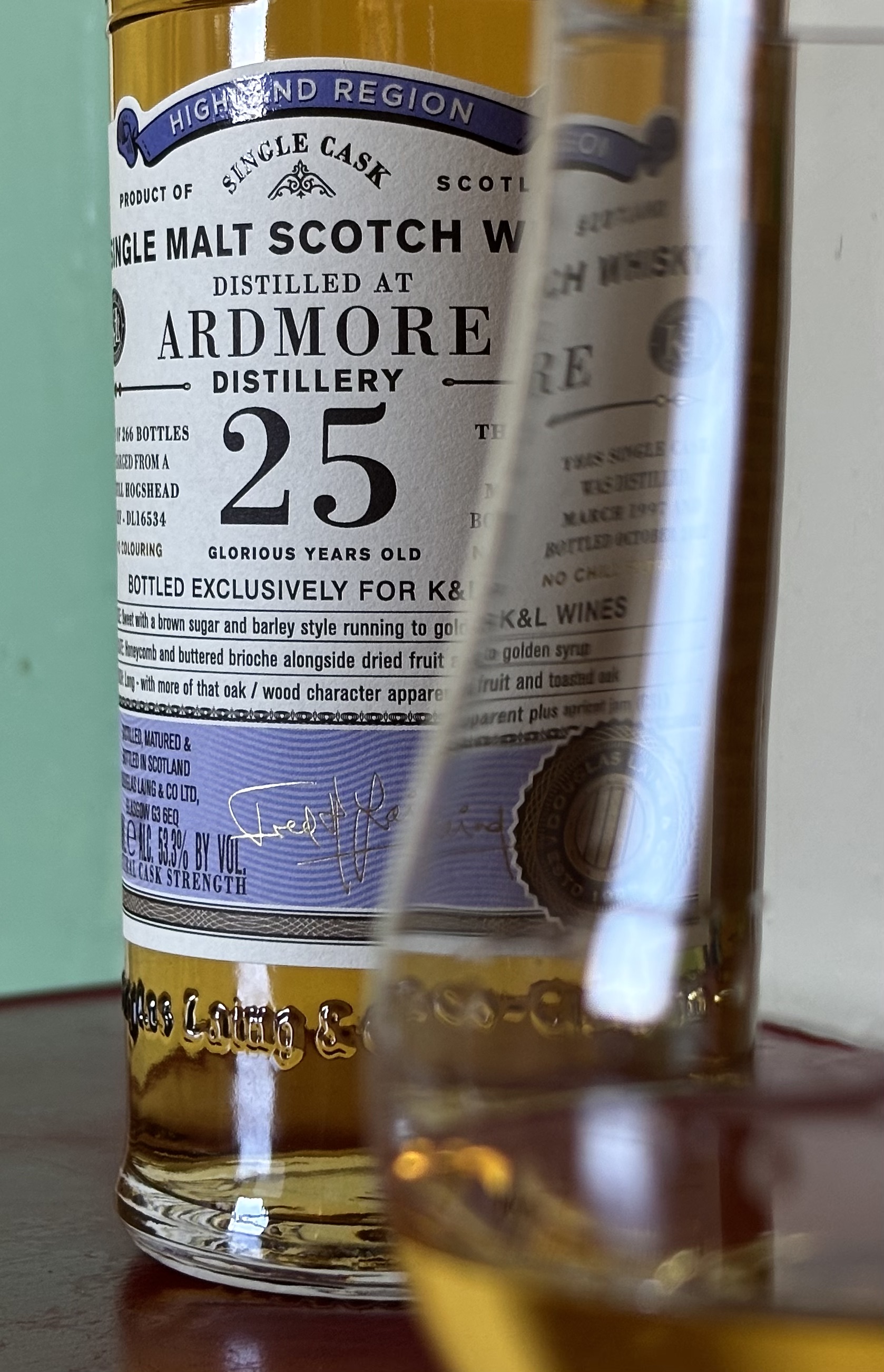
The inevitable question: Is it worth the price I paid?
Answering this question so long after I made a purchase often leaves me unconcerned about cost. The money is long gone, so, no use crying over absent dollars. Given I’ve had better and worse whiskies at this price, I wouldn’t say this was a necessary purchase— “necessary” by whisky geek standards. But I’m not at all mad at what I paid three years ago. A standard, non-age-stated Ardmore release I had at a bar in New York utterly paled by comparison to this wise old single cask. And today, with the whisky boom sputtering, this same bottle’s specs might cost the same or even less.
So had I bought it yesterday, maybe I’d feel different. But today I’m content to enjoy this rare, well-aged cask of Ardmore single malt whisky. It’s not showy. But it ticks several satisfying boxes. When I’m in the mood for solid scotch offering both delight and interest, I’ll be reaching for this bottle.
Sláinte!