KOMAGATAKE
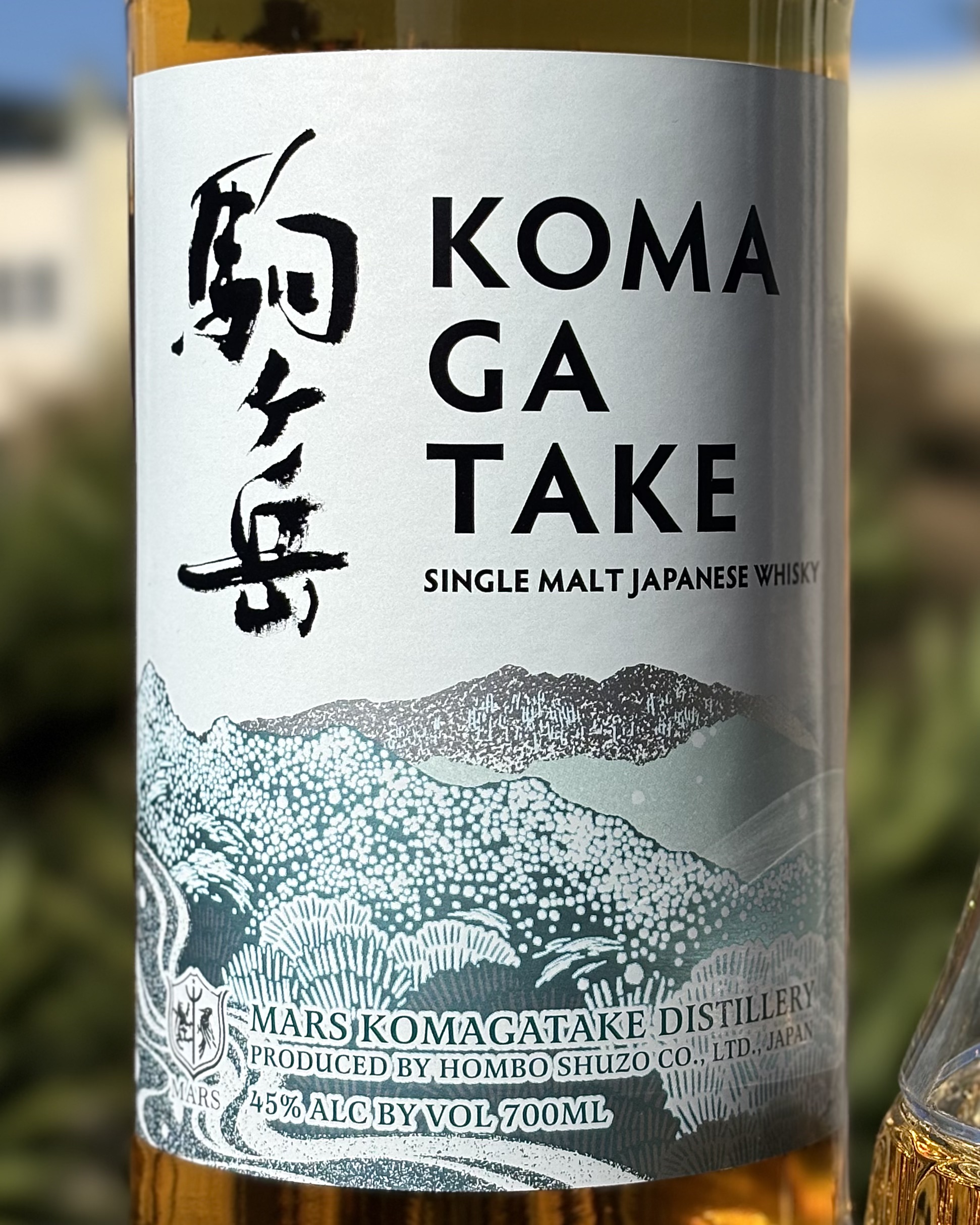
Single Malt (2025)MASH BILL – 100% malted barley
PROOF – 90
AGE – NAS (minimum 5 years in ex-bourbon, ex-sherry, ex-port, and ex-wine casks)
DISTILLERY – Mars Komagatake Distillery
PRICE – $87
WORTH BUYING? – Yes
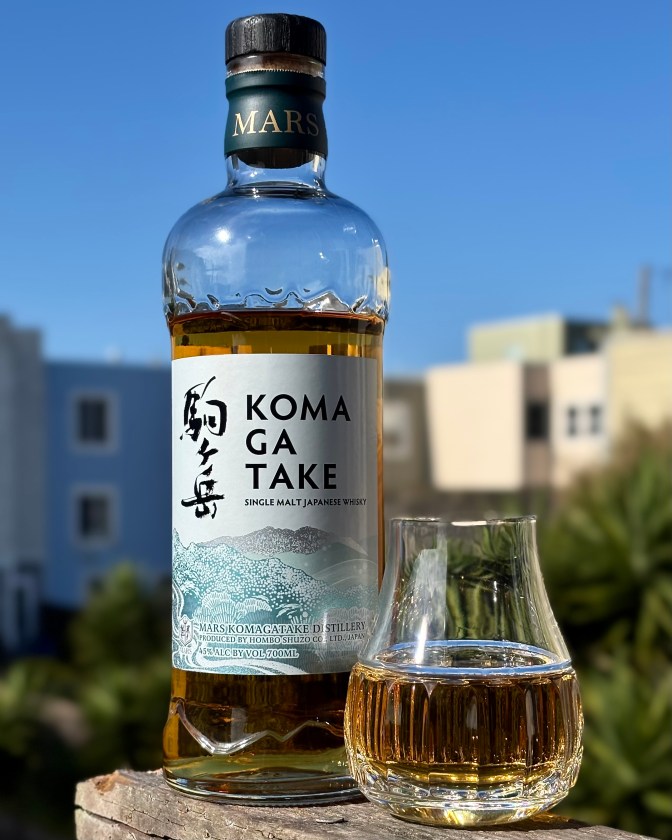
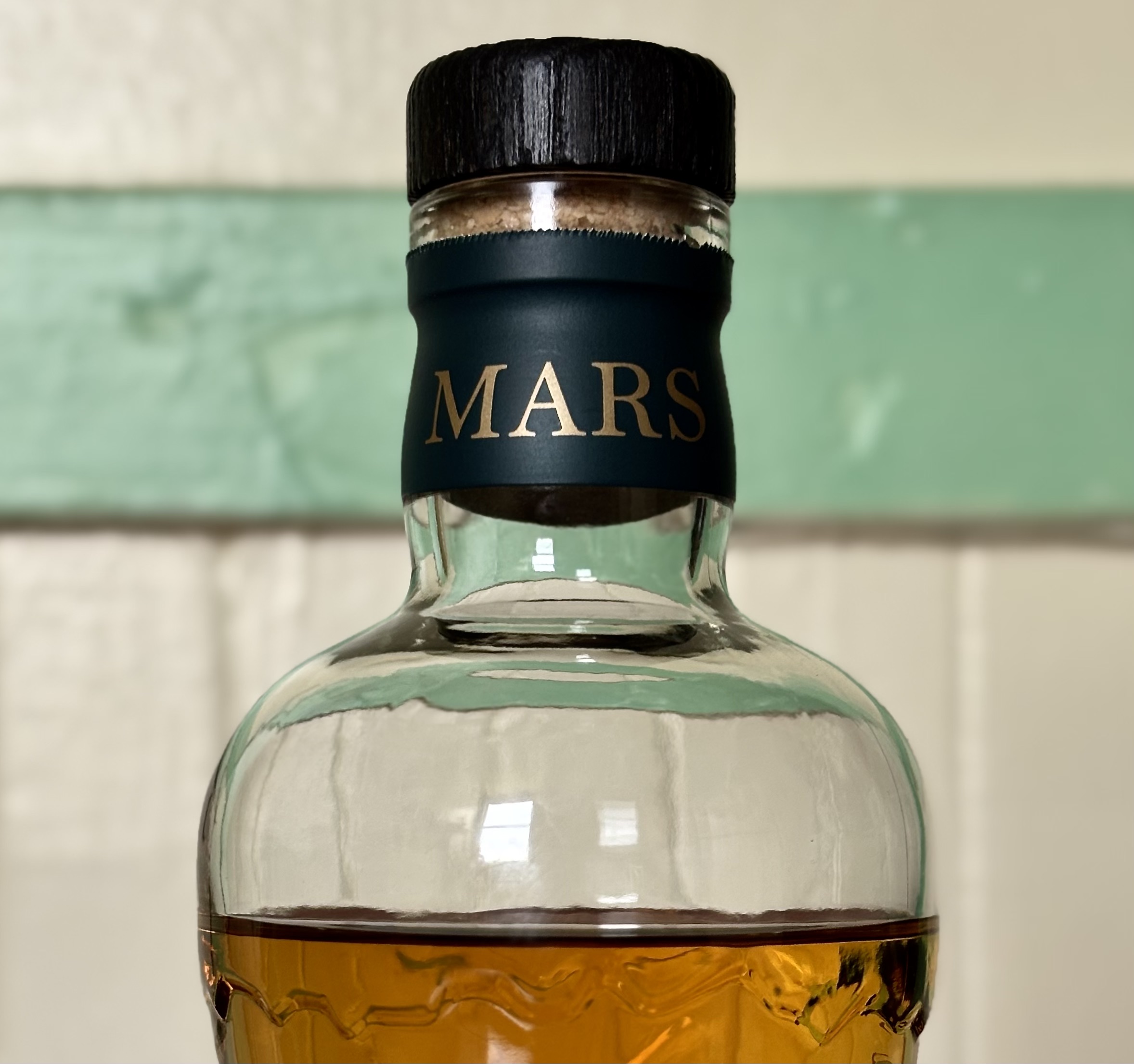
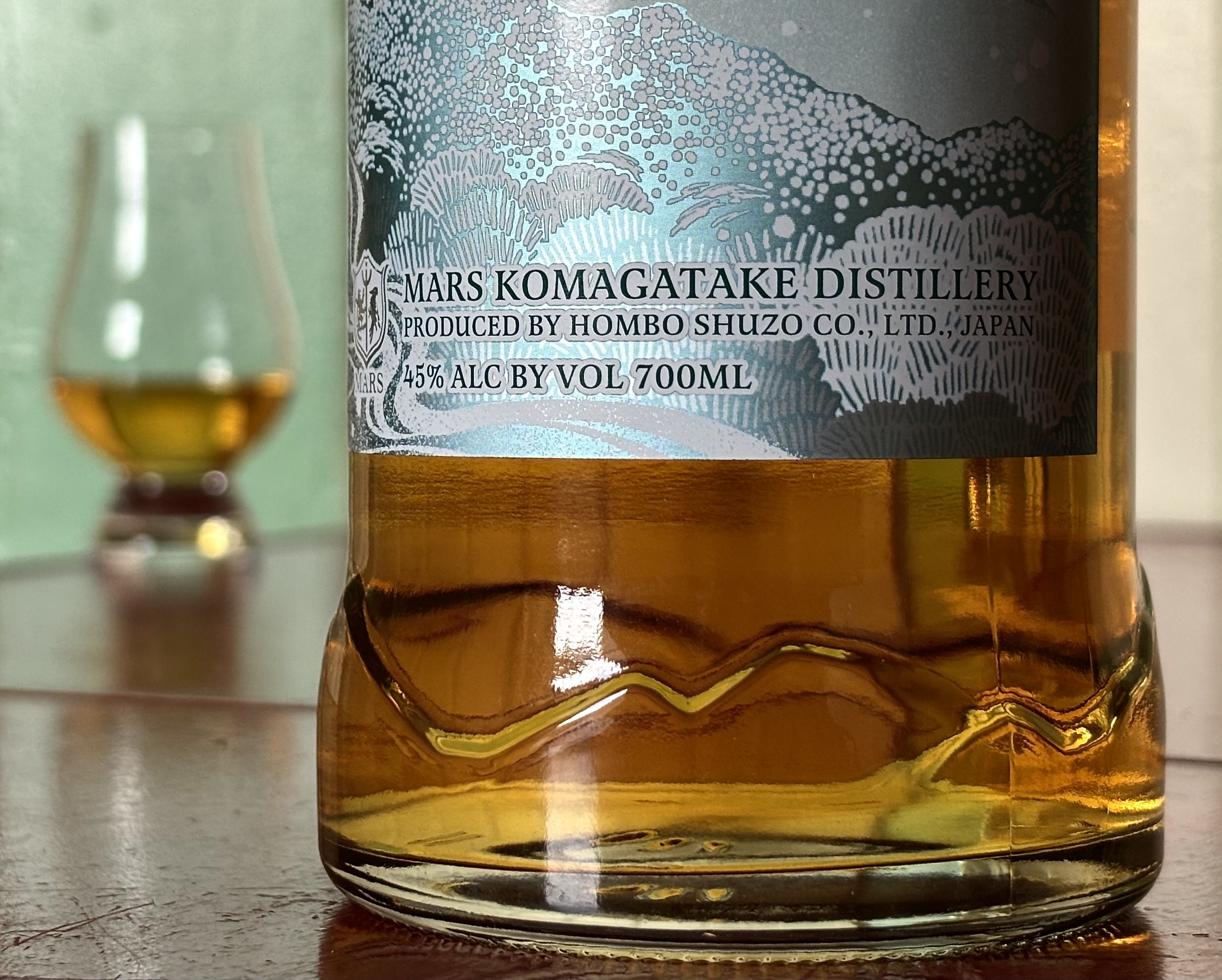
Having recently quite enjoyed a 2022 limited edition release from the Mars Tsunuki Distillery, which emphasized aging in ex-bourbon casks over ex-sherry, I was excited to try this recently established, more affordable standard release from the other Mars distillery, Komagatake. This release also emphasizes ex-bourbon cask aging, spicing the blend with a variety of wine casks.
Tsunuki Distillery is located in the south of Japan, where the climate is quite tropical. The humid heat there pushes the whisky in and out of the casks with gusto as it ages. Komagatake is more centrally located, where the climate is milder by comparison. And so whereas the Tsunuki whiskies tend to offer more robust flavor profiles, Komagatake takes a clean but rich approach.
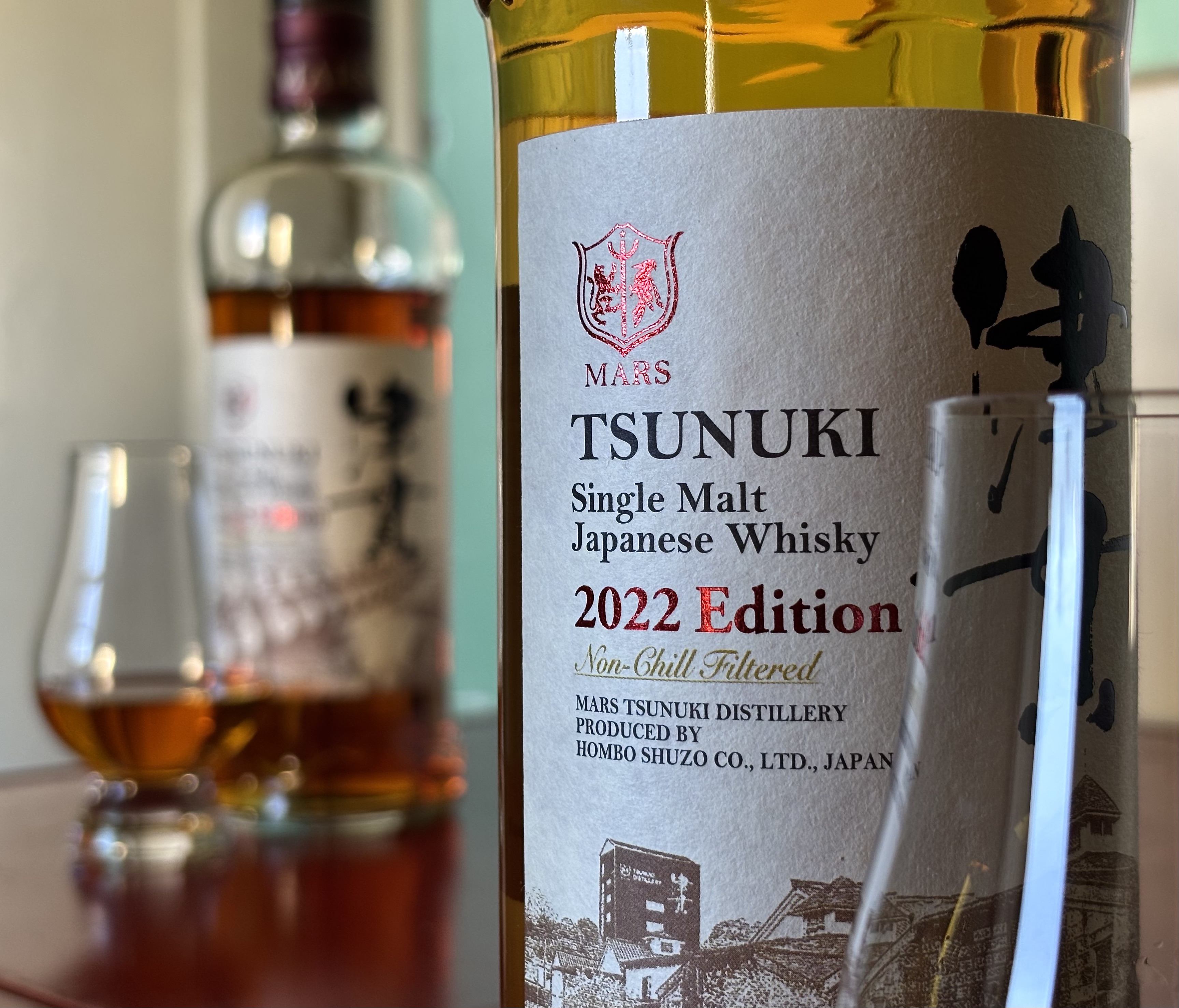
When it comes to Japanese whisky, I’ve long been on the hunt for my personal sweet spot between flavor profile and price. That 2022 Tsunuki appealed to me due to its more robust character, delivering the nuanced aromas and flavors I associate with Japanese whisky but with a forwardness I associate with American bourbons. I managed to get it for a price I could stomach—although, as a “limited edition” product, still not a price I’d want to pay on the regular.
Komagatake Distillery advertises a subtler house flavor profile than Tsunuki. The price point of its new flagship release is decent, all things world whisky considered. I very much look forward to what the eventual Tsunuki flagship standard release might turn out to be. But until that comes around, I’ll satiate my newfound Mars curiosity with Tsunuki’s sister distillery’s offering.
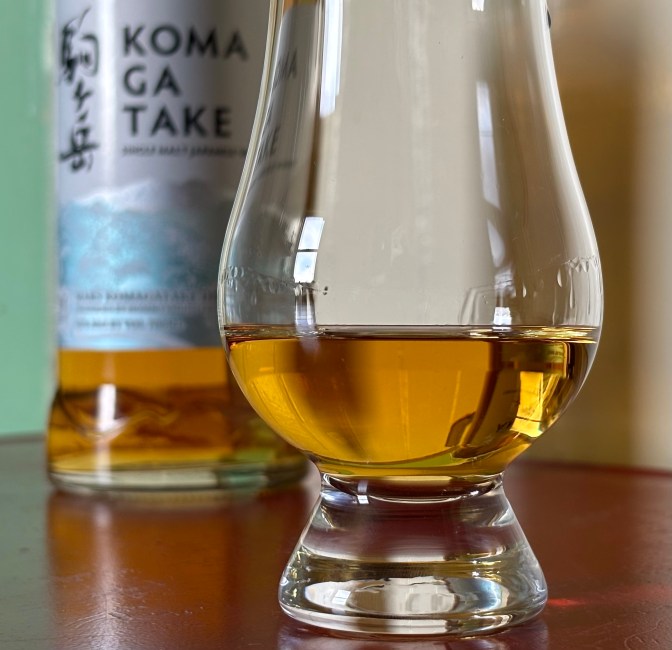
So here we are, four days after uncorking and two pours into the bottle. These brief notes were taken using a traditional Glencairn.
COLOR – buttery, with straw highlights and glints of shiny brass
NOSE – peaches drenched in vanilla syrup, subtle but thick caramel, saltwater taffy, dusty oak, sea salt, a malty milk chocolate fudge, wildflower honey
TASTE – very like the nose, only sweeter and richer, with the caramel leaning forward into the peach and vanilla notes, wildflower honey, and a nice creamy texture
FINISH – brings back some of the drier aspects of the nose—the oak, salt, malt—and now some papaya and green melon join the peach, and something herbal that’s vaguely like rosemary
OVERALL – bright enough to delight, rich enough to keep things grounded
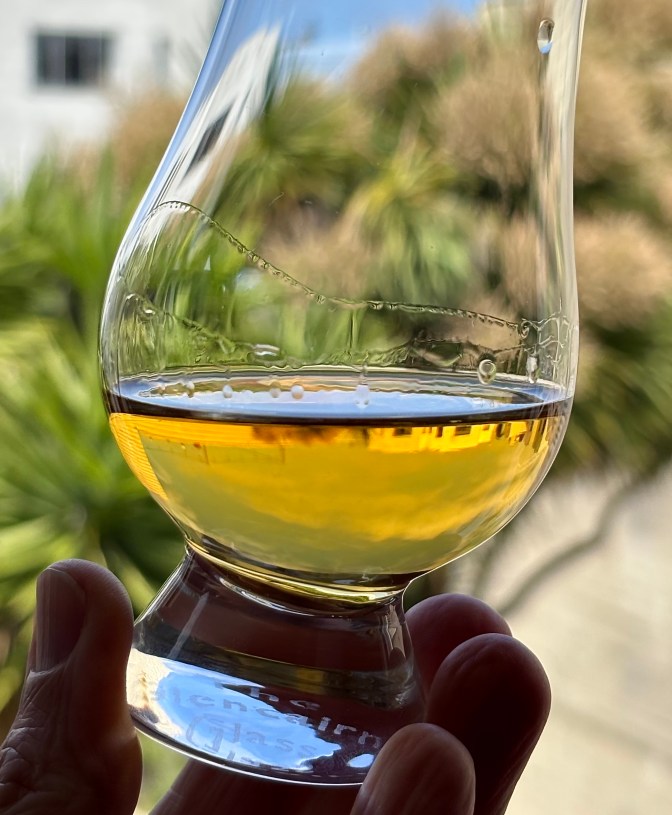
This is excellent. It’s nicely balanced between its various aspects, giving the impression of a happy and good humored person who can also hold their own in a more complex, serious conversation, without ever growing so earnest as to throw their optimism aside.
The tanginess of the fruit notes is tempered by the creaminess of the candy notes. Dashed across this foundation like spice are the oak, salt, malt, and that tease of rosemary. When I sip it my palate immediately comes alive, like the brightening glow of an amber light warming the room.
At a picnic on a sunny day. Before a summer sunset crisped by the ocean’s breeze. As an aperitif before dinner in spring or summer. Dessert after a meal of fresh vegetables, light meats, or seafoods. I can see this whisky serving its purpose on many occasions.
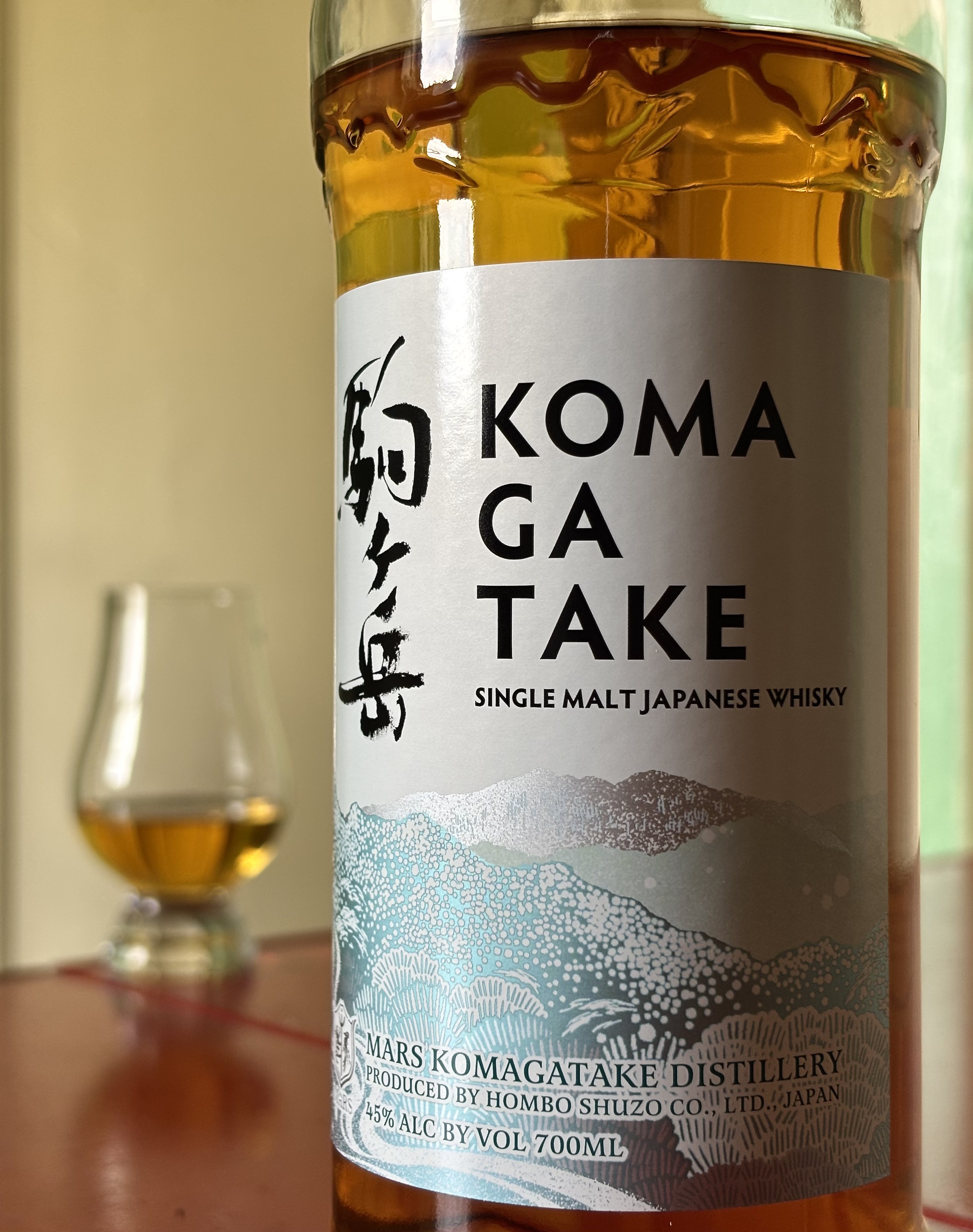
For the price point, I don’t see this as a daily sipper. That’s too bad. Because as a tasting experience, I can well imagine it filling that role. It’s very approachable. Agreeable without lacking interest. The Japanese knack for balance and harmony is on full display here, with no artificial color or filtering to disturb the whisky’s natural inclinations, as with the more famous Japanese brands.
Despite the cost, between this and the Tsunuki 2022 L.E. I enjoyed so much, I think Mars might very well become my go-to Japanese whisky brand.
Kanpai!
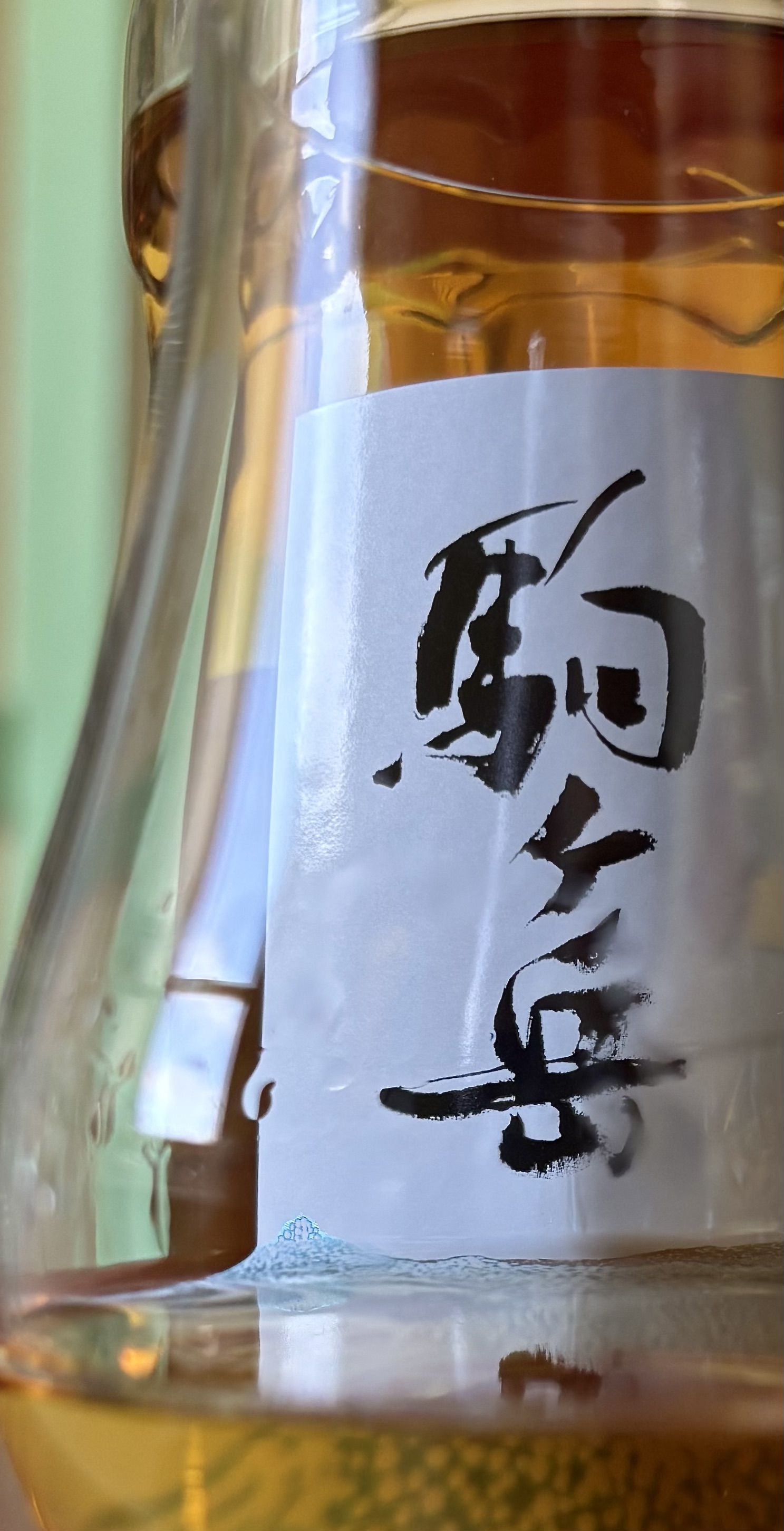
Last Call
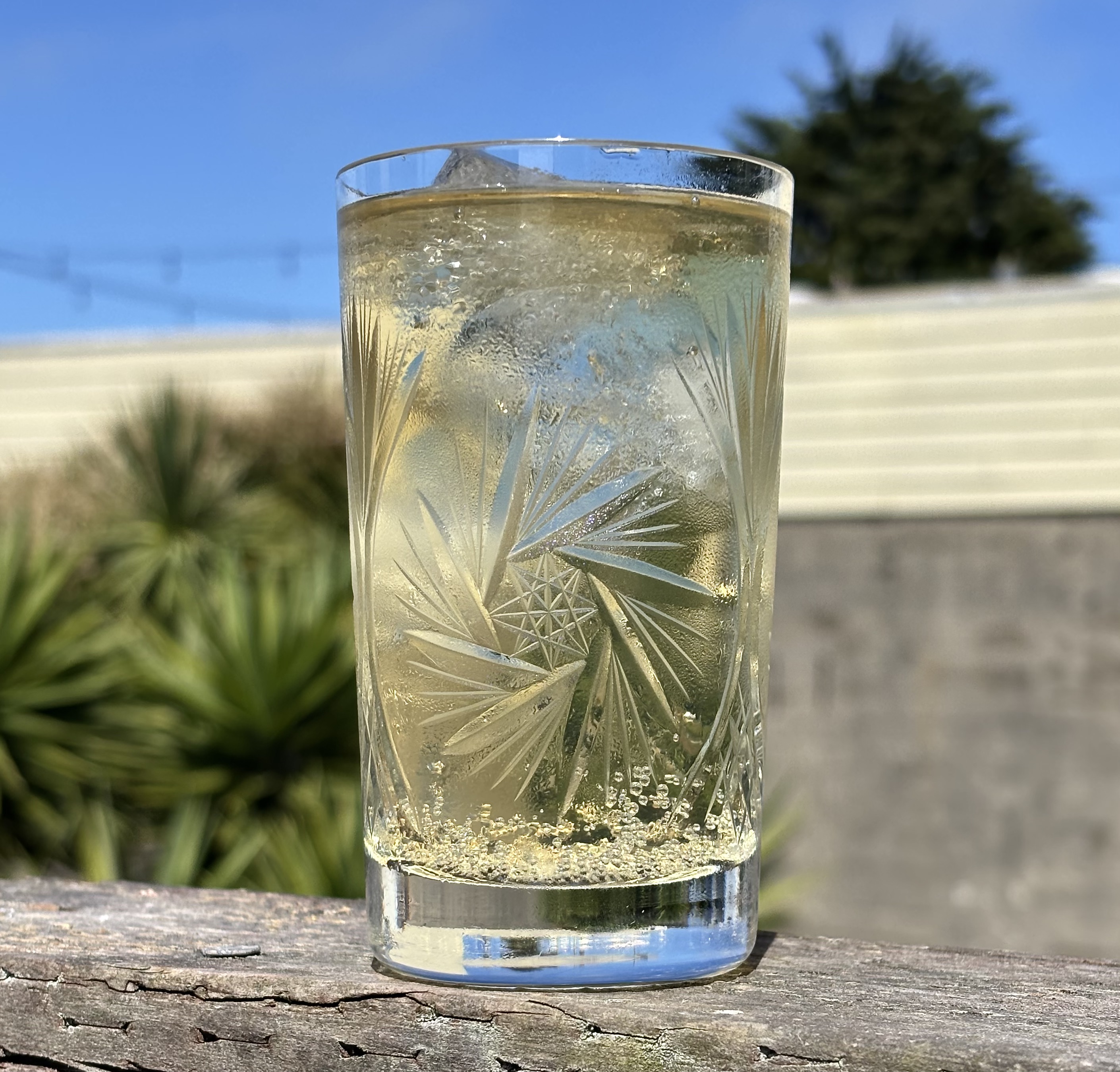
Naturally, I had to try the Komagatake in a highball. Apparently Mars president, Kazuto Hombo, prefers it this way, and one can assume he would know!
I followed the process recommended by Julia Momosé of Kumiko, the highly regarded Japanese style dining bar in Chicago. In her book, The Way of the Cocktail, Momosé describes in detail her recipe and approach. While I don’t have her particular ingredients on hand, I do often draw on her method when I make highballs at home.
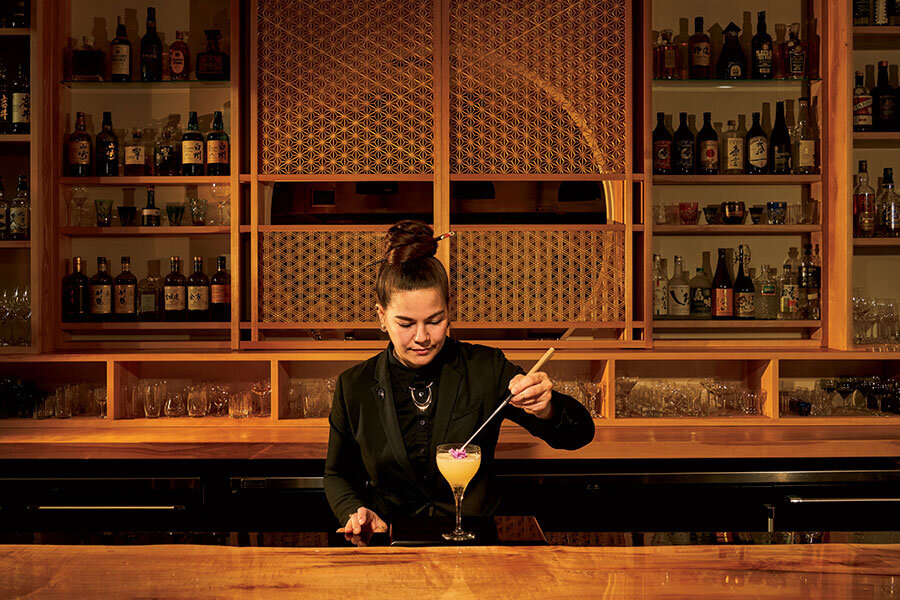
There is indeed something extra special about a highball made with care and attention. Slapdash highballs also have their time and place and can be perfectly refreshing. I make those too, and enjoyed several on a visit to Japan. But for my Komagatake highball debut, I went the Momosé way.
1.5oz Komagatake (chilled in the freezer)
Fever-Tree Club Soda (chilled in the refrigerator)
1 barspoon Tsunuki Limited Edition 2025
1 lemon peel for zest
Chill the glass in the refrigerator and prep the lemon peel.
When ready, fill the glass 3/4 full with cubed ice and stir gently a few times. Pour out any excess water that results.
Pour the whisky over the ice, and stir gently a few times.
Pour the soda to the top of the glass, aiming between the ice and glass to minimize contact with the soda in order to maximize the bubbles.
Rather than stirring, integrate the whisky and soda by gently lifting the ice upward with a barspoon—again, to minimize expenditure of bubbles before serving.
Float 1 barspoon of Tsunuki Limited Edition 2025 over the top. I chose this whisky due to the Mars connection, but also because it is quite prominently sherried, and Momosé’s recipe calls for 1 barspoon of oloroso sherry.
Express lemon zest over the top and discard. (Momosé prefers no zest or garnish. But lemon zest is a common accent for highballs in Japan, and I enjoy the refreshing zing it adds.)
And how is it?
Excellent. That touch of sherried single malt brings a dark accent and the lemon zest a bright accent, which together complement the Komagatake’s own balance of rich and clean qualities. And the whisky’s drier malt and oak notes seem to be lifted by the club soda’s own dry-tasting effervescence.
Definitely not a slapdash highball! This one conjures an optimistic thoughtfulness, like the Komagatake itself. I’m a fan.
Kanpai!