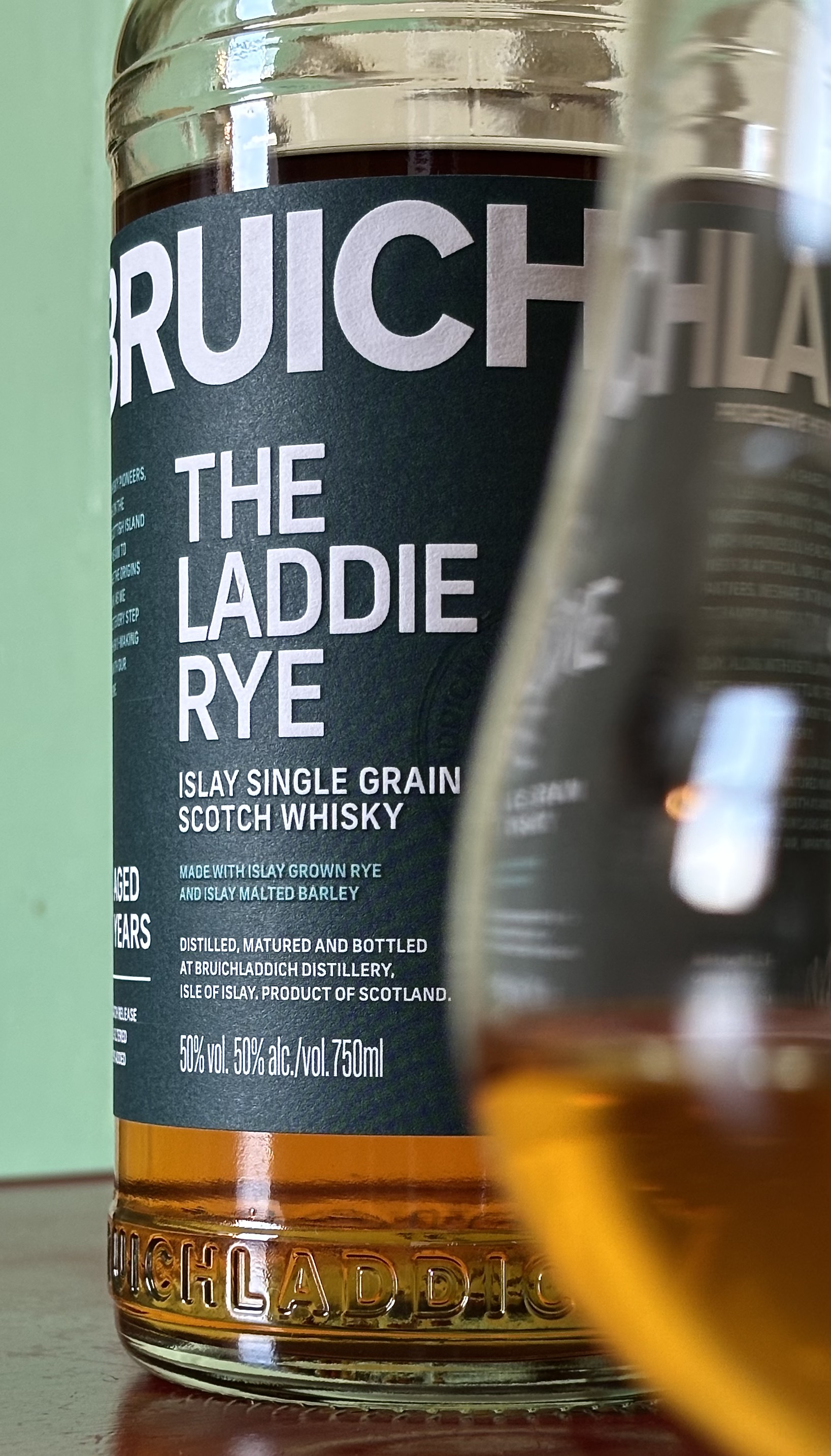
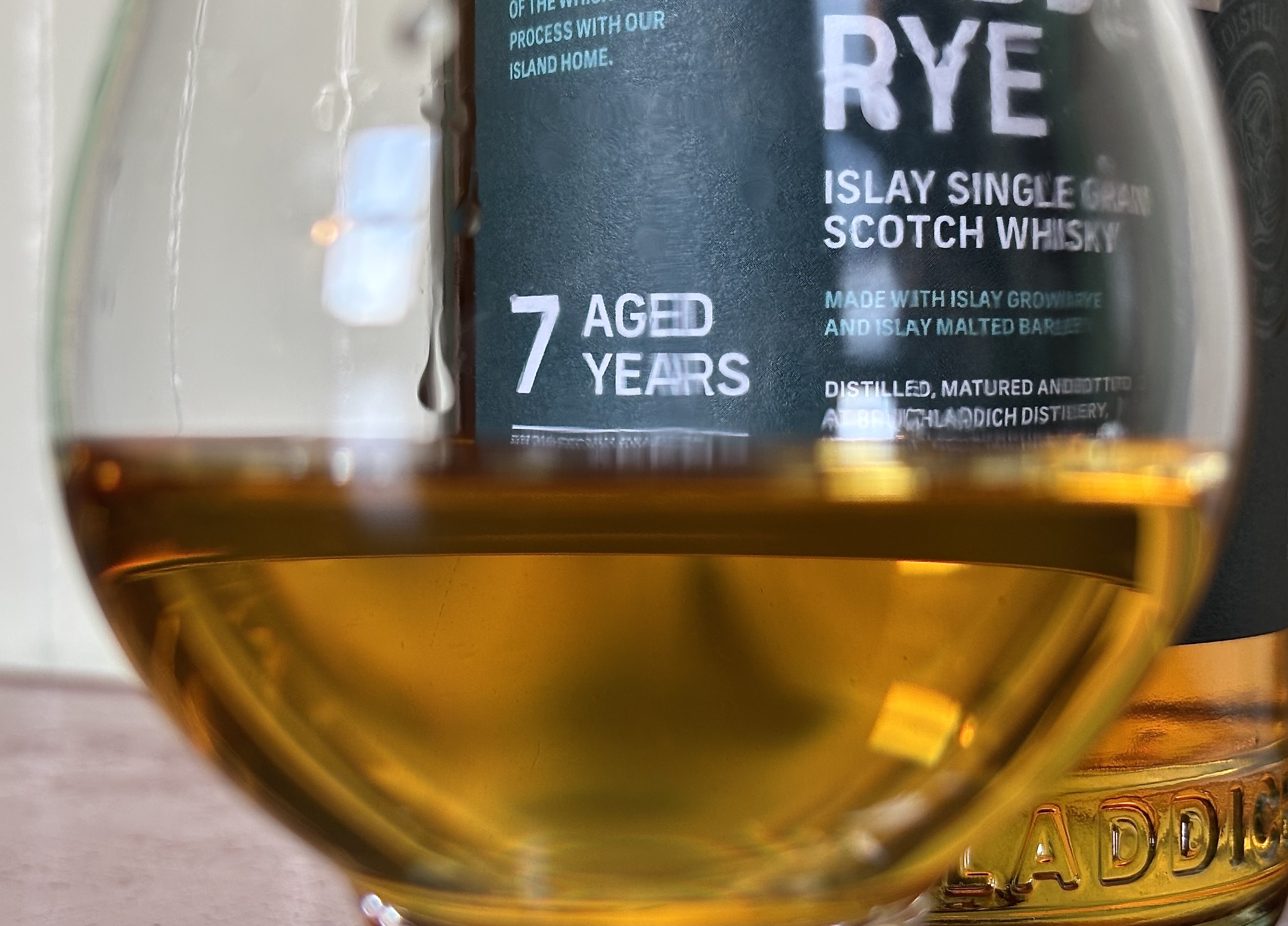
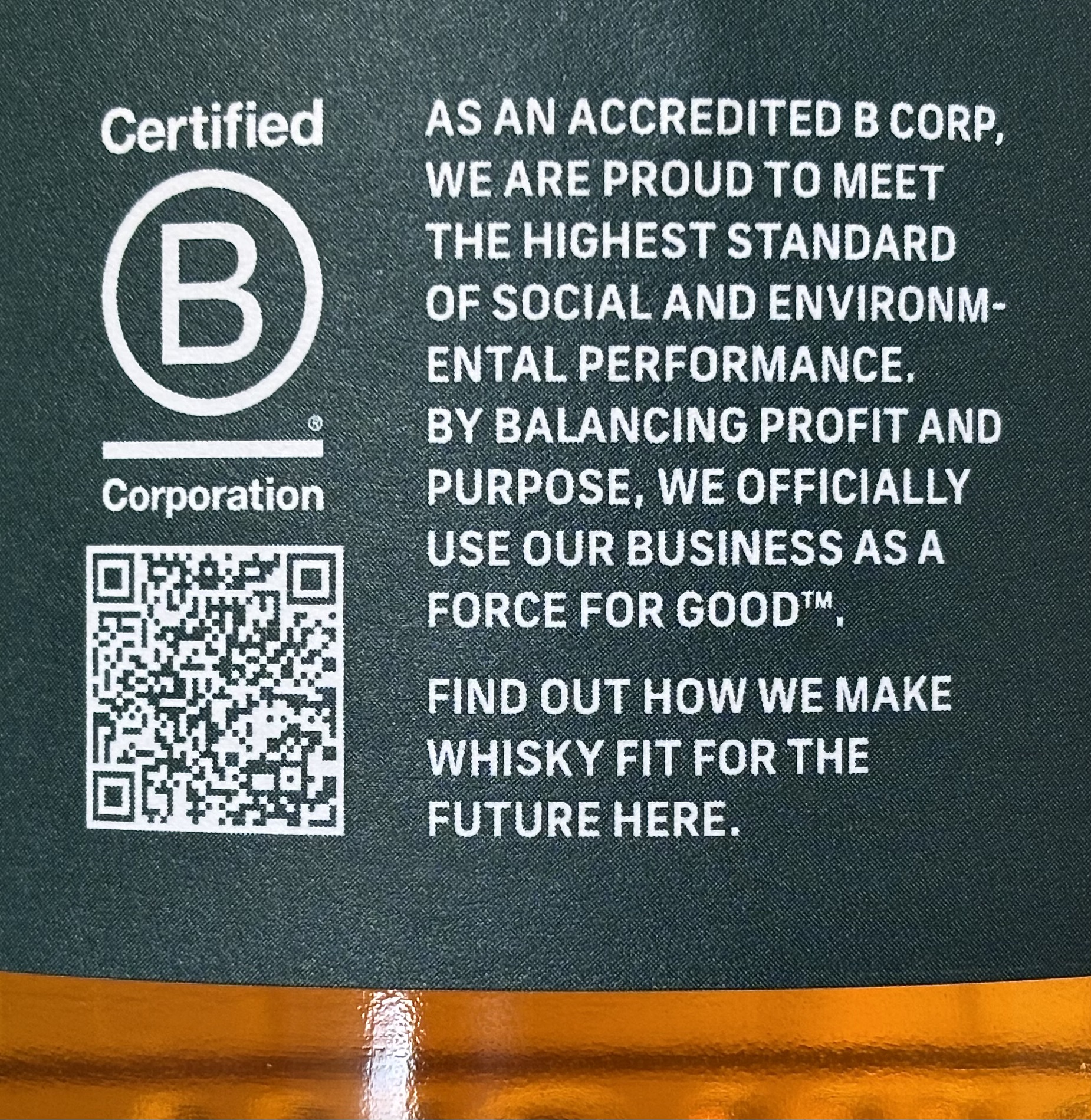
THE LADDIE RYE
Released 2025MASH BILL – 55% rye, 45% malted barley
PROOF – 100
AGE – 7 years
DISTILLERY – Bruichladdich Distillery
PRICE – $66
WORTH BUYING? – Yes
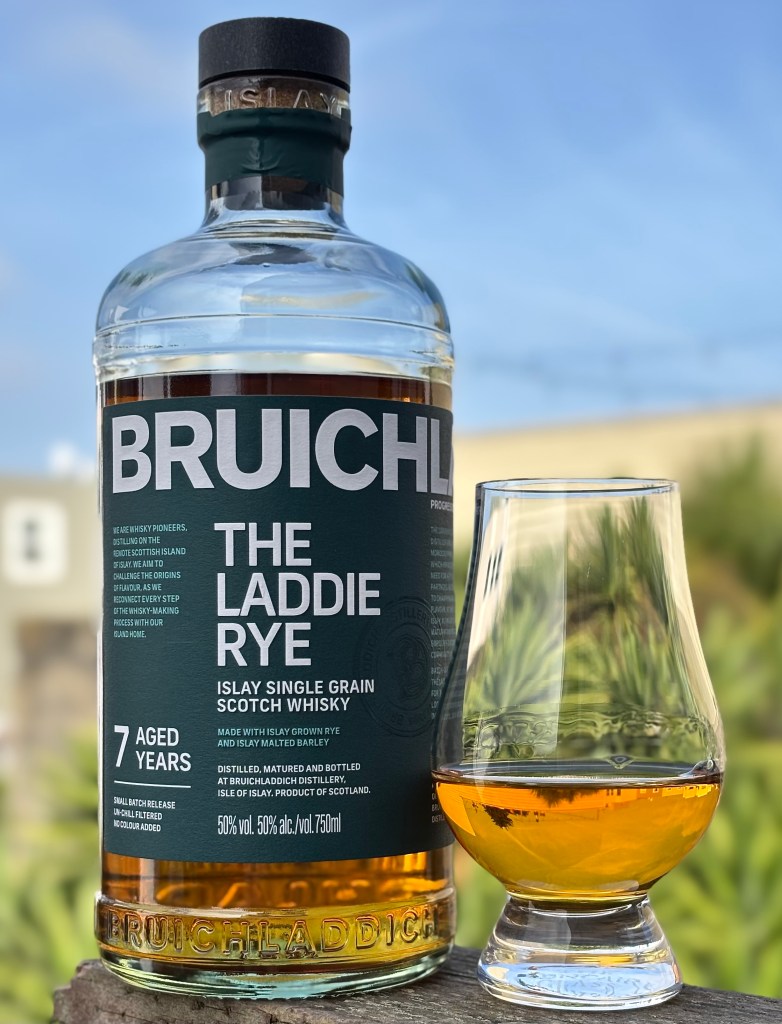
A rye whisky from Islay?
Of course, it’s not a rye whiskey by legal American standards, given it’s not distilled in America. And it’s a single grain whisky by Scottish standards, not a single malt, given the un-malted rye portion of the mash bill. Another unusual aspect is the barrel aging, making use of not only used bourbon casks, like so many scotch whiskies, but also new American oak casks, like American ryes must.
But these details are not the interesting part. What’s interesting is that an Islay distillery—any Scottish distillery—has put out a predominantly rye-based whisky at all.
The reason has to do with Bruichladdich’s commitment to their local farmers. To keep the soil healthy, farmers need to rotate the crops they grow from time to time. Rye is a great crop for rejuvenating soil. But what to do with all that rye grain in the land where barley reigns supreme? Bruichladdich bought it and put it to use.
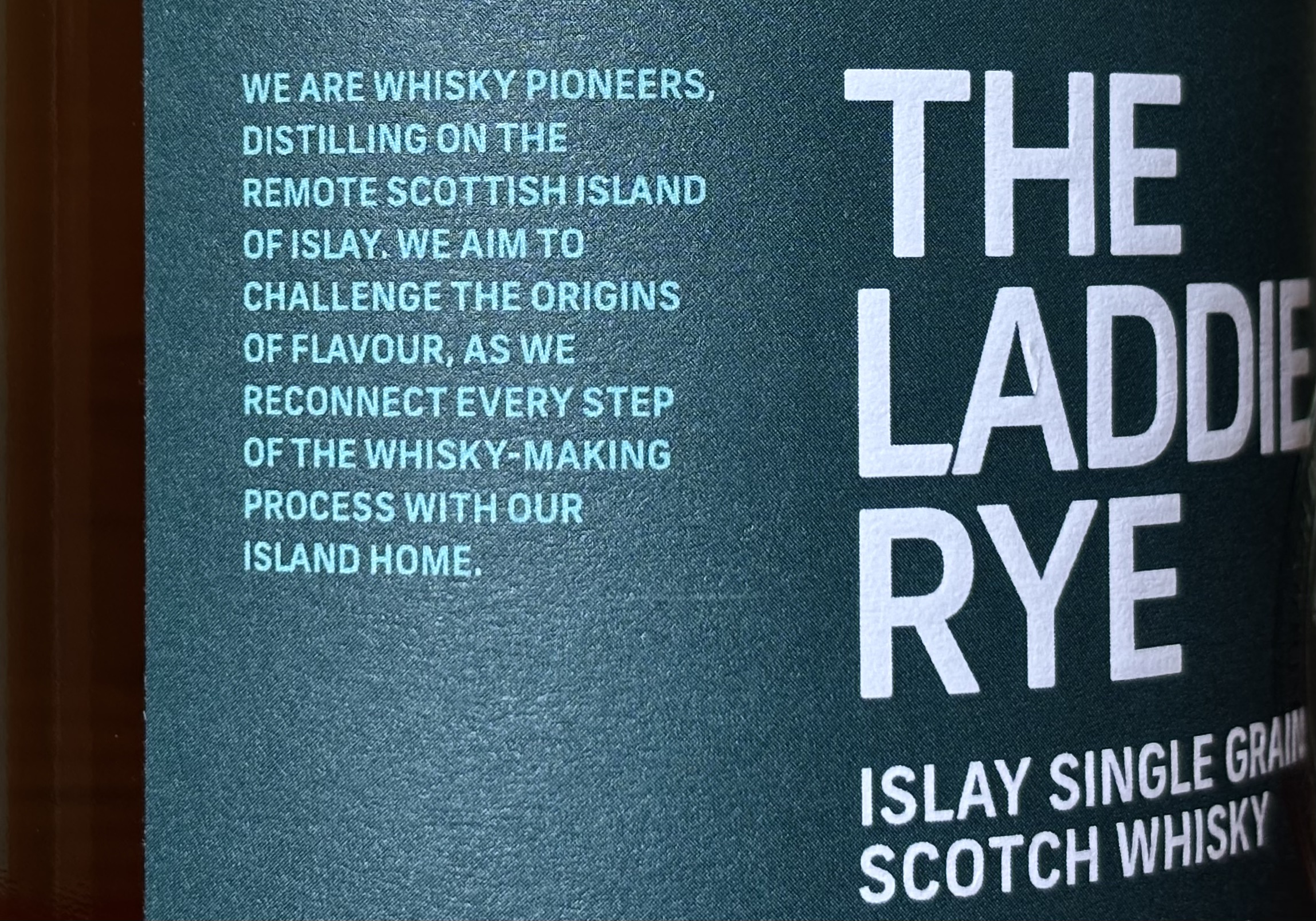
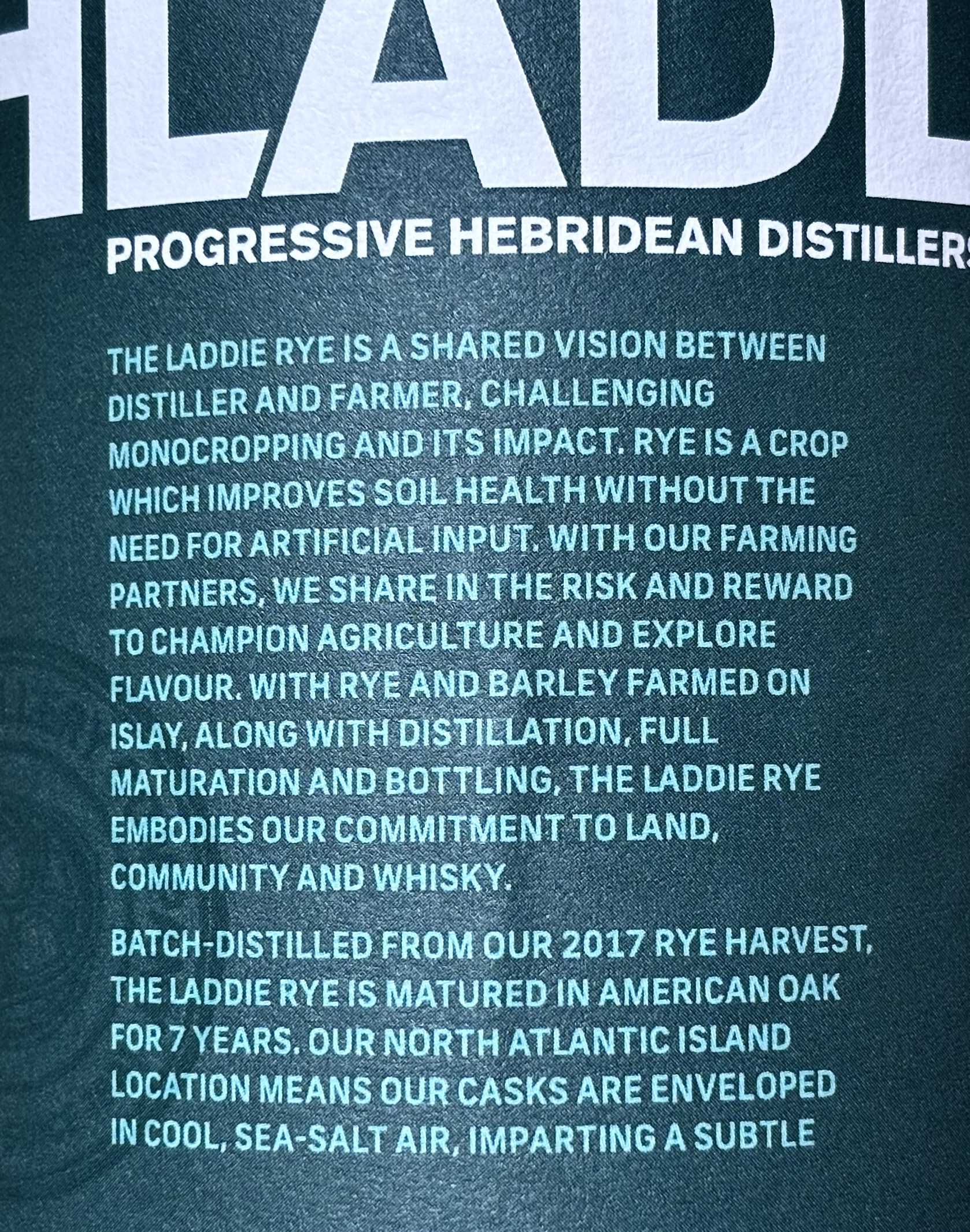
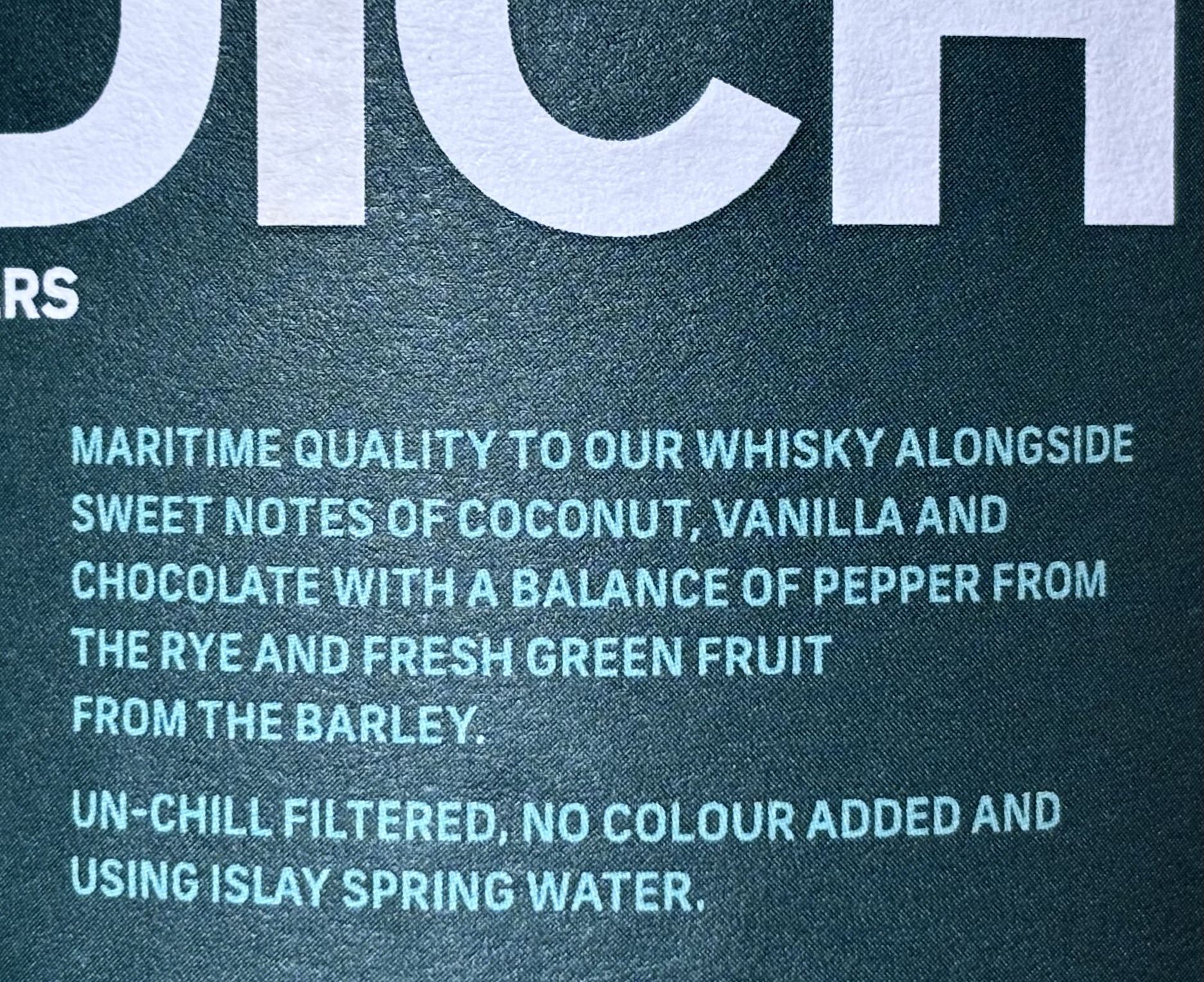
Rye grain behaves very differently than barley during the mashing process. It’s famously sticky. So Bruichladdich was going out on a limb in more ways than one. Back in November 2017 when they distilled this batch, they really didn’t know what the results would be. “It could either be the best thing we’ve ever done,” said one worker at the time, “or the worst thing we’ve ever done.”
Seven years later they thought it was good enough to bottle. The decision was made to make it a USA-only release. Why, I don’t know. Maybe because rye whiskey is a familiar concept here. Perhaps in Scotland and other parts of the world, a rye-based scotch might be considered too strange.
In any case, as a big ol’ rye fan, as well as a Bruichladdich fan, I’m all for this experiment.
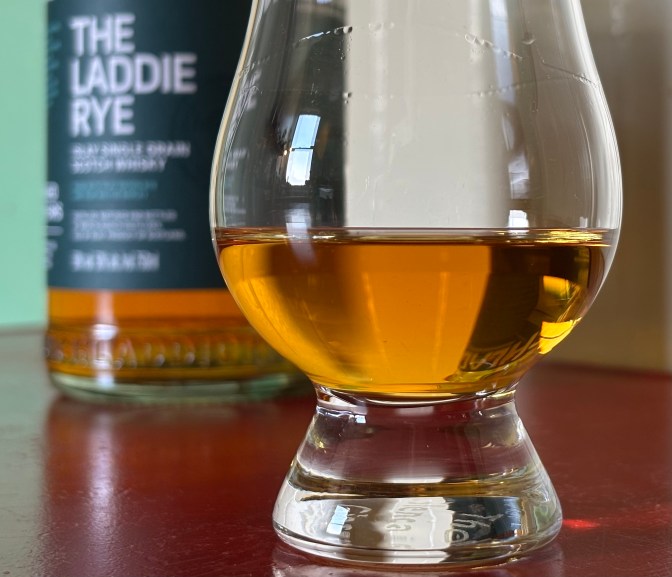
So here we are, just over a week after uncorking and three pours into the bottle. These brief notes were taken using a traditional Glencairn.
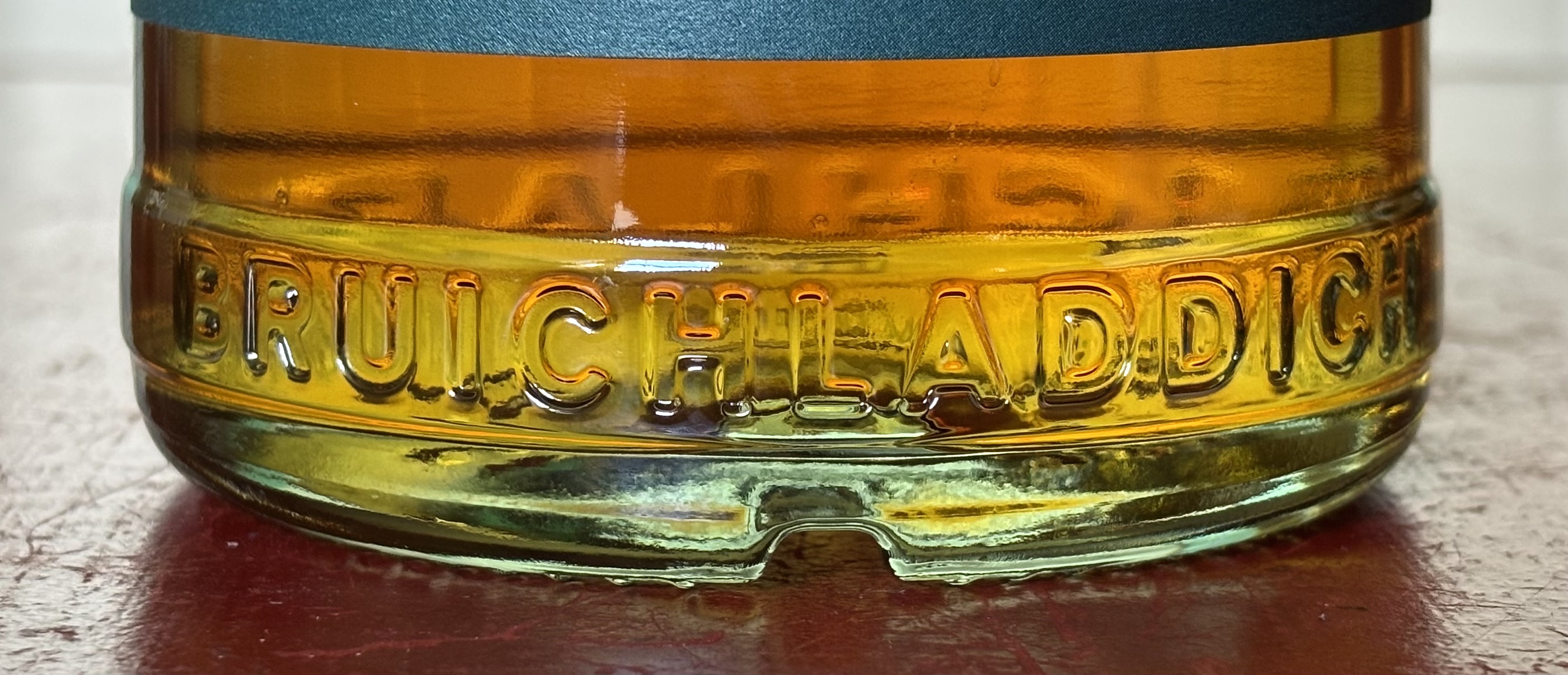
COLOR – honey and sunlit wheat field yellows
NOSE – lemon zest and juice, chilled butter, vanilla, salt, sand, dried long-stemmed grasses, oat cakes, a tangy fruity note like a marmalade
TASTE – the dry grassy notes kick up a notch, also the oat cakes, vanilla, some rye spice and ABV pepperiness, all in a creamy texture accented by the zing of the spice and lemon
FINISH – dry grasses, vanilla, cream, that marmalade tang, fresh oatmeal or oat cakes
OVERALL – takes my sense memories more to rustic, youthful American craft whiskeys, with their range of mash bill experiments, than any scotch I’ve had
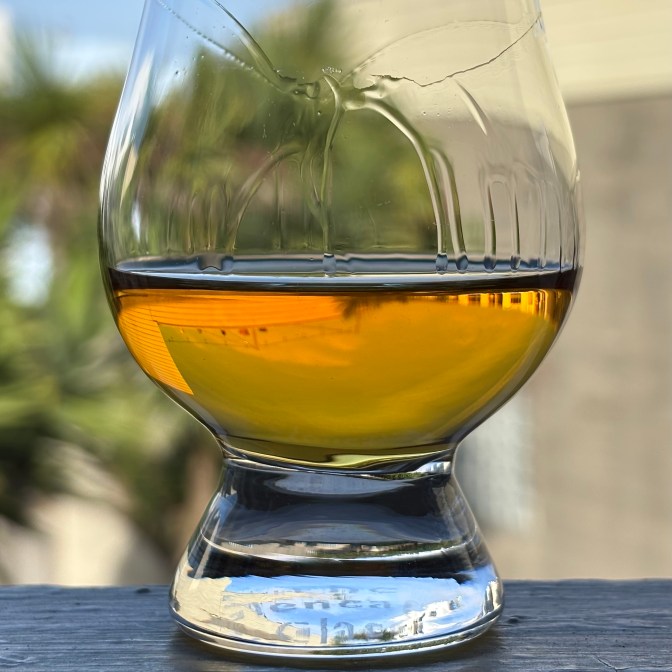
Fascinating. Given what comes across to me as some variation on oat cakes and oatmeal, tasted blind I’d guess this was an American craft whiskey with oats figuring heavily in the mash bill. I’d never guess it was a rye. The conditions surrounding the distillation and aging of this whisky are of course distinct from most American rye conditions. Naturally the results are going to be unique among not only the Bruichladdich oeuvre but scotch whisky generally.
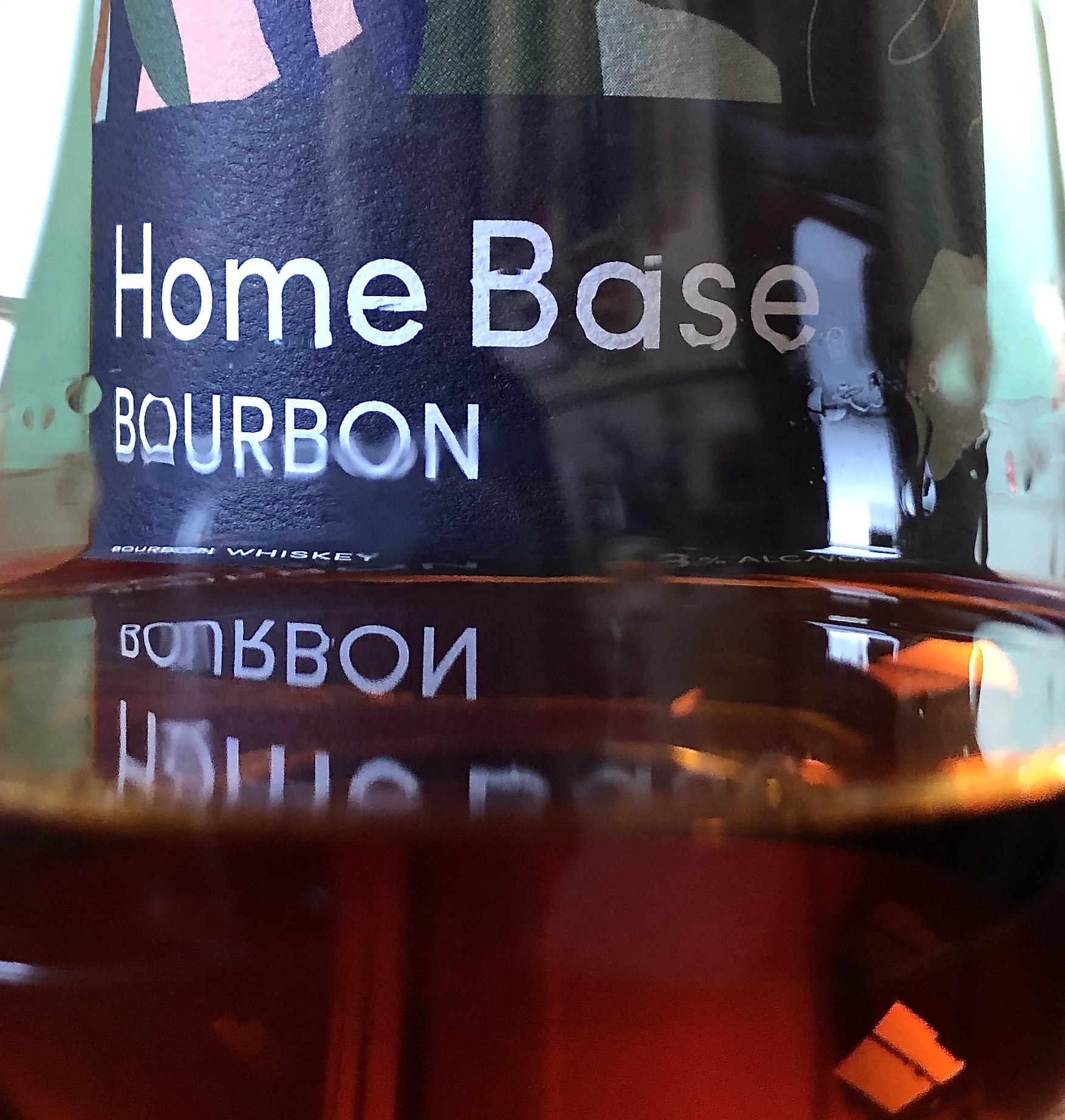
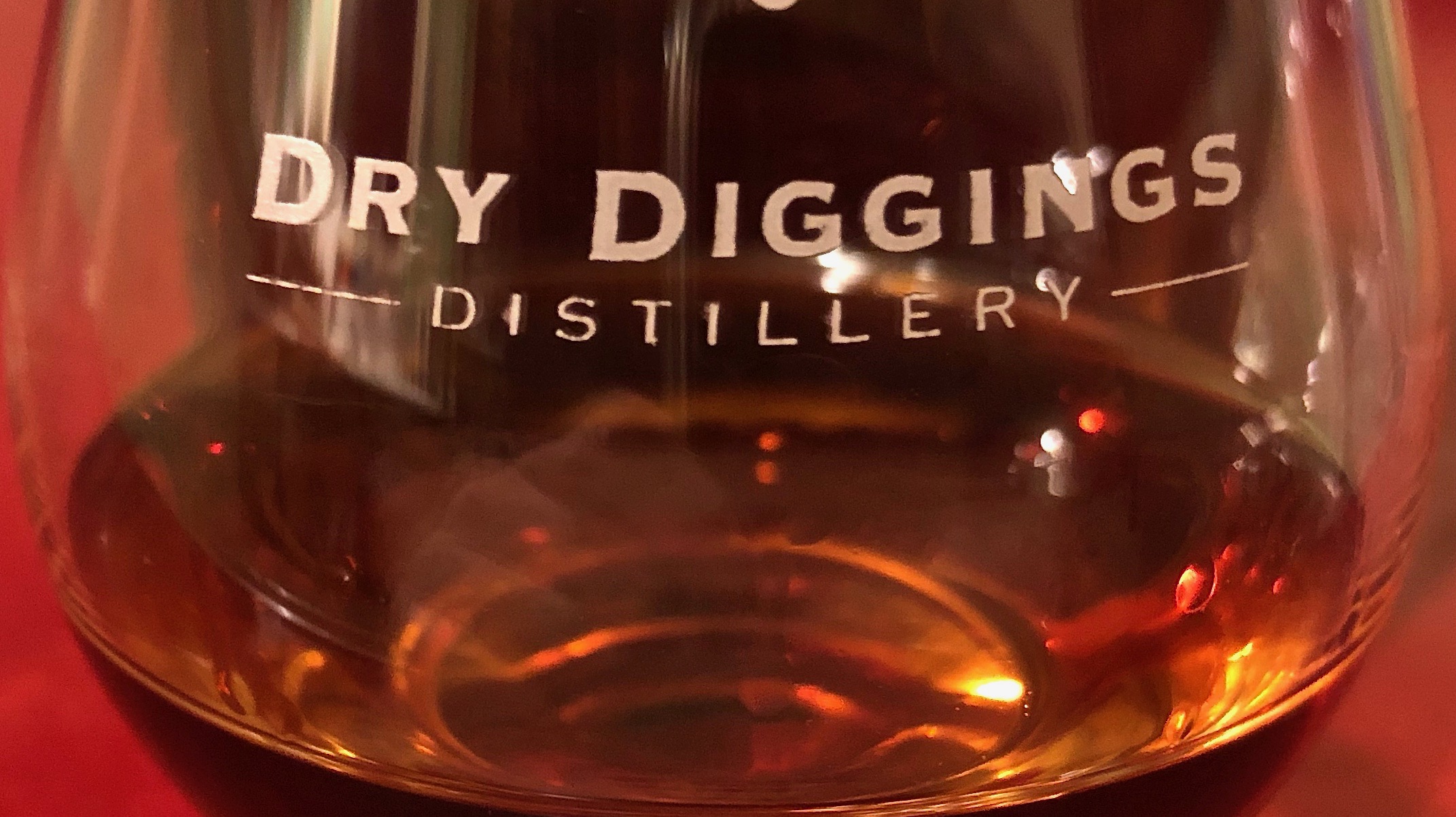
Tasted blind, were I to make a guess at the distillery or brand, no distillery I’m aware of comes immediately to mind. But I’d likely have tried to shoehorn this tasting experience into Home Base Spirits or Redwood Empire, maybe Oola Distillery in Seattle, with the assumption that they’d experimented with their mash bill or yeast. I might also guess Dry Diggings had come out with a new single malt of some kind. There’s not one Scottish distillery that I can liken this to, not even Bruichladdich.
But do I like it?
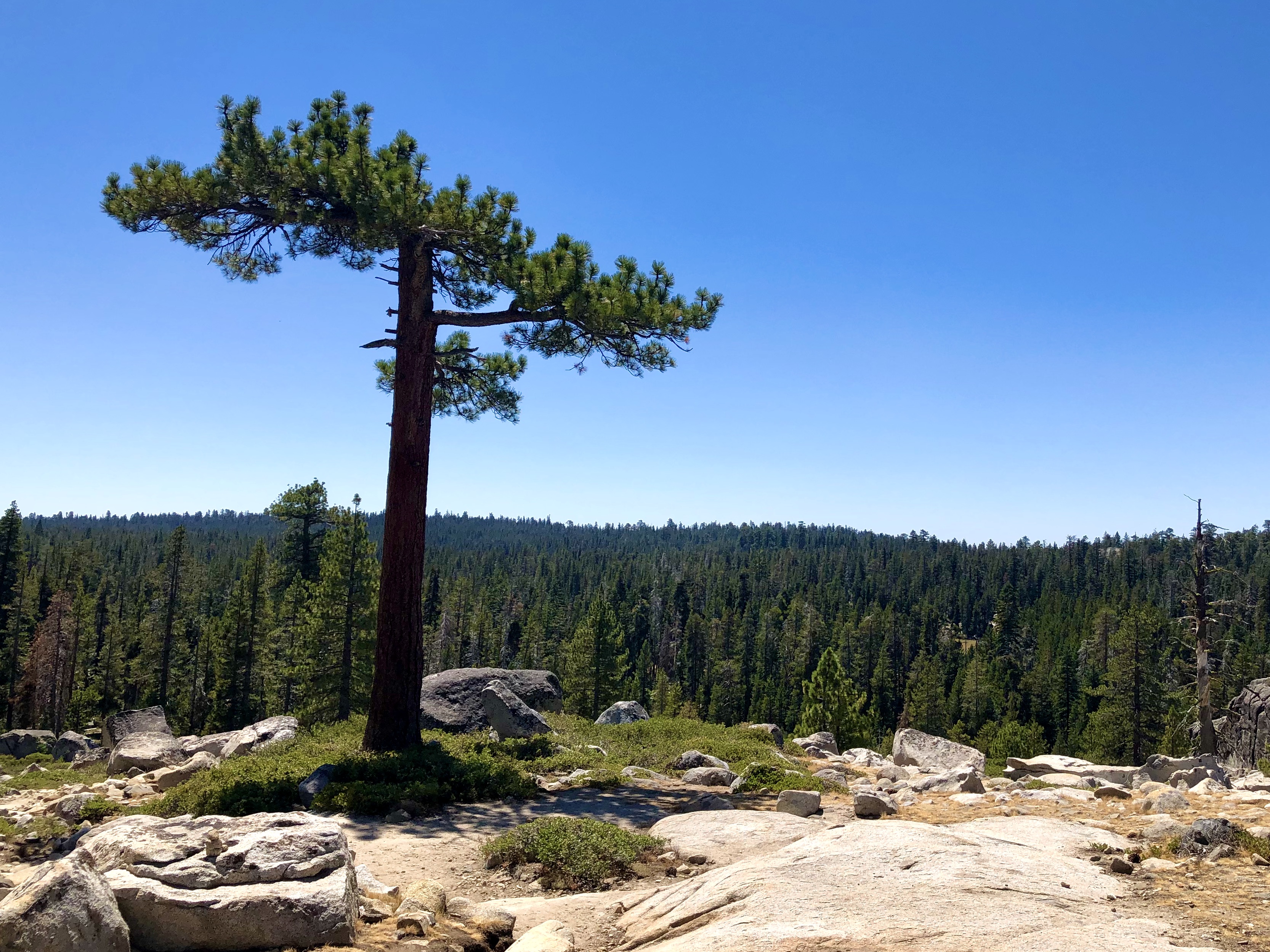
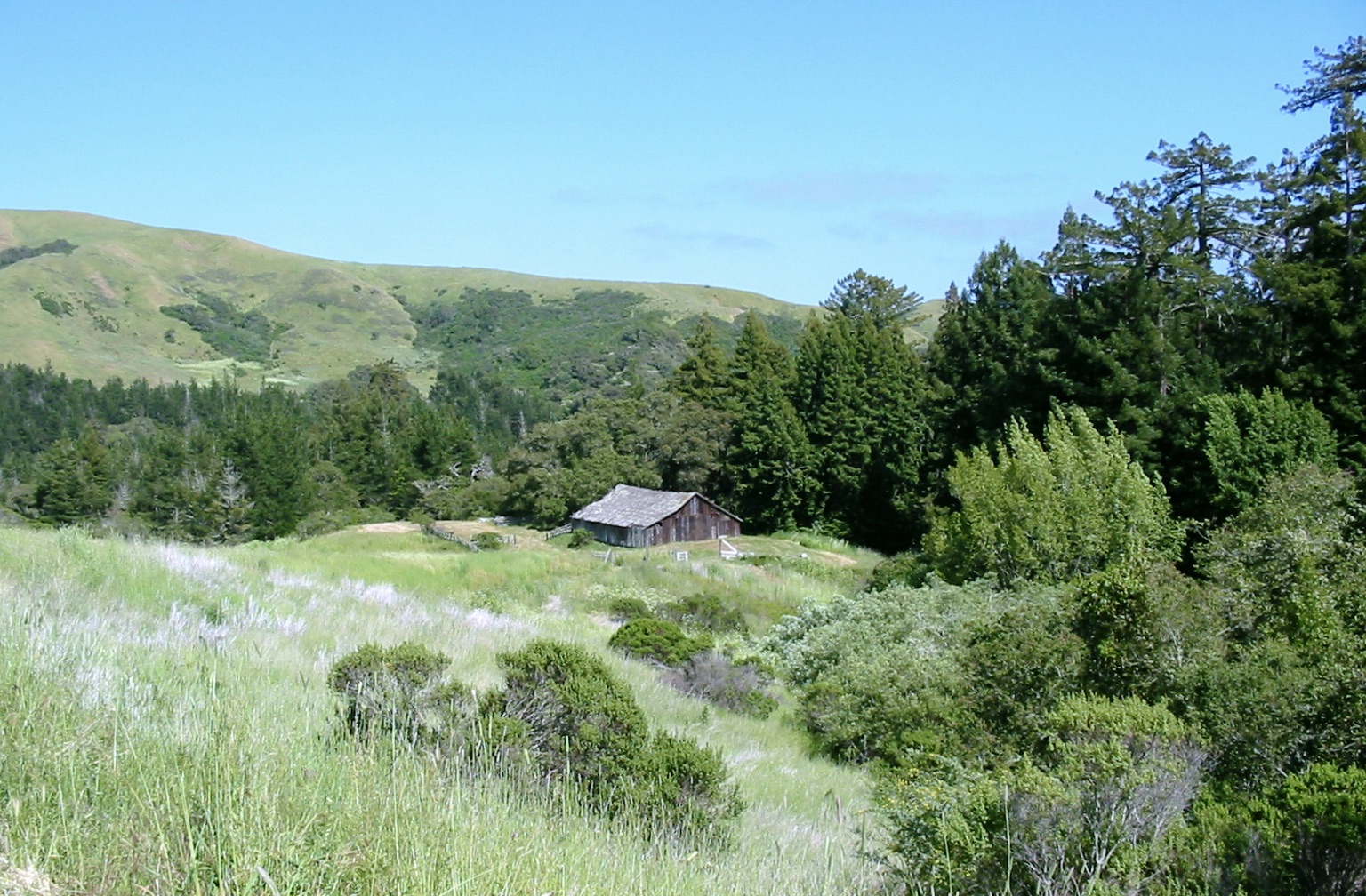
Yes, I do. This grassy, youthful area of whisk(e)y isn’t at the center of my preferred flavor profiles. But I do have a fondness for the distilleries I listed above. Their tendency toward floral, herbal, rustic whiskeys take my senses to Northern California’s varied agricultural climates, from the hot dry field crops of the central valley to the apple orchards and pine groves of the Sierra Nevada foothills.

Kudos to Bruichladdich for going for it. I do hope they keep at it. American distilleries have been experimenting with traditional Scottish distilling practices and mash bills for a long time now. To experience a scotch-maker playing with a grain more associated with American whiskey, and throwing some new American oak casks into the mix, is a curiosity. What might come of this rye whisky being granted the longstanding Scottish attention to longer aging, sherry cask rotations, 100% malting and whatnot? I can’t wait to taste what comes of that! In the meantime, this inaugural Laddie Rye will keep my senses on their toes.
Sláinte!