On July 28, 2019, I uploaded my very first post to The Right Spirit. As I post this now, it’s five years later to the day. It’s been quite a journey. And it’s time again for a change…
I took up whiskey as a serious interest in 2016 because of a change. My body was signaling to me that wine and beer, until then my go-to libations, no longer made it happy. So I decided to quit drinking. Done.
Three weeks later I visited my parents, and when they offered me a glass of wine, I informed them I no longer drank it. So my dad plunked three bottles of whiskey in front of me. Surely if wine and beer irritated my body, whiskey would destroy it! To my surprise, after sampling the spirited offerings, my guts gave me no grief. I was intrigued. A month later, a trip to Scotland cinched the deal. I was whiskey curious!
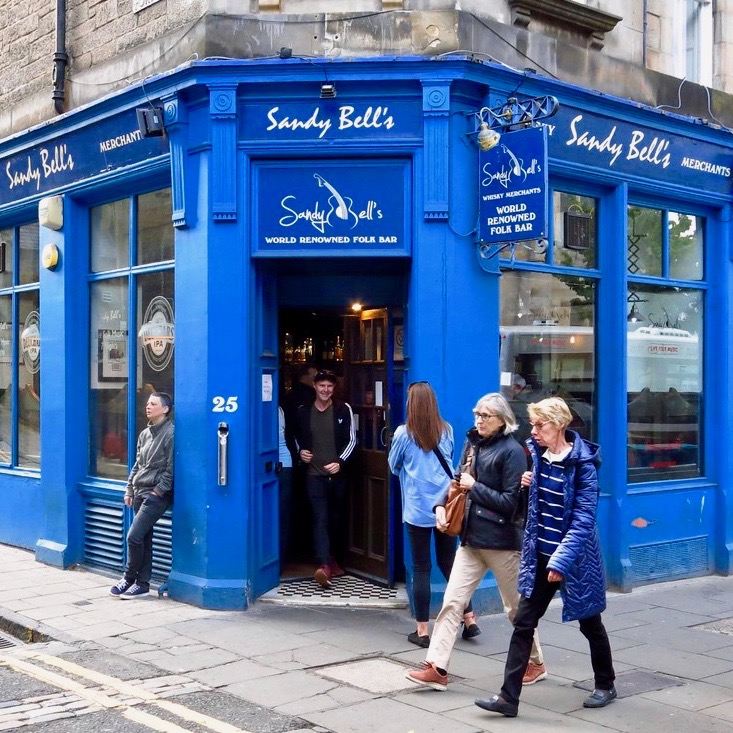
By 2019 my interest in whiskey had evolved such that I decided to write about it. I had no ambition to play the social media influencer game, not here on the blog nor the Instagram and Threads accounts associated with it. I wasn’t interested in generating “content.” I was curious about whiskey. And writing, whether privately or publicly, has always been a way for me to explore things. I could have kept a private journal. But whiskey is social. So I started this blog.
But I was also experiencing another change around that time. Theater, which has been at the center of my personal and professional pursuits for the vast majority of my life, had been gradually but perceptively shifting off to the edges of it. If this were a theater blog I’d go into more detail about why that is. But it’s a whiskey blog. So pour a glass!

In any case, I wondered whether there might be a place for me somewhere in the whiskey world to make a career switch.
A little over a year after starting the blog, I took a part-time job at a whiskey shop, working there a day and a half a week. This was in the first year of the pandemic. I didn’t do it for the money, though the money certainly didn’t hurt. Mainly I thought it would allow me to explore in a more hands-on way what aspect of the industry might have a place for me. My primary work was and still is in theater, on the administration and education side. As I write this, I haven’t pursued artistic projects since 2019, and I can still count on one hand how often in that same time projects have pursued me. So all evidence suggested a life change was indeed afoot, whether it was coming from within me, to me from the world, or both.
Sipping Stories
Meanwhile, I found that whiskey was providing me some of what theater always had done—namely stories. Whereas theater embodies stories, whiskey distills them. And so many stories!
I learned a number of stories from the place where I live, for example. Like the story of Edmond Kubein, lifelong San Franciscan, longtime liquor store owner, and a true bourbon enthusiast. Edmond was among the first to bring single barrel picks into local shops. He was selling a Pappy Van Winkle 15 Year pick for $40 and said he couldn’t give it away! People thought $40 was too much for a bourbon. 🙄
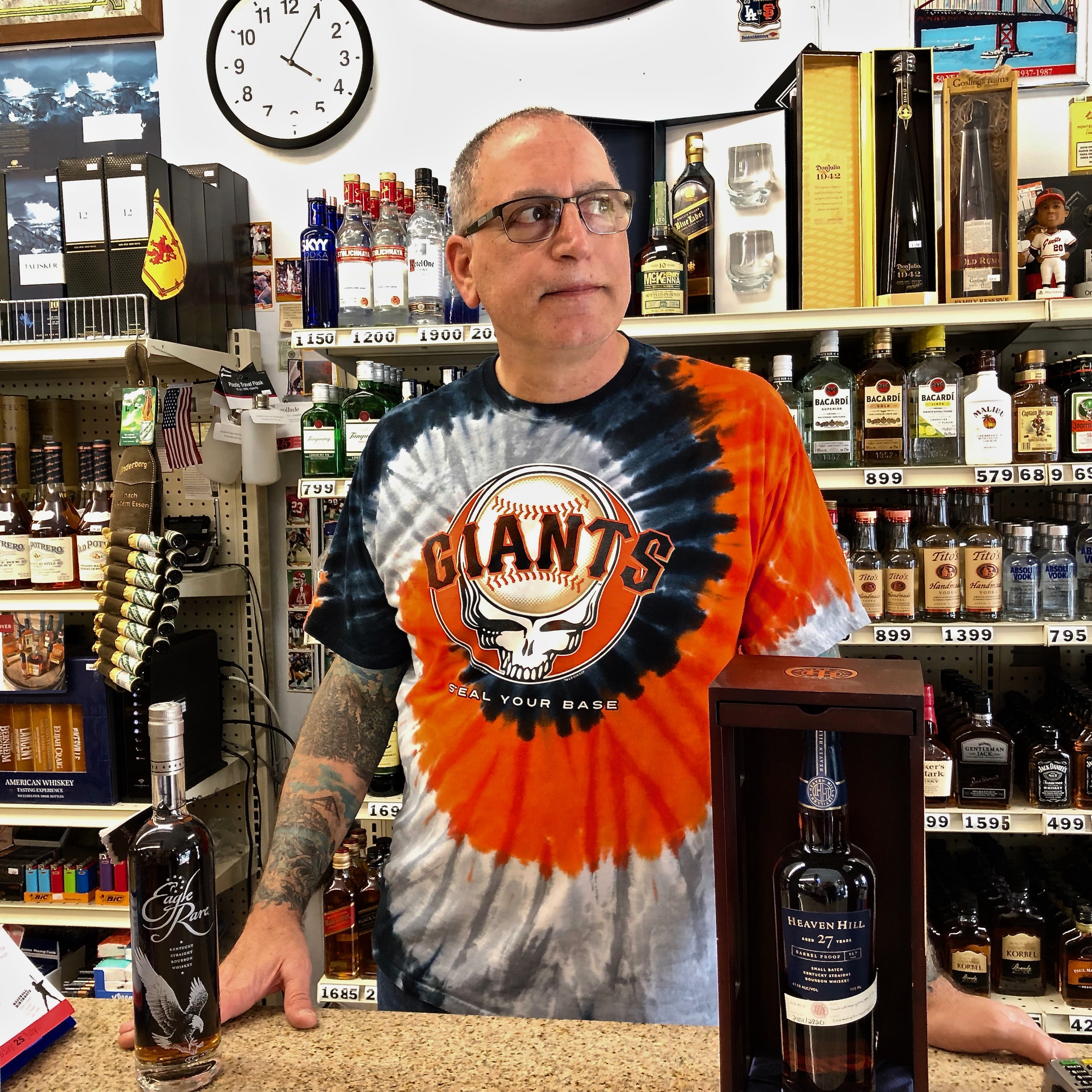

Similarly, Sammy Suleiman, who grew up in Royal Liquors, his family’s liquor store on Polk Street for 40+ years, until Sammy sold it in early 2024. Polk Street is arguably one of the last remaining streets where multiple generations of old-school San Francisco still exist—many more of them possibly gone by the time you’re reading this. Sammy sold me my first Old RIP 10, and at msrp. And he was a great guy to chat with about how the city has evolved. There was no bs with Sammy. He was refreshingly true to his integrity in an iCity that some argue got out of the integrity business some while ago.

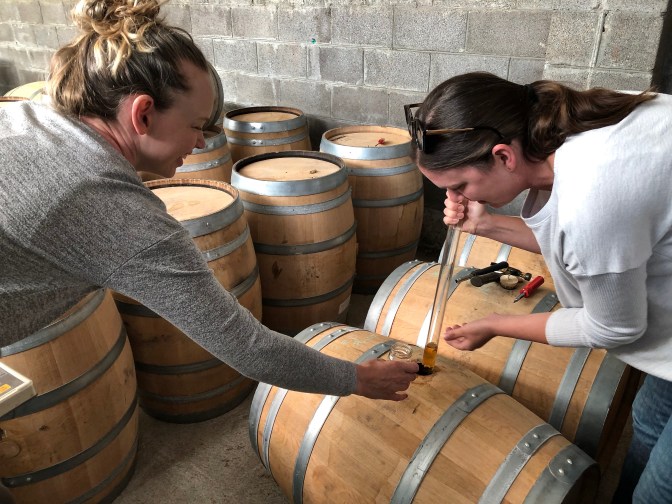
I also learned the story of Ali and Sam Blatteis, twin sisters born and raised in nearby Oakland, California, who like me had become intrigued by whiskey. But as women they noticed right away that the industry wasn’t generally pitched toward them, and they often found themselves talked down to by the men wielding the bottles. That’s a familiar story for women interested in most any lucrative American industry. So they started their own distillery.
And going way back to the 19th and early 20th centuries, I mapped layers of San Francisco’s history through the career of William “Cocktail Bill” Boothby, a legendary bartender now largely forgotten, whose decades long career as an actor, tailor, politician, and especially bartender embodied much of the original character of the flamboyant city.
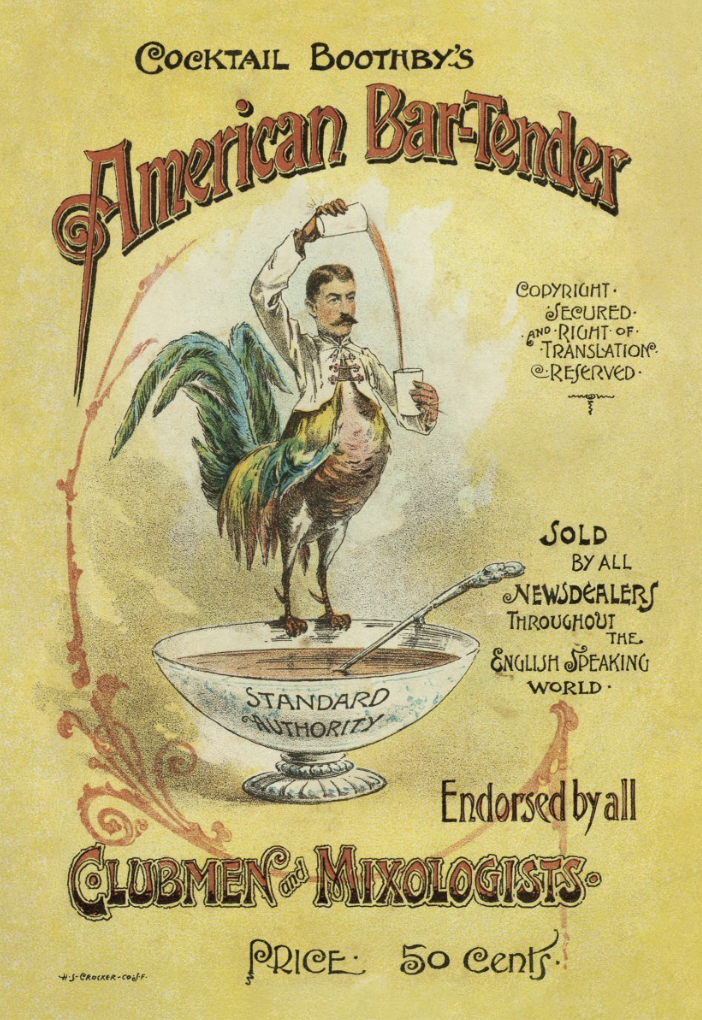
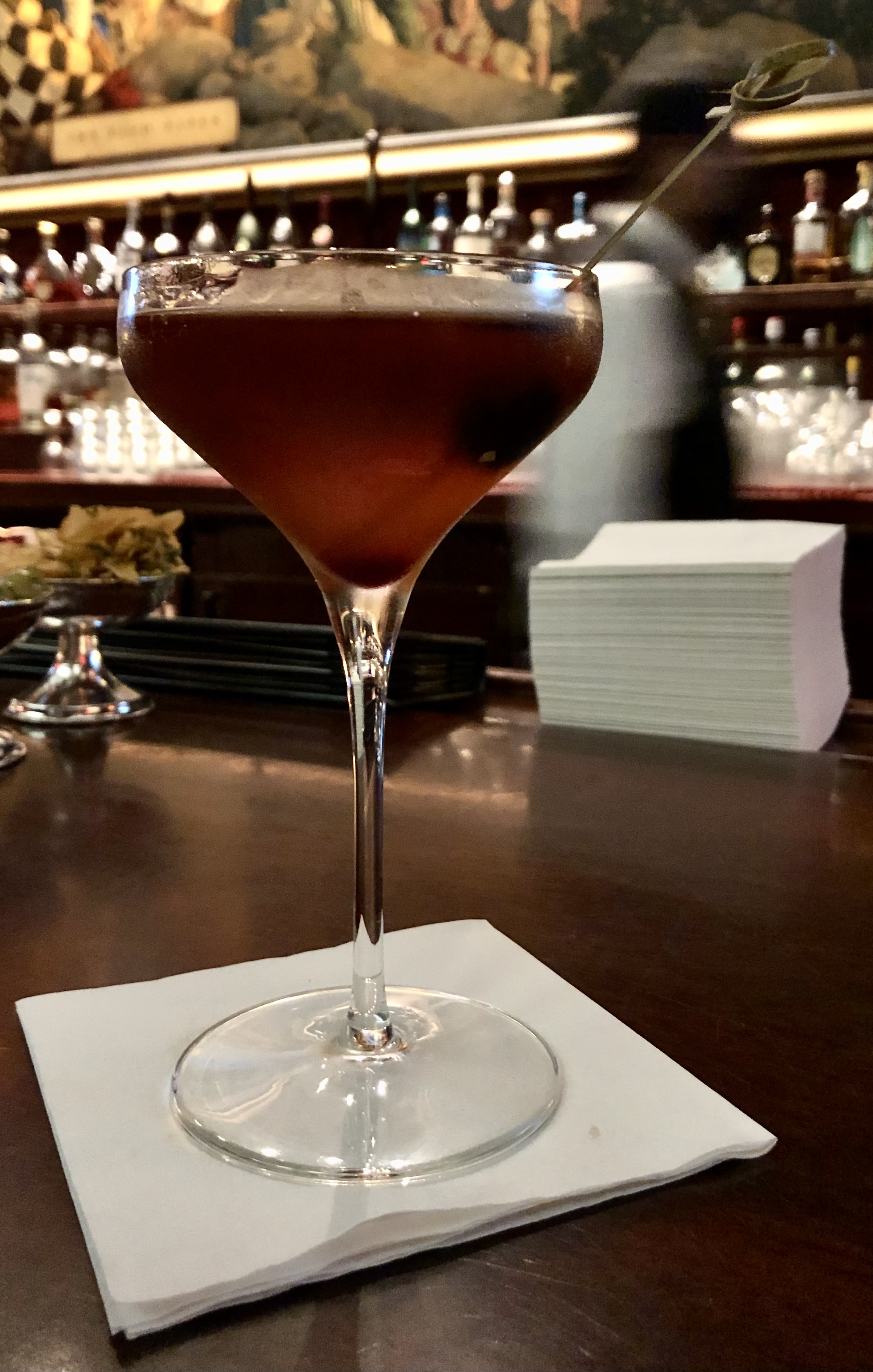
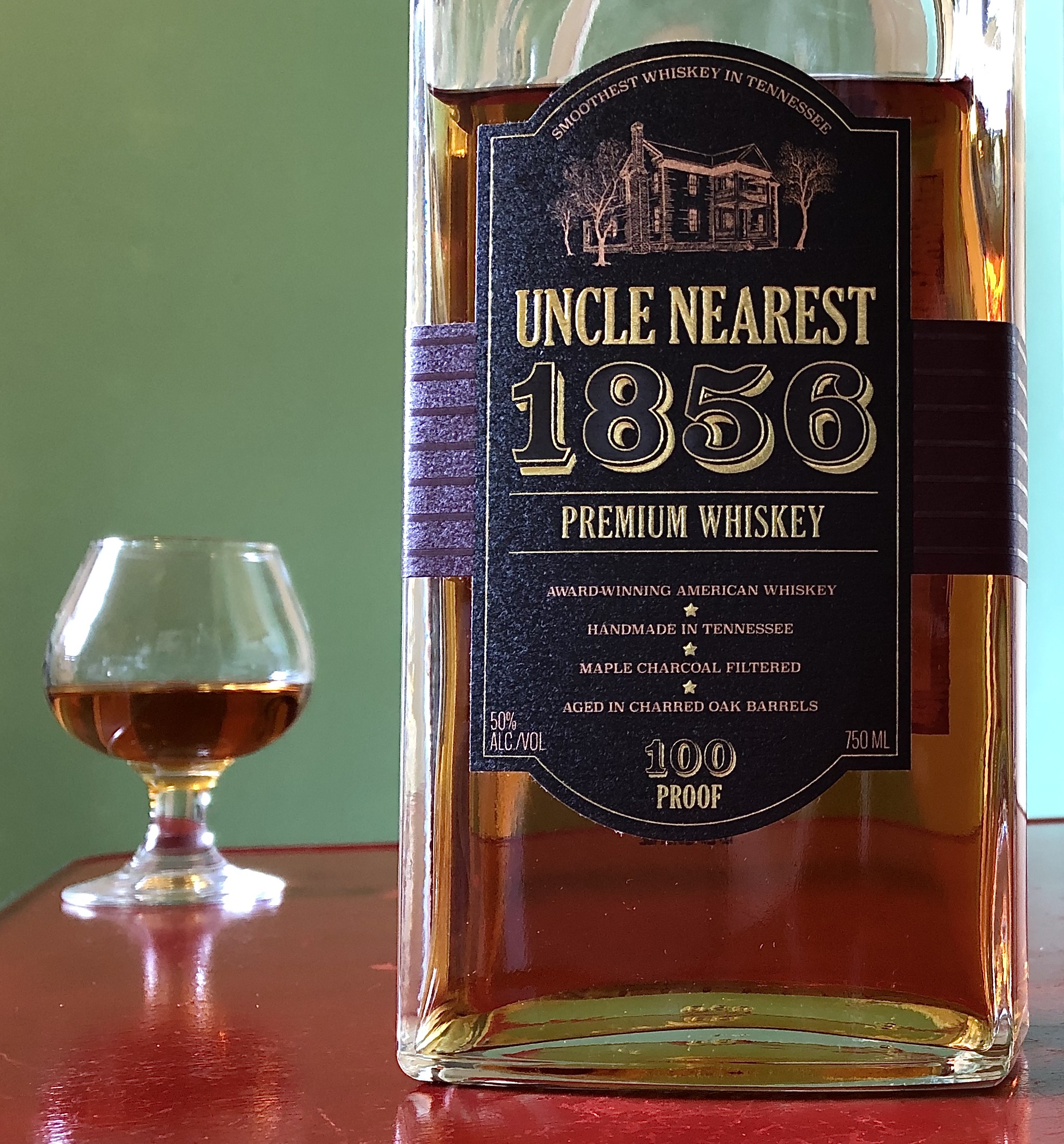
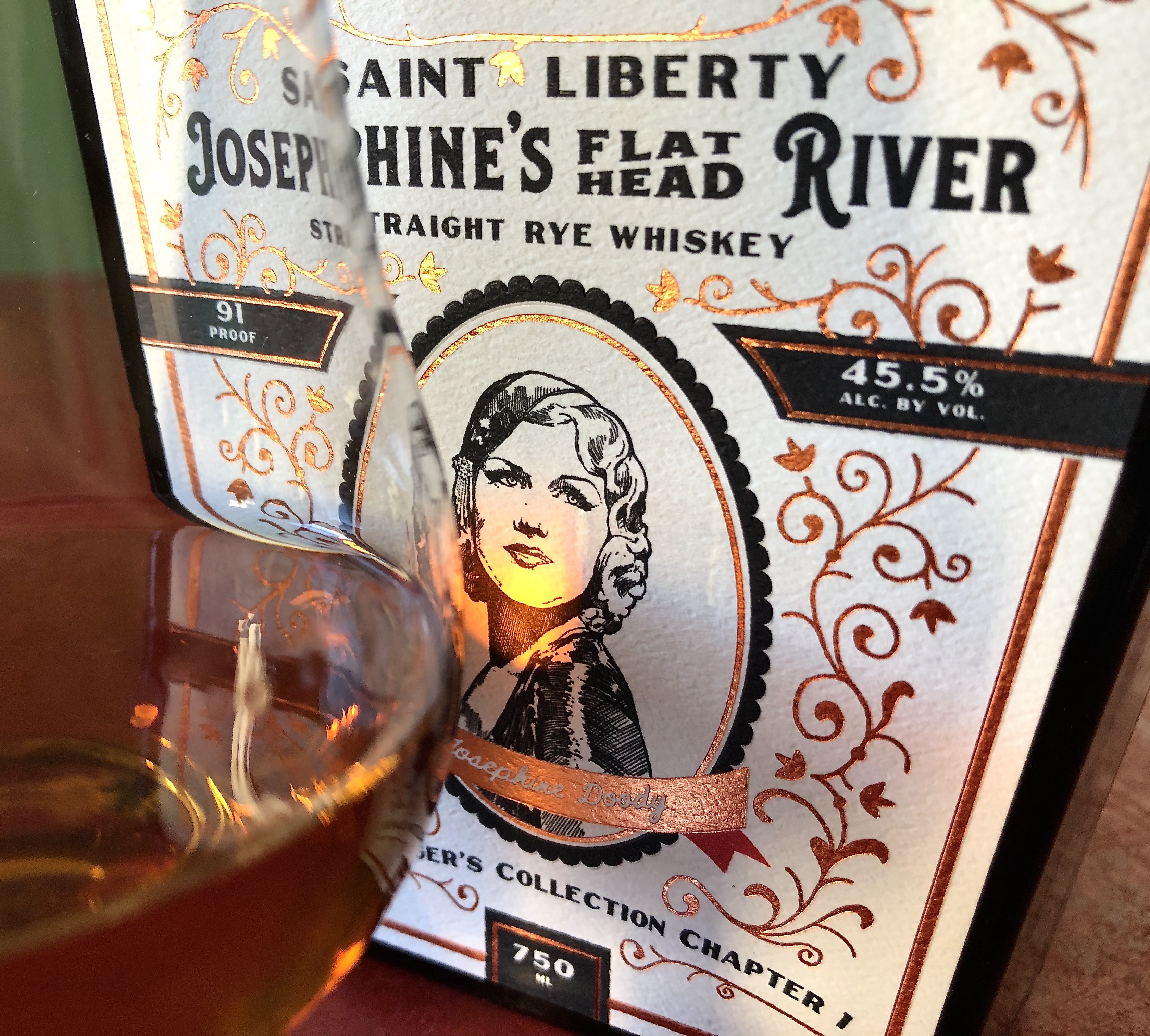
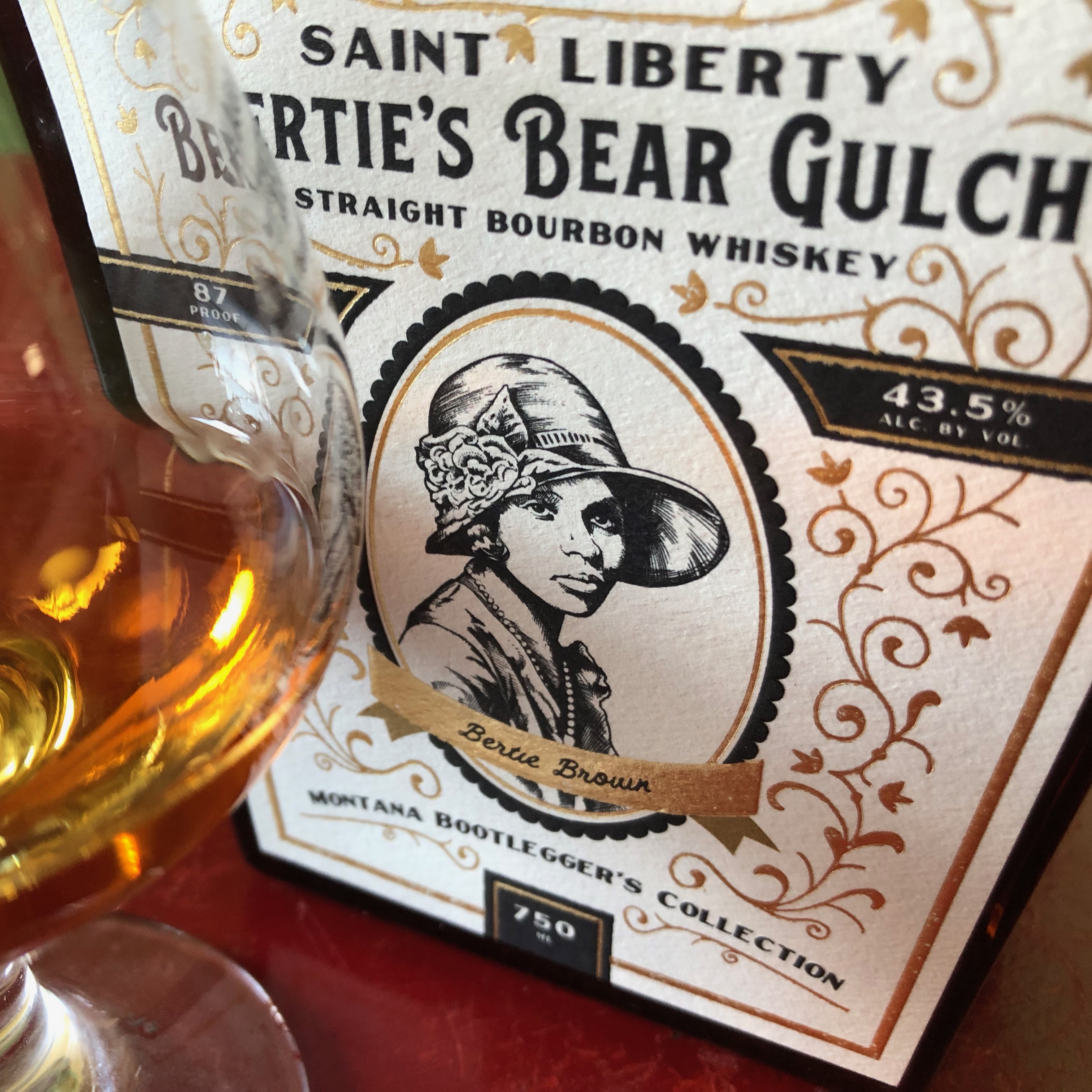
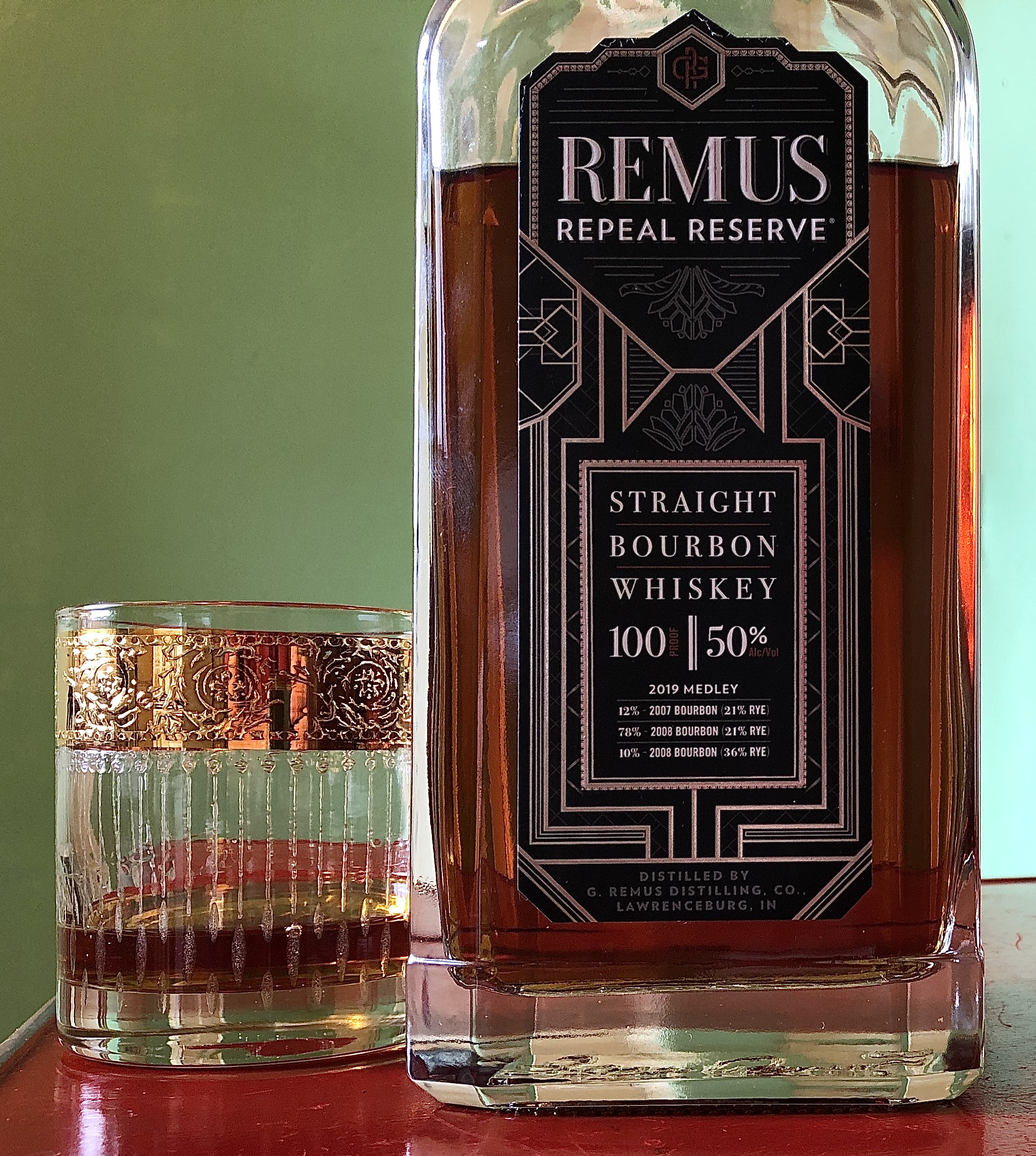
In addition to Boothby’s, I learned other stories from history, almost all of them political—history inevitably being political history. It was a whiskey that enlightened me about Nathan “Nearest” Green and the West African origins of what makes Tennessee whiskey unique. Likewise, a whiskey introduced me to George Remus and the sketchy origin of the “temporary insanity” plea. And it was whiskey that acquainted me with Bertie Brown and Josephine Doody, two prohibition era women who lived the kind of small but meaningful lives worth knowing, yet often forgotten.
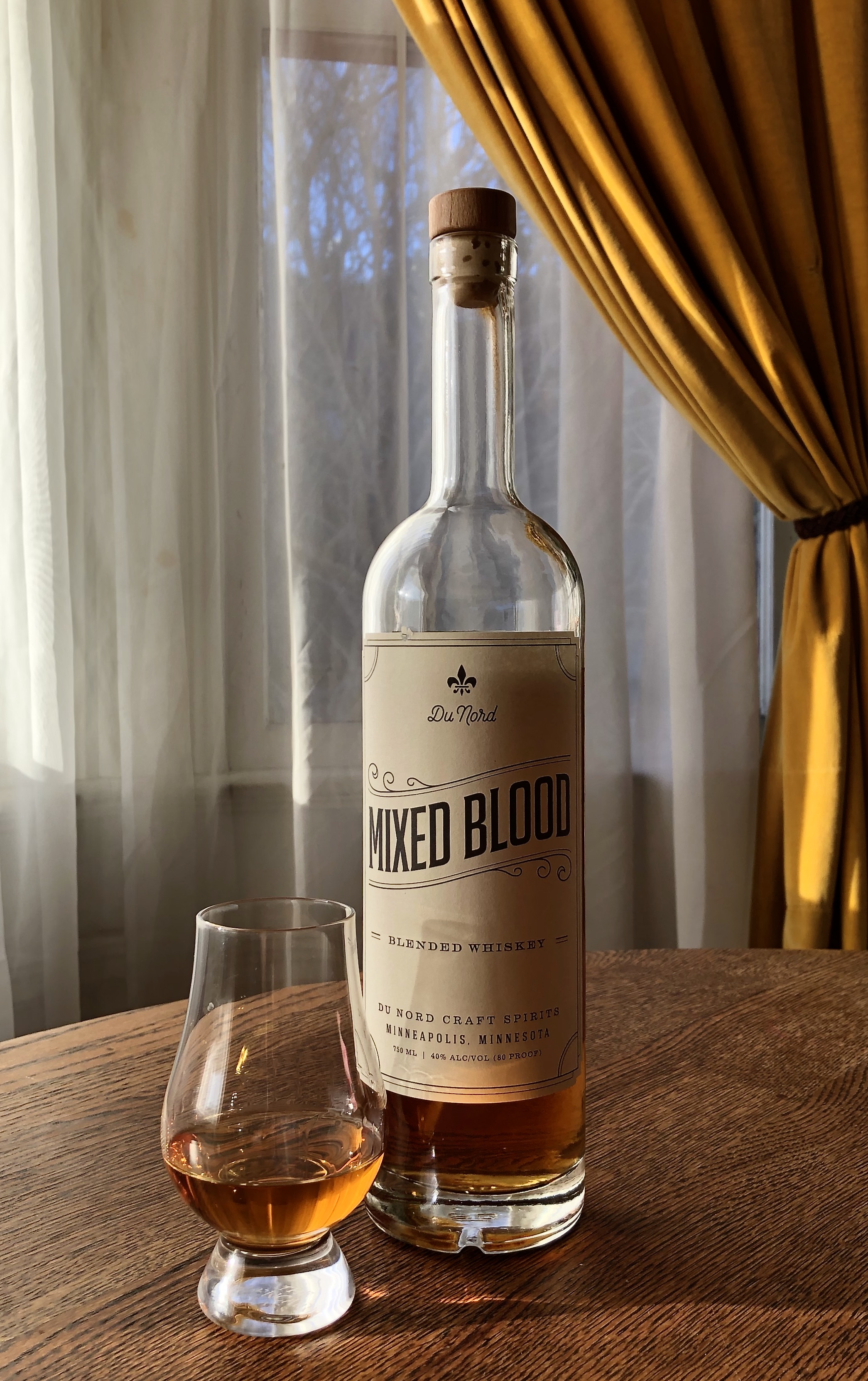
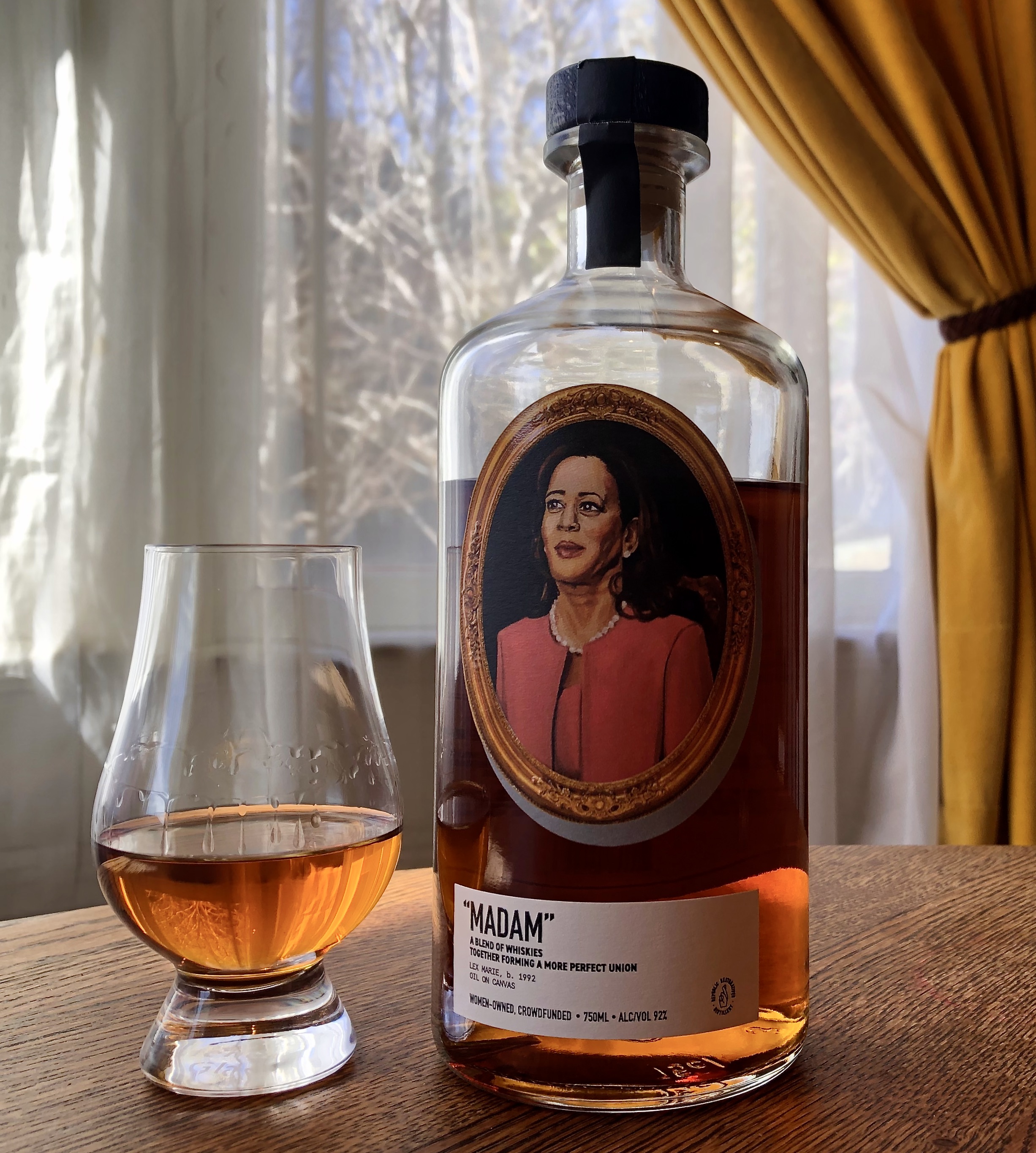
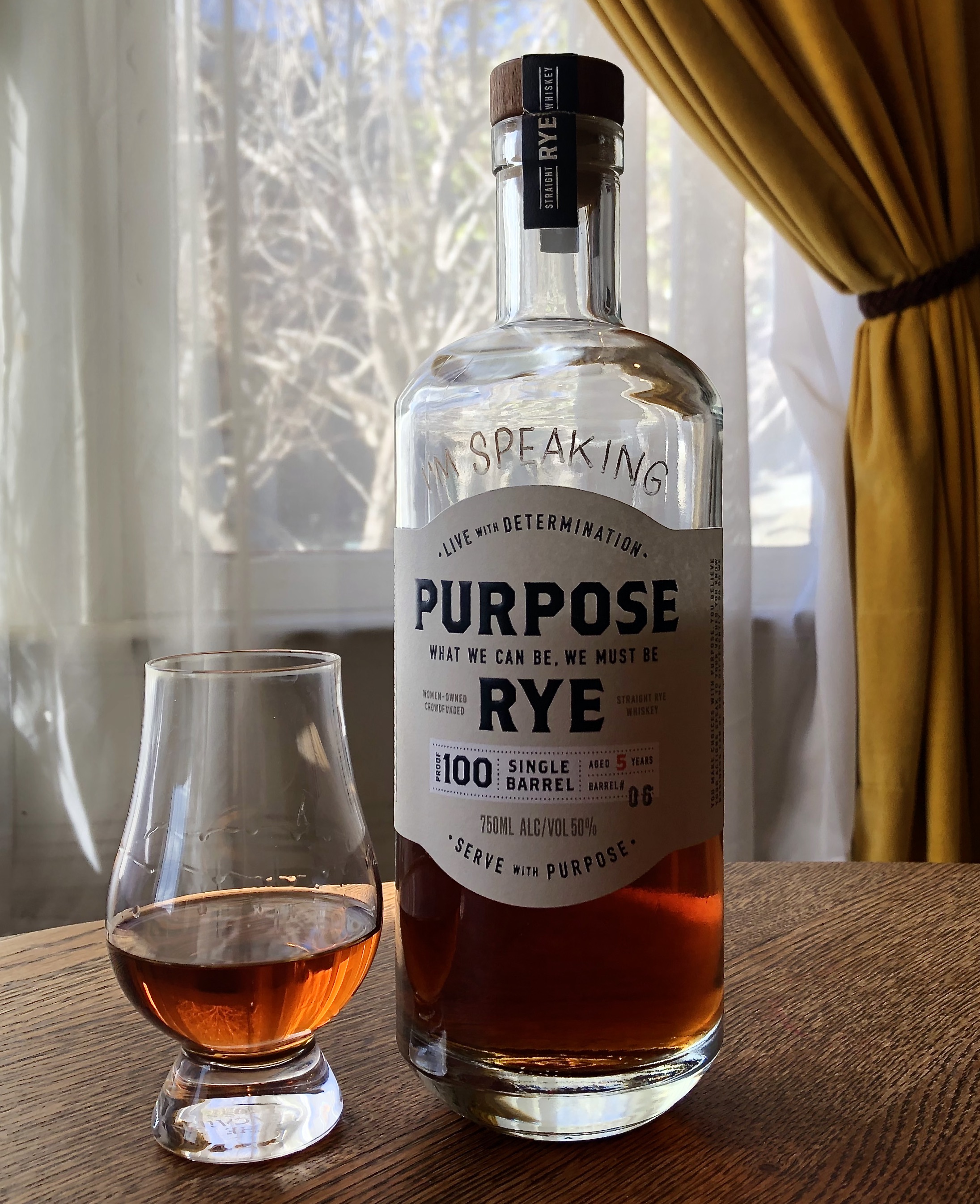
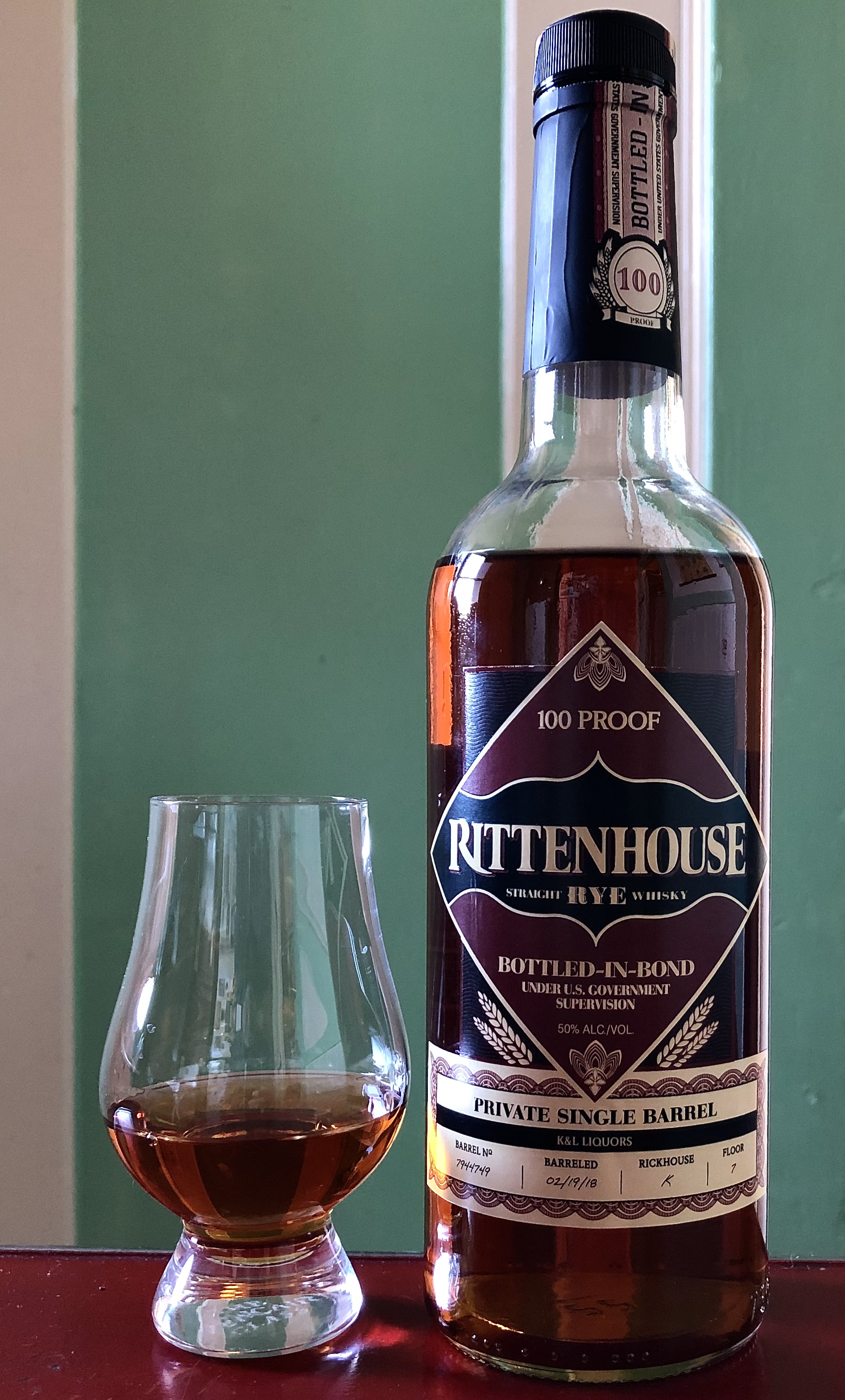
Contemporary political stories have likewise been reflected and refracted in my whiskey glass. It was because of the tragic events surrounding the murder of George Floyd that I was introduced to Du Nord Social Spirits and their Mixed Blood Whiskey. Washington DC’s Republic Restoratives, with their Madam Blended Whiskey and Purpose Rye, helped me to celebrate and reflect upon the triple glass ceiling shatter that was Kamala Harris becoming Vice President. And a silly controversy around Rittenhouse Rye and the Kyle Rittenhouse trial verdict compelled me to reflect with seriousness on the dangerous, deplorable state of political debate and discourse in our current American culture.
Following My Nose
Also like theater, whiskey isn’t always about a story. Sometimes it’s not a plot populated with characters that digs the rabbit hole, but ideas, philosophies, or questions.
Early on I recognized the privilege of appreciating whiskey, how for some people it’s an addiction or simply not something their circumstances allow them to even consider. But here I am, a theater artist lingering by the stage door, enjoying the sensual pleasure and brain ticklings of whiskey. I’m not wealthy by any stretch of the word. Yet I’ve got 127 bottles of whiskey in my kitchen’s pantry as I write this. So I’m doing fine. I don’t deserve it, I’m not worth it, and I didn’t earn it—none of those marketing angles are true. I chose it. Because I could. That it could even occur to me to “get into” whiskey, as a “hobby,” is a privilege.


Another thing whiskey got me thinking about was how we treat each other, and how social media encourages us to linger in a kind of adolescent mentality of “nuh-uh” and “yeah-huh” and “no, you are,” and a lot of infinitely more destructive behavior. In addition to not requiring evidence, and elevating impulsive opinion above studied point of view, social media removes the physical danger of looking someone in the eye, face to face, within reach of their fists and boots. From the safety of our greasy little screens, we thumb all kinds of mean, petty, emotional, uninformed nonsense out into the world. It’s at least pathetic, when it’s not utterly criminal. The question of disputing taste when it comes to whiskey helped me to also consider how unpracticed and incapable—often how unwilling—to engage in productive debate American society has generally become. Maybe less hovering over our phones and more gathering at a table around a good bottle of whiskey might help!
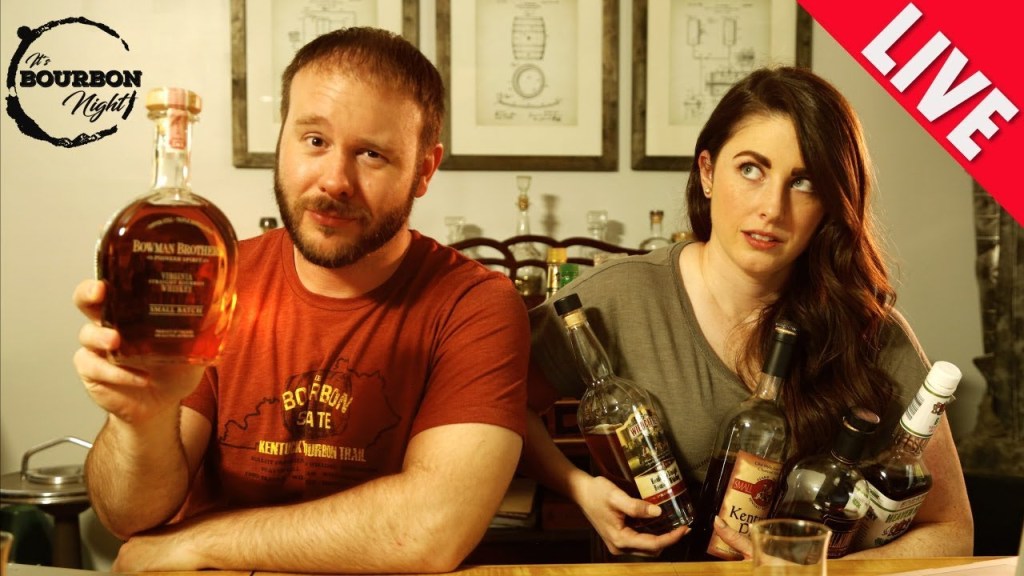
The whiskey community’s grassroots marketing campaign, that “everyone is welcome in whiskey,” sometimes does play out in truth though. I think Chad and Sara of It’s Bourbon Night embody this very well, for example, though they must remain steadfastly a-political to do it. And there are a couple of local whiskey Facebook groups I belong to that do a pretty great job of keeping things genuinely civil, and quite legitimately inclusive of race and gender. I’m heartened to have found such groups. Early in my whiskey journey, I ran into all kinds of weird macho flexing and snotty tater haterism online, which struck me as just about the opposite of whiskey itself—a natural, unpretentious, elemental substance made up of water, grain, yeast, wood, and time.

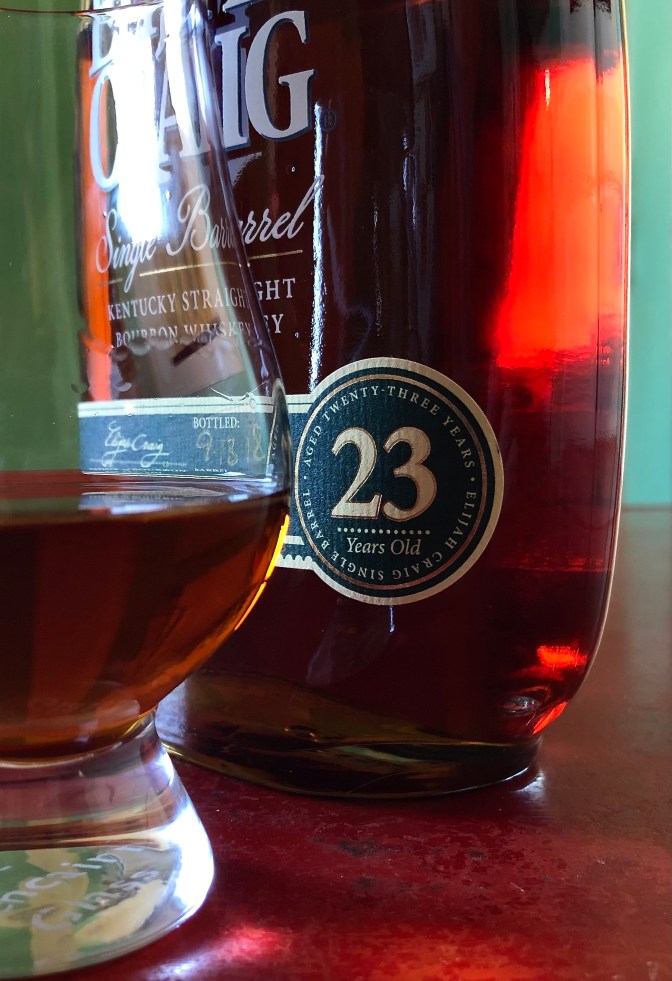
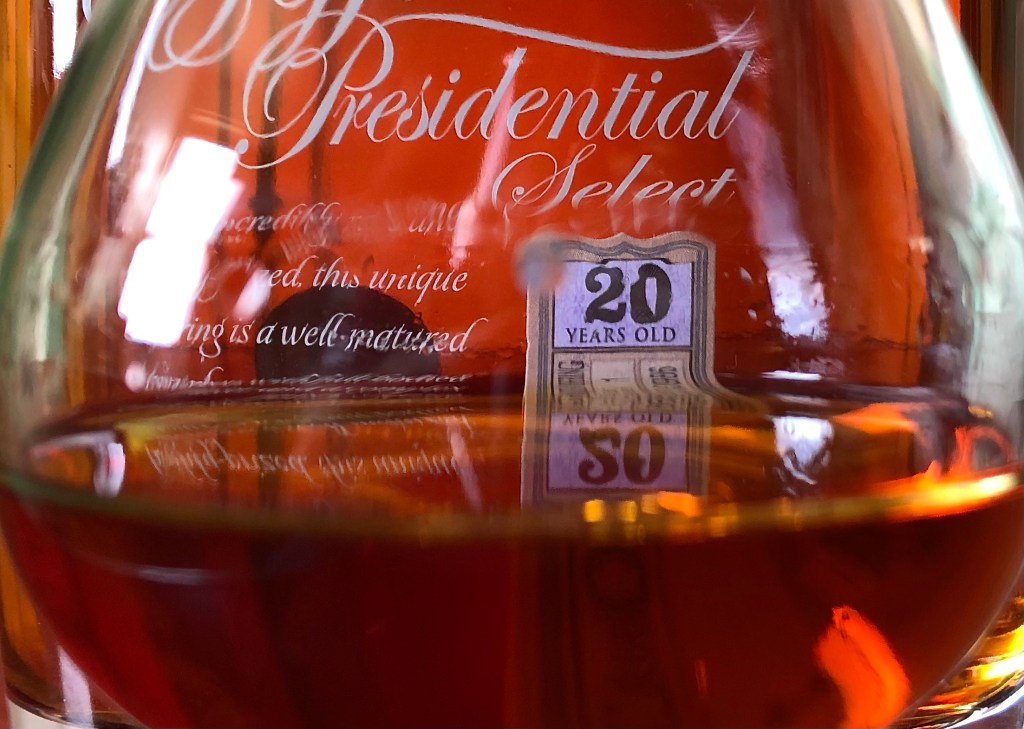
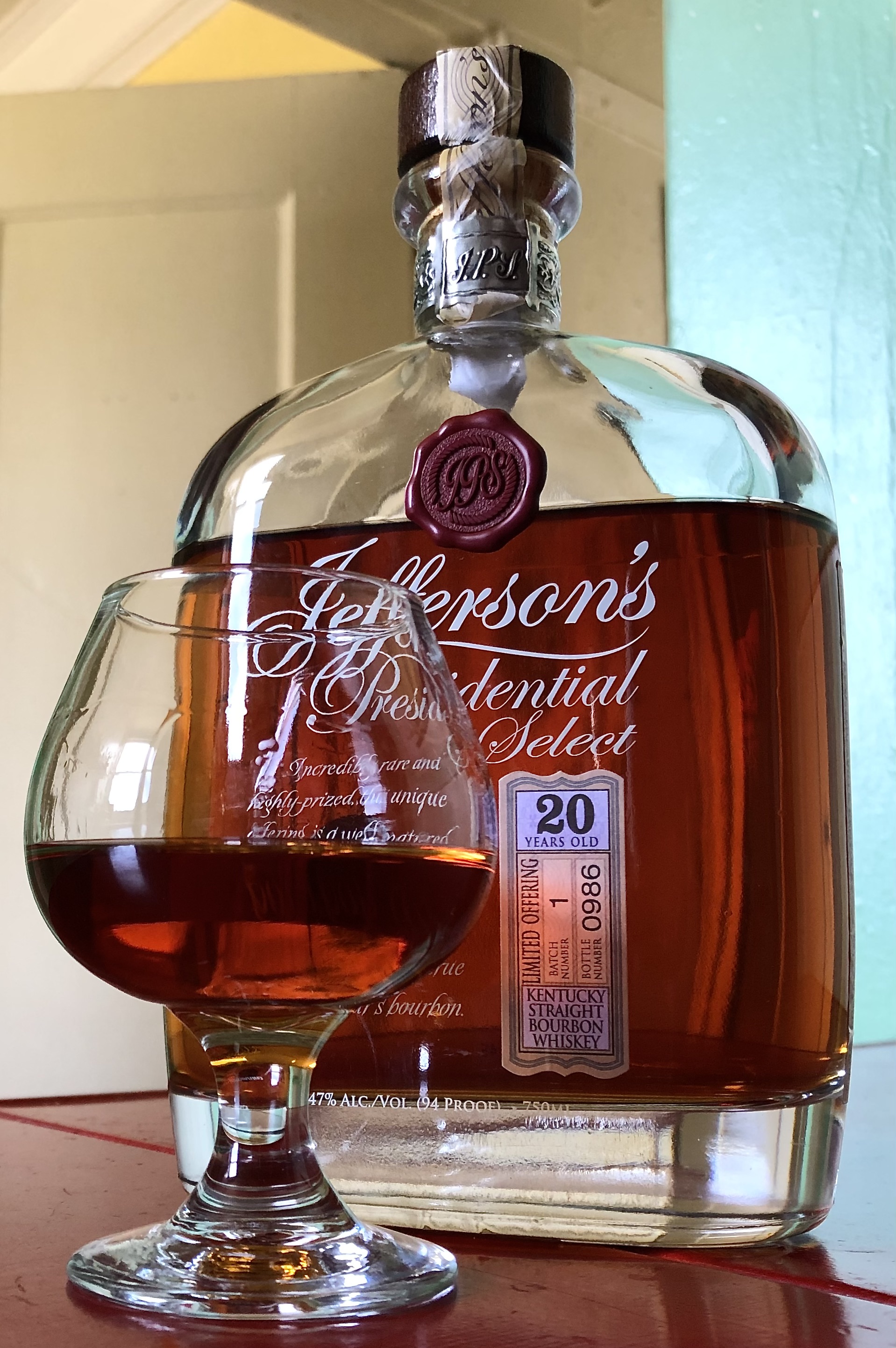
That last aspect of whiskey, Time. I’ve thought a lot about that. A pairing of Elijah Craig 23 Year and Anderson Club 15 Year had me tracking 33 years of my life from the present to the past and back again. A bottle of 20-Year Jefferson’s Presidential Select provided a good longtime friend and I the opportunity to reflect on the year we met, which was the same year the bourbon was distilled; what we were doing in 2016, the year it was bottled; and what we were doing in 2023, the year we uncorked it together. How had “the times” changed, and how had we changed with them? It was a great night of conversation, prompted by a great bourbon.

Memory and nostalgia are common themes that rise out of uncorked whiskey bottles. Whether it’s the health issue of blacking out and losing memories, or whiskey’s aromas and flavors bringing strong memories back, or debates around whether nostalgia itself is a positive or negative state to dwell in, whiskey seems to tap into these things by its nature. This relates back to how whiskey brings out our stories. Beer and wine don’t do this in quite the same way. Vodka certainly doesn’t. There is something inherent to whiskey that sends us time traveling into the past, or brings the past rushing back to us. Memories. Stories. Histories. History in a bottle. Politics in a bottle. It’s all of a piece. It all comes from this liquid sunlight. This very pure craft and art. This distillation of time, place, and intention.
And that right there! That triad—time, place and intention. I think about that quite a lot now. It’s a mighty triangle, very strong. I can really credit whiskey with helping me to become more conscious and aware of this.
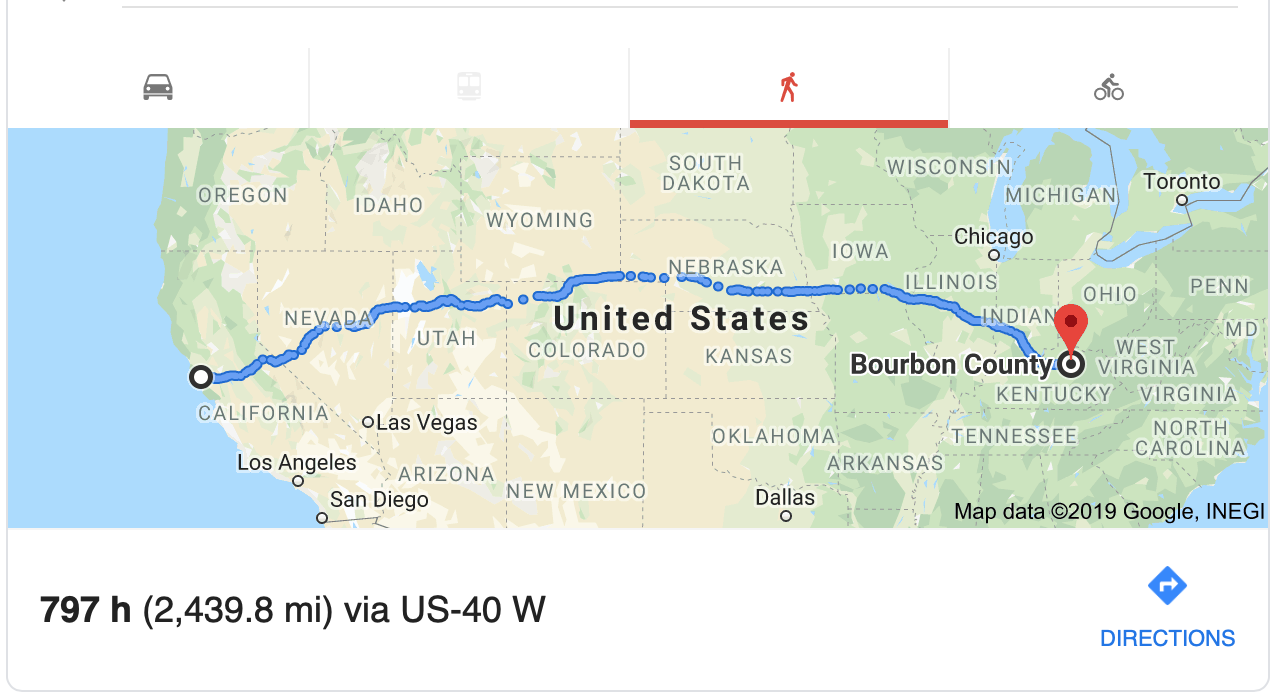
First, place as distinct from terroir. With terroir we think of how weather and landscape impact flavor. With place we add to terroir intention and culture. A terroir provides the conditions. People respond to those conditions, and over time a culture evolves. That culture has intentions toward life and the world. Scotland’s terroir provided barley. Lacking vast forests, they heated their homes by burning peat dug up from the ground. From barley and peat grew that country’s entire strata of cultures and subcultures, arguably unified by the whisky that gave them unique jobs, trade, purpose, identity. Similar observations can be made about Kentucky in the US. It is a region synonymous with bourbon, so much so that many people still believe bourbon can only come from Kentucky.
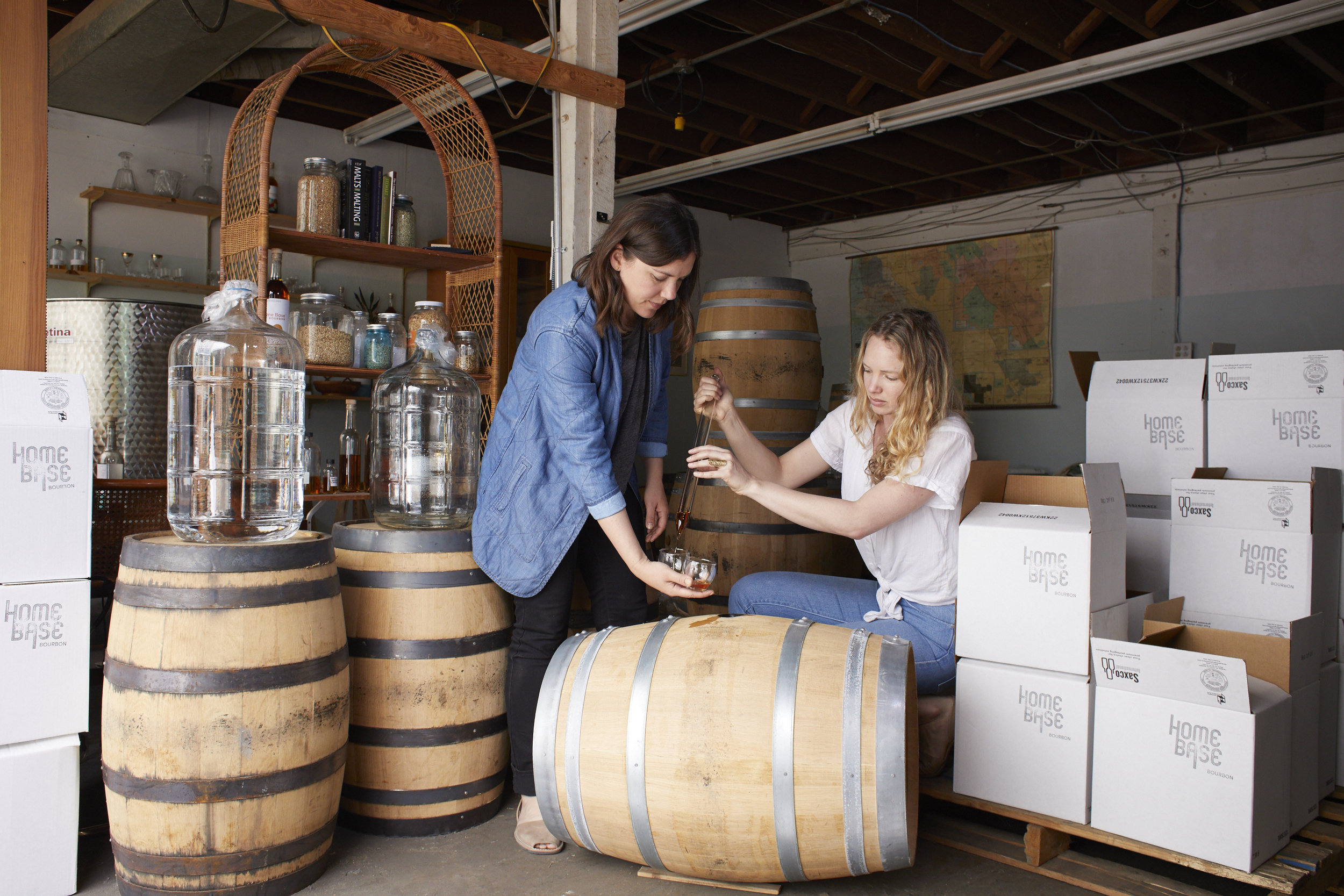
I think again of the Blatteis sisters, and their intention to craft a uniquely Northern Californian bourbon. What does that mean? How is it defined? By aroma and taste? By its ingredients? Is the address of their distillery enough? Or are their intentions also a key ingredient? And how did their formative place, Oakland and Berkeley, create the conditions to which they now respond to the world with their intentions?
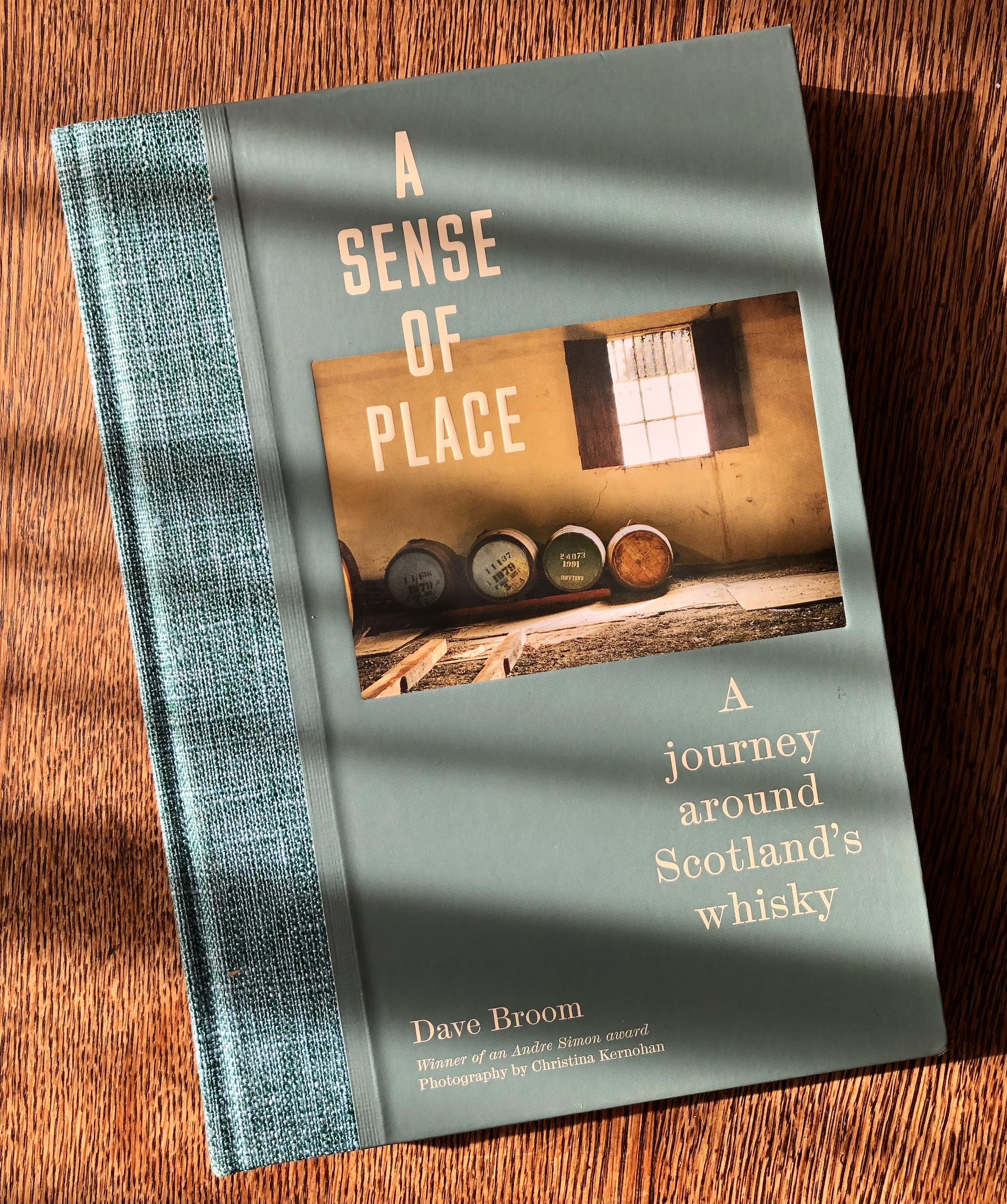
Do read Dave Broom’s book on these questions. He gets at these matters of place in far greater depth than I can here. Similarly, Julia Momosé’s The Way of the Cocktail, though ostensibly a cocktail recipe book, is in its own way an eloquent articulation of place—specifically how where she was born and raised, Japan, and the fact of her being mixed race, created the conditions that shaped her intentions as a cocktail innovator and entrepreneur. Broom and Momosé are practical and philosophical thinkers I’d not have encountered or learned from had whiskey not brought me to them.


Tasting and Sharing
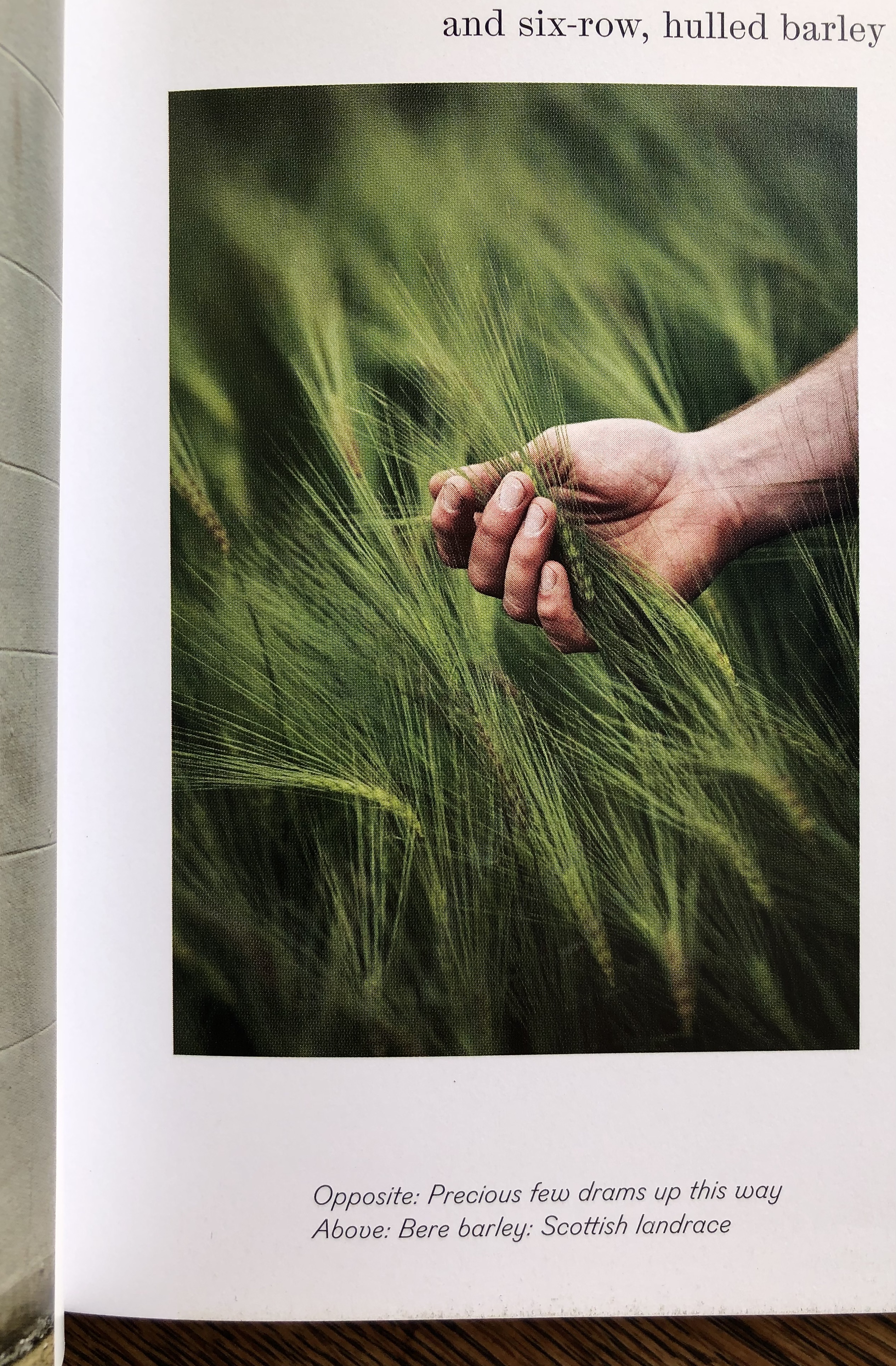
Then there’s the most obvious and ultimate thing—the corporeal experience of whiskey. The sensuality of it. When it’s good, it just tastes so damn good. I think of what Dave Broom wrote about his experience with a very rare pour of 39-year Brora Single Malt, and fumbling to grasp for the words to describe it:
The limits of language are revealed. What do these lists of words mean? Just give in to the sensation.
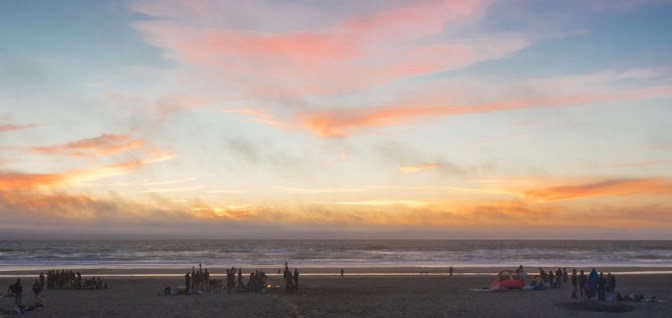
There is a quiet that comes on when I taste a really good whiskey. A cesura in the noise. Suddenly no phone app matters. No screen has pull. No busywork needs fussing with. No silence needs breaking. Suddenly what I intellectually understand of the sky’s complexity appears as simple, whole, and comprehensible as it looks. The quality of light. Trees whispering with wind. Birds speaking in music. Waves rolling out their ancient power with seeming ease. The aroma and taste of a good whiskey, moving through me as I nose and sip it, connects me at once to the natural state of things. The eternal calm in the presence of life’s complexity.
Sounds a bit grand when I write it out. But it’s true. These are rare moments, of course. Not every whiskey does this. But even a whiskey that’s merely “good” will at the least slow me down, and help me to feel not just content, but appreciative of… I appreciate… experiencing my senses without the need to fill, to accomplish, to define, to do do do. Only notice. Only experience.
And then the stories come. The memories float up. The ideas hatch. Feelings and thoughts find their words. But it’s exploration. It’s noticing. Not defining or concluding or stamping. Something else more lasting for the soul. Good whiskey compels a sensory, experiential meditation.
And I love to share this. I love to help people find their own words for what they experience. I don’t want to teach them my words. I enjoy helping them dig around in their own vocabulary, their own existing references and memories, to articulate what they experience of the whiskey.
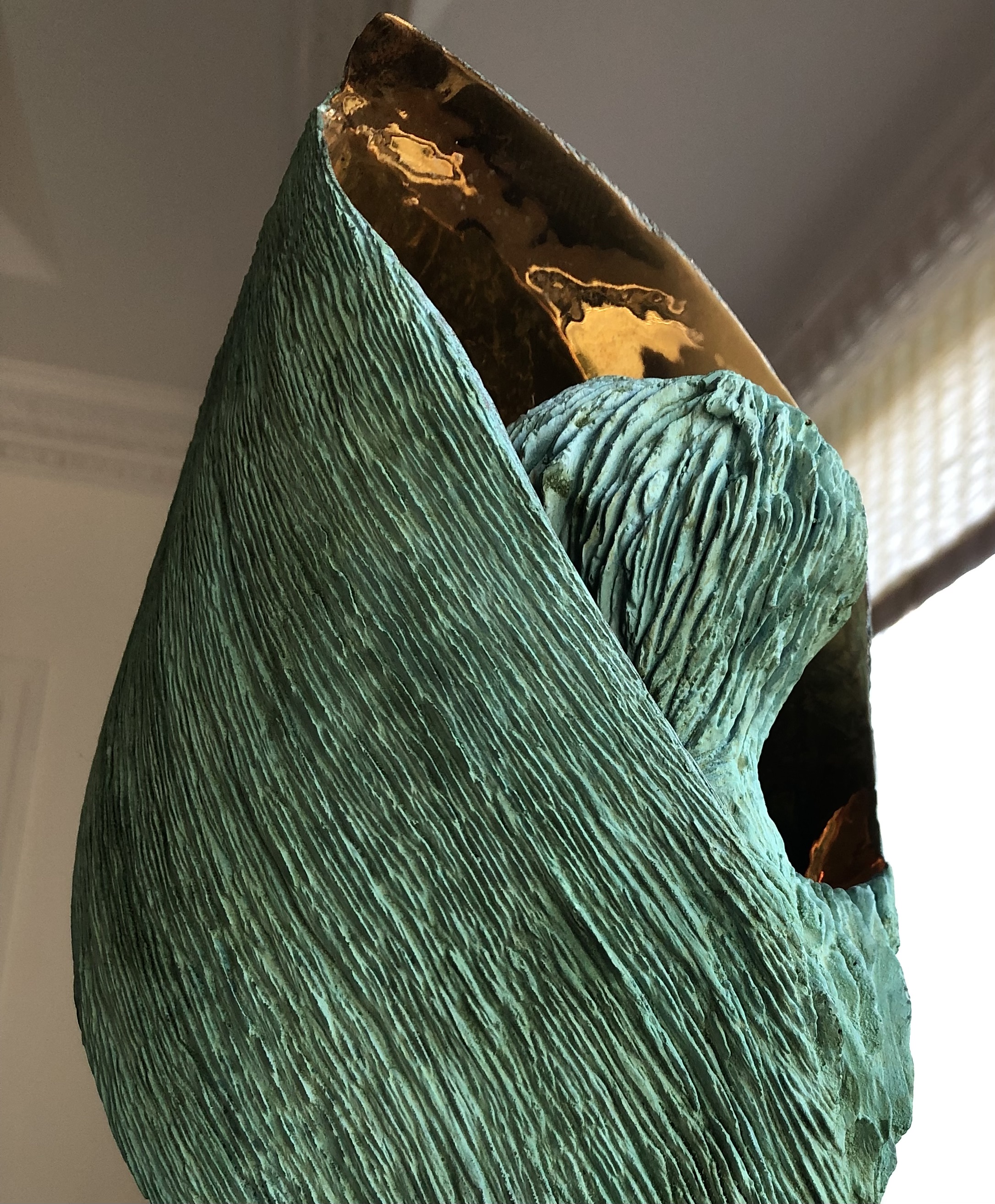
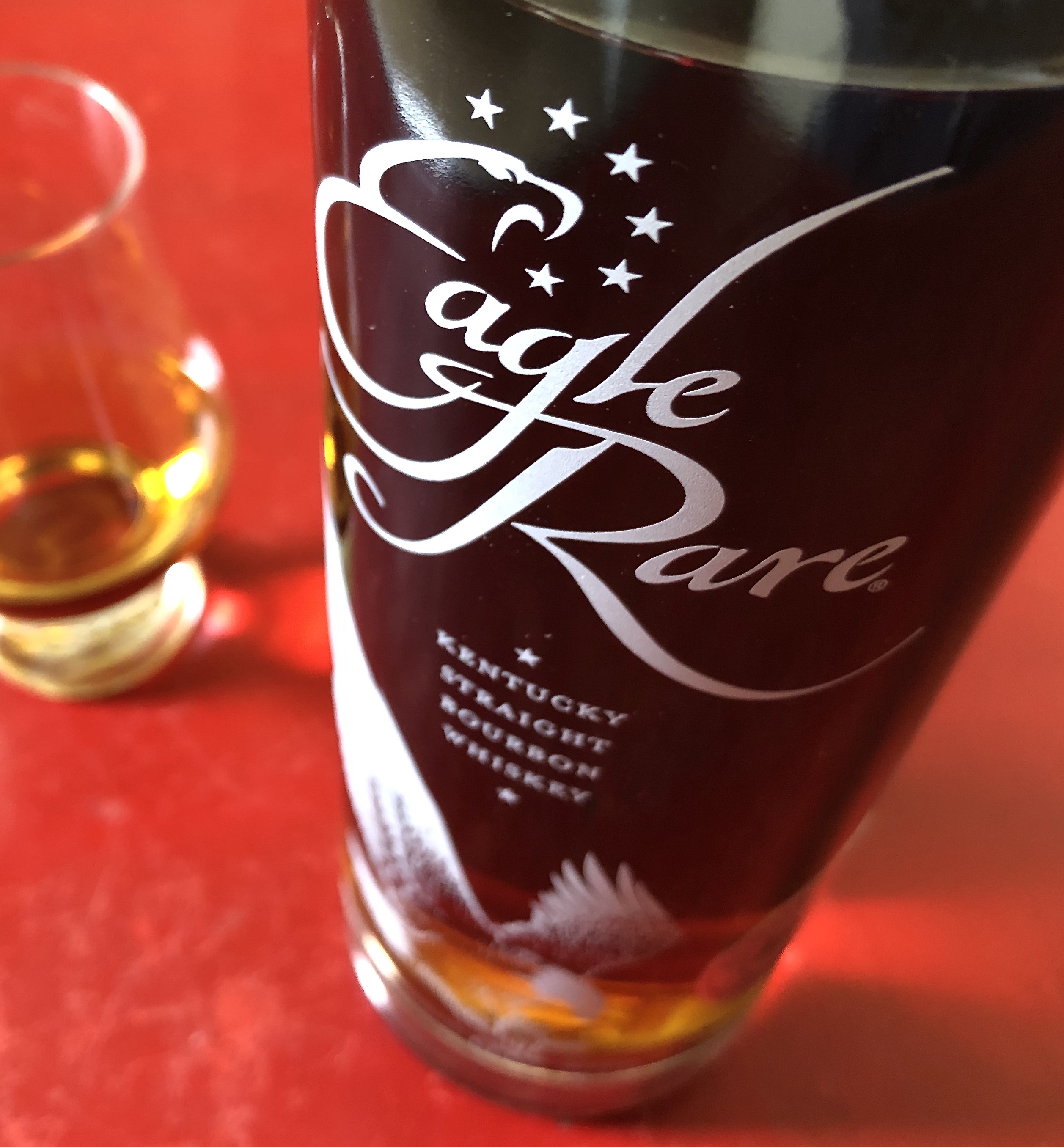
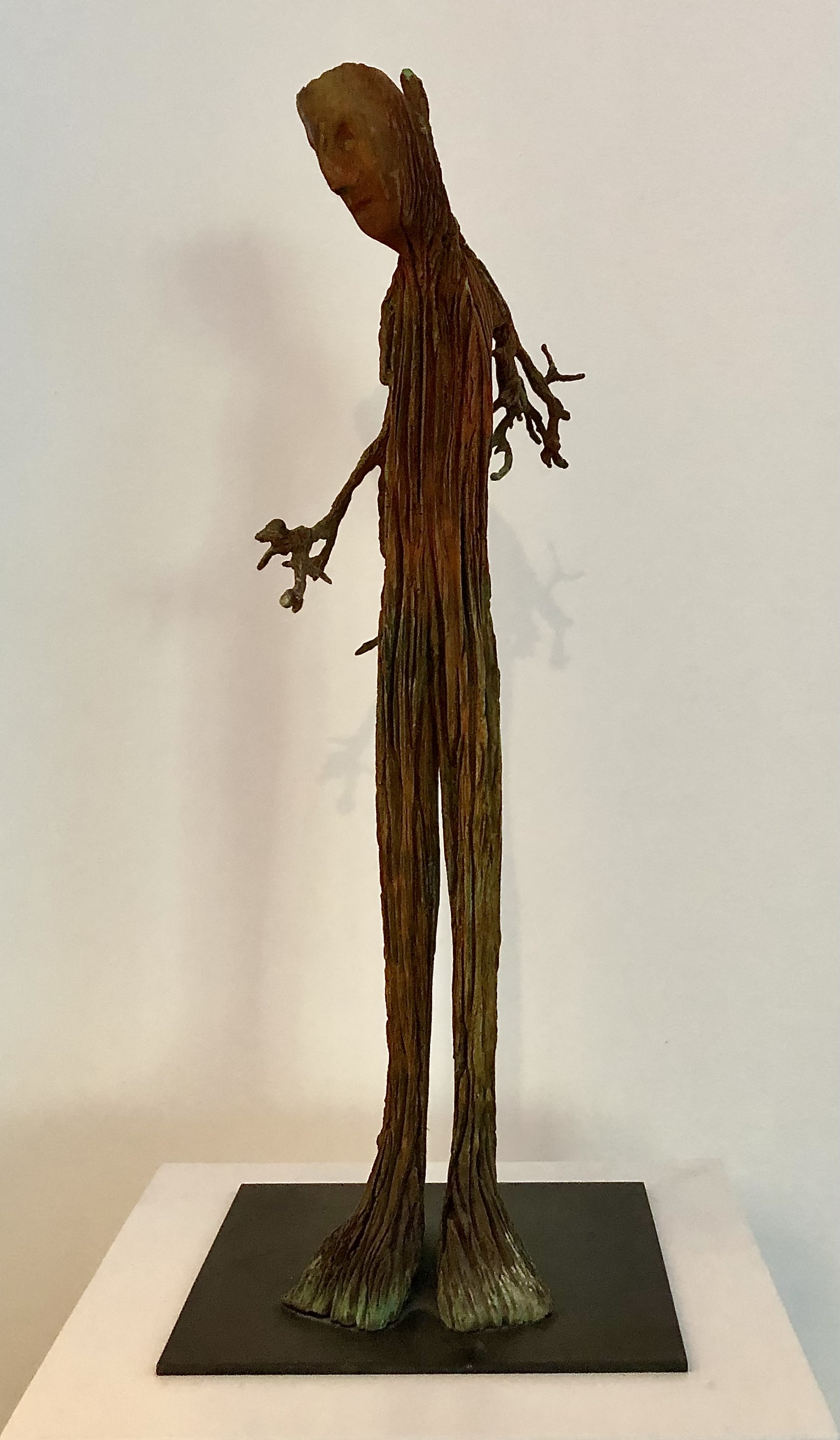
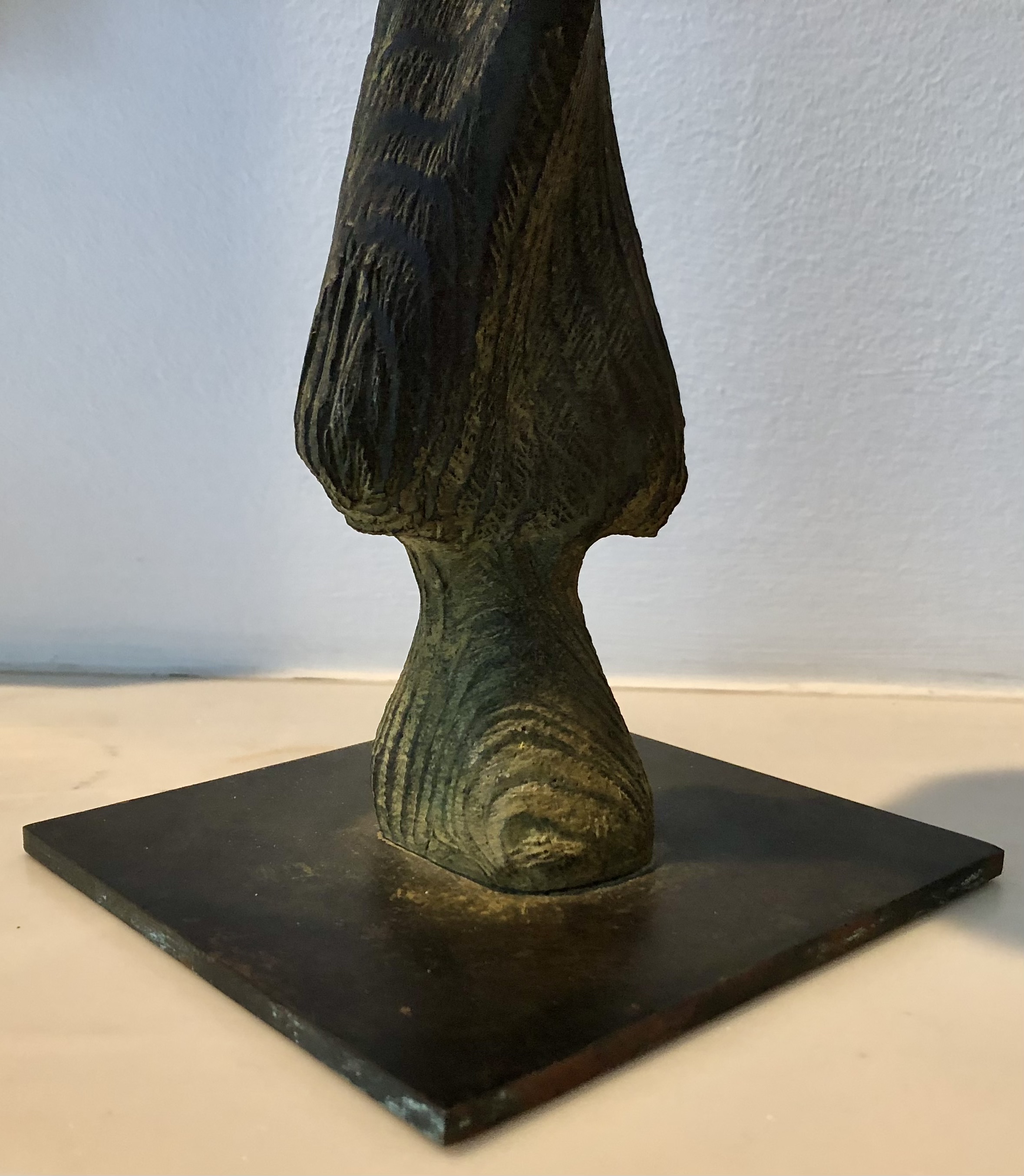
I loved organizing a flight of whiskeys to pair with an exhibition of the art of Alexander Polzin, for example. I chose bottles that I thought had connections to the materials he uses—oak, bronze, gold. Art and whiskey are two things that many people find intimidating. They think they have to “get it.” I invited guests at Alexander’s exhibition to use their experience of the whiskey to talk about the art, if that came more naturally to them, or their experience of the art to talk about the whiskey, if that was their easier in. It was such a blast!

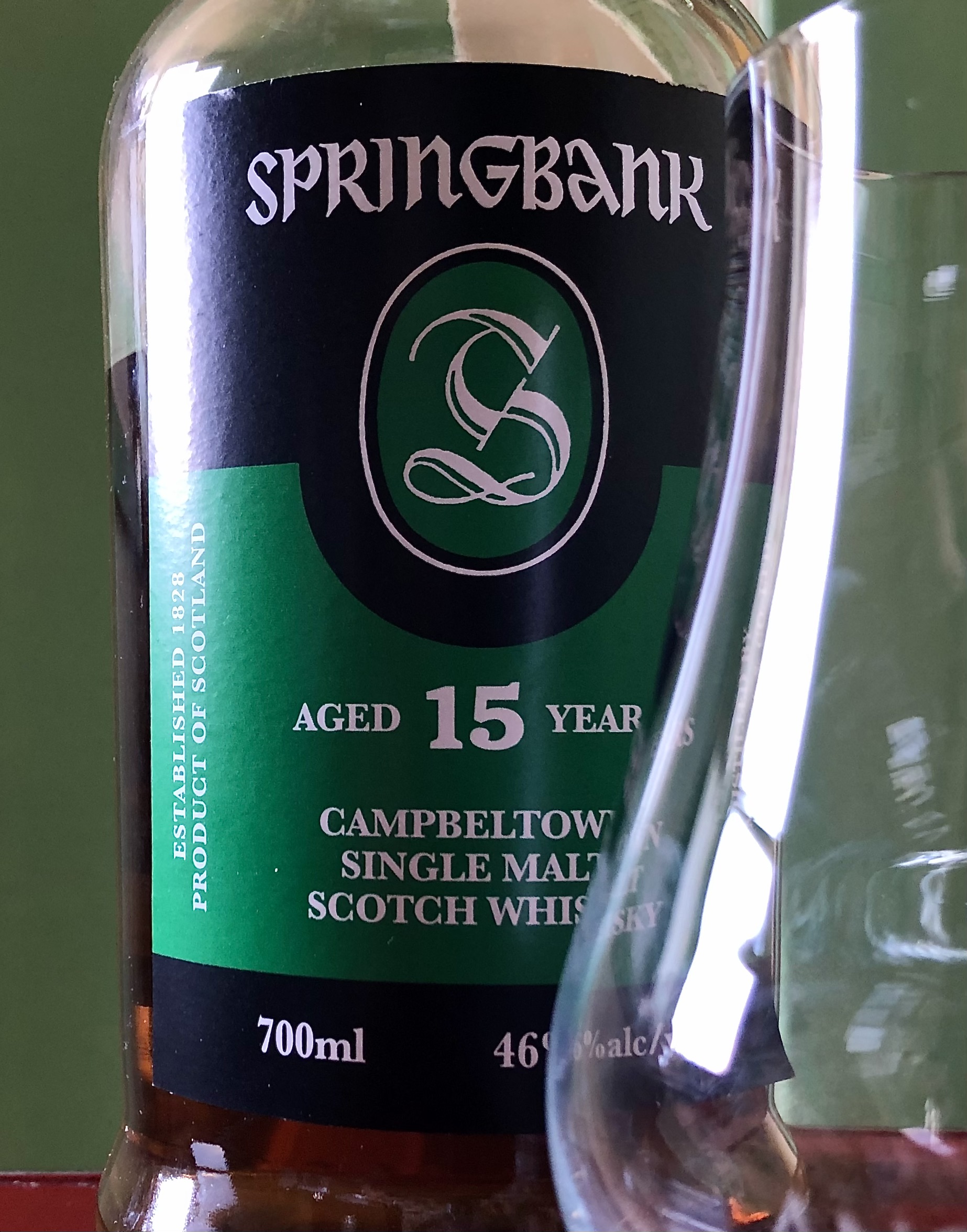
Similarly, I loved organizing a flight of whiskeys for a holiday party at my work, with specific bottles chosen to honor a recently departed colleague of ours. He was a large and generous personality, who respected the dignity of everyone he helped usher into our theater. He was a natural storyteller with a hearty laugh. And he loved scotch. So I chose a range of sweet, flavorful, robust scotch whiskeys. My co-workers and I toasted our departed friend, with something we knew he would appreciate—good scotch. People noticed what they liked better or less so. They talked about why. Many didn’t talk so much as experience aloud, which was often much more articulate than any words—making curious animal chirps in response to a Dalmore 10 Year Single Cask’s pungent fruitiness, or letting out a wide-eyed ooOHhh while engulfed in the billow of earthy smoke from a Laphroaig.
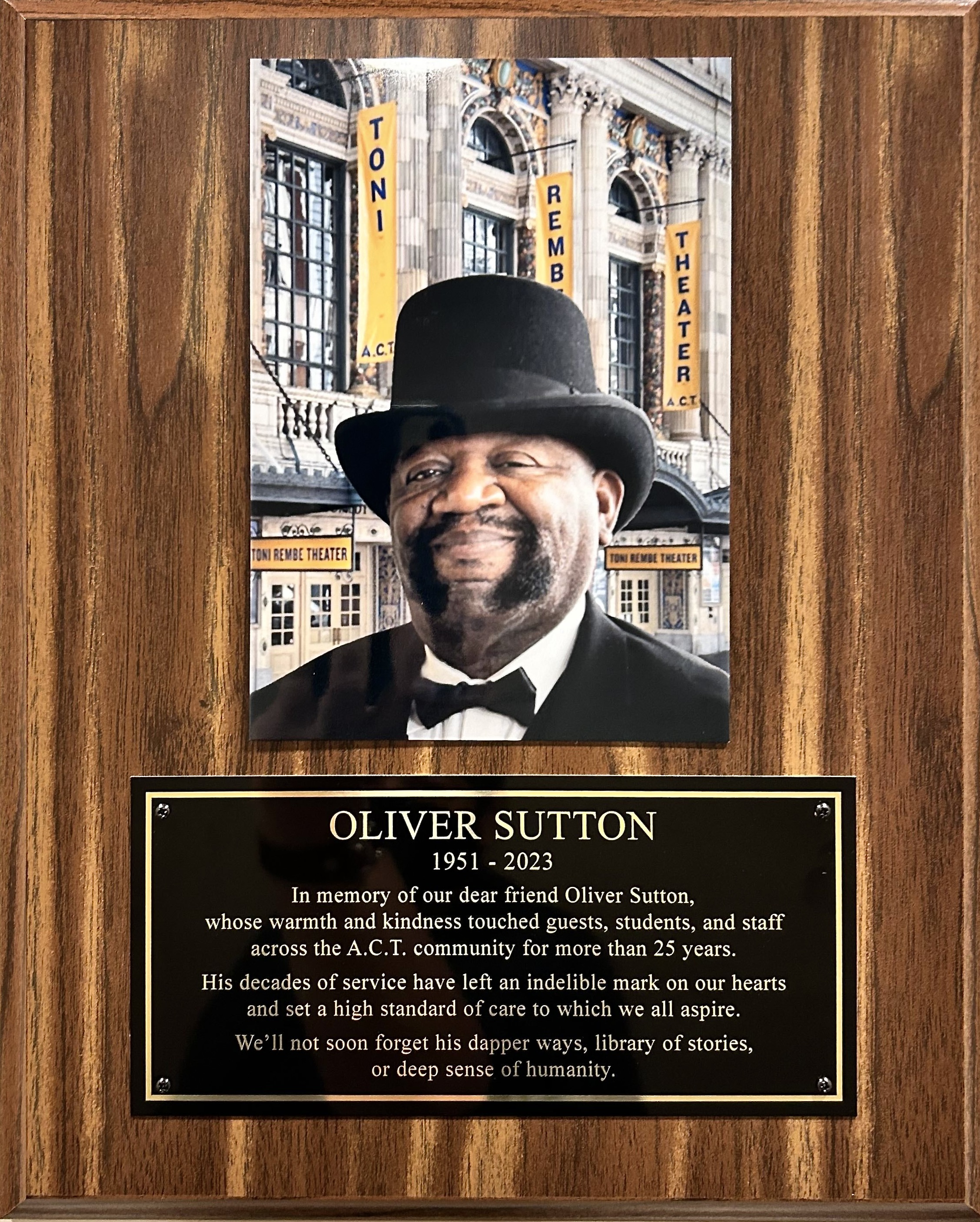

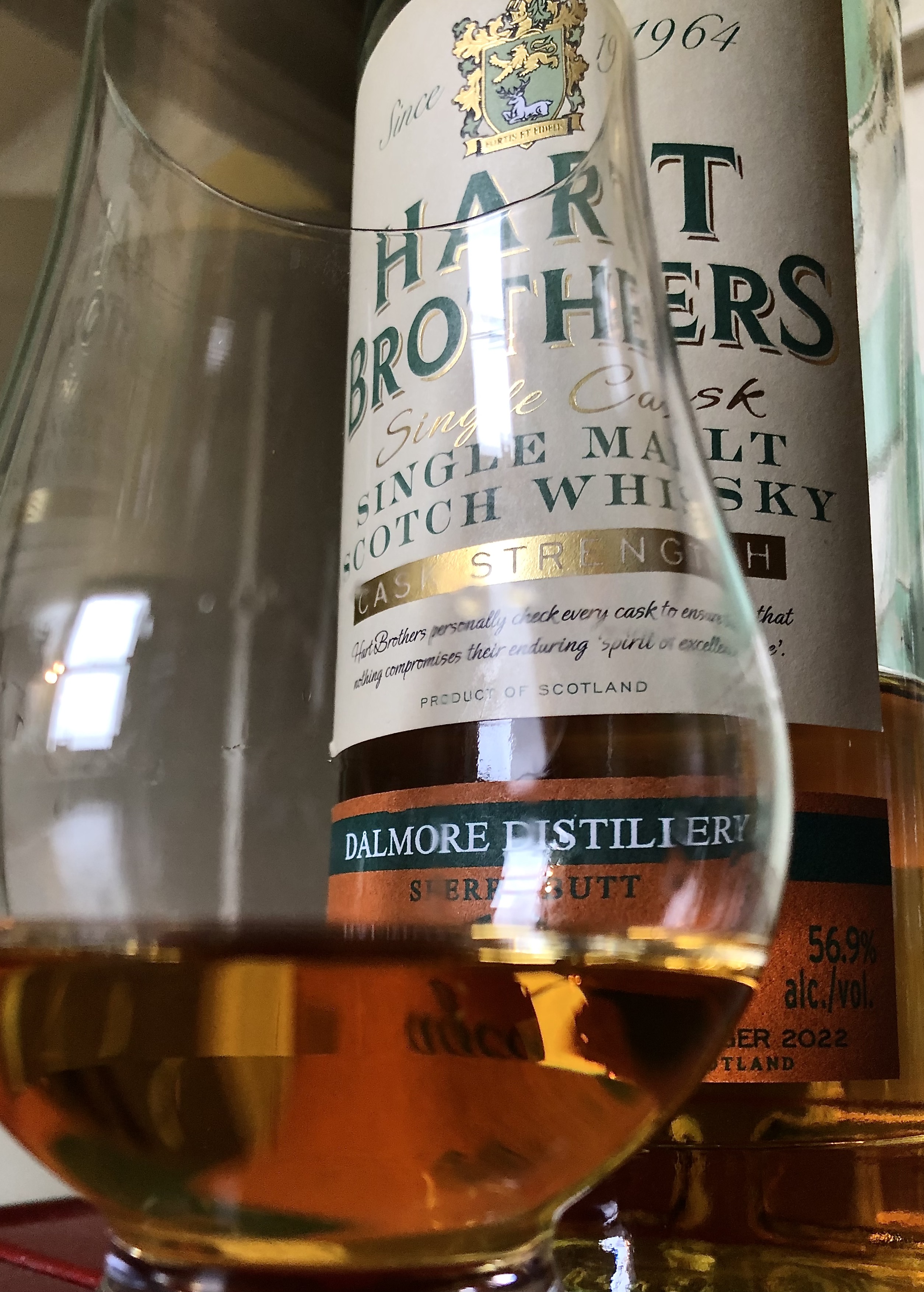
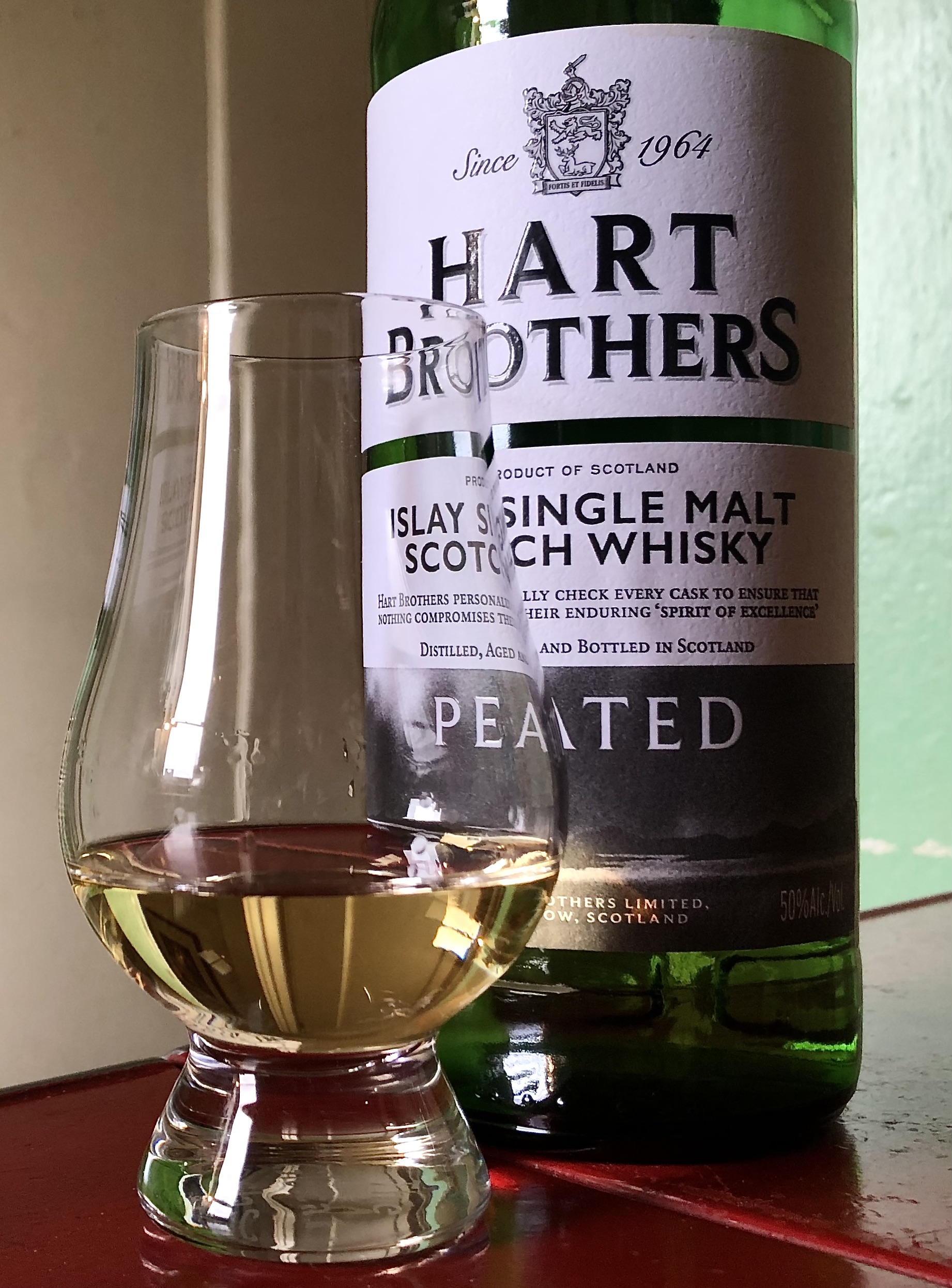
I love these and other tastings I’ve facilitated and attended, some formal and some very casual, because they are a way to get to know people. To learn about them. Something about where they come from. What they value. Who they are beneath the job or the outfit or the social status. Some nuance particular to them that gets revealed by their quite literal gut response to an experience.
Sharing whiskey, as an act, is an invitation to welcome our curiosity to the table, to sit with it for a moment, momentarily free from the noise.
Reprogramming Myself
To up the chances for these kind of fulfilling tasting and sharing experiences, I’ve periodically tried things to disrupt my patterns. Little tactics to keep the journey fresh and my curiosity alive.
One example was to quit bunkering. This had a dual purpose. On the one hand, I live in a small city apartment. Why take up precious space with a dozen bottles of Weller when I could fill that same space with a dozen different experiences? And on the other hand, I’d recognized how FOMO didn’t really feel good. The buyer’s regret. The time frittered away hovering over my keyboard in anticipation of online releases. The feeling foolish for having emotions of any intensity around getting or not getting some bottle of brown water. So I committed to less bunkering of multiples.
It worked! Though the daily average number of bottles on my shelf remained relatively the same, the range of whiskeys expanded substantially. Buyer’s regret didn’t vanish entirely, but it certainly decreased. And I found myself doing more research before buying new things, and feeling better more often about impulse buys. In general I became more conscious of what I had, what I bought, and why. In short, more conscious about what I value not just in whiskey but in life.
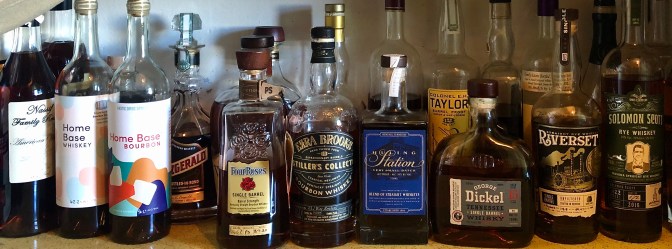
Another thing I tried was to stop buying whiskey for an entire year. My Year of No Buying lasted from June 6, 2023, to that same date in 2024. This idea was prompted by a general feeling I was having in late 2022 and early 2023, of whiskey starting to feel more like a grind than a journey. I hoped that taking shopping out of the mix might awaken new perspectives.
It worked. Though at first the itch to buy dug deep when I’d peruse local liquor store shelves or online new product feeds, the more I window shopped without buying, the less I felt the itch. This also gave me an even better sense of what is always around and what is actually fleeting—and truly very few brands are fleeting. There is so much readily available good whiskey now!
In my Year of No Buying I uncorked a lot of bottles I might not have done otherwise. With no influx of new options, I leaned into uncorkings to satisfy my desire for novelty. I no longer needed a special occasion to open a special bottle. Livening up a dull Tuesday was reason enough!
It’s also interesting to note what I bought long ago that’s still sitting there even now, after my thrifty year, not because it’s rare but because I’ve just not been interested. Will I ever be interested in those bottles? Why was I to begin with? Not buying enhanced my sense of why I buy what I do, and why I often actually don’t need to buy anything at all. For a full year, less was truly more.

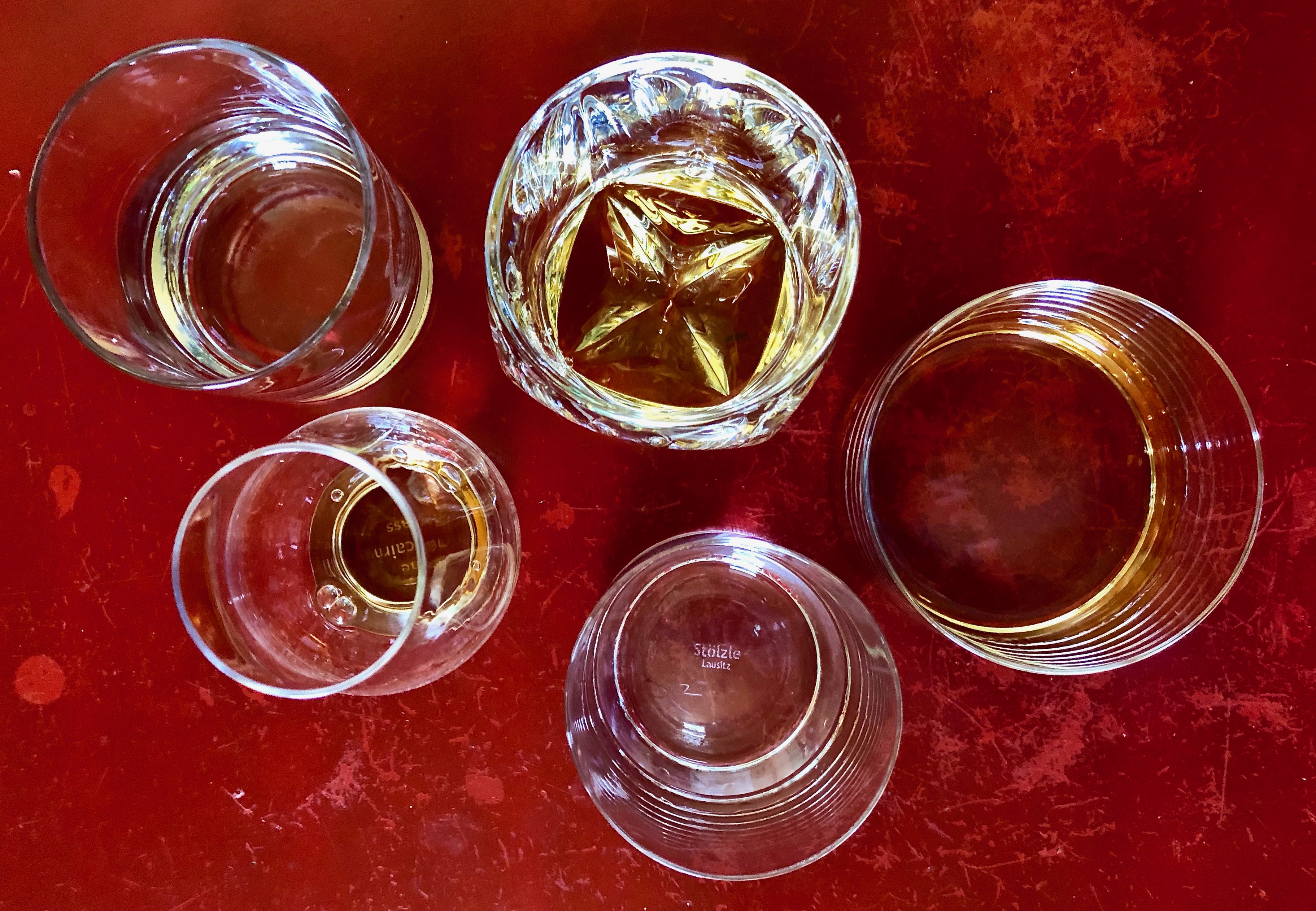

And so now what?
🥁🥁🥁🥃🥁
And so now, my next plan to keep this journey alive and curious…
Write less.
This idea was actually inspired by a disappointing discovery I’d made back in January 2021. While cleaning out our little apartment’s back room, I found a box of thirty-five journals handwritten by me between 1992 and 2004, which I had thought I’d already thrown out long before—lots of sweat-stained pages documenting youthful angst and ideas I felt no need to revisit. I told my partner I was going to take them down to the recycling bin. But before I did, she asked me what the last word on the last page of the last journal was.
“Freedom.”
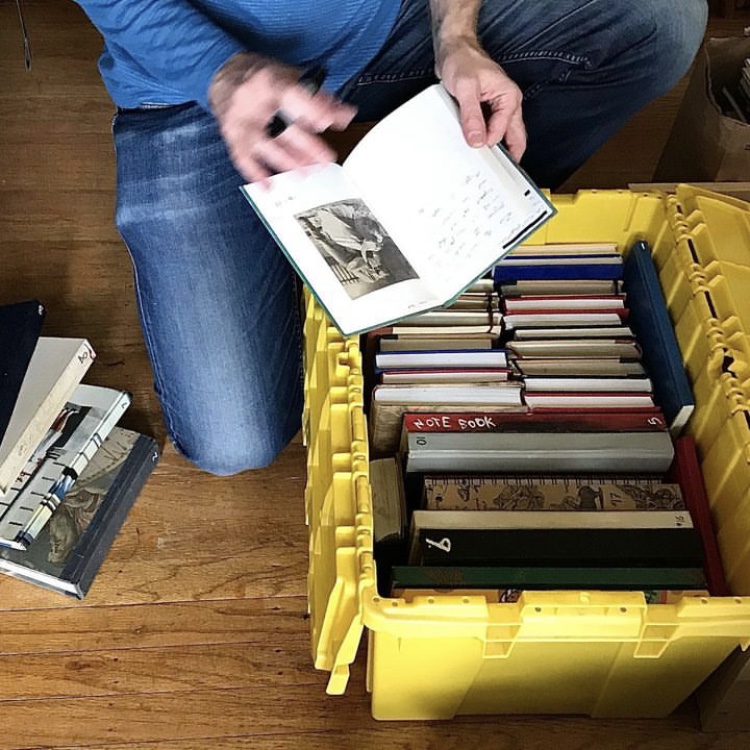
I’d stopped keeping a handwritten journal in 2004 because by then the need journaling served for me had spent itself. From 2004 onward, whenever something came up for which processing in writing would be helpful to me, I’d write an essay about it on my laptop. These tended to be more formal, less personal writings, even though I had no intention to publish them. So, a less regimented schedule, and the writing itself, I would say, was better! More considered, critical, researched and referenced, and more articulate overall.
Though I’ve continued with the essay form here on The Right Spirit, I’ve kept to a regimented schedule—a new post every Friday, often an additional post on Tuesday. After five years, to date I’ve written 422 posts. I’ve enjoyed this, for all the reasons above. But like most any pattern of behavior eventually does, my weekly posting has accumulated some habitual dust and repetitive stress aches.
Plus, it’s very evident the whiskey bubble is leaking. So much product is pouring out. So many new brands on the market and so many old brands with new warehouses under construction. And so many bundle deals at shops hoping to move seas of whiskey nobody wants. I’ve even noticed an uptick in whiskey influencers putting out videos and podcasts commenting on an evident quieting of the Whiskey Boom’s waves. So it’s not just me. The whiskey tides are shifting. Time to rinse and refresh!

So, what would happen if I posted here not according to a rigid weekly calendar, but the free roaming schedule of inspiration? What impact does a rigid schedule have on us over time? And like bunkering and buying less, might writing less also bring me to new perspectives? How might my journey shift? What might be gained and lost?
I’ve never made money from this blog. No donations, no Patreon account. So no loss there. It does cost me money—the website itself and the whiskey too of course. But anyway I’ve never been here for money. Sharing my curiosity has been the only goal. This makes me a very bad capitalist 😉 and I’m so okay with that!
Certainly one way to understand something better is to take it away, especially when it’s become familiar. In its absence, the true nature and value of a thing often become more apparent. I’m curious what a freer whiskey blogging schedule will make apparent.
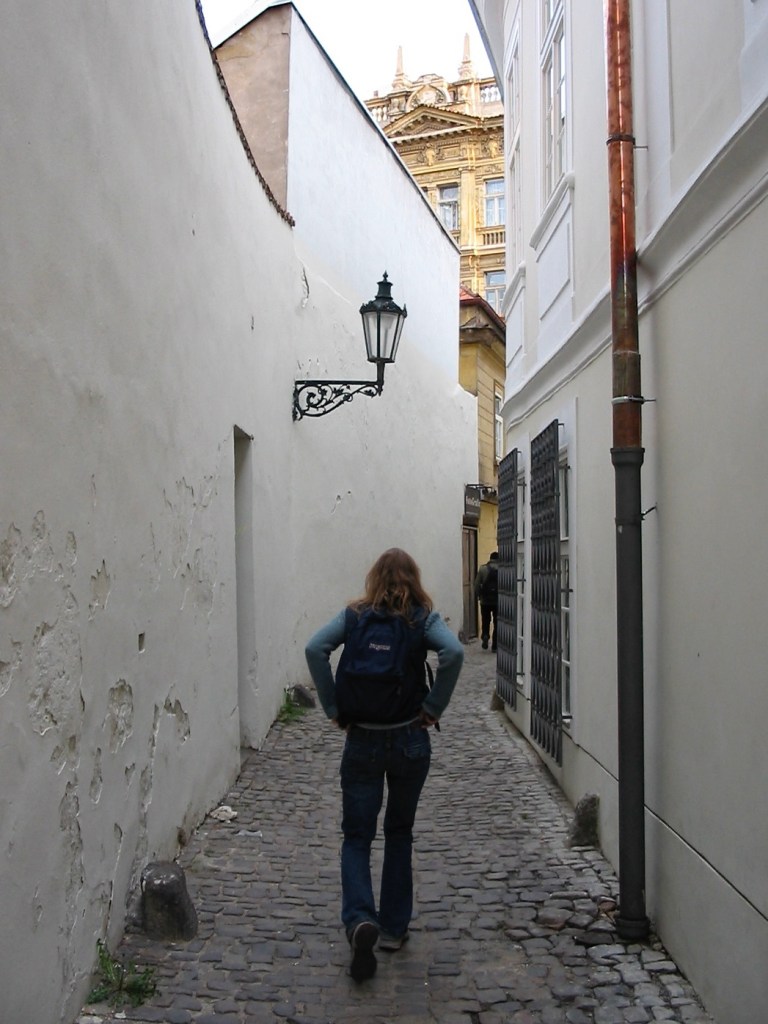
The best advice I ever read in a travel book was to “set this book down and get lost.” This was the Lonely Planet book on Prague. So one day my partner and I left the book in our Hostel room, got lost down Prague’s maze of cobbled side streets, and had the best time at a little cafe where a guy was playing an accordion at a table with a black cat, and for the equivalent of a handful of American dollars we enjoyed a basket of fresh salami, bread, and a bottle of red wine. This place was not in our travel book. It was not on our schedule. But it was a highlight of our journey.
So, here we go. Cheers to the journey!
To be continued…
Last Call:
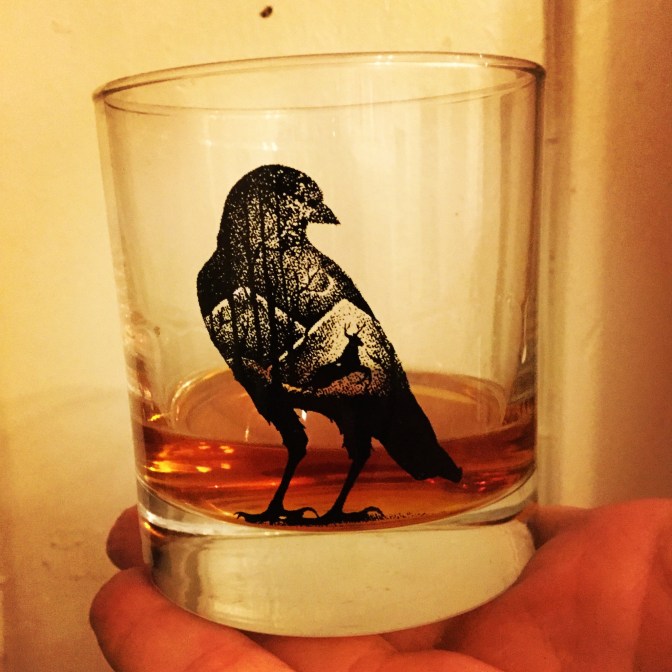
Why the crow glass?
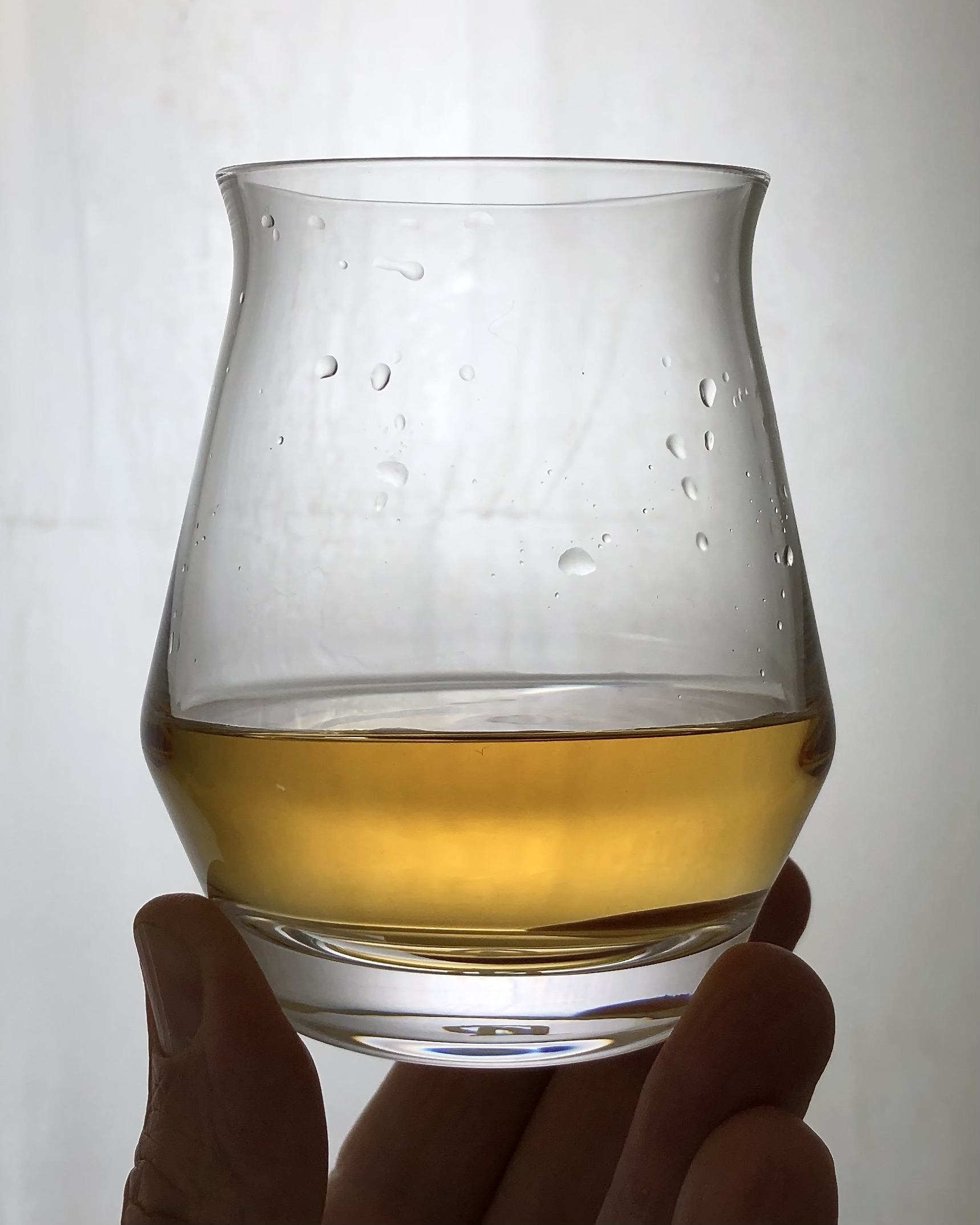
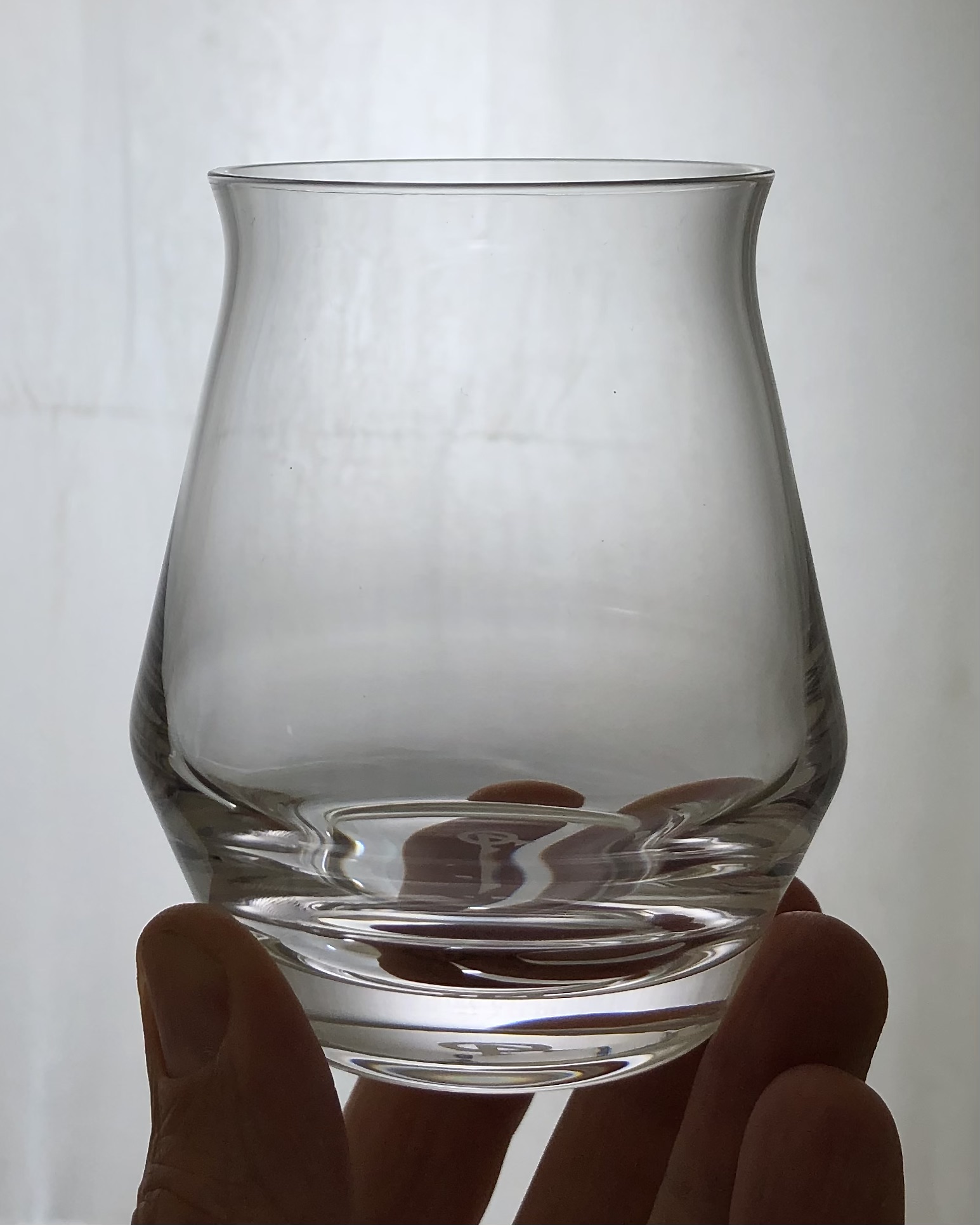
The tumbler I chose as an icon for The Right Spirit, with its image of a crow with a deer in its stomach, was a gift to me from the cast of The Black Rider, a Tom Waits musical I directed in 2017. They knew I was a whiskey fan. And the show was filled with images of crows and deer and dark spooky forests. The photo is one I snapped quickly with my iPhone late one night, to share with the cast my having put their gift to good use.
This was the first specialty whiskey glass of any kind on my shelf, and remains a sentimental fave. Being a gift, it seemed a fitting icon for this endeavor about sharing curiosity.
Past Whiskey Journey Posts
Part 1 – Getting Started
Part 2 – Checking In
Part 3 – Why I Whiskey
Part 4 – On Weller Antique 107 and the Art and Practice of Letting Go
Part 5 – What have three years of writing whiskey notes done to me?
Part 6 – Nosing The Grind
Part 7 – What would happen if I didn’t buy whiskey for a year?
Part 7.5 – halfway through The Year of No Buying
Part 8 – Turning-Point Bottles Pinned To My Journey’s Map
Part 9 – my Year of No Buying comes to its end…!

 The Right Spirit