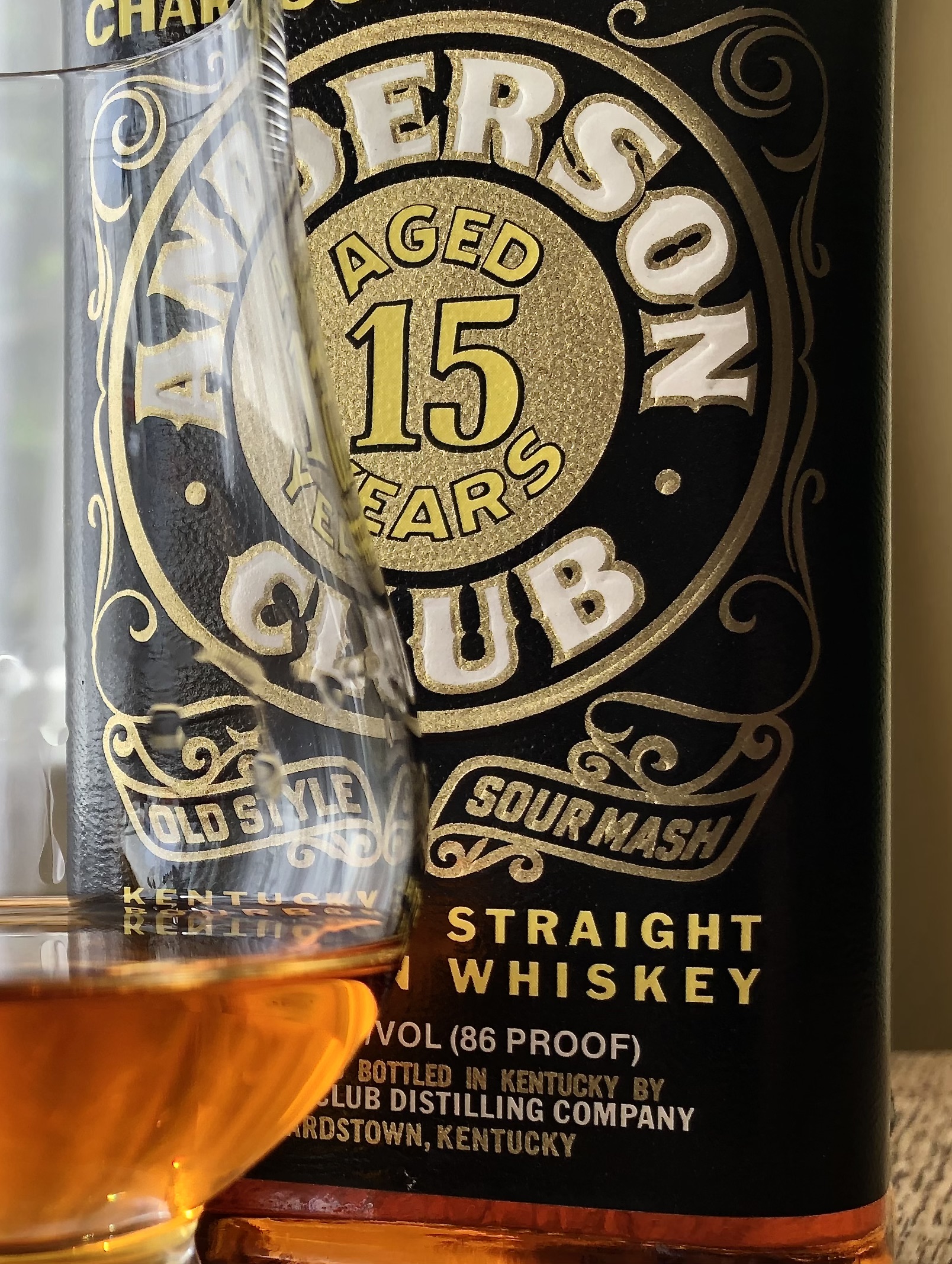
ANDERSON CLUB
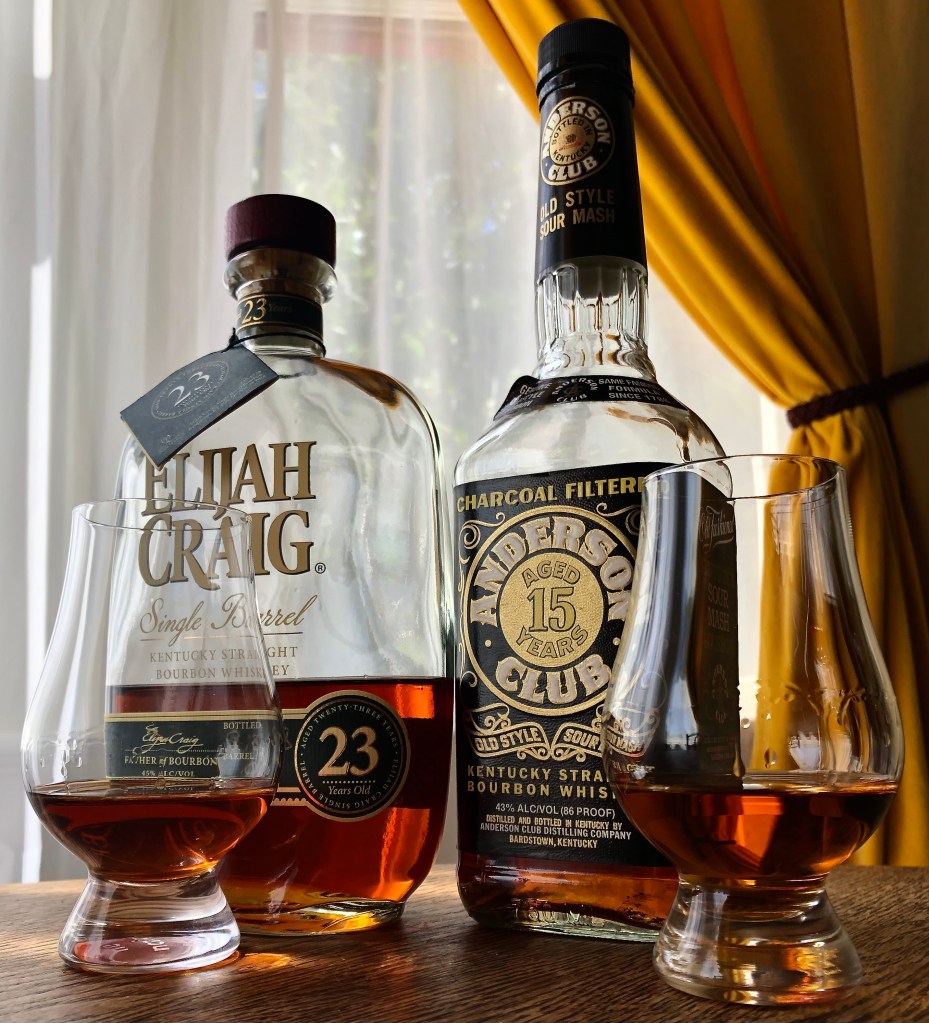
Japanese export; bottled in 2005; distilled in 1990 or priorMASH BILL – unstated (likely 78% Corn, 10% Rye, 12% Malted Barley)
PROOF – 86
AGE – 15 years
DISTILLERY – Anderson Club Distilling Company (Heaven Hill)
PRICE – $231 (includes shipping)
ELIJAH CRAIG 23 YEAR
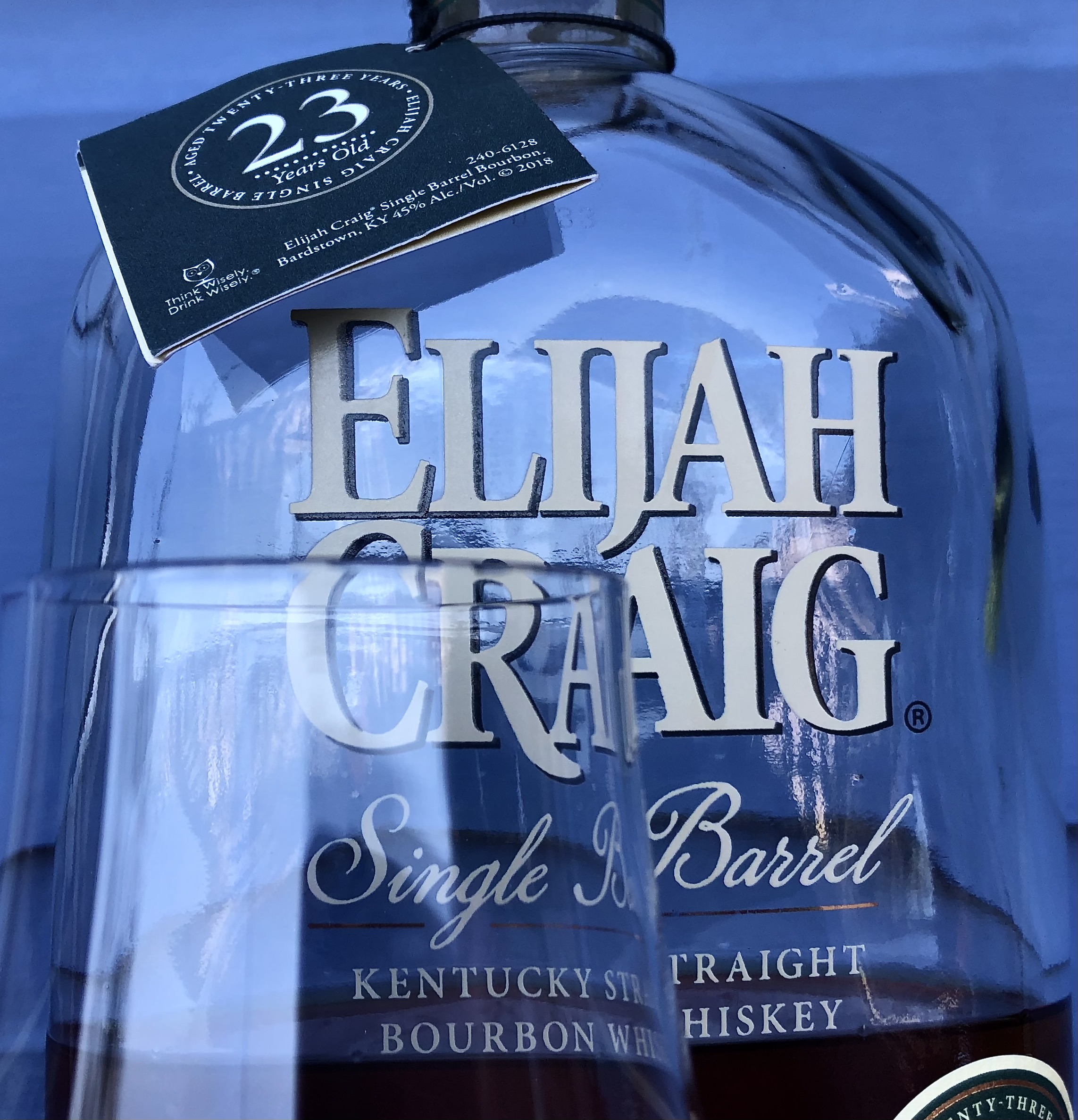
Single Barrel #90 bottled September 13, 2018; distilled in 1995 or priorMASH BILL – 78% corn, 10% rye, 12% barley
PROOF – 90
AGE – 23 years
DISTILLERY – Heaven Hill
PRICE – $271
This comparison was made in The Year of No Buying (The what? 🔗 here.)
Beyond the taste of it, the pleasure I take in whiskey is akin to the pleasure I take in travel—a sensory experience that introduces me to people, places, histories, cultures. It’s a personal interest, and inevitably a political one: How to be my best self while enjoying life, and how best to share life in this world with the many other people living it?
Most readers come to a whiskey blog for tasting notes, whether out of curiosity or to help make consumer decisions. That’s a key reason I go to whiskey blogs myself. Here on The Right Spirit I do offer tasting notes, alongside reflections on the many connections between whiskey and the lives we live, have lived, might aspire to live.
So for readers who clicked here for the notes, I welcome you. I’m looking forward to them as well, and we’ll get to them right up front. I invite you to then linger longer, to ruminate on something today’s two whiskeys have conjured for me.
Time.

These two whiskeys touch years spanning over three decades. Together they compelled me to reflect on this thing we call “Time.” Conceptions of Time. Time as a social construct. Calendars and watches as tools to organize, corral, or control Time. Time as a cultural perception—whether the culture of a place, as in “a New York minute,” the culture of an economy, as in “time is money,” or the culture of a people, as in “on Latin time.” ☜ And there we see the debatable, often questionable socio-politics of Time. If it is indeed not just an organizing principle but also a social and cultural one, then our perceptions of Time connect to our perceptions of one another and ourselves. And very soon we get into issues of power—e.g. whoever controls Time controls those subject to it; the power we give to Time is power we’re giving away; and so on.
So first up, some brief backstory on these two bottles. Then some reflections on the experience of tasting them side by side. And finally, reflections on this theme of Time that has drifted up into my awareness from the unique experience of these old bourbons.

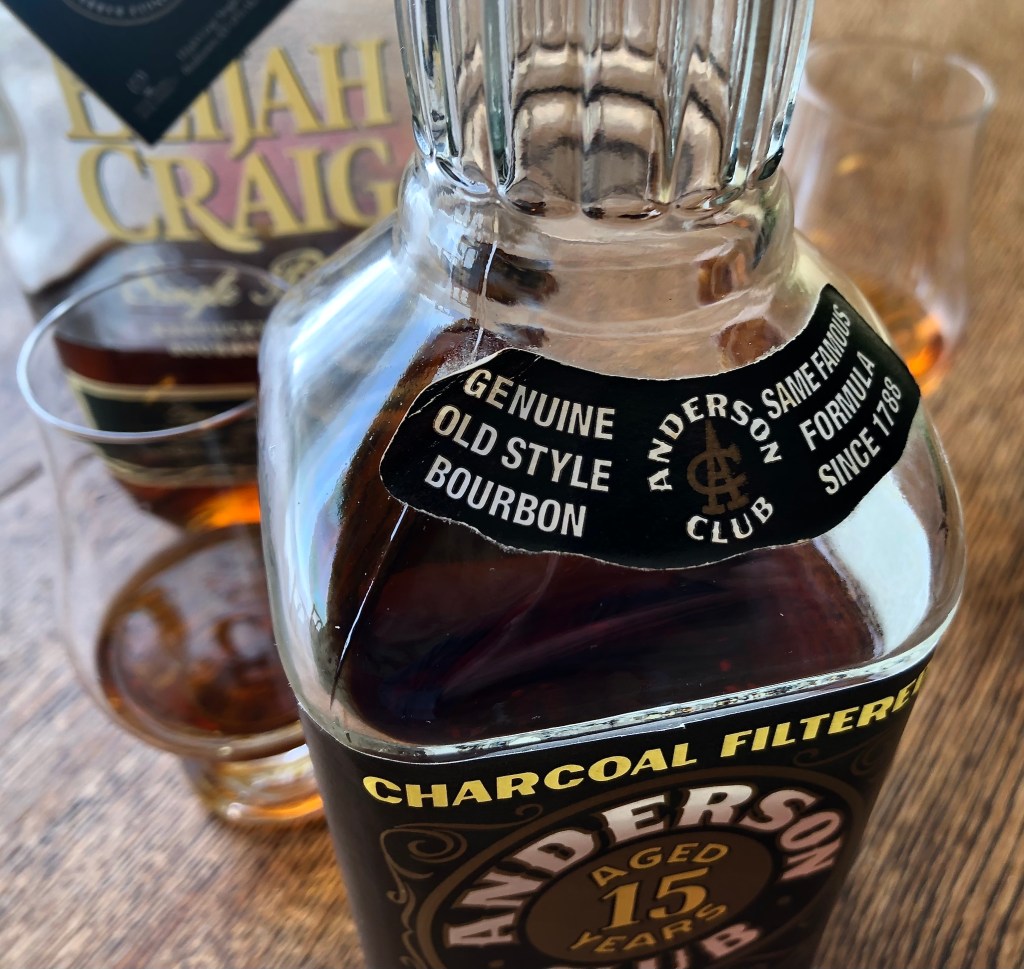
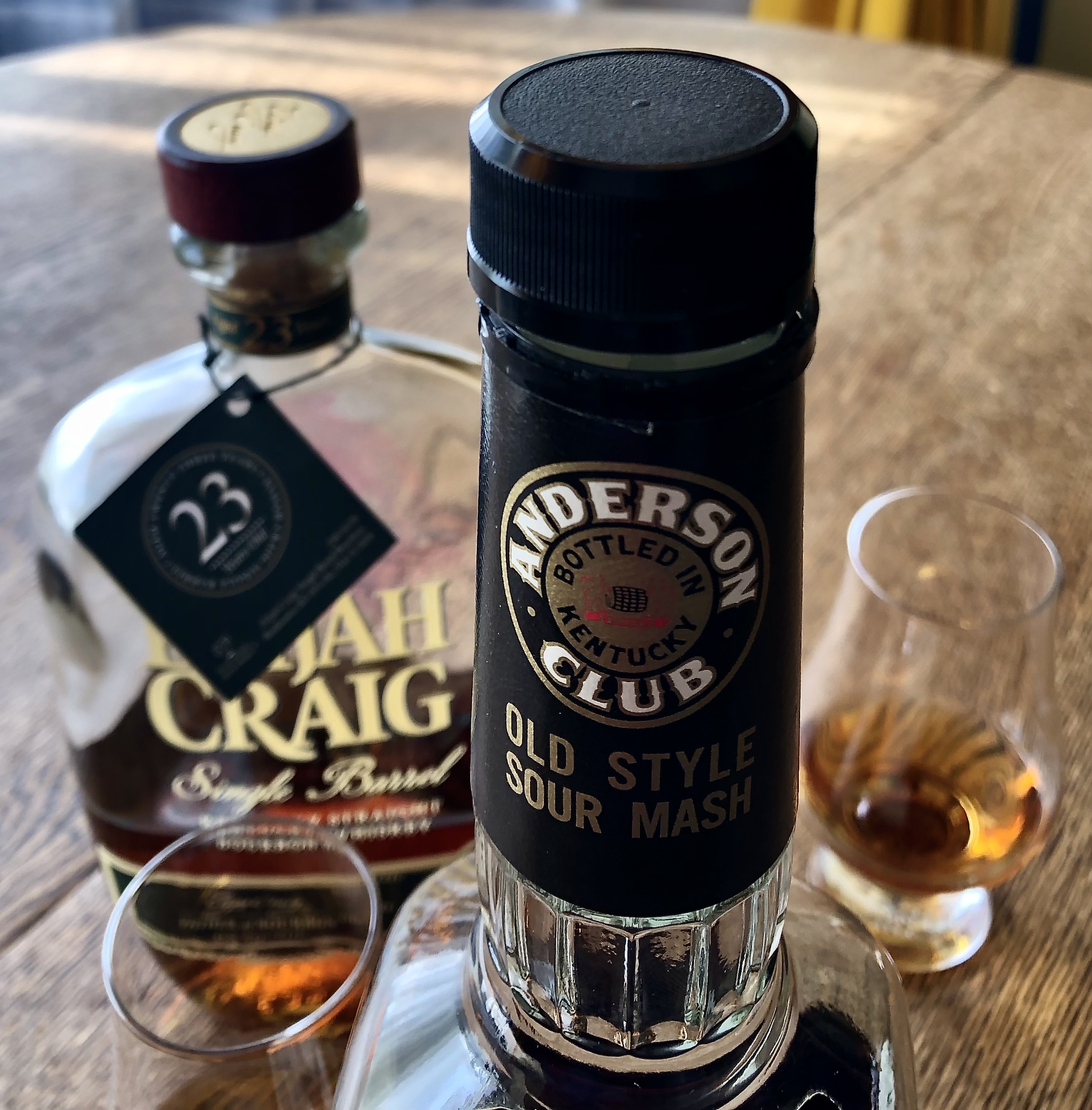
Anderson Club Aged 15 Years is a discontinued Japanese export product from Heaven Hill, produced throughout the 1990s and until the mid-2000s. The brand was originally created in the 1950s by T.B. Ripy III and E.W. Ripy Jr at their Boulevard Distillery, a.k.a. Anderson County Distilling Co., in Lawrenceburg, KY. That distillery has been home to Wild Turkey since that brand’s former owner, Austin Nichols Distilling Co., bought it in 1971. The Ripy name itself is among Kentucky bourbon’s legendary families, responsible for innumerable brands in the 19th and 20th centuries. Anderson Club was always an export endeavor, from inception through Heaven Hill’s stint with it. It is one of the rare charcoal filtered Kentucky bourbons, a process more commonly associated with Tennessee whiskey. My 2005 bottle counts among the final batches released by Heaven Hill, and was distilled six years prior to their famous 1996 distillery fire, rendering it a “pre-fire” Heaven Hill product—much sought after by bourbon fans.
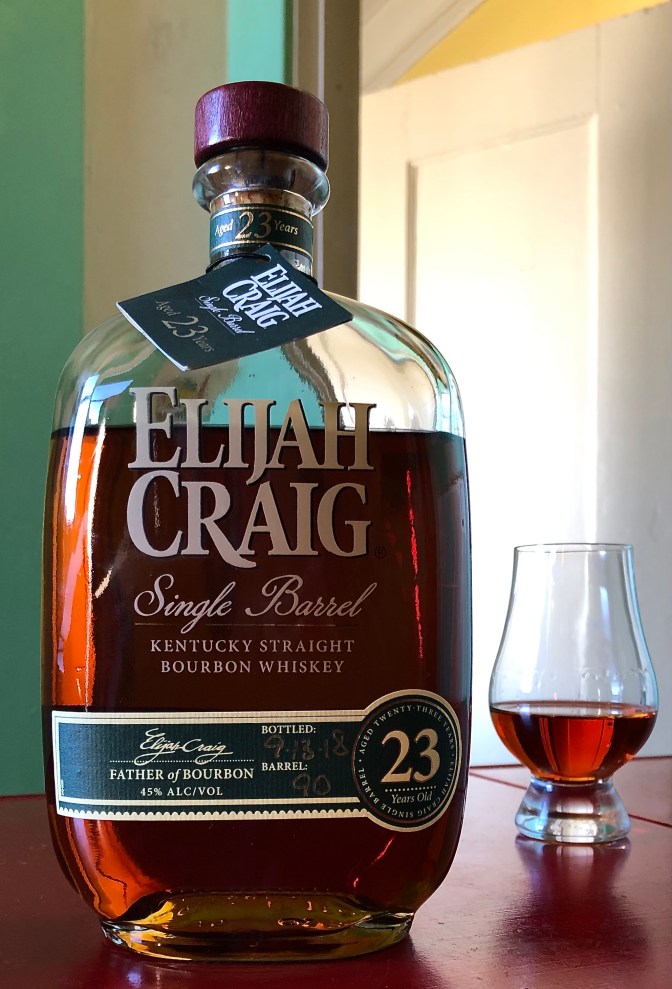
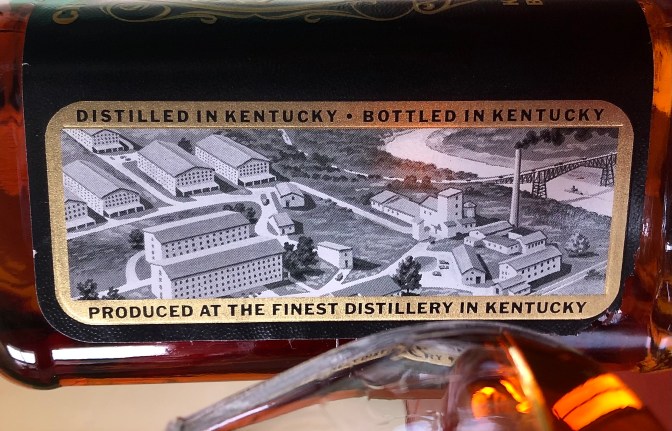
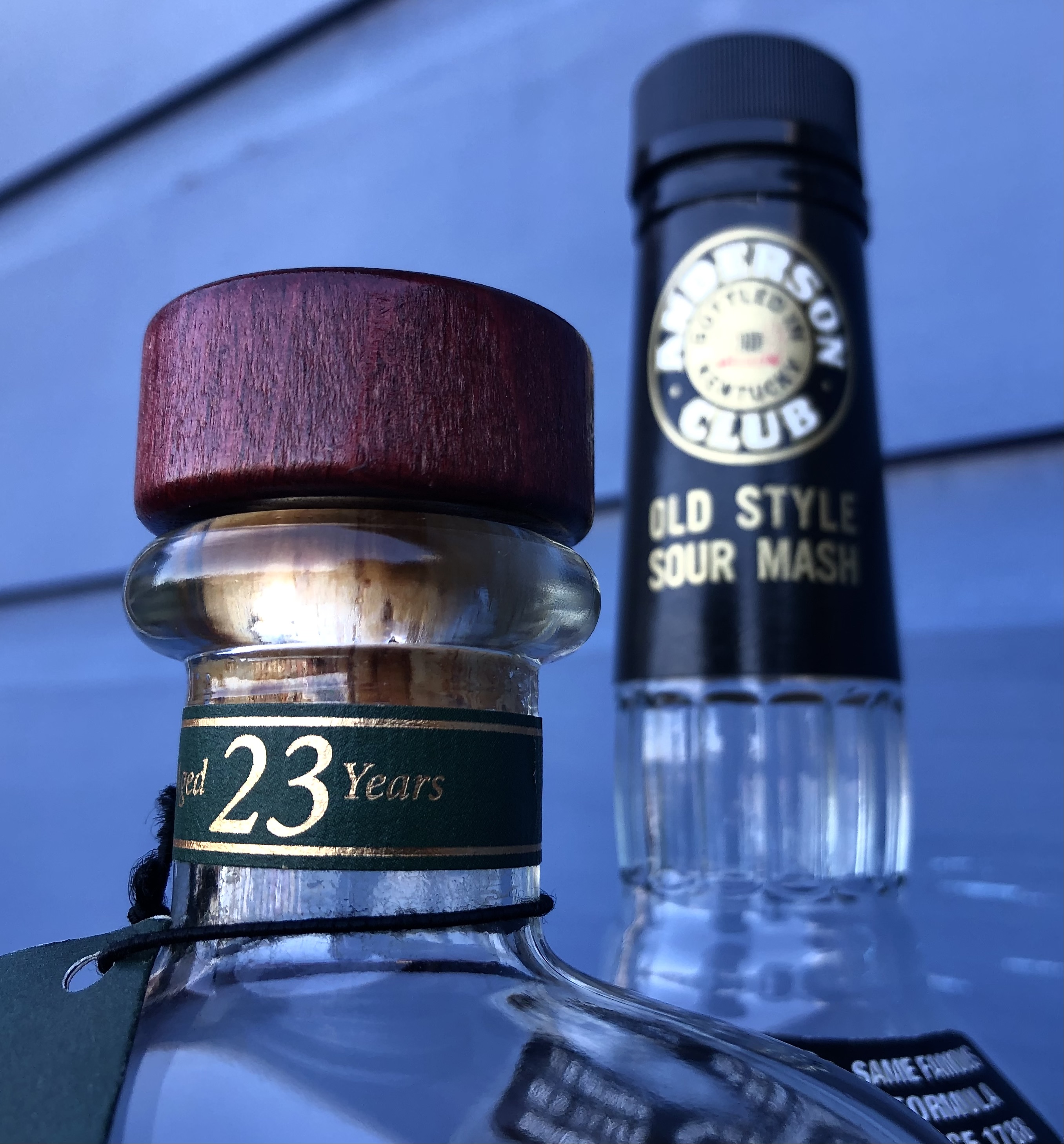
Elijah Craig is a brand Heaven Hill is very proud to put their name on. And they use the name a lot. The 23 Year single barrel release is among the rarer extensions of the prolific line, which includes the non-age-stated, 94 proof Small Batch, in both standard and store pick releases; the well regarded thrice-annual Barrel Proof, age-stated at an impressive 12 years (until the recent B523 release); variations like the annual Toasted Barrel release and standard Rye; and well-aged, rarely seen single barrels bottled at 18, 20, 21, 22, and 23 years. My 23 Year bottle was released in 2018, making it distilled in 1995—one year prior to the 1996 fire. So, like the Anderson Club, this too is “pre-fire” Heaven Hill bourbon.
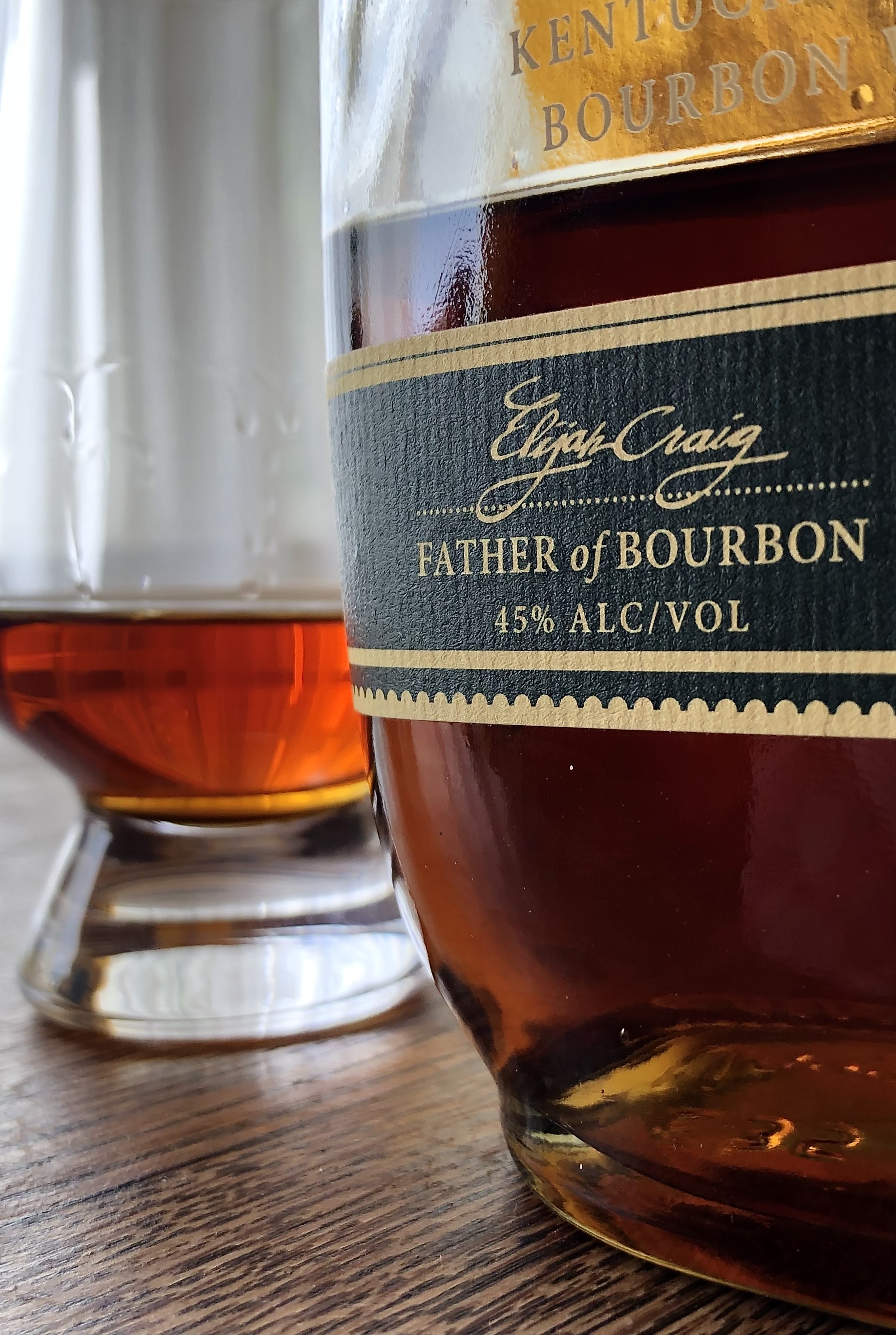
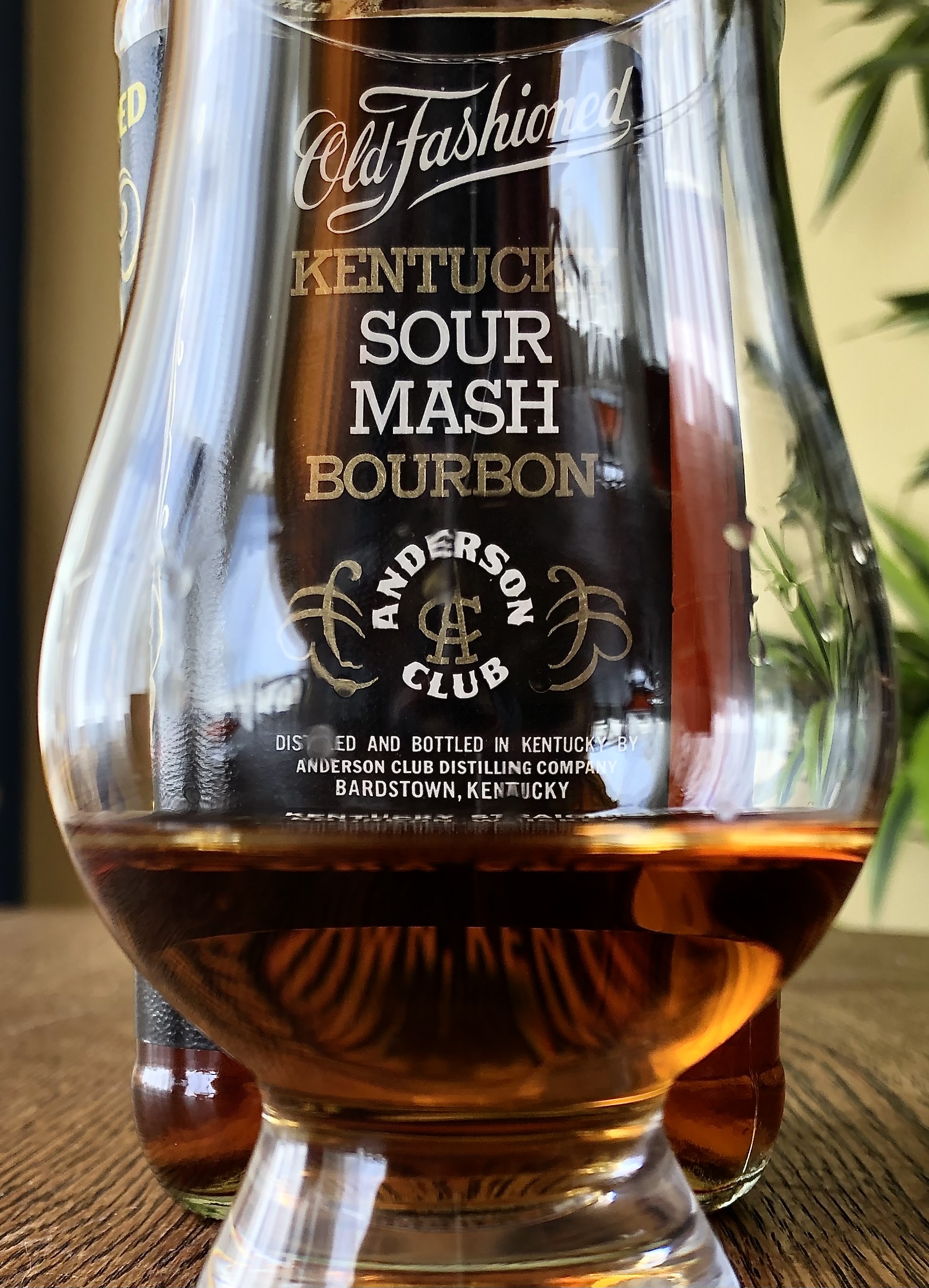
I’ve written about both these bottles before. At today’s comparison, the Anderson Club has been open seven weeks and I’m about a third of the way into it. The Elijah Craig has been open seven months and I’m heading toward the bottle’s final third. Both were tasted in traditional Glencairns.
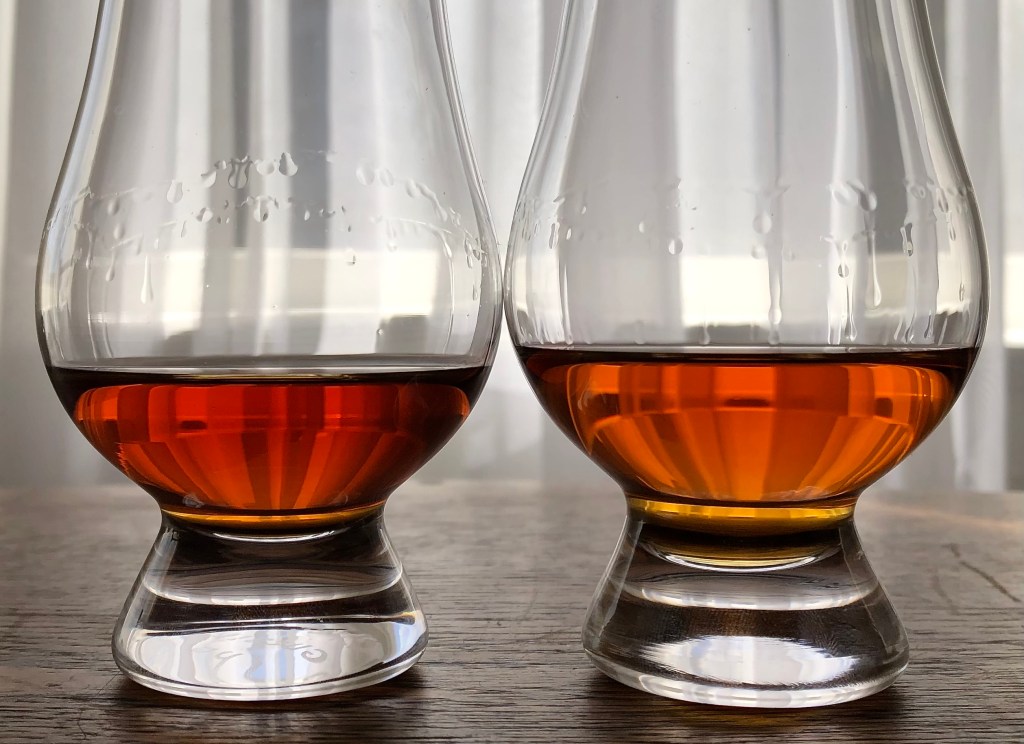
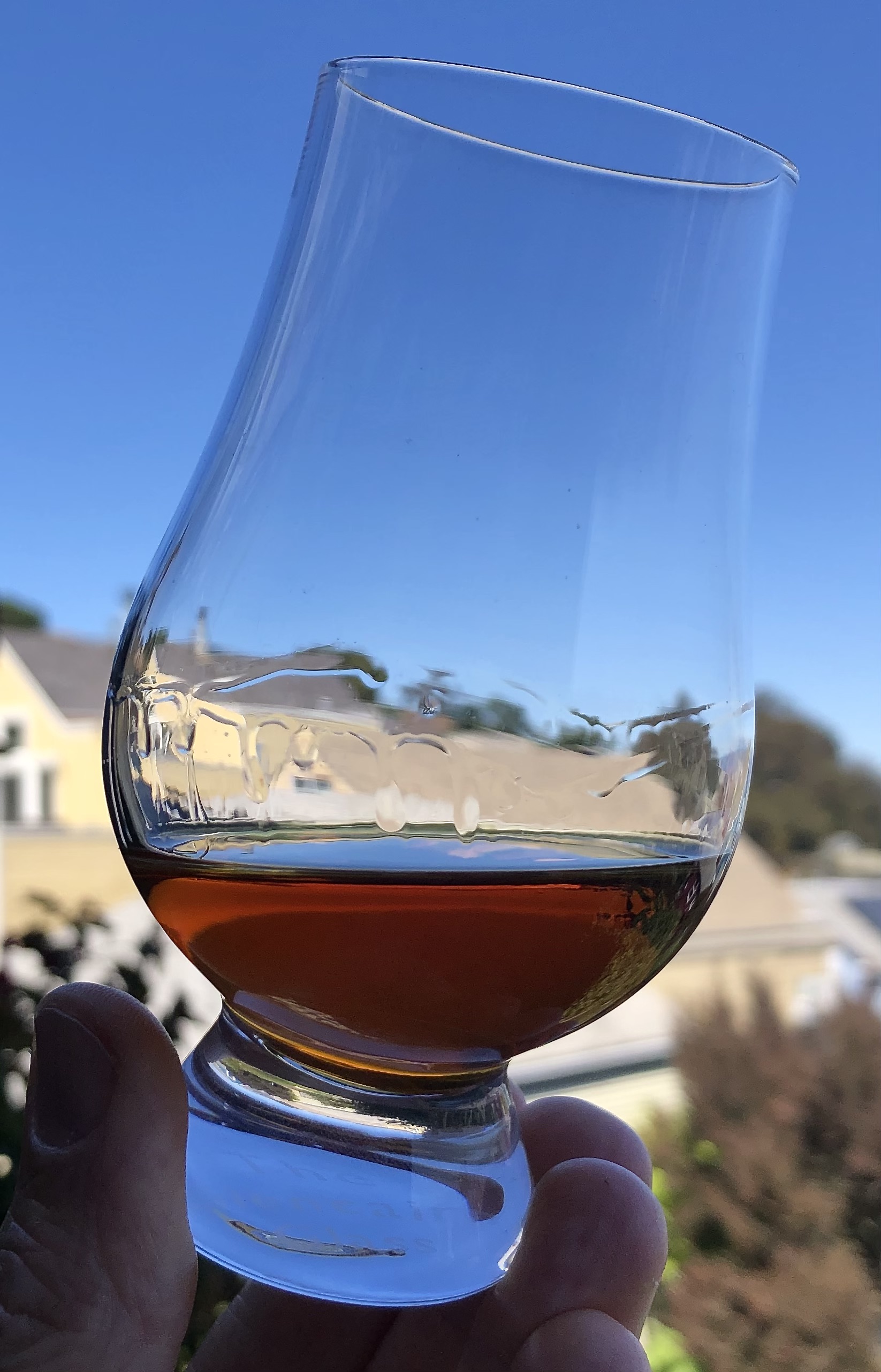
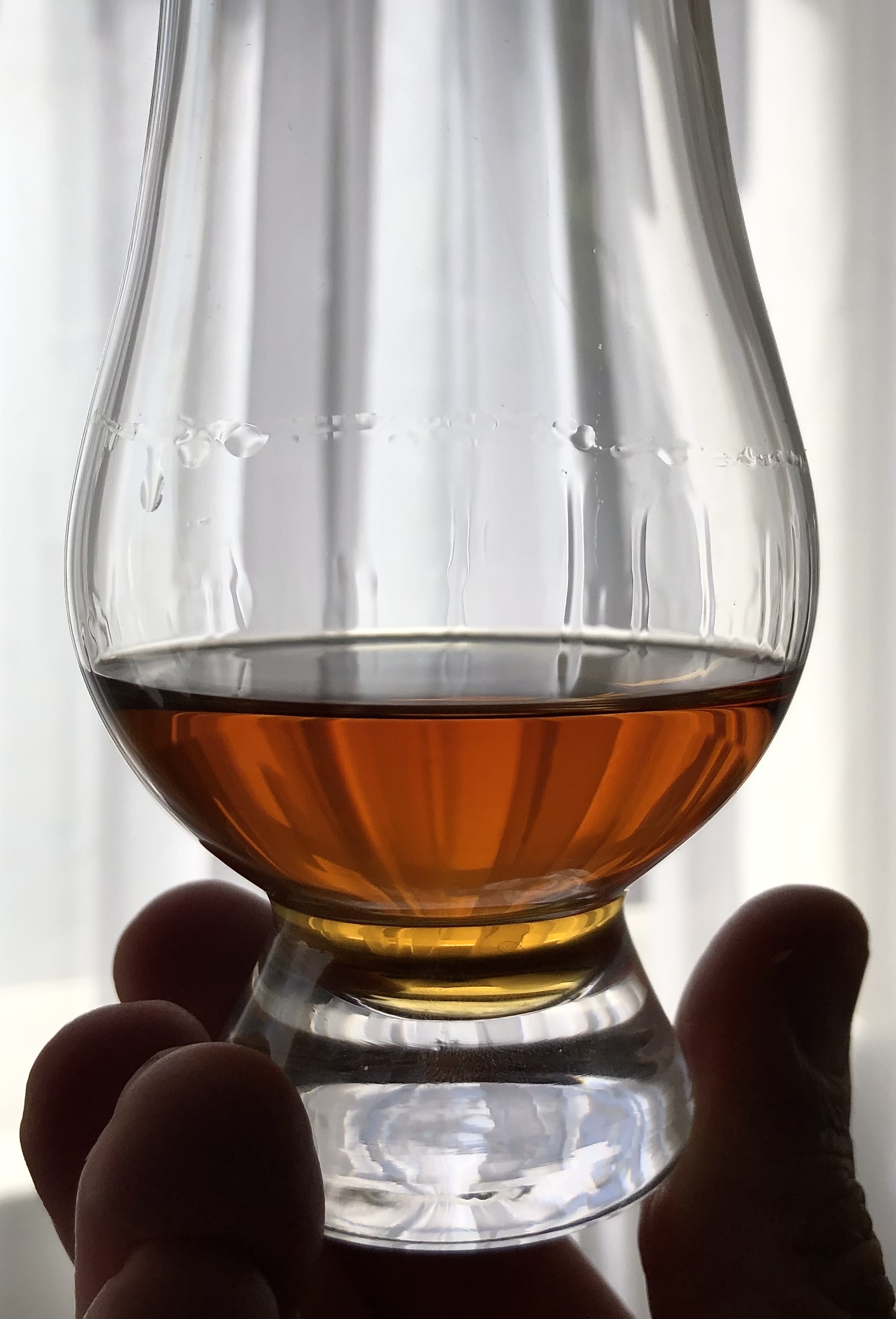
COLOR
ANDERSON – pale yellow-orange ambers
ELIJAH – soft vibrant oranges
NOSE
ANDERSON – a meaty/dusty funk, dry caramel chews, a dash of breakfast pastry baking spices, oak, a brushed steel metal bucket, a dried herb bundle of some kind
ELIJAH – thick oily orange zest, thick caramel, thick sweet oak, doughy cinnamon roll, sweet cherry pie, eventually a musty funk emerging
TASTE
ANDERSON – gently syrupy, with doughy pastry dough, caramel, oak, a dash of the funk lingering around the edges
ELIJAH – also gently syrupy, with oak, oak tannin, drier funk, dry rye grasses, vanilla
FINISH
ANDERSON – mildly bitter oak tannin is most prominent, the brushed steel bucket, very dry baking spices
ELIJAH – oak, black pepper, a mildly prickly warmth
OVERALL
ANDERSON – old, practical, get it done bourbon
ELIJAH – like an old-money country home left to go derelict in the best way
WORTH BUYING?
BOTH – Yes, for a bourbon fan
I’ve tasted each of these now on a few different occasions—by myself, with friends, sometimes paired with other whiskeys, sometimes on their own. Today they don’t make as rich an impression as in some past tastings and rounds of drinking. Today they make more of a workhorse impression, with the Anderson Club being the lower middle class farm workhorse, and the Elijah Craig being an estate workhorse that likely actually doesn’t get put to much actual work but rather out to pasture to be appreciated.
These are rustic, familiar, funky bourbons, and do taste of another time. It’s that funk aspect, meaty and dusty in the Anderson Club, and mustier, like a drying mold or moss, in the Elijah Craig. This particular area of funk rarely shows up in contemporary bourbons, and adds to this sense of dilapidated old houses or rural saloons from long ago.
Given I haven’t compared these as a competition, I don’t have a sense of which I might like “best.” In one mood I’ll reach for the more refined Elijah Craig. In another mood I’ll reach for the crustier Anderson Club. Either way, it will be a mood for something rustic and gritty that’s also easygoing and easy to understand.
And that they taste “of the past” lends these bourbons their tendency to compel nostalgia, reminiscing, reflection, and also evaluation. Where have I been? Where am I now? Where am I going?
This brings us back to the theme of Time. Again, together these bourbons span just over three decades, from 1990 to 2023. Someone reading this may already have lived well beyond thirty years themselves, while someone else might be just about to have lived that many. So the connotations the specific years involved have will naturally vary from person to person.
As markers of Time, here are the five key years involved in these bottles:
1990 – The year this batch of Anderson Club was distilled.
1995 – The year this single barrel of Elijah Craig was distilled.
2005 – The Anderson Club was bottled and exported to Japan.
2018 – The Elijah Craig was bottled, and this particular bottle shipped to San Francisco where I purchased it.
2023 – I uncorked both bottles.
If we list these key years chronologically, as above, and reflect on our own journeys across them, we might think of certain things in relation to “how we got here.” This begs the question of where and of what significance is “here.” What by now has been gained, built, achieved, understood—or not! This past-to-present impulse is about locating ourselves in the accumulated present.
If, however, we track those key years in reverse-chronological order, the emphasis is shifted to the start of the journey, “How it all began.” Making the past our end point might lead us to reflect on how things were “back in the day.” Even that phrase, “back in the day,” is interesting to consider. What is this singular defining day, “the day,” that we think back to? There is something inherently nostalgic about this—and of course nostalgia and whiskey are longtime acquaintances.
So let’s try both. Here as examples are my personal chronologies, noting key experiences from these five individual years. I wrote these chronologies very quickly, going with my first impulses, to not overthink it too much. Afterwards I’ll reflect on what I notice from mapping this period of Time in two directions, then to now and now to then.
First, then to now:
1990 – I moved from San Francisco to Sacramento, CA, a move I soon regretted and reversed.
1995 – I returned to San Francisco after having lived in Japan for half a year, originally intended to be a full year.
2005 – I returned to San Francisco after having lived in Berlin, Germany, for a year and a half—the full intended stay.
2018 – I was a few months into my new (and still current) job, running a part-time adult theater education program. I was nominated by multiple colleagues for a big-deal theater award, which in the end I did not receive. This was also the last year to date that I pitched a theater production to any producer.
2023 – I decided to stop buying whiskey for a year.
Where I am – In San Francisco, wondering (like the city itself is also doing) what and where is next on my life’s path, while spending as much time as possible in my recently planted garden.
Reading that over, I notice the repeated returns to San Francisco, sometimes unfulfilled by my time away and sometimes quite fulfilled, but returning nonetheless. I notice that 2018 seems to have been a pivotal year—a new job, a missed opportunity, a last pitch to make theater. I hadn’t thought of that year as pivotal before. Then in 2023 I put whiskey-buying on pause—an echo of the 2018 pause on pitching theater projects? And finally my summation: still in San Francisco, feeling unmoored, but grounded in a garden.
Okay. Fresh off that exercise, how about the reverse trajectory, from now back to then:
2023 – Every morning I spend thirty minutes to an hour in my garden, which I planted a year ago, getting to know the flowers on their own terms and responding accordingly—a long-haul process with no final destination.
2018 – I bought this bottle of Elijah Craig 23 Year and bunkered it away while uncorking and exploring many others, very conscious now that I was fully on a whiskey journey.
2005 – I was in Berlin, Germany, getting to know Sommer Ulrickson and Alexander Polzin as we worked together on what would eventually become Yes Yes to Moscow, a touchstone theater-making experience for me ever since.
1995 – I was fresh back from Japan, getting to know life in San Francisco again, with new questions about how to get my professional Life In The Theater started.
1990 – I was working at a small coffee cafe in mid-town Sacramento while going to college. Between classes and making lattes for bikers, prostitutes, and suburban beatniks, I wondered whether moving to Sacramento had been the right choice.
Where I was – at the end of my teens and the cusp of my twenties, full of energy and angst and quick to throw darts at possible answers to my many questions.
With this map of those same thirty-three years—Incidentally Jesus’ age, right? Thirty-three? I won’t read too much into that—the overall feeling I get is somehow more optimistic than when I tracked from then to now. Here, we start in the garden where I’m literally learning how to stop and smell the flowers. Then there’s the awareness that a new journey has begun—Fun! Then a meaningful collaboration overseas. Then comes one of those returns to San Francisco, but here I step off the plane eager to roll. Then a bit of a detour to Sacramento where I’m working out some logistics. But still I’m young and electric with possibility.
The direction we travel in Time itself shapes the journey. Having done these two Time maps in this order, I can’t know what would have been the impact of doing them in the opposite order—2023 to 1990 first, then 1990 to 2023 second. With the order I chose, the 1990-2023 map provided a stark skeletal outline. In the wake of that, the 2023-1990 map was more reflective, more detailed, adding meat to the bones. By ending the full process in 1990, the past, I ended on a rather sweetly awkward note of hope. Had I flipped the maps, starting in 2023 and heading back to 1990 and then returning to 2023, would the first map still have been the skeleton for the meatier second? What would those bones have been, compelling what elaborations? Would ending in the present have struck a different note, less hopeful but more introspective?
I’m understanding why people middle-aged and older like to reminisce about the past—it’s far less nuanced than the present! My twenty-something angst had me sweating bullets at the time. I was a mess. But today those years seem somehow quaint, while my middle-aged angst is as fresh as morning back pain. Life’s strains take longer to heal now than they once did, and I am more aware now of the potential an error or accident has for lasting complications.
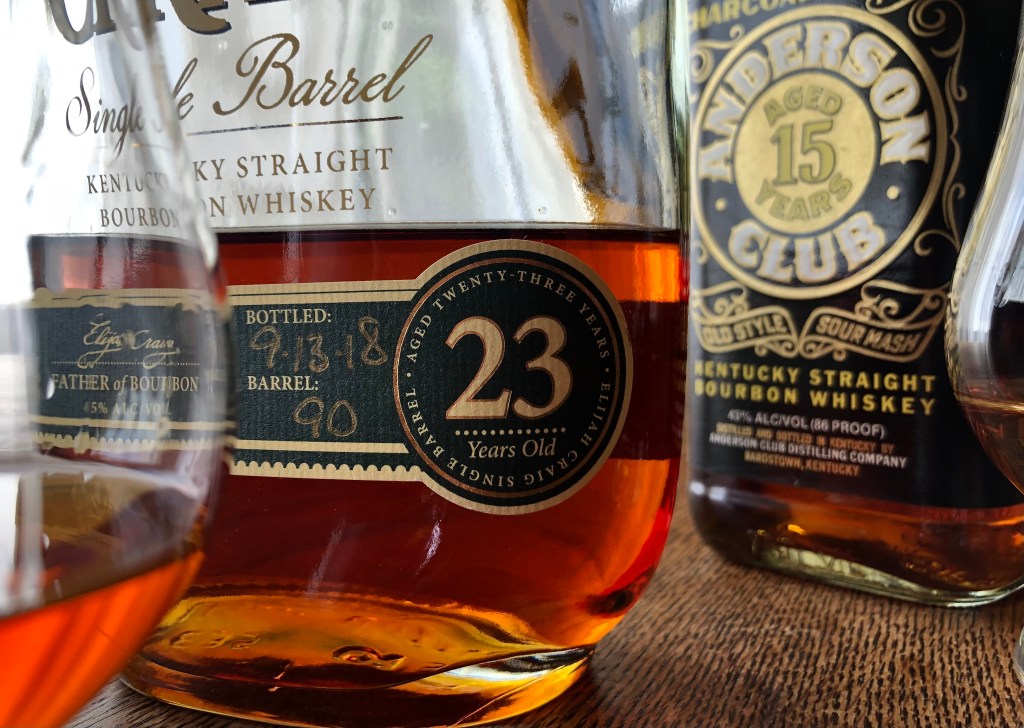
Bourbon as Time machine. Bourbon as history in a bottle. Bourbon as a purely sensorial entertainment. All great. Anderson Club 15 and Elijah Craig 23 check off all three of these boxes.
I certainly enjoyed them both in this comparison tasting. But honestly they do taste better shared with friends, when the bourbons themselves are conversation starters and not the subject of the conversation itself. A glass of bourbon gives us something to do with our hands, and something to toast our friendship with, and then, after the contented sigh that comes from that first sip, something to depart from as we venture out into our memories and our hopes.
Good bourbon doing what good bourbon does best.
Cheers!


so wonderful. whiskey is a natural accompaniment to considerations of time and place!
LikeLike
Thank you sir. Agreed! I hope Time is doing right be you, and whatever’s in your glass, too! Cheers!
LikeLike