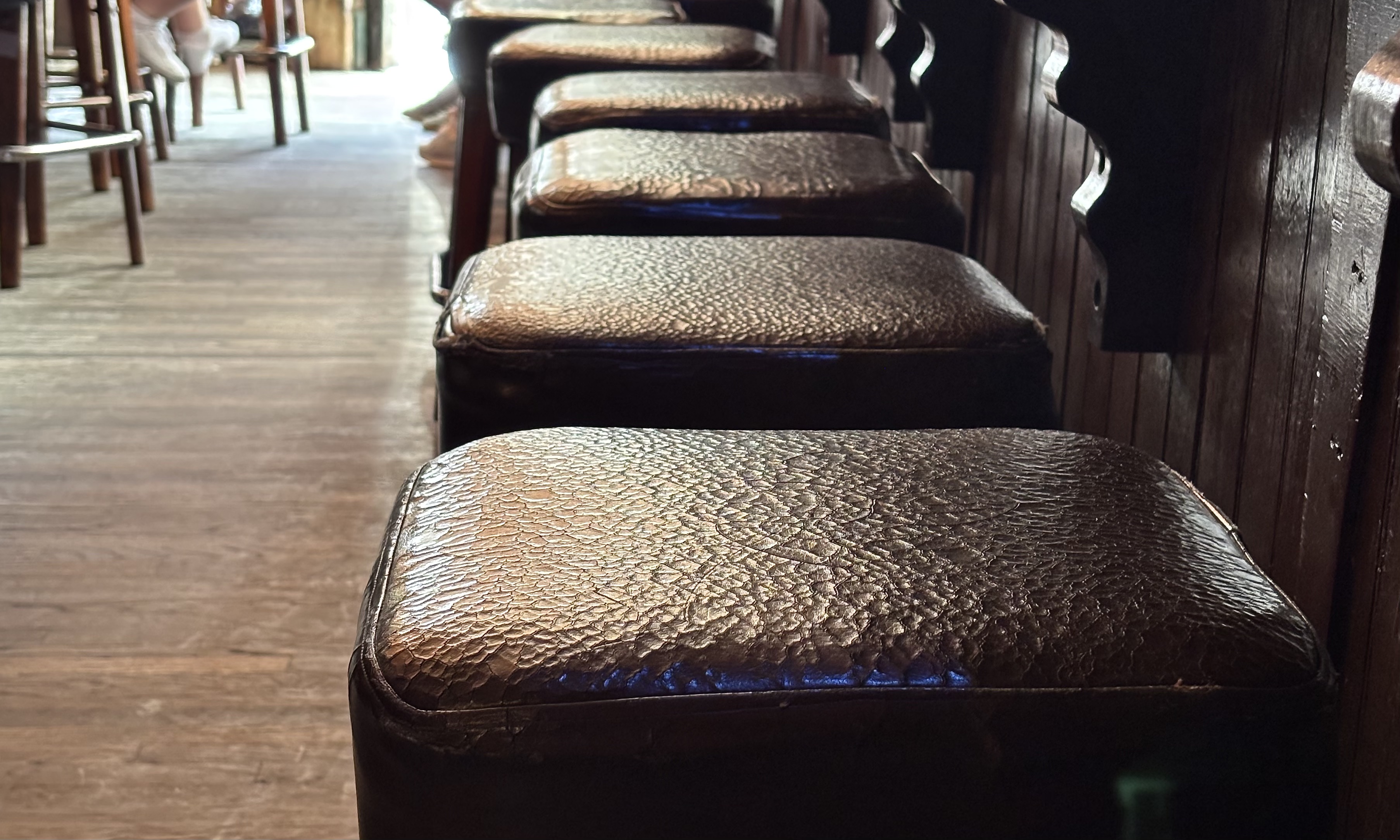
San Francisco is a city of endless bar hopping theme possibilities. The old timers are among my personal faves.
Nouveau bars can be quite enjoyable as well. They employ mixologists, who excel at creating unexpected flavor combinations achieved with custom-made tinctures, this-and-that-washed spirits, and unusual garnishes—think Stoa Bar and True Laurel.
The old timer bars employ bartenders. They know the classics and how to mix them up fast. They excel at providing the comfort of the well-worn and the no-nonsense. Douglas Fir sprigs for garnish and sage-washed scotch are nice. But sometimes the utterly expected is exactly what you need.
Beyond the menu, the conversation is different as well. Old timer bars can speak to history. Nouveau bars speak to social media. The clientele tend to follow suit. In addition to the people, the architecture itself speaks. Nouveau bars tend to be thoroughly designed, every detail carefully selected and installed. There are no cracks for ghosts to whisper through, no stories yet worn into the stools or layered onto the walls. Nouveau bars are curated and clean. Old timer bars accumulate their aesthetic, and are filled with spirits in every meaning of the word. You can feel it the moment you cross the threshold. I love this.
So pour yourself a beer or a shot of whiskey, or stir up an Old-Fashioned. As with my first and dive-bar San Francisco hop posts, this too shall not be a comprehensive tour. San Francisco is too vast a bar town for one blog post to cover. I’ve also skipped a few notable destinations—e.g. The Old Ship Saloon, literally the oldest local bar having been establish in 1851, and therefore on every list you (and tourists) will find; and Elixir, established in 1858, a personal fave I’ve already written up. What follows are a mere handful of pages in the history book of this city’s many longstanding bars.
The Bars
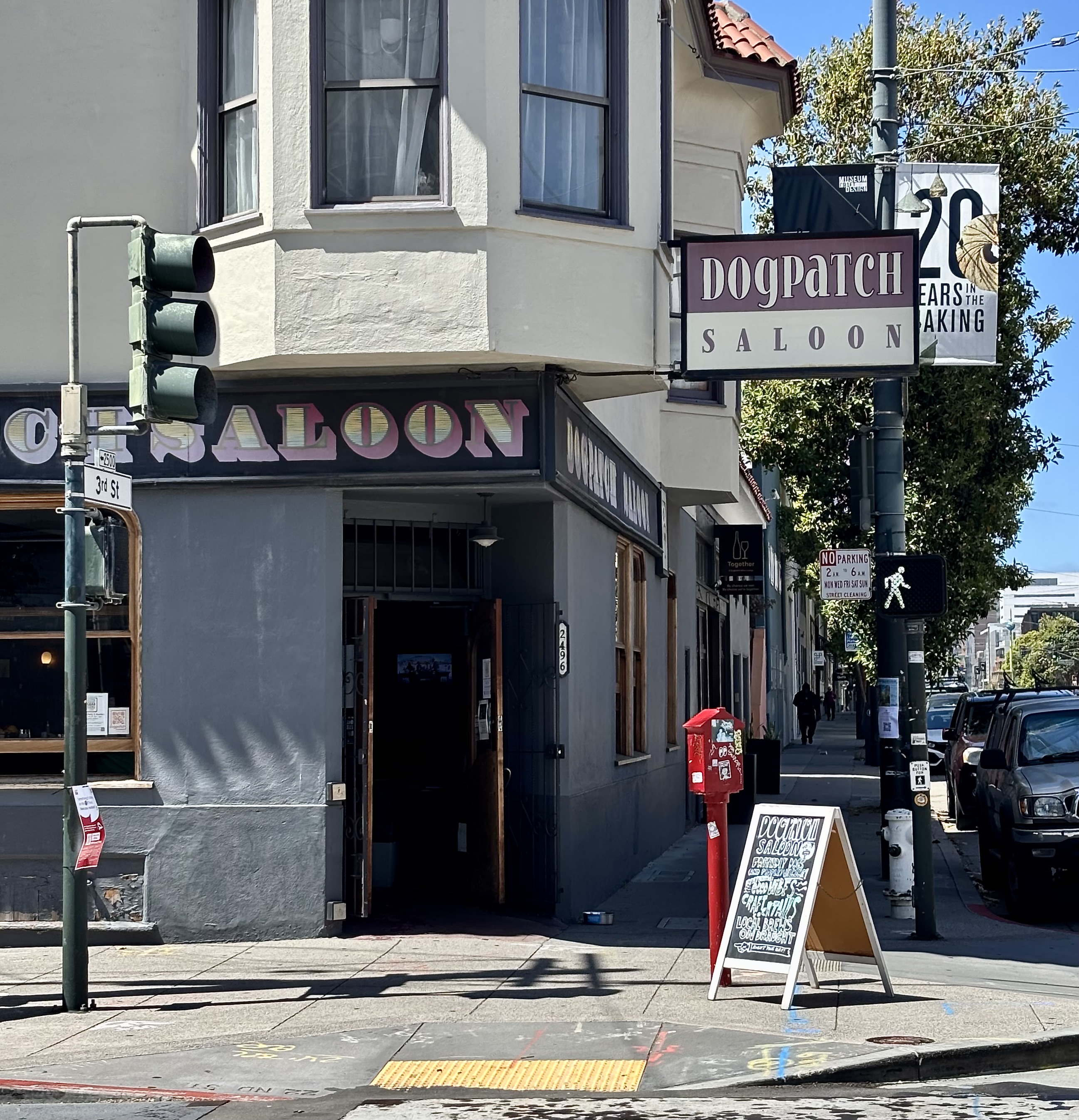
DOGPATCH SALOON
2496 3rd Street
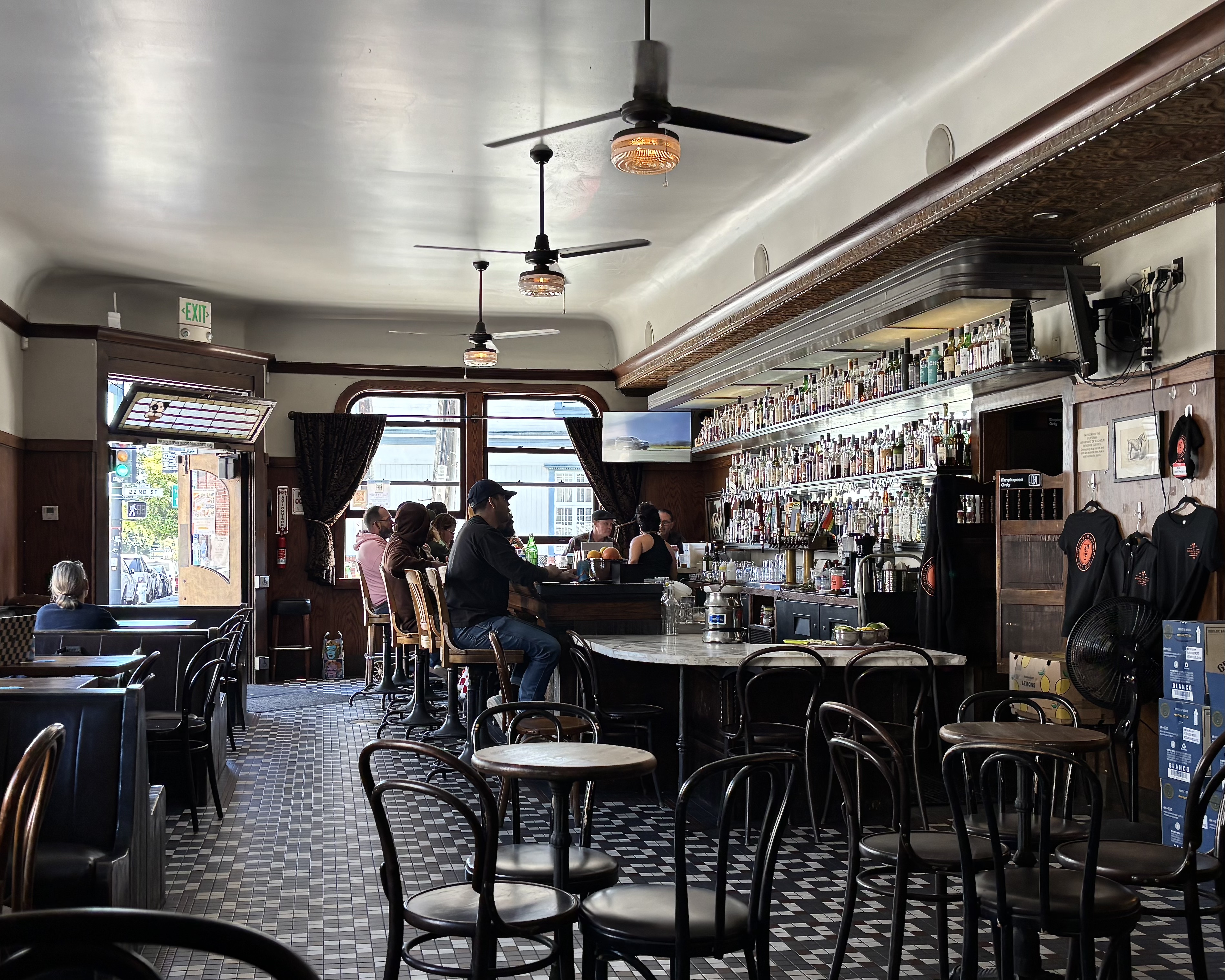
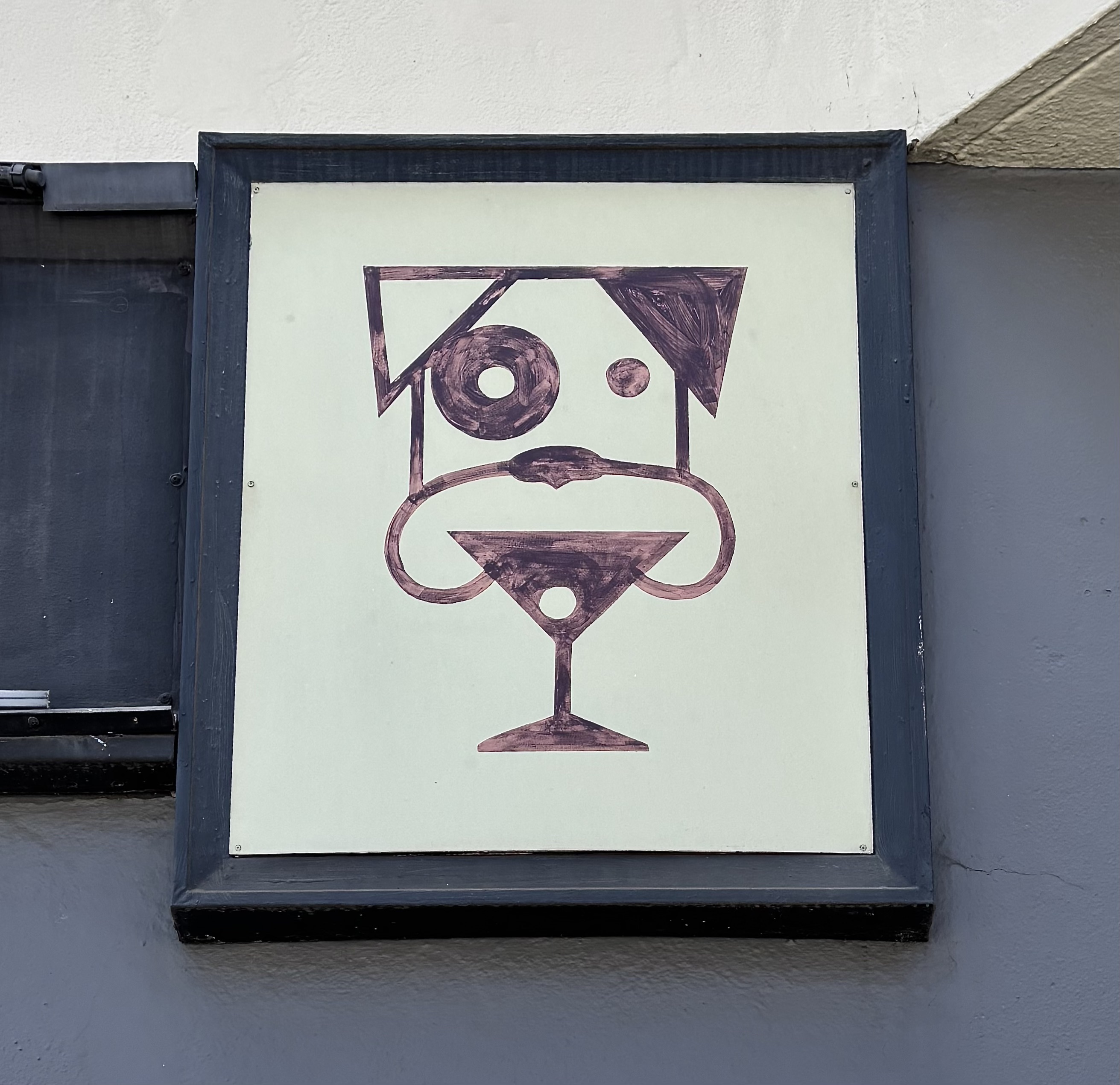
Opened in 1912, and thoroughly renovated in 2013, Dogpatch Saloon stands sentinel on the corner of 3rd and 22nd Streets like the dependable best friend its name promises. Some original features remain in tact, like the bar front and signature icon depicting a pooch sipping a cocktail. The many updates have all been carefully selected to reflect the history of the place—save the ubiquitous flatscreen TVs.
In 1912, San Francisco’s Mission Bay / Dogpatch area was finishing its long transition from squishy marshland to fortified industrial landscape. The marshes had been gradually filled in with debris since the 1860s. The famous San Francisco earthquake of 1906 supplied a huge amount of fallen brick and mortar to help finally complete the job. In the 19th century, the area’s main features were ship building sites, oyster and clam farms, and slaughter houses. In the 20th century, the railroads took over, with Southern Pacific establishing a massive rail yard complex. Despite a small residential population, for much of the 20th century the area remained a remote industrial sprawl. In the 21st century, San Francisco’s embrace of the digital tech revolution has resulted in a UCSF campus extension, Chase Stadium, various tech start-up enclaves, posh boutiques and cafes, and the expected steel and glass condo canyons.
Sitting patiently through these generations of urban evolution is Dogpatch Saloon. It opened as a respite for the local shellfish farmers, butchers, and dock and railway workers. It survived Prohibition behind the facade of a soft drinks shop. After then, the main clientele continued to be the local grease-spattered industrial crews. Over the 20th century it grew darker and grimier. But with 21st century tech money opening up investment in the area, in 2012 the owners of the Financial District’s 83 Proof took over the bar and committed to its renovation.
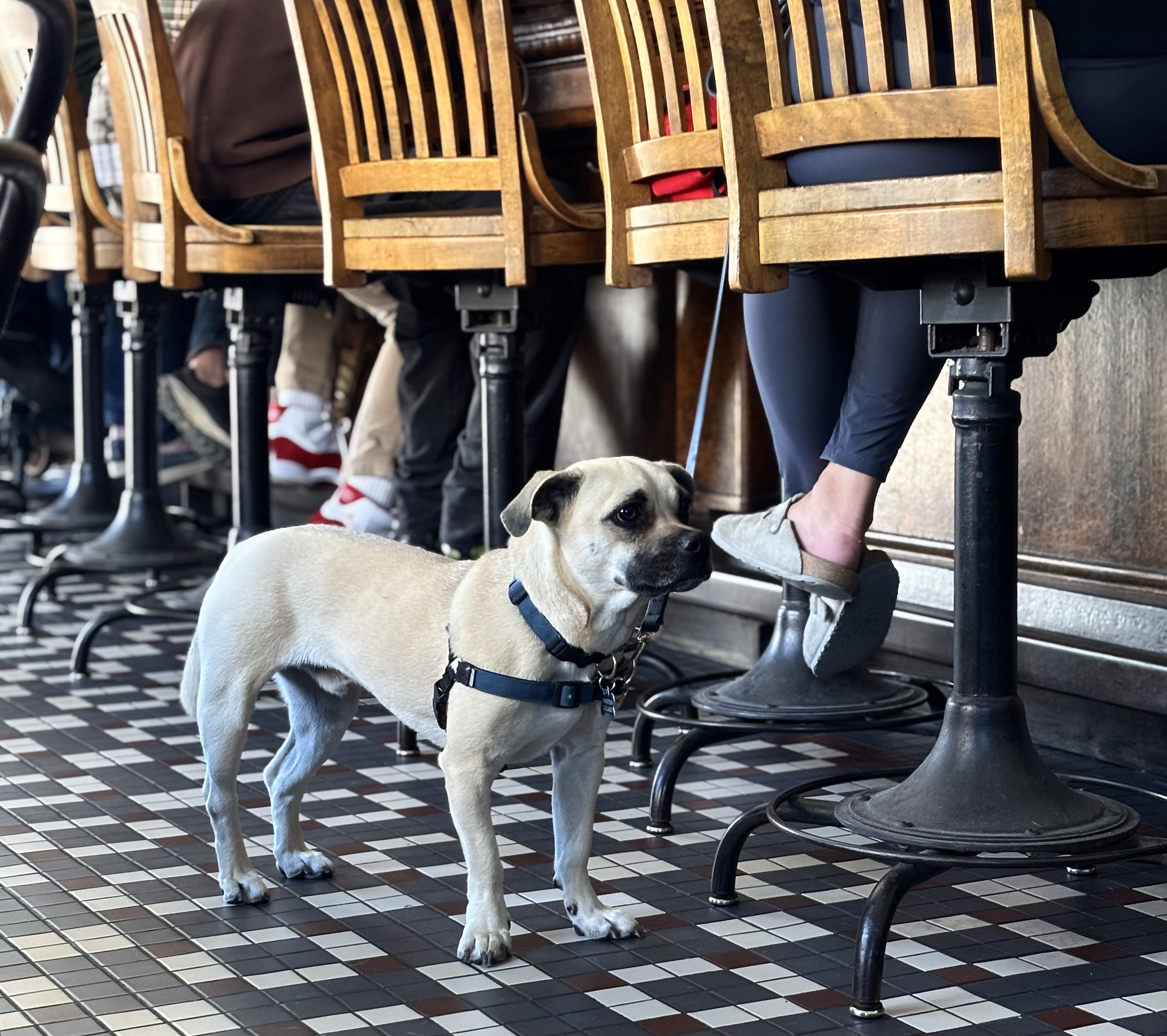
Today, Dogpatch Saloon is no grimy dive. The clientele now skew toward local residents and tech-collar workers. But anyone is welcomed, including their dogs.
The afternoon I stopped in, the sunny summer sky seemed to blend neatly with the mood inside the bar. It was 2:00 PM on a Friday and I was already one among a dozen+ people there. A late-thirty-something hipster at a two-top with his laptop. A handful of chatty fifty-somethings gathered around the bar’s corner, eyes half on the TV and half on each other, bubbly with conversation. A young woman a few stools away, alone with her beer, silent and still. Three young bros in baseball caps at a table chatting. Generic pop music was on, just loud enough to compel boisterous chatter near the speakers, while allowing conversational tones at some distance.

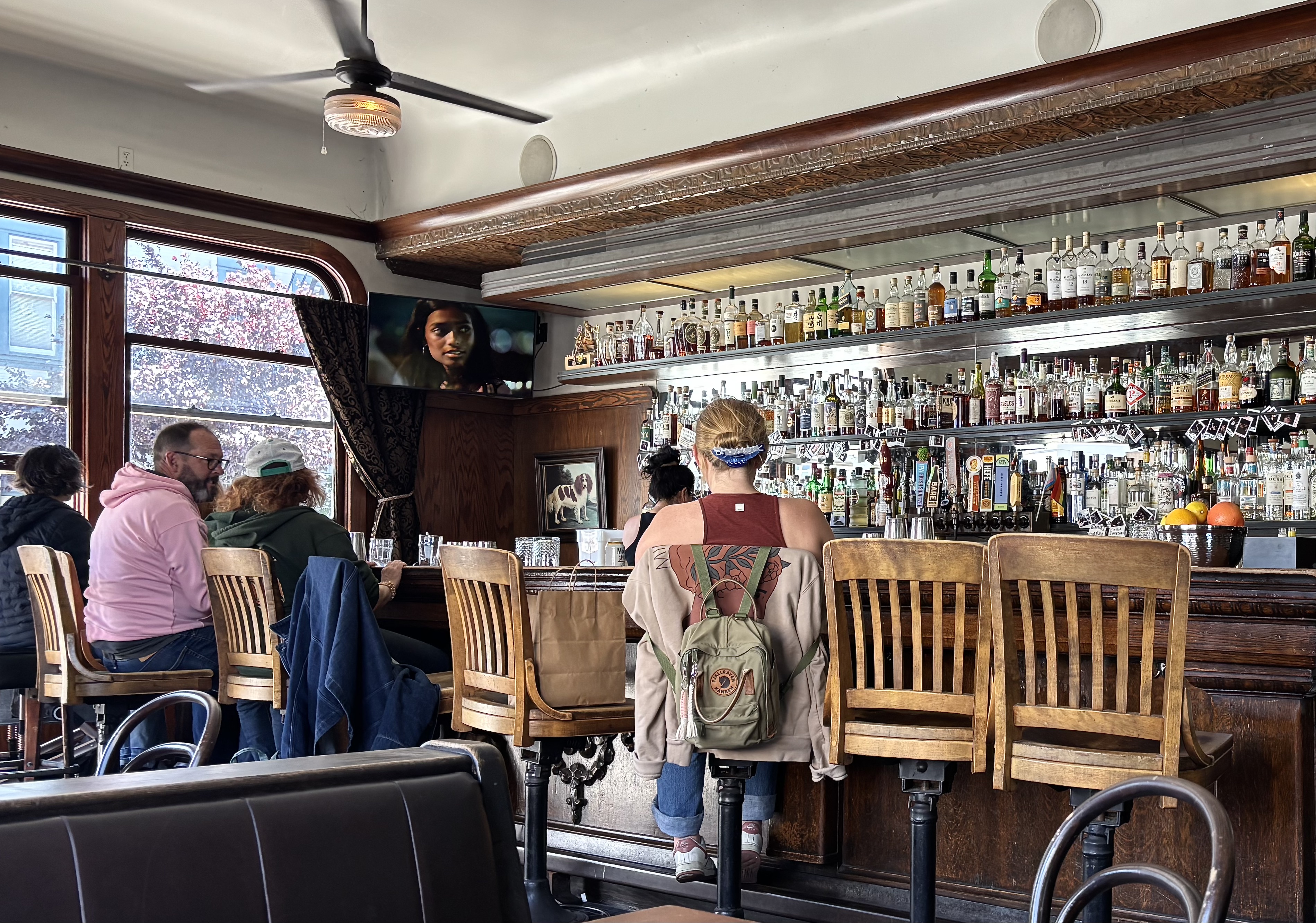
While the design of the place pays homage to the past, the vibe is very contemporary—almost like a beach sports bar, which doesn’t make any overt logical sense but that’s the feeling I had. Something in the sunny mood, engaged chatter, the nonstop generic pop music.
The cocktail menu is short but mixologically aware. I had their Whiskey Snap—bourbon, ginger liqueur, lemon juice, whiskey barrel-aged bitters, two cherries, served on the rocks. I don’t know what bourbon the bartender used. But the shelves are stocked with several prized unicorns, so, there is a whiskey boom era consciousness at work.

Dogpatch Saloon is a perfectly fine and enjoyable bar. Friendly, social, easygoing. Regulars are honored alongside strays and randos. But something of the contemporized surrounding neighborhood seems to have severed the place from its history. The past feels neatly installed, like staged museum exhibits of historical interiors, without preserving its spirits.

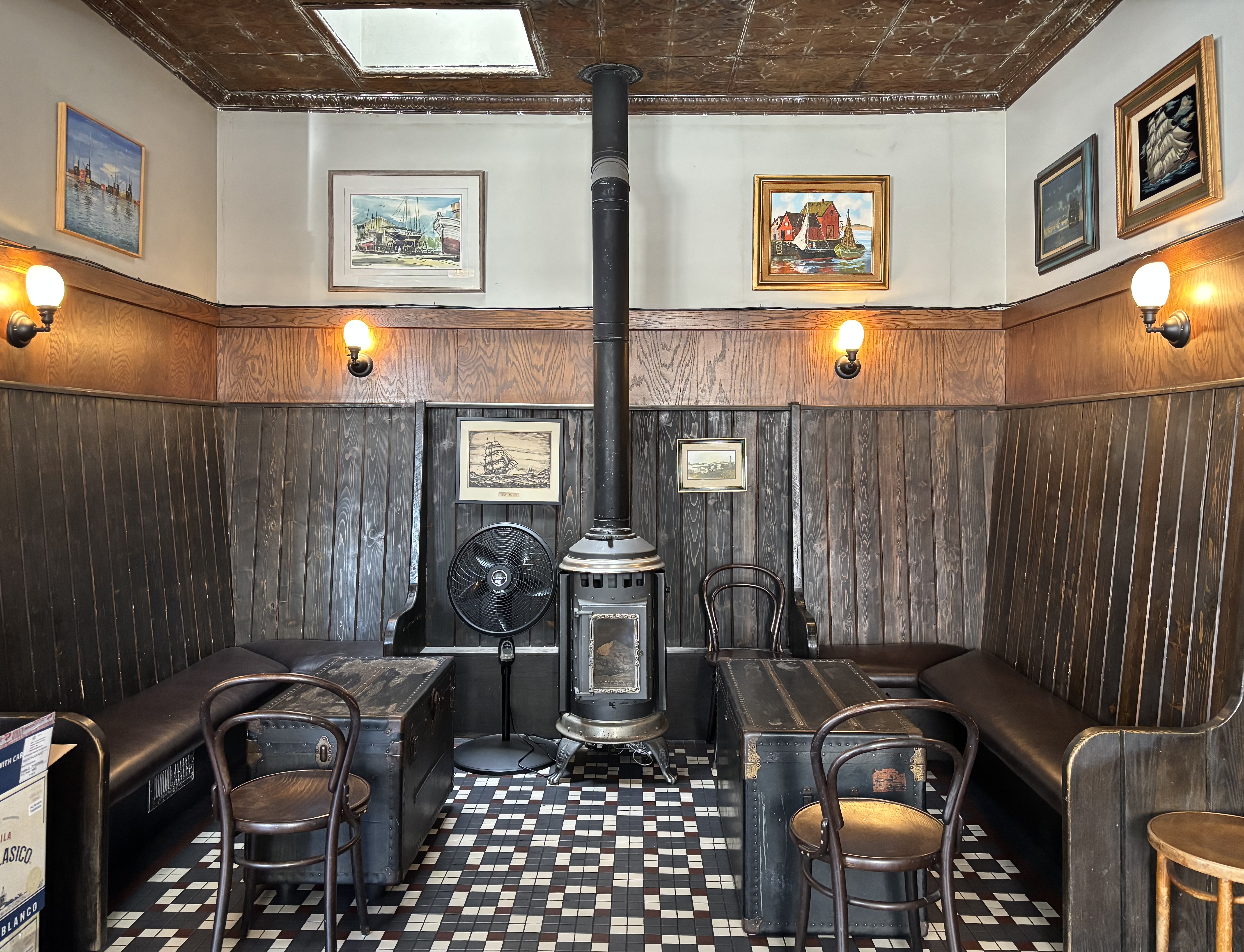

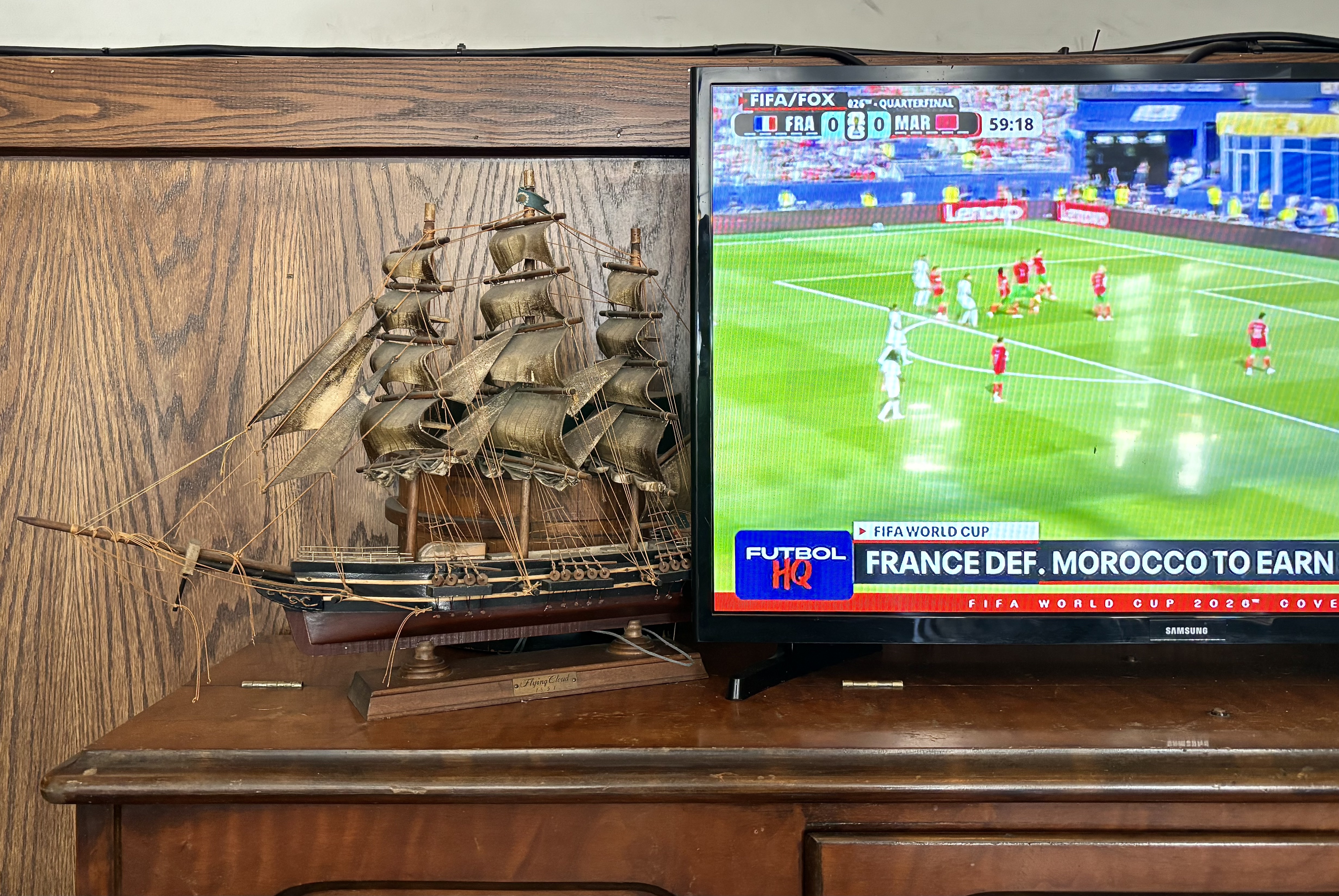
Not that the place feels fake. The atmosphere that’s been curated achieves its own genuine quality. But the neighboring high-end clothing and design boutiques, the $5 drip coffee cafes silent but for the soft tapping of MacBook Pro keyboards—these 21st century imports clash with the brick and steel relics from a hundred years ago, still anchoring the nearby shoreline; and with the mentally ill, wheelchair-bound war veteran rolling continuously from corner to corner at 22nd and 3rd, arguing angrily with the voices of his past. He may very well have been a Dogpatch Saloon patron once. But the “revitalization” of the neighborhood didn’t include him.
In its jarring clash of cultures and eras, Dogpatch Saloon is a very San Francisco bar. The best of the city’s bars, those that don’t feel pre-fab but specific to this complex city, manage to hold contradictions of Time and of society. Sometimes it’s uncomfortable, which isn’t necessarily a bad thing. Discomfort can help us stay awake as we continue adjusting the world we’re constantly making and remaking.
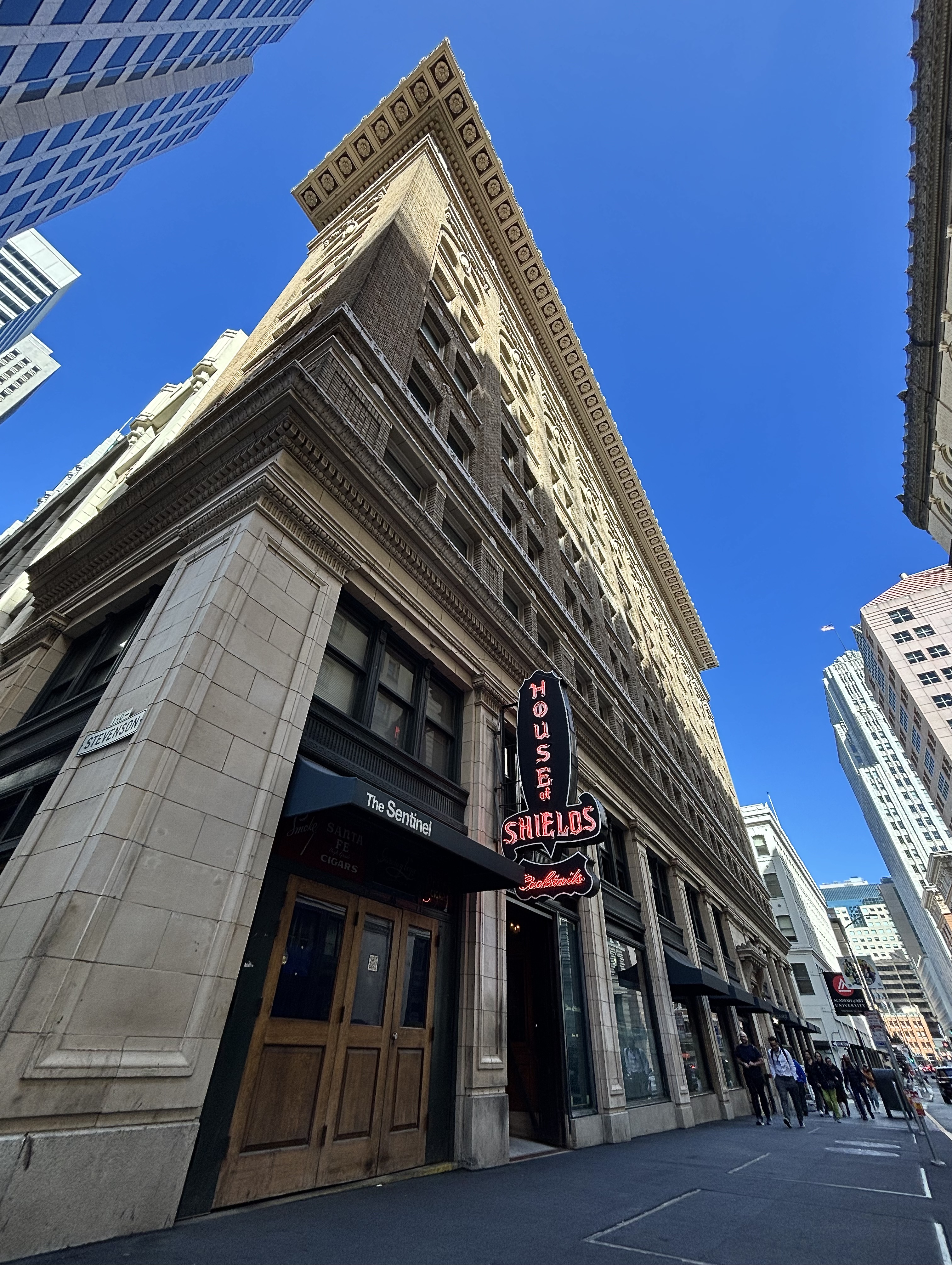
HOUSE OF SHIELDS
39 New Montgomery
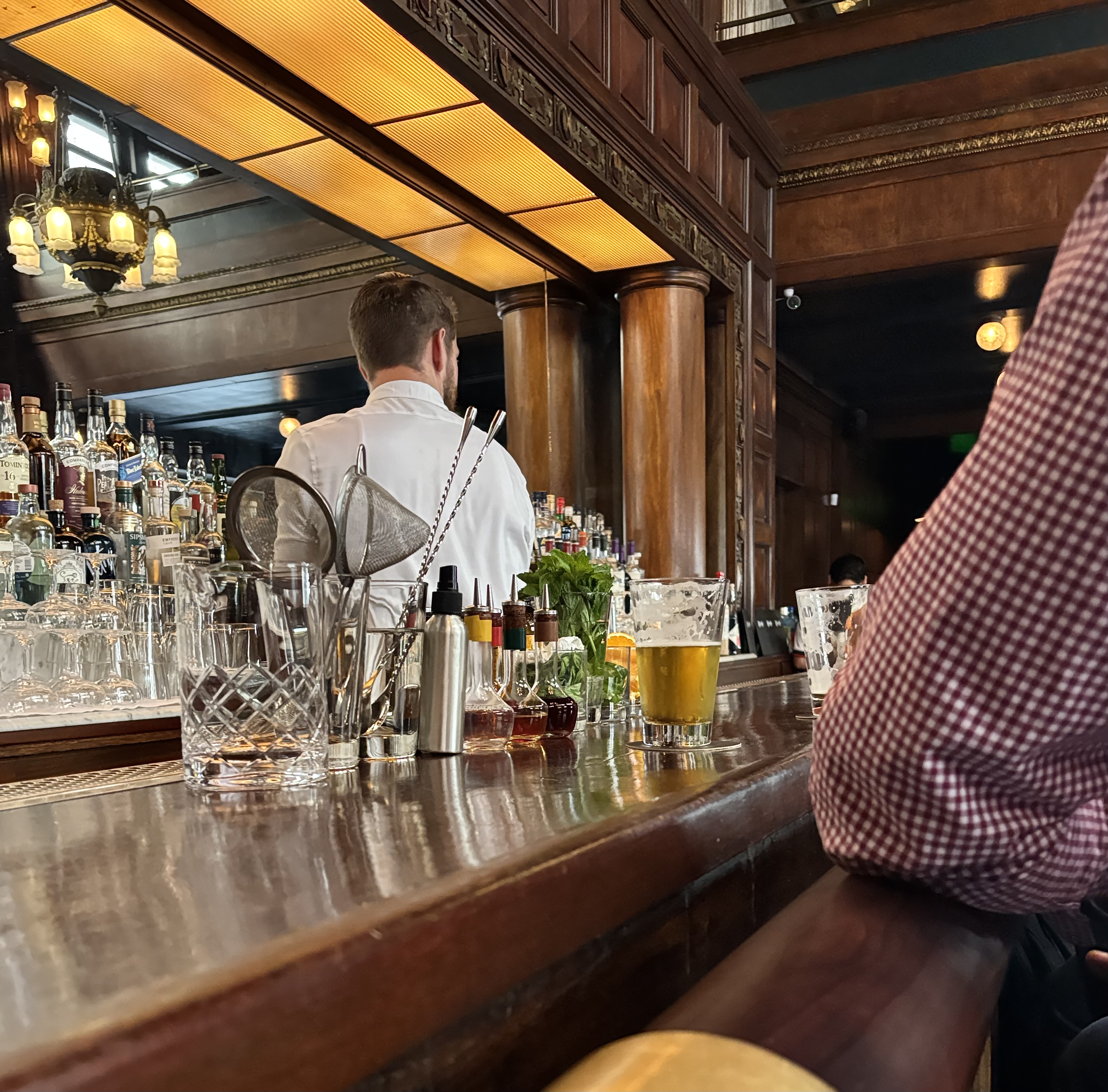
House of Shields is unique among San Francisco bars. There may be others that opened around the same time. But how many of them still have no TV and no clock? These intentional omissions account for the bar’s catch phrase, “Where time stands still.”
Located downtown across the street from the Palace Hotel, House of Shields lovingly embraces its era of origin. Every light fixture, every wood panel, every floor tile could very well have been preserved from 1908. And in fact a good many of them actually have been!
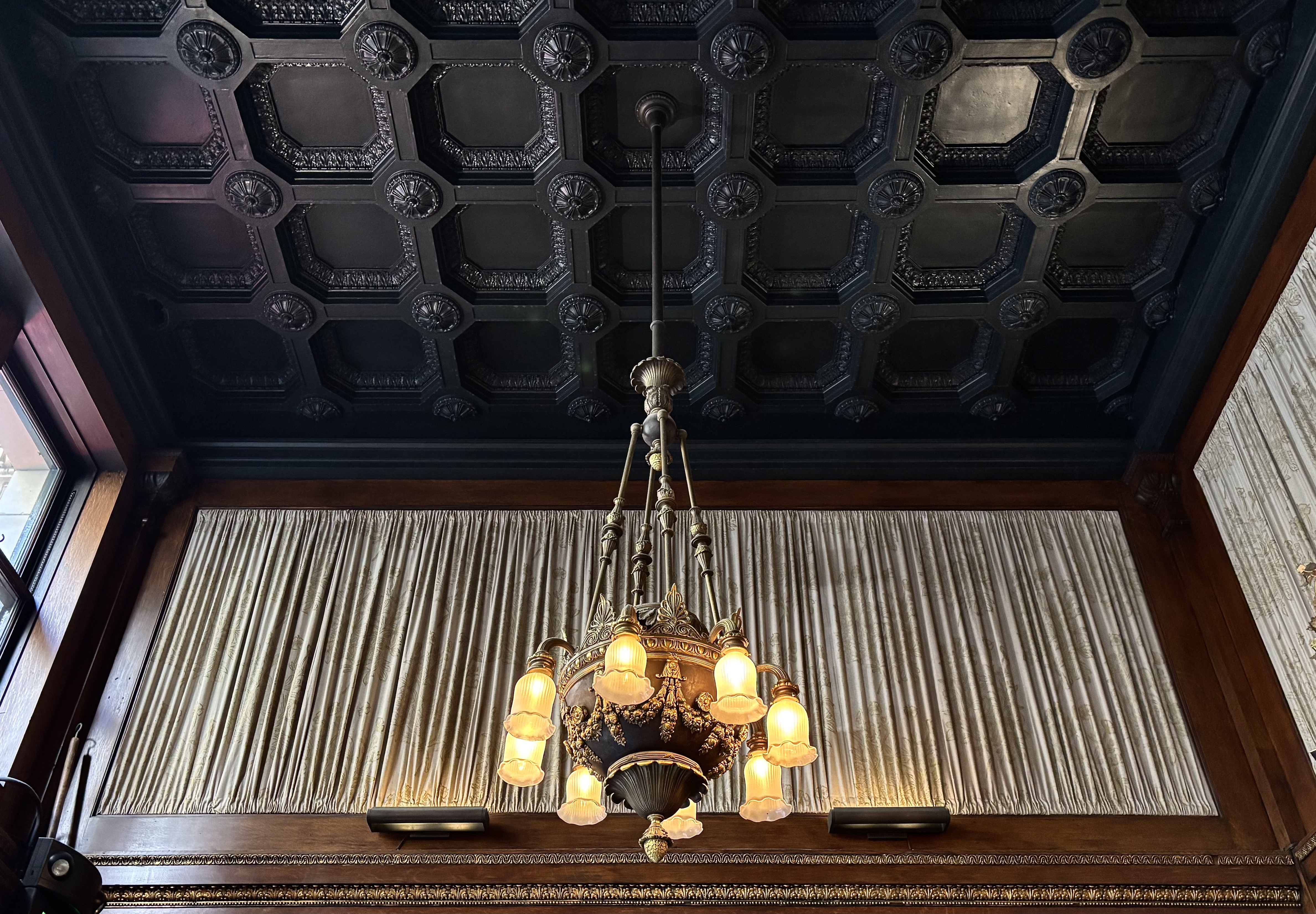
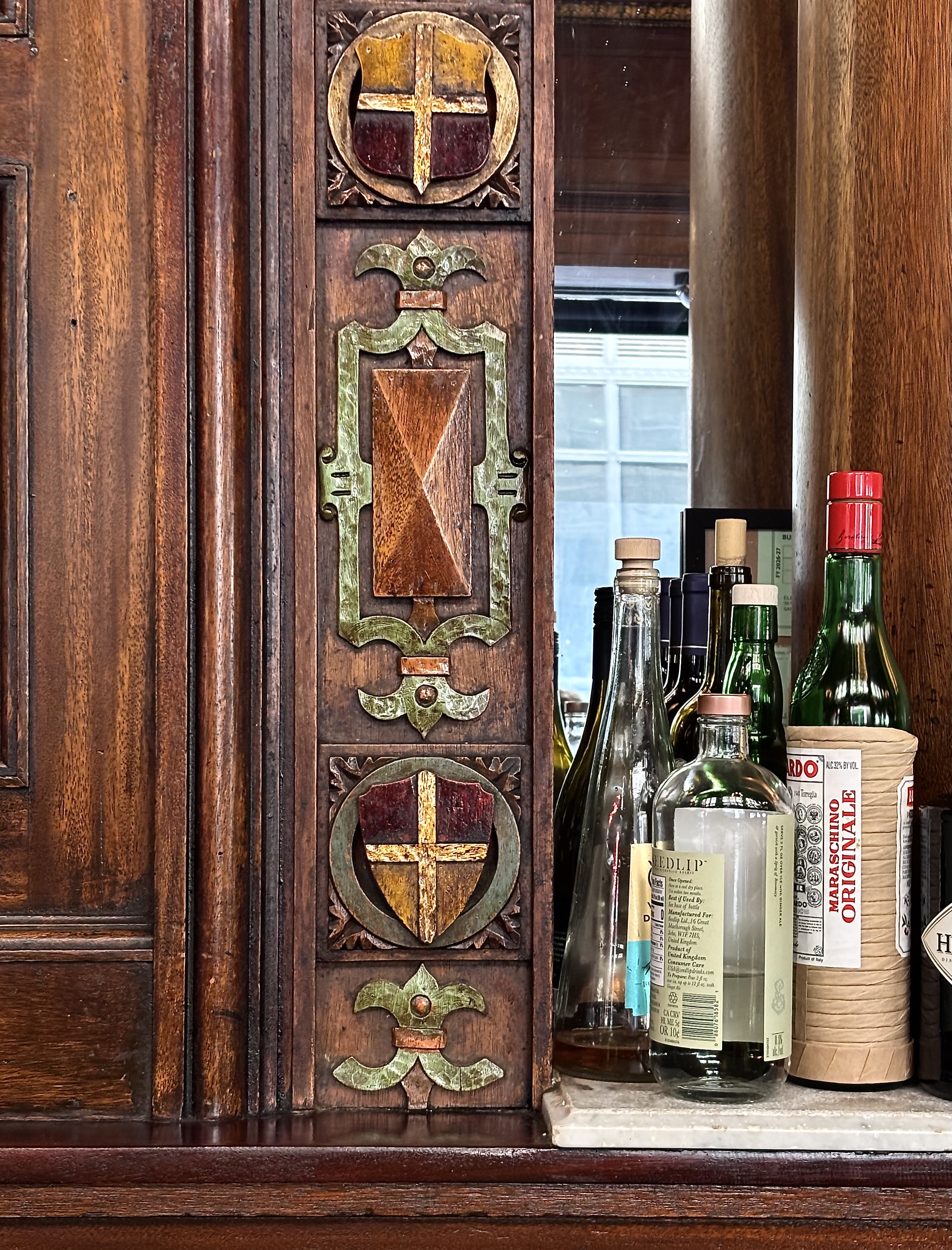
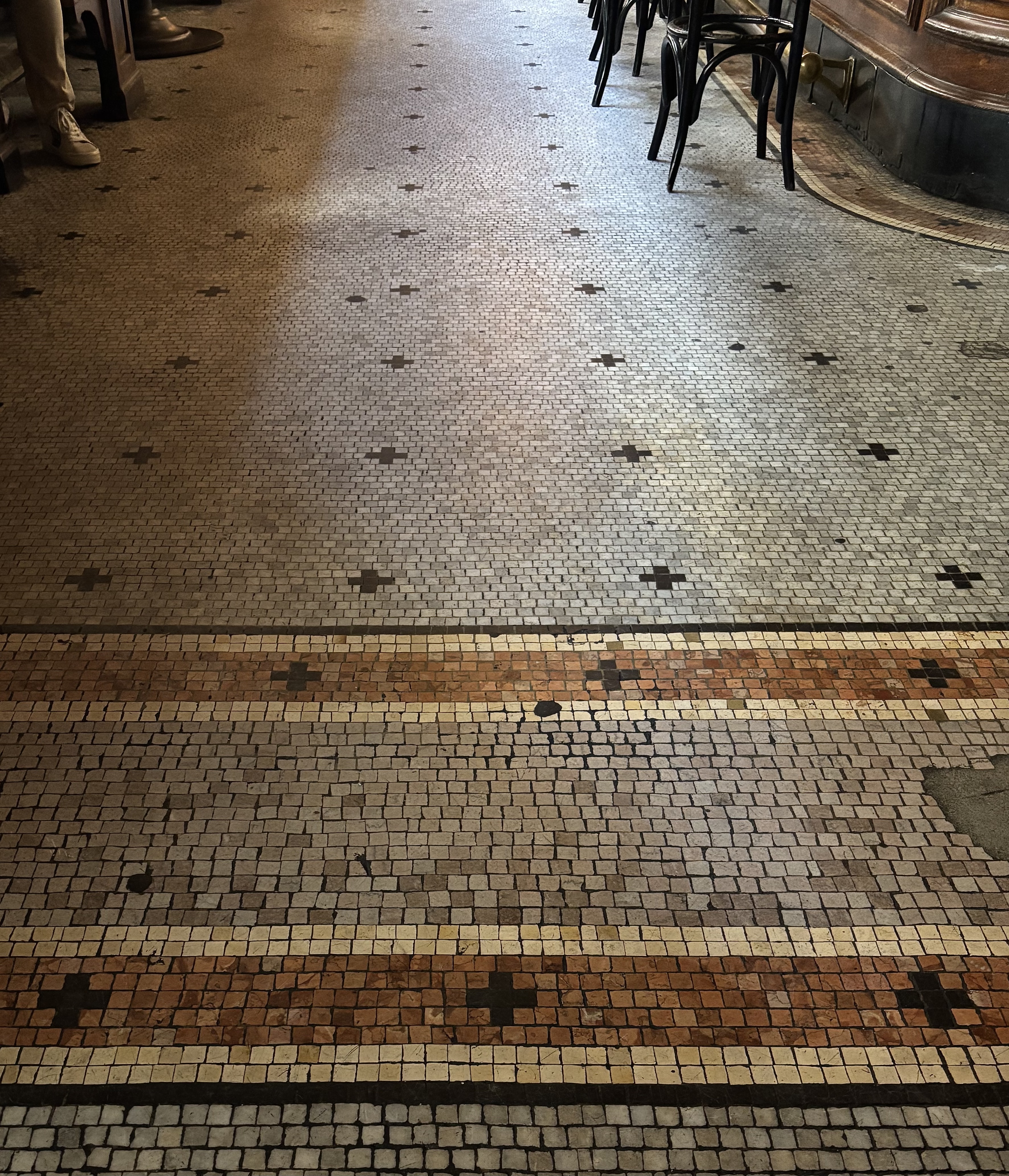

The 1906 earthquake leveled the city. Two years later House of Shields opened its doors. Another year later the Palace Hotel reopened across the street. (The rumor of a secret underground passage connecting the bar and hotel during Prohibition will not be confirmed or denied.) It was a period of San Francisco energetically reasserting itself. And this area of downtown was an epicenter of high society. President Warren G. Harding frequented the Palace Hotel. No doubt he imbibed at House of Shields. Rumors surrounding his death by heart attack at the Palace on August 2, 1923, involve intimations about the bar and a woman of questionable repute.

Balcones Whiskey, fresh lemon, Amaro Nonino, apricot liqueur, honey
Enjoying a Warren’s Last Breath cocktail on a Tuesday just after four o’clock, I overheard one group of fellow patrons talking about their latest financial schemes, and another about their past segue from living at home with the folks to #adulting in San Francisco. Something about these two subjects filling that room—entrepreneurial enterprise and the transition from family to independence—seemed quite fitting for this longstanding downtown San Francisco bar, situated between the city’s core financial, shopping, and tech company districts. San Francisco has always embraced the young and the ambitious.
The location makes the bar a key watering hole for post-workday white collar wind-downs or “power cocktail hours.” But it’s also a great respite for anyone to relax and chat with friends or colleagues about anything. The many booths provide micro-spaces to focus in on your cohort. Seats at the bar easily accommodate solos, duets, and trios. The bartenders are neatly attired and well appointed, and they mind their business with old-school discretion—always attentive, never intrusive.

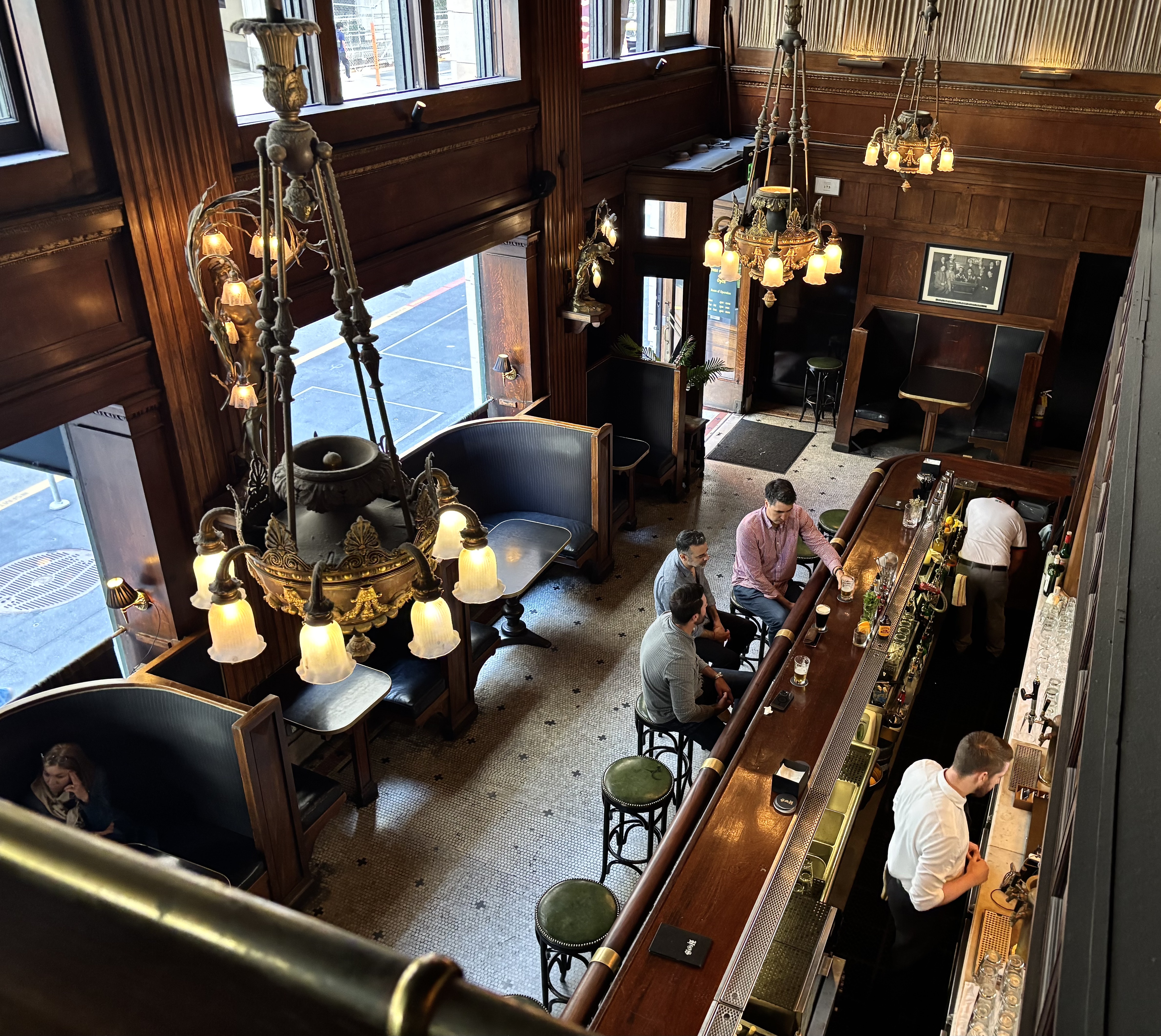
House of Shields certainly doesn’t connote “hangout.” And it’s not a “neighborhood bar.” There’s no pool table, dart board, or bowls of pretzels to share. House of Shields serves other purposes. It’s a place for unofficial or extracurricular business meetings. A post-paperwork caesura before your evening obligations commence. Or, it’s an opportunity to connect with the more elegant side of San Francisco’s origins as a spirited playing field for entrepreneurial hedonism.
THE HOMESTEAD
2301 Folsom Street
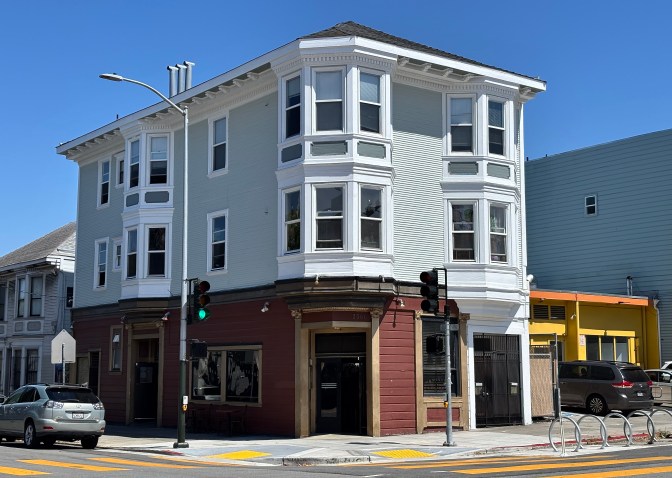
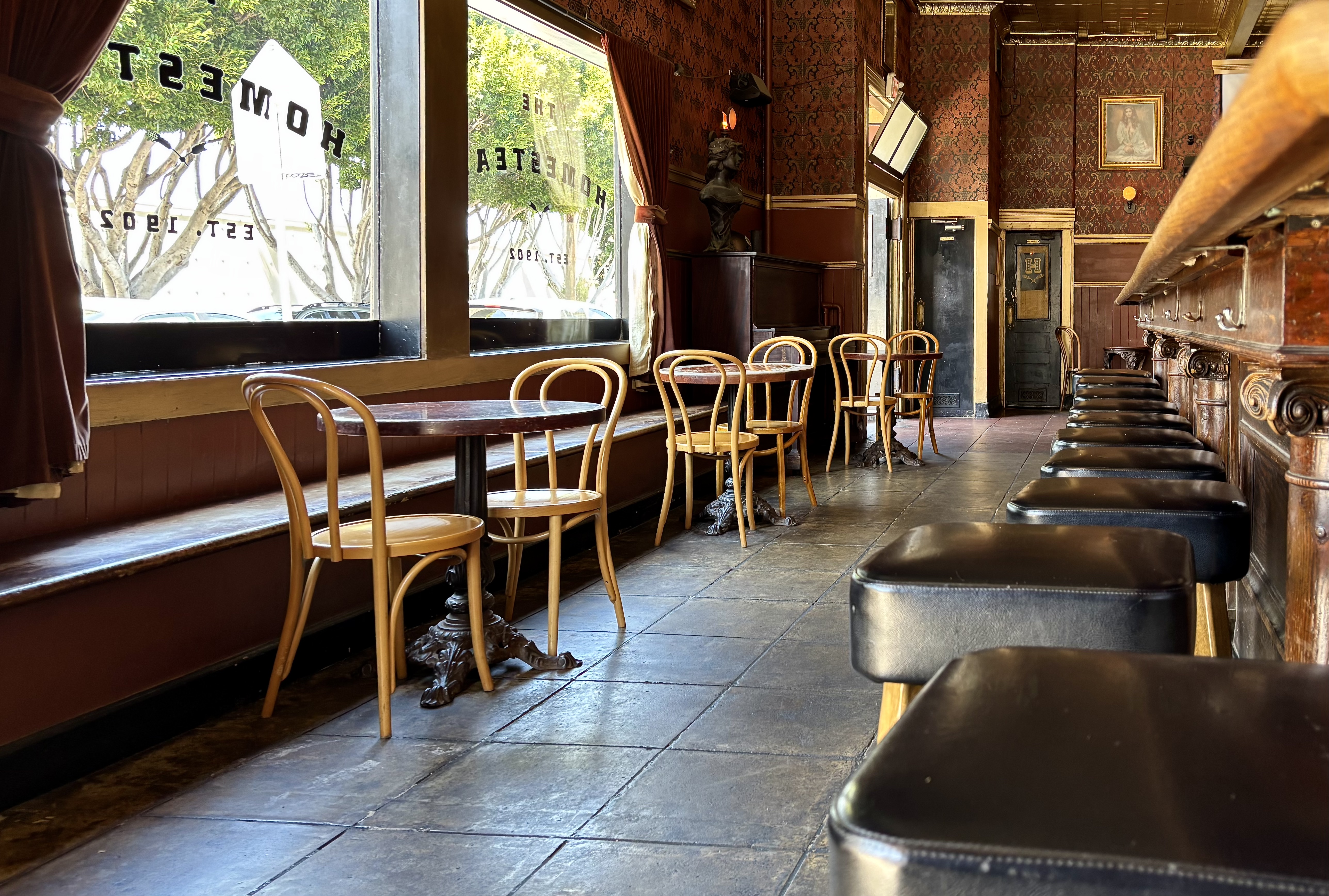
The Homestead makes a curious stop on this time themed hop. After 124 years, it currently feels somehow Frankensteined between an authentic old time bar and a nouveau bar that has installed a used Hollywood production design of an old time bar.
When approaching the building along 19th or Folsom Streets, the old structure stands out in relief against the sky as if painted by Edward Hopper. That no taller buildings flank it helps to maintain a sense of the original skyline from its 1902 founding.
I arrived shortly after opening on a Wednesday. Generic rock music was playing over the loudspeakers. The bartender was bantering with a regular, whom I recognized from a photo in a 2025 SF Chronicle article about The Homestead’s 123rd anniversary. (A good article, worth reading for a detailed history of the place.) Otherwise the airy space was wide open and empty—a condition that always feels unnatural for a bar. But that’s my fault for coming so early.

I ordered a Gold Rush—bourbon, lemon juice, honey syrup—named after the famous 1849 rush to California, which gave cause for the earliest San Francisco bars to set the city’s reputation for debauchery rolling.
Based on the common Whiskey Sour ratio of 2:1:¾, the Gold Rush cocktail is not a historical drink but an early 21st century invention out of Milk & Honey in New York, where owner Sasha Petraske did quite a lot to usher in the age of mixology. One day in 2001, an old friend of Petraske’s, T.J. Siegal, asked that his Whiskey Sour be made with honey syrup instead of the usual sweetener. Petraske obliged, it tasted great, and the Gold Rush cocktail quickly embarked on its own rush onto mixology bar menus across the country.
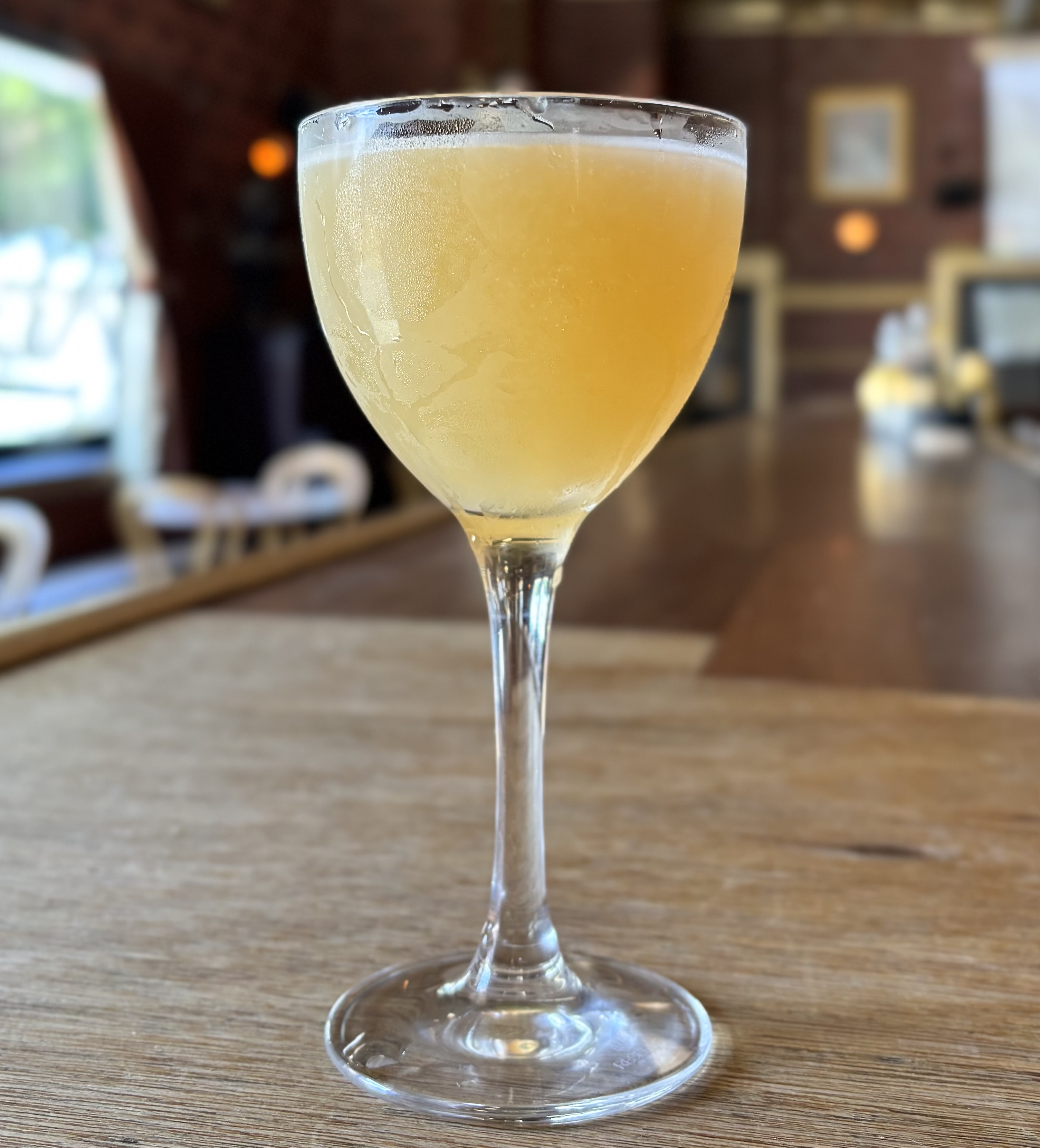
The contradictions embodied by the Gold Rush cocktail—invented by a 21st century New York mixologist and linked by name alone to 19th century California history—echo this thing I find slightly off about The Homestead, this mishmash of the authentic and the faux.
Wallpaper with a Victorian brothel feel to it covers the walls, with framed stock reprints of old nudie paintings—one looking to be the same nudie reprint hanging across town at Ha-Ra in the Tenderloin.
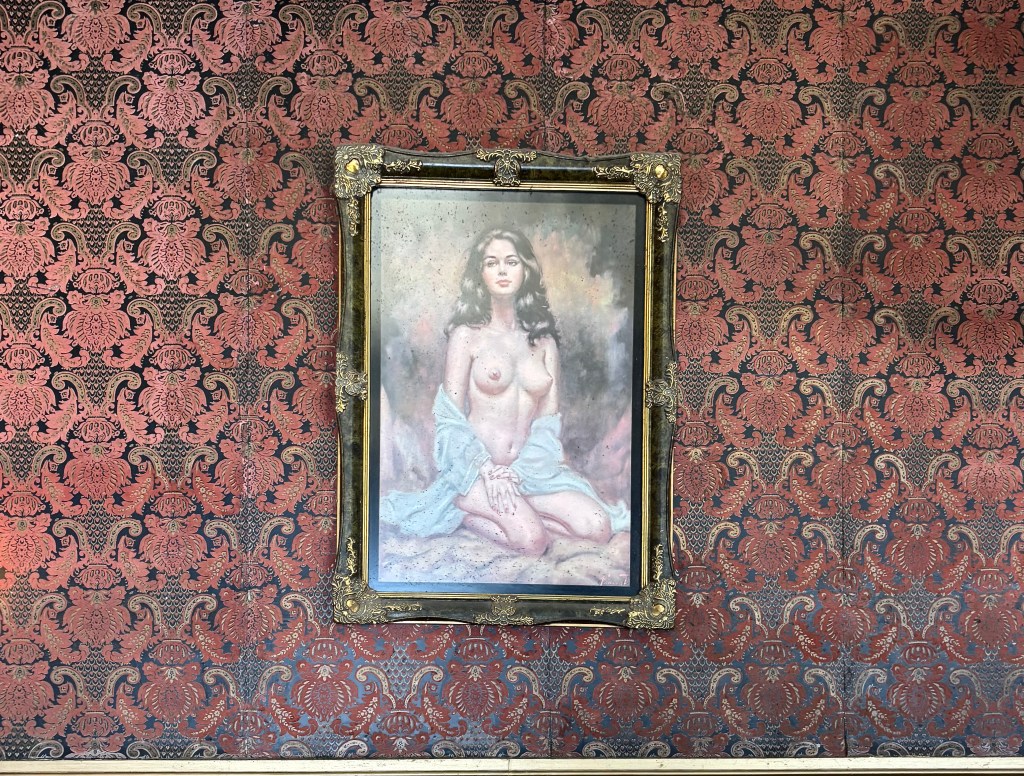

And indeed back around 1920, a brothel used to operate upstairs above The Homestead.
Newly installed gold tin ceiling panels offer an antique tint from above. Ceiling fans spin slowly. Much of the wood, the floors and bar itself, an old piano, some of the trimmings, appear quite legitimately antique. The snug bathroom doors were clearly made for people of an early 20th century stature.
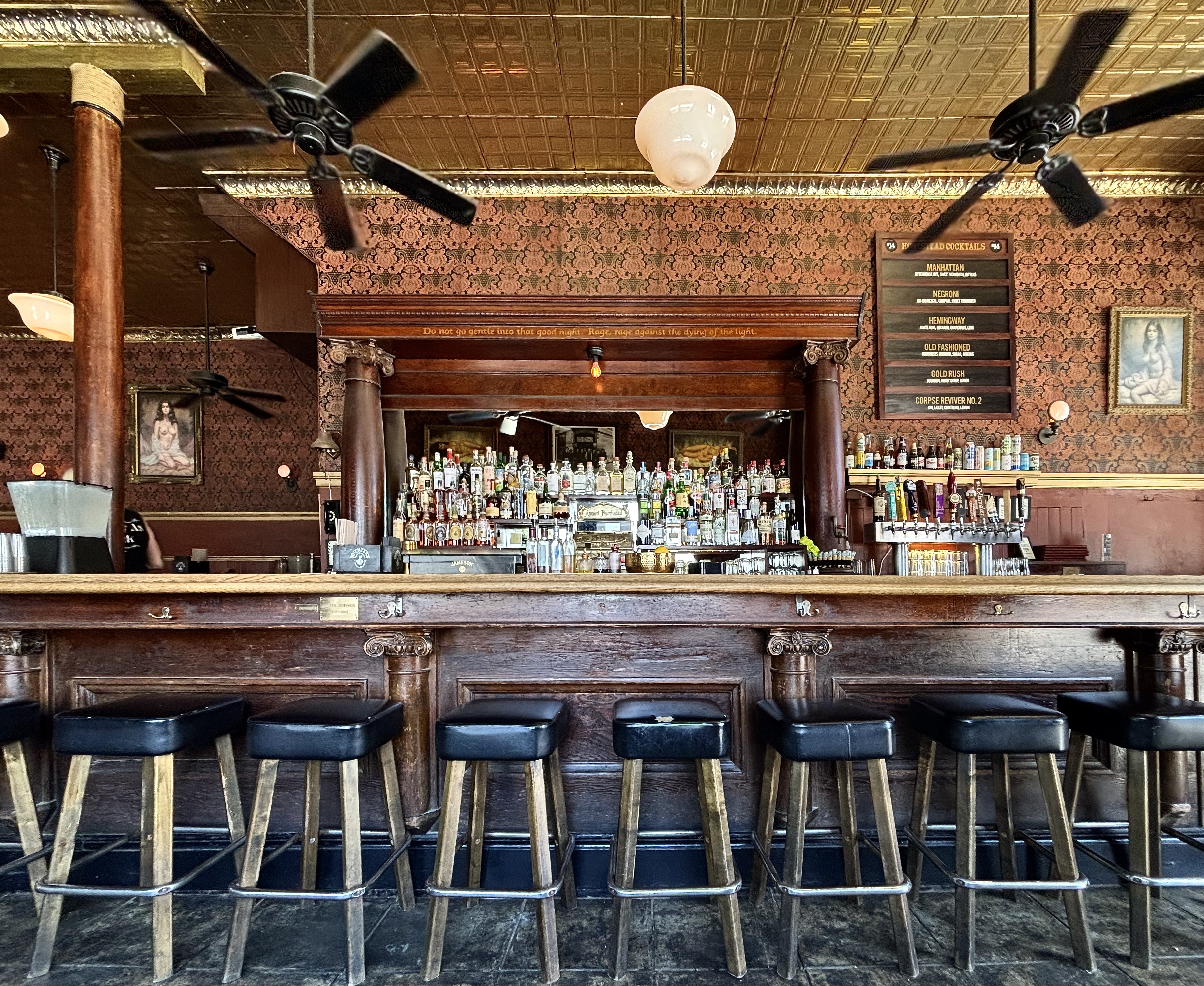


But then there’s the drink list, with its mixology-era cocktails. And the projection screen hanging like an afterthought high up on one wall, showing rolling advertisements during my visit. And the bottles of Elijah Craig 18 Year and specialty Michter’s releases framed up behind glass—out-of-date unicorns kept habitually out of reach like at some corner store that hasn’t heard the Bourbon Boom is over.
As the bar began to gradually fill up, I could get a sense of the place in its intended state. A group of four guys fresh off their shift from the nearby firehouse plopped down at the table next to me. Their captain bought them each a beer and a round of Blanton’s shots. A couple parked themselves at the bar for Manhattans. Other solos and pairs took seats at the bar. Conversation and laughter took up the melody of the room from the generic rock and roll, now relegated to baseline. The place began to feel like the neighborhood bar it’s known to be.
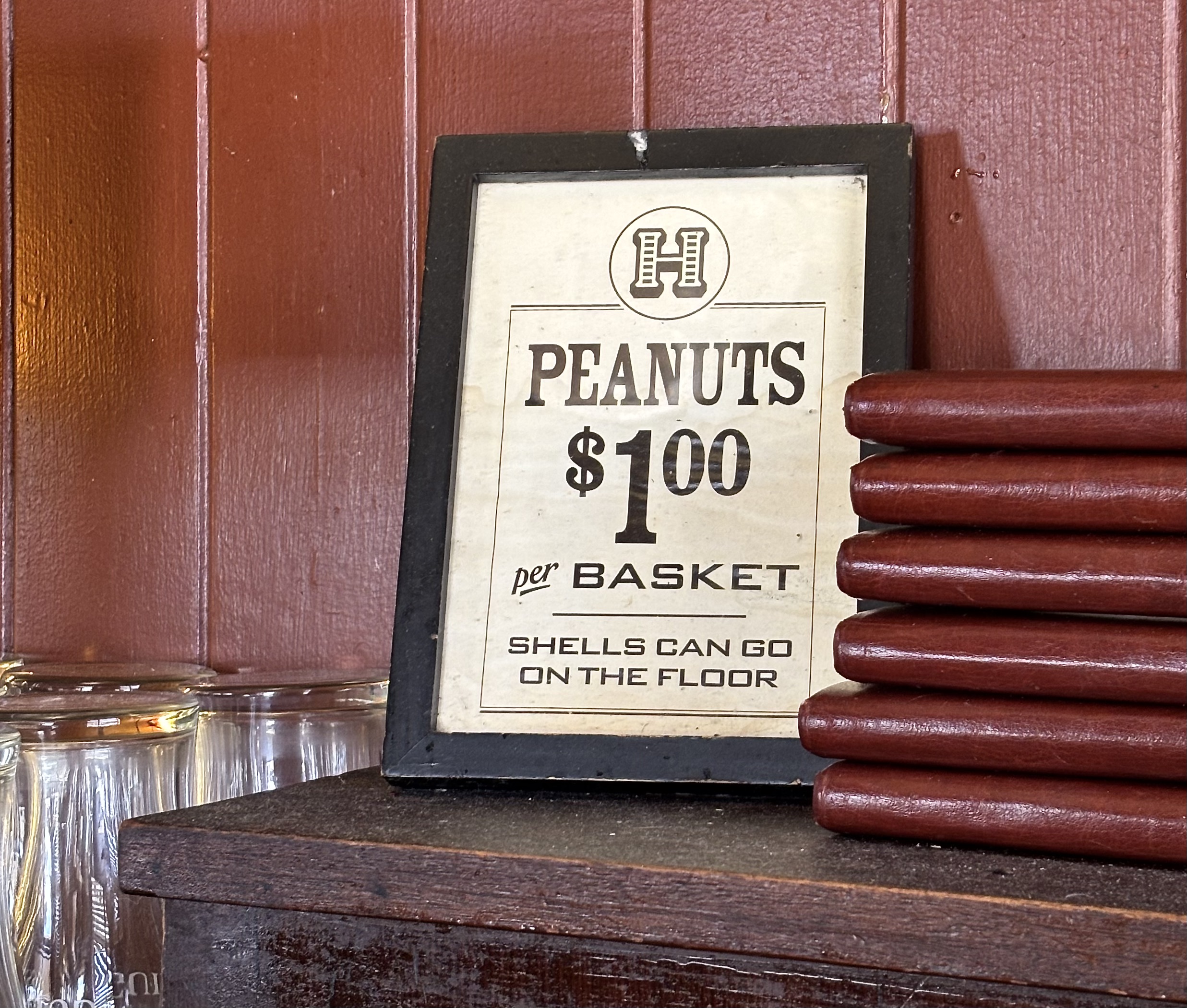
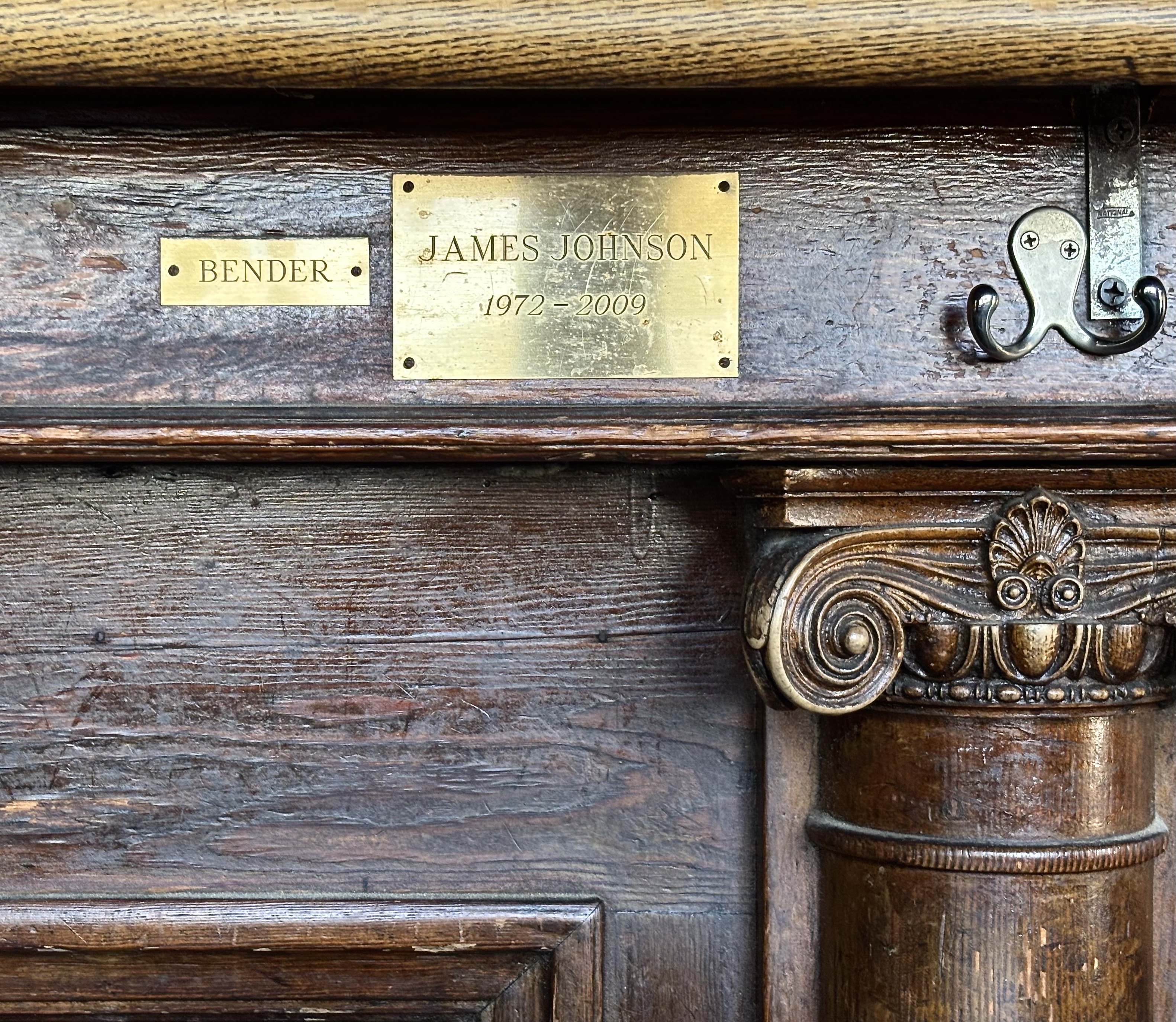
And it’s not a bad bar at all. The bartender was perfectly friendly. The Gold Rush cocktail was fine. You can buy a bowl of peanuts for a dollar, and the old saloon tradition of tossing your empty shells on the floor is encouraged. A brass plaque installed on the front of the bar commemorates James Johnson, a deceased regular who died young at 37 but had apparently clocked a good number of benders at his stool. So there is a personal sense of history about the place that I appreciate.
But for me, that clash of the real and the facade takes the edge of authenticity off it. It all feels just a bit like a theme bar. No ghosts, despite the kind memorial to Johnson. As with Dogpatch Saloon, here too the recreation of the founding era doesn’t seem to have dissuaded its original spirits from moving on.
THE LITTLE SHAMROCK
807 Lincoln Way
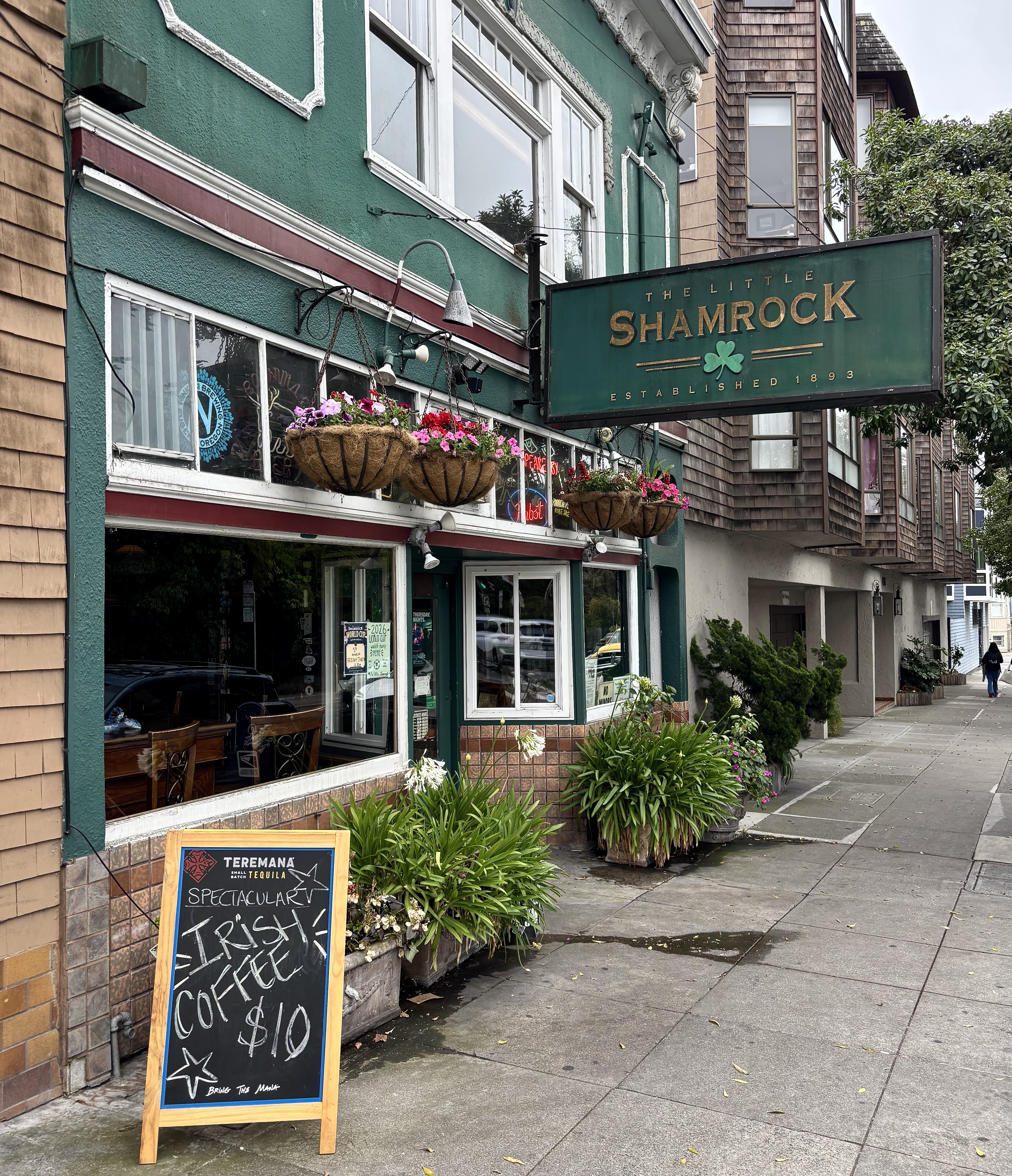
The first joint on this hop to break the 19th century barrier (but not the last!) is Little Shamrock, a homey Irish pub adjacent to Golden Gate Park and just a skip and a jump from the Haight.
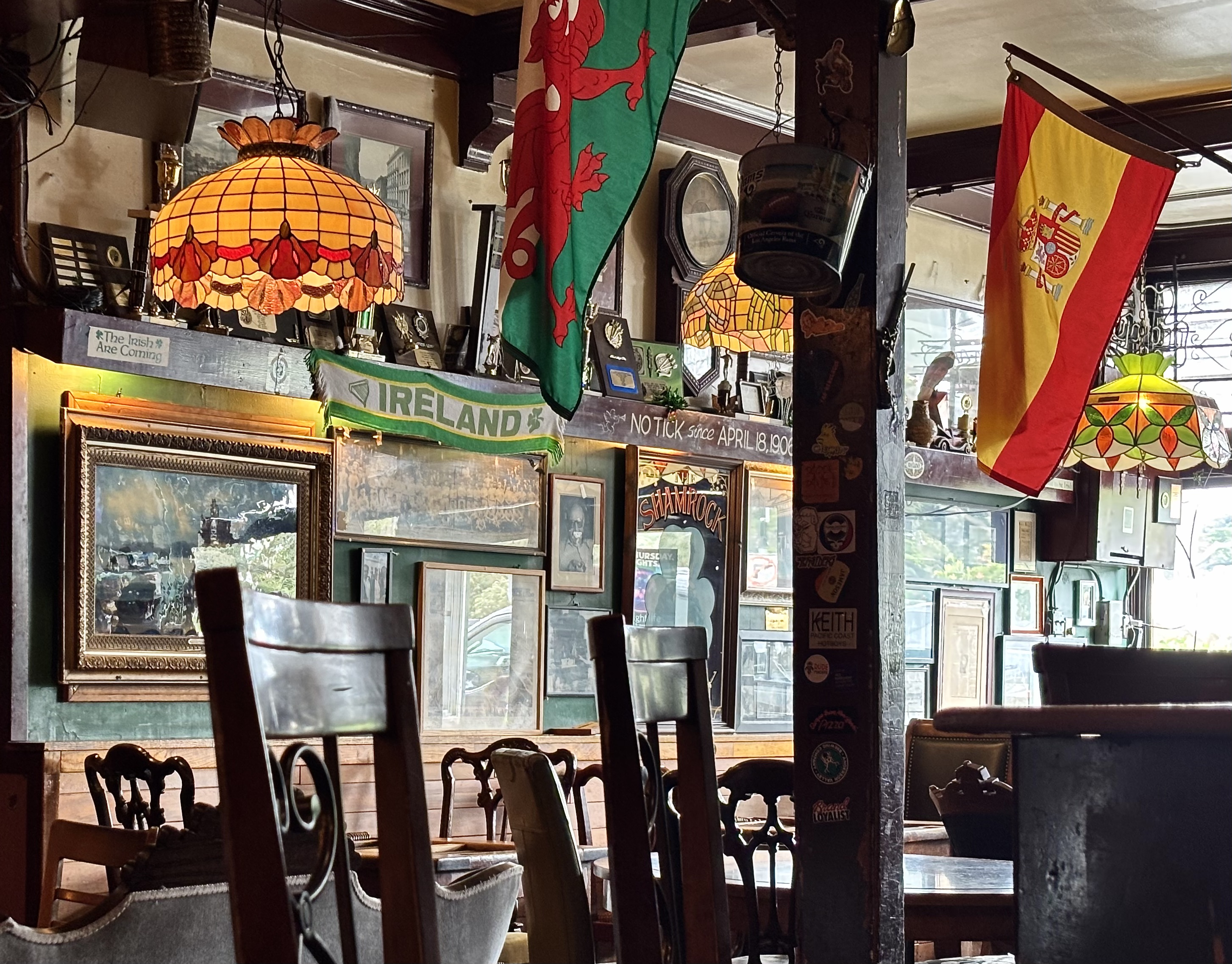
While some old timer bars have changed names over the years as they’ve changed hands, since 1893 the cozily ramshackle pub at 807 Lincoln has only ever been The Little Shamrock. The place indeed feels lived in, like it’s part pub part Victorian parlor. The walls are decked in generations of memories. Barstools share space with plush old coaches and sitting chairs. Some tables have chess and backgammon boards built into them, inviting patrons to stay and play awhile. A stack of boardgames in the corner reiterates the invitation.

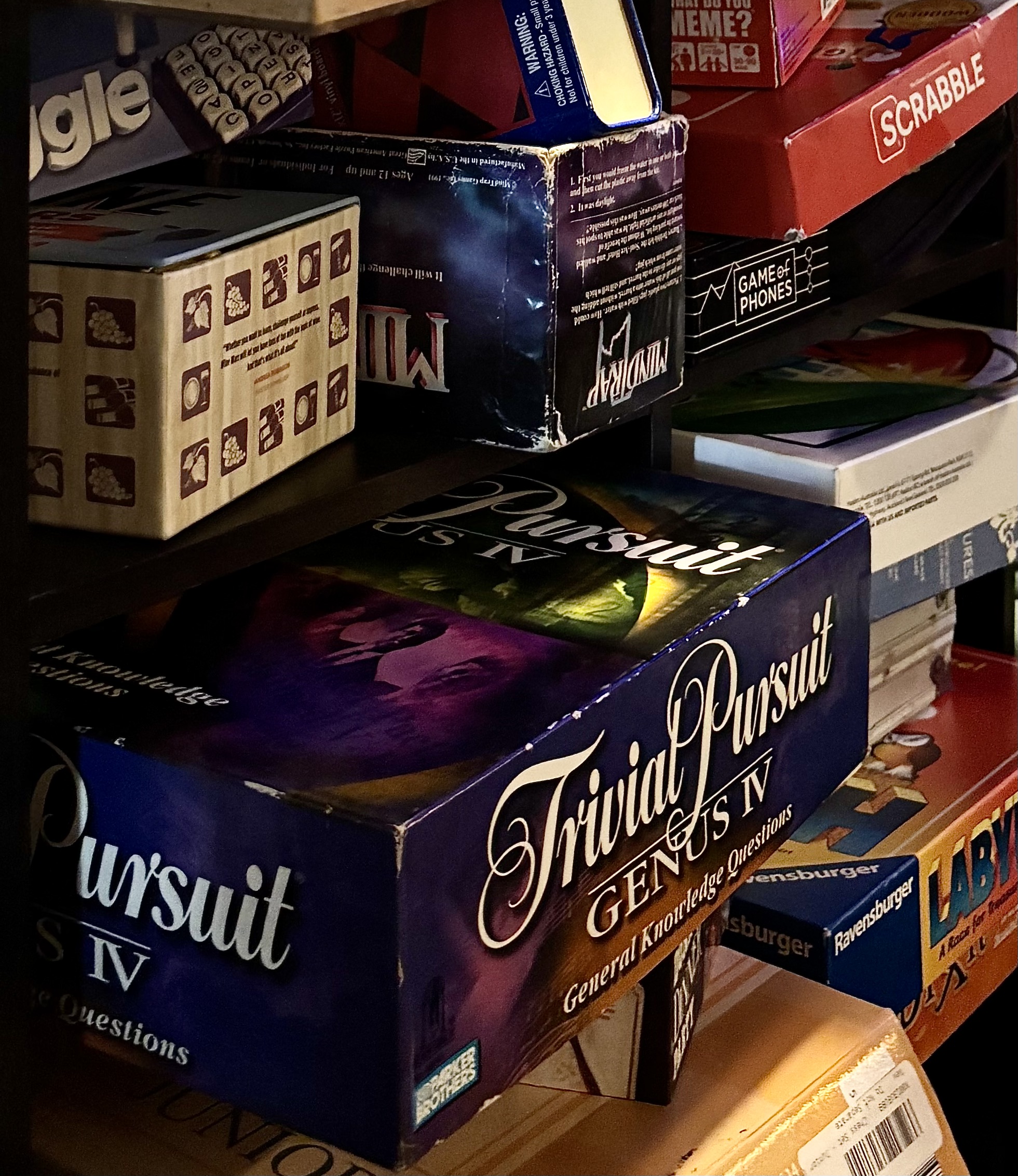
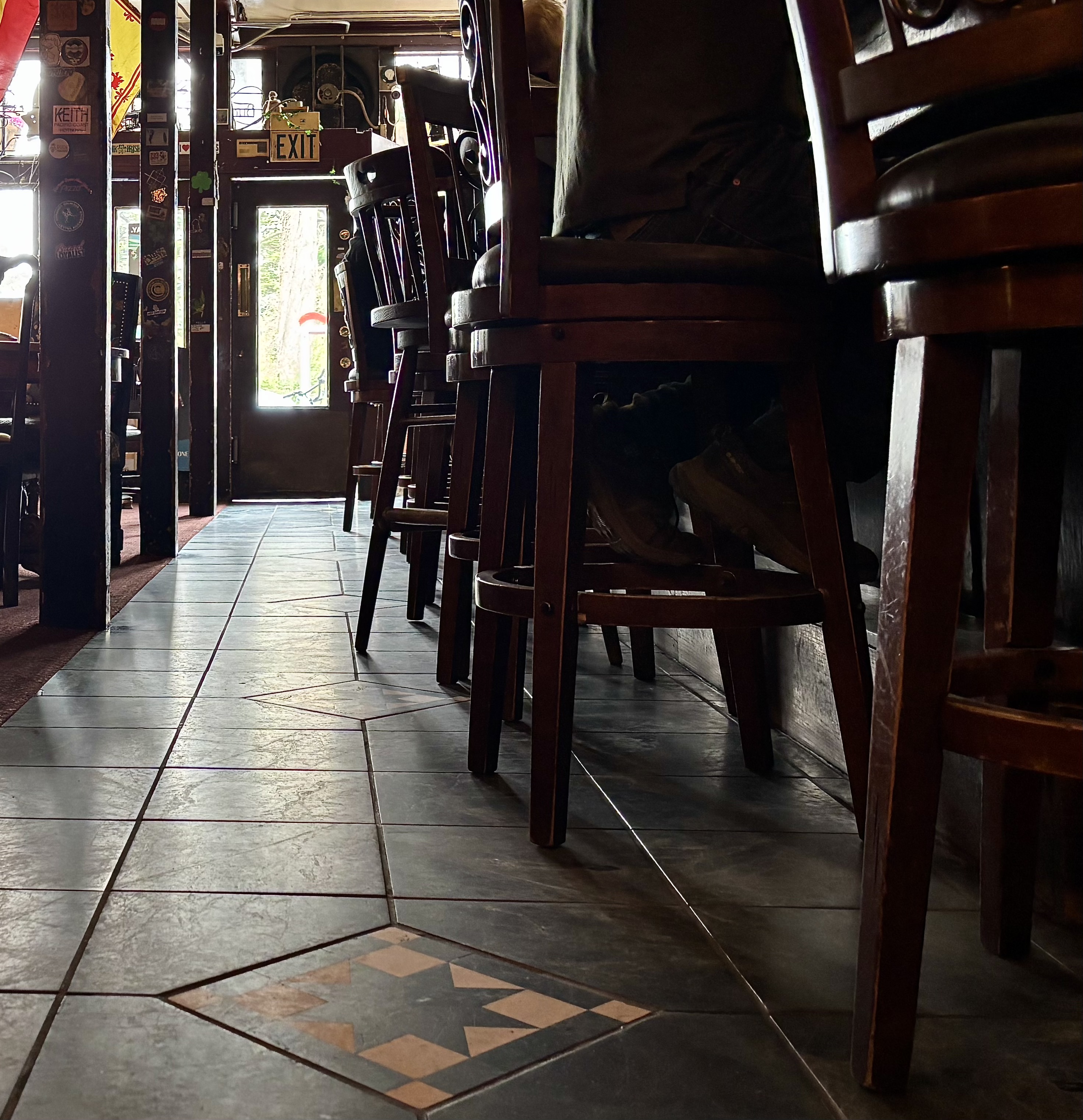
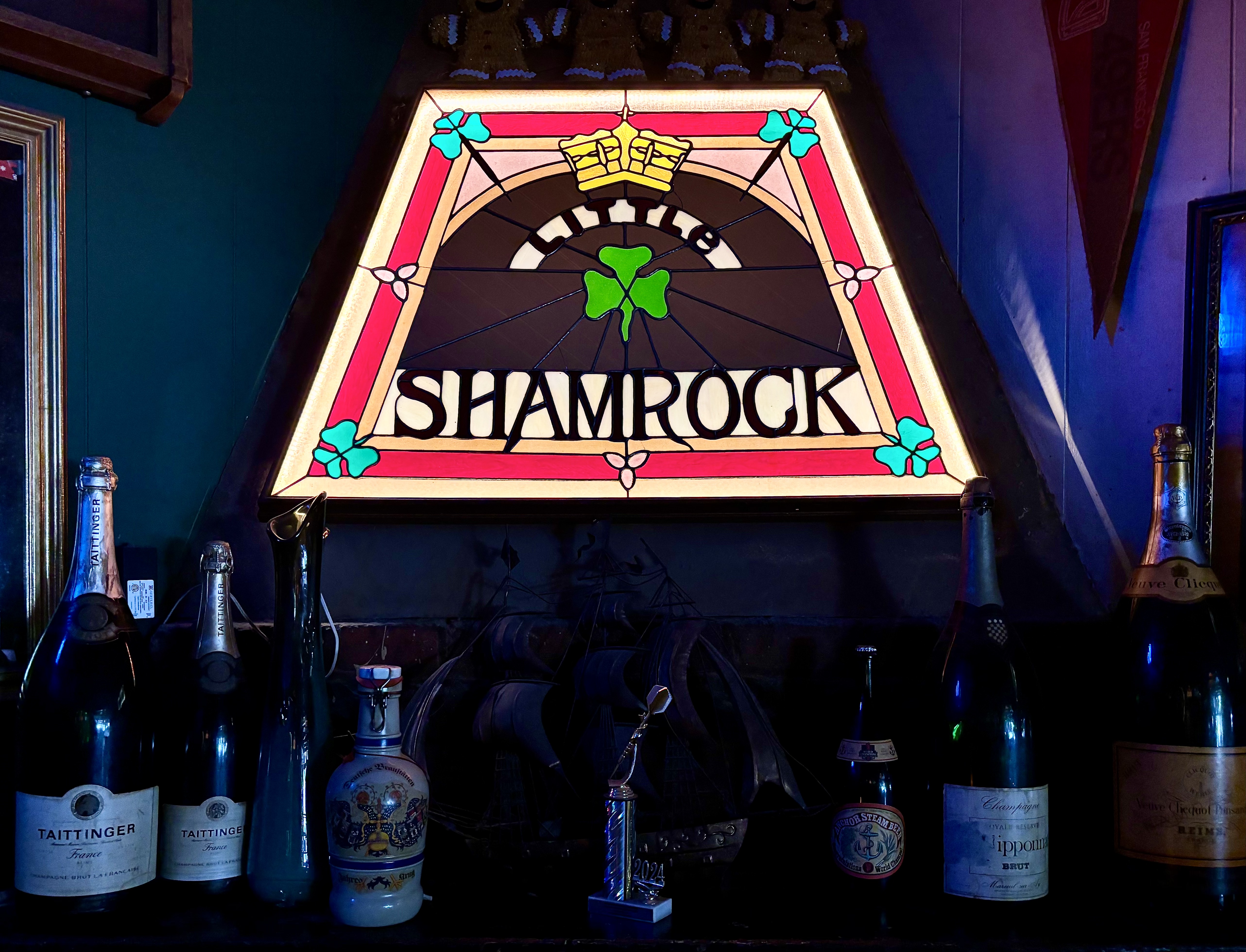

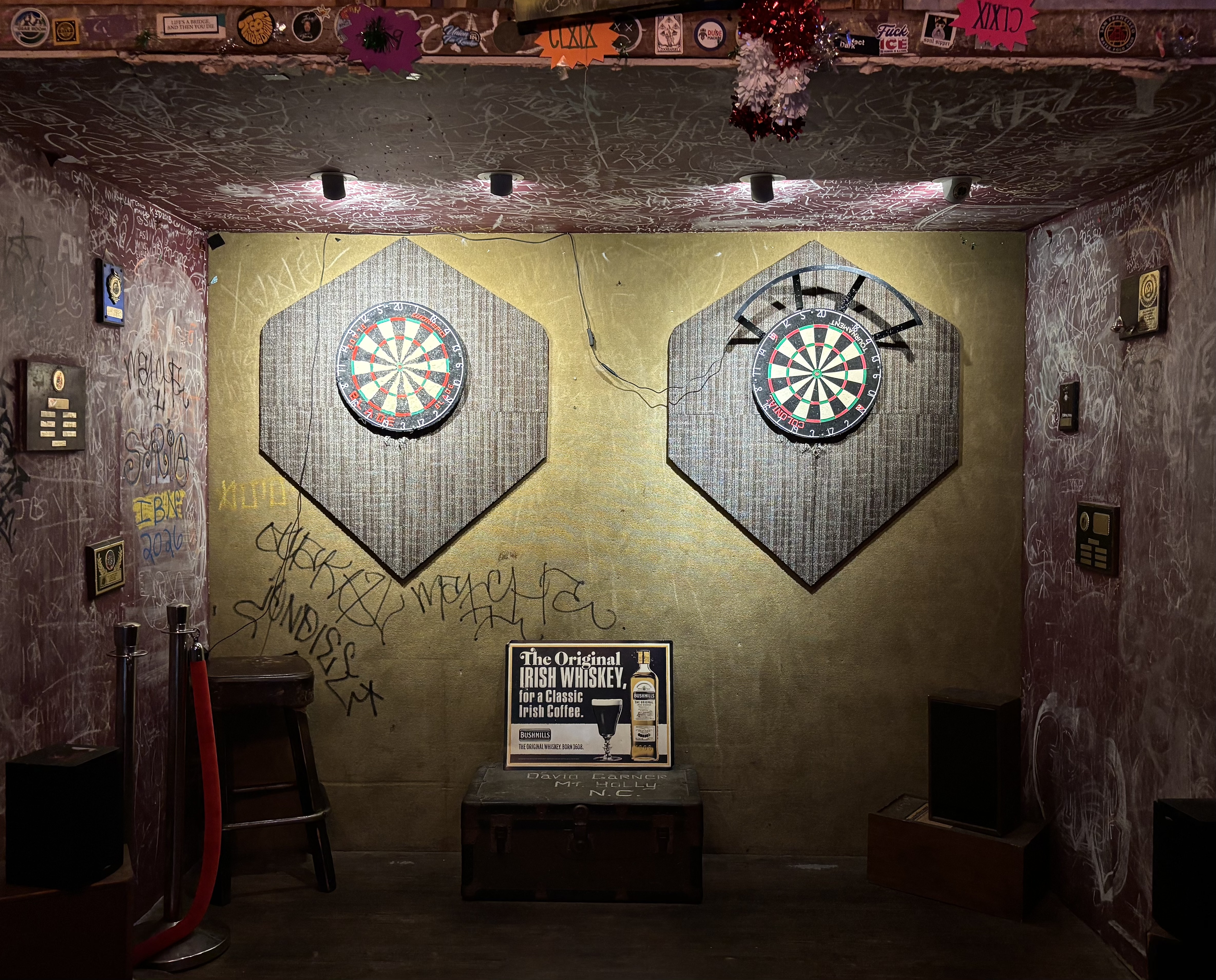
The dart room in the back is positively cinematic—something Davids Lynch and Fincher would both appreciate—and very late 20th century with its dense graffiti aesthetic. If you woke me up there and told me I was actually at Molotov’s on Haight Street in the 1990s I’d believe you.
On drizzly weekends my partner and I sometimes go to The Little Shamrock for Irish Coffee and a few rounds of cards. She always wins!


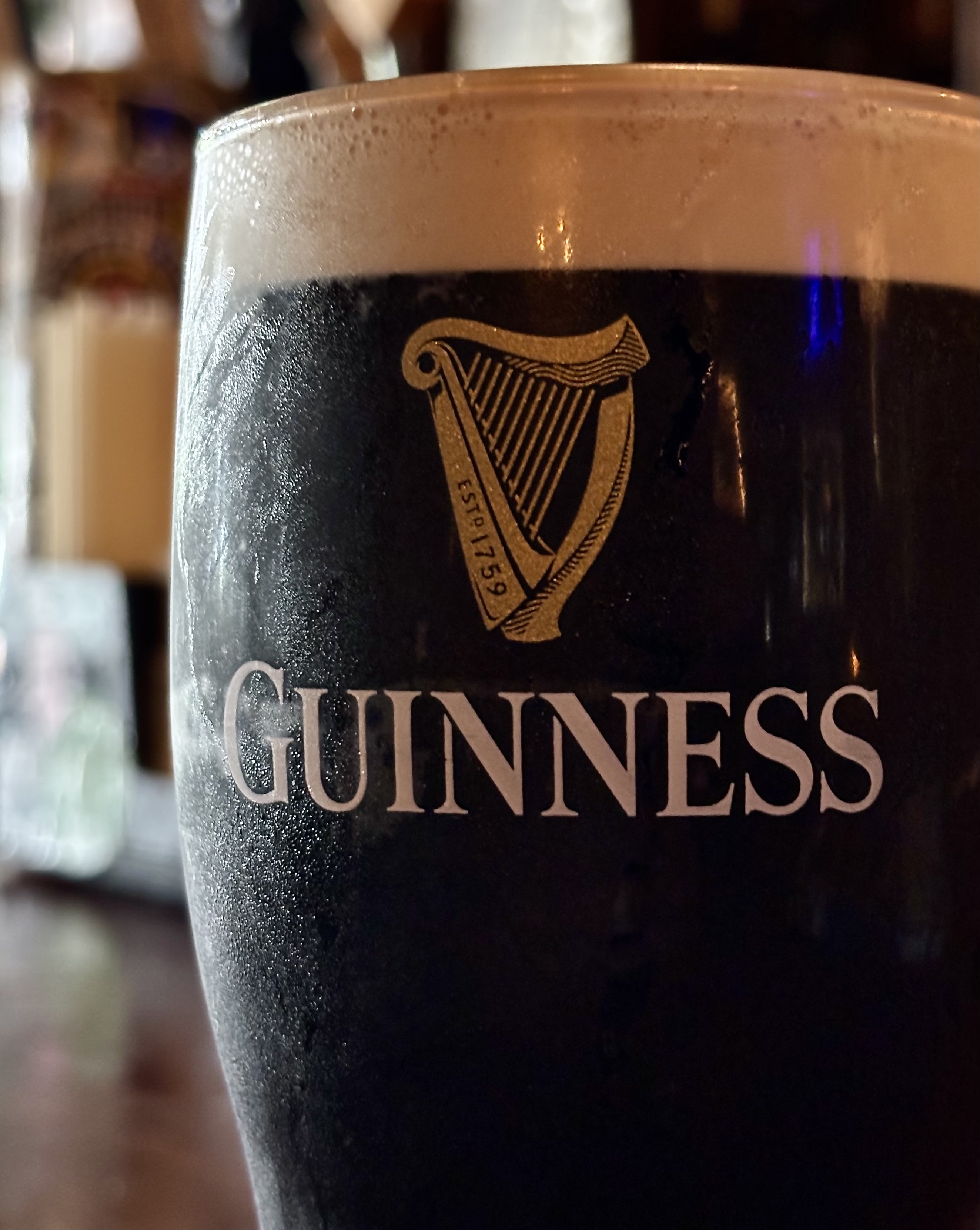
On a late Monday afternoon I stopped in for a Guinness and to soak up the place with an eye toward this post. As late afternoon drifted toward early evening, the regulars arrived one by one as if by appointment, taking their usual seats at the bar and picking up their conversations where they’d left off.
The bartenders here are always friendly, and always treat you with a neighborly casualness like they’ve known you for years, whether they have or just met you. A young guy who stepped out on the sidewalk to take a call dropped his phone. It bounced out onto Lincoln Avenue and got crushed by a car. When he came back in and let the bartender know what happened, she asked the room, “Anyone know where the nearest T-Mobile is?” Answers came quick from several directions. She used her own phone to call the guy an Uber and get him there.
Like family. Whether you are or not. That’s a true pub. One can always depend on “Since 1893.”
SHOTWELL’S
3349 20th Street
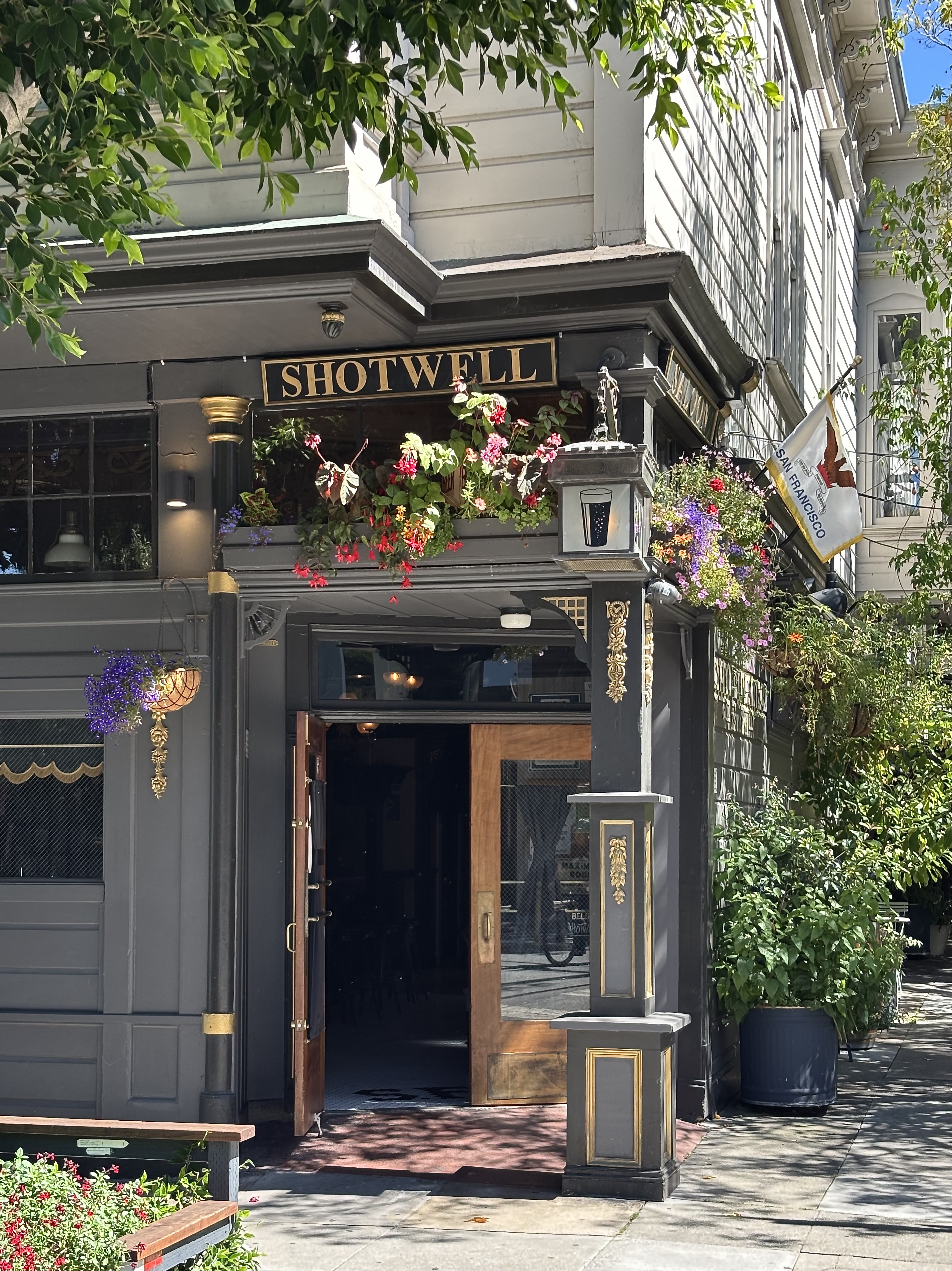
Shotwell’s is the epitome of easygoing. The kind of place you could sit all day or evening and never feel rushed.
To begin with, the entrance is outlined with flowers and potted plants, creating a welcoming garden feel, like the bar has been tucked away out back of an old country Inn.
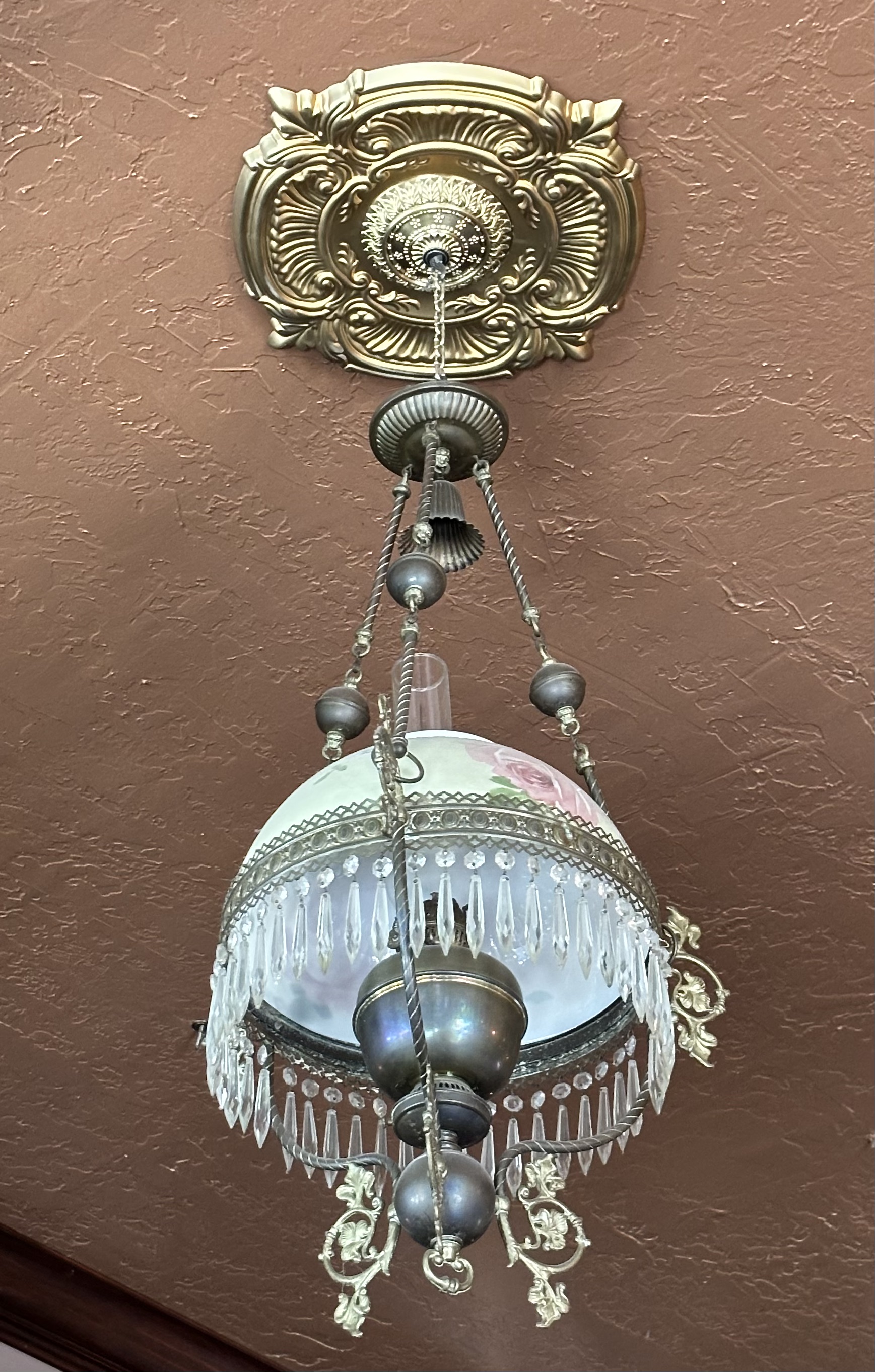
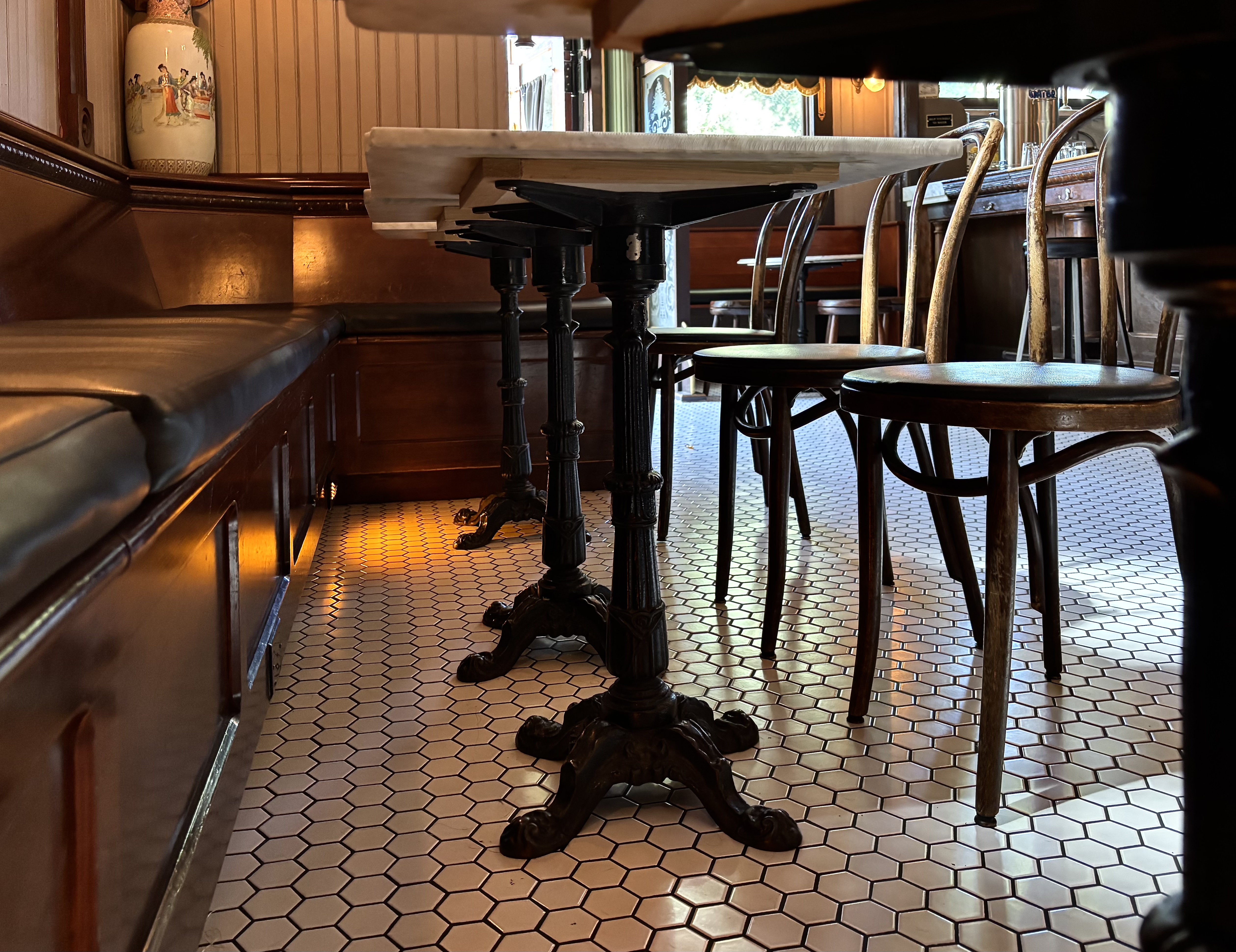
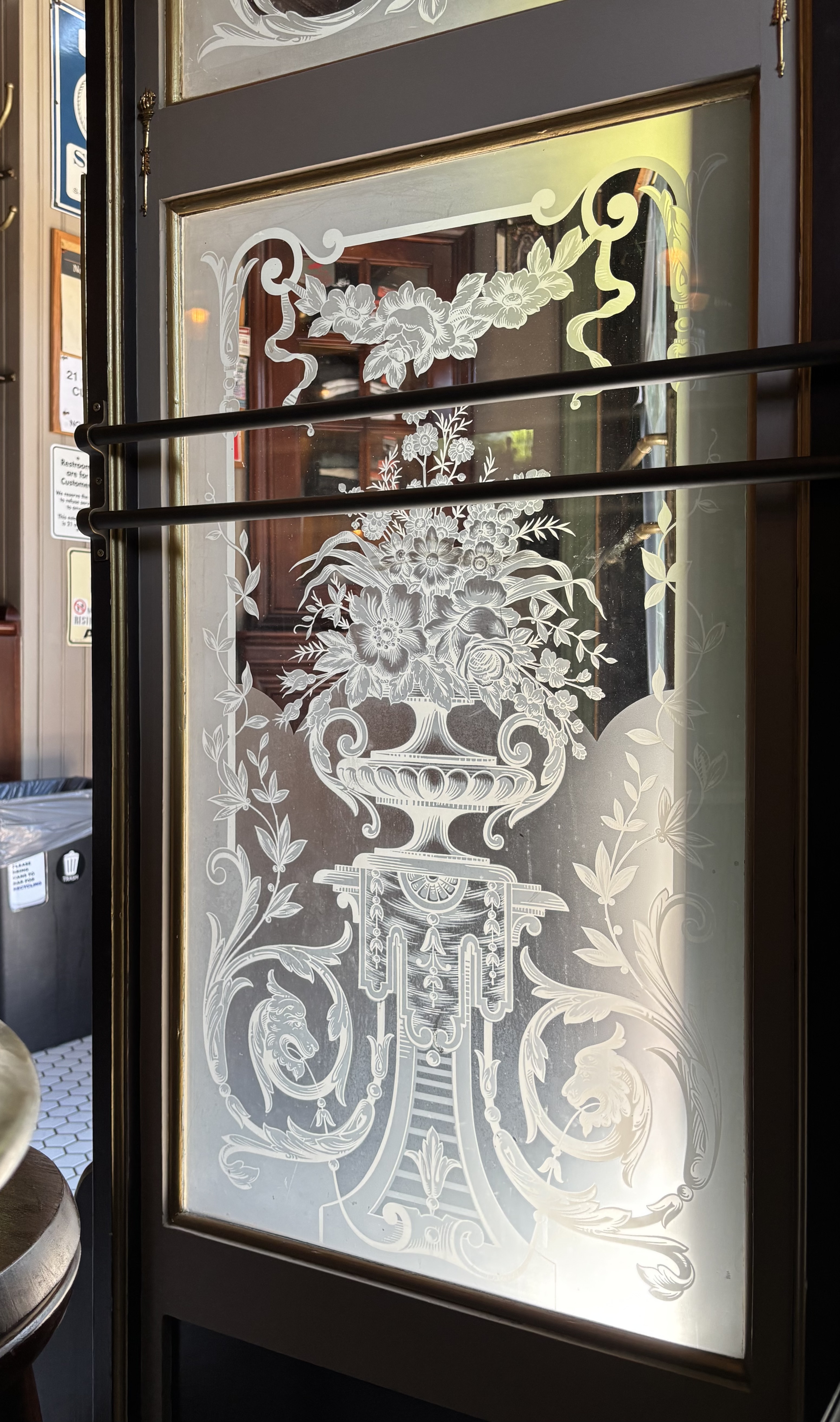
Inside, the original 1891 architecture and decor have been maintained through careful and considered renovations. The place is clean and fresh, like a new bar. But unlike The Homestead, there’s no inkling of a Hollywood recreation. It feels entirely authentic. The eclectic range of knickknacks and trimmings—old lamps, windows stenciled like doilies, the white tiled flooring, Victorian iron pedestal tables with marble tops, even the Chinese lanterns and dart board nook—all feel of a piece.
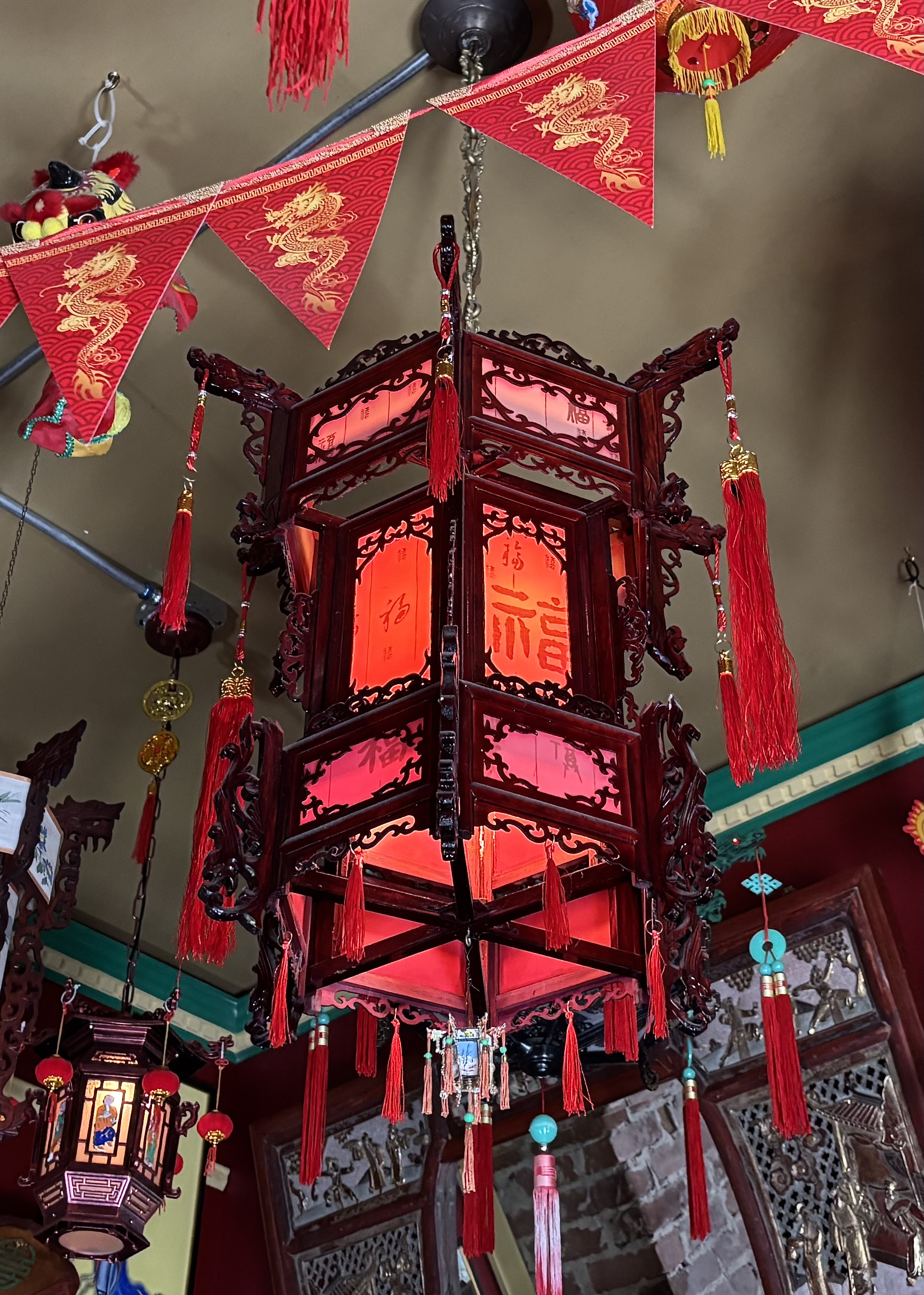
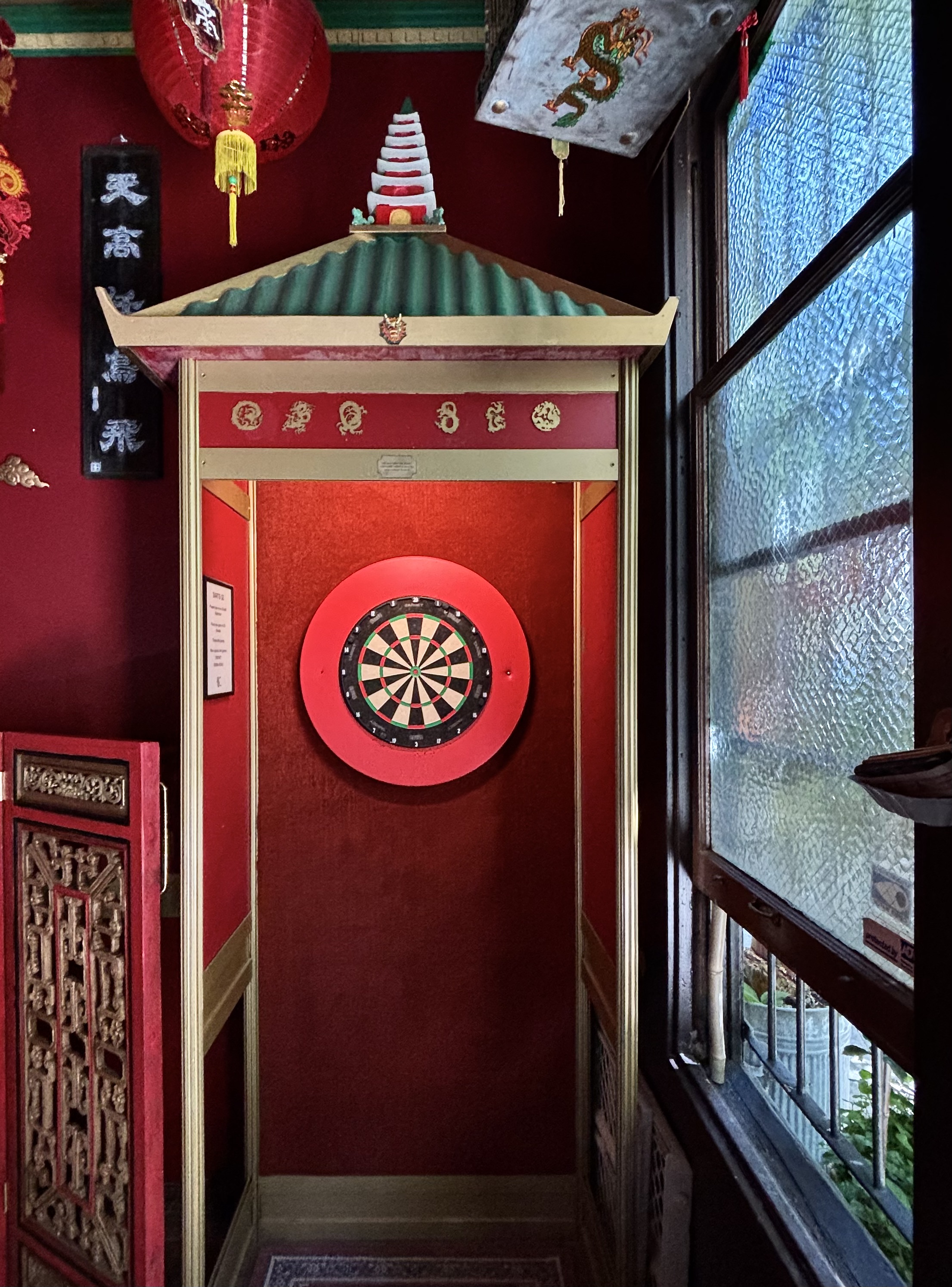
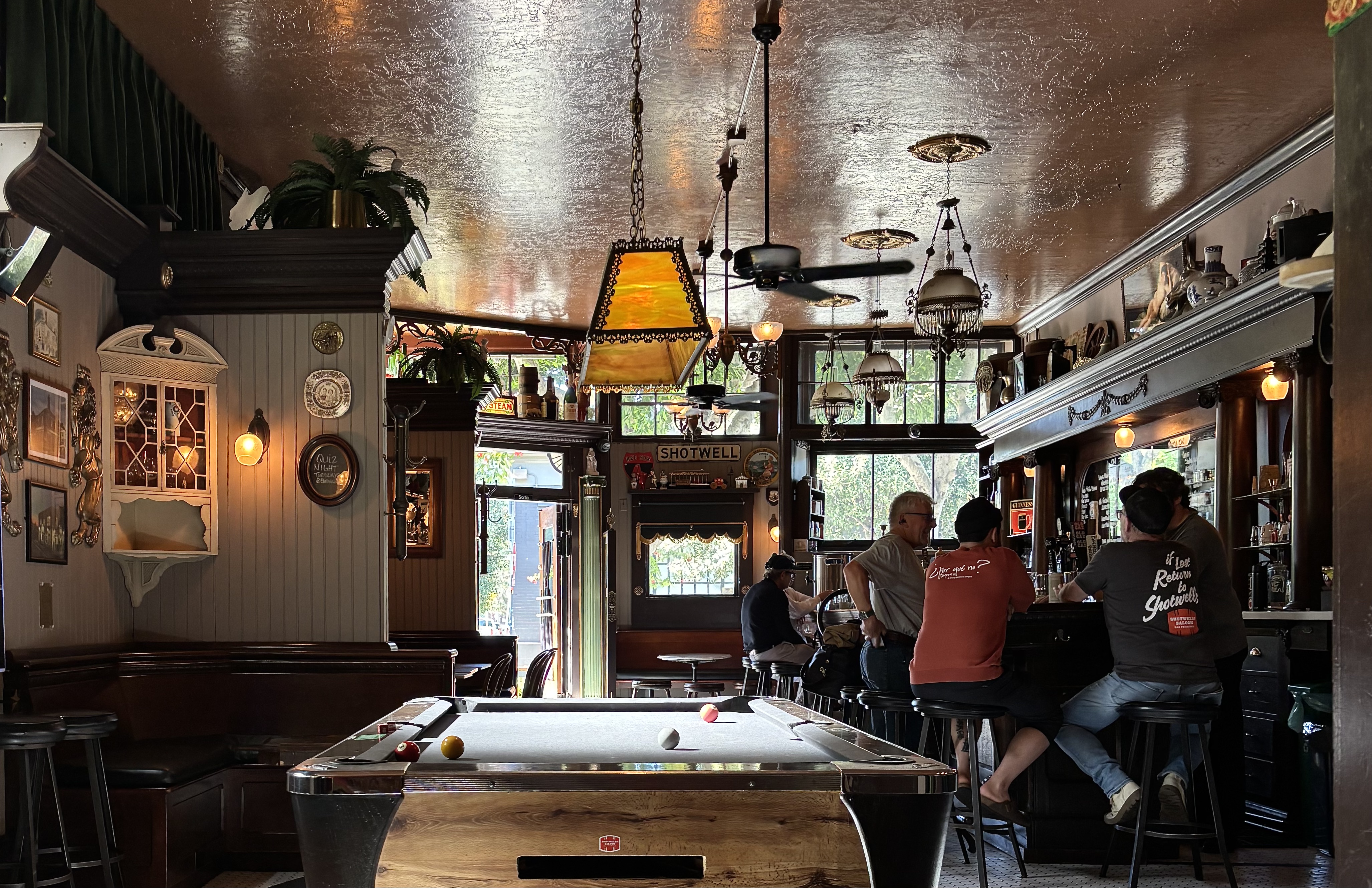
The music while I was there was mellow American folk and its variants across time. There is a TV up on the wall, but it’s tucked off on the far end of the room where it doesn’t impinge significantly on the aesthetic or mood.
The bartender could make you a cocktail. But the emphasis is very much on craft beer—tap, bottles, cans, they don’t discriminate. This seems in keeping with the relaxed vibe. A pint of beer never compels one to rush. A cocktail can be nursed as well, of course. But there’s something about a drink served upright in a coupe that doesn’t inspire sitting back in quite the same way as a cold pint of beer.

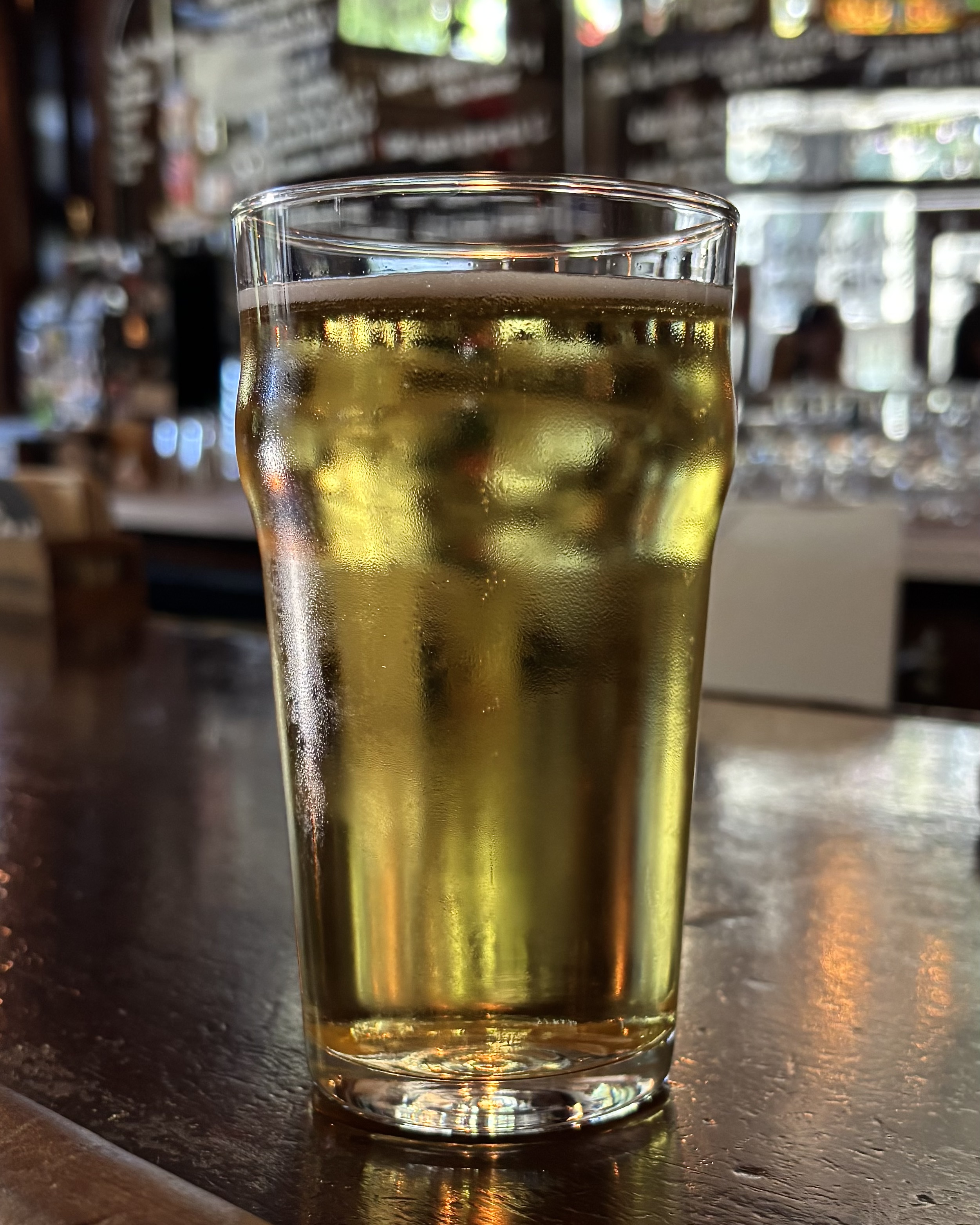
Shotwell’s is very much a neighborhood bar. They close at midnight, not 2:00 AM. The crowd is a mix of regulars, neighbors relaxing or getting a bit of homework done, solos wandering in to read or sit with their thoughts. People come for a drink and a chat, a game of pool or darts, to sit with their dog or laptop. Though dogs are welcome indoors and out, the laptoppers seem to self isolate outside, helping to maintain the distinct analog feel inside the bar.
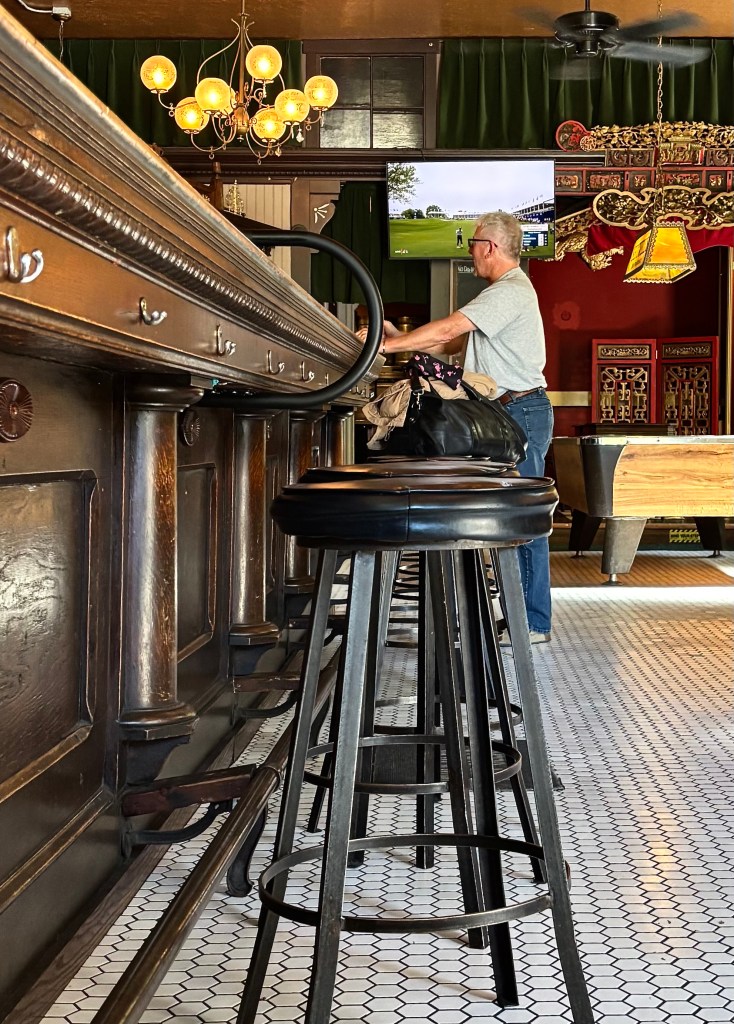

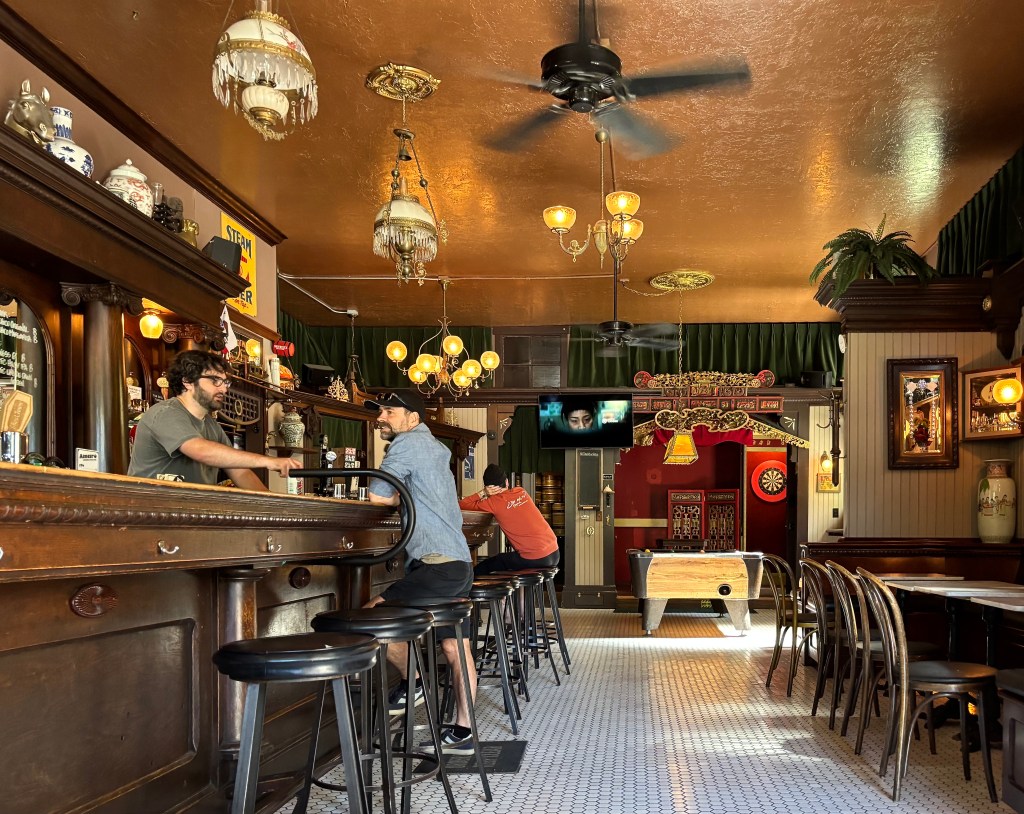
I really like Shotwell’s. It has a similar feel as a neighborhood cafe—come and stay awhile, for whatever your reason. It straddles the present and past with effortless grace. A good old-fashioned saloon, there for the community to gather and to appreciate the slow moments.
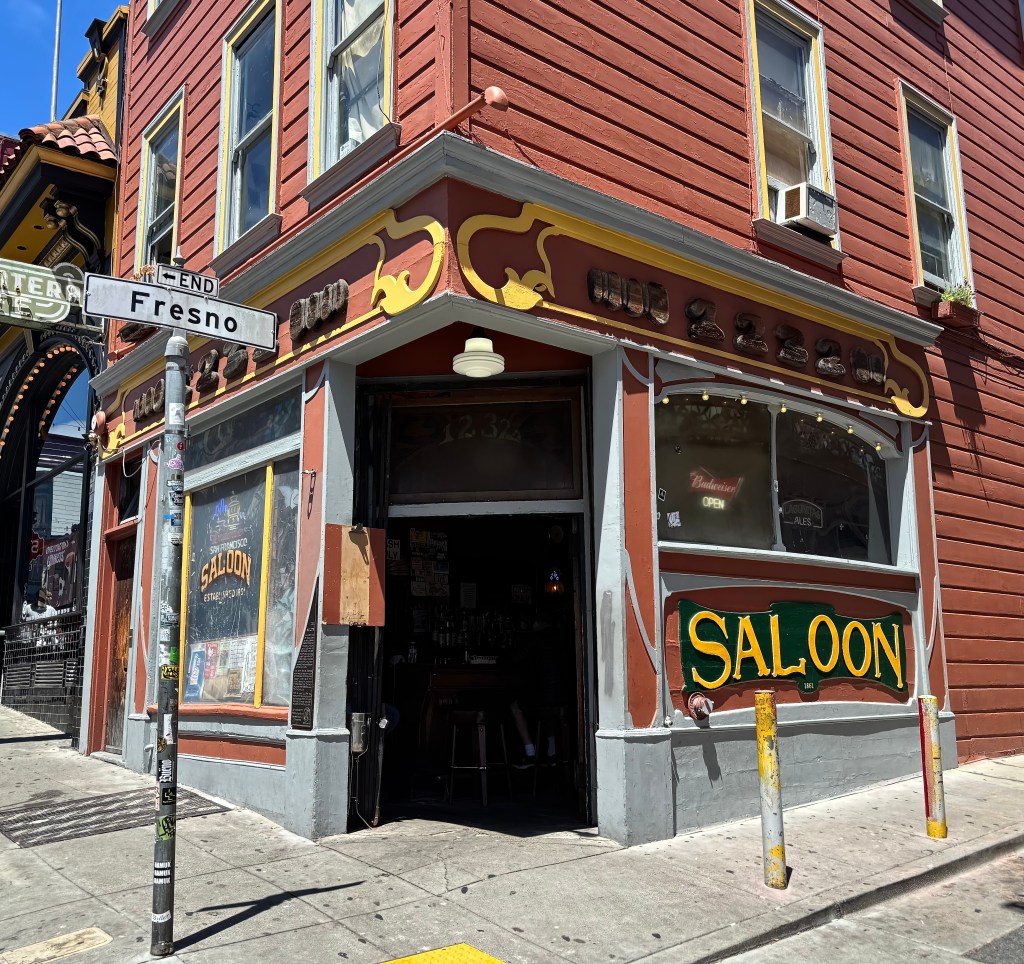
THE SALOON
1232 Grant Avenue
The Saloon puts the old in old timer. I may have been the youngest person in the bar when I stepped in one Sunday afternoon. And I was certainly the most irregular. The regulars were all rather intimidatingly regular. They sat on their stools or leaned at their posts with a comfortable territorial confidence, like they’d landed on that chosen rock a hundred years ago and never left it. Despite their evident age, they all seemed they could still harpoon a whale if called upon. They occasionally exchanged brief inaudible words with the bartender, their eyes ever fixed in steady contemplation on the bar’s open door, like a portal to that afterlife they’ve managed so far to evade.

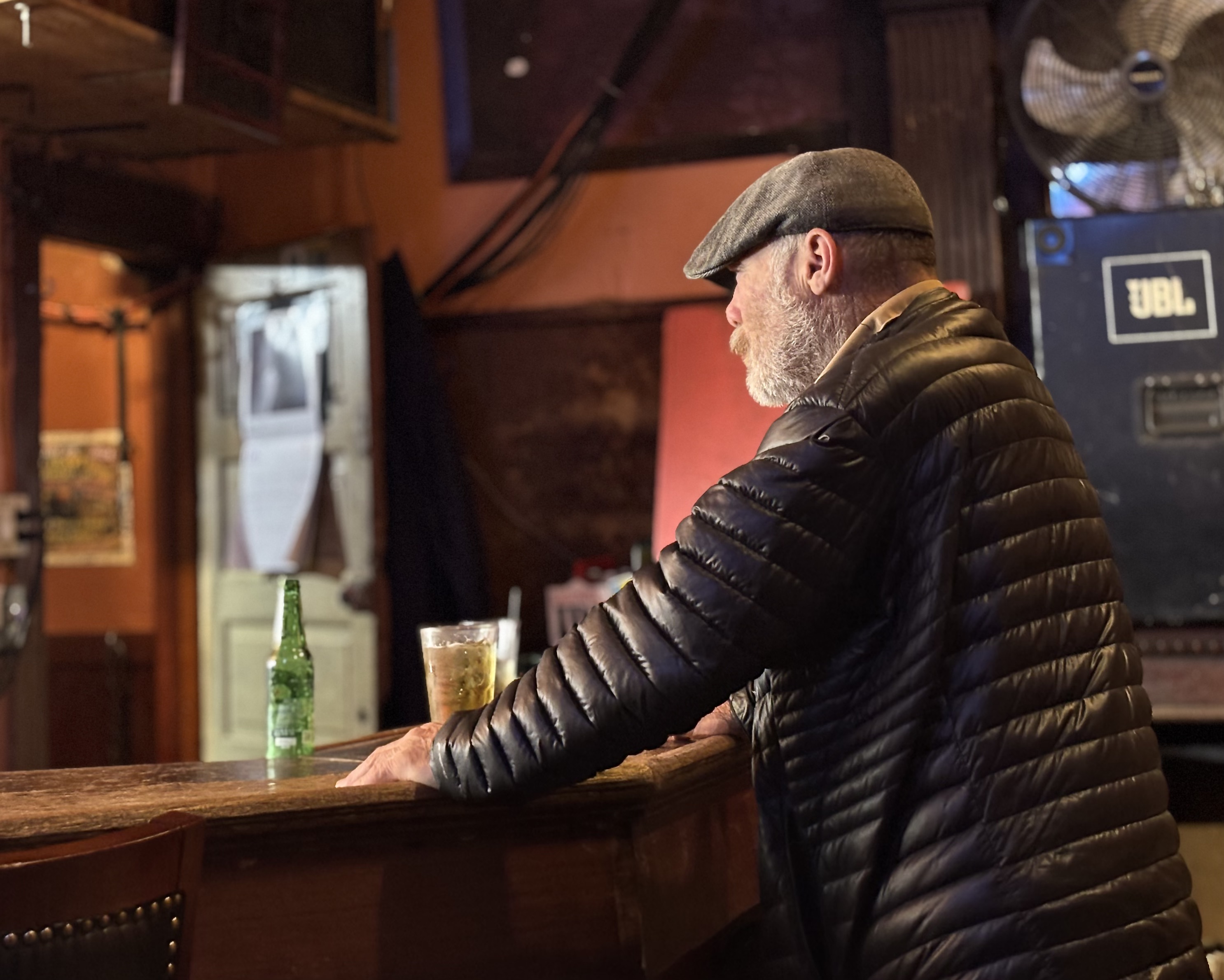
For her part, the bartender never seemed to look at them either. Only short words and an occasional smile, so subtle it might be mistaken for a sniff. Even the younger among the regulars knew the bartender well enough to earn her subtle smile—an expression she did not grant me when I ordered my drink. I got only direct eye contact, a nod, and “Five dollars.” I wasn’t offended. I understood where I was.
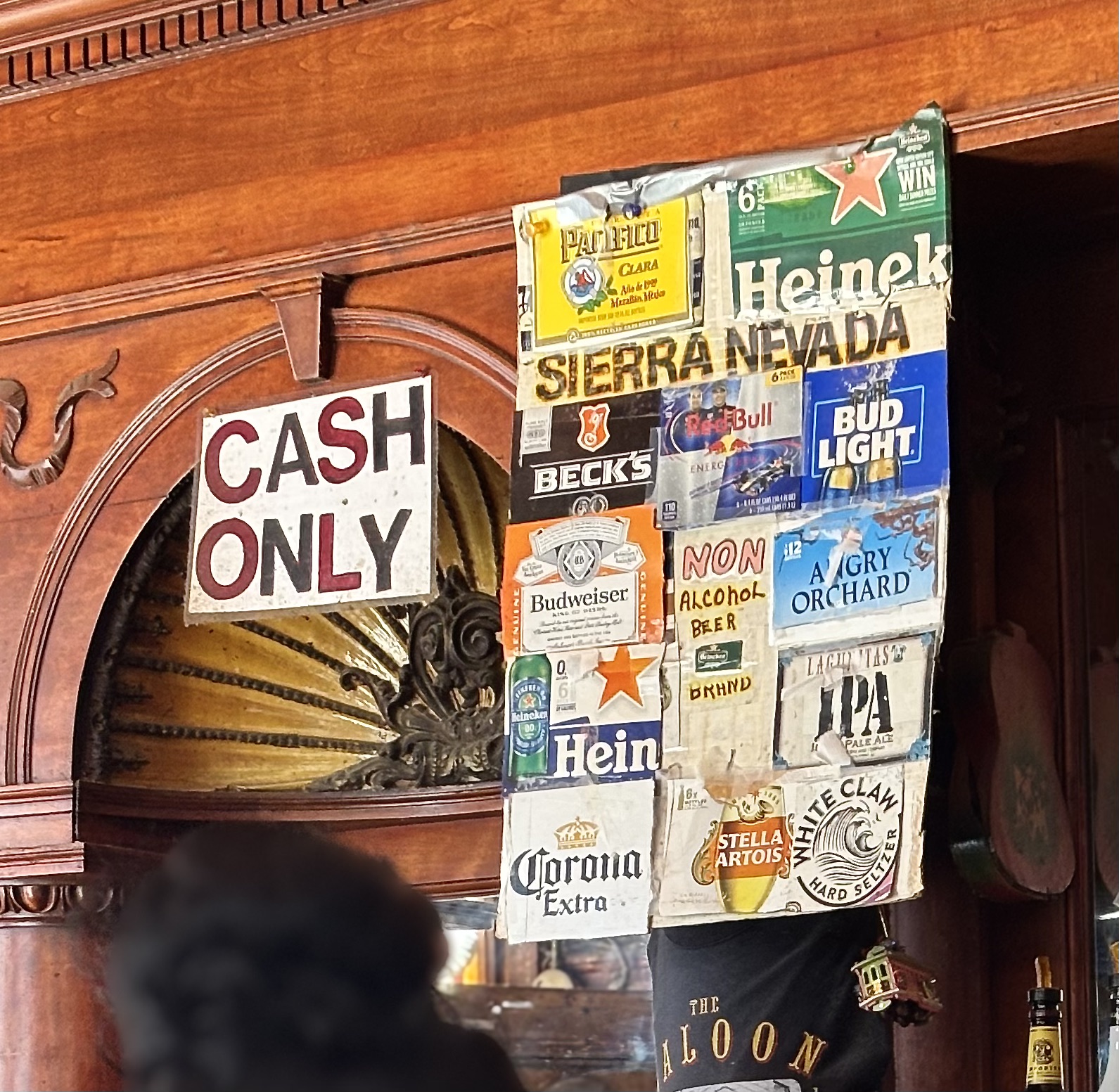
There is no menu at The Saloon, only memory. The beer selection is suggested by a collage of empty beer boxes tacked up on the wall next to one of several Cash Only signs. The spirits on offer are what you see lined up behind the bar, a row of stalwarts. It’s the kind of place where you either have a beer (all bottled, nothing on tap) or a shot of whiskey. A few other spirits are on hand, so I imagine the bartender might mix you up a classic cocktail if you asked for it. But it will be done dive bar style for sure. Not a bad thing at all when you’re in a comfort food mood.

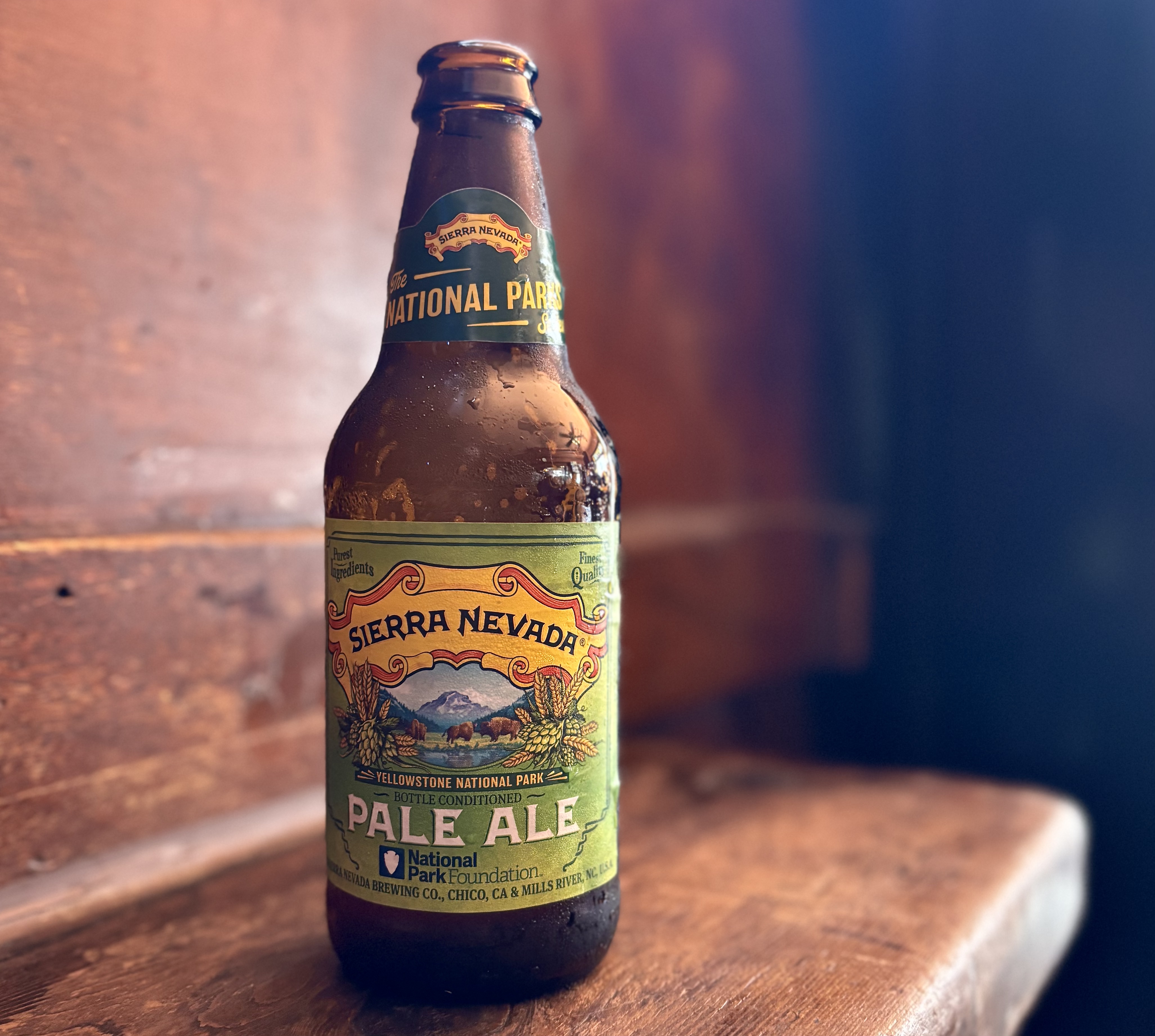
I ordered a Sierra Nevada. A solid and ubiquitous California beer. Sipping it seated along the long wall of cracked leather barstools, I felt timid to hold up my iPhone and capture images of the place. To do so felt like breaking an unwritten code. There is nothing 21st Century about The Saloon. And neither the bartender nor the regulars seemed the type that would take too kindly to technology making off with their souls in its digital web. I took my time and moved with subtle stealth.
One great regret in that regard was my failure to capture the beautiful image of one regular named Nick—tall, burly, beer bellied, decked in denim and leather and a barely kempt white beard that ran up his temples into his tightly fitted trucker’s cap. The bartender greeted him by name and asked how his mom was doing. Not great, Nick reported. He didn’t have to ask for his shot of whiskey, it appeared automatically, arriving on the bar counter about the same time he plunked his aging chihuahua next to it. That’s right. A dog on the bar next to a shot of whiskey. Does it get any more “saloon” than that?
The Saloon offers live music daily, at 4:00 PM and another round at 9:00 PM. A handful of guys looking to be in their sixties and seventies were setting up for their 4:00 PM set while I was there. I guess I hadn’t offended the bartender too much with my irregularity, because when I returned my empty bottle to her and said thanks she gave me that subtle smile. “We have music at four. Come back.”


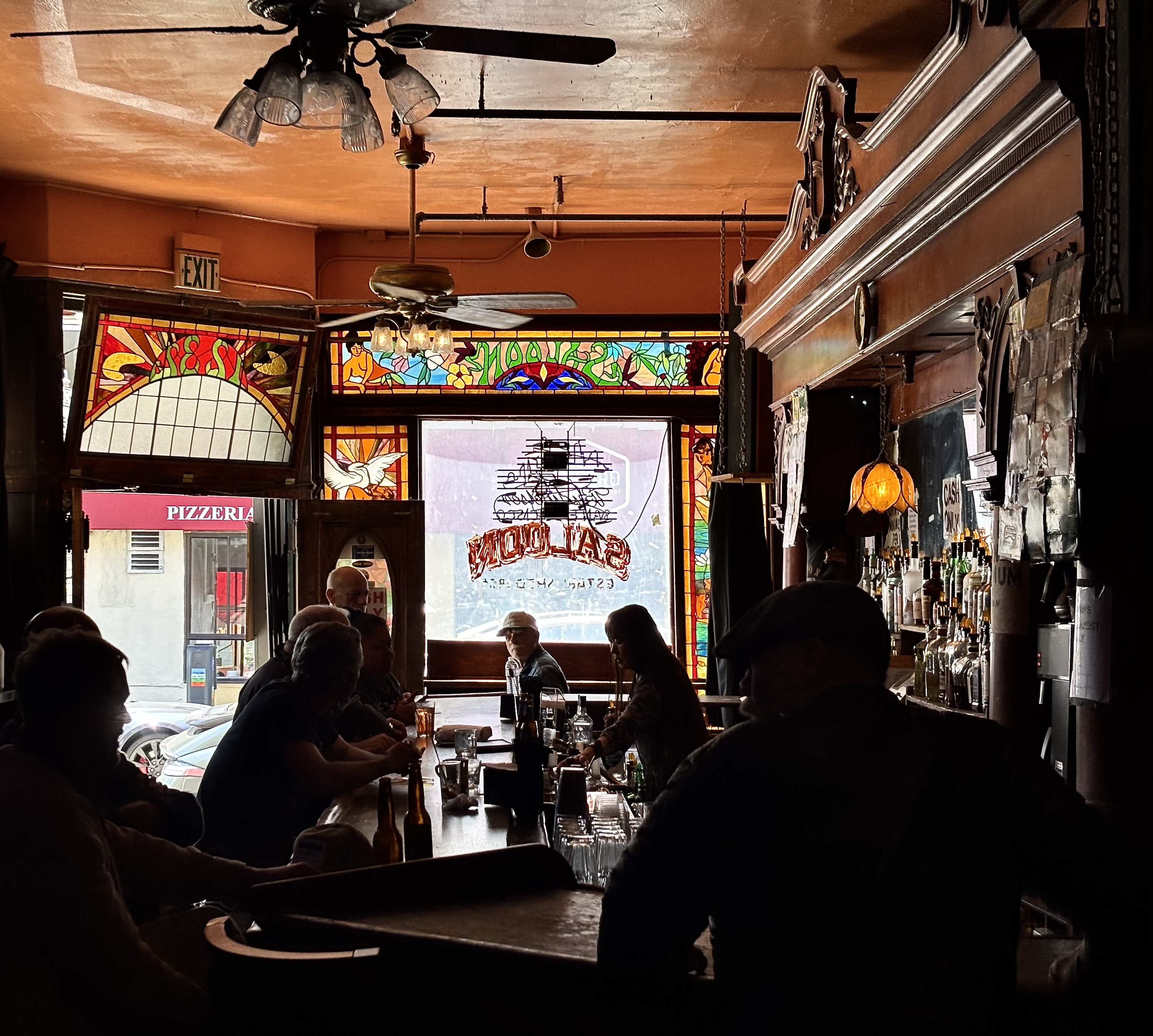
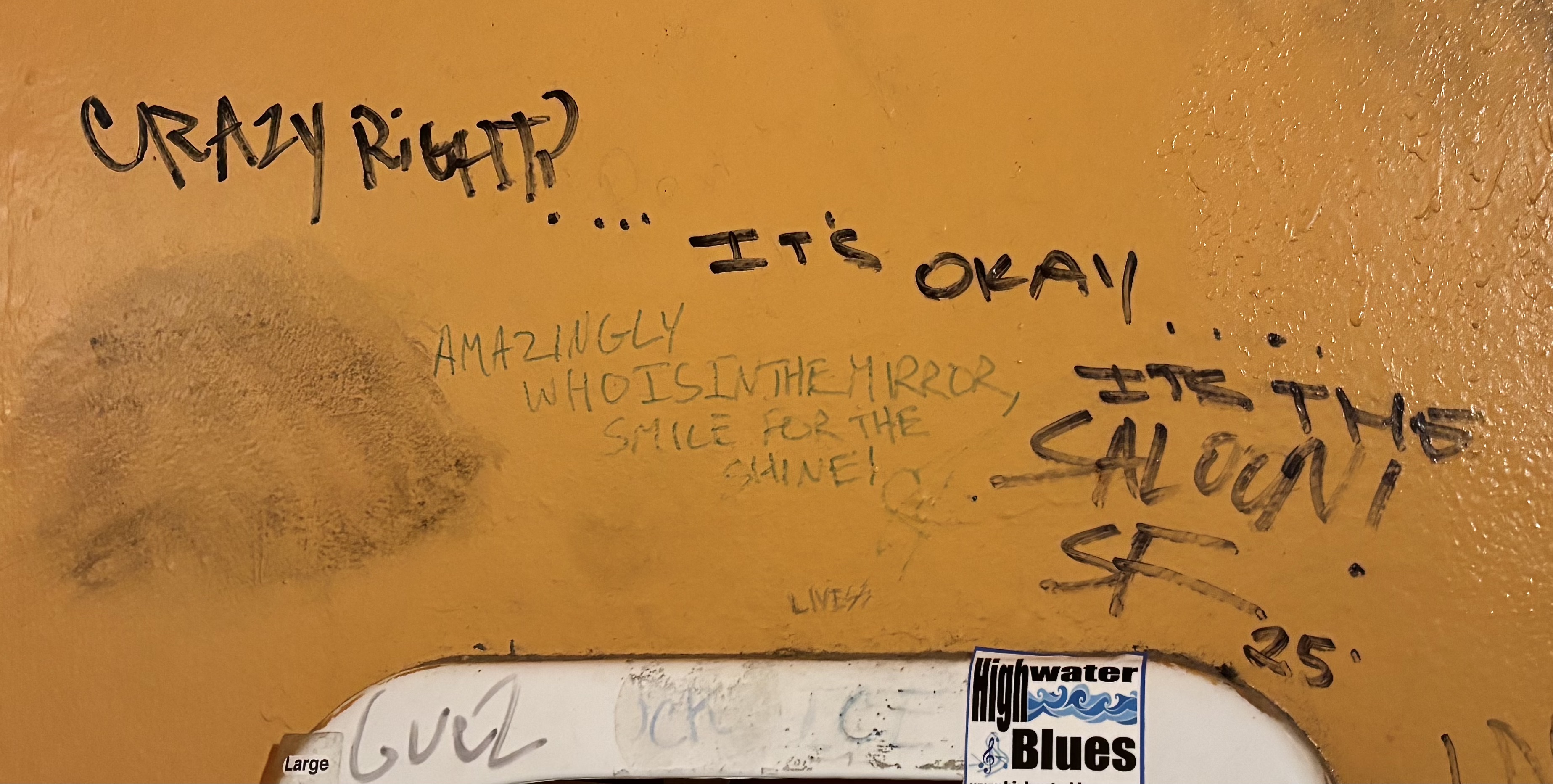

The Saloon is easily among the most authentic bars I’ve been to. As intimidated as I felt on arrival, there is something inherently comfortable about the place. It knows what it is and it’s entirely content with itself. Even the graffiti in the bathroom says so.
Last Call
There are several other old timer bars I could have visited. In addition to the aforementioned Old Ship Saloon (1851) and Elixir (1858) there are:
Buena Vista Cafe (1916) on the border of Russian Hill and Fisherman’s Wharf
Hotel Utah (1908) in the South of Market area
Comstock Saloon (1907) in North Beach
Cafe Du Nord (1906) in the Upper Market area
Bus Stop Saloon (1900) in Cow Hollow
Northstar Cafe (1882) in North Beach
And if despite their kitchens they still count, there’s of course Sam’s Tavern (1861) downtown on Bush Street, still serving up 19th century meals and the expected libations; and The Old Clam House (1861) out on Bayshore Blvd, slinging clams and cheap whiskey since that area of the city wasn’t even considered in the city!
All these old bars have changed hands over their years. Some changed names. Some then eventually changed their names back. Some redecorated and some have tried not to touch a thing, beyond what the city’s health and safety codes demand of them.
Whatever their particular evolution over time, what these pre-Prohibition establishments share is a particular connection of history that cannot be faked. They are survivors. Resilient. And just like any human being who lives to be 100+ these bars deserve a certain respect, merely for the achievement of withstanding history’s many curveballs.
It’s that historical aspect that really draws me. Not history as nostalgia. But history as a chronological series of political events, which shape the socio-political experiences of those who lived through them.
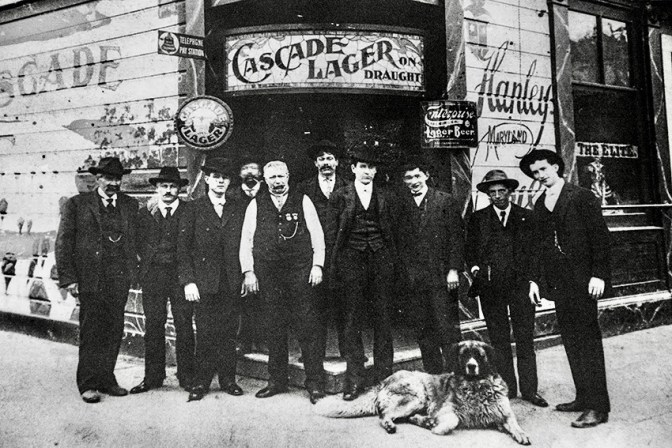
I am a believer that spaces hold spirit. I cannot say with any science what exactly that means. Not necessarily ghosts, in the usual sense. Though possibly ghosts! But rather a certain immaterial sense that one can feel on emotional and intellectual levels, though we can never grasp it between our fingers. An intangible sense of being in the presence of experiences that precede us, and which, though not our own, may yet touch our current lives and selves.
I hang out in old timer bars for the same reasons I often enjoy hanging out with old timers. They see a variation on the world I live in that I can never see. I feel the same about people much younger than I am. Born at a different point in the chronology, young people look at the world I do and see things I can’t until they point them out. Sharing time with people born not in my time is a way of locating myself in the continuum, with the ultimate hope of understanding better how I might move through the present.
Now that all might sound rather heady. Bars are just bars. But when they’ve somehow managed to last, I want to know how and why. I want to soak in their spirit and glean what I can. I don’t hope to live 100+ years myself. I don’t think I have it in me! But for however long I’m here, I do hope to live at my best if I can manage it. I hope to treat people well. I hope to be generous to friends and strangers alike. I hope to entertain and to be entertained. I hope to learn from sharing time with people, in places that welcome us to stay a while.
And there is some comfort knowing that if I frequent these places enough, something of my own spirit might remain in the leather and wood and brick; and that future patrons, without their or my knowing it, might glean something intangible yet sensed from whatever I managed to bring to the table in what time I had.
To give is to receive, and to receive is an opportunity to give. That takes a certain long-view patience and a willingness to “let be,” as Hamlet once observed. The best old timer bars understand this.
Cheers!