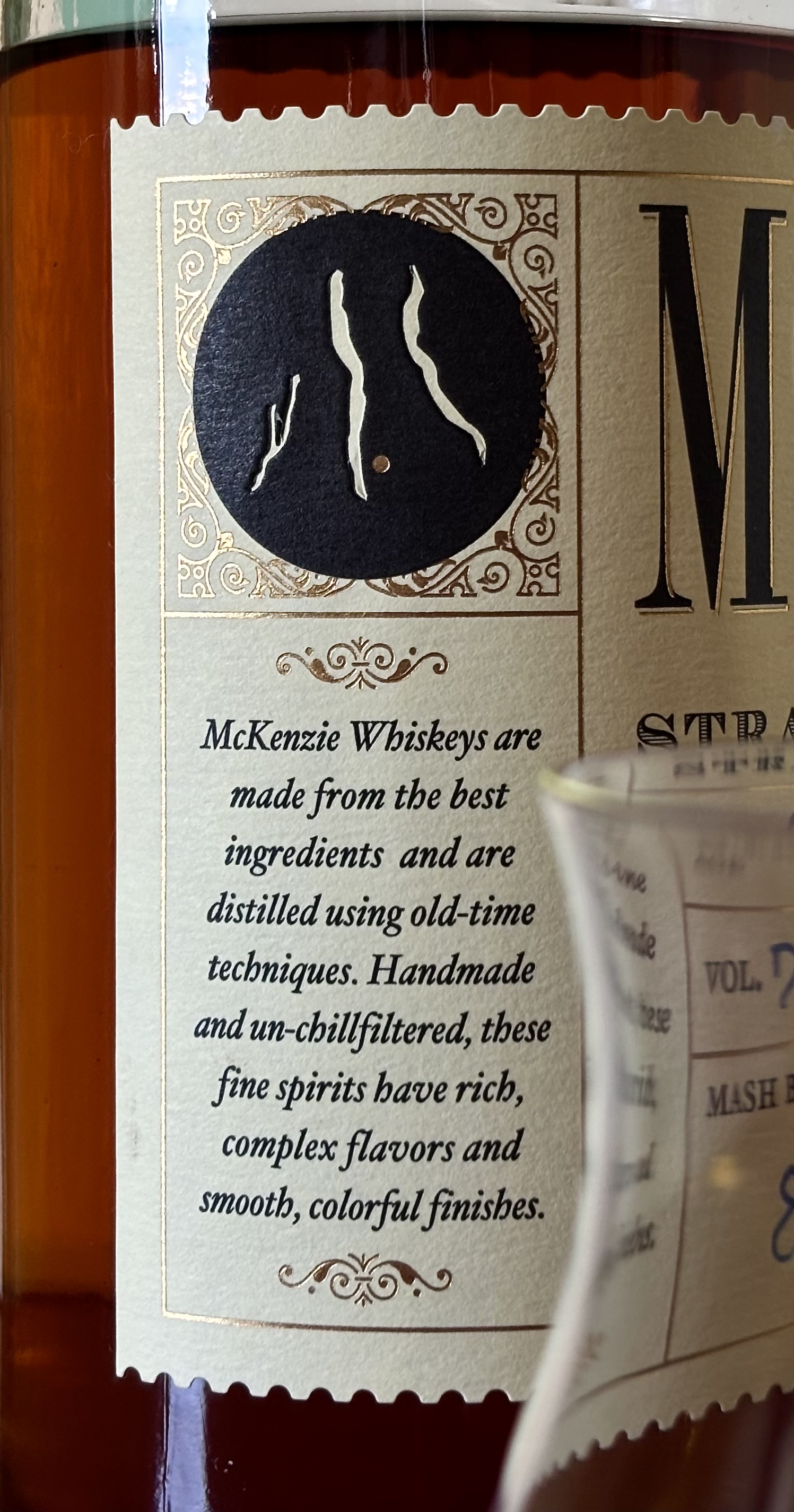
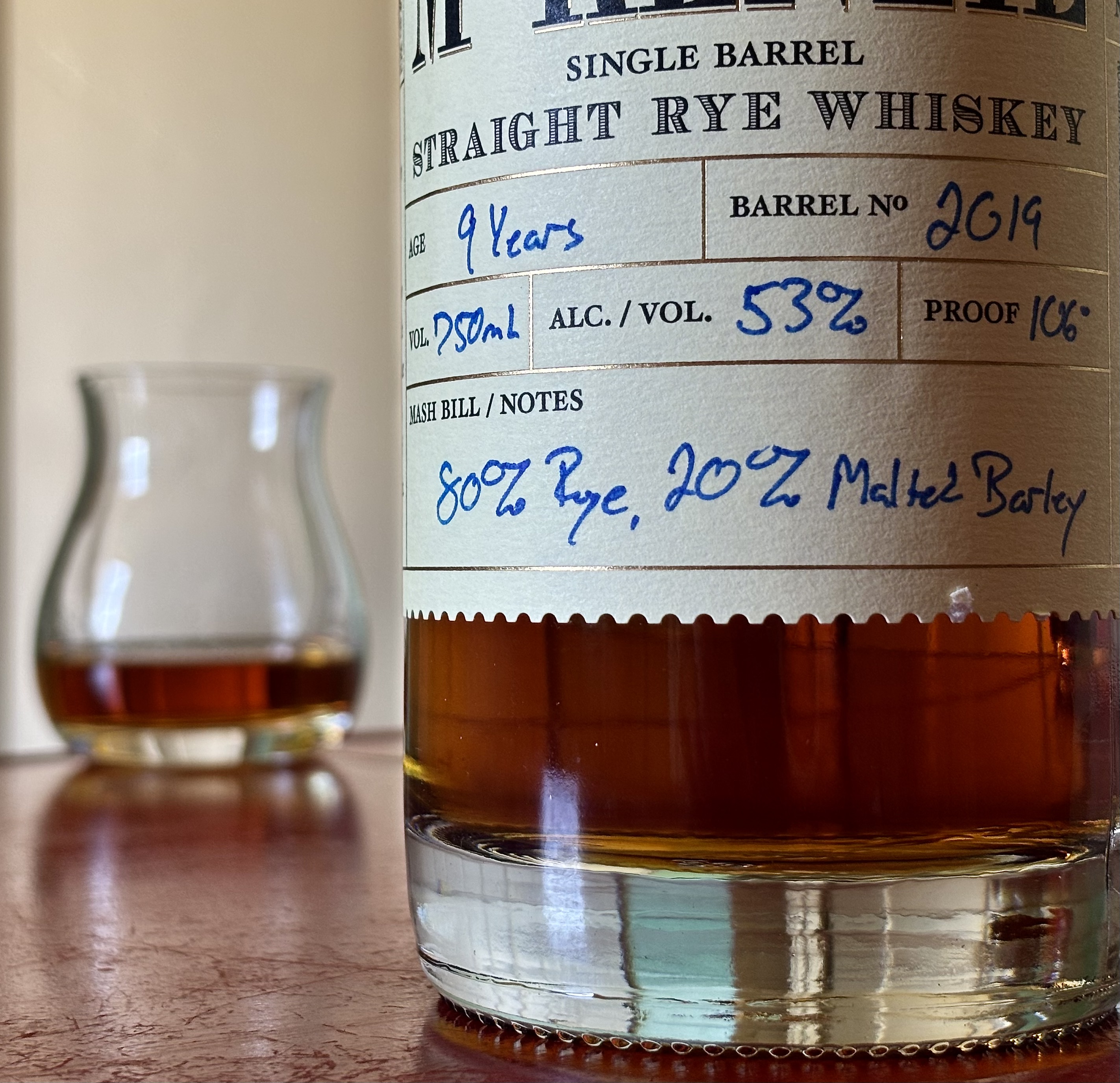
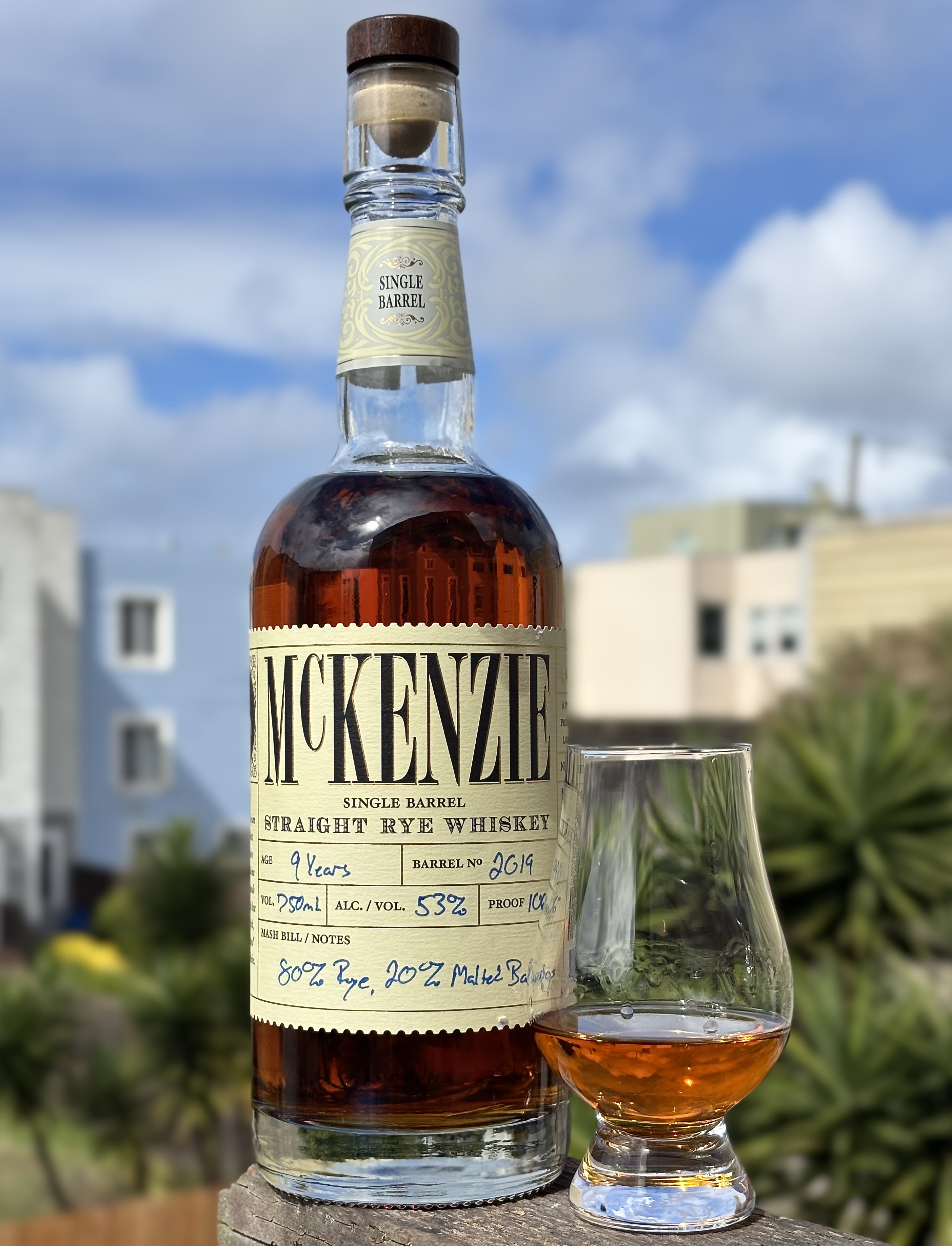
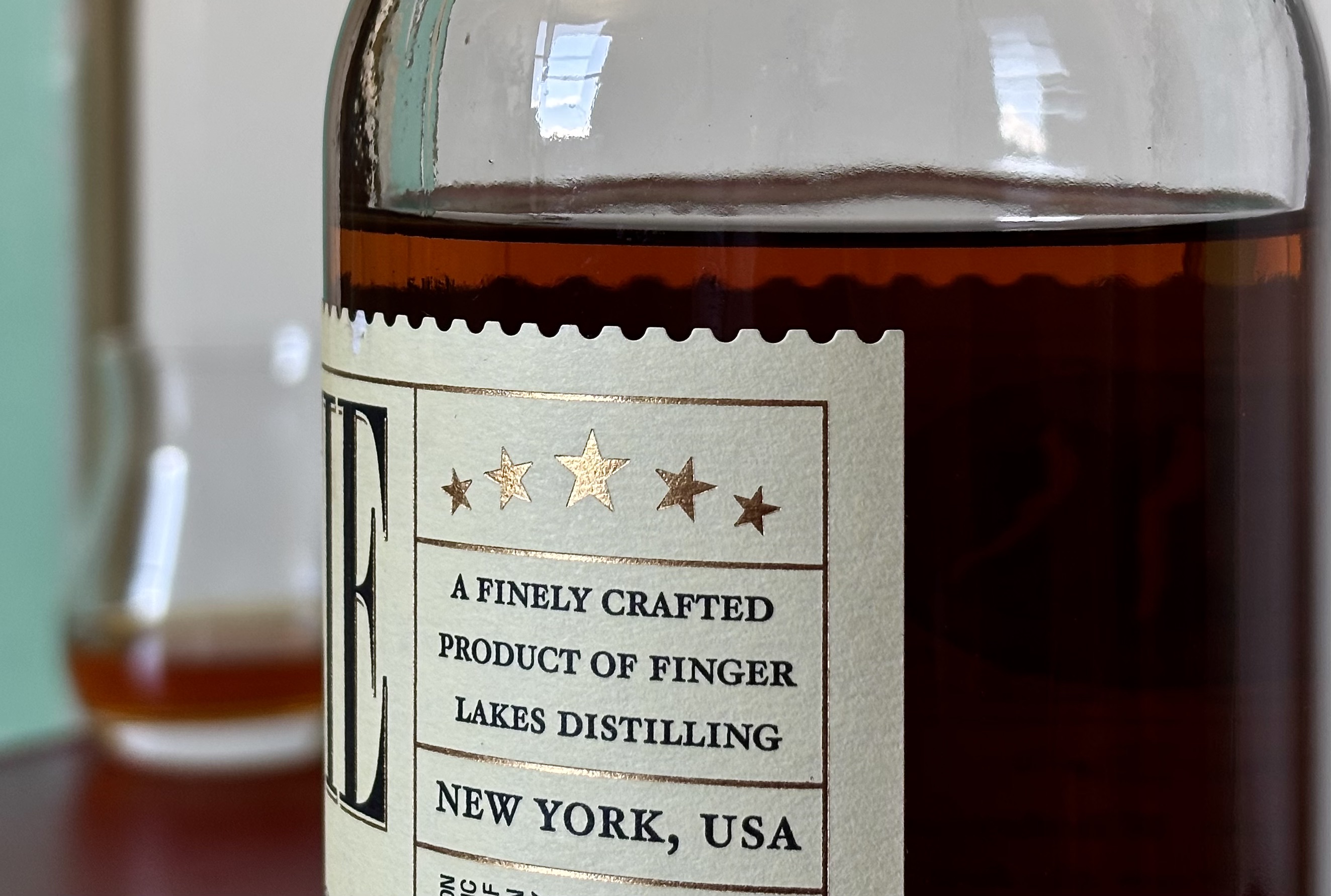
MCKENZIE RYE
Single Barrel #2019 selected by Seelbach’s (2025)MASH BILL – 80% rye, 20% malted barley
PROOF – 106
AGE – 9 years
DISTILLERY – Finger Lakes Distilling
PRICE – $109 (includes shipping)
WORTH BUYING? – No, unless…
The last time I had a cask strength single barrel McKenzie Rye was in 2020. That one also came from Seelbach’s. Aged 4 years 6 months, it was exactly half the age of this 2025 bottle and with similar heat at 101.8 proof.
That whiskey was wild! Tangy and tart, with cedar, vanilla, caramel, lemon zest, tropical fruits, creamy custard, honey, marzipan, pine sap, unbaked bread dough, breakfast pastries. It was all over the place, and I dug it.

And so naturally I was very curious to try this substantially older McKenzie Rye release.
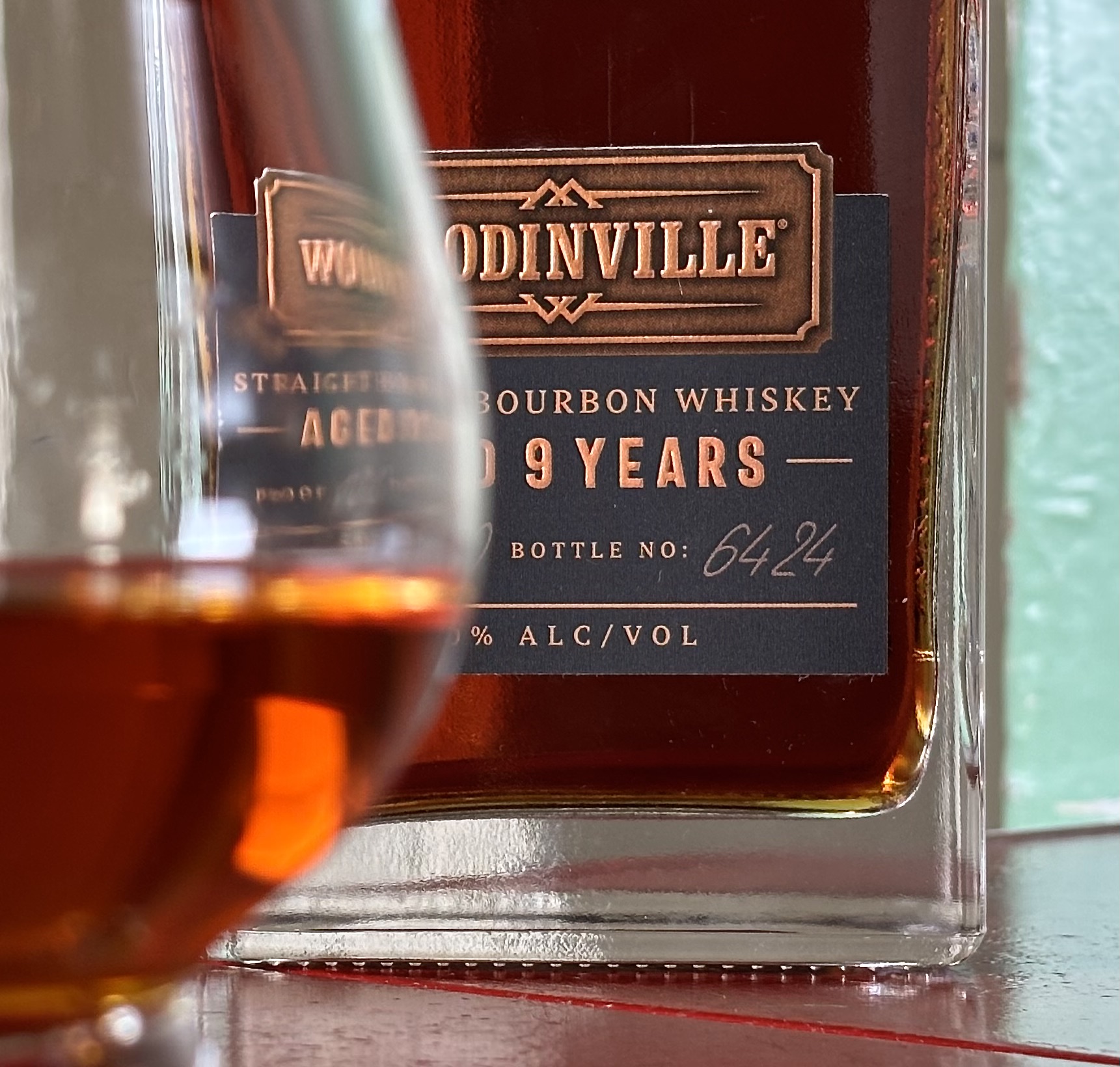
In recent years, so many smaller, relatively newer craft distilleries have been “coming of age,” in that they’re now able to bottle whiskeys hovering around the 10-year mark. Woodinville’s recent 9 Year bourbon and 8 Year rye were welcomed delights in that regard. Westward put out their Trinity of Casks release last year, an excellent small-batch blend of three casks aged from 5 to 12 years. And this past Fall, tiny Dry Diggings Distillery released their 8 Year Bodie 5 Dog Single Malt, a powerful flavor bomb even at its minimal 80 proof.
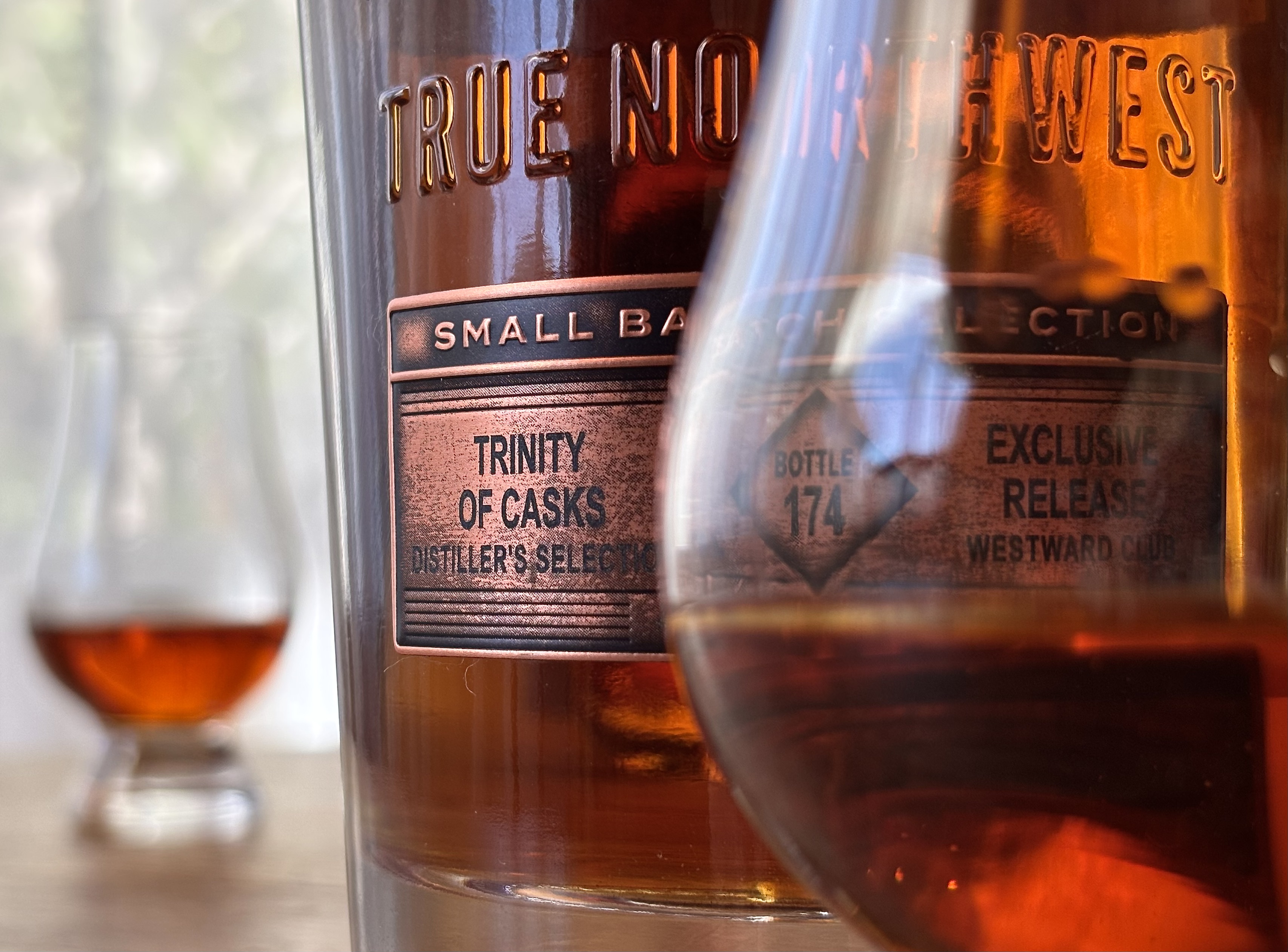
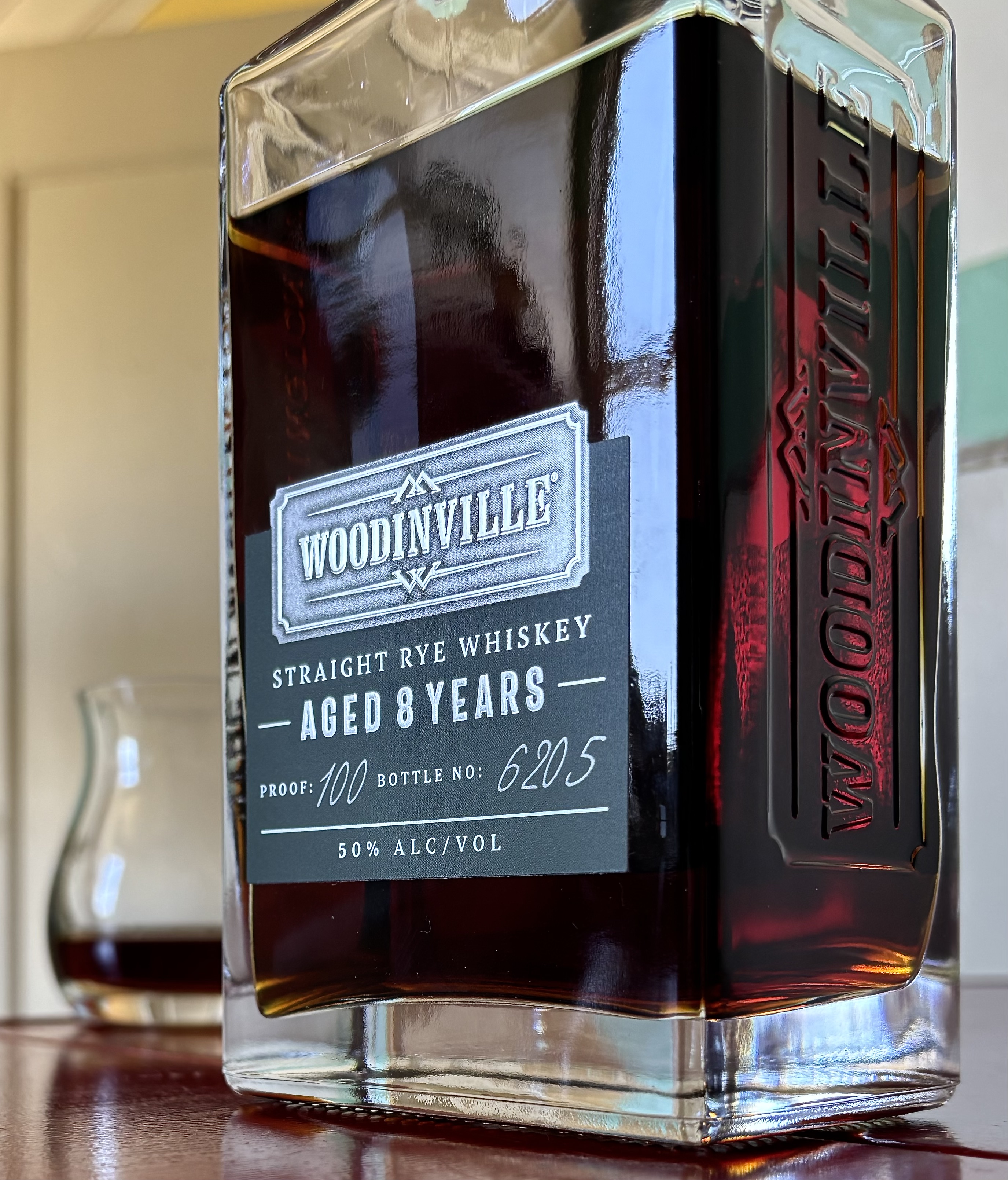

One popular assumption in whiskey has always been that older is necessarily better. But that assumption gets debunked whenever some overly oaked whiskey comes along, offering heaps of dry wood and tannic notes without significant sweetness to provide balance or complexity. On the other hand, more years in the barrel can also mellow out rough or spiky edges, convert a green brashness to a browned maturity, bringing refinement to the blend of aromas and flavors. This is the hope whenever one plunks down the cash for some well-aged bottle.
How will this McKenzie Rye fair in that regard? Being on the cusp of graduating to two digits, it’s arguably not yet “well-aged.” But it is twice as old as it once was, and that’s something. Let’s dive into a glass.
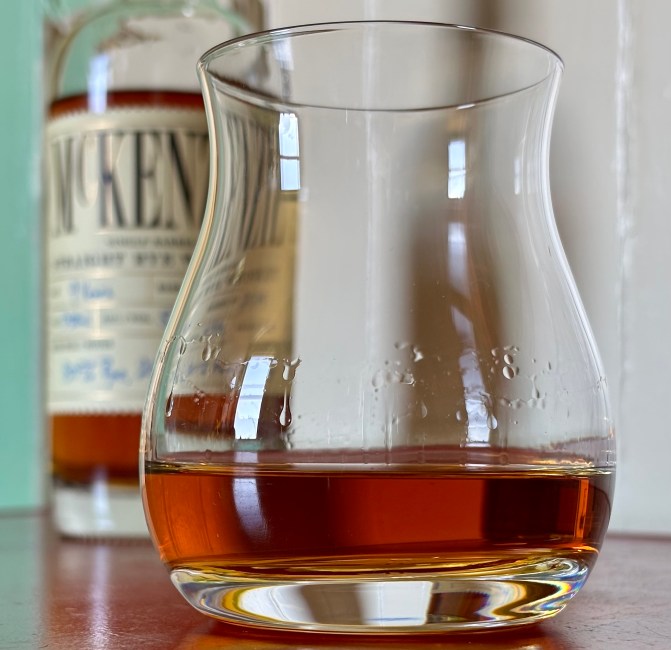
These brief notes were taken nearing five weeks after uncorking and three pours into the bottle, using both Canadian and traditional Glencairns.
COLOR – medium russet and rusty oranges, with brass and tarnished gold highlights
NOSE – a thick tart cedar syrup, vanilla, sweet plum wine, brown sugar, nutmeg, fresh and dried rye grasses, lemon juice, fresh well water in a metal bucket, eventually caramel
TASTE – a thin yet syrupy texture, the cedar syrup and vanilla, the caramel more forward now, a bit of milk chocolate, a squeeze of the lemon juice, eventually a wave of rubbery creosote washes over everything
FINISH – the creosote holds sway, outlined by cedar, black pepper, oak, oak tannin, and toasted brown sugar
OVERALL – a celebration of syrupy cedar and spices, soon overwhelmed by creosote
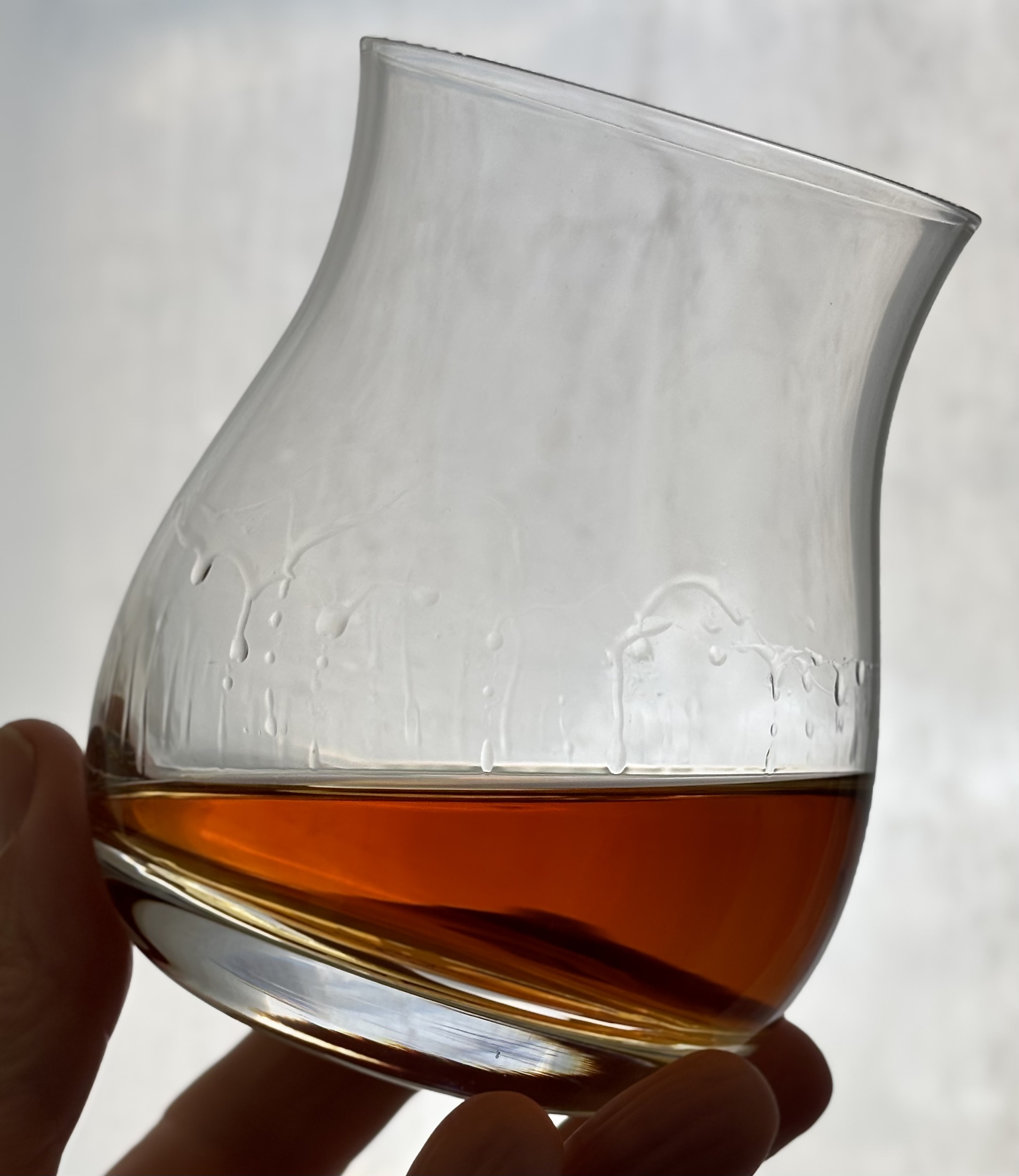
You may have noted, I’m only on the third pour after five weeks since uncorking the bottle. It’s that creosote—a note I have never liked and never will. In very faint doses it can sometimes get lost among fruit and caramel notes, and even contribute to complexity. But whenever it’s prevalent I just can’t get past it. I’d hoped that by waiting several weeks it might dissipate with air, but…
Cedar is itself not my favorite note. It can be sharp or astringent. But I have enjoyed it, as with that 4.5 year McKenzie Rye, where so many other flavors shared the spotlight and created a kind of chaotic complexity. Here the cedar has a distinct syrupy quality that is appealing. But it’s not dancing with quite the variety of other aromas and flavors that the 4.5-year bottle had. Here the cedar is the main event—until the creosote crashes in and takes over.
And that’s literally how it came across for me. On the first and second sips, the creosote rolled in like a tsunami, obliterating everything else, before then settling in. On subsequent sips, that forcefulness eased up. But still the creosote remained very prominent.
Sadness. I can’t imagine myself getting through this bottle. I can well imagine eventually giving it away. Before I do, I’ll try it in cocktails to see if I can mix that icky rubberiness away and make a virtue out of the more appealing aspects. Maybe a rye cocktail with lemon juice and honey or maple syrup.
Some people don’t mind creosote. They would enjoy this whiskey. It’s robust, for sure. The syrupy texture. The way the cedar and vanilla play off one another. The rye and brown sugar bringing rustic spice and sweetness. There is a lot to appreciate here. But rubbery creosote is for me a deal breaker.
I feel a little funny ending this post with my usual “cheers.” But for anyone reading this who does enjoy—or at least doesn’t mind—creosote in their rye whiskeys, cheers to you! You just might like what an older McKenzie Rye has to offer.