Why do we choose to believe the things we do?
This will not be a rant about the whiskey boom, I promise. Rants are a waste of good energy, and best flushed down the commentary streams of the social meds.
I’m curious about what I’ll call the spectrum of our understanding, by which I mean: we either feel, believe, think, or know things.
What do we mean by one verses the other? Why say I feel something as opposed to I believe it? What’s the difference between thinking a thing and knowing it? Between knowing and believing?
We sometimes also “feel like,” which places us adjacent to our feelings, beliefs, thoughts, and knowledge, whether because we are genuinely uncertain about them or as a means of providing ourselves an out. “Feeling like” can be an honest expression of uncertainty about what and how we understand something. Or, like opinions, which cannot be proven or debated, “feeling like” can be a tactic to evade a full commitment to our own experiences.
Some examples:
Since there is life on earth, it makes sense to me there might be life elsewhere too. I don’t know that there is, but I believe there is.
I feel hungry. I don’t think hungry. Hunger is a physical sensation, not an intellectual idea. (I may also know I’m hungry, if my body is giving me the clear physical signs I’ve come to recognize as hunger.)
I think that So-And-So will make a good president, based on what they’ve said and done up until now. I may eventually have experienced enough of them to also believe they will, my thoughts having been fortified by faith in the candidate’s intent. I can’t know that they will be a good president—that remains to be seen and debated if they’re elected. Nor can I feel they will be, because it’s not a matter of emotional or physical sensation. And I certainly don’t feel like they will be, because the question rests on my research and attention, not my intuition or opinion.
On this spectrum of understanding, today I’m most curious about belief. Why do we choose to believe what we do in life—specifically when it comes to things we are for whatever reasons not in a position to know, for whatever reasons can’t or don’t do the research necessary to move into a position to know, and therefore settle for some chosen belief rather than lingering in the experience of uncertainty.
Another area of belief I’m curious about is the myths we create and put stock in. These could be what we call “urban legends,” those stories that evolve and spread in response to fears and rumors. Our myths could be a simplified or alternate retelling of a historical event. Or the popular image that forms around a public figure, regardless of the truth of their life. Anything not entirely true that some significant number of people opt to believe, despite a lack of factual evidence.
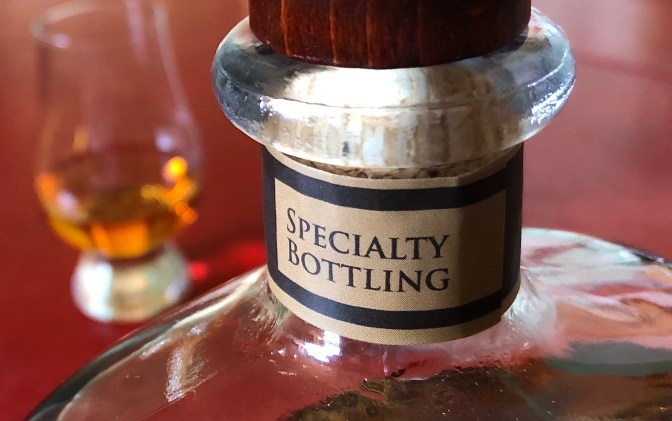
Take rare whiskeys, for example. Do they actually exist? We do call them unicorns, after all, a mythical made-up creature. That would suggest we know on some level that “rare whiskeys” are indeed a myth, not a reality. And yet the clamor for them seems pretty darn real, and can even be measured in the concrete data of dollars spent.
Still, is any whiskey rare? Or do we only believe so?
I got an email from a shop I used to frequent. I haven’t bought anything from them in a long time, because I don’t care for their opportunistic pricing. (They’re hardly alone in that, of course.) But I’m still on their email list. This particular email opened like so. The pointers are my own.
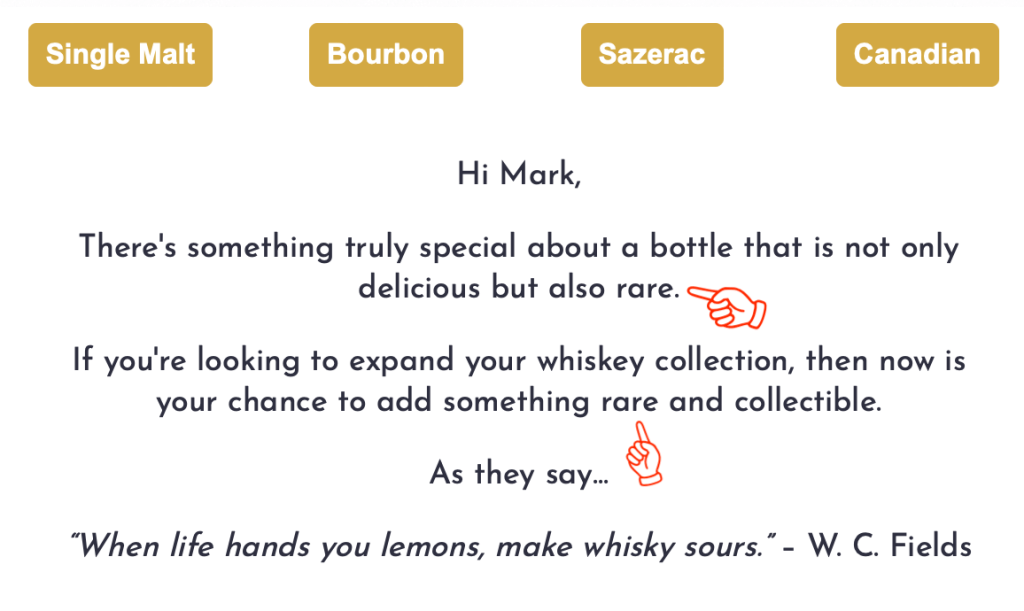
I can know with some certainty—which to be strict about it actually means I believe—the intent here is to hook my curiosity in hopes I’ll buy something. They’re a business after all and this email is their marketing.
But the fact that their marketing hook is the popular myth of rare whiskey is, for me, the opposite of a selling point. They are communicating to me, unintentionally but effectively, that they support the lie of scarcity.
For what did they count among their “rare” offerings?
A teenaged blend of Kentucky, Indiana, and Tennessee whiskeys from a “boutique bourbon brand.” Those seem to get released weekly nowadays.
Jack Daniel’s Barrel Proof Single Barrel.
Willett’s standard release 4-year rye.
Angel’s Envy Rye.
Offerings from Pendleton, Caribou Crossing, and Crown Royal.
And multiple bottles from that prolific sham, Preservation Distillery, longtime peddler of overpriced sourced whiskeys and owned by a woman arrested for money laundering.
Not a single actually rare whiskey on the list.
I get emails from other shops that don’t claim rarity. They might say it’s allocated, which is verifiably true of some whiskeys. They might say it’s a single barrel and so they only have so much in stock, also true. But if it’s popular, they’ll likely get another single barrel of the same brand next season, so, though limited in number per barrel, and seasonal, still it’s not rare. It’s every year—so long as people keep buying it. And chances are other local shops will have their own single barrels of the same popular brand. So, options!
As to why people believe a whiskey is rare…? I’m not certain. I used to believe this or that whiskey was rare either because a marketing email told me so, or people on social media said it was. Then I came to understand FOMO better. Sometimes we want to believe something is rare. Holding a gleaming object of rarity in our hands makes us feel shiny too—as if we can take any credit for its existence, or maybe as if spending money constitutes some special attribute unique to the spender. I don’t know. But the question of what our chosen beliefs might suggest about us is an interesting one to ponder.
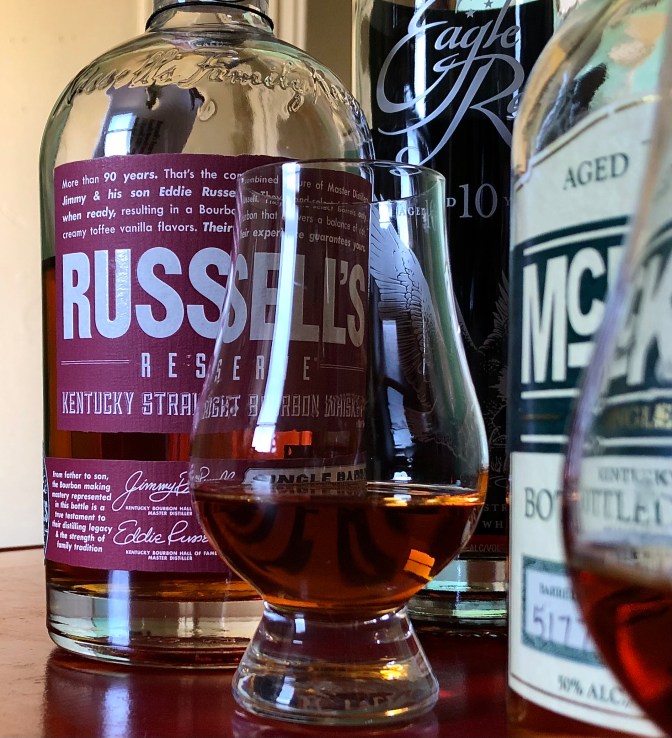
Of course, whenever we’re talking about whiskey, we’re ultimately talking about other things far greater. It’s the same with any art. A movie, a play, a painting, a novel. At their best, these things are the embarkation point for a larger consideration of some aspect of the human experience. At their worst, they’re just killing time, and if you kill time then it’s dead time, jostling loose a grain of sand in the gradual erosion of the soul.
But the art itself? The whiskey? That’s just a thing. People make it. Sell it. Buy it. Consume it. Share it. Hoard it. Collect it. Write about it. Read about it. Admire it. Denounce it. Aspire to what it represents to them. Don’t give it a second thought because they’re not interested. The full gamut. Like any thing in any art form. Whiskey is just a thing. A place to start.
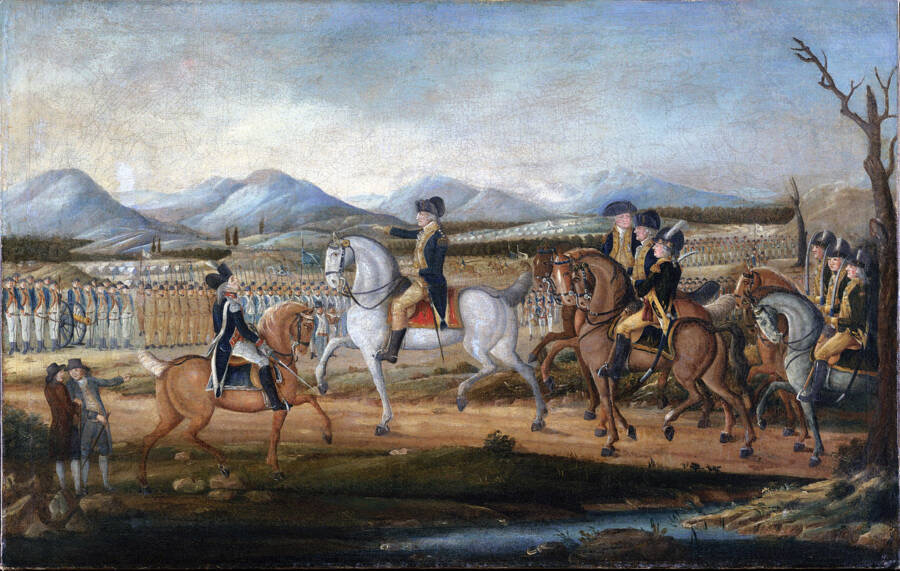
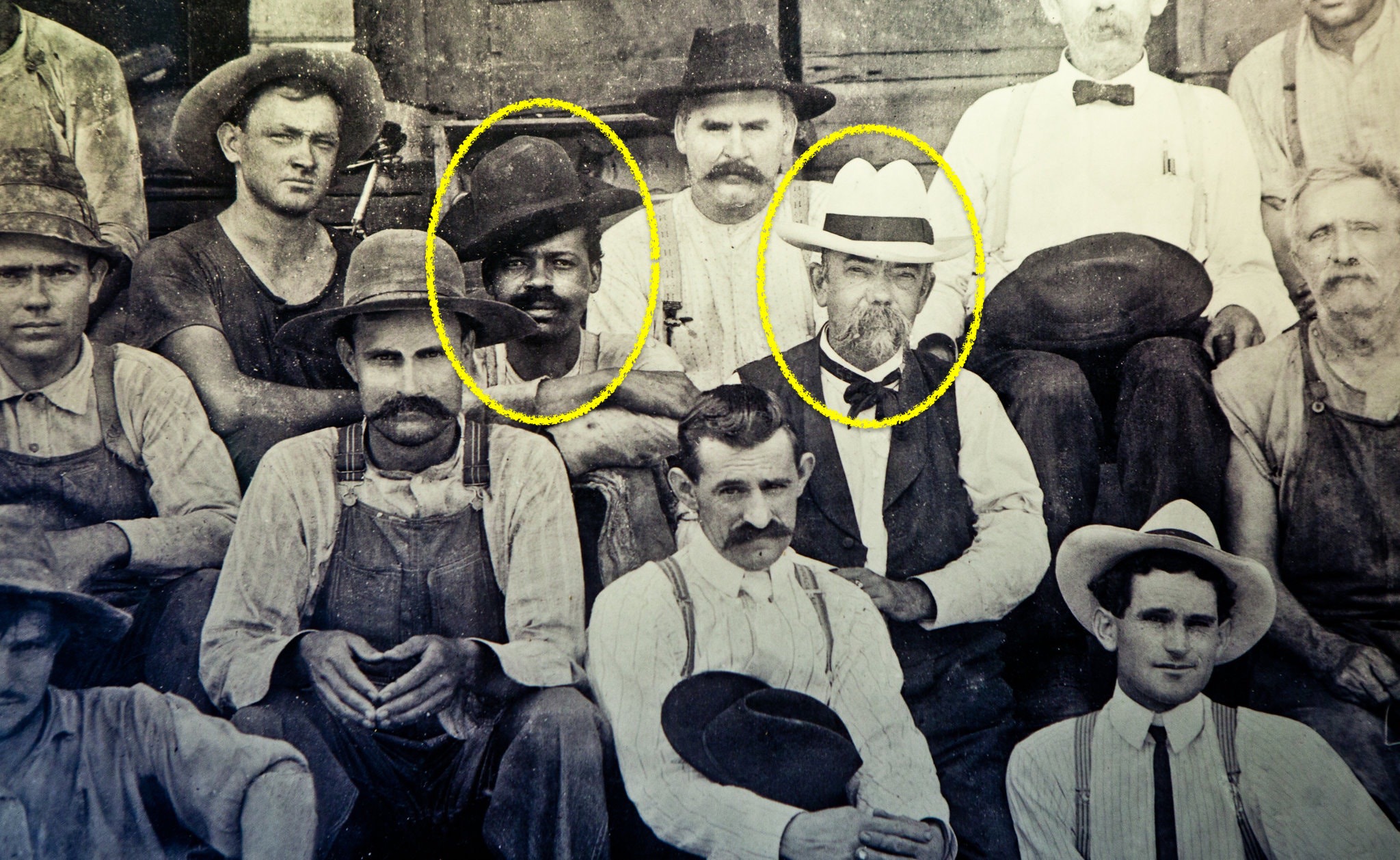
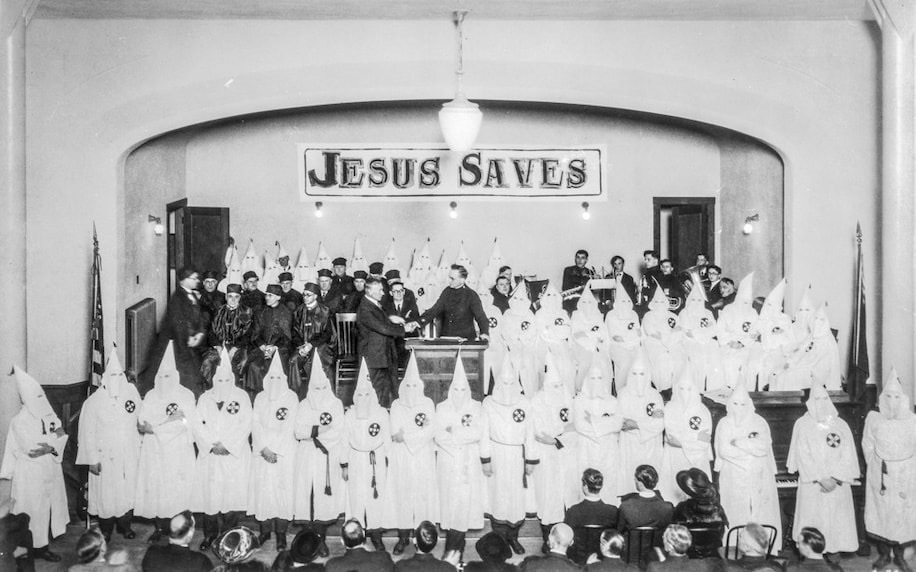

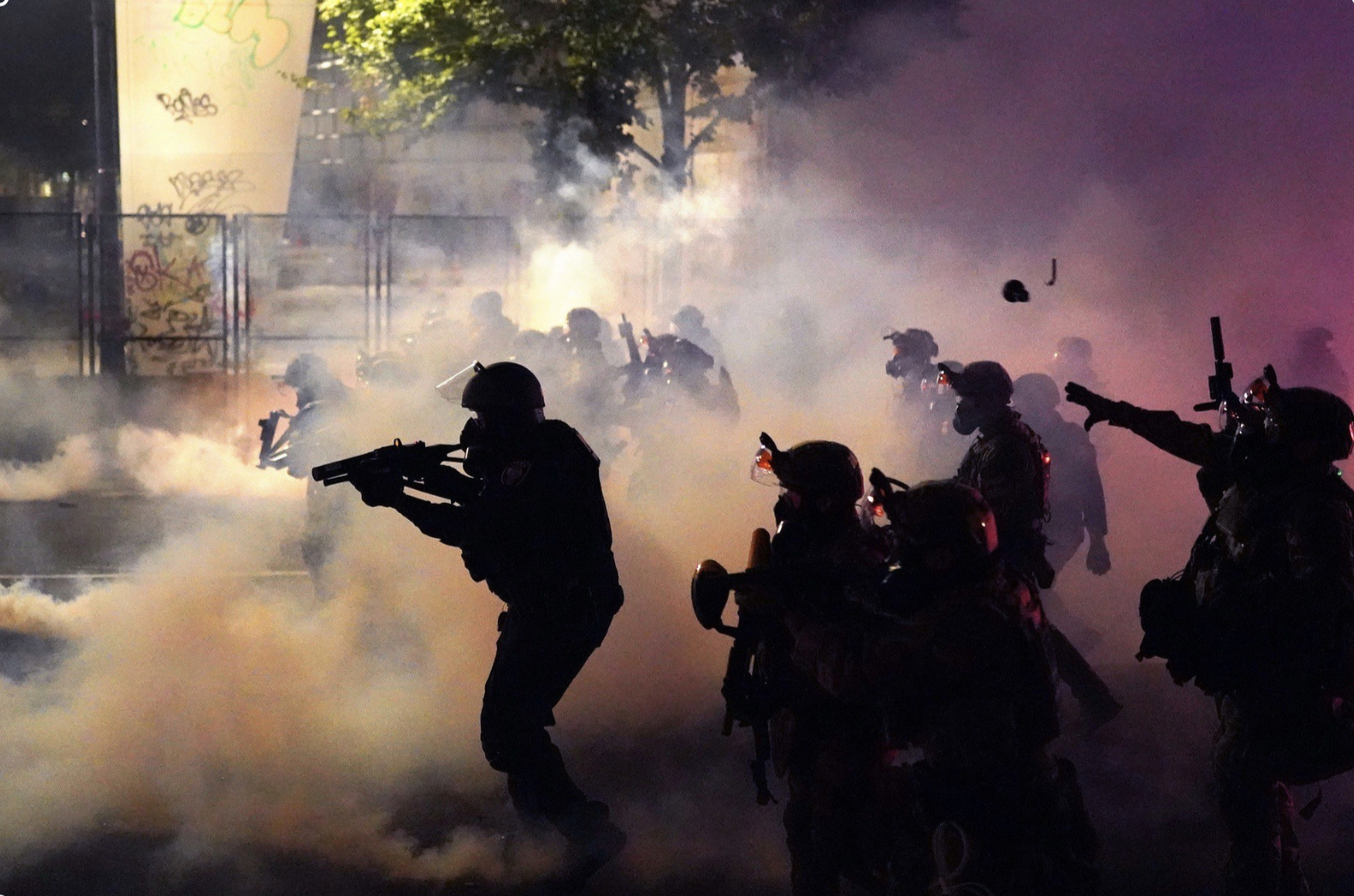
The writer and political commentator, Gore Vidal, famously referred to America as the “United States of Amnesia.” His lifelong critique of how our democracy has been systematically reduced from its already too-few two political parties to an effective one, which Vidal dubbed the Property Party, was not just a critique but a lament. Tragically, the American inclination is to always forget, despite regular advisories to Never Forget. These reminders come and go on dates like September 11 or December 14, with new such dates regularly added to the calendar, demonstrating these annual reminders don’t work. We continue to believe we’re remembering, even as we forget.
So this question of why we believe what we do applies to far more than mere whiskey, whether rare, bottom shelf, or otherwise.
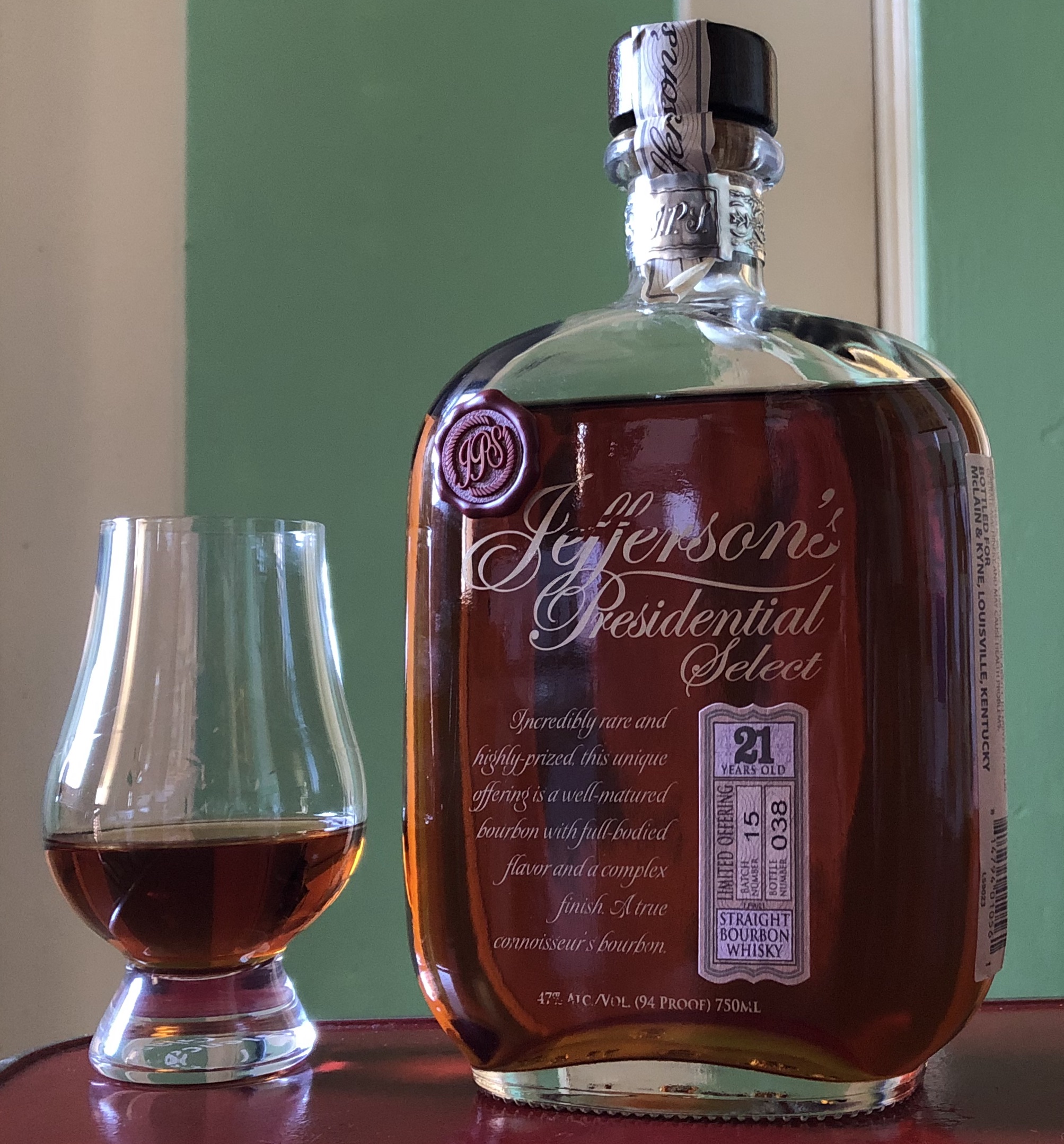
I might pour a friend a glass of Jefferson’s Presidential Select, and our discussion of its age and namesake might in turn prompt a conversation about presidents, age, and what we believe about the two in relation to one another. How old is too old to be an effective president? How old is too old to be a good bourbon? When does age add depth, and at what point does it overwhelm a capacity for nuance? Are my and my friend’s answers to these questions a matter of belief? Thought? Knowledge? Can’t be a feeling. We might feel like, but in that case we’d better do our homework before we vote, yes?
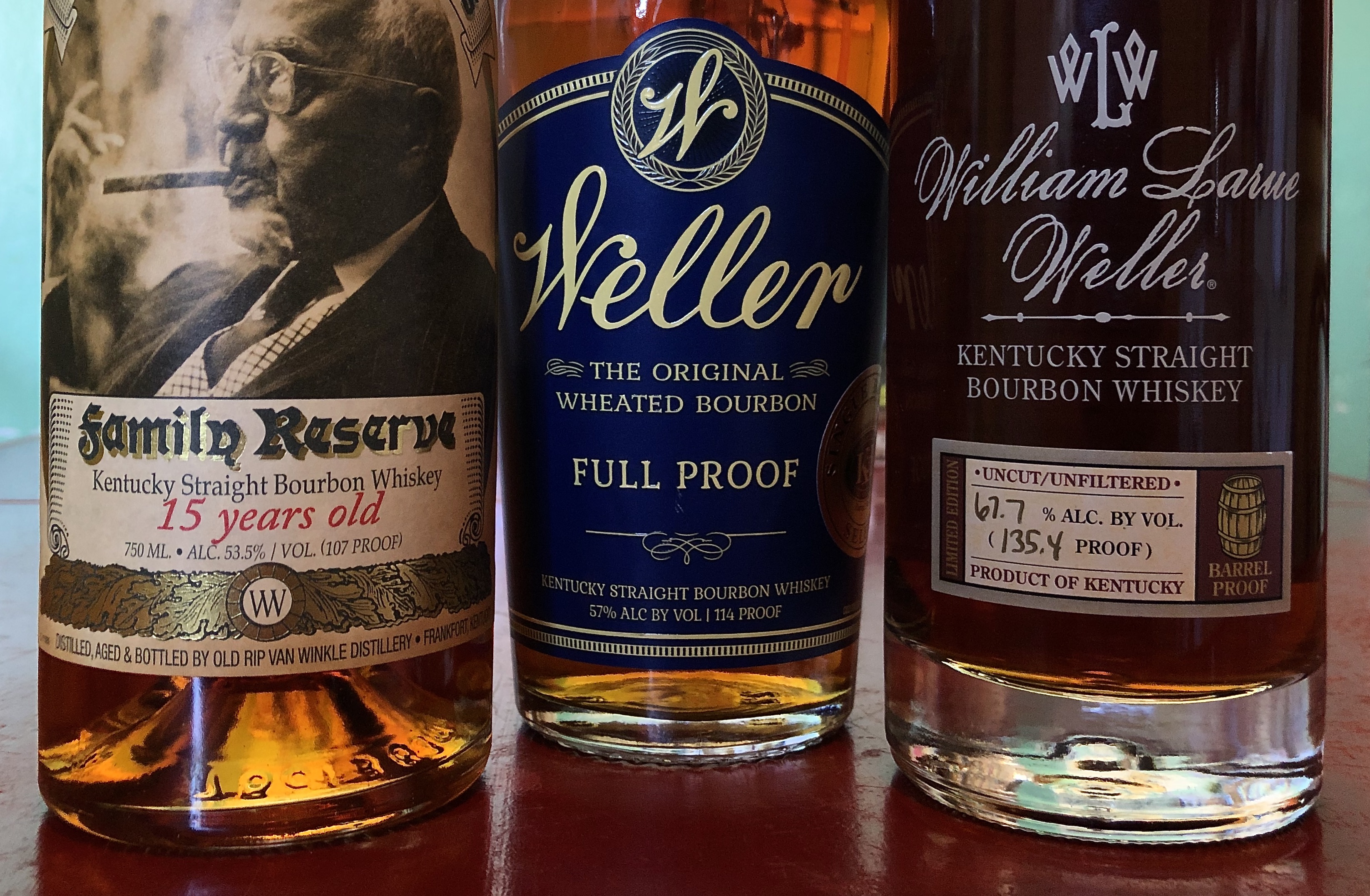
I might pour my friend a glass of Weller Special Reserve, in a single barrel release from one of my local shops. She might say, “Oh I hear that’s rare!” She’ll then get an earful from me about unicorns. Maybe also a reference to Hans Christian Andersen’s folktale, The Emperor’s New Clothes. Maybe we’ll then discuss the virtues of fantasy genre literature and film, what we find plausible within those genres and what becomes unbelievable. Or maybe we’ll talk about marketing strategies, or capitalism, or manufactured celebrities versus genuine celebrities. What do we know about these things? Lacking the certainty of knowledge, what do we choose to believe about them? And why do we make those choices to believe what we do?

The whiskey consumer takeaway from all this? Don’t sweat the “rare” stuff. There is currently a surplus of it awaiting fresh label designs from the marketing department. So if you miss this week’s rarity you’ll have a shot at next week’s.
The larger life takeaway? For me it’s to be clear for myself about what I feel, believe, think, and know, and to not bother much with the more slippery feeling like. When I attend to this, I find I am more confident in my understanding of my own experiences, and that others in turn also understand better what I hope to communicate with them. So it’s a win win.
Cheers to that!



 The Right Spirit