JOHNNY DRUM PRIVATE STOCK
2016 releaseMASH BILL – Unknown
PROOF – 101
AGE – NAS
DISTILLERY – Johnny Drum Distilling Company (i.e. Willett sourcing from…?)
PRICE – $52 (purchased in December 2021)
WORTH BUYING? – Yes. But I don’t need another.
Uncorked and tasted in The Year of No Buying (The what? 🔗 here.)
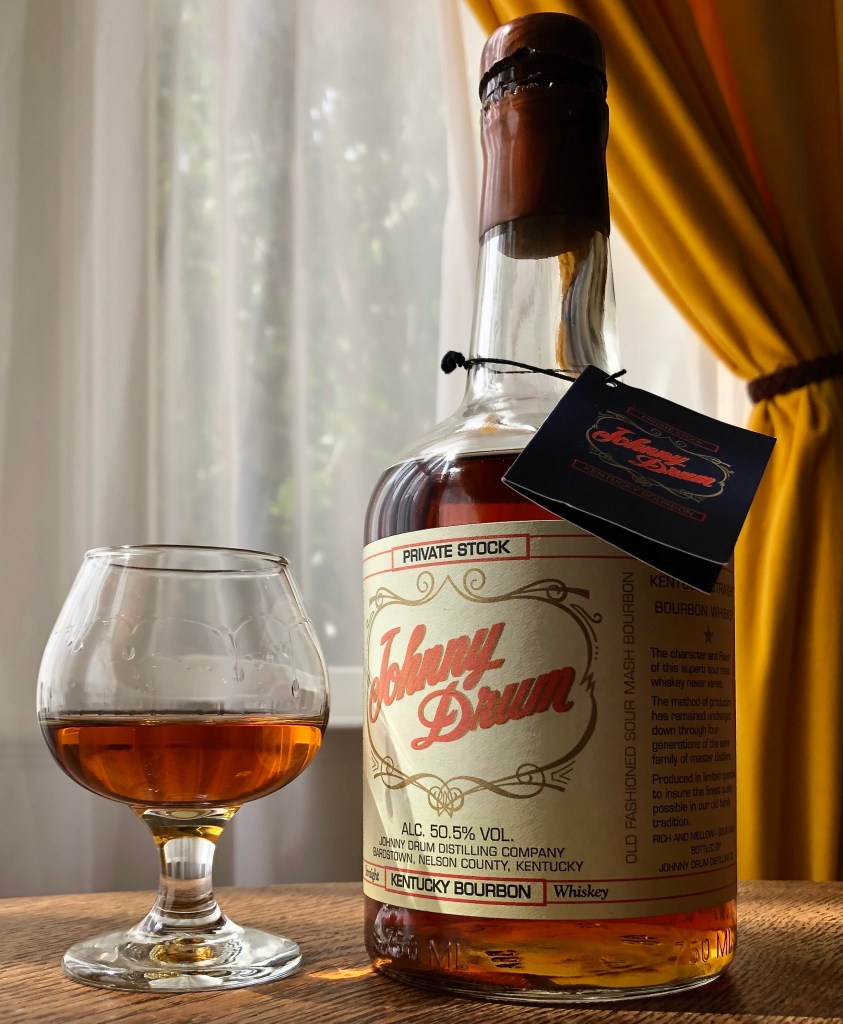
This post is the third in a series focused on Willett products produced back when they weren’t yet putting their own name on certain of their brands, because they weren’t yet distilling what was going into those brands. The first post focused on a 2017 batch of Noah’s Mill, and the second on a 2016 Pure Kentucky XO.
Today, these same brands are 100% Willett made and proudly state “Distilled, Aged & Bottled by Willett Distillery.” Getting to that point was a long process that started in 1984, when Willett Distillery as we currently know it commenced operations. But the full Willett Distillery story dates back well before then.
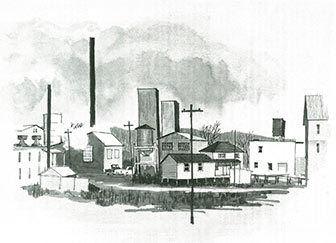
Willett Distillery first fired up its stills in 1936, when the Willett family finally established their own namesake distillery on their family farm, having been variously involved in the whiskey business since the mid-1800s. Old Bardstown Kentucky Straight Bourbon Whiskey was introduced in the 1940s. Johnny Drum Bourbon came two decades later, as an exclusive label made for a California wholesaler. Their distilling activities finally ceased in the 1970s, like many other smaller operations that couldn’t weather the era’s disinterest in bourbon.
In the 1980s, the Kulsveen family (Even Kulsveen and Martha Willett Kulsveen) took up ownership of the dormant Willett facilities under a new DBA, Kentucky Bourbon Distillers, and by the 1990s were putting out the key sourced brands we still know today—Kentucky Vintage, Rowan’s Creek, Noah’s Mill, and Pure Kentucky XO, which together comprise the “Boutique Collection”; as well as a revamp of Johnny Drum, and eventually three variations of Old Bardstown (Estate Bottled, Bottled in Bond, and 90 Proof)—each attributed to a different DBA distillery named directly after the individual brands. It wasn’t until 2012 that whiskey was again distilled under the Willett name itself, and that Willett Distillery was officially re-christened.

This kind of coming and going, starting and stopping, rising and falling and rising again, is a common story in bourbon. Longstanding American whiskey families have a persistence to them. The current Boom is a testament to their individual and collective commitment to bourbon as a uniquely valued spirit, not just in America but the world. Something more than money drives these people. Bourbon is their business, for sure. But you don’t roll up your sleeves and make yet another go at something that is so time, energy, and capital consuming as distilling if your only motivation is money. There are far easier ways to make a living. Something else in the spirit of bourbon moves these diehard distillers—family, tradition, legacy, and perhaps that inexplicable quality whiskey has that draws stories from those who enjoy it. Beer, wine, certainly vodka, do not do this. But whiskey does.
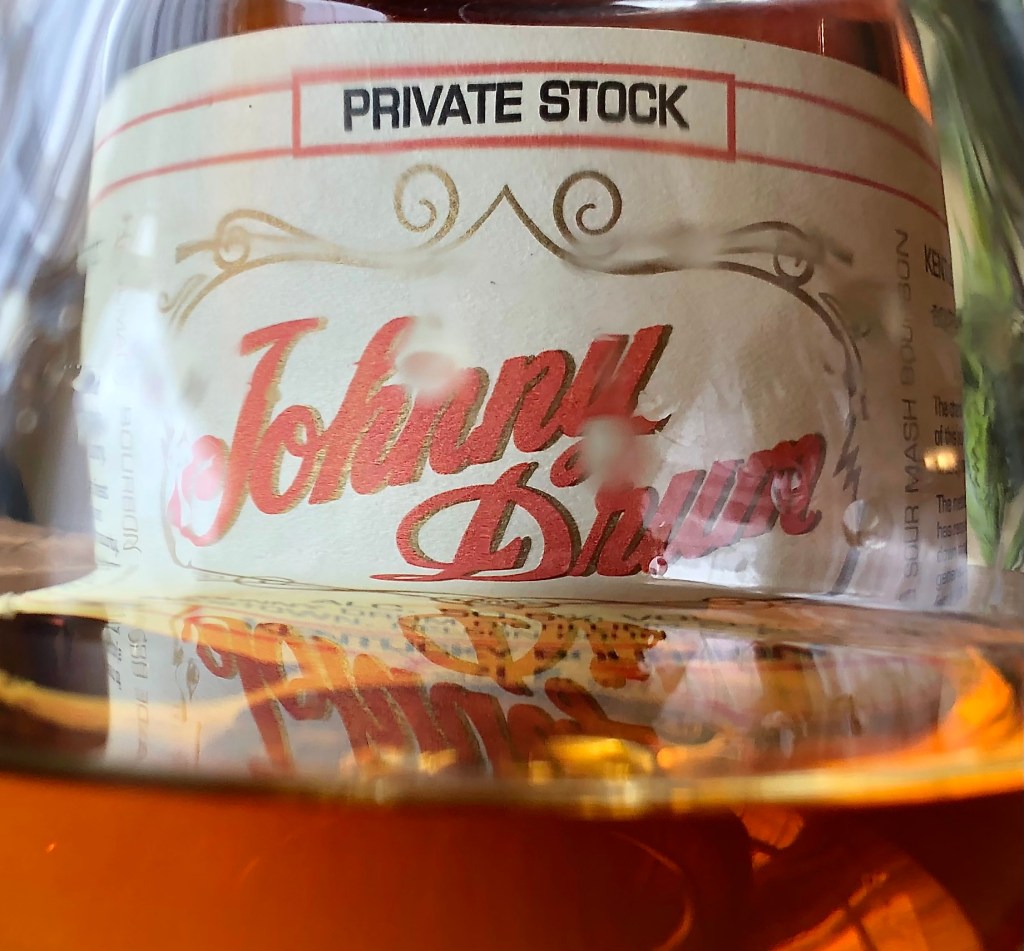
And these stories may or may not be true. 😉 For example, the name Johnny Drum comes from a bit of history—likely just a story—whereby in 1861 a boy named Johnny, too young to fight in the Civil War, served as a drummer for the Confederate Army. After the war he returned home to Kentucky, where he became a corn farmer. As many farmers did then, he distilled his excess grain into whiskey for additional profit. A century later, when Thompson Willett of Willet Distillery first developed Johnny Drum Bourbon, he either recalled this story having been passed down to him or he invented it. Another quarter century later, Kentucky Bourbon Distillers, newly established on the old Willett farm, revived the label and its homespun marketing. History or myth, the story of Johnny Drum continues.
Johnny Drum the bourbon brand is (or was) produced in three variations—Black Label, Green Label, and Private Stock—though only the latter is distributed nationally. The Black and Green label editions aren’t currently listed on the Willett website, though if you dig into their unlisted pages you’ll find info on the Black Label here. The Black Label appears to only be available in very limited distribution, if at all anymore. A google search turned up bottles for $20 on up to $200, in both 750ml and 700ml variations. I also found a 700ml Green Label bottle on sale for $170, which suggests it is now either no longer made or made only for export.
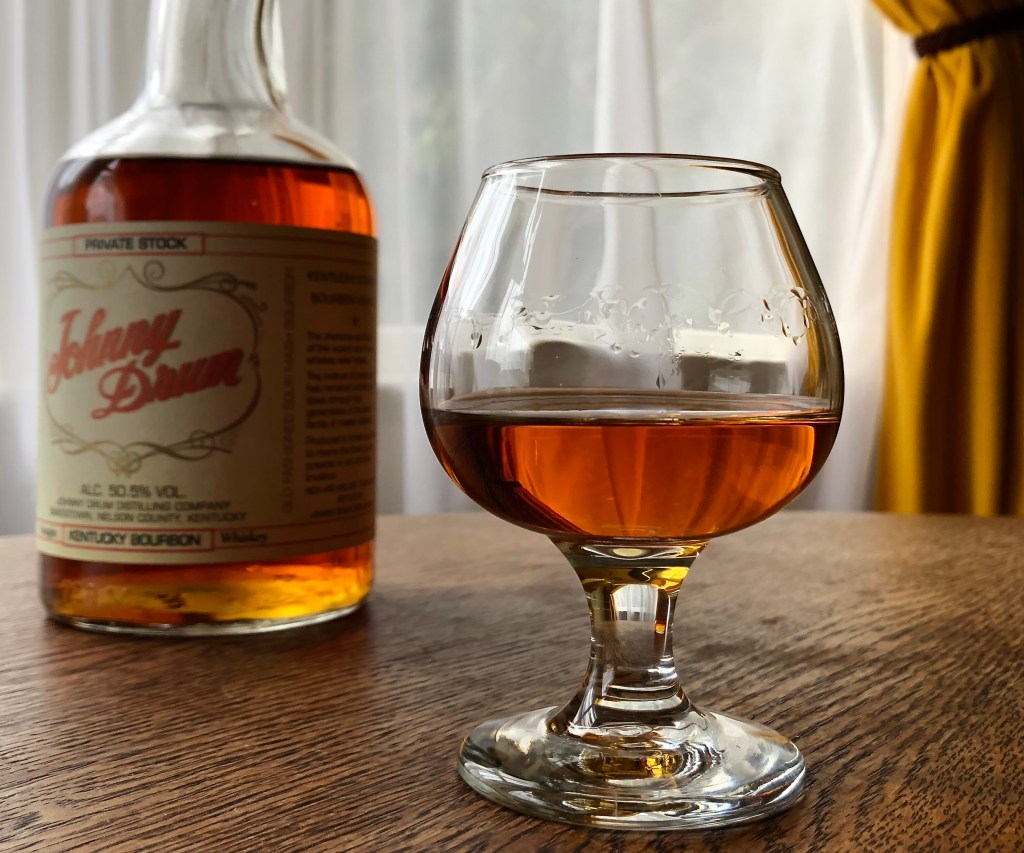
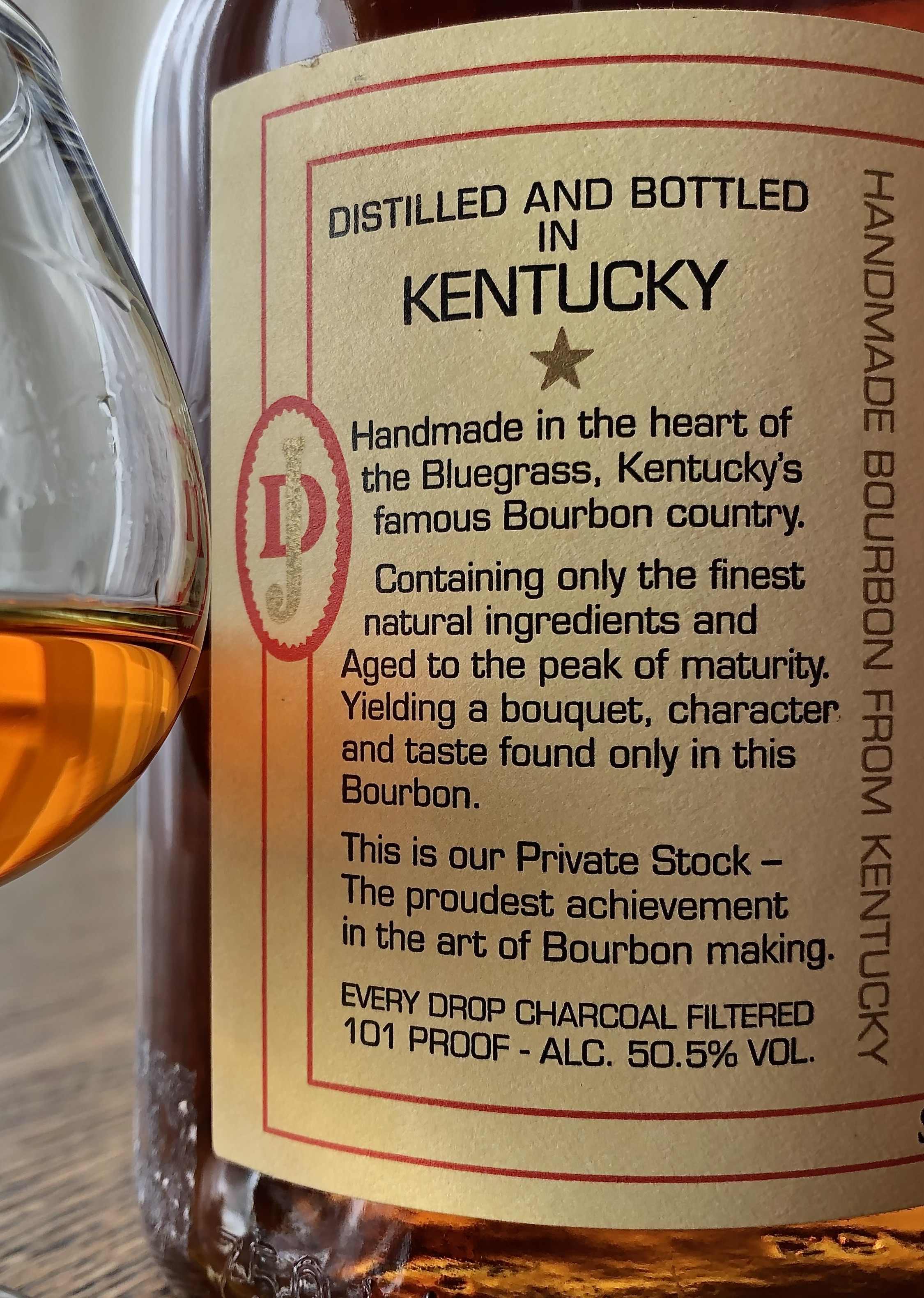
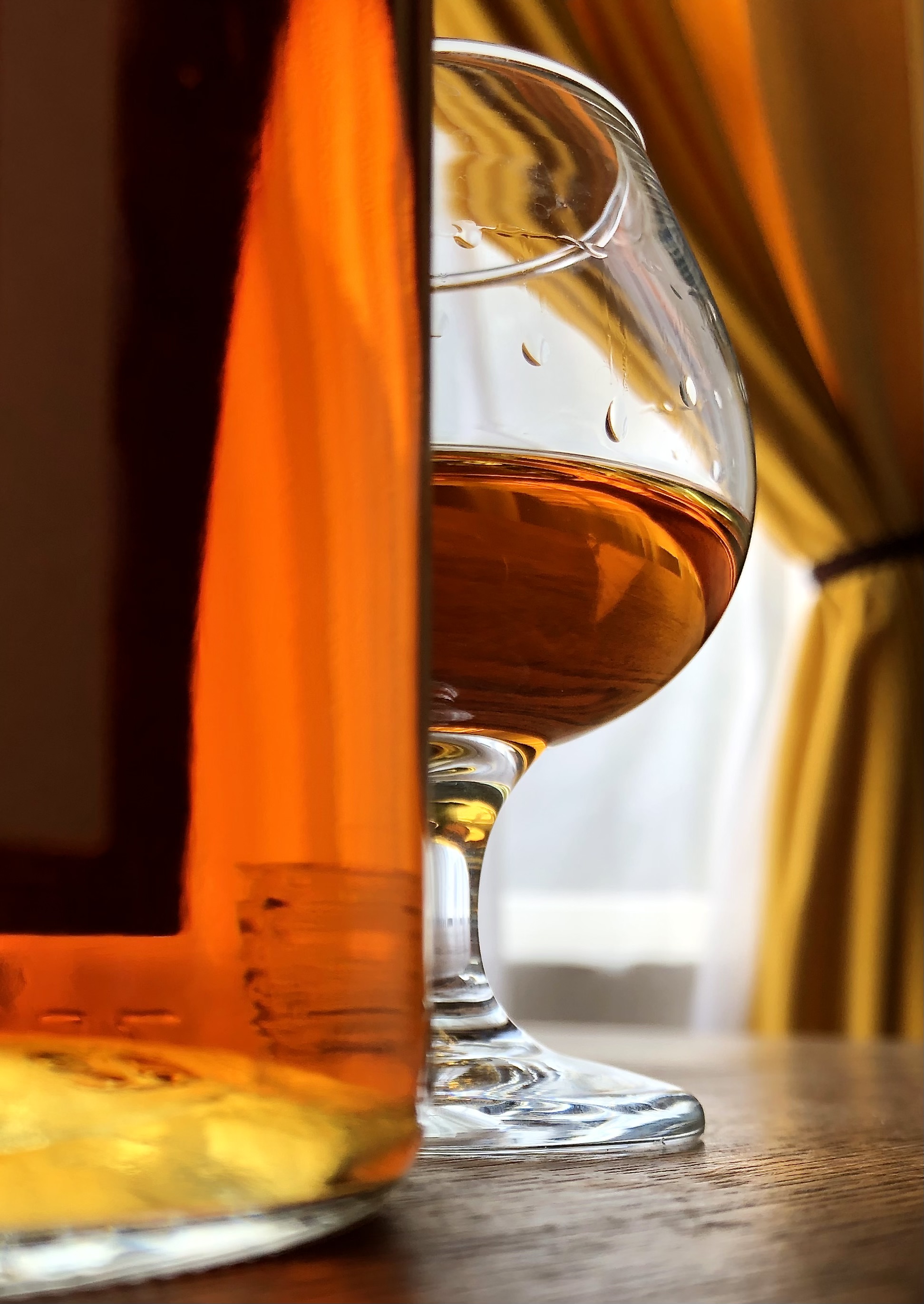
But what we have on the table today is a 2016 bottle of Johnny Drum Private Stock. Here we are, six days after uncorking and three pours into the bottle. These brief notes were taken using both a simple brandy glass and traditional Glencairn.
COLOR – pale, dusty, vibrant amber oranges
NOSE – chocolate, caramel, and oak right up front, then dried maple syrup, rye and baking spices (especially dark cinnamons), a faint whiff of meaty orange zest, and bay leaf
TASTE – chocolate and oak, oak tannin, caramel fudge, dry toasted cinnamon
FINISH – heavy on the oak and oak tannin, with dark chocolate and dense bread crusts
OVERALL – rough yet pleasing oak notes, buttressed by dark chocolate and accented with the various spices
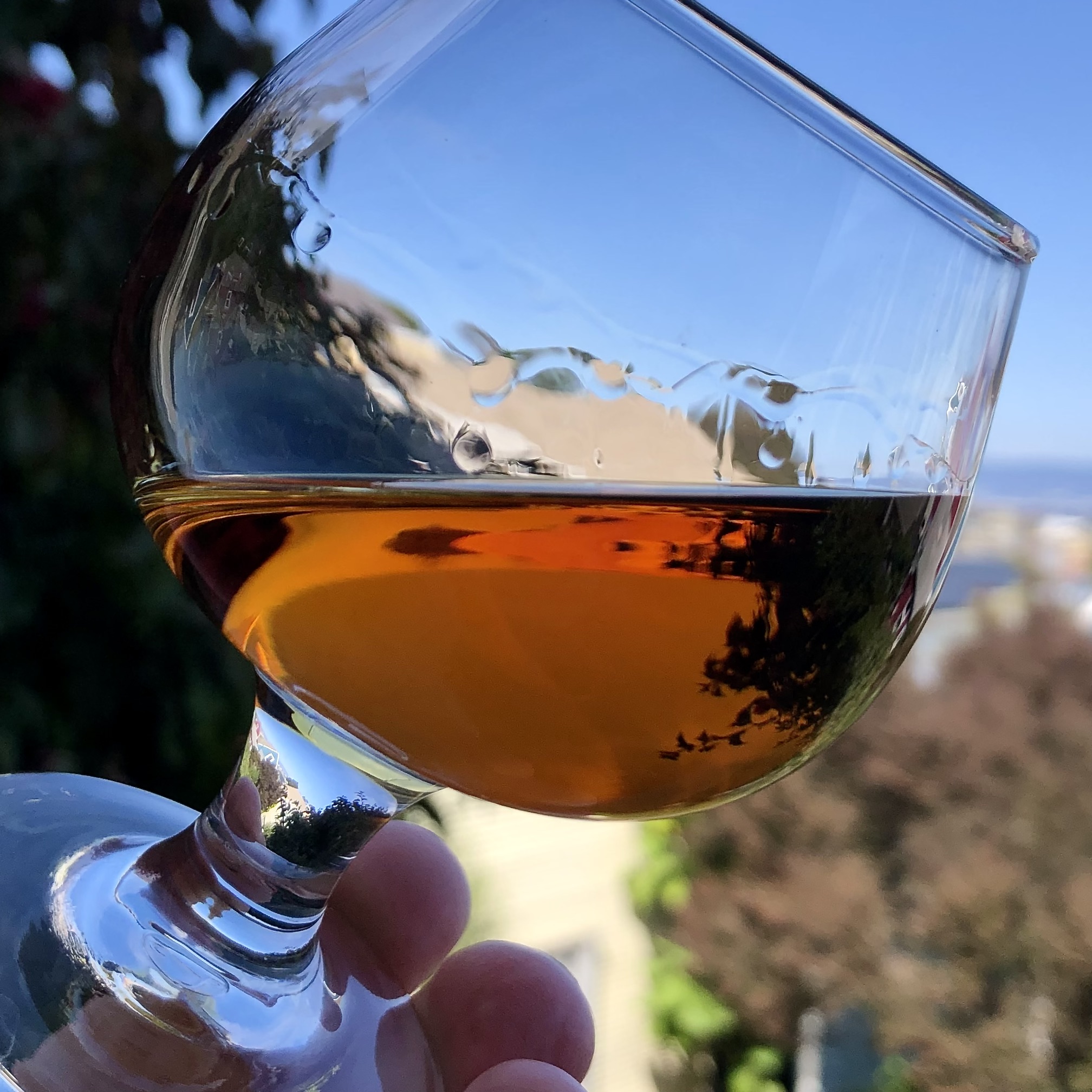
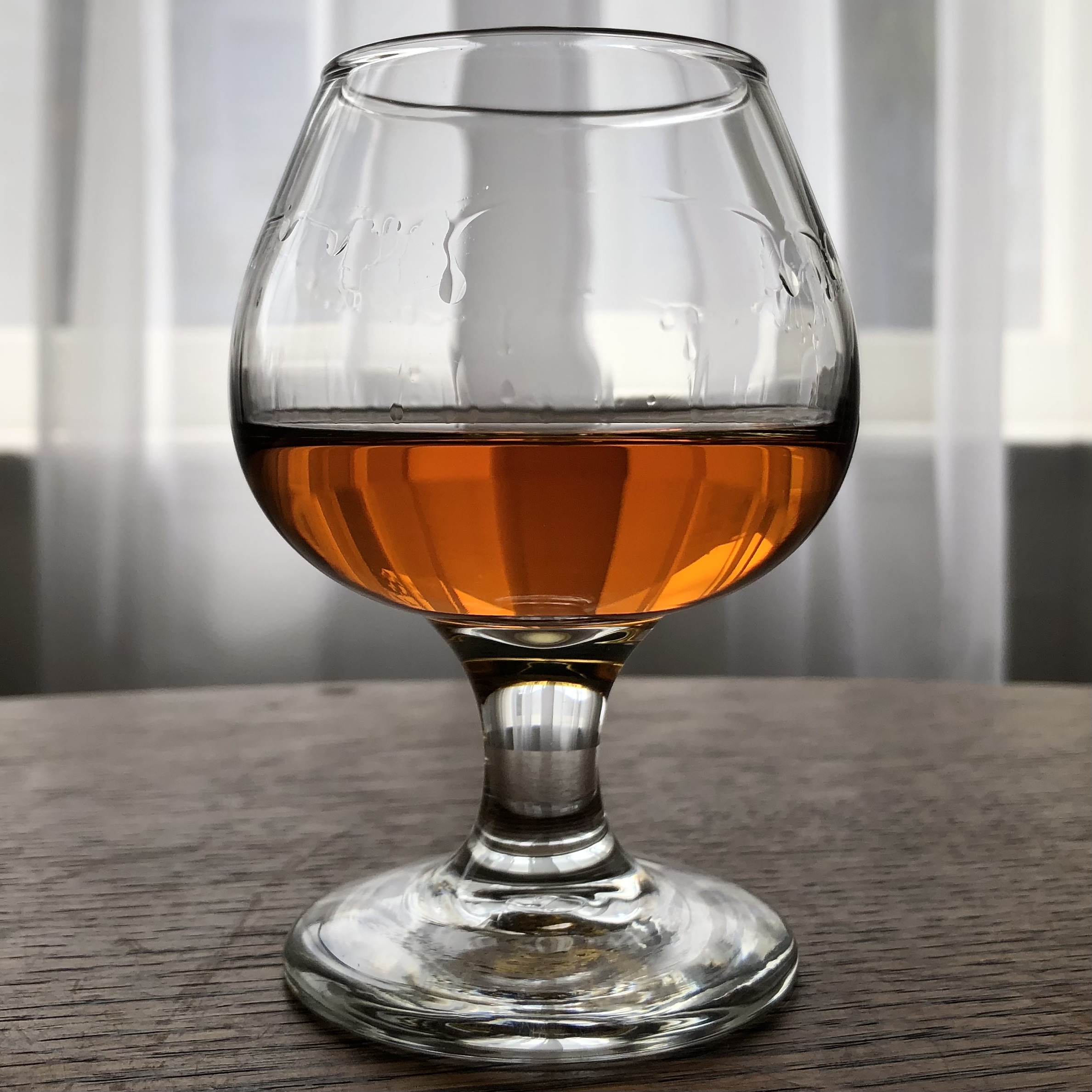
Of the three pre-“Willet” Willets I’ve now recently tried, this Johnny Drum is the most immediately pleasing. Like the others, it has a similar air of cheapness to it, a roughness and lack of complexity. But the lower proof eliminates the bite that marred the 2017 Noah’s Mill, and seems to temper the grit that held back the 2016 Pure Kentucky XO. Here I can more readily enjoy the oak, chocolate, and spice aspects, which together come across in a pleasing, easygoing way. It’s like a simple, well-built, hard wooden chair that you can sit on for a surprisingly long time and still feel comfortable.
Another interesting detail: Unlike the other two, Johnny Drum is charcoal filtered, a process uncommon with Kentucky bourbon and more readily associated with Tennessee whiskey. In addition to impacting the taste, this might also be a clue to the source. Heaven Hill Distillery is known to have once produced charcoal filtered bourbon—Anderson Club, sold in the 1990s and early 2000s as a Japanese export. Did Willett buy up a bunch of unused Anderson Club stocks for their various unstated blends?
We’ll never know.
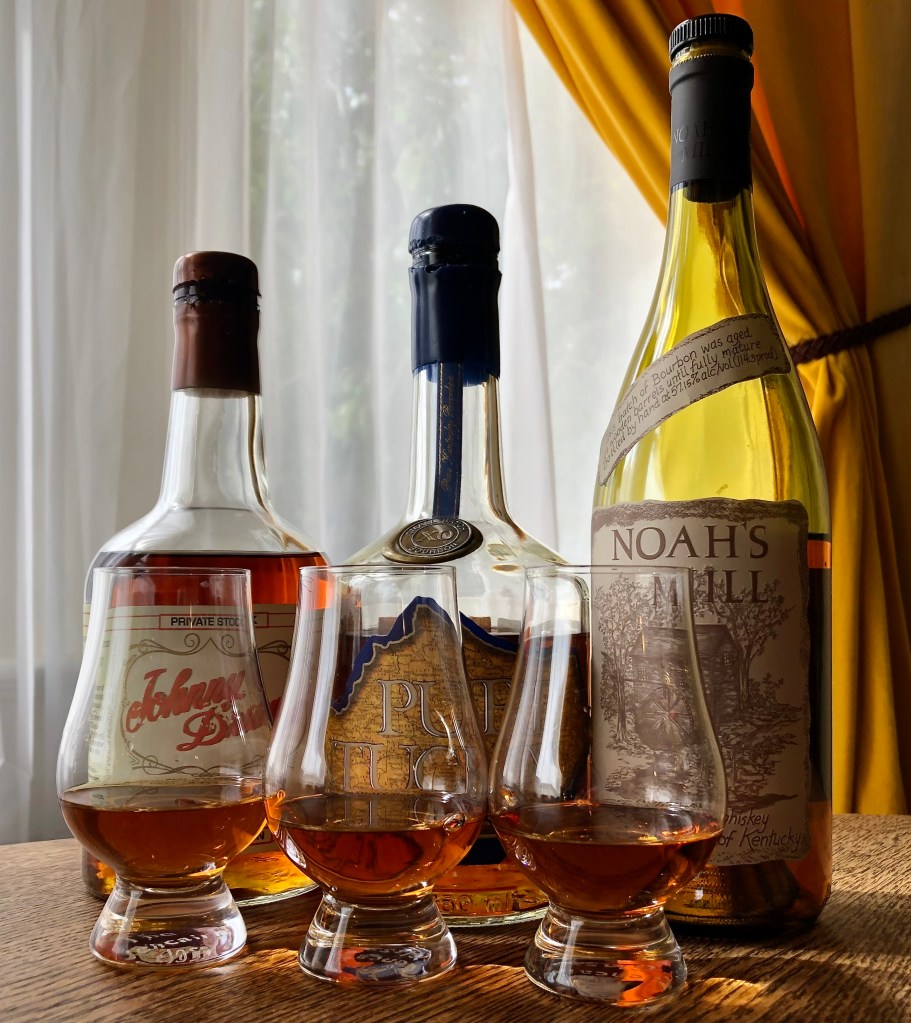
And now the inevitable side by side between the three cousins. For this comparison I skipped the simple brandy glass and stuck to the Glencairns.
The color of each is very challenging to distinguish. All share a narrow spectrum of russet antique amber, which brightens and darkens in various lights. Only the Noah’s Mill consistently shows itself a slight notch darker than the other two.
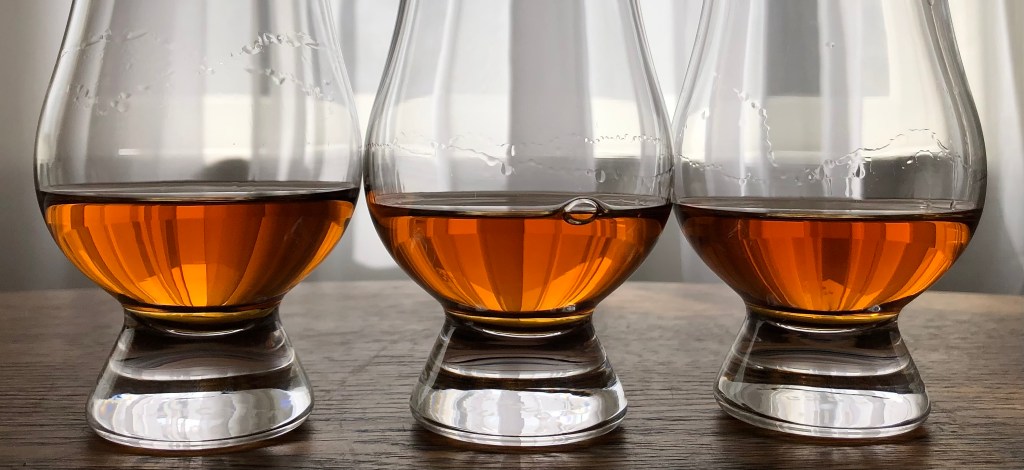
On the nose, the Johnny Drum is the most well rounded between its candy, herbal/oak, and spice notes. The Pure Kentucky XO emphasizes its caramel, and that irritating fresh water metal bucket thing. The Noah’s Mill is reserved, eventually showing cinnamon and an intriguingly viscous vanilla note.
On the taste, the Johnny Drum has a thin oiliness to it, with dark caramel, chocolate, and oak. The Pure Kentucky XO comes across with oak, those classic Willett herbaceous spices (dark sage key among them today), mild caramel, the pleasant surprise of some baked banana, and that distracting gritty texture. The Noah’s Mill offers a milk chocolate note leaning toward dark chocolate, caramel, and solid but uncomplicated oak.
Things then wrap up on the finish for Johnny Drum with the same notes as its taste, only now with more Willett herbs. The Pure Kentucky XO likewise echoes its taste, adding a notable dash of black pepper. The Noah’s Mill is abound with black pepper, and a prominent prickle from its 114.3 proof.
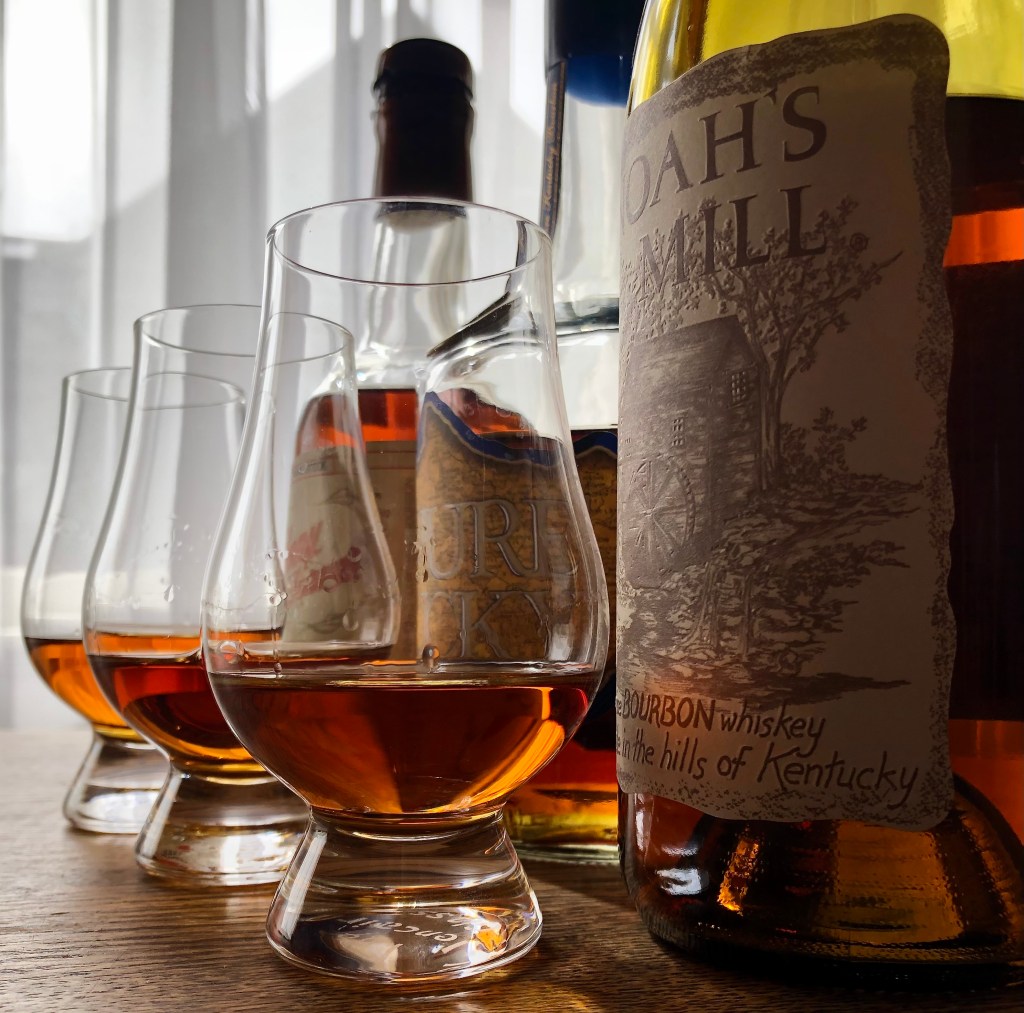
I’m never a fan of “best” tests, though I’ll admit that going into this side-by-side I couldn’t help but be curious in that regard. The Noah’s Mill and Pure Kentucky XO had both been such disappointments at their formal tastings, making the extent to which I enjoyed the Johnny Drum, both at its uncorking and today, quite a surprise. Maybe it benefitted from its predecessors’ lack of appeal? Or maybe its 101 proof highlights the sourced whiskeys Willett was working with in 2016/17 better?
Who can say? 🤷🏼♂️
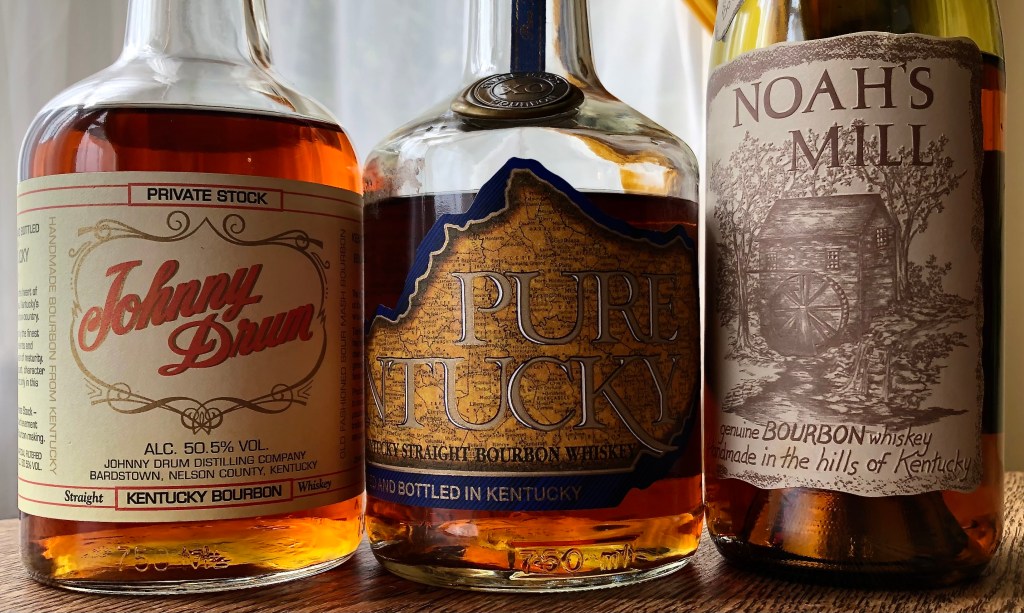
None of these are whiskeys I’ll seek out in the future. Although, per my prior Pure Kentucky XO notes, I may very well be tempted by any 2018 batches of that brand I come across, considering my excellent experience with a batch from that year. But as none of the bourbons on the table today even touch that experience, these pre-“Willett” Willets are off my buying list.
The common assumption in whiskey that the past is inherently better is debunked here. And the contemporary releases of these brands that I’ve tried, which bear Willett’s own stamp and are of their own making, likewise haven’t compelled my interest much. So I don’t see myself buying the new stuff either.
Now, older sourced Willett rye, that’s another matter! Those are known to be MGP, and quite good. But until that highly unlikely opportunity lands on a Facebook post near me at a price I can stomach…
Cheers!

Previously in Part 2:
Pure Kentucky XO from 2016
And in Part 1:
Noah’s Mill from 2017

 The Right Spirit
Simple charcoal filtering, like Heaven Hill and other Kentucky bourbon distillers continue to do, is not really comparable to the intricate Lincoln County Process that Jack Daniels uses to filter Tennessee whiskey.
LikeLike
I would guess there are multiple tweaks to the basic concept of charcoal filtering that vary by region, as with other aspects of the distilling process, only its Tennessee that made a point of marketing theirs. 🥃
LikeLike