ANDERSON CLUB
Japanese export; bottled in 2005; distilled in 1990 or priorMASH BILL – undisclosed
PROOF – 86
AGE – 15 years
DISTILLERY – Anderson Club Distilling Company (Heaven Hill)
PRICE – $231 (includes shipping)
WORTH BUYING? – For a bourbon fan on the journey? Sure.
Uncorked and tasted in The Year of No Buying

Frequent readers of The Right Spirit will notice the new category attached to this post: “The Year of No Buying.” I’ll be adding that category to all posts until June 6, 2024, when my year of not buying whiskey will end. Well, I assume it will! Maybe a full year abstaining from purchasing whiskey will prove to be just the beginning?
Time will tell.
Meanwhile, this post is the first since my having made that commitment. I figured I might as well start my year of hunkering in the bunker off with a bang, and crack open this rare bottle of Anderson Club Aged 15 Years, a discontinued Japanese export product from Heaven Hill.


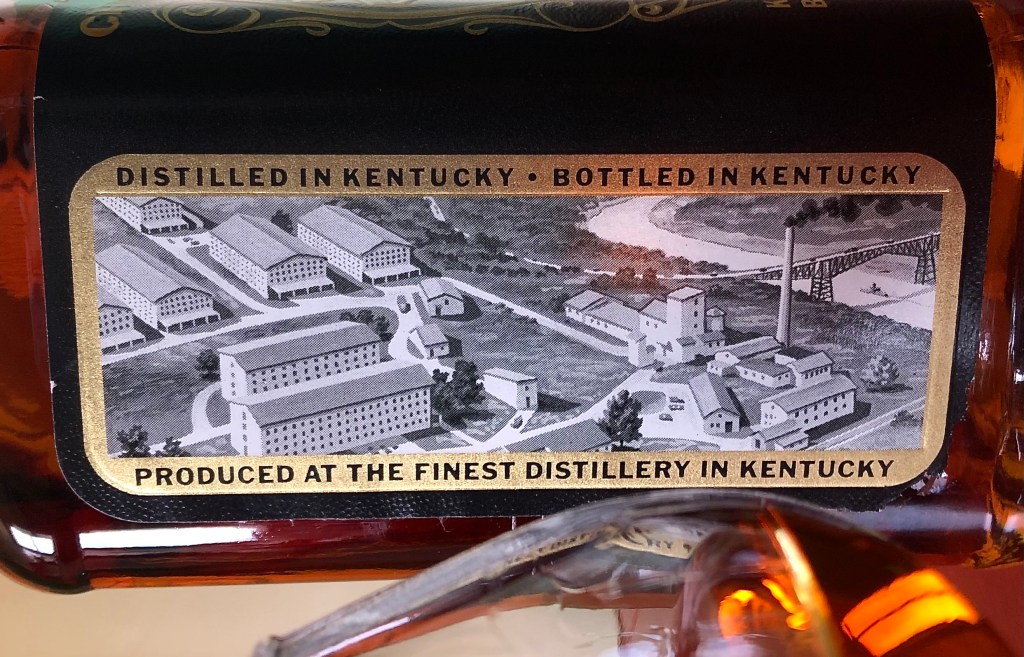
Having been bottled in 2005, the bourbon was distilled in 1990 at the latest. That’s 6 years before the famous Heaven Hill fire that destroyed seven warehouses, each containing over 20,000 barrels, amounting at the time to an estimated 2% of the world’s whiskey. Flaming alcohol flowed into a nearby stream and even spread to the distillery itself. It was a major disaster, the worst of its kind in bourbon history.
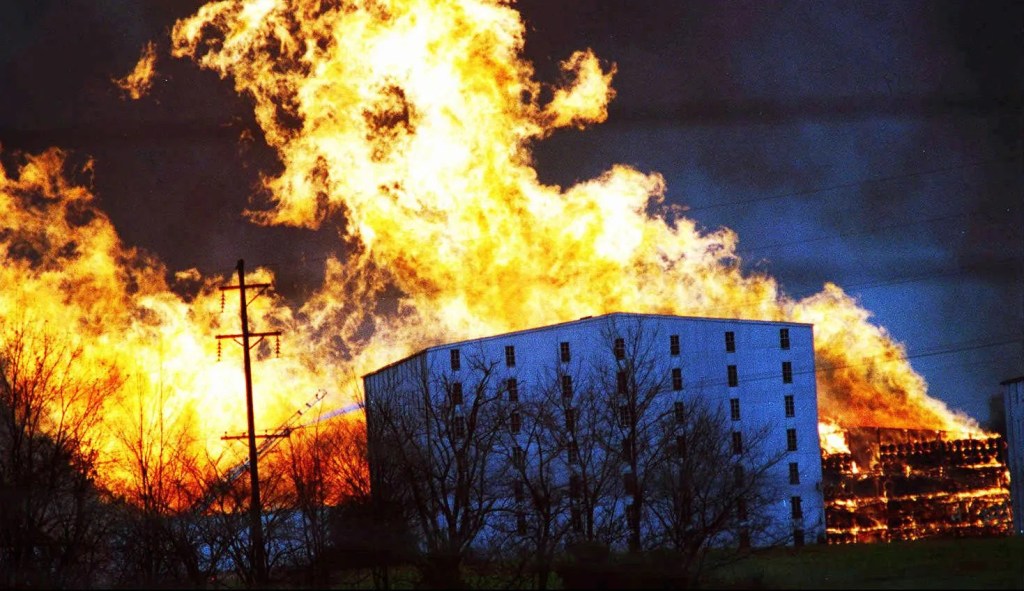
Though thirty-seven warehouses remained, with their millions of gallons of whiskey still safely slumbering in barrels, the damage to the distillery building itself meant new distilling equipment was needed. And new equipment inevitably means a shift in flavor profile.
Today, Heaven Hill whiskeys distilled prior to that pivotal moment are commonly referred to as “pre-fire” by bourbon fans. They fetch high prices in vintage shops and on the secondary market. I bought this bottle from Must Have Malts (MHM) in the Netherlands, which seems to have endless access to various vintage and otherwise rare American whiskey bottles. It’s from MHM that I picked up the exquisite Jefferson’s Presidential Select 20 Year back in 2020. That bottle was produced in 2016—not quite vintage, but not readily available either. Had I found it in the United States, the asking price would have without a doubt been substantially higher than what MHM was charging.
Not that MHM is a whiskey charity organization. Their prices aren’t “cheap” by any standard of the word. But at $231 shipping and all, this Anderson Club was easily a fifth of what I’ve seen it going for on some American websites.

Whiskey as “history in a bottle” has two primary meanings. First there’s the fact that bottled whiskey remains unchanged until it gets uncorked and breathes again. So a bottle sealed in 2005 will taste the same when opened later that year as it would 18 years on in 2023. This is a matter of chemistry, how oxygen interacts with the alcohol.
From this scientific aspect comes the more romantic meaning of “history in a bottle,” that in tasting a whiskey made decades ago, one is traveling back in time. And because we take this “history” into our body, the past becomes a part of us, both literally and metaphorically.
Certainly we can see history in photographs. We can hear it in recordings. But to smell, taste, and touch it, even though, as with photos and recordings, we’re not actually transported to a bygone era, still we’re granted a direct sense of it—and one far more sensual and intimate than looking at a photo or listening to a recording.

Imagine years from now, hopefully generations if we’re lucky, when the planet is even more of a wreck and food must be manufactured in carefully sealed laboratories. (Maybe it will indeed look like the muck served up in that fancy restaurant in the futuristic movie Brazil—everything else in that film has come to be true!) People then will look at their lab-made mush and the historical photo of the food it’s meant to simulate, and they’ll wonder aloud what the real thing tasted like “back in the day.”
But if any of today’s bourbon has survived until then, nobody will have to wonder. They’ll just have to uncork the bottle and take a sip. And because smell, taste, and touch are less concrete as compared to sight and sound, those lucky drinkers’ imaginations will be compelled to reach for the sights, the sounds, the ideas, the emotions of ye olde 2023 or 2005 or 1990…
This is why I paid $231 for the chance to taste Anderson Club, even though in 2005 it was just another cheap screw cap bourbon nobody considered with any significance. When it was distilled in 1990, truly few people cared one bit. Bourbon was not at all popular back then. By 2005 the faint rumblings of change could be felt, with craft distilleries just starting to think about having a go at it. But even in 2005 Pappy Van Winkle could still be found gathering dust on shelves.

So today in 2023, this 2005 junk is a treasure. It is a time portal to before The Fire—a bottle of lucky liquid that rested peacefully in one of those thirty-seven warehouses, while the unlucky seven burned furiously through the night, their fiery blood streaming down Heaven Hill to char out the heart of their maker, the distillery itself. This almost biblical image elevates Anderson Club above its original role as one bottle among many. Today it’s a survivor of apocalypse, a down to earth commoner made kingly by circumstance and perception. Today Anderson Club seems somehow supernatural, a ghostly spirit emerging from purgatory to touch the earth once again.
That’s a lot of hype to live up to. Let’s see how it tastes.
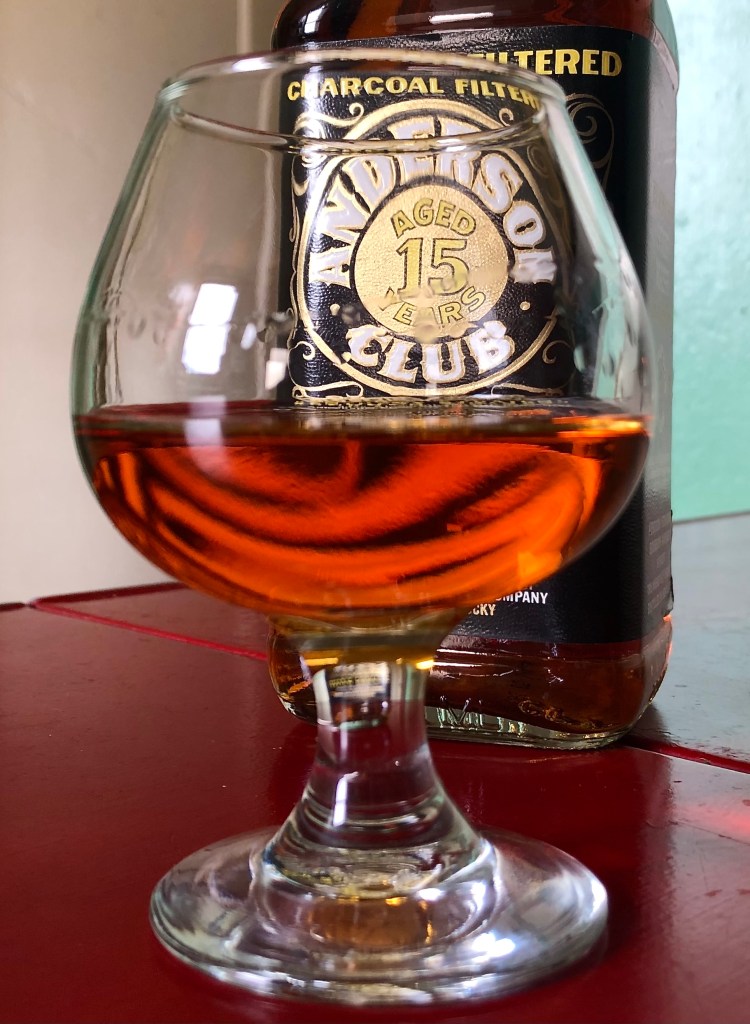
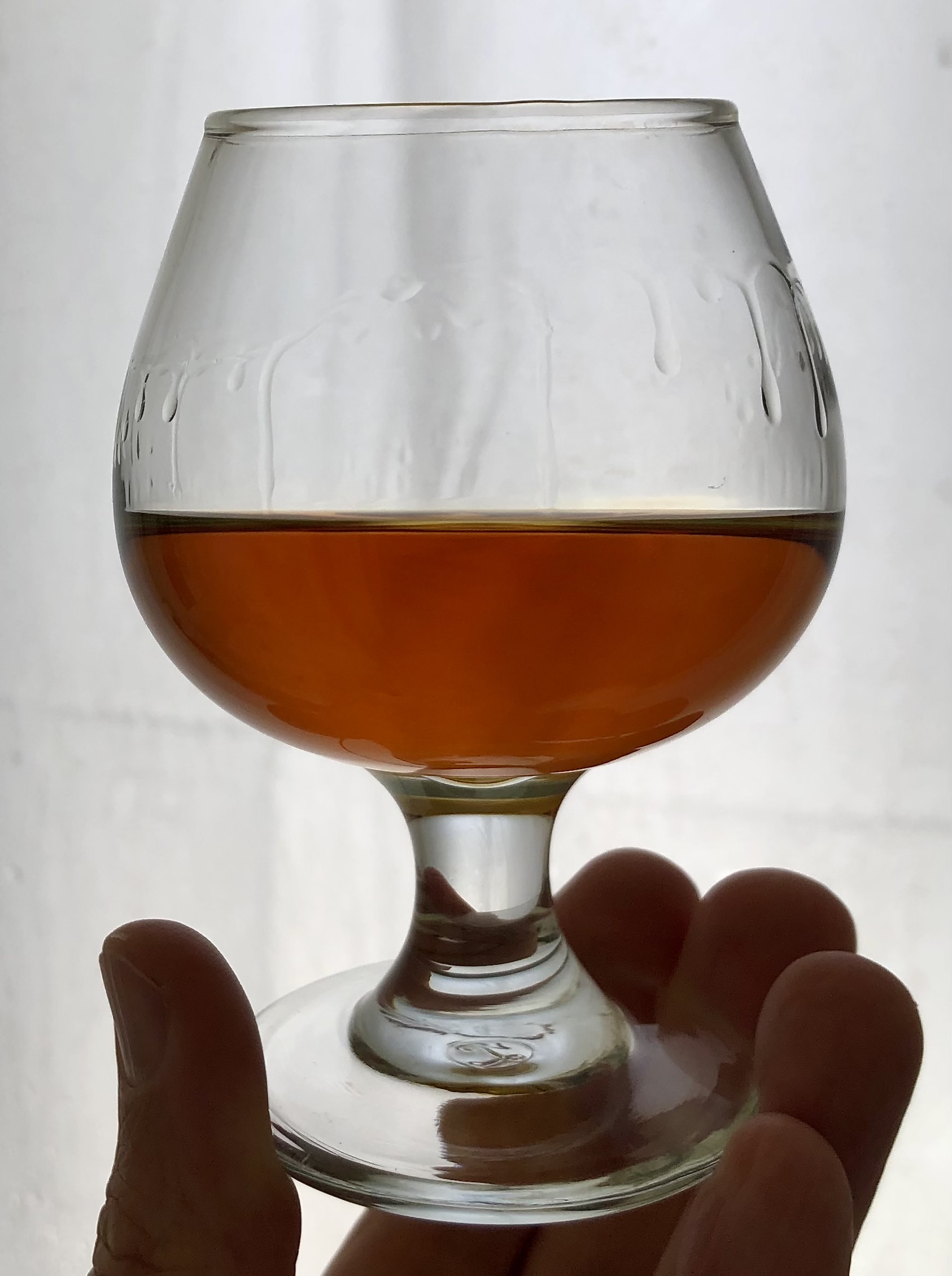
Here we are, about forty-five minutes after uncorking (well, uncapping) and this is the very first pour of the bottle. These brief notes were taken using both a traditional Glencairn and simple brandy glass.
COLOR – lovely pale orange-ambers, and surprisingly syrupy when dripping down the glass considering the proof
NOSE – some kind of old-school herbal funk hits my nose right away, with recognizable Heaven Hill baking spices I associate with Elijah Craig, also baked cherry pie with a thick flaky crust, drizzled vanilla caramel, cream soda, chocolate cake with cheap caramel frosting, roasted mixed nuts, dry oak cut for firewood
TASTE – that surprising syrupy texture, old fashioned orange flavored hard candies (were those ever a thing?), toasted oak and baking spices, oak tannin, faint thick caramel on cheap chocolate cake, an easygoing peppery prickle
FINISH – That easygoing heat lingers gently alongside oak and oak tannin, something vaguely plastic swirling amidst the funk, the flavors fading calmly but promptly
OVERALL – cheap, good, funky, satisfying bottom-shelf Kentucky bourbon
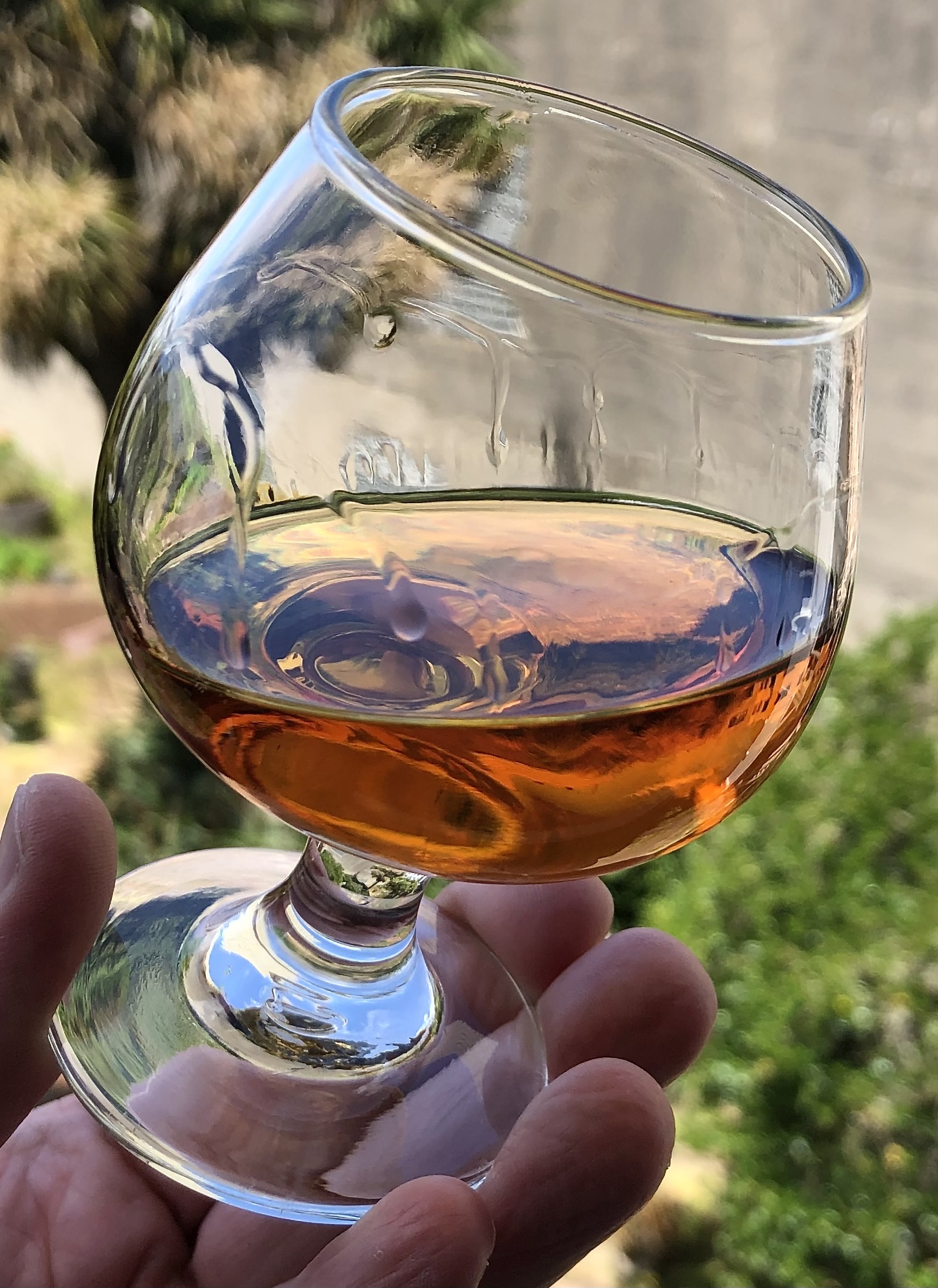
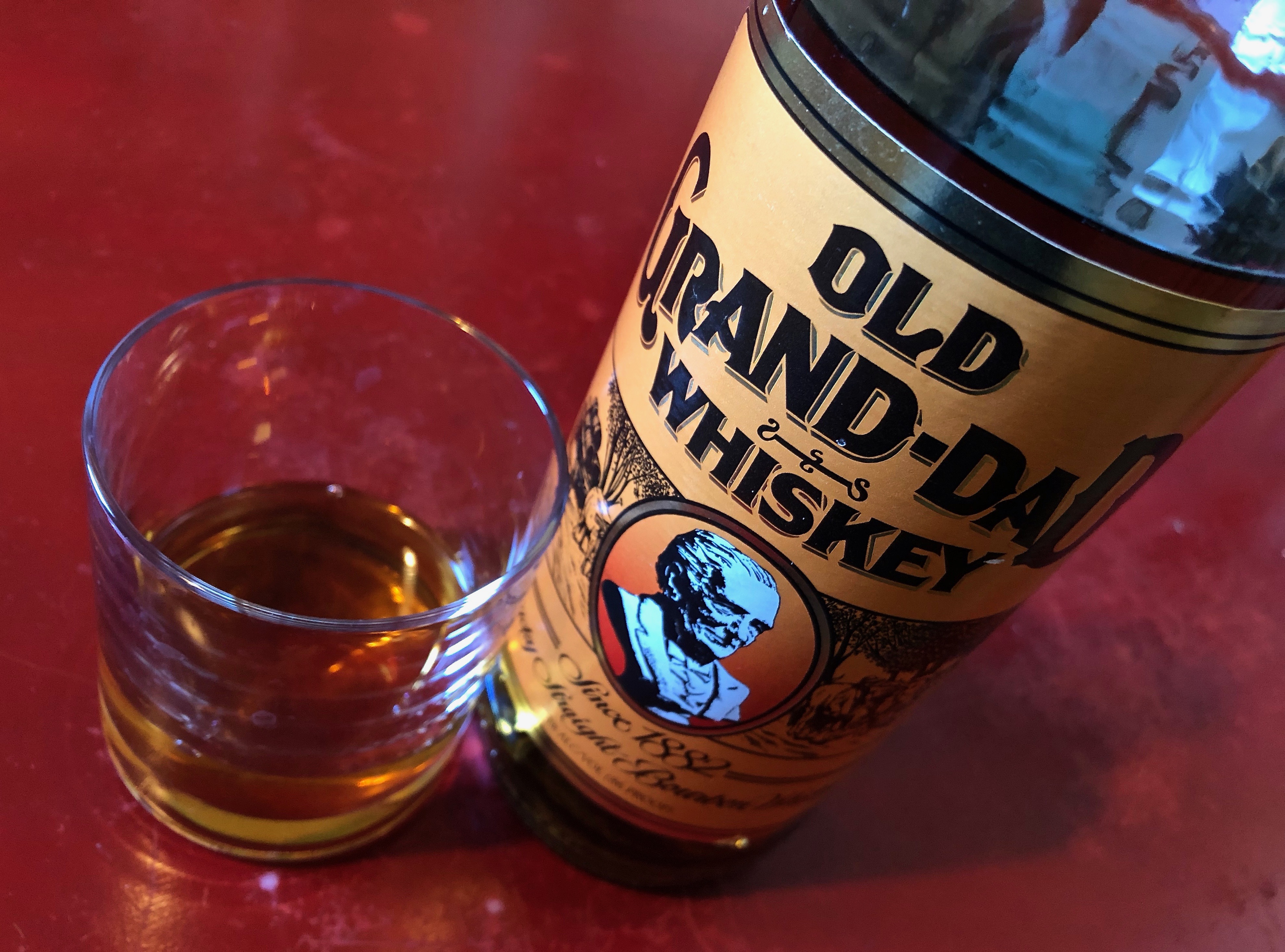
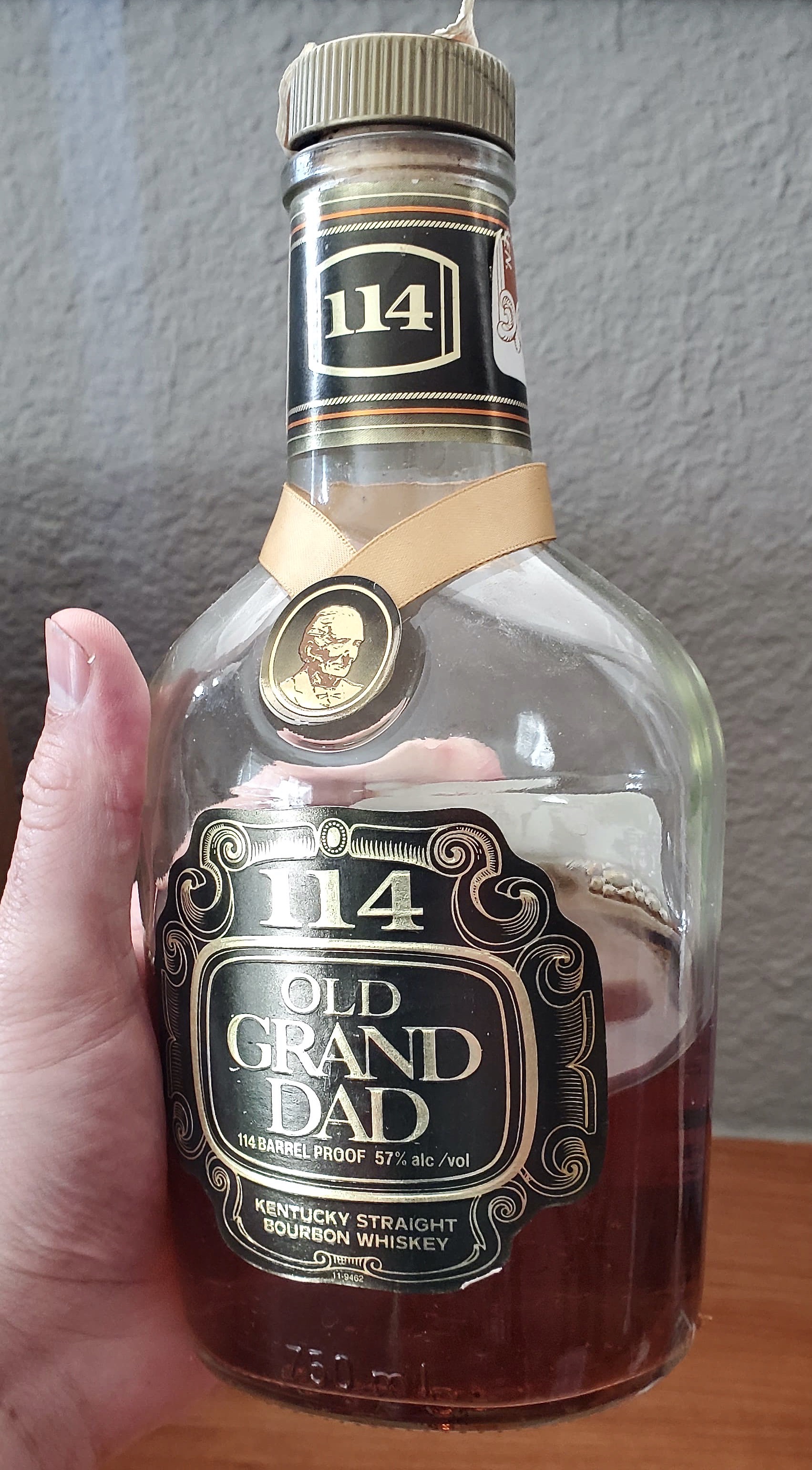
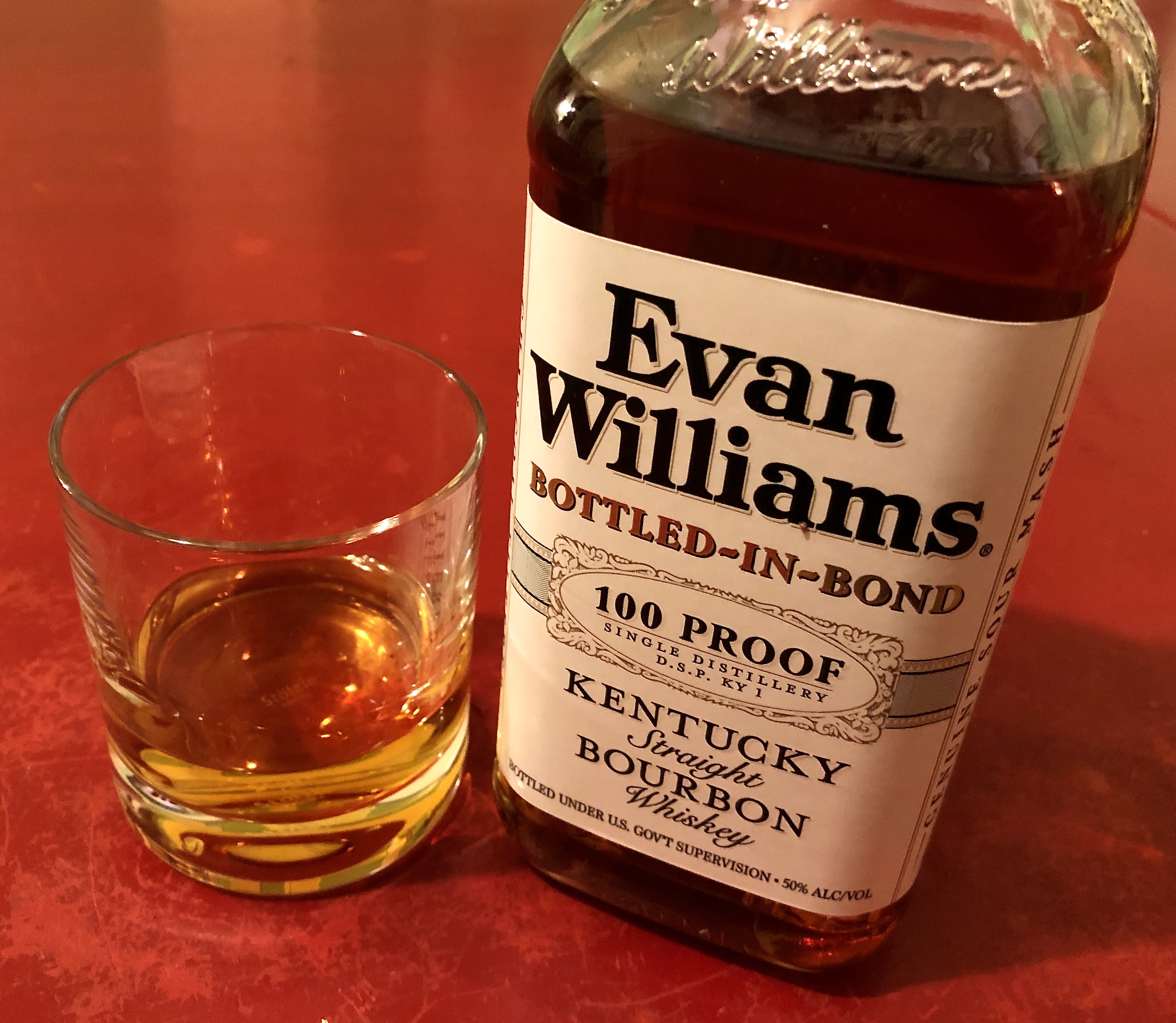
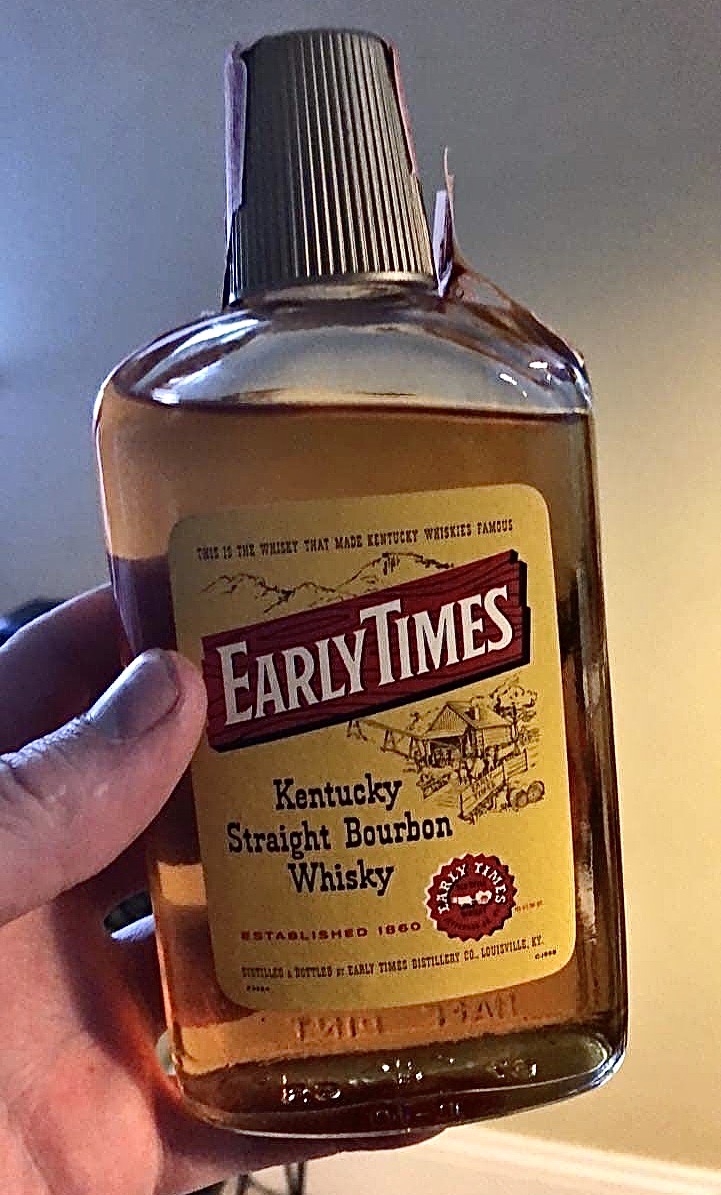
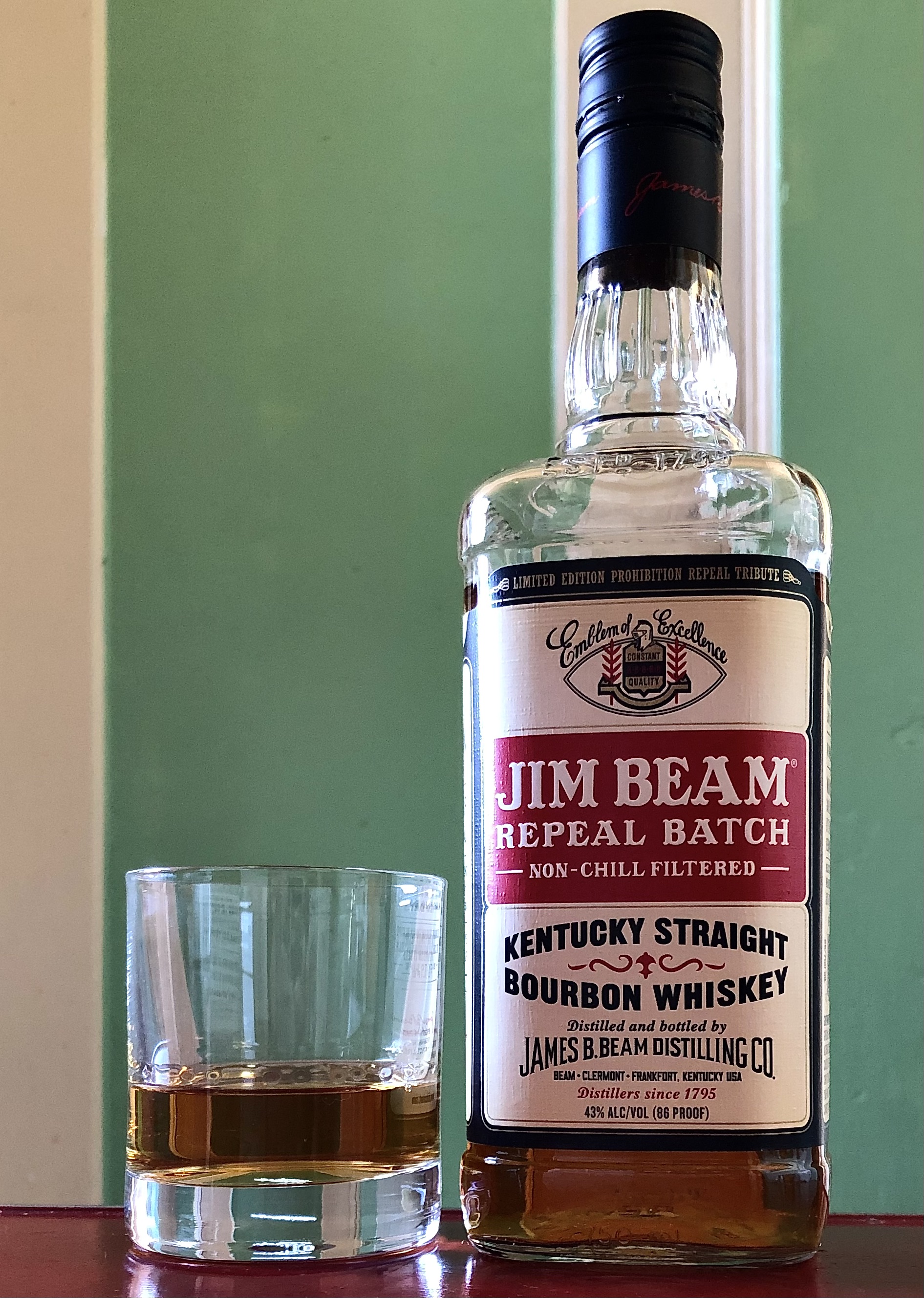
My sense memory goes straight to bottles like a 1997 Old Grand Dad 86, a 1970s Early Times, and a late 1990s / early 2000s Old Grand Dad 114 I’ve had. It also conjures contemporary bottles like Evan Williams Bottled in Bond and Jim Beam Repeal Batch. It’s a particular cheapness that’s almost like plastic without quite going there. The low proof, overall thinness, and the lovely pale orange-amber color surround flavors that come across as real and analogue and yet somehow filtered quickly through the marketing department.

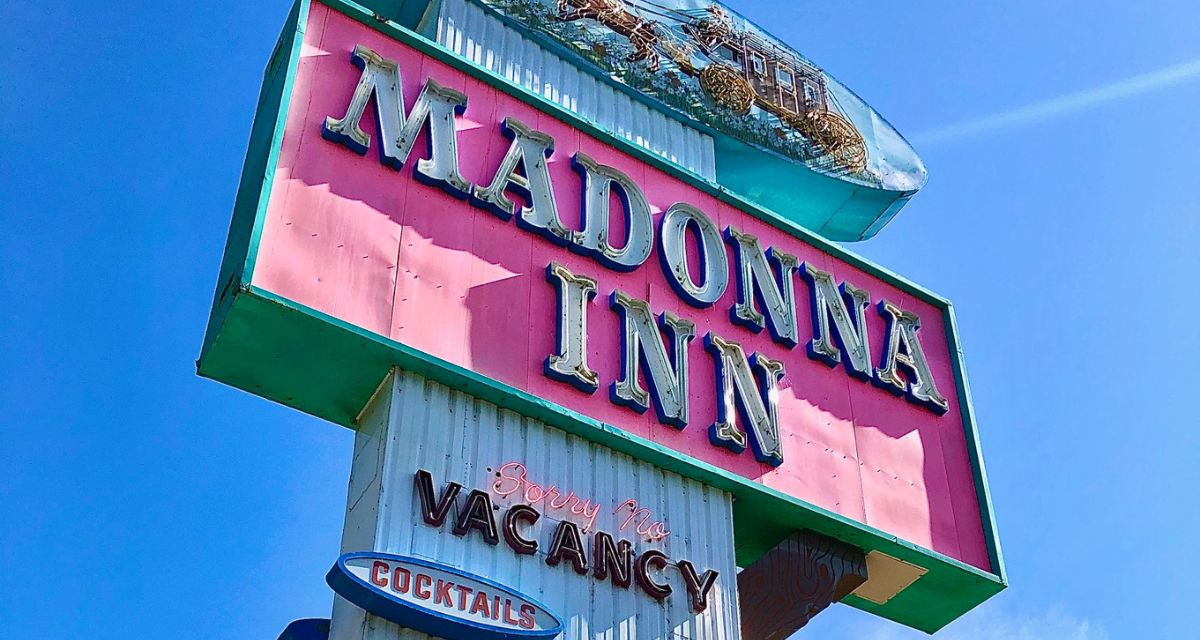
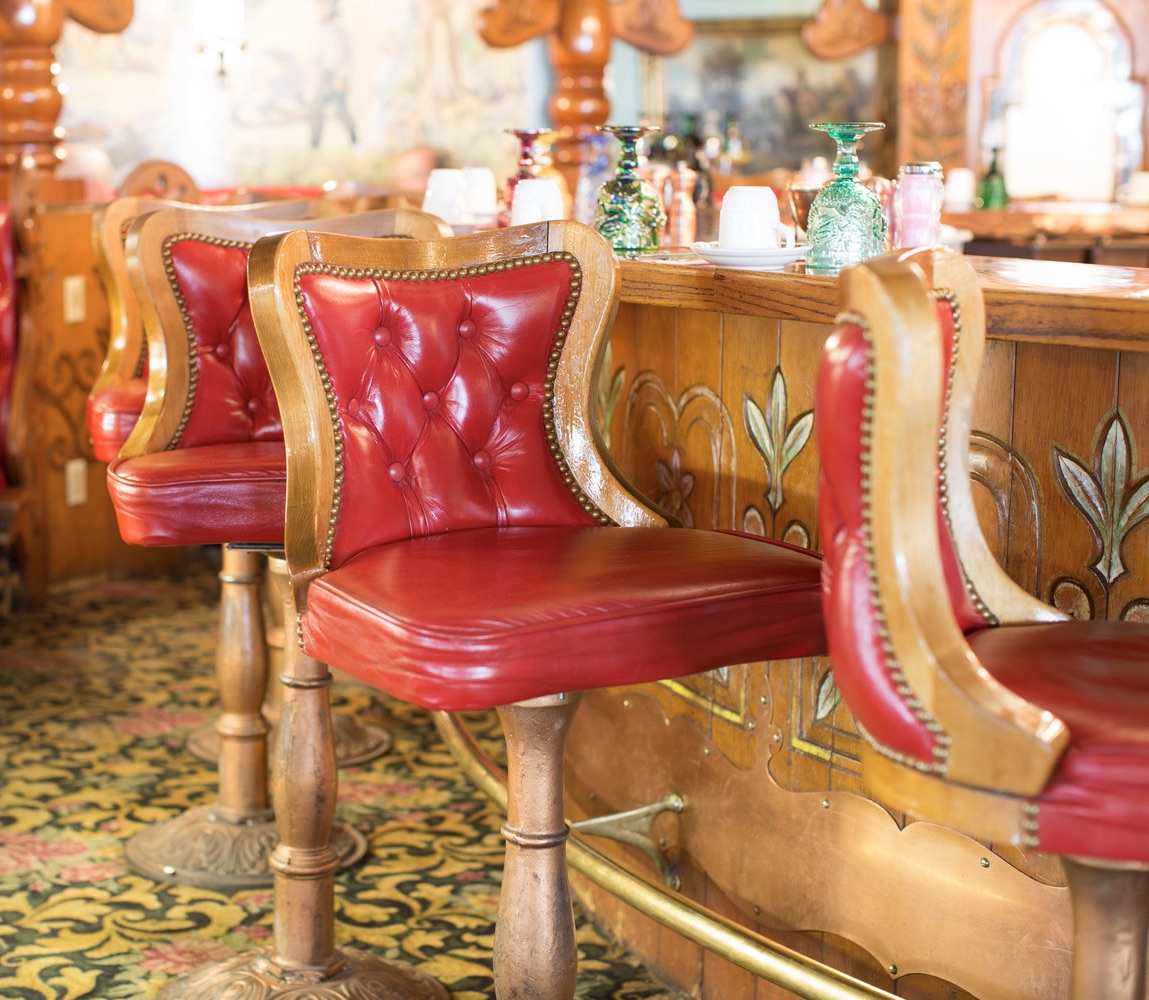
It’s interesting that with this Anderson Club, that thinness is there and yet the bourbon does have a notable syrupy quality to it, in look, feel, and taste. On the taste in particular, there is a creaminess that lifts up the chocolate notes superbly. This adds an incongruous luxuriousness alongside the pleasingly mundane aromas and flavors. There is something rather Madonna Inn about it—at once cheap, fancy, surprisingly gaudy, plainly predictable, and fun. Very American. 😉

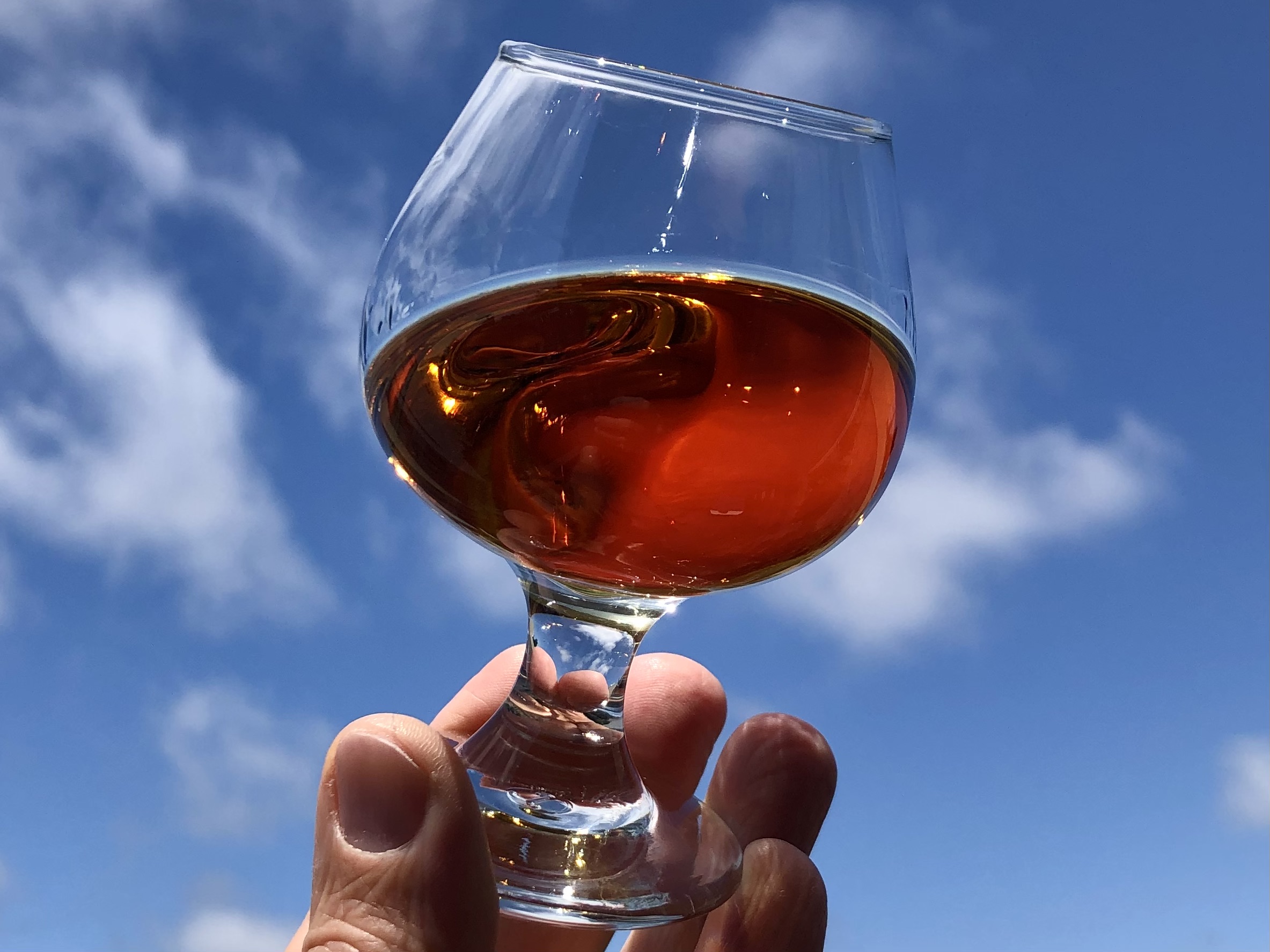
The Is it worth it? question seems somehow pointless here. Yes it is worth it. And no it’s not. I’m very glad to have it. I foresee sampling it next to contemporary Heaven Hill products and enjoying those comparisons. It will certainly be a conversation starter at sharings—e.g. What were you doing in 1990 and in 2005? And I imagine it being a very satisfying late night pour, when my expectations are low and I just want to stare into the night and listen to Tom Waits.
If I didn’t know it was an antique, certainly I’d dismiss it as an old-school bottom-shelf mixer, worth the $15 I’d likely have paid. But I do know it’s an antique. And I do know that even in its heyday it was intended to be a cheap mixer. Again, in 1990 and even 2005 not too many people cared one dang about a 15-year age statement, or bourbon in general. Heaven Hill’s aspirations for Anderson Club Aged 15 Years were quick sales in Japan. There was no American “bourbon community” back then to care about it in social media.
So as a whiskey fan on the journey, for me, this is totally worth it. At least once. I don’t see myself ever buying another bottle. And this experience will help me to not buy other similarly lesser sought-after vintage bourbons. I’d certainly go for a reasonably priced vintage Wild Turkey or Booker’s. But too many people are stumbling frantically after those for me to expect to come across them at “reasonable” prices anytime soon.
So in the meantime, cheers to the journey!

The next day
“Neck pour” seems to be the latest controversial term among whiskey enthusiasts. The typical polarizations play out as follows—those who say it’s a myth; those who take it literally and say it makes no sense that the neck of a bottle could impact taste; those who understand it as a nickname for the first and least aired-out pour of a newly cracked bottle.
I’m among the latter. I’ve had many experiences with bottles that evolved over time, sometimes for the better and sometimes for the worse. So I’ll admit I don’t understand claims to having never tasted a change from first pour to last in any whiskey bottle.
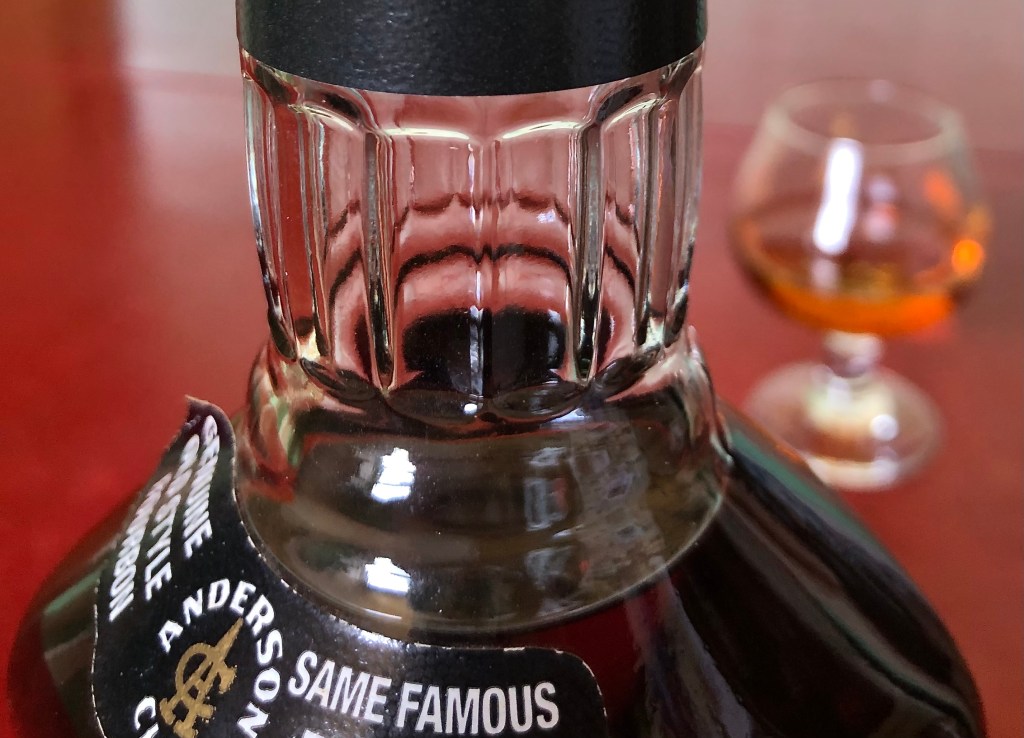
In any event, I gave this bottle another go the next day. Given the bottle’s age and vintage, I’d let the “neck pour” air out in the glass for about forty-five minutes. So, for what it’s worth toward creating some semblance of sciency control factors, I let this second-day pour (the clavicle pour?) do the same.
Today on the nose I get the vintage funk very nicely balanced with oak, baking spices, caramel, baked cherry, and orange zest. Then on the taste things are immediately much sweeter overall than I recall from yesterday, with a fruity kids cereal effect from the combined oak, funk, fruit, candy, and spice notes. The finish skedaddles pretty quickly, leaving a soft haze of oak, funk, and dry caramel.
So today, it’s still a dry whiskey overall, but notably sweeter. I’d also say the various aromas and flavors are much more integrated and balanced today, like when you make soup at home and on day two it tastes of-a-whole, rather than of its individual parts.
I dig it. Like that Wild Turkey Forgiven I gradually made my way through last year, this Anderson Club will be an enjoyable journey through time and taste. The Wild Turkey was a much rougher ride than this current jalopy is promising to be, and that’s fine by me. As ever:
Cheers to the journey!


 The Right Spirit