MARS TSUNUKI
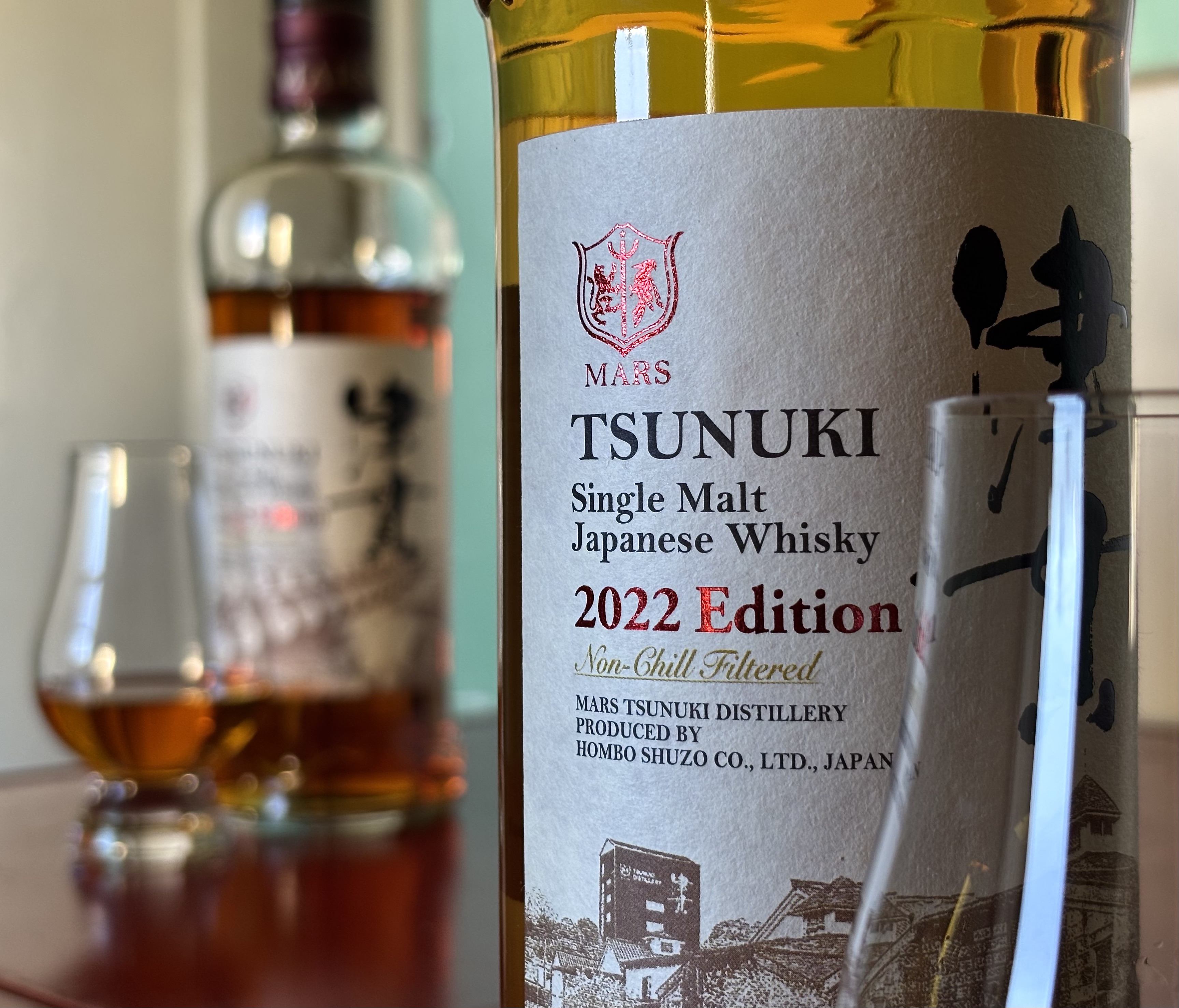
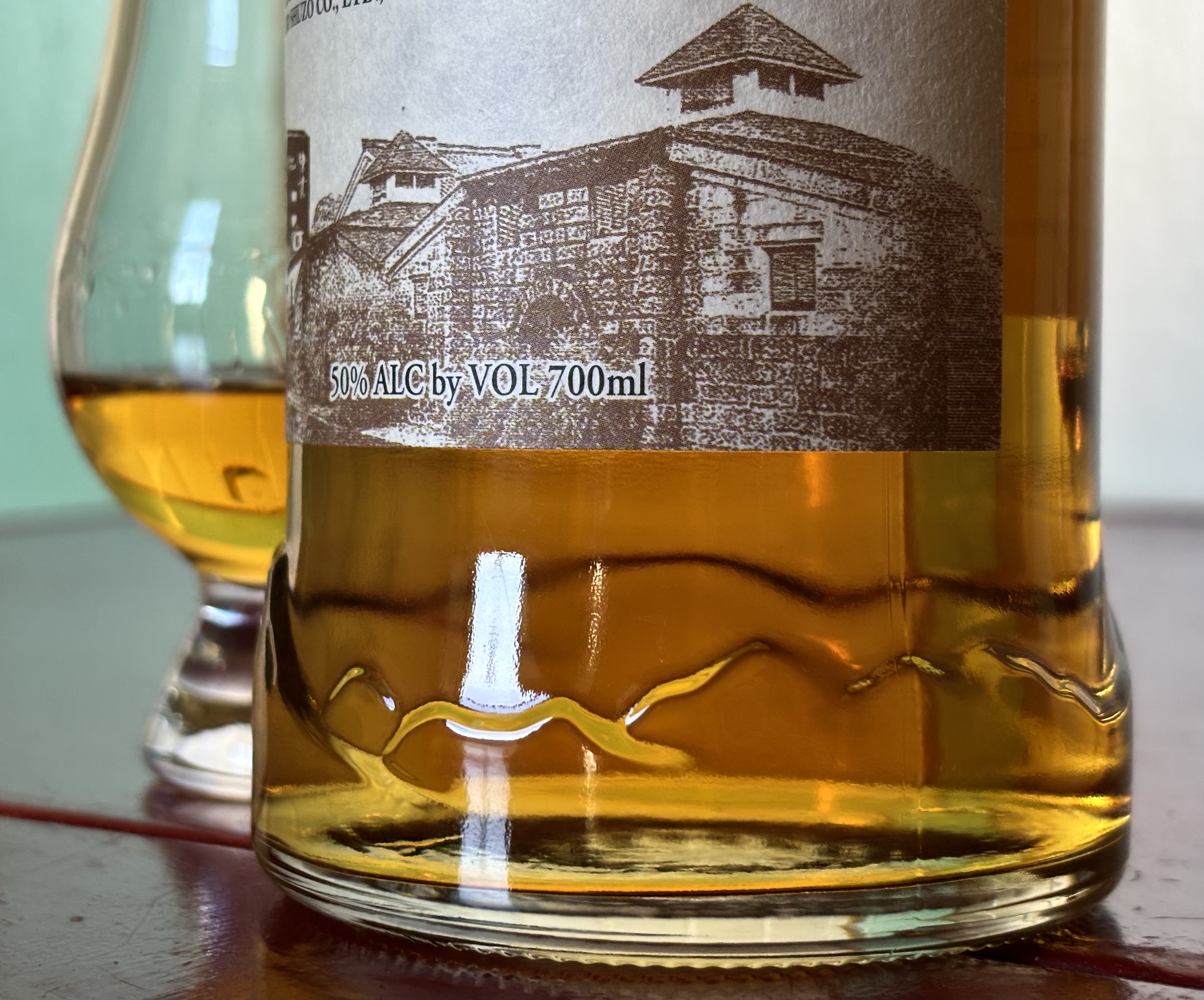
2022 Limited EditionMASH BILL – 100% malted barley
PROOF – 100
AGE – NAS (using ex-bourbon casks)
DISTILLERY – Mars Tsunuki Distillery
PRICE – $154 (includes shipping)
MARS TSUNUKI
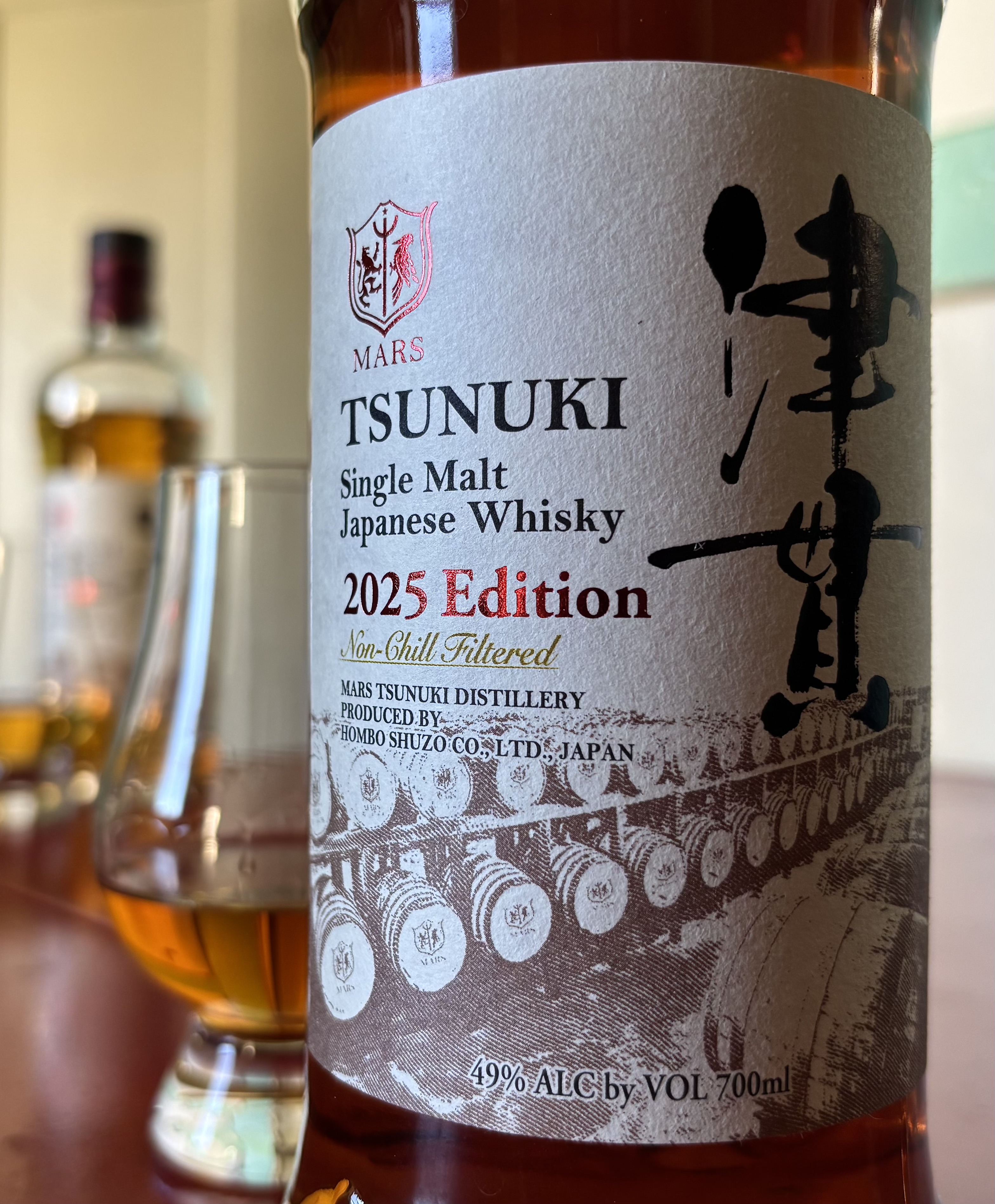
2025 Limited EditionMASH BILL – 100% malted barley
PROOF – 98
AGE – NAS (using ex-bourbon and ex-sherry casks)
DISTILLERY – Mars Tsunuki Distillery
PRICE – $119
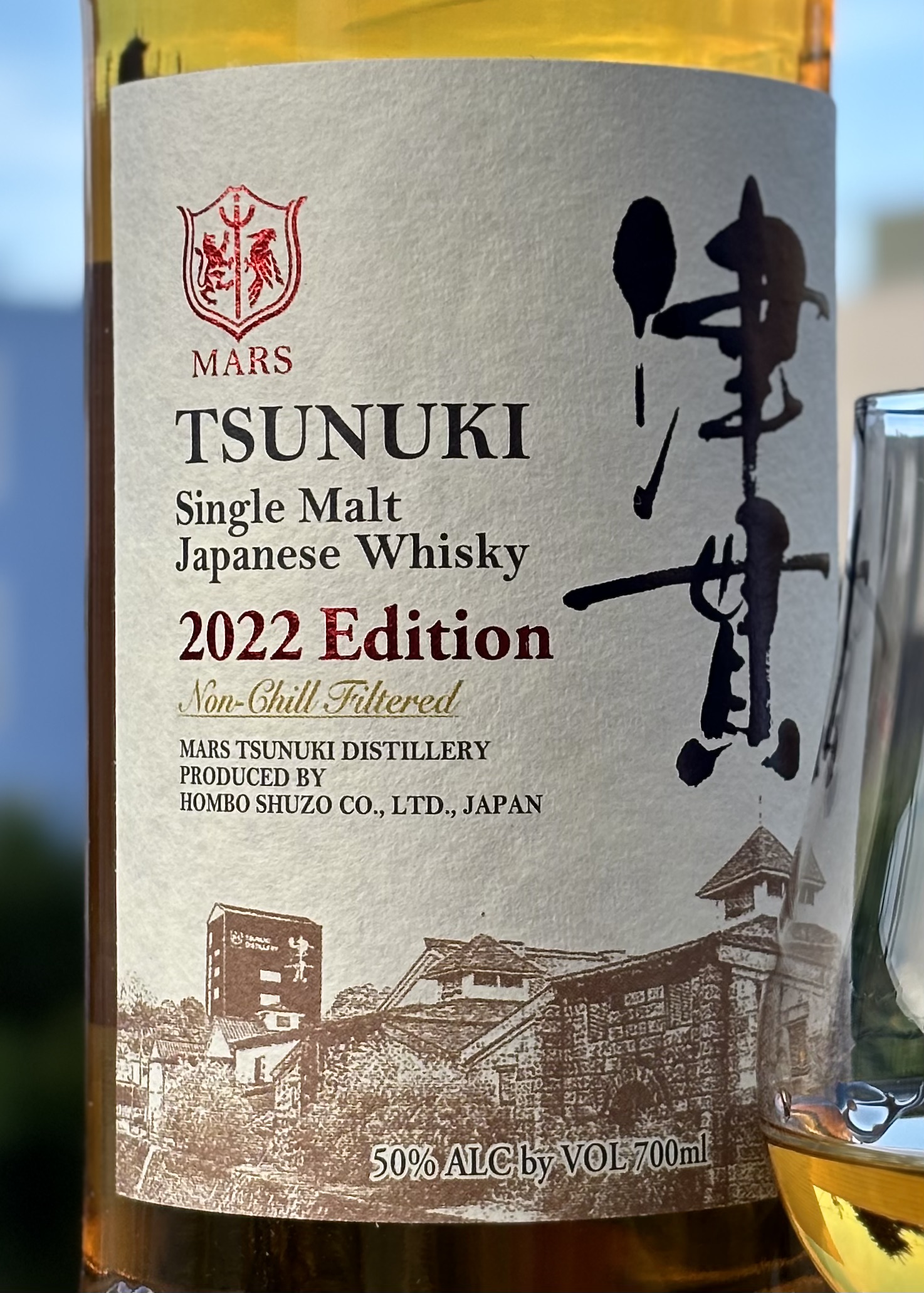
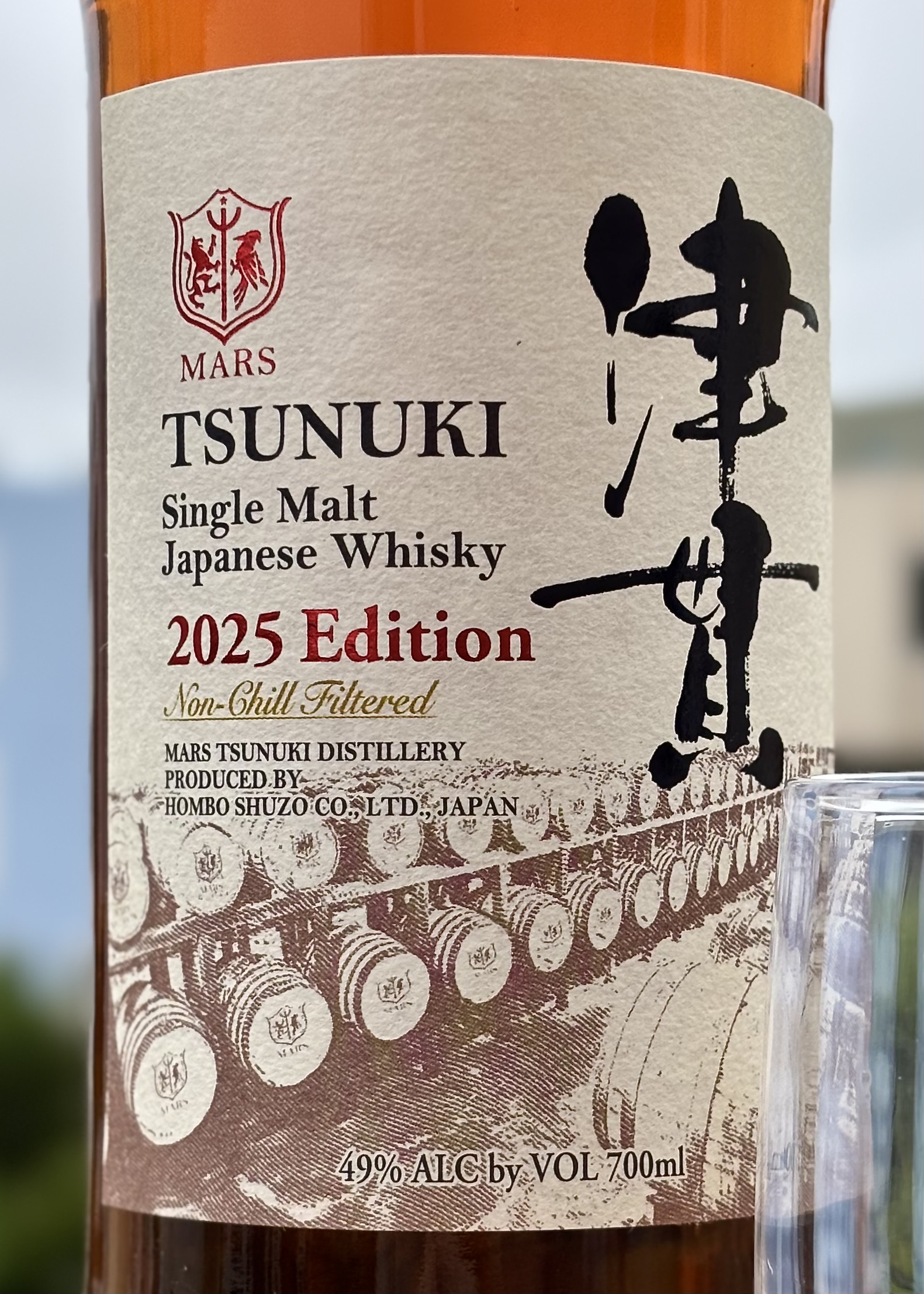
I’d picked up the Mars Tsunuki Limited Edition 2025 from a local shop when I realized I was out of Japanese whisky on my home shelf. When I uncorked it, to my disappointment it was very sherry forward. I’m still going through an extended bout of sherry fatigue, you see, which has prompted me to seek out more ex-bourbon casked world whiskies.
I do relish a good 70% ex-bourbon / 30% ex-sherry (or roughly thereabouts) cask blend when it comes to scotch, Irish, Japanese, or other world single malt and grain whiskies. But lately I’ve found the whiskies aged either exclusively or predominantly in first-fill ex-sherry casks are just too much sherry for me. They start to feel one-note, with the sherry influence overwhelming other flavors.

So rather than simply shrug and accept my disappointment at having found this 2025 Tsunuki to be yet another in a series of international sherry bombs, I hopped online to research past Tsunuki releases to see if I could identify one with similar enough specs but that leaned overtly toward ex-bourbon cask aging. It did not take me long to track down the Tsunuki 2022 Limited Edition, aged exclusely in ex-bourbon. Great. I clicked “add to cart” and a week later it was in my hands.
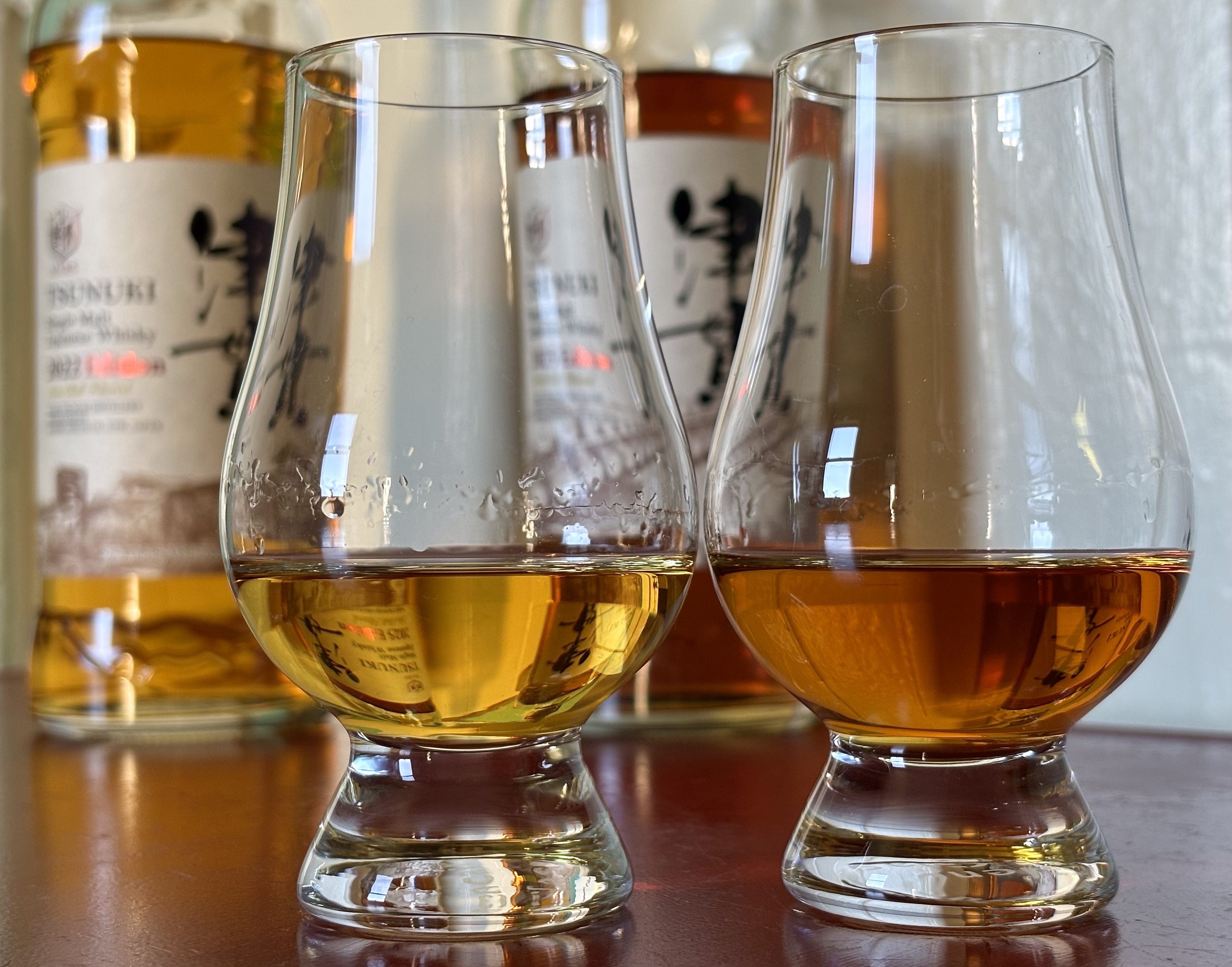
So here we are, a week and a half after uncorking the 2025 and three pours into the bottle, and three days after uncorking the 2022 and two pours into the bottle. These brief notes were taken using traditional Glencairns.
COLOR
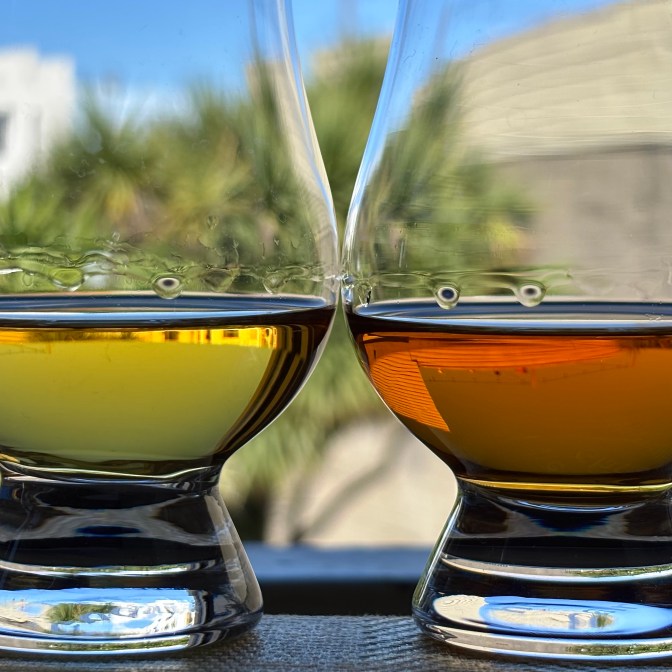
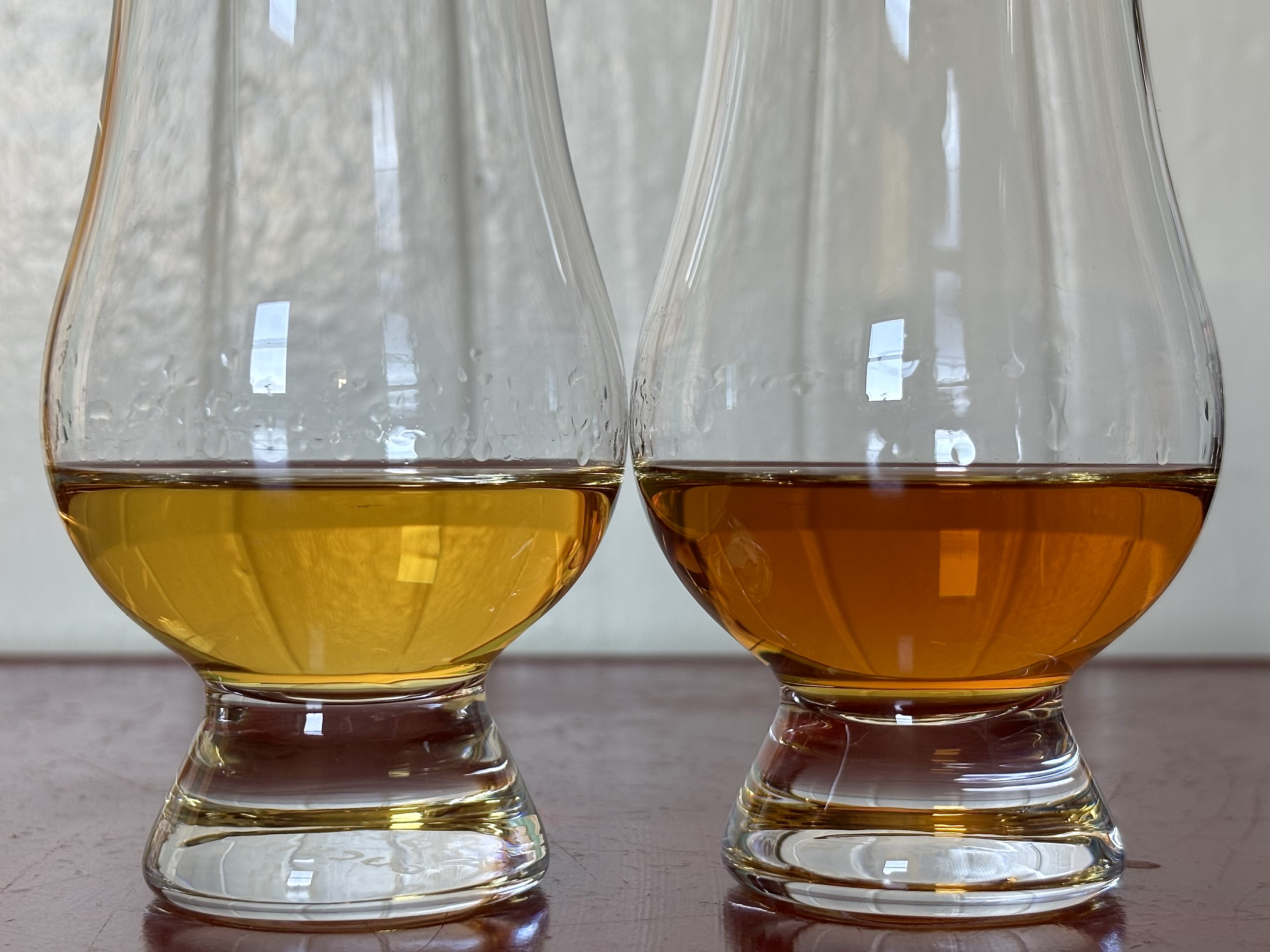
2022 – pale butter and lemon yellows with golden highlights
2025 – toasted pale orange-ambers with tarnished gold and brass highlights
NOSE
2022 – vanilla, milk chocolate, pear, persimmon, melon, lemon zest, sand, dry wood smoke, faint nectarine
2025 – red wine, dark gooey caramel, oak and sherry tannins, dark chocolate, well-aged Armagnac
TASTE
2022 – very like the nose, with the vanilla foundation now verging into gooey caramel and more milk chocolate, the melon leaning forward, some bitterness from the oak tannins and savoriness from subtle smoke
2025 – dry up front, with sherry and oak tannins soon sweetened by the dark and tangy red fruit notes of sherry and wine
FINISH
2022 – milk chocolate fudge, lemon zest, dry oak and oak tannin, melon, nectarine
2025 – sticky like a syrup, with dark sherry and red wine notes, some subtle dark chocolate
OVERALL
2022 – a thick, rich, complex single malt offering its brighter and darker aspects in excellent balance
2025 – both dry and sweet, emphasizing the sherry cask’s influence
WORTH BUYING?
2022 – Absolutely!
2025 – No, and not at all due to the quality, but purely because of my own increasing disinclination toward heavily sherried whiskies
It’s no contest for me. I favor the 2022 by far. I find it much more complex, balancing its variety of aromas and flavors well, and holding them all together with its thick, rich texture and density.
The 2025, by contrast, is all about the sherry. There is a thick syrupy quality at work that’s comparable to the 2022’s density, as well as a robust approach to pushing flavor forward that I don’t generally associate with Japanese whiskies. But the range of aromas and flavors are limited by the sherry’s dominating influence.
So for sherry bomb fans, the 2025 would be welcomed. It’s very good at what it’s aiming to do. What the 2025 accomplishes, however, happens to not be what I’m personally looking to sip these days.
The 2022, on the other hand, offers a combination of subtlety and robustness I greatly appreciate. There’s a good balance of bright and dark sweet notes, plus enough dry notes to provide complexity. The Tsunuki 2022 Edition might actually be my favorite Japanese whisky to date. It has the detail and nuance I appreciate about Japanese whisky, delivered with the generosity of flavor and forward energy I associate with American bourbon.
In 2023 I attended a tasting led by reps from the Hombo Shuzo Mars company, organized by my local whisky Facebook group. They shared several whiskies with us and were very informative about the products and process. I was very taken by them. But none of those whiskies had quite the same robust quality that the two releases on my table today had, so, I didn’t end up picking up any more Mars bottles after that. Similarly, a Japan-only release I brought back from a 2023 Tokyo trip—the Dake Kanba world blend Mars made for a Japanese food wholesaler in the Hokkaido region—took a far more mainstream approach, and likewise did not compel me to explore Mars further.
The Mars Tsunuki distillery is located in Japan’s southern, more tropical climate. That climatic intensity can be felt in both these whiskies. A robust climate combined with the Japanese tradition for nuance really showcases this duality in the 2022 release, aged in ex-bourbon casks. That duality is less evident in the 2025, which piles robust on robust, nudging up the intensity and dampening the nuance.
In addition to a renewed appreciation for Mars whiskies, what I appreciate about this comparison most is that it will help me when selecting Japanese whiskies going forward. I look forward to exploring the Tsunuki Effect further, and will take note of the casks used in future releases. More sherry than bourbon? Likely not for me. More bourbon than sherry? I’m there!
Kanpai!
Footnote
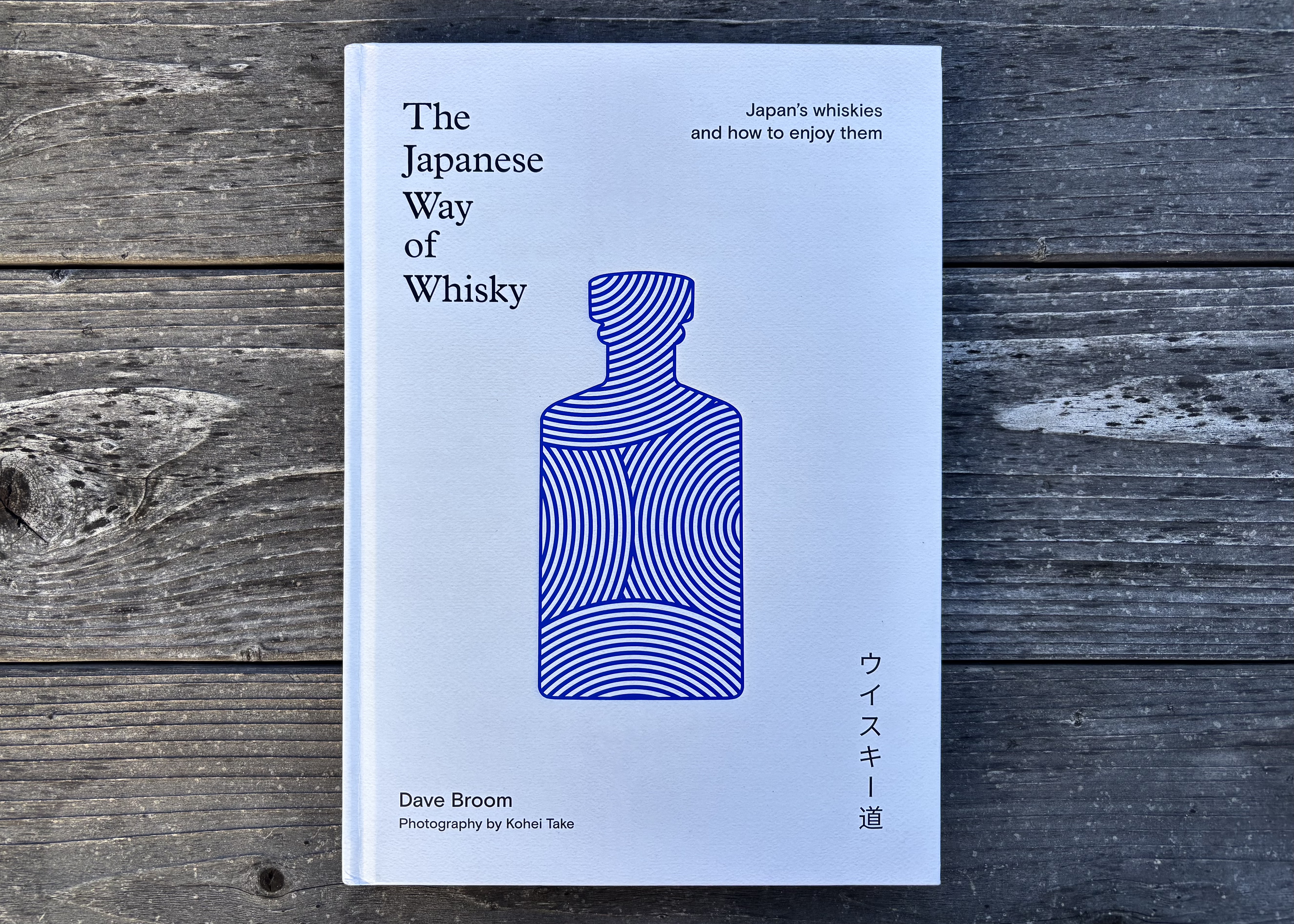
While sipping away at these whiskies, I’ve also been reading Dave Broom’s 2025 revision of his excellent book, The Japanese Way of Whisky. Like his book on scotch, A Sense of Place, this also blends travelogue with insights into the making and appreciation of whisky, and how those reflect culture.
Connecting whisky to other crafts traditional to Japan—ceramics, tea production, paper and glass making—all of which, as Broom puts it, “washed up on its shores” from nearby China and Korea (and in the case of whisky, Scotland), the creative tension between tradition and innovation is gradually mapped. Japan’s unique culture arose from influence confronting terroir. Japanese whisky is just one manifestation of this.
Reading the book while exploring these two Mars whiskies, I feel reconnected to those aspects of Japanese culture—Kaizen (改善), Wa (和), Wabi-Sabi (侘-寂)—which I’ve always valued since experiencing them while living there many years ago. And I find myself coming around to why one might pay those famously elevated Japanese whisky prices. We’re not buying bombast or spectacle, suddenly there and then gone. It’s something much more participatory, much more patient. I’ve indeed already picked up another bottle from Mars—their recently minted Komagatake standard release single malt—so, this journey continues…

 The Right Spirit