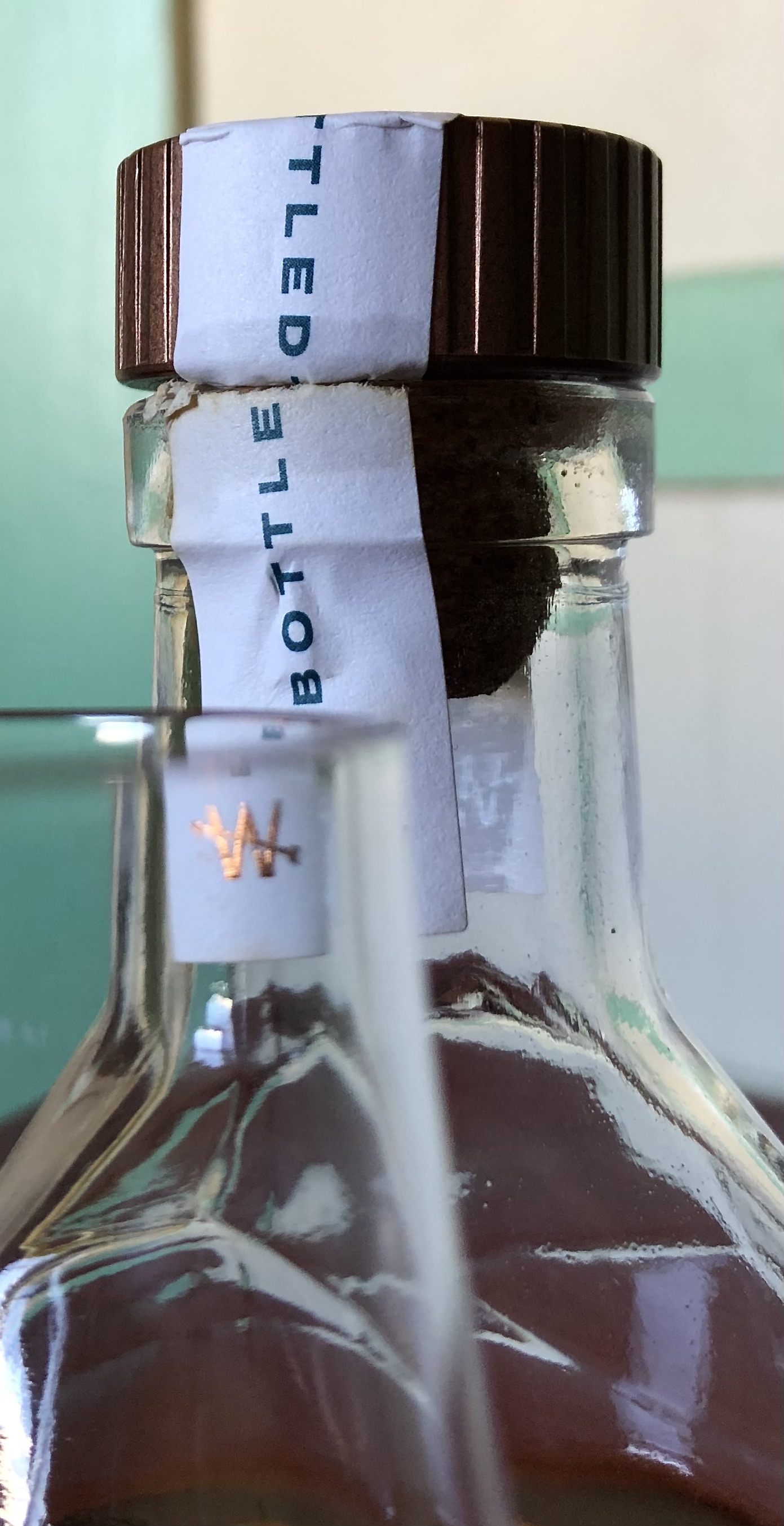
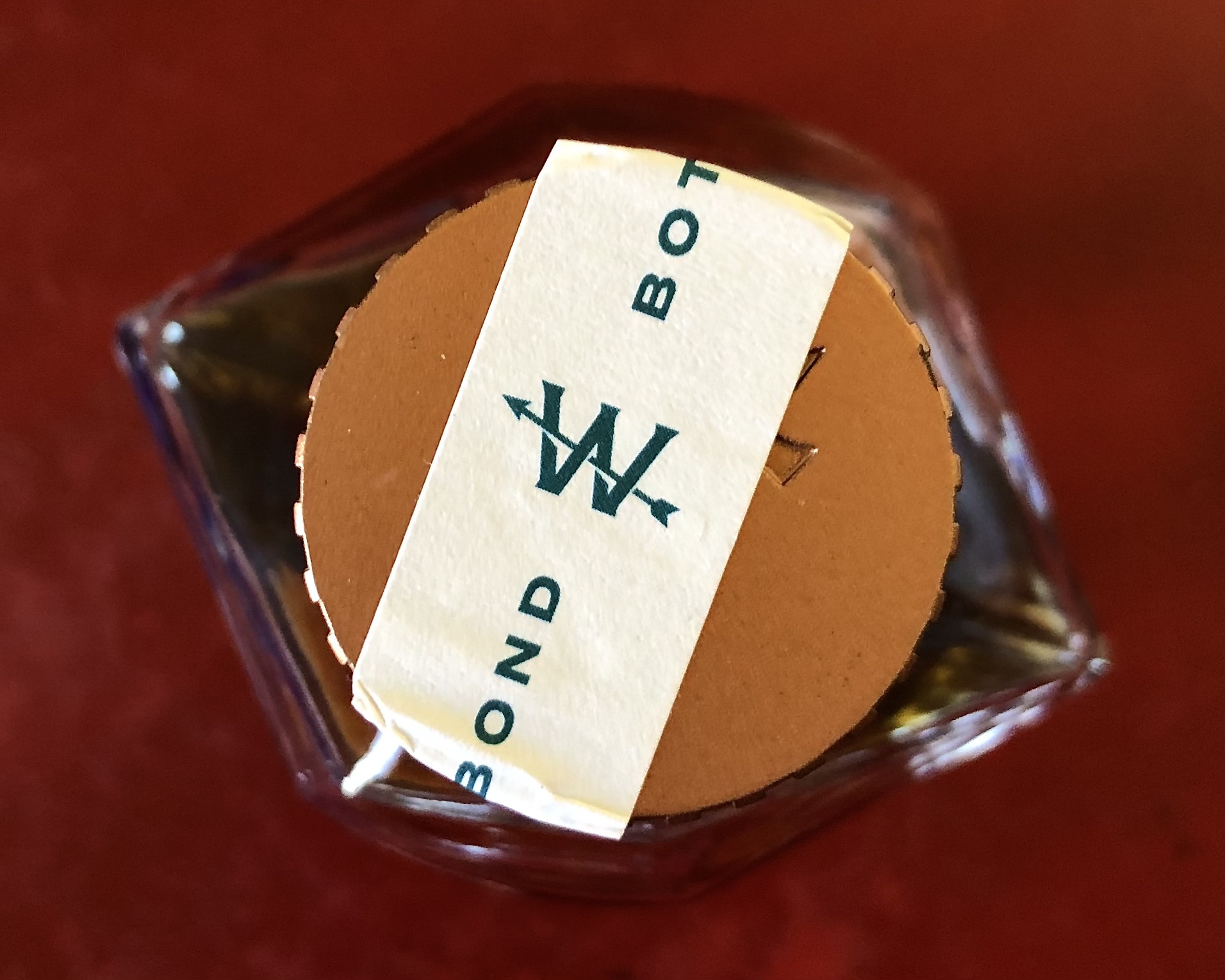
WESTWARD BOTTLED IN BOND
Club Exclusive Release (2024)MASH BILL – 100% malted barley
PROOF – 100
AGE – 7 years
DISTILLERY – Westward Whiskey
PRICE – $100
WORTH BUYING? – Absolutely
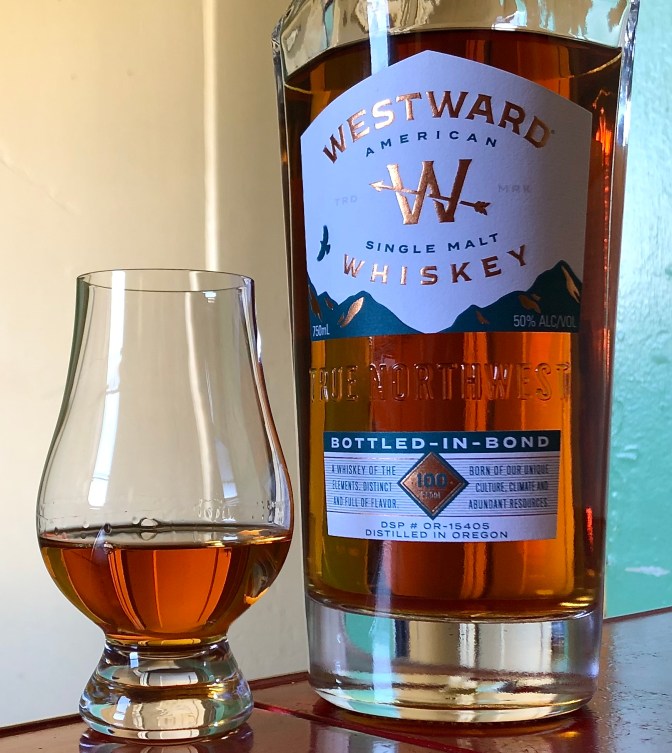
At this point, what can I say about Westward that I haven’t already? I’ve never had a whiskey from that mighty little distillery in Portland, Oregon, that I haven’t liked. One release might appeal to me more or less than another. But they all have their appeal. Westward’s commitment to balance is unwavering. Their knack for pulling every flavor and aroma out of the barley is exceptional. And their talent for cask finishings is keen.
When I heard they’d put out a bottled in bond release, that alone was not terribly attention grabbing. A great many Westward releases would likely qualify as bottled in bond were they simply to be bottled at 100 proof. They generally meet all the other requirements for the classification by course.
But Westward wasn’t satisfied with just meeting the requirements. In addition to bottling at the mandatory 100 proof, rather than leaving the age at the minimum 4 years they let this distillate age for a lucky 7 years. Given most Westward releases are non-age-stated, a 7-year declaration was indeed an attention grabber.
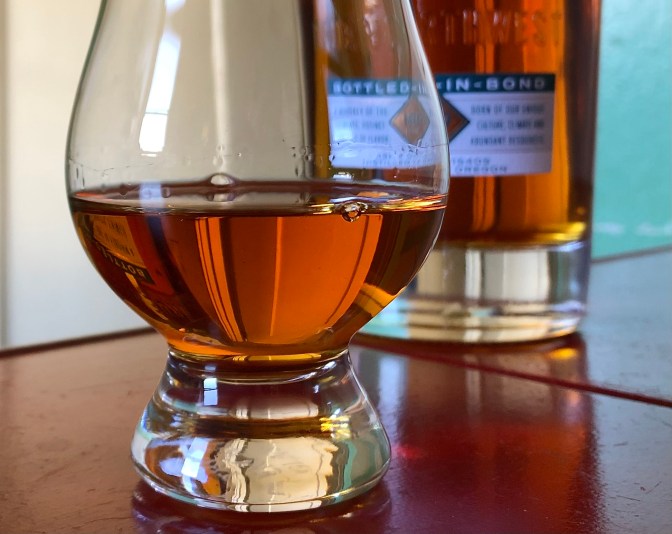
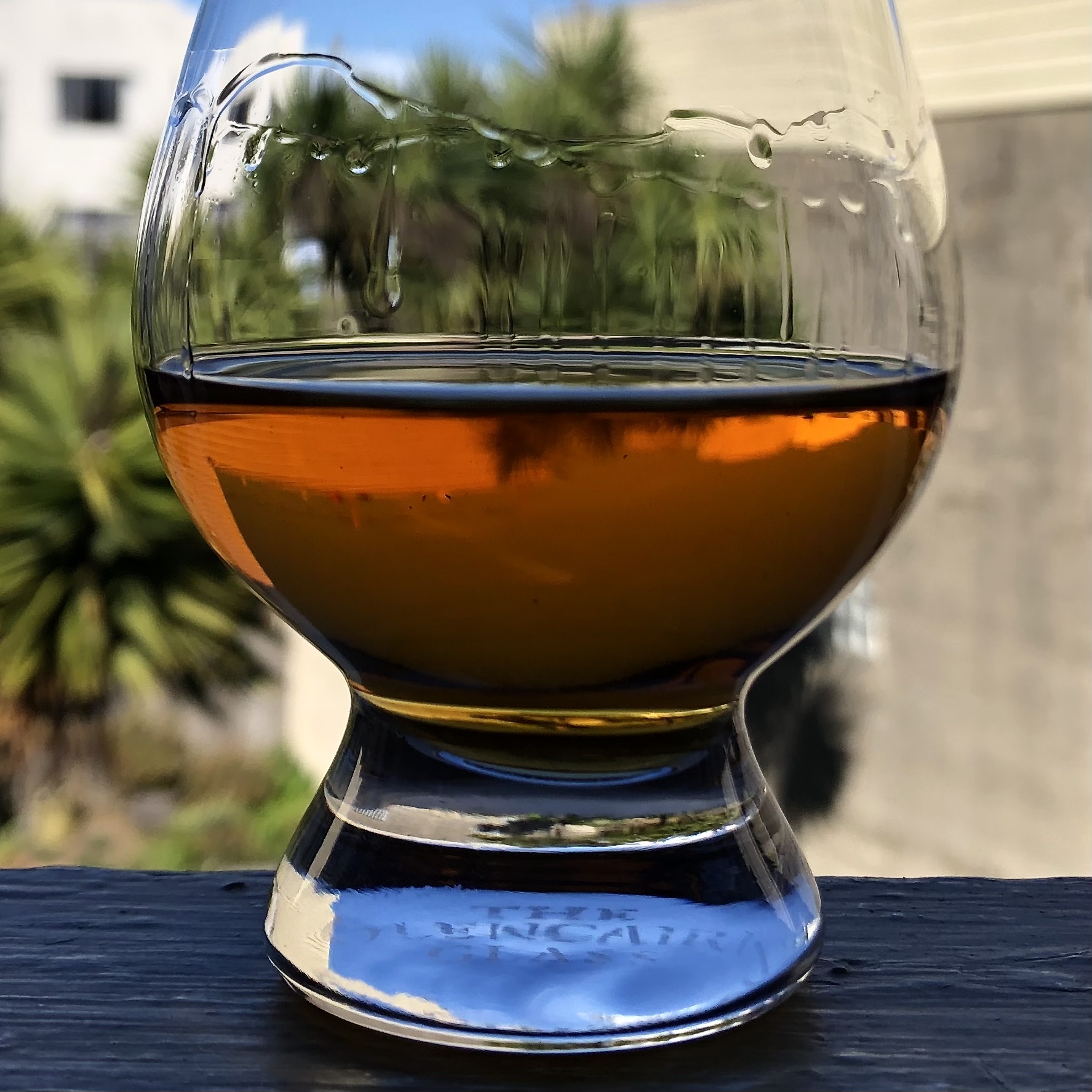
So here we are, one week after uncorking and three pours into the bottle. These brief notes were taken using a traditional Glencairn.
COLOR – dusty amber-oranges
NOSE – fruity and nutty barley, grapefruit peal, thick cream, vanilla-caramel, coffee, subtle oak
TASTE – creamy in texture and taste, the fruity and nutty barley notes grow richer here, with the coffee, oak, bay leaf, a now chocolatey caramel
FINISH – the fruity and nutty barley notes linger with a nice bitter edge from the oak and coffee, the grapefruit peel now pulpier
OVERALL – a rich, vibrant, sumptuous single malt whiskey
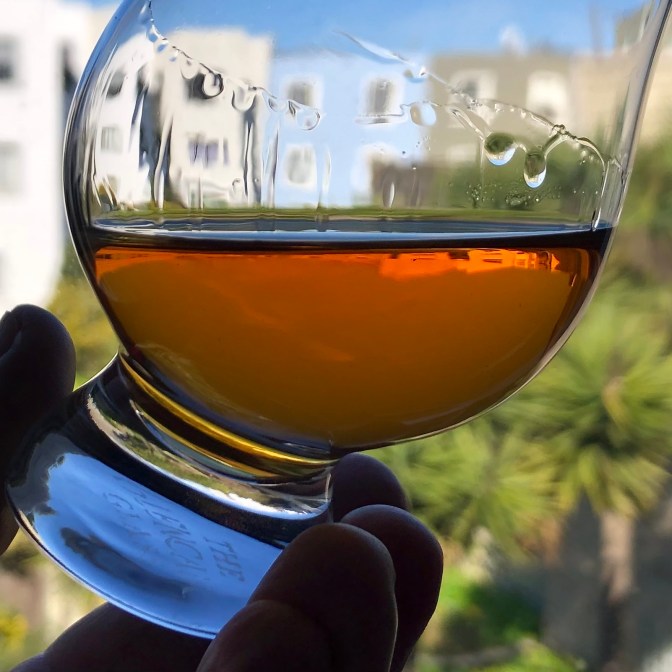
I dig it. This is excellent whiskey. It’s chewy, sweet, and savory, like some rustic baked dessert.
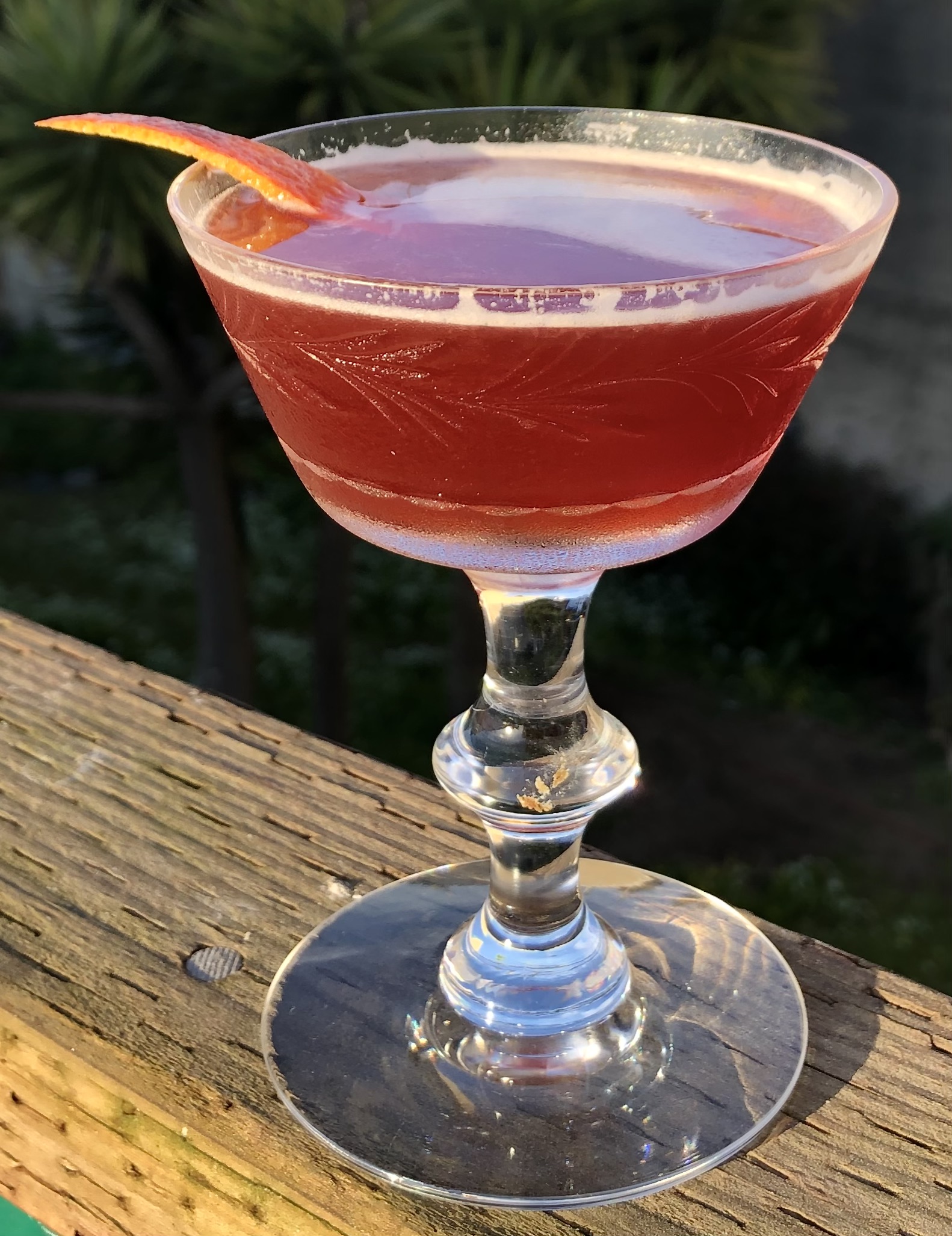
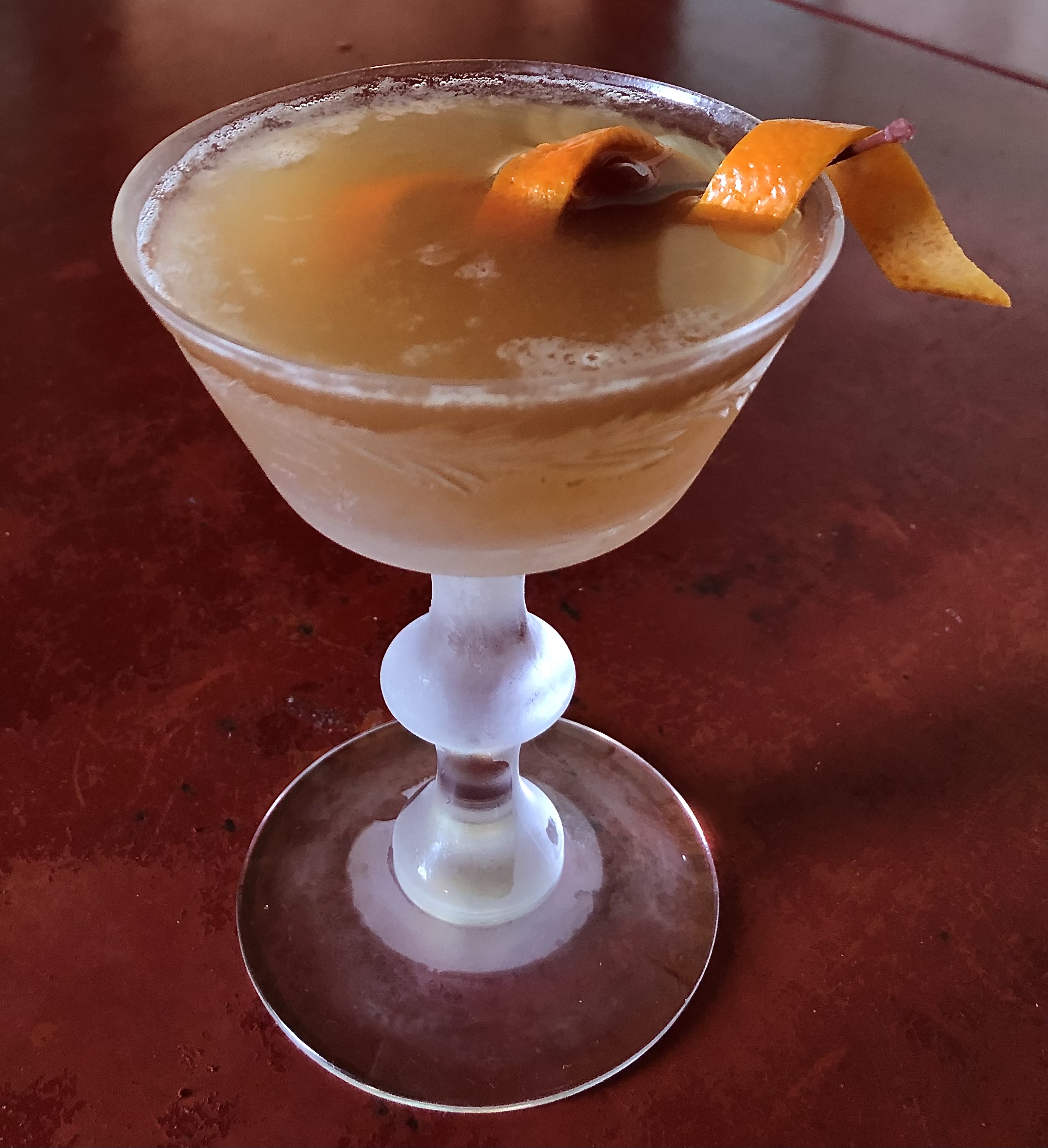
Used in cocktails that might normally call for bourbon or scotch, it will do well, providing its own particular twist. Due to the grapefruit aspect, for example, this Westward Bottled-in-Bond would do nicely in a Brown Derby—balancing the sweet ruby grapefruit juice and honey syrupy with its own sweet and bitter notes. Alternately, the woodsy oak and coffee notes might contribute uniquely to a Blood & Sand, which normally calls for smoky scotch.
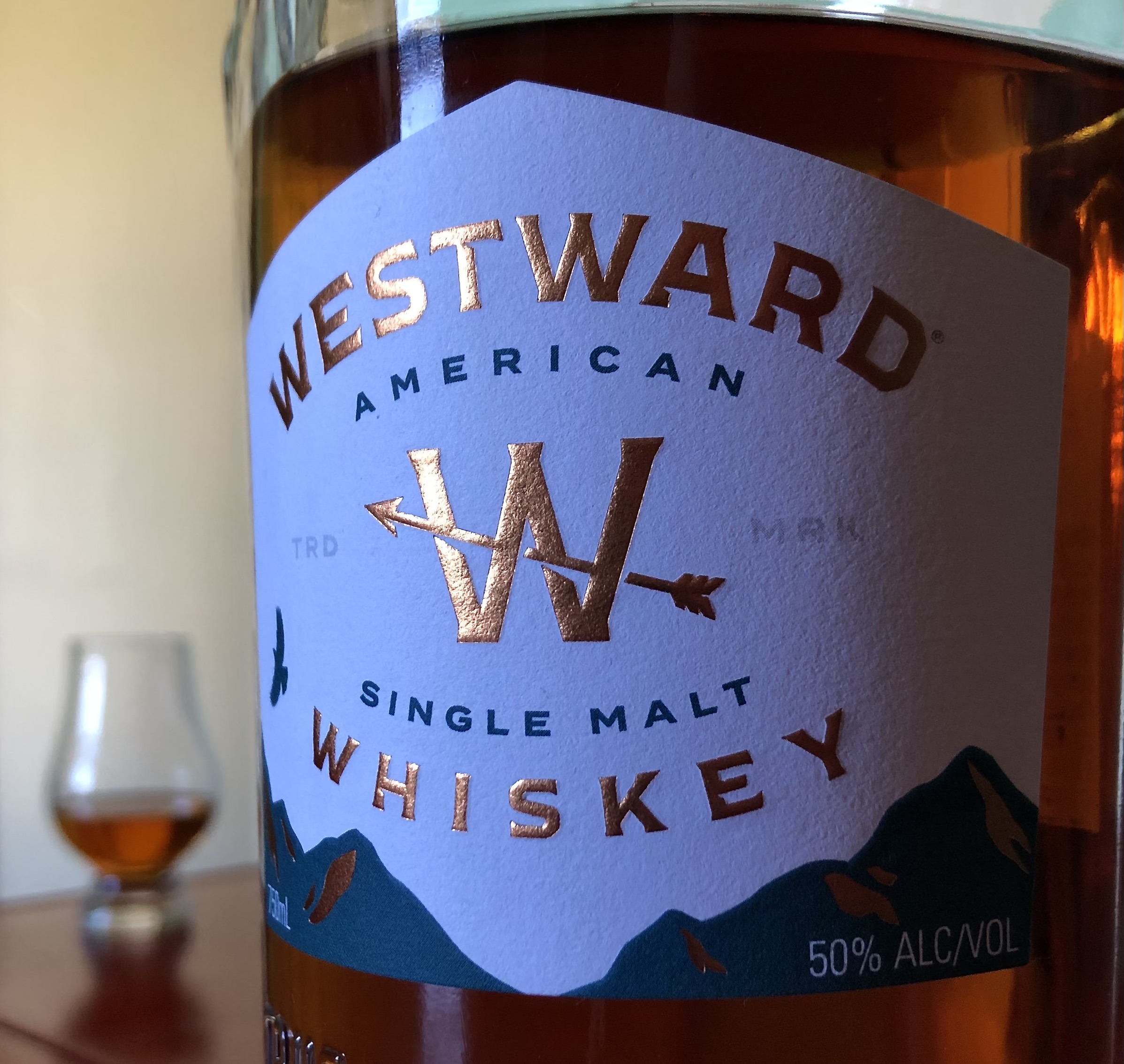
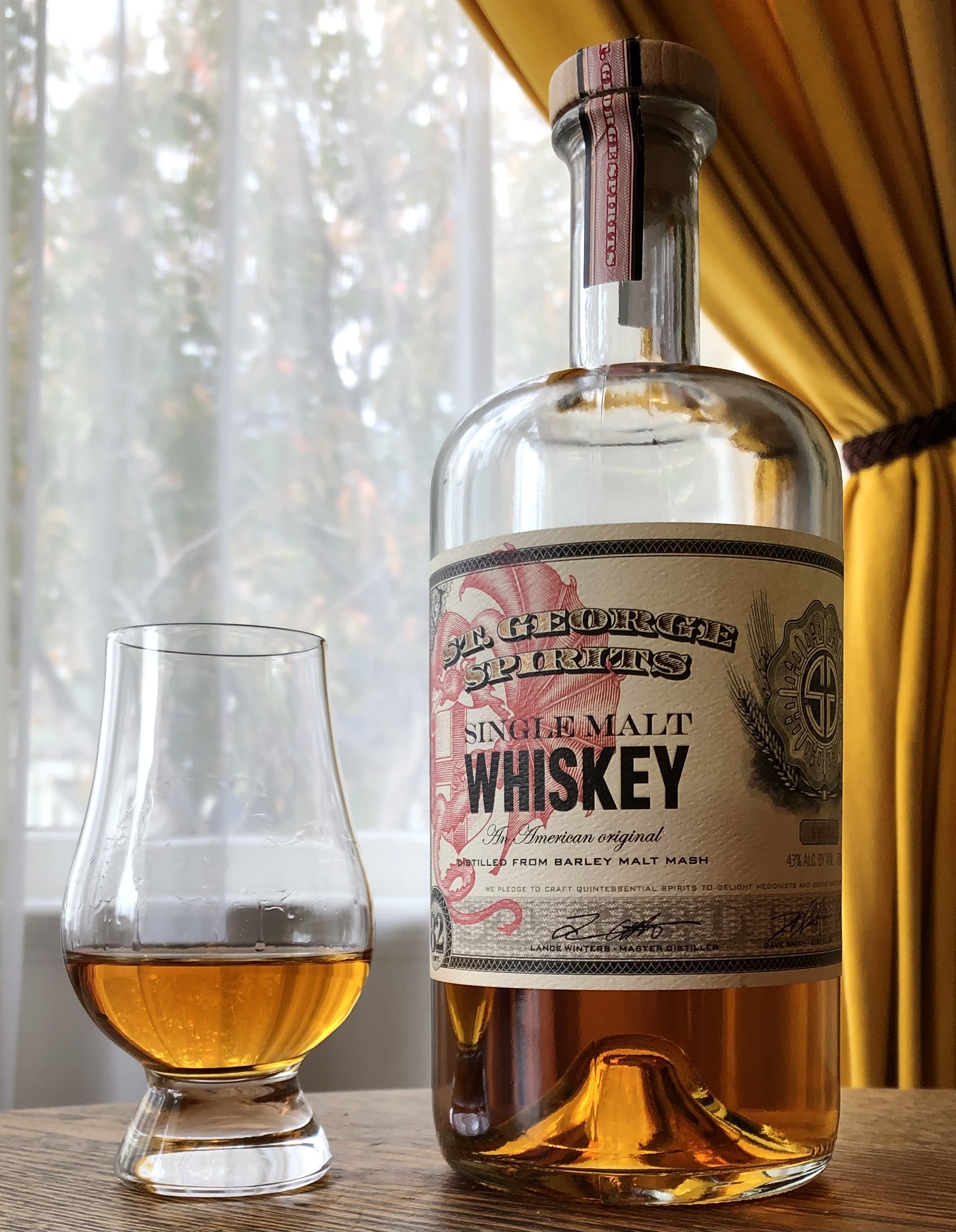
Between Westward and my other favorite American single malt, St. George, an American single malt flavor profile emerges. Or perhaps at least an American west coast single malt flavor profile. (Virginia Distilling Co. achieves a very different single malt profile, for example.) Unlike scotch, Westward ages its single malt whiskeys in new charred oak barrels, like a bourbon or rye would. For its part, St. George blends a notably wider range of used-cask offerings into their annual release than scotch brands tend to do. Westward is in the northern drizzly forest climate of Portland, Oregon. St. George is in the alternately sunny and foggy maritime climate of Alameda, California, across the bay from San Francisco. Both distilleries consistently yield creamy single malt whiskeys, featuring chewy barley notes that lean both fruity and nutty, and with strong grapefruit peel accents providing edge. Outside of those consistent notes, a range of related notes emerge from release to release.
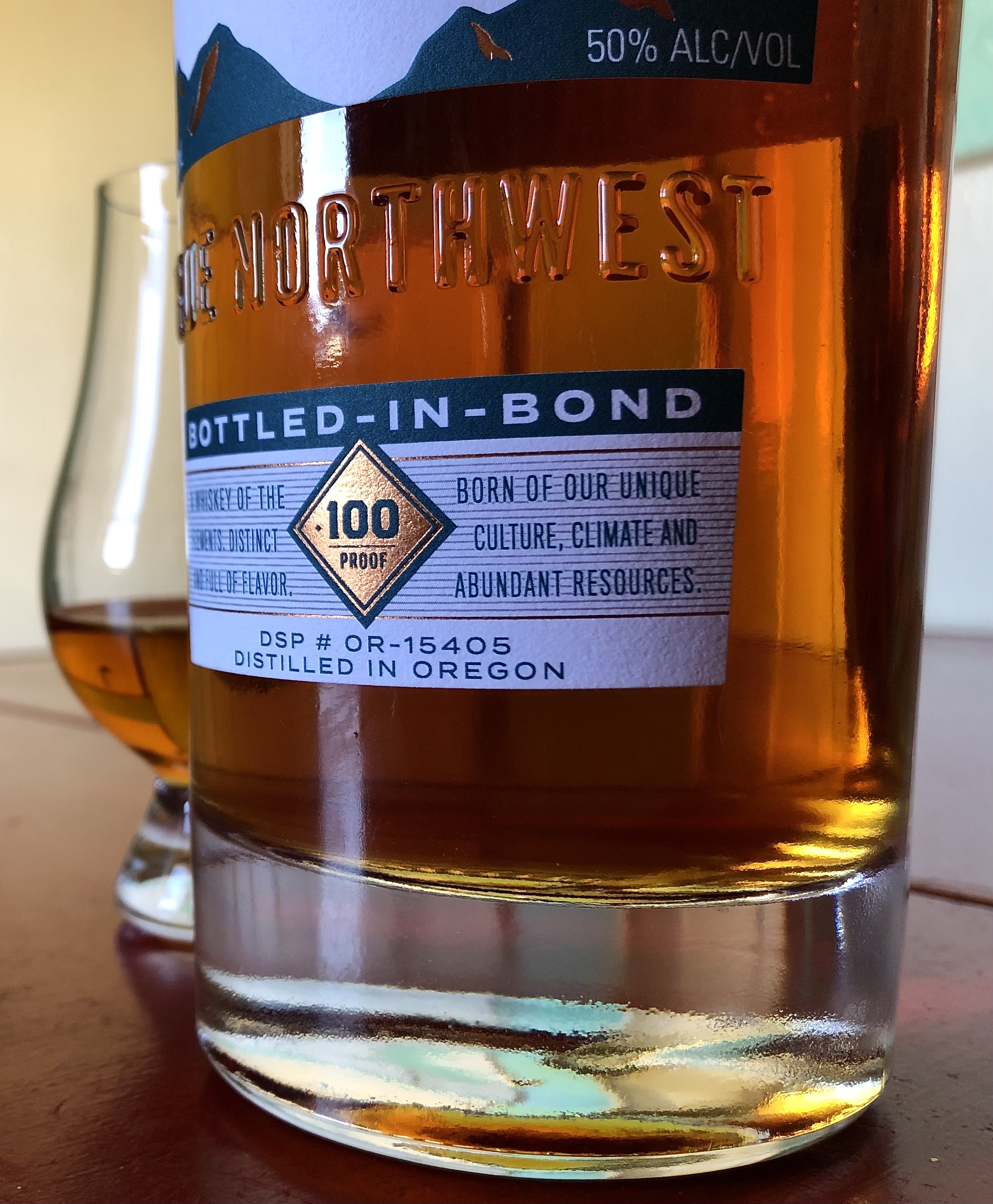
As for this Westward Bottled-in-Bond offering specifically, it certain whets my appetite for more 100-proof Westwards, and older Westwards too. It’s a combo that has me reaching for my glass again and again, and that’s always a good sign!
Cheers!

 The Right Spirit