EVAN WILLIAMS 12 YEAR
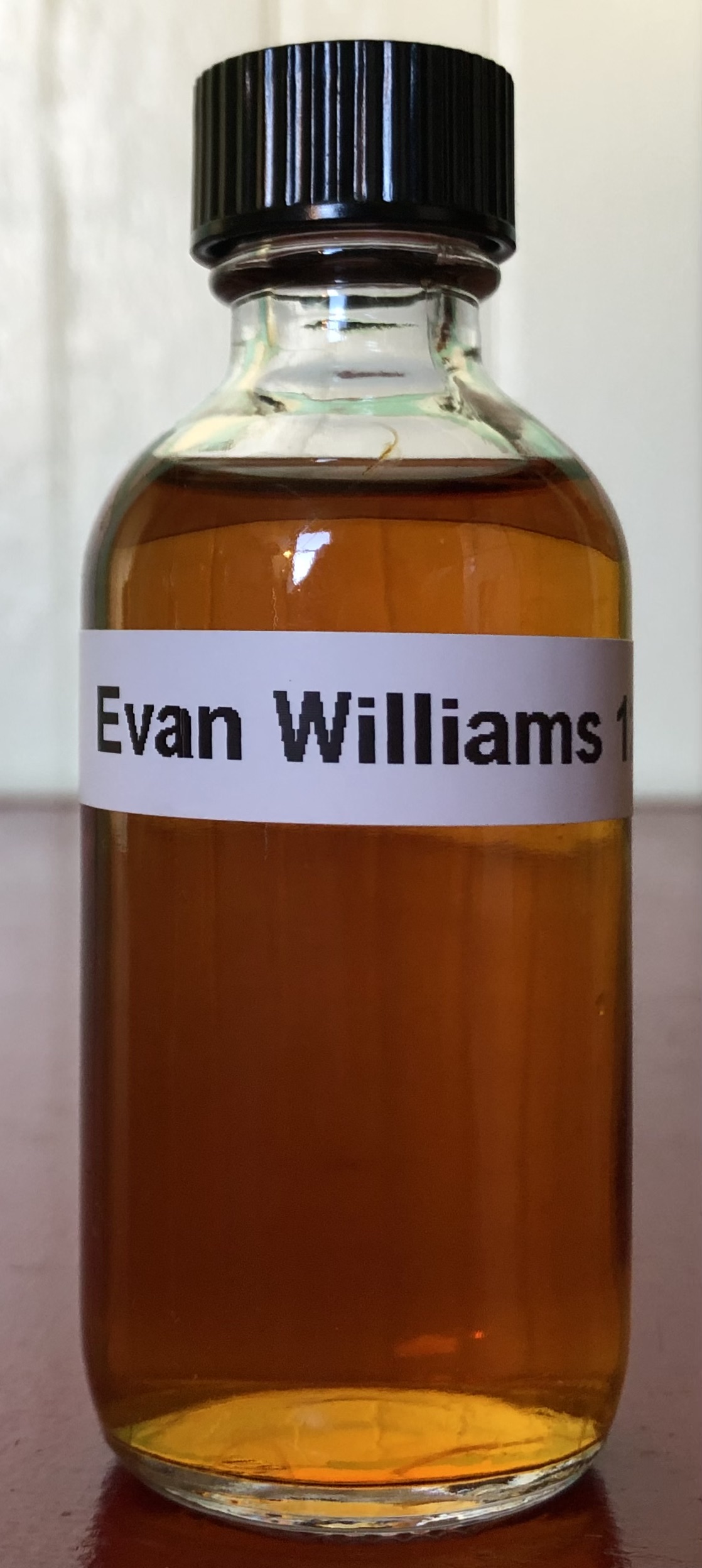
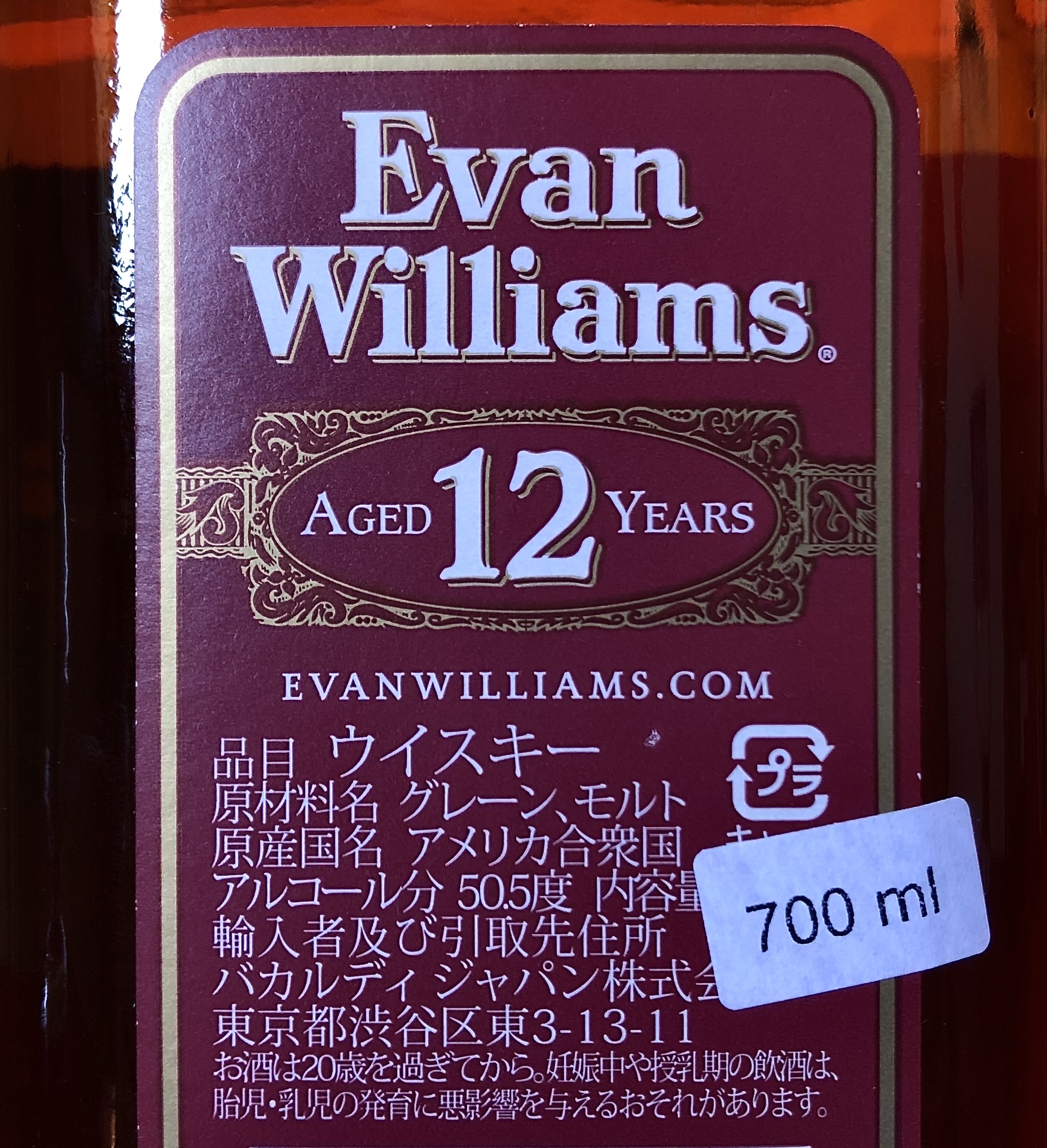
Japanese export samples from 2023 & 1983MASH BILL – 78% Corn, 10% Rye, 12% Malted Barley
PROOF – 101
AGE – 12 years
DISTILLERY – Heaven Hill
PRICE – 2oz samples gifted to me (a 700ml bottle today costs ~¥5300 ($35 US) in Japan; and ~$180 when re-imported to the US)
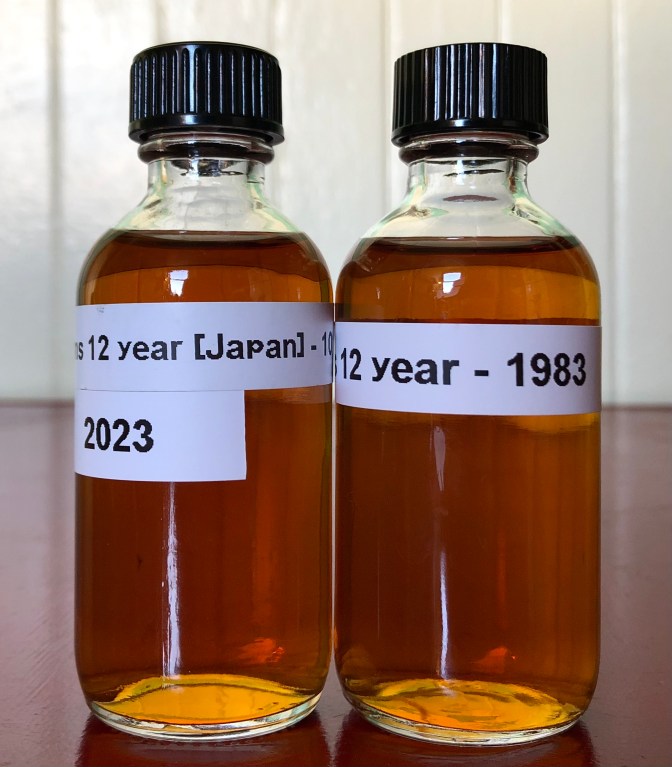
I was gifted these two samples in a recent sample swap with a fellow whiskey fan. Though I do have a full 700ml bottle of Evan Williams 12 Year from 2021 on hand, I’ve yet to open it. These samples will give me a nifty intro to what I have to look forward to, while also allowing me to compare a relatively recent release with one from over 40 years ago.
Another fun detail: Having been aged 12 years, the 1983 sample would have been distilled in 1971—my birth year! So this whiskey was distilled the same year I was. 😉🥃 That means between the two samples, from distillation to bottling, we’re spanning time from 1971 to 2023, a full 52 years. And I’m now sipping these samples in 2025, which brings us up to within some months of 54 years of time on which these whiskeys might compel me to reflect. For me, that’s literally a lifetime—so far! Interesting to consider.
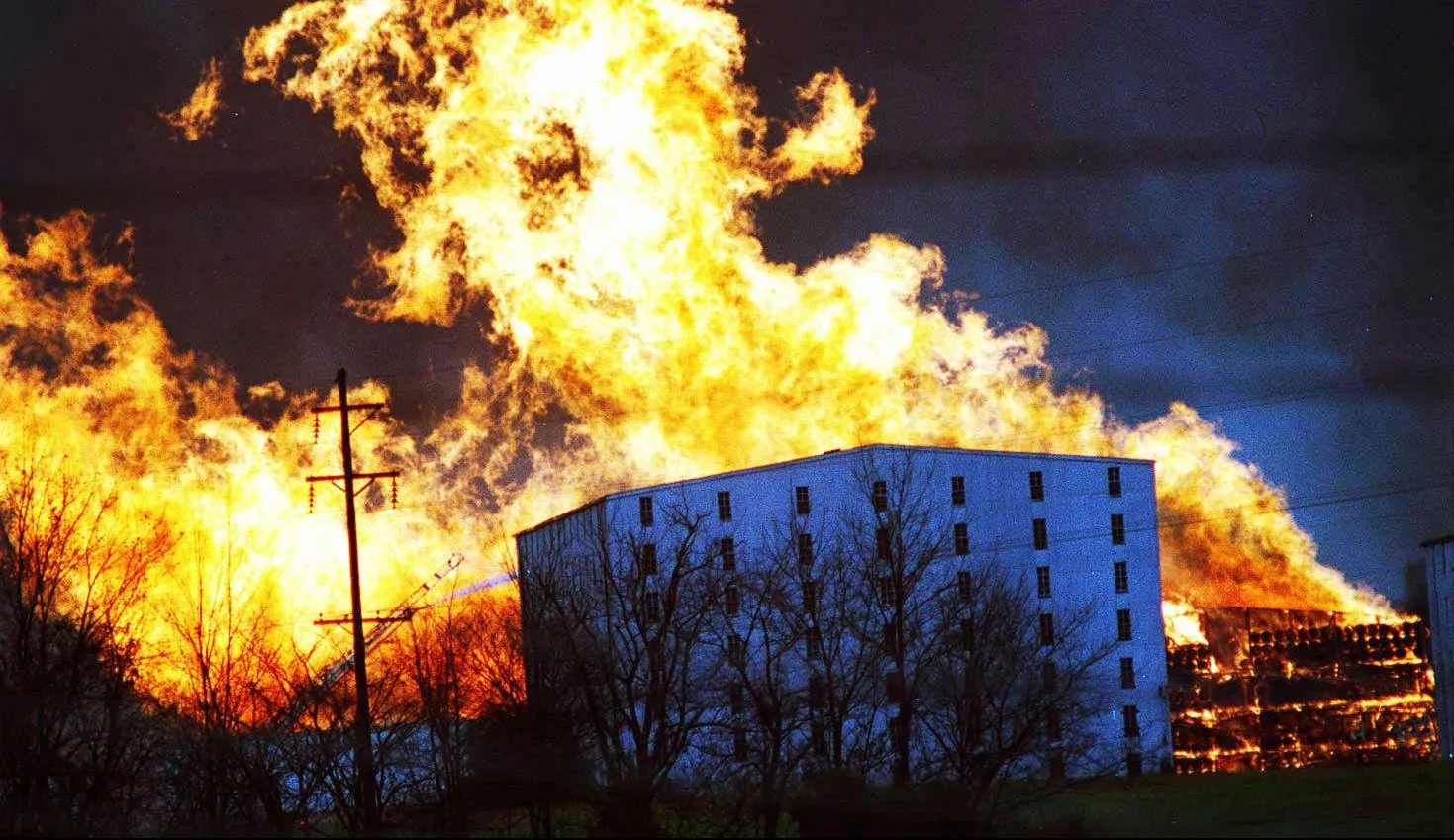
The 1983 sample comes from deep in the fabled “pre-fire” era of Heaven Hill Distillery. In 1996, a massive fire destroyed seven Heaven Hill warehouses, each containing over 20,000 barrels, amounting at the time to an estimated 2% of the world’s whiskey. Flaming alcohol flowed into a nearby stream and spread to the distillery itself, where it damaged the distilling equipment irreparably. This meant new distilling equipment was needed. And new equipment inevitably means a shift in flavor profile. Today, Heaven Hill whiskeys distilled prior to that fateful moment are commonly referred to as “pre-fire” by bourbon fans. They fetch high prices in vintage shops and on the secondary market.
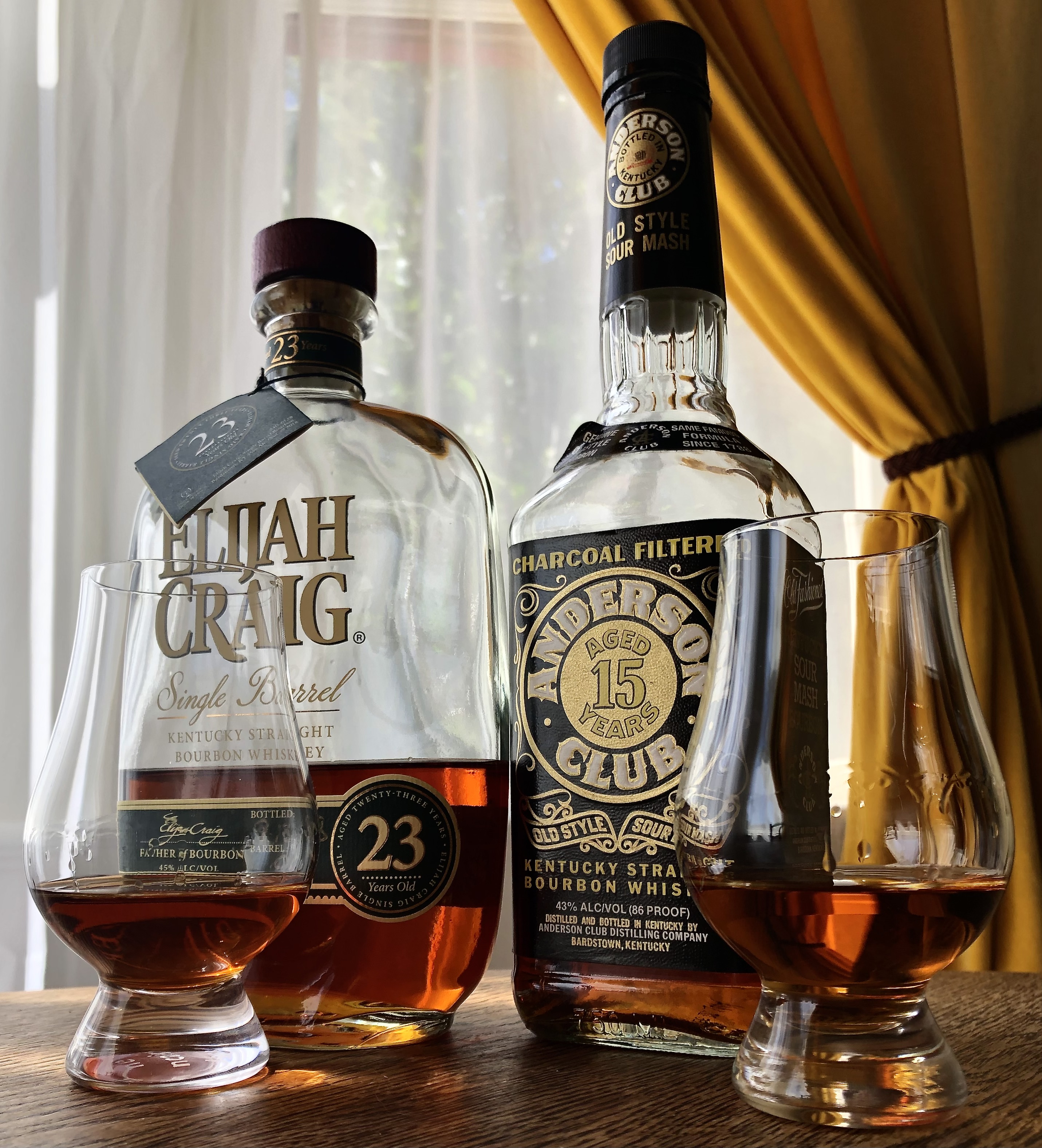
I’ve enjoyed “pre-fire” Heaven Hill before. Another Japanese export, Anderson Club 15 Year, distilled in 1990 and bottled in 2005, was cheap, good, funky, satisfying bottom-shelf Kentucky bourbon. A bottle of Elijah Craig 23 Year, distilled in 1995 and bottled in 2018, was exceptional, like a fine sweet oak tea.
Where on the spectrum from enjoyably cheap to exceptional will these Evan Williams 12 Year samples fall? And how will the pre- and post-fire distillates, separated in time by 40 years, distinguish themselves from one another?
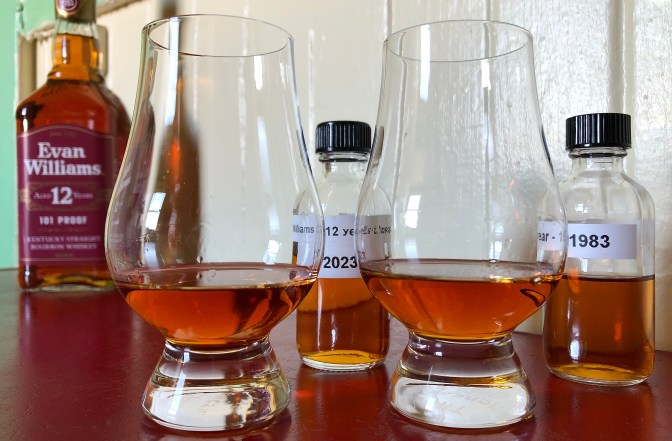
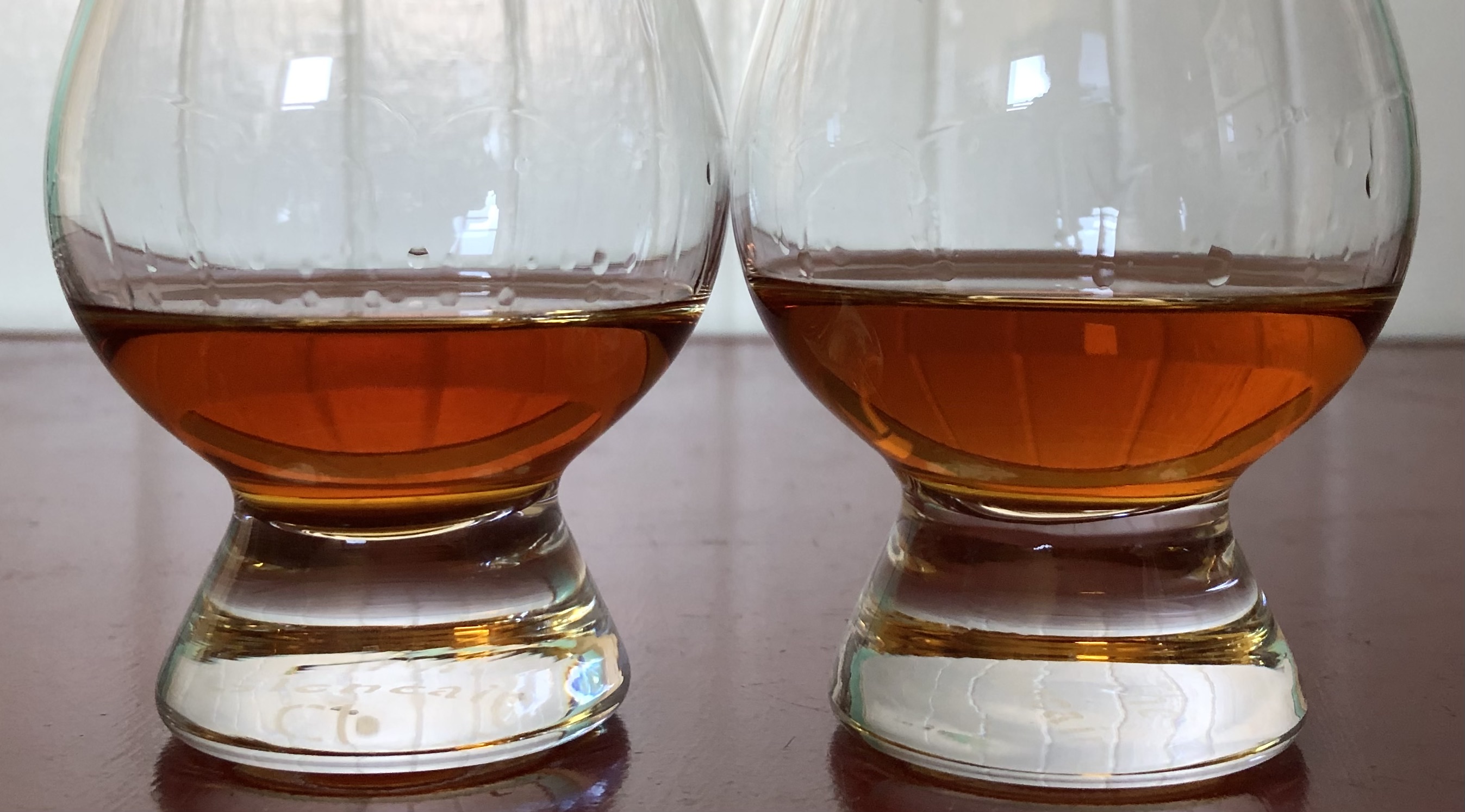
Here we are, minutes after uncapping, and I can’t say how long since uncorking. These brief notes were taken using traditional Glencairns.
COLOR
2023 & 1983 – a soft but deep russet orange
NOSE
2023 – peanut, vanilla, caramel, milk chocolate, oak, a dusting of baking spices, brown sugar, a fruity note I associate with barley
1983 – a similar peanut note but with a distinct old herbal funk swirled into it, also coffee, vanilla, caramel, subtle oak, a subtler and darker whiff of that fruity barley note
TASTE
2023 – creamy texture, with flavors very like the nose, emphasizing the peanut but now more like a creamy peanut butter, some tang from the fruit note, a nice bitterness from the oak
1983 – very like the nose, emphasizing the herbal funk, peanut, some kind of caramel hard candy, cream
FINISH
2023 – an easygoing warmth, with the peanut, caramel, bitter oak, some lingering brown sugar and a touch of cinnamon
1983 – herbal funk, bitter oak, gritty and dry rye spices, a kind of classic bottom-shelf cheapness to it
OVERALL
2023 – a solid old-fashioned Kentucky bourbon experience
1983 – a solid cheap old-fashioned Kentucky bourbon experience
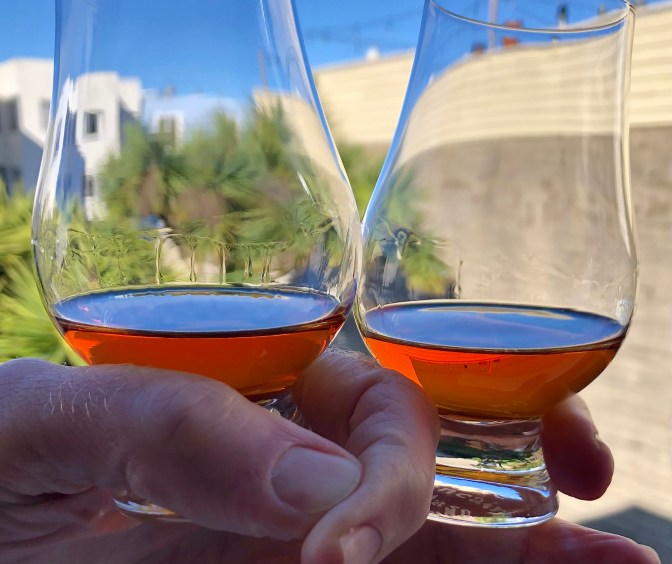
The primary distinguishing factor is that herbal funk note in the 1983, which the 2023 utterly lacks. It’s a familiar note from the Anderson Club 15, and somewhat akin to what I’ve experienced with older Wild Turkey as well. Also reminiscent of the Anderson Club, is what I’m calling that cheap bottom-shelf quality. It’s hard to describe in other terms, some combo of the funk and an almost plastic brightness. I remember this from a 1970s Early Times I once sampled as well.
The 2023, on the other hand, tastes like exactly what it is: well-aged contemporary Heaven Hill bourbon. As I continue to nose it, the vanilla and brown sugar notes are really coming forward. Moving back and forth between this and the 1983, the latter’s herbal funk continues to distinguish it most.
Tasting them again in quick succession, they remain similar and distinct in the same ways as on the nose. To be frank, were I to have to choose based purely on the tasting experience, I’d go with the 2023. Heaven Hill’s particular dusty herbal funk is not quite as appealing to me as Wild Turkey’s variation on the same. And that cheap plastic quality in the 1983, though nostalgic in a faded Polaroid photo kind of way, is still cheap plastic—interesting, but not great.
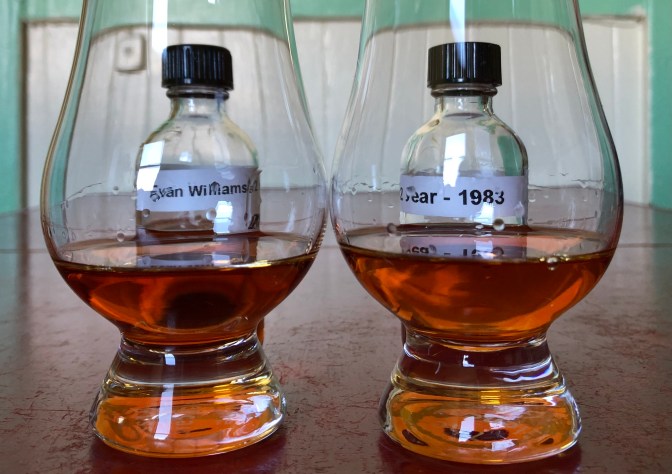
A very fun comparison. I will always enjoy these rare opportunities to compare contemporary whiskeys with their dusty counterparts. It’s an alternate means to museums and books for contemplating history and time’s rolling impact. Time ticks along. Life evolves. Values shift. Economics compel decisions around how things get done. A whiskey distilled in 1971 was subject to different factory conditions than the same recipe distilled in 2011. The weather patterns from 1971 to 1983 were different than those from 2011 to 2023. The bourbons reflect these differences in their mysterious language of aroma and taste.
From a base consumer standpoint, I’ve learned I don’t need to put my dollars toward dusty Heaven Hill. I’d be more inclined to splurge on a dusty Wild Turkey. But I’m also wondering if I need to splurge on dusties at all. The whiskey community’s generous practice of sample sharing has granted me introductions to a range of whiskeys, old and new. This is among the great habits of this community.
So, no profound reflections here on my birth year or the phenomenon of Time. Just some good old-fashioned bourbon, and sincere gratitude for the kindness and curiosity of the whiskey community.
Cheers!

 The Right Spirit