WILD TURKEY 101
Jimmy Russell 70th Anniversary Release (2024)MASH BILL – 75% corn, 13% rye, 12% barley
PROOF – 101
AGE – 8 years
DISTILLERY – Wild Turkey
PRICE – $57
WILD TURKEY 101
Japanese Export (2021)MASH BILL – 75% corn, 13% rye, 12% barley
PROOF – 101
AGE – 8 years
DISTILLERY – Wild Turkey
PRICE – $32 (¥4635) for a 1L bottle purchased in Japan

After a series of pirate-priced special releases in recent years, Wild Turkey’s parent company, Campari, authorized an unexpectedly classy release in celebration of master distiller Jimmy Russell’s 70th anniversary with the distillery. No fancy bottle or excessive box. No unusually high age statement or extra cask finishing. And no eye roll inducing price tag. Just Jimmy Russell’s own favorite specs—8 years old and 101 proof, priced at an acceptable $50 msrp.
Previous anniversary tributes have been priced much higher, offering more overtly impressive specs rather than Russell’s own humbler preferences. Honoring the man with what he himself likes to drink best is an overdue good idea. I say the $50 price is “acceptable” because this is indeed a tribute release, so, okay. But the fact is one can get this 70th Anniversary release’s same basic specs year-round from the Japanese export of Wild Turkey 101 8 Year for a much lower price. Had Campari priced this 70th Anniversary release at, say, $40, then I’d really be impressed. But $50 is doable.
And ☞ just a month or so after the 70th Anniversary release came out, a newly approved Wild Turkey label showed up on the TTB with an 8-year age statement destined for US release. So it would seem this “special” release was also a prelude to a state-side brand extension, already running quite well in Japan for years.
I still have a couple bottles of the Japanese export 8 Year from my 2023 trip to Japan. It was a no-brainer to compare them. Rather than speculate about differences in advance, I’ll dive right in to a couple glasses.


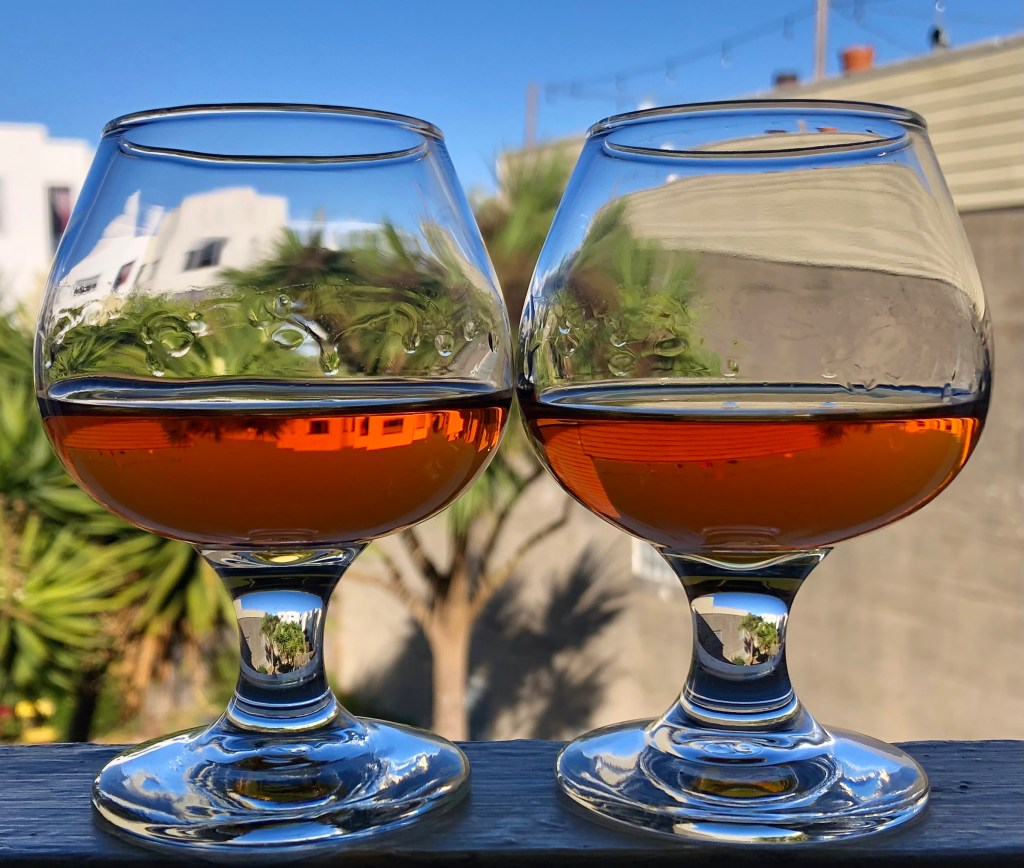
Here we are, seven weeks after uncorking the 70th Anniversary release and over three-quarters of the way through the bottle, and four days after uncorking the Japanese export and two pours into the bottle. These notes were taken using simple brandy glasses, my favorite for Wild Turkey.
COLOR
70th & JAPANESE – both have the same soft, comforting, autumnal rusty orange that I appreciate about Wild Turkey
NOSE
70th – sweet and dry oak, baking spices dusted on chocolatey caramel, cinnamon roll dough, oily peanut and almond butters, faint and fleeting baked cherry
JAPANESE – more reserved, with nut butters leading, then oak, thick dry milk chocolate fudge, cinnamon but like in a syrup
TASTE
70th – same notes as the nose only brightened up, allowing the cherry to lean in just a bit and the sweetness of the oak to meet the tannins side by side, all with a thinly syrupy texture
JAPANESE – much more forthcoming here than on its nose, with cinnamon syrup, melted milk chocolate, sweet oak and oak tannin
FINISH
70th – confectionary sugar, oak, oak tannin, chocolate
JAPANESE – milk chocolate fudge, oak and oak tannin, and a bit more lingering bite than the 70th despite the same proof
OVERALL
70th – solid Wild Turkey 101 with extra oakiness and a bright kick
JAPANESE – solid Wild Turkey 101 with extra oakiness and a darker kick
WORTH BUYING?
70th & JAPANESE – Absolutely. Especially the Japanese export, given the price difference.
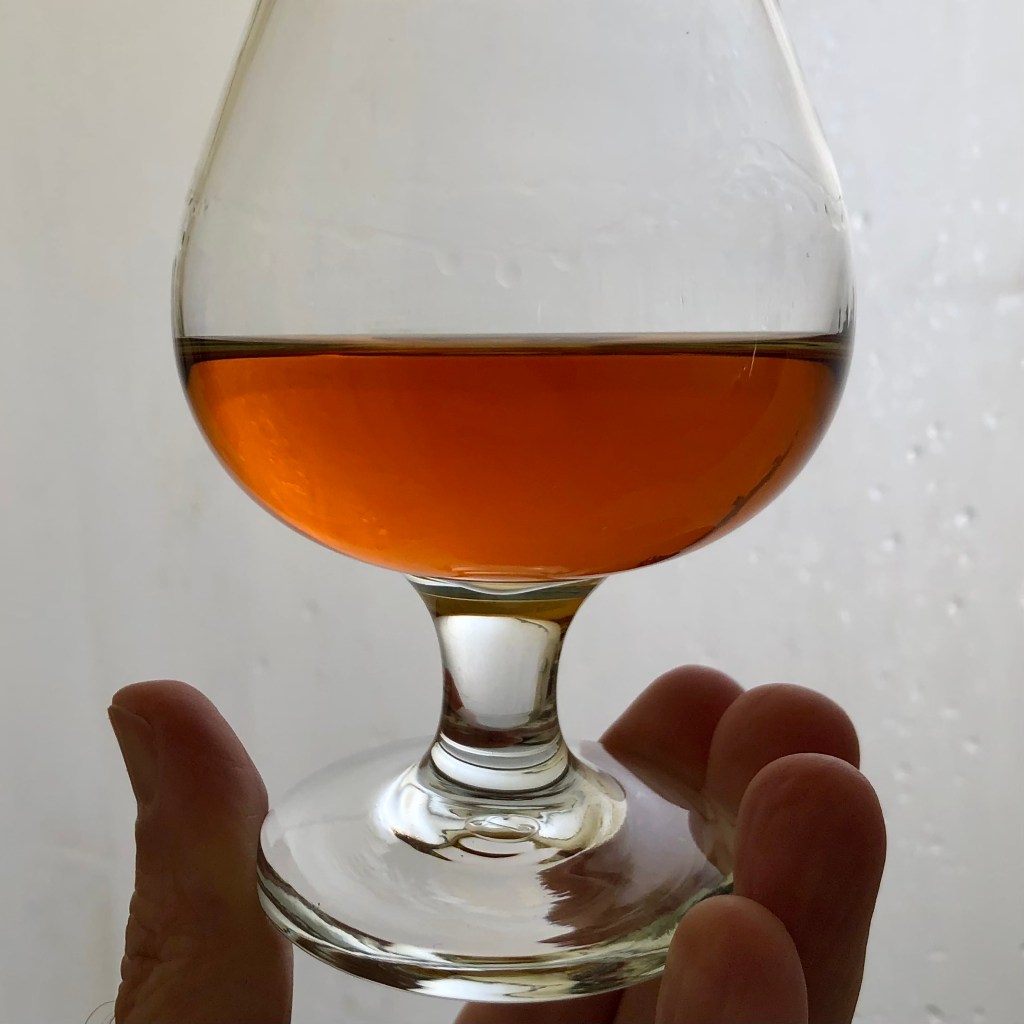
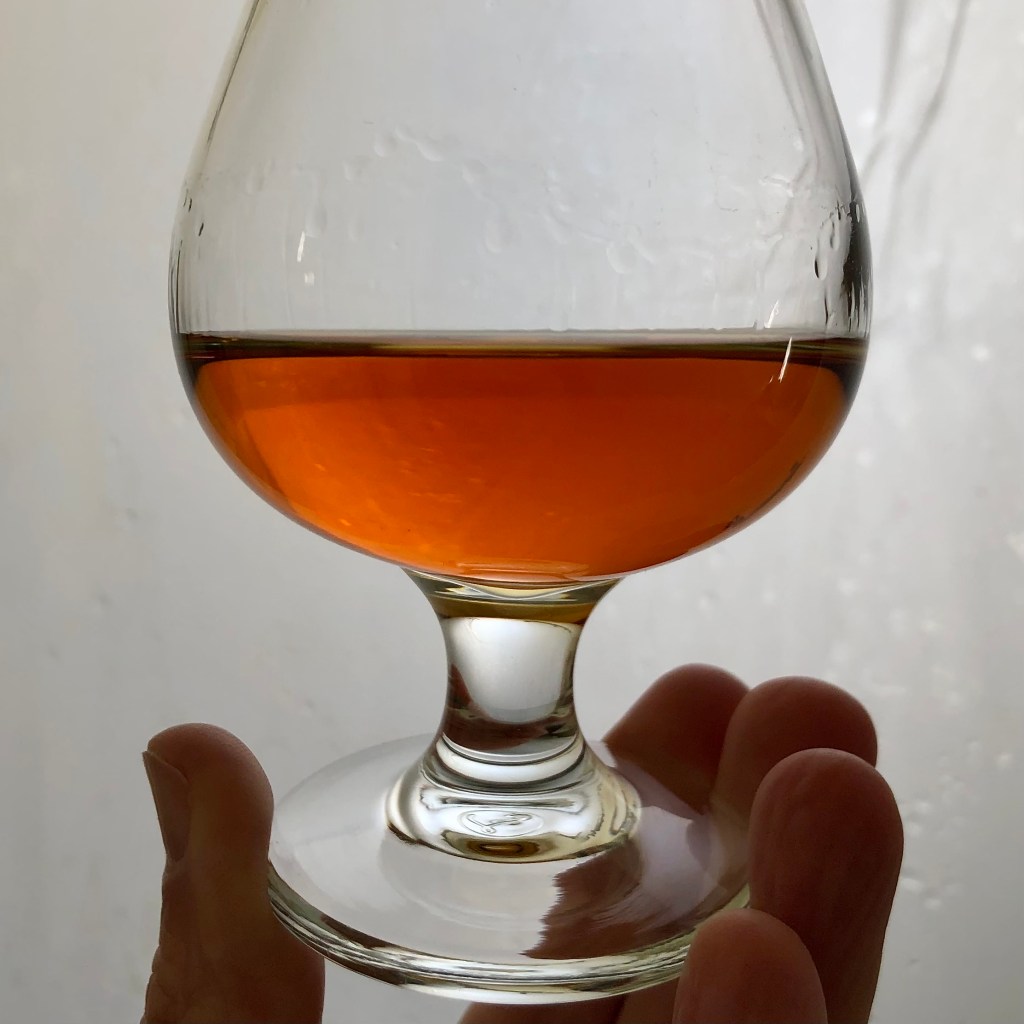
They’re quite alike. The Japanese Export does have a darker quality to it, something just a bit broodier, like we’re deeper into the oak forest. And the 70th has a slightly drippier texture. Other than that, they each show quite a range of oak notes and very little fruit sweetness. And it’s interesting how much the caramel notes tip in a chocolatey direction, not something I necessarily associate with Wild Turkey.
Fans of sweeter bourbons might be disappointed here. What sweetness there is comes from the oak, spices, and caramel. Without that classic Wild Turkey cherry note adding a fruitier sweetness, the sugary aspects have both bourbons leaning quite dry.
For me, in terms of quality, these are what a bottom shelf bourbon should taste like at minimum—although I too would prefer more fruit sweetness. I’m thinking about the bottle of Russell’s Reserve 10 Year I recently sipped through in a matter of just a couple weeks. Even with 2 more years under its belt, it was a bounty of cherry notes. These 8 Year bottlings are good. But that Russell’s Reserve was for me Wild Turkey perfection—in the ~$50 price range, mind you.
And price is a key consideration here. When I first tried the 70th Anniversary release I thought it was a $40 bottle tops. I still feel that way. And with the US / Japanese exchange rate, I paid only $32 for this 1L bottle of the exported 8 Year. (Of course I also bought a plane ticket!) But even if I ordered a bottle of the Japanese export from Europe, before shipping it would run about $60 for a 1L bottle and $55 for a 700ml, roughly the same as the US-released 70th. (Don’t even get me started about the WT 12 Year!)

Wild Turkey has many brand extensions to choose from. I don’t think it’s worth breaking a sweat or the bank to chase after their products anymore. The high-end “limited editions” of recent years have had comically high prices attached, and that’s before the secondary pirates double them. And of course it’s the secondary pirates who compelled Campari to beat them at their own game. But the lower-end and mid-range Wild Turkey standard releases—e.g. Wild Turkey 101, Rare Breed, a gaggle of Russell’s Reserve variations—are good enough that if I’m going to dare spend $300+ I’d rather it be on some other brand, and a whiskey that is not only good but truly unique.
Meanwhile, autumn continues, and both these 8 Year variations are very suited to it.
Cheers!


 The Right Spirit