Really there are only a handful of cocktails. It is in the details that the magic is made.
This is not my insight, of course. Nor are any of the ideas to follow below my own. These are all perennial bartender know-how, passed along over the years behind bar counters, in books, and on the YouTube.
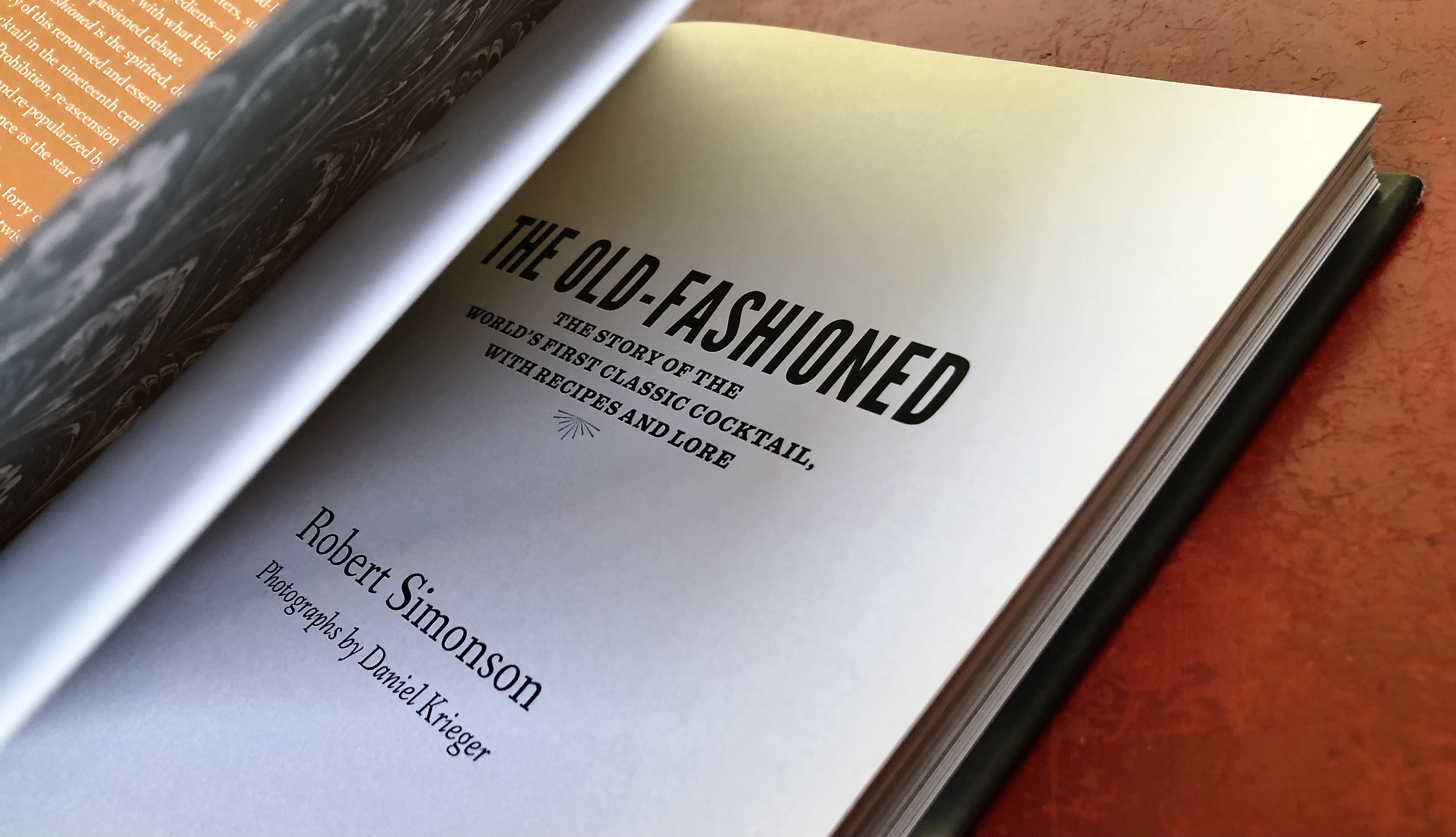
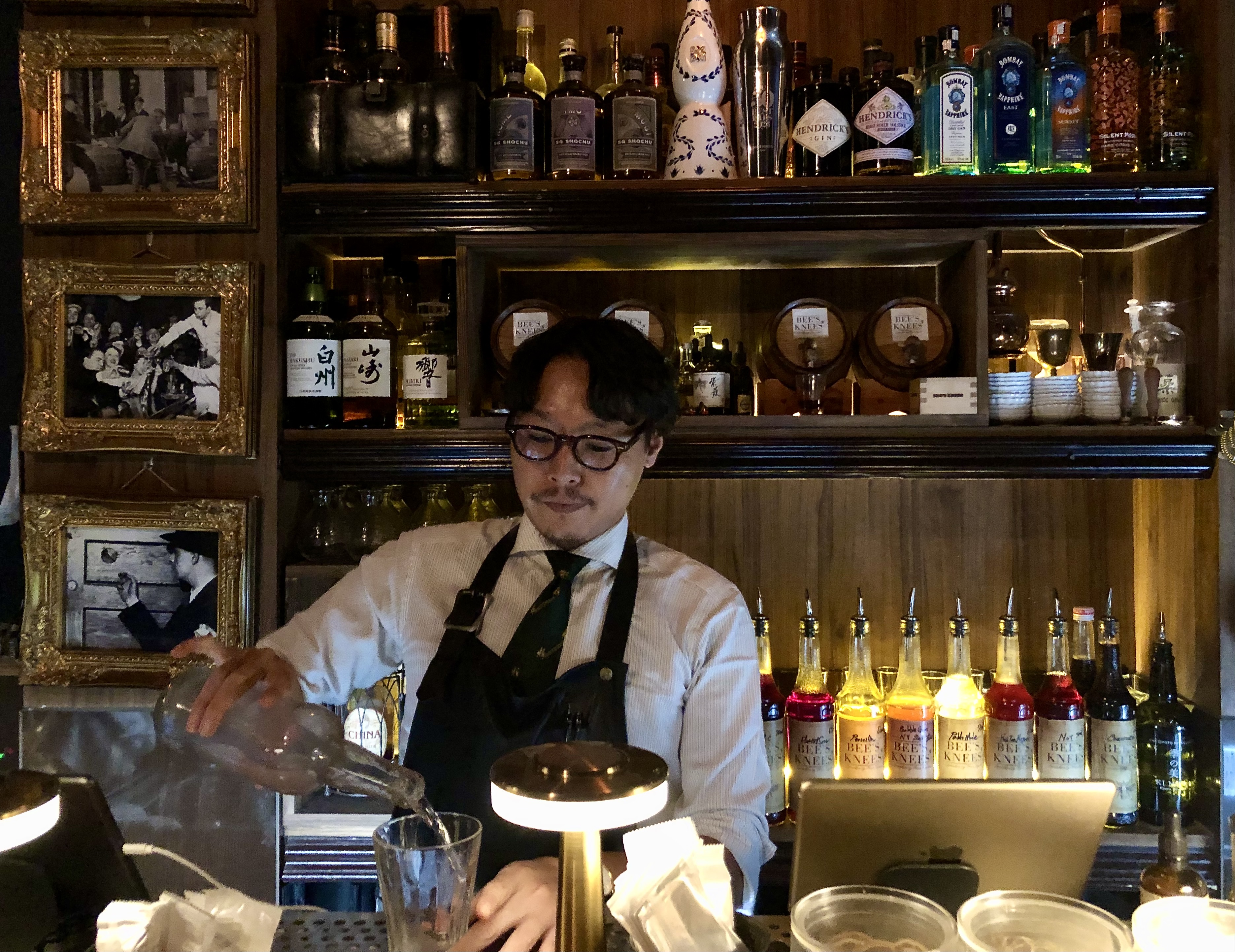
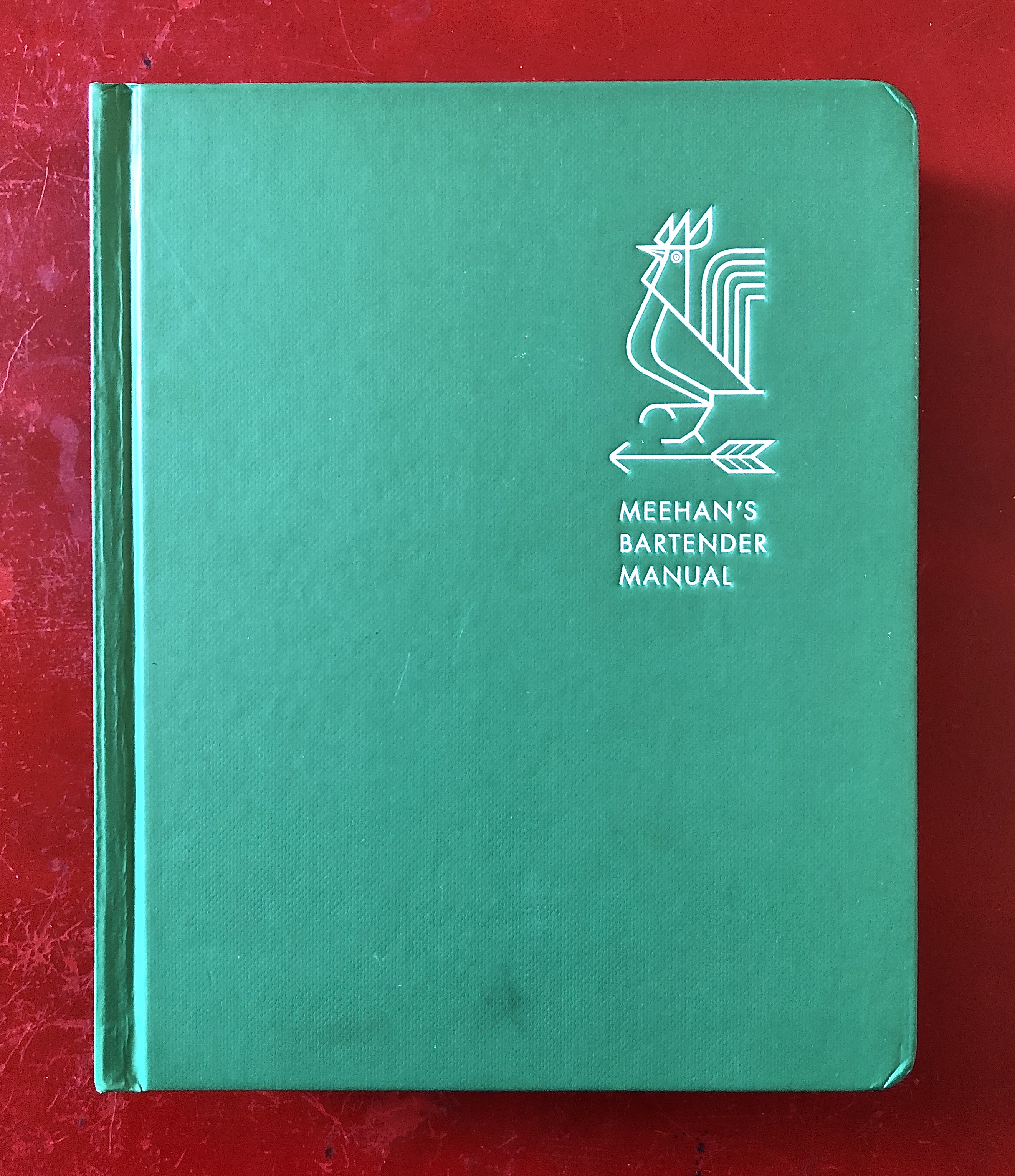
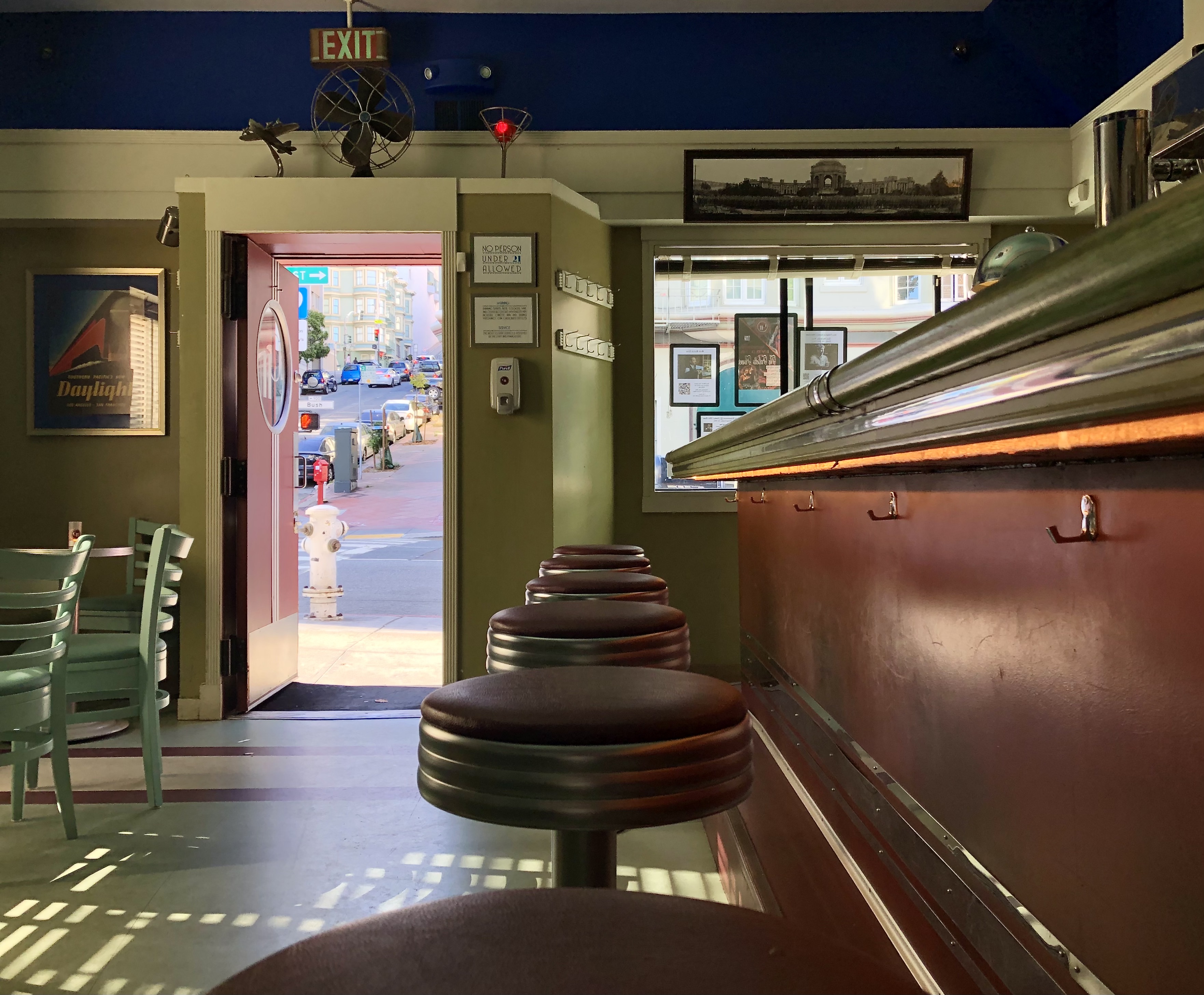
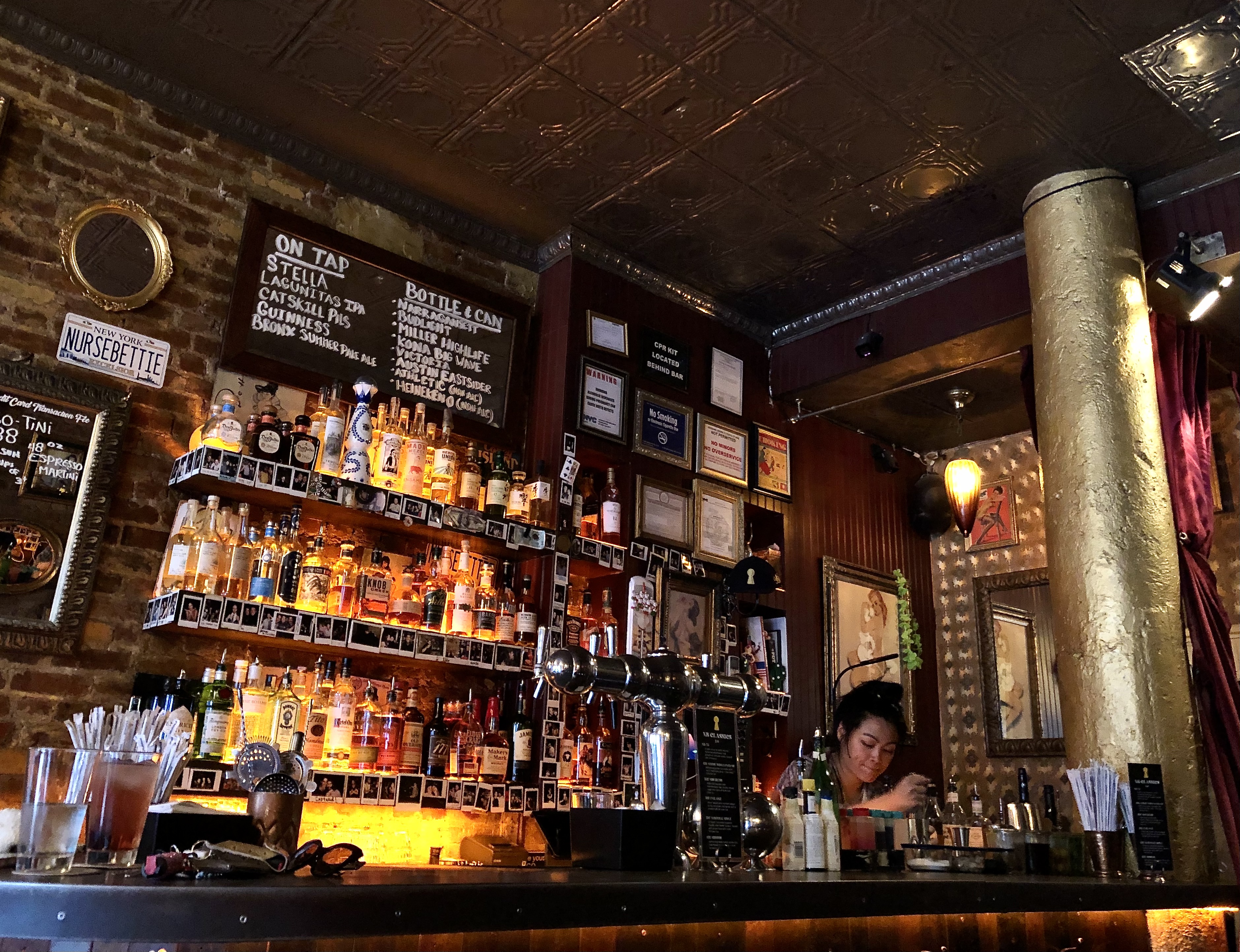
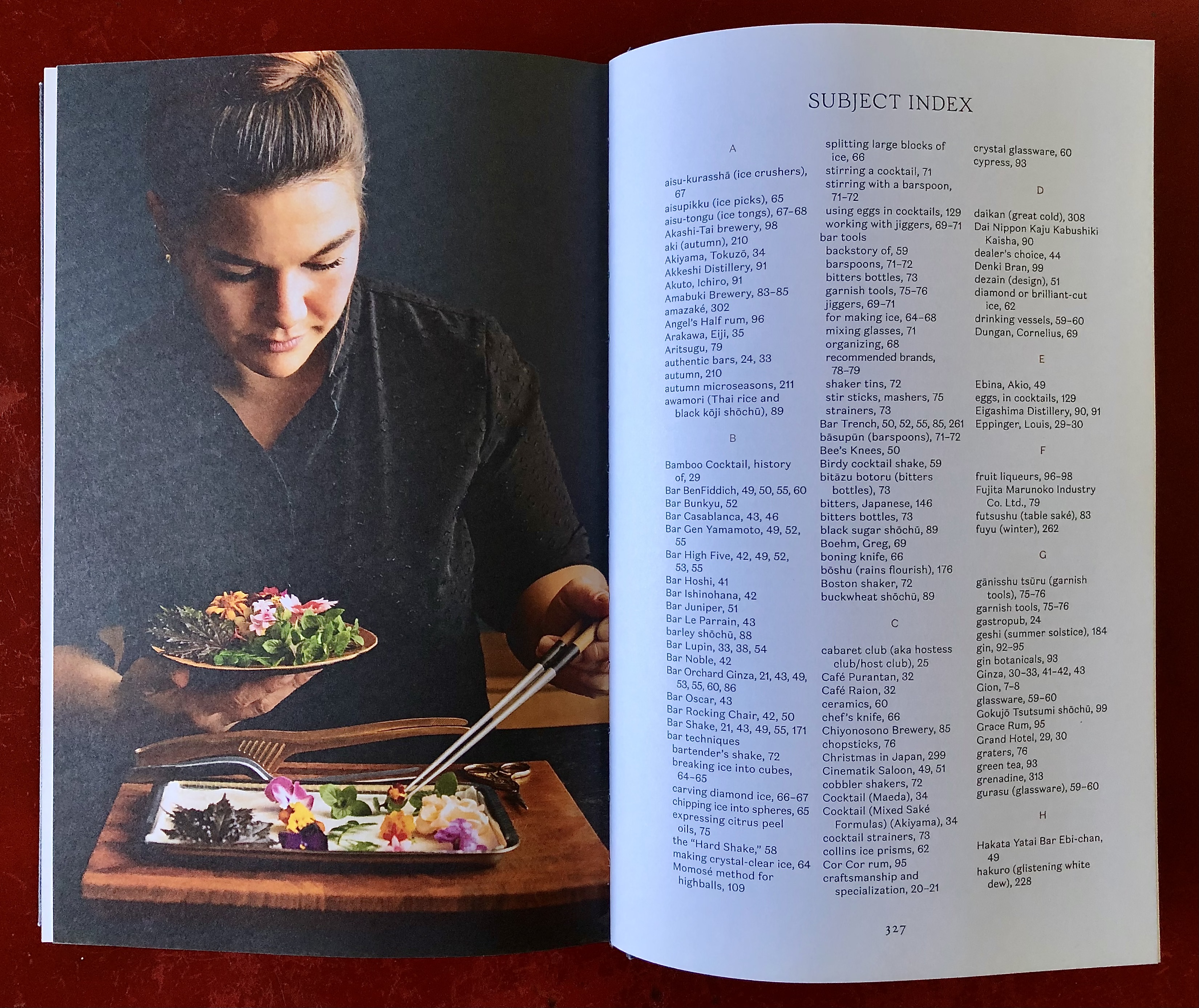
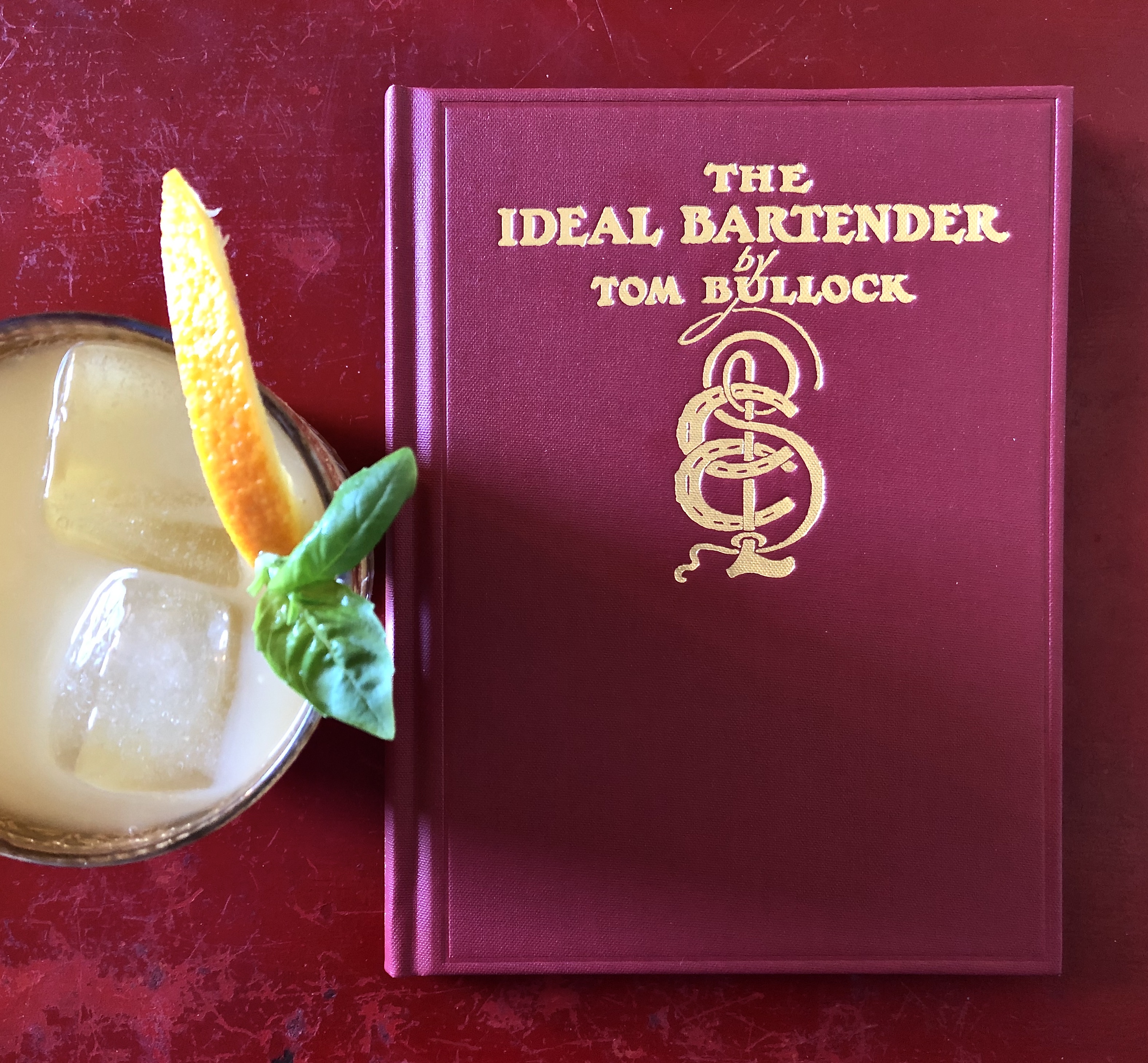
I credit my own mixological learnings to bartenders Yana Nogid and Anders Erickson, and experienced authors like Tom Bullock, Jim Meehan, Julia Momosé, Michael Ruhlman, and Robert Simonson, to name a key handful. I’ve also paid close real-time attention to bartenders as they have filled coupes and tumblers with magic for me at bars like Bee’s Knees, Cloakroom Bar, Nurse Bettie, Stookey’s Club Moderne, and other establishments where the attention to detail is keen.

Gathered here in one place are time-tested basics that have helped me do what I enjoy most at my home bar—play with magic! This is not intended to be a comprehensive mixology guide from or for professional bartenders. It’s a collection of learnings from a cocktail enthusiast whose ambition is to make great cocktails for friends and family. If you’re already a pro behind the home bar, this article will cover some familiar territory and hopefully offer a few fun new ideas. If you’re just getting into home cocktailing, welcome! I hope this read will be useful.
Cheers!
The Menu
Equipment – the tools I reach for most often (and those I don’t)
Templates – some key cocktail templates to work with
Experiments – fun riffs I’ve tried at home and learned a lot from
The cocktails in order of appearance – Old-Fashioned, Manhattan, Whiskey Sour, Highball, Daiquiri, Margarita, and Boulevardier; plus riffs called The World Traveler, Mezcalrita Sour, Whiskey Sourdough, Manhattan Boulevard, and the Ginza Mark San.
Sources & Resources – my teachers!
🥃 ☜ clink these to jump back up here!
Equipment
There are many bar tools and variations on bars tools one might gather. I’ve invested in a lot of them, sometimes to my regret. One need not have every gadget on hand. Here we’re only concerned with outfitting a home bar, not an actual bar. These are the tools I find myself using at home again and again, and consider essential:
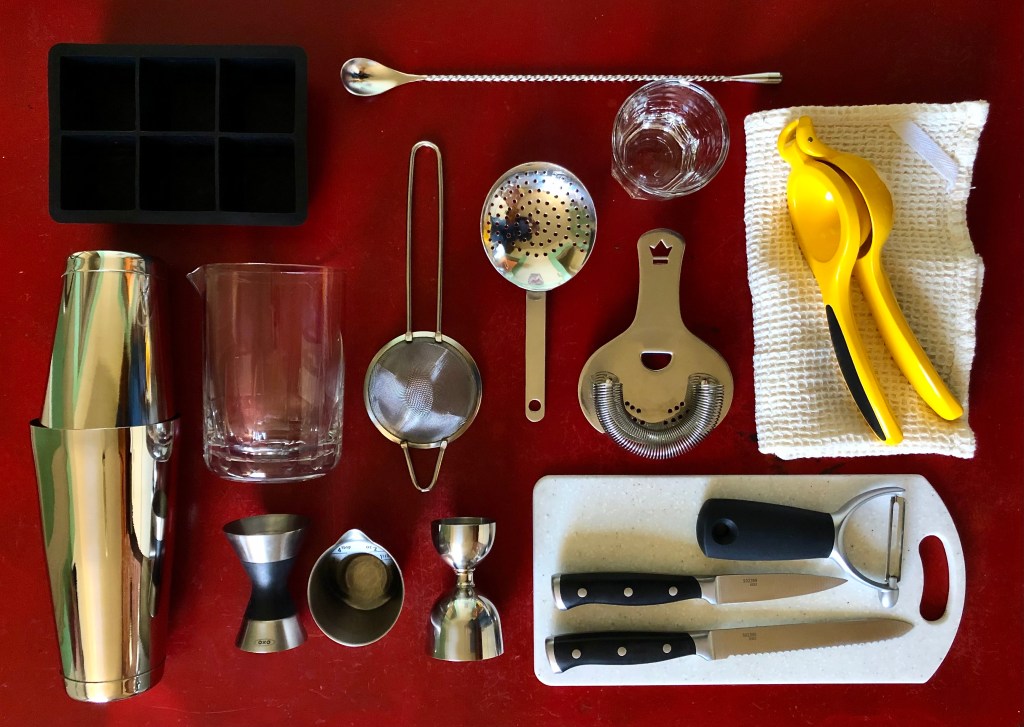
Barspoon – These long thin spoons with a spiraled stem are your good friend. In addition to helping stir drinks, they can be used to extract cherries and olives from jars, are sometimes called upon as a means of measuring ingredients, and can help you taste what you’re making in order to ensure your getting the flavor profile you want as you assemble the ingredients. Mine has a basic weighted “teardrop” end, which helps guide the stirring. Some come with a little fork on the end, which can be handy for transferring certain garnishes with the flick of a wrist, but I’ve never found myself wishing for this feature. Having two on hand would be convenient when you’re mixing up a few drinks and don’t want to have to clean the barspoon so much mid-process. But you can easily get along with just one.
Bar Towels – To wipe those spills and shine those crystal glasses. Get a good absorbent brand.
Boston Shaker – The style you see most often in bars, comprised of two tin cups, one larger and one smaller. I have a Koriko weighted stainless steel Boston Shaker, and it works perfectly—stable, easy to seal and shake, no leaks. Shakers often come in gold and copper painted varieties, but the paint tends to gradually wear off.
Cutting Board – For preparing garnishes. Not a wooden one, but something non-porous that will stand up to knives over time.
Fine Strainer – Cone shaped with a handle, stainless steel, handy when double-straining alongside a Hawthorne Strainer to ensure bits of ice or citrus pulp don’t lump up the drink.
Glasses – I’m a geek when it comes to cocktail glasses. I love having a variety on hand, especially unique vintage glasses. But the essentials are a 4-ounce coupe, 8-ounce lowball tumbler, and 10-ounce highball glass. Those sizes aren’t magical, and you would find smaller and larger glasses useful as well. But I reach for those sizes most often.
Hand Juicer – Preferably two. One larger for oranges and grapefruits, one smaller for lemons and limes. An argument can be made for only the larger model being essential, given it can of course handle lemons and limes as well. Clean these well after each use to avoid the icky buildup of citrus oils.
Hawthorne Strainer – Primarily for straining shaken cocktails. I have a Cocktail Kingdom closed-gate Hawthorne, and it works perfectly.
Ice Trays + BPA-Free Ziplock Bags – Fresh ice is key, in one-inch cubes for both mixing and serving, and two-inch cubes for drinks like an Old-Fashioned. Flexible silicon ice trays make it easy to remove the ice. Get a kind that has a lid, so the ice isn’t exposed to other freezer smells. Over time, silicon trays can infuse their own peculiar scent into the ice. So once the ice has fully frozen, transfer it into BPA-free ziplock bags for storage and use within a week or so.
Jiggers – I have a few that I find useful, and have thrown several away. There is a pitcher style, which looks like a miniature measuring cup. The tall, thin, hourglass shaped Japanese style jiggers are great for ease of pouring without spilling. The Leopold Jigger has very easy to read measurement markers, as does a Stepped Jigger. OXO makes a great jigger with a rubber grip at its center, clear measurement markers, and the squat size makes for easy pouring. But I’d suggest going to a shop that offers a variety and taking a look. It’s a matter of preference, what feels comfortable in your hand, which style of markings is easiest for you to read, etcetera. The most common measurement markers you’ll need are 2oz, 1oz, ¾ oz, ½ oz, and ¼ oz. But it can be convenient to have a 1½ oz measurement marker, too. And occasionally a recipe will call for thirds 🙄 so having a few jiggers on hand offering a variety of measurements can be helpful. Having a few also helps when you don’t want to have to rinse them out as often while making a handful of different drinks in succession.
Julep Strainer – Primarily for straining stirred cocktails. One could argue the Julep Strainer is not essential, since the Hawthorne can also work on the average Mixing Glass. But it’s easier to clean than the Hawthorne, and I always reach for it when pouring out a stirred cocktail.
Mixing Glass – I use a Cocktail Kingdom 19-ounce mixing glass and find it works well for stirring one to three cocktails in one go. The base is heavy and thick, allowing me to hold the glass in place without my hand warming it. But a 16-ounce or 24-ounce mixing glass could also work fine. Some people use their common kitchen measuring pitcher, which can be useful for measuring out ingredients when making a few cocktails in one go.
Pairing Knife – Get two. Both should be small and very sharp, one with a clean edge and one serrated.
Y Peeler – Easiest tool for getting a nice thin wedge of citrus peel for all that zesting and garnishing. Clean it well after each use to avoid the icky buildup of citrus oils.
And here are some tools I do not consider essential for making cocktails. But I don’t mind having them on hand:

Sample Bottles – I have a variety of little bottles on hand, from 2-ounces to 8-ounces, which I use primarily to hold homemade syrups. Sometimes I send a guest home with a whiskey sample in one of these.
Bottle Opener – Sometimes your guest doesn’t want a cocktail. They just want a beer.
Channel Knife – another means of zesting a citrus peel for garnishing. You can make a long thin garnish with this tool, which can then be spiraled and twisted to fun effect. I think I’ve used it only a handful of times. Mostly I use my Y Peeler to get the zest and my pairing knife to shape it.
Chopstick – Handy for stirring drinks prepared in the glass, such as an Old-Fashioned, or when my barspoon is otherwise occupied. It can also be used to curl a strip of citrus peel by wrapping it around the chopstick for a moment.
Cobbler Shaker – I have one of these only because I found a mint-condition vintage 1960s Cobbler Shaker in a Montreal thrift store for super cheap. Great find! It’s only big enough to prep a single cocktail, whereas the Boston Shaker can handle two to three. But I enjoy using it, and sharing with guests that their cocktail was prepared mid-century. The Cobbler Shaker is actually preferred in Japan, due to its apparent superior ability to aerate the cocktail. I’m not certain the science behind that, something in the three-piece construction with its built-in strainer, as opposed to the Boston Shaker’s simpler two pieces.
Cork Screw – Because wine. Plus the little knife comes in handy on those tight foil neck coverings around whiskey and champagne bottles.
Garlic Press – Not for garlic, but for ginger. A number of cocktails might benefit from fresh ginger juice and minced ginger pieces.
Garnish Spears / Cocktail Picks – These could be as simple as common toothpicks. They could be made of wood or metal. They could be cleverly fashioned mini swords or forks. Whether straightforward or creative, their practical purpose is to keep the garnish in place and add to the visual appeal. But garnishes can be applied just as well and creatively without spears, so, fun but not essential.
Garnish Tongs – Useful for placing a delicate garnish just so. If you’re working with delicate garnishes—e.g. herb sprigs, flowers, thinly sliced fruit. One can also use it for sanitary reasons, to reduce handling the garnish.
Glasses – In addition to those mentioned as essential, it doesn’t hurt to have 3-ounce coupes for mini cocktails, V-shaped Martini glasses for that classic look, the very classic Nick & Nora coupe, and tumblers in various shapes and sizes. Regular glass can be fine. But crystal adds weight, clarity, and a sense of solidity in the hand. Glasses are about presentation. A good glass is like carefully considered wrapping around a birthday present. It compels joy on sight, and tells your guest you care about them. Imagine a cocktail in a plastic cup. 😒 Kinda like giving your friend their present in the Amazon box it was shipped in, or the plastic bag from the store where you bought it on the way over. Not very thoughtful.
Ice Bag – Usually made of canvas, and intended to hold ice that you then crush with your muddler or another hammer for cocktails calling for crushed ice. I have one, but have never used it—not too many Mint Juleps made in my house. Instead it serves as a bag for my Boston Shaker.
Ice Tongs – I didn’t need these. But when I found a vintage 1930s set of ice tongs for $20 I “had” to have them. For fun, mainly. I’ll use them when entertaining guests, to add panache to the transference of ice. And it’s more sanitary, which in our plague-ridden era is appreciated by many people.
Muddler – Though widely considered an essential bartending tool, I actually rarely have cause to use mine. But on those rare occasions when I do, I’m glad to have it on hand. Some cocktails call for fruit, ginger, or herbs to be crushed in the shaker or glass before mixing and a muddler gets it done.
Nutmeg Grater – Its surprising how many cocktails call for grated nutmeg, especially if you’re geeking around in those old cocktail recipe books from the early twentieth and late nineteenth centuries.
Salt Grinder – Yana Nogid taught me that a dash of salt is the secret to every cocktail! Just like pepper, I prefer salt that’s freshly ground. The flavor is stronger.
Tasting Straw – I have a clear glass straw for this purpose. Some are made of metal or wood. By dipping one end into a drink as I’m assembling it and capping the other end with a finger tip, I can taste a bit of what I’m blending to ensure the flavor profile is balanced. I can use a barspoon for this, of course. But that also means I’m putting the barspoon in my mouth and when mixing for guests this might not be appreciated.
Templates
Michael Ruhlman wrote a handy book expanding on this subject, called The Book of Cocktail Ratios. (Scribner 2023) I recommend it to anyone who wants to dig deeper into the weeds of ratios. Many other books also make reference to the classic cocktail ratio templates, but none in so direct a fashion as Ruhlman’s.
The ratios listed here are not themselves the magic. They are common, which only happens for a reason: They tend to work well. But nuanced variations also work. A change of ingredient—something with a stronger or subtler flavor profile than average, for example—might necessitate a change of ratio to achieve balance. Adding a fourth or fifth ingredient into or on top of the ratio will create further nuance. Or a mess! But that’s part of the learning curve and the fun. To that end, these templates make a reliable starting point from which to make the magic happen.
There are additional recognized templates than these here. I’ve only included those I find myself relying on most. And given I’m a whiskey fan, my go-to templates of course skew that way.
BUT FIRST:
Boozy or refreshing?
Bar High Five in Tokyo was the first time I experienced a cocktail bar that offered no menu and didn’t make the standard known cocktails. The bartender asks you a couple of questions and then creates something original for you. I loved this! Cloakroom Bar in Montreal also takes this approach, and I noticed they began with the same question as at Bar High Five: “Would you like something spirit-forward or refreshing?”
These broad categories neatly address the two most basic directions a cocktail might go. I appreciate “refreshing” as an umbrella term because it evokes how the experience of the cocktail will feel. But “spirit-forward” sounds to me merely technical, literal, lacking evocation. Less fun. Who wouldn’t want to feel refreshed? But does anyone want to feel spirit-forward…?
So now when I question my own guests in order to make them something unique, instead of “spirit-forward” I say “boozy.” A familiar description for desserts like tiramisu, “boozy” evokes a rich and swirly quality while still acknowledging the prominent taste of the spirits.
The following templates each fit under one of these umbrellas or the other.
SECOND:
Shaken or stirred?
As a general rule, if the drink’s ingredients are all alcohol, stir it. If it involves citrus, cream, egg whites, or other non-alcohol ingredients, shake it. Both methods help chill and dilute the drink. But shaking will aerate the drink, substantially altering the texture while ensuring the ingredients are very well blended. Stirring is less aggressive and allows for a heavier or more syrupy texture.
And either way, chill the glass you’ll serve the drink in for a few minutes in the freezer. This keeps the drink cold longer, and the chill helps flavors taste a bit more distinct as well. 🧊
THE OLD-FASHIONED
2 : ¼ : d
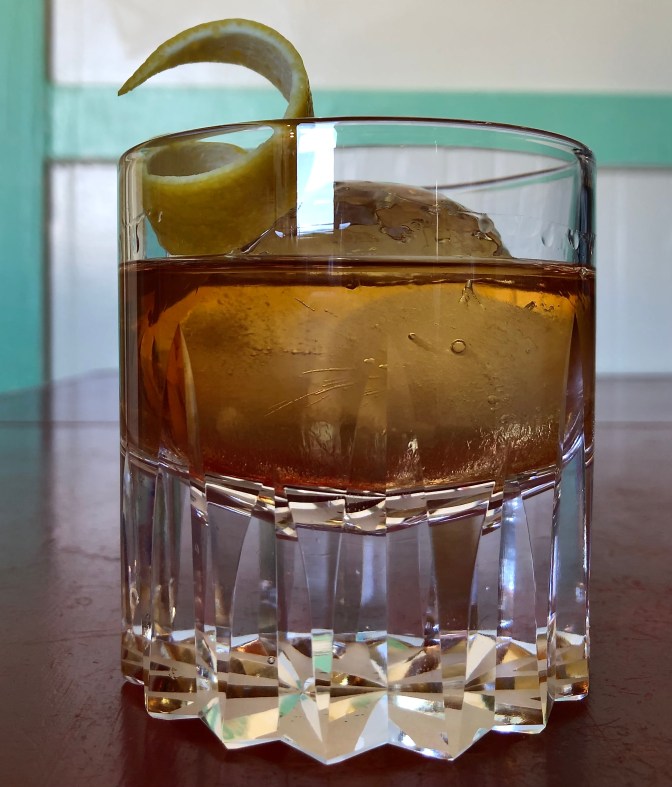
- 2 parts spirit
- ¼ part sweetener
- 2 to 4 dashes bitters
- Stir, whether in the tumbler itself for less dilution, or in a separate mixing vessel for more dilution and then strain into the tumbler.
- Garnish with a citrus peel
Robert Simonson wrote a great history of this drink. For boozy cocktails, the Old-Fashioned template is one I use constantly. It’s so simple, and so flexible. I consider the Old-Fashioned to be the most basic test of any good bar. It’s like ordering vanilla at an ice cream parlor—if they can’t do that, well, how good can they be?
The spirit can be rye or bourbon, as is traditional. But it could also be any other whiskey, an agave spirit like Mezcal, a brandy. Anything distilled.
The sweetener is traditionally a single sugar cube, mulled amidst the dashes of bitters. In lieu of a cube, it’s very common to use ¼ ounce simple (sugar) syrup. But one might opt for maple syrup, honey syrup, Cointreau (an orange liqueur), or other such sweeteners. It depends on what spirit you’re intending to compliment.
The most common choice for bitters is Angostura aromatic bitters. Orange bitters are also common. But the choice of bitters might be swayed by the spirit and sweetener. Likewise, whether to use a lemon, orange, or other citrus peel as garnish is to taste. A cherry is also quite common. Keeping it simple helps. No need to make a fruit salad. (Although that is one popular way to render an Old-Fashioned: muddling chunks of multiple fruits at the bottom of the glass alongside the sugar and bitters.) To make my decisions, I often use my nose. Smelling the various ingredients can help determine what might go well together. 🥃
THE MANHATTAN
2 : 1 : d
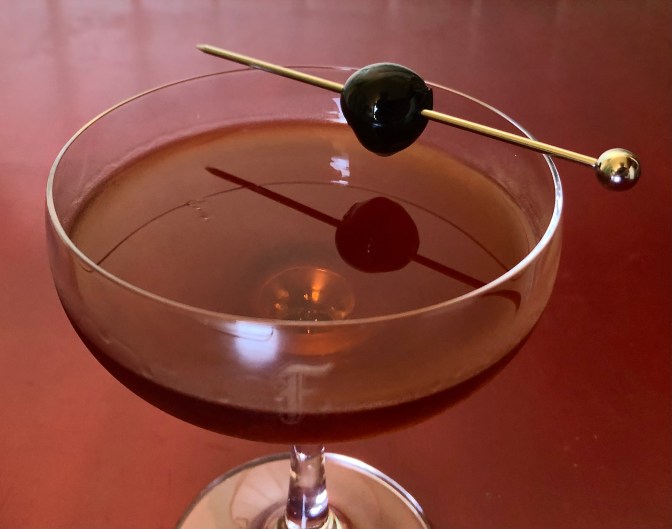
- 2 parts spirit
- 1 part vermouth
- 2 to 4 dashes bitters
- Stir in a separate mixing vessel (or shake for a lighter variation) then strain into a coupe. (Can also be served in a tumbler.)
- Garnish with a cherry or four
Rye is the most traditional spirit for the Manhattan. But bourbon works as well. American whiskey, in any case. Use a scotch, and now it’s a Rob Roy—same ratios, different whiskey, and usually a lemon peel garnish instead of a cherry.
Most Manhattan recipes will call for sweet vermouth. But there’s the Perfect Manhattan, which combines ½ ounce sweet vermouth and ½ ounce dry vermouth. Swap in an amaro for the vermouth and now it’s a Black Manhattan (pictured above), since amari tend to be darker than vermouths in both color and flavor.
Angostura aromatic bitters tend to pair exceptionally well with vermouth. But as with the Old-Fashioned, let your nose guide you. If you start swapping out the American whiskey for rum (a Palmetto cocktail) or gin (a Martinez) then you might want to experiment with alternate bitters as well.
Whether to stir or shake is a matter of effect, though most bartenders will stir a Manhattan. Shaking it will lighten the drink up a bit, which some drinkers might prefer. 🥃
WHISKEY SOUR
2 : 1 : ¾
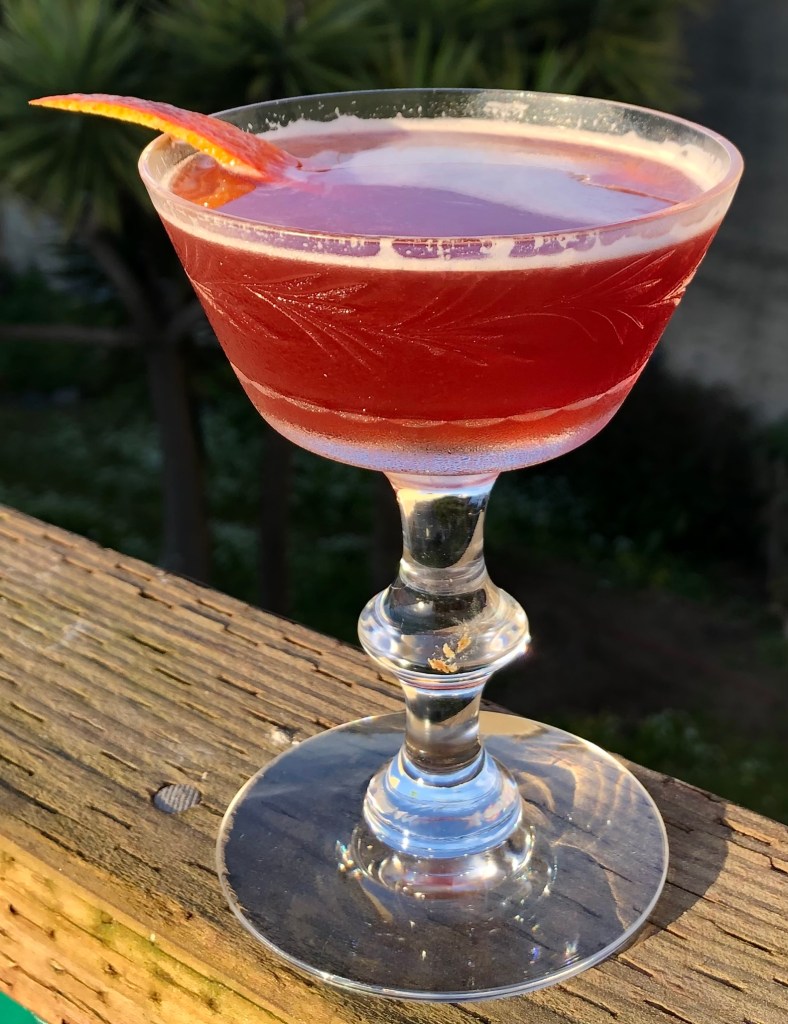
- 2 parts whiskey
- 1 part citrus juice
- ¾ part sweetener
- Shake then double strain into a coupe. (Can also be served in a tumbler.)
- Garnish with a citrus twist
For refreshing cocktails, this is probably the template I rely on most.
As a child growing up, every Thanksgiving at my grandmother’s house in Concord, California, upon arrival I would be tasked by her with picking the hybrid orange-lemons she grew in her backyard. They were for Uncle Ed’s Whiskey Sours, which my Uncle Ed dutifully made every year for the adults. So I have a special affection for a good Whiskey Sour.
The Brown Derby is a whiskey sour—bourbon, grapefruit juice, honey syrup. The Blood & Sand (pictured above) is a tweaked whiskey sour—peated scotch, blood orange juice, the sweetener split between sweet vermouth and Cherry Heering. Whatever the tweaks, a Whiskey Sour is whiskey, citrus, and sweetener.
I love it. Easily my favorite refreshing template to play with. 🥃
HIGHBALL
2 : 4+
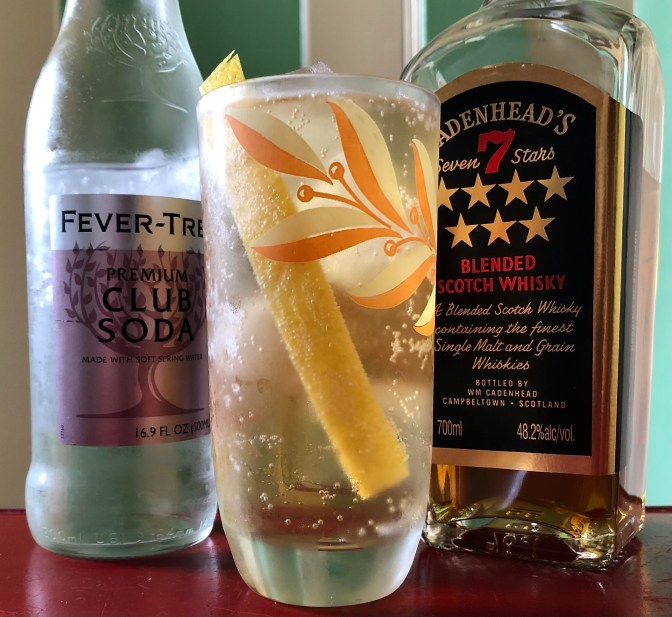
- 2 parts spirit
- 4+ parts base liquid
- Prepare in a Highball glass filled with ice cubes.
- Garnish with a citrus twist or any range of things depending on the other ingredients.
The Highball template is exceedingly flexible, yet guarantees a light and refreshing cocktail experience. The ratios are far from sacrosanct. It’s basically watered down booze.
Don’t say that in Japan though. The Japanese have made a fine art of the Highball. Sure you can get a quick and dirty rendition at pretty much any izakaya or vending machine in the country. But the Highball concept offers an opportunity to play with the subtleties of flavor and texture, an interest and value pervasive across the Japanese arts and culture.
The spirit can be pretty much anything—whiskey, tequila, mezcal, rum, gin, you name it. A lighter Japanese or scotch whisky is most common.
What I’m calling the “base liquid” is traditionally a club soda. Choice of brand will determine the hardness of the bubbles. (Fever Tree is well regarded, and I use it often.) But if you use Coke, Sprite, lemonade, or even fruit juice it’s still a Highball—watered down booze. I never personally measure the amount. Since a Highball is built in the glass, after adding enough ice to fill the glass and then adding the spirit I simply top it off with the base liquid. And I’m usually using a ~10-ounce glass, so, as far as the ratio goes, math…
From there you might add accents for complexity. A barspoon of vermouth, sherry, amaro, olive brine, apple cider vinegar… A dash of bitters. Maybe ¼ ounce of brandy. Lots of room to play. But the Highball’s purpose is to be easygoing, so accent with care.
The choice of garnish will also add decisively to flavor, given how diluted the spirit is. Lemon or other citrus zest, a sprig of rosemary, sage leaves, a fresh slice of ginger, grapefruit pulp… As with other templates, let your nose guide you.
The process of building the cocktail can add to the subtleties of the tasting experience. A Highball is easy to make quickly and without much thought, and can turn out perfectly well. But if you want to explore the details, Julia Momosé articulates a careful process:
In a chilled highball glass, add two pieces of ice large enough to fill the glass from top to bottom. Pour chilled whisky from the freezer into the glass. Add club soda, and gently nuzzle the ice upward with a barspoon to incorporate. Then drizzle sherry over the top of the ice. This allows the sherry to layer on top of the drink, which makes the lovely aromas one of the first things you notice. No garnish.
That’s the short version of Momosé’s Highball technique. In her book she also offers an eight-point, full page expansion with even more detail to maximize this subtle cocktail’s impact.
Et voila! The Highball cocktail. 🥃
DAIQUIRI / MARGARITA
2 : 1 : 1 / 2 : ¾ : ¾
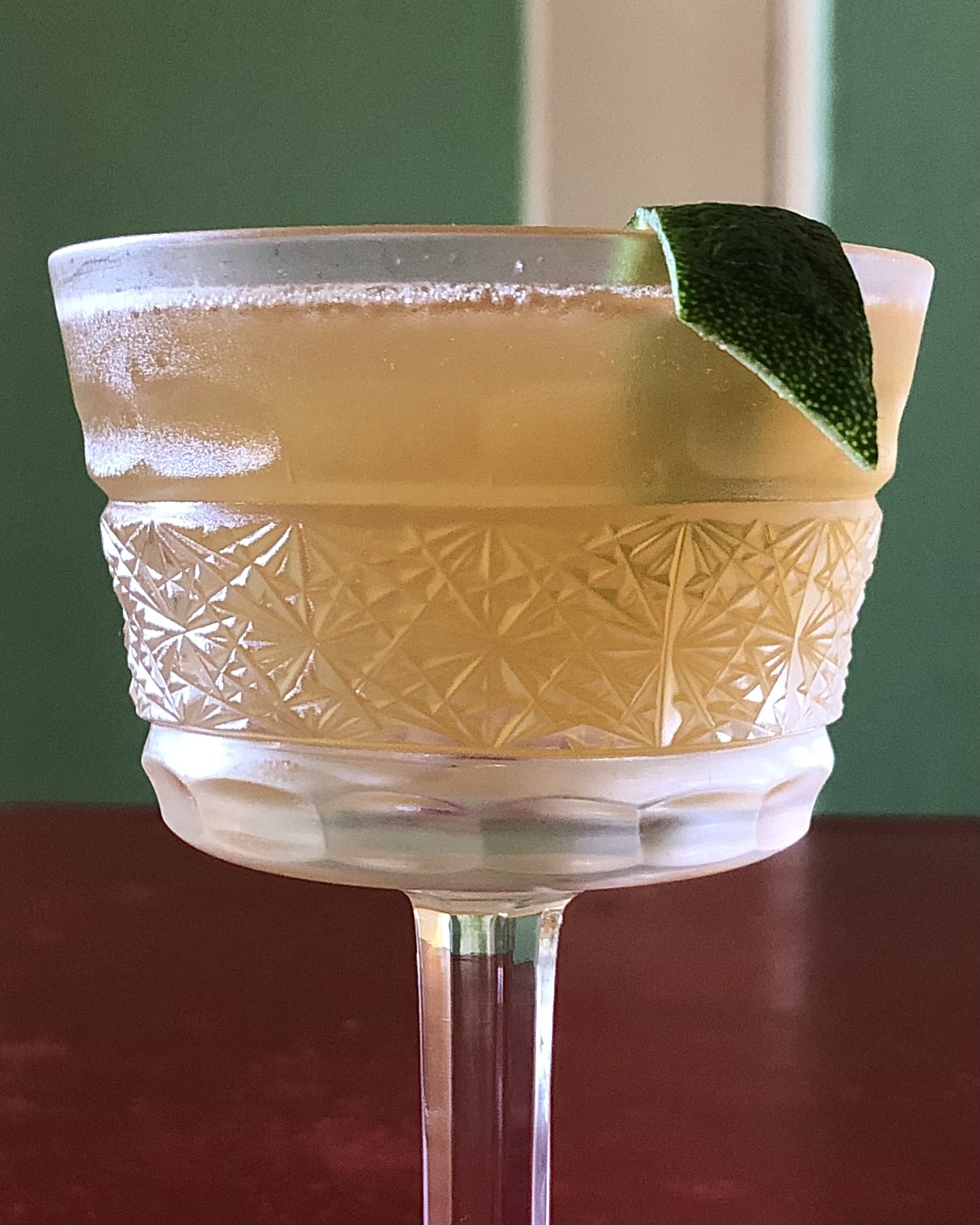

- 2 parts spirit
- 1 or ¾ part citrus juice
- 1 or ¾ part sweetener or liqueur
- Shake and double strain into a coupe.
- Garnish with a citrus twist or olive depending on the drink
This ratio concept—basically 2 parts spirit, then smaller but equal parts citrus and sweetener/liqueur—could be a Margarita, Daiquiri, Sidecar, Gimlet, Cosmopolitan, and with a minor ratio tweak even my beloved Whiskey Sour!
For the spirit: rum, mezcal, gin, whiskey, brandy, vodka…
For the citrus: lime or lemon most likely, but any is possible.
For the sweetener or liqueur: simple syrup, honey syrup, agave syrup, orange liqueurs like Cointreau, Grand Marnier, Dry Curaçao…
The exact ingredients make the difference between one known named cocktail and another. The ratio concept provides the structure for you to name your own variation. The result will be something under the “refreshing” umbrella. 🥃
BOULEVARDIER
1 : 1 : 1
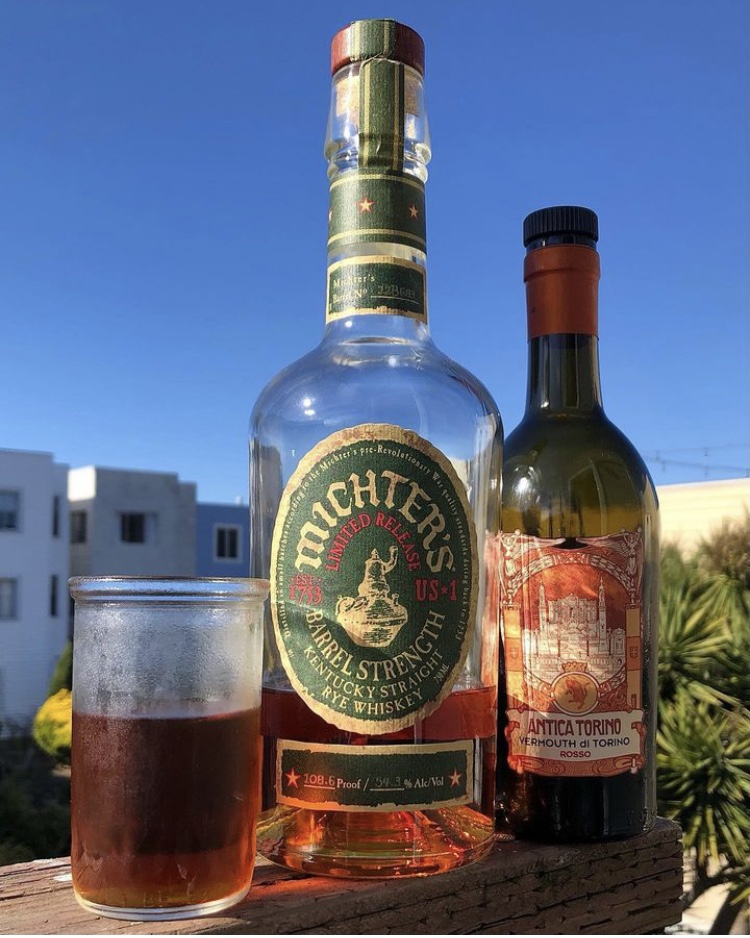
- 1 part spirit
- 1 part sweet vermouth
- 1 part Campari
- Stir in a separate mixing vessel (or shake for a lighter variation) then strain into a tumbler. (Can also be served up in a coupe.)
- Garnish with a citrus twist
I actually debated whether to include this one. I’ve only been exploring this template more recently, and find it a little less flexible than other boozy templates. The herbal bitterness of Campari, a decisive ingredient for the Boulevardier, can be challenging. But I enjoy a good challenge! Sweet and savory flavors are more obviously pleasing. But bitter flavors do have their own unique, edgier appeal.
Indeed, there is flexibility here. If your spirit is bourbon, it’s a Boulevardier. Use gin and it’s a Negroni. Rye and a dry vermouth make it an Old Pal. The through-line is the 1:1:1 ratio and Campari.
Campari’s primary flavoring botanical in gentian, a particularly bitter herb. Gentian is also the main flavor in St. George Bruto Americano, arguably made in an even more traditional fashion than Campari itself; and Wilderton Bittersweet Aperitivo, an excellent non-alcoholic mixer. The prominence of gentian is the key.
If gentian-centric aperitivi are just too bitter for you, other lighter bitter liqueurs might be substituted to pair with various vermouths and spirits. Playing with a 1:1:1 ratio of three ingredients—a spirit, a fortified sweet wine liqueur, and a bitter liqueur—could yield any range of drinks.
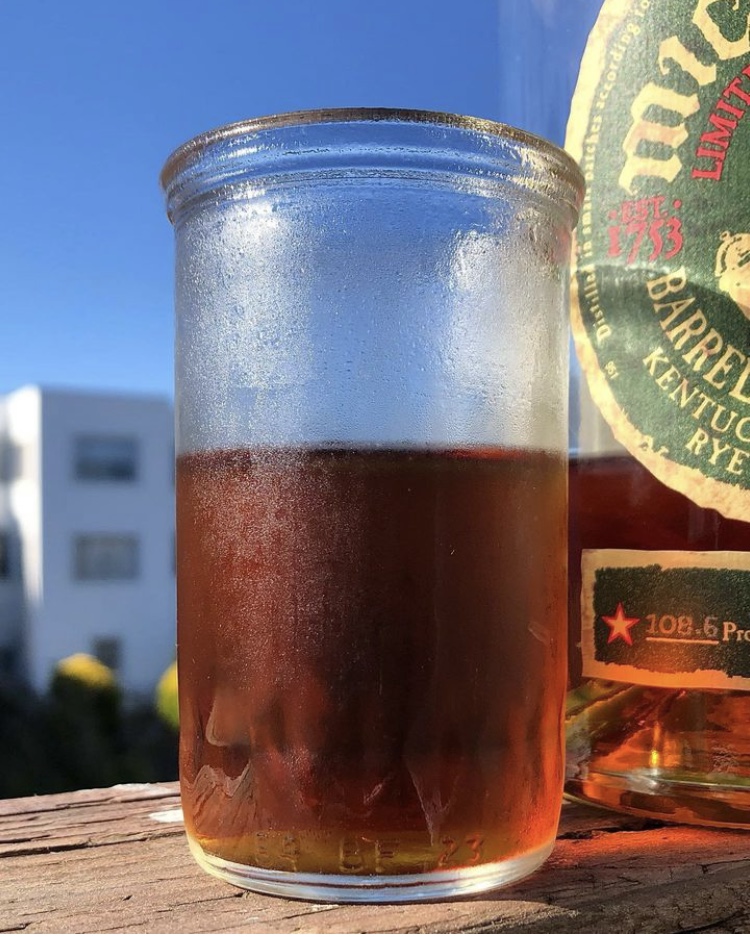
And in fact, the drink in the photo above is a good example. I had on hand a bottle of Antica Torino Rosso, a sweet vermouth that happens to also feature gentian. So rather than the 1:1:1 ratio, I actually tried 1:2 of the Michter’s Barrel Strength Rye and Antica Torino Rosso. Technically not a Boulevardier, given the significant ratio change. But taste-wise? Very much a Boulevardier!
Experiments
Here are a handful of experiments I’ve tried. Each offered me different lessons around ratios, flavor combinations, and building processes. I share them here as practical examples of the role playfulness and curiosity have in cocktail magic-making.
THE WORLD TRAVELER
2 : 1 : 1
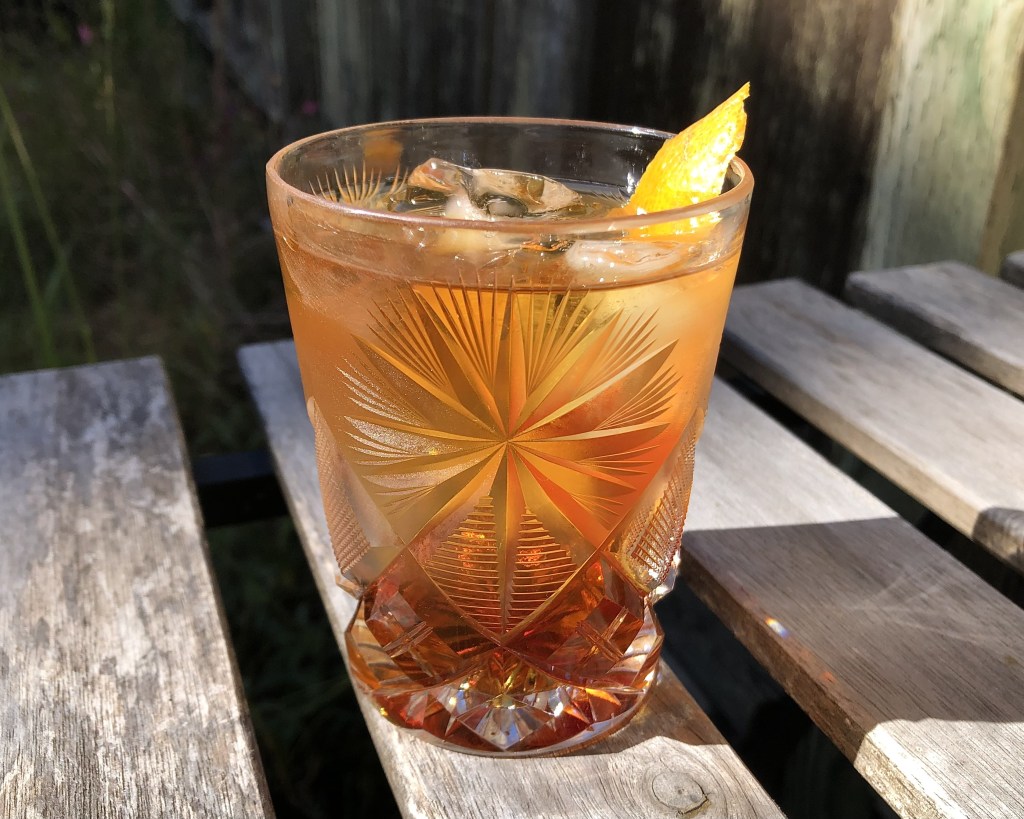
- 2 parts Benrinnes 13-year sherried scotch
- 1 part sweet vermouth
- 1 part St George Apple Brandy
- Stir on ice in the glass
- Blood orange peel garnish
I applied the Daiquiri ratio of 2:1:1 to ingredients associated with the Saratoga, which itself uses the Boulevardier ratio of 1:1:1 and adds a couple dashes of bitters. But whereas a Saratoga uses American whiskey and French Cognac, I used scotch whisky and Californian apple brandy. For the garnish, I chose blood orange for its richer flavor, which I thought would click well with the rich sherried scotch. Turned out to be a very nice international drink to enjoy on a sunny day in my own backyard. 🥃
MEZCALRITA SOUR
2 : 1 : ¾
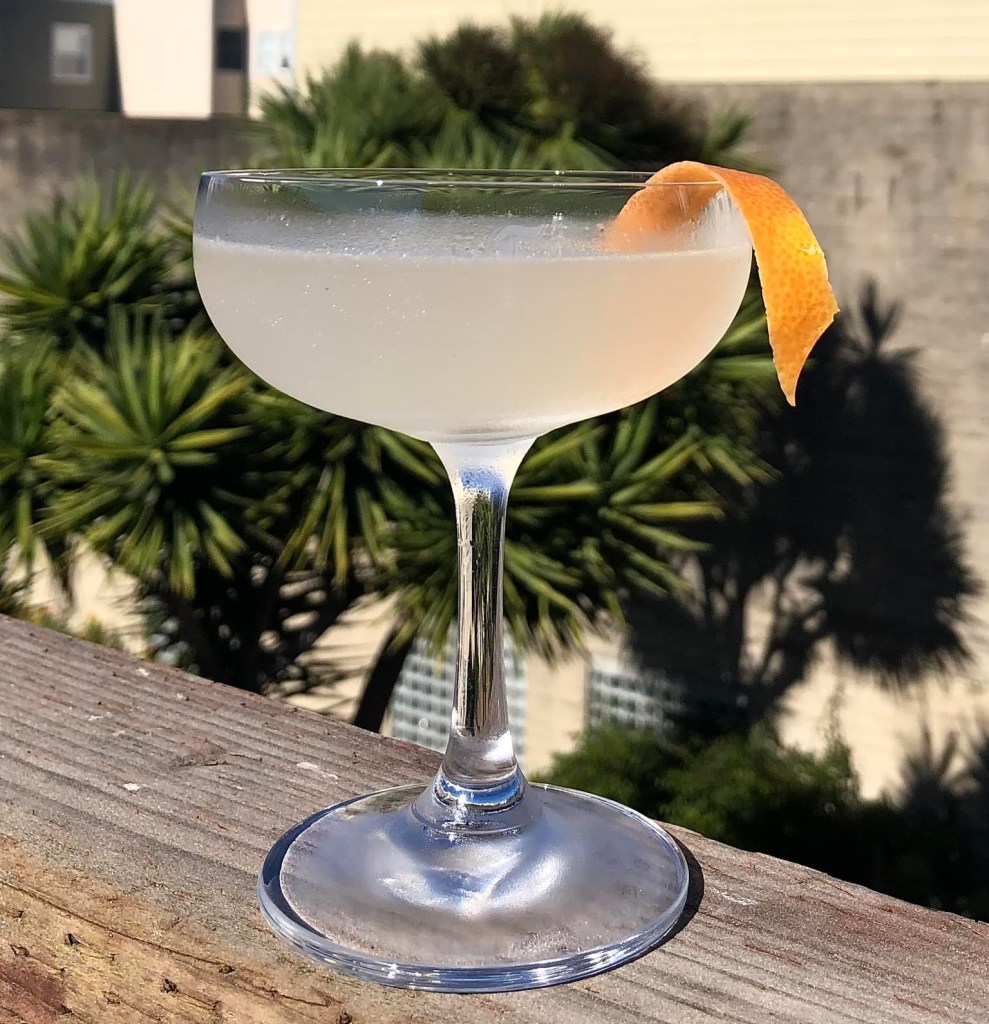
- 2 parts Mezcal
- 1 part ruby grapefruit juice
- ¾ part Cointreau
- Dash of salt
- Shake and double strain into a coupe
- Cara Cara orange peel garnish
Using the Whiskey Sour ratio of 2:1:¾ but ingredients more associated with Margaritas, I made this refreshing ditty. I love the pale color and how the Cara Cara orange peel garnish pops against it. The taste is smoky, sweet, and zippy. Not sure what to call it, I asked people in my local whiskey FB group. Suggestions included Smoky Paloma, Markarita (kind of them to include my name 😌), and Mezgarita. I settled on Mezcalrita Sour. Whatever one might call it, it’s a tasty cocktail. 🥃
WHISKEY SOURDOUGH
2 : 1 : ½ : ½
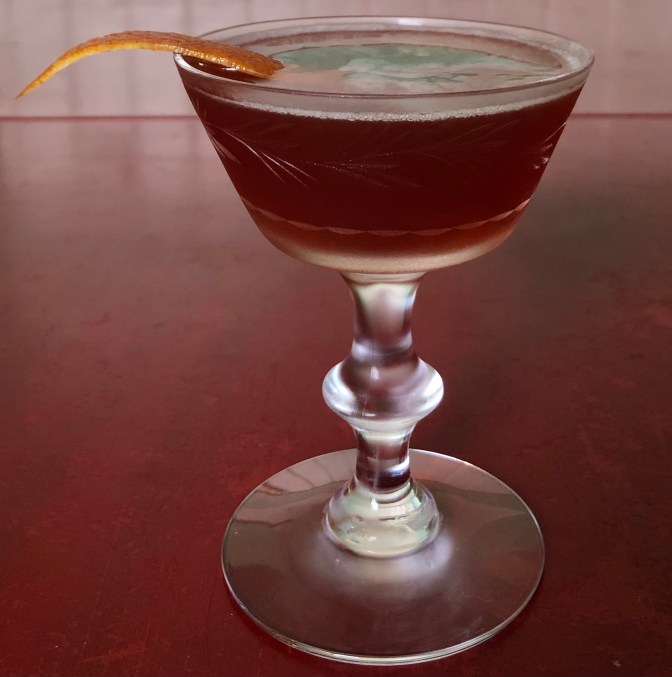
- 2 parts Westward Ken’s Artisan Sourdough Whiskey
- 1 part blood orange juice
- ½ part Dolin Rouge (sweet) Vermouth
- ½ part dark maple syrup
- Shake and double strain into a coupe
- Blood orange peel garnish
This was fabulous. It was a riff on my favorite Whiskey Sour variant, the Blood & Sand, which calls for smoky peated scotch, orange juice, sweet vermouth, and Cherry Heering. I swapped out the sweet Cherry Heering for sweet dark maple syrup. The Westward Whiskey, made with sourdough yeast, took the scotch’s role. I’d tried the Westward on its own and loved it. The sourdough yeast had a decisive effect. I thought its savory quality might serve a similar role that the smoke note of a peated scotch does, and that maple syrup would blend more naturally with it than Cherry Heering—which I didn’t have on hand anyway. It took some tinkering to get the ratio right. In the end, technically I didn’t use the Whiskey Sour 2:1:¾ ratio, but rather the Daiquirie 2:1:1 ratio, splitting the last ingredient into two. That yielded the most balanced version. Only hitch is that this Westward Whiskey release was a one-off. So once my bottle was empty, that was it for the Whiskey Sourdough Cocktail! But the experiment was an instructive one toward understanding how to create parallel flavor profiles between different cocktail riffs, in this case the smoky-savoriness of a Blood & Sand paralleled by the sourdough-savoriness of the Whiskey Sourdough. 🥃
MANHATTAN BOULEVARD
1 : 1 : 1 : d
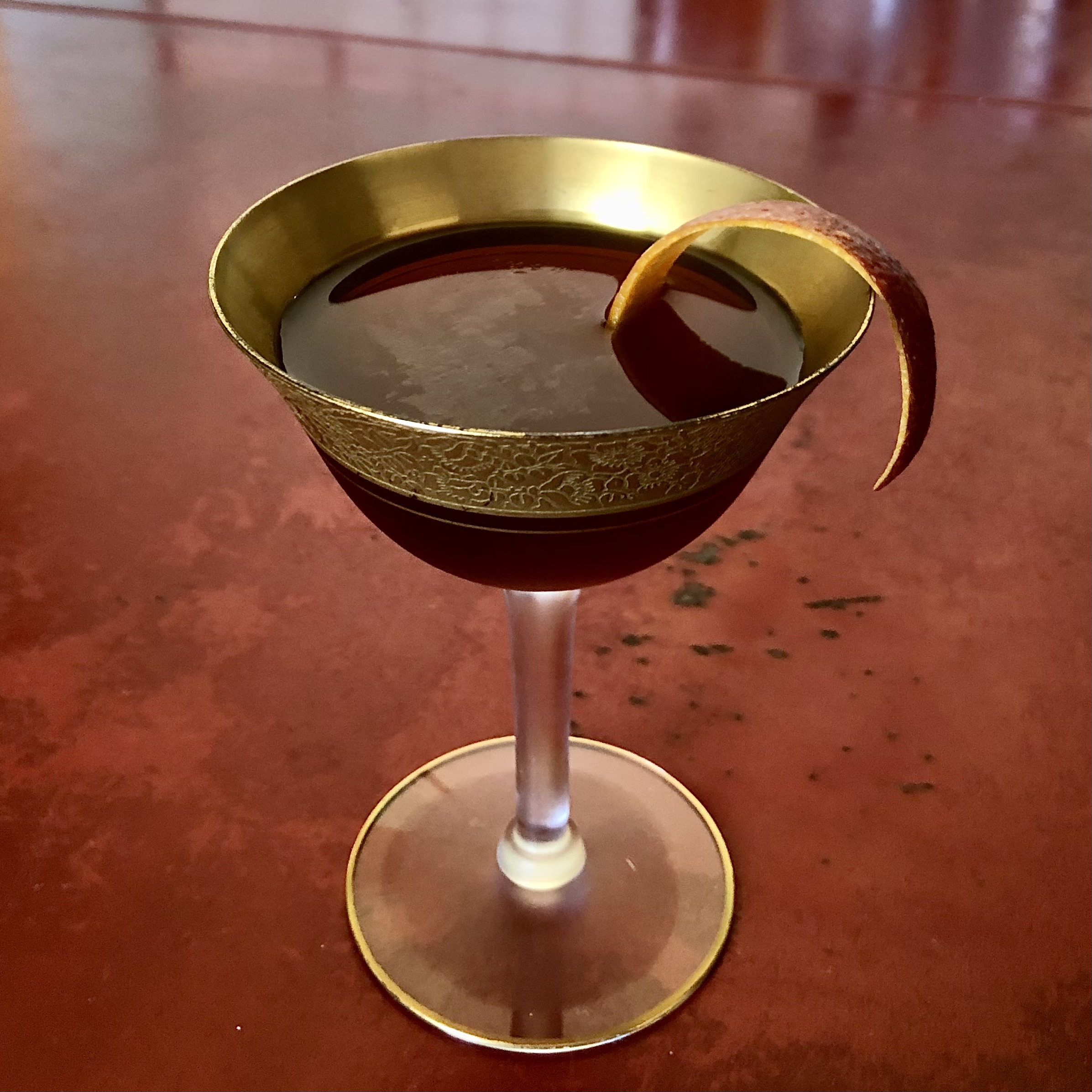
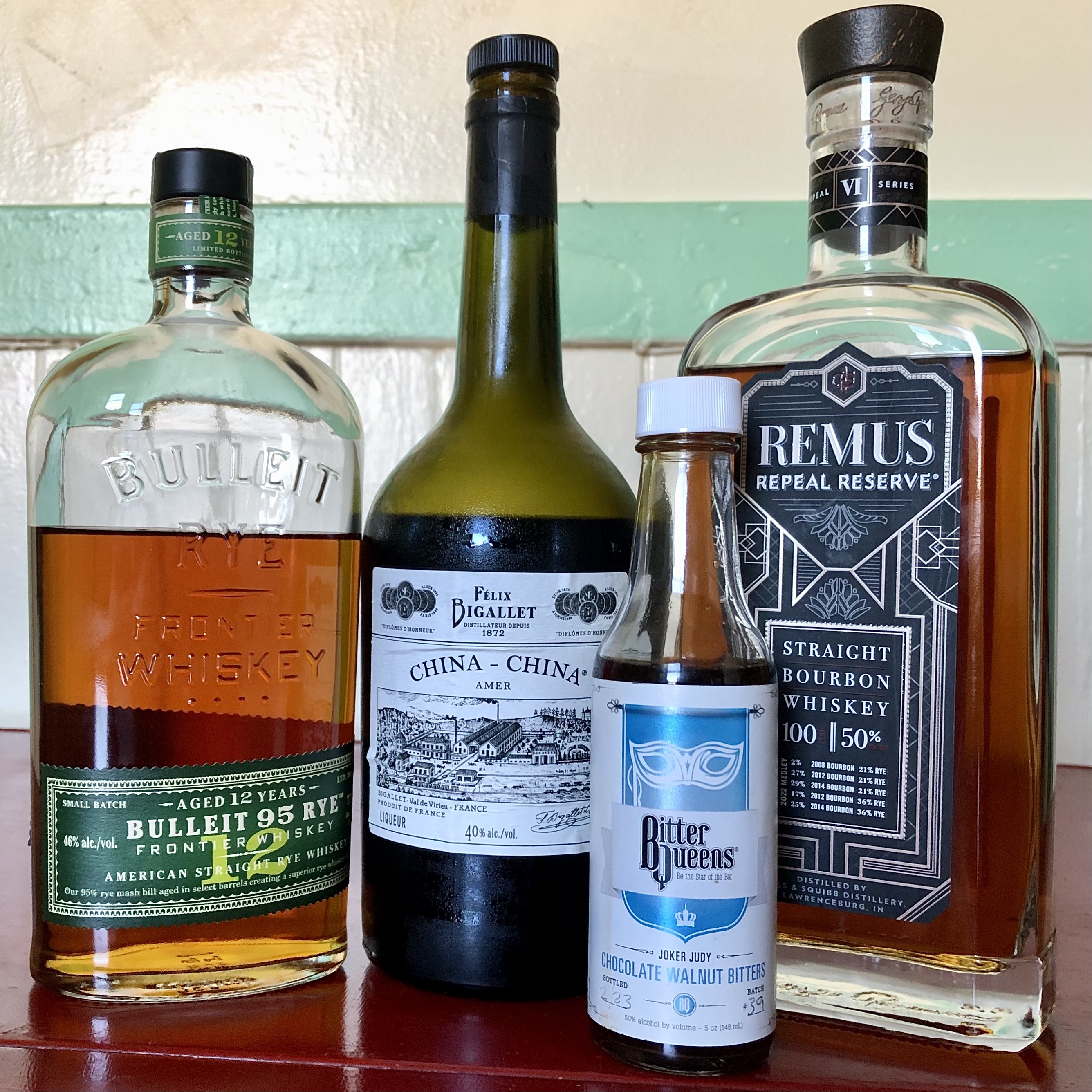
- 1 part Bulleit 12 Year Rye
- 1 part Remus Repeal Batch VI
- 1 part Félix Bigallet China-China
- 2 dashes Bitter Queens Chocolate Walnut Bitters
- Stir in a separate vessel and strain into a coupe
I don’t know what this is exactly. But I like it! I used the Manhattan’s 2:1:d ratio. But I broke it up along the lines of the Boulevardier’s 1:1:1 by splitting the whiskey into two. Whereas a Manhattan or Boulevardier would use sweet vermouth, I used Félix Bigallet China-China, a wonderful dark orange liqueur. I thought the chocolate walnut bitters would pair well with the intense Seville orange flavor of the liqueur. The well-aged rye and bourbon I chose further contributed to the cocktail’s layered richness, with the herbal and spicy rye notes of each whiskey blending nicely with the liqueur’s own lively herbal spicy qualities. Younger whiskeys could work. But that richness from the age really makes a difference. Similarly, I don’t think a clear orange liqueur like Cointreau or Grand Marnier would work as well as the Félix Bigallet China-China. There’s the color impact, but also the Félix Bigallet flavors are darker, richer, more textured, and help keep the cocktail squarely under the “boozy” umbrella where the Manhattan and Boulevardier live. 🥃
THE GINZA MARK SAN
2 : 1 : 1
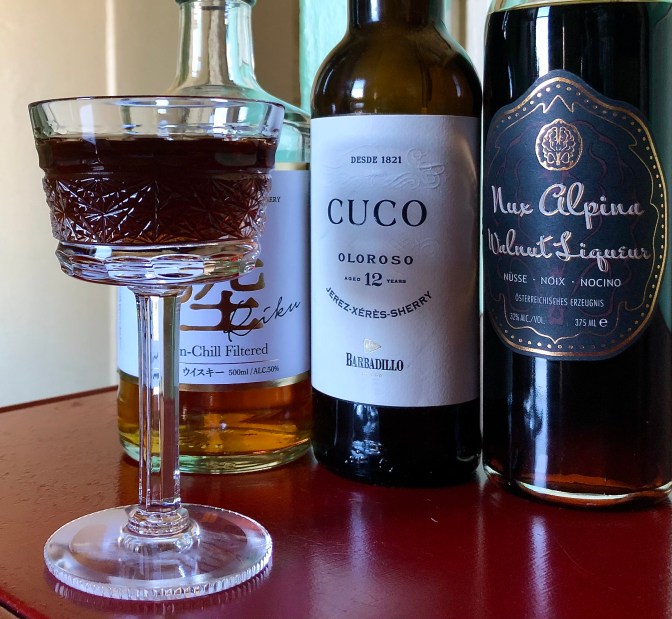
- 2 parts Fuji Gotemba Riku Japanese Whisky
- 1 part Nux Alpine Walnut Liqueur
- 1 part Barbadillo Cuco 12 Year Olororso Sherry
- Stir on ice in a separate vessel, then strain into a coupe that’s been cooled in the fridge rather than chilled in the freezer.
This was a true journey. I’d had a bespoke cocktail at Bar High Five in Tokyo that used Fuji Gotemba Riku Japanese Whisky, 20-year Valdespino Don Gonzalo Oloroso Sherry, and 1846 Licor de Bellota [acorn] Machaquito. The whisky is only sold in Japan, and I was able to bring a bottle back with me. But without that particular sherry available to me, and acorn liqueur seemingly unavailable in the United States, I eventually selected the substitutes named above. I didn’t know the ratios or whether it was shaken or stirred. My experiments began! I tried a shaken version using a 1½ : ¼ : ¼ ratio, reminiscent of the Margarita’s 2 : ¾ : ¾ ratio, and served it in a chilled coupe. It wasn’t right, or even very good—thin, watery flavors, plenty of savory but little sweet. But with the 2:1:1 ratio, stirred, and served in a cooled coupe? It still wasn’t what I’d had at Bar High Five. But it was rich, syrupy, desserty and dark, with a sweet smokiness to it. And it’s one of the few cocktails I’ve made that benefitted notably from being served in a cooled rather than chilled glass, which seemed to soften the bitter edge of the walnut liqueur and allow the syrupy texture to show itself just a bit more. A hard won success, I went ahead and named it after myself with a nod to Ginza, the Tokyo district where Bar High Five is located.
Sources & Resources
There are so many resources for learning about cocktails, and many of even more renown and recognition than these below. There are also curiosities, such as the faithful reprints of old cocktail manuals from the early twentieth and late nineteenth centuries, which I thoroughly enjoy. But here are the sources I personally reference most often:
Anders Erickson – YouTuber with copious expertise to share, detailing specific cocktail recipes as well as other tips and techniques.
The Book of Cocktail Ratios by Michael Ruhlman. Scribner, 2023.
The Joy of Mixology (revised edition) by Gary Regan. Clarkson Potter / Ten Speed, 2018.
Manhattan Zodiac – A women-owned and operated San Francisco based company offering in-person and online cocktail classes, as well as other related bar consulting services. I took a class with them that was invaluable.
Meehan’s Bartender Manual by Jim Meehan. Ten Speed Press, 2017.
Noir Bar by Eddie Muller. Running Press, 2023.
The Old-Fashioned by Robert Simonson. Ten Speed Press, 2014.
The Way of the Cocktail by Julia Momosé. Clarkson Potter, 2021.
To the above, I’d add experiences at great cocktail bars—Bar High Five in Tokyo, Elixir and Stookey’s Club Moderne in San Francisco, Cloakroom Bar in Montreal… When you go to a good cocktail bar, be sure to sit at the bar and watch what the bartenders do. That’s the second best instruction. The first best is experimenting at home!
Cheers!

 The Right Spirit
One thought on “The Explicable Magic of Home Cocktail Making”