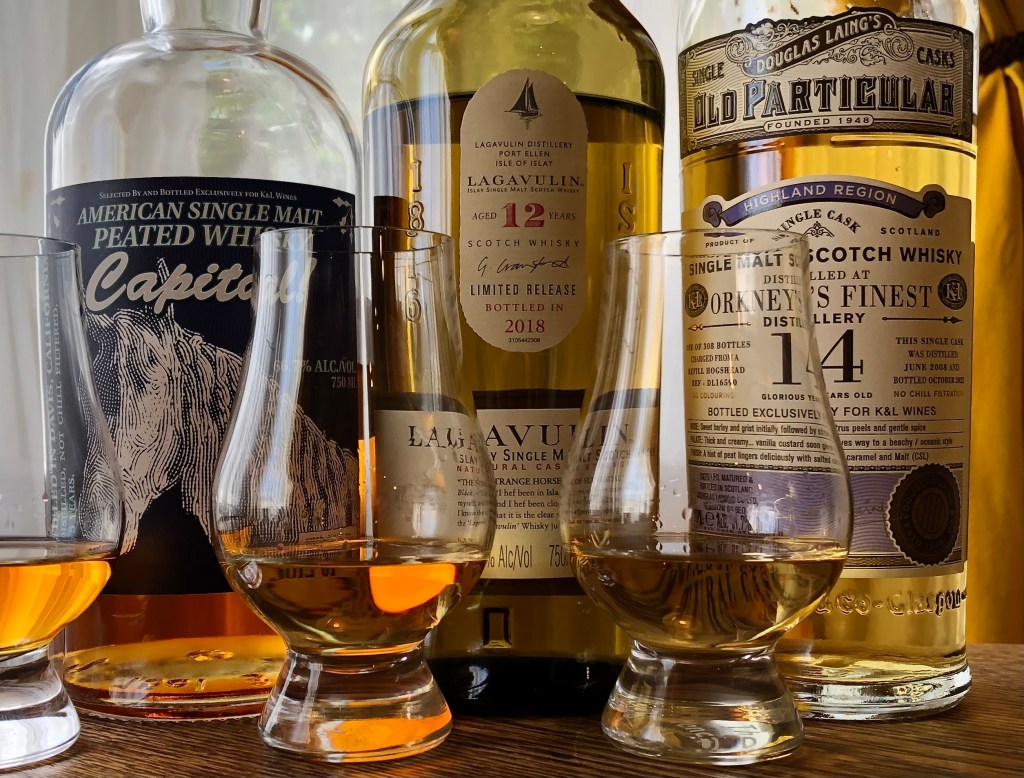
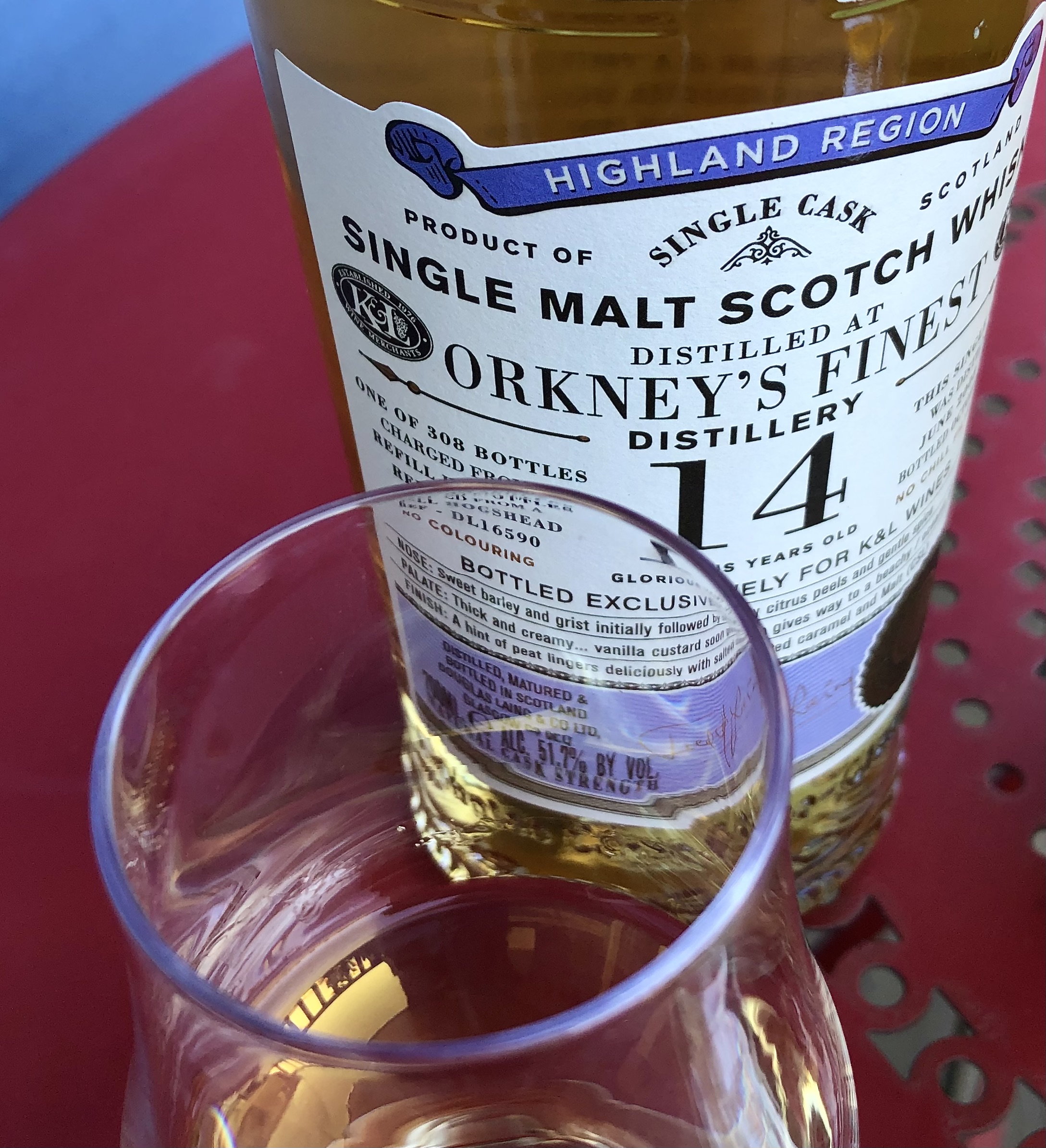
“ORKNEY’S FINEST”
single refill hogshead cask strength single barrel selected by K&L (2023)MASH BILL – 100% malted barley
PROOF – 103.4
AGE – 14 years 4 months
DISTILLERY – Douglas Laing (sourcing from Highland Park)
PRICE – $87
LAGAVULIN LIMITED RELEASE
cask strength release (2018)MASH BILL – 100% malted barley
PROOF – 115.6
AGE – 12 years
DISTILLERY – Lagavulin Distillery
PRICE – $122 (discounted from $160)
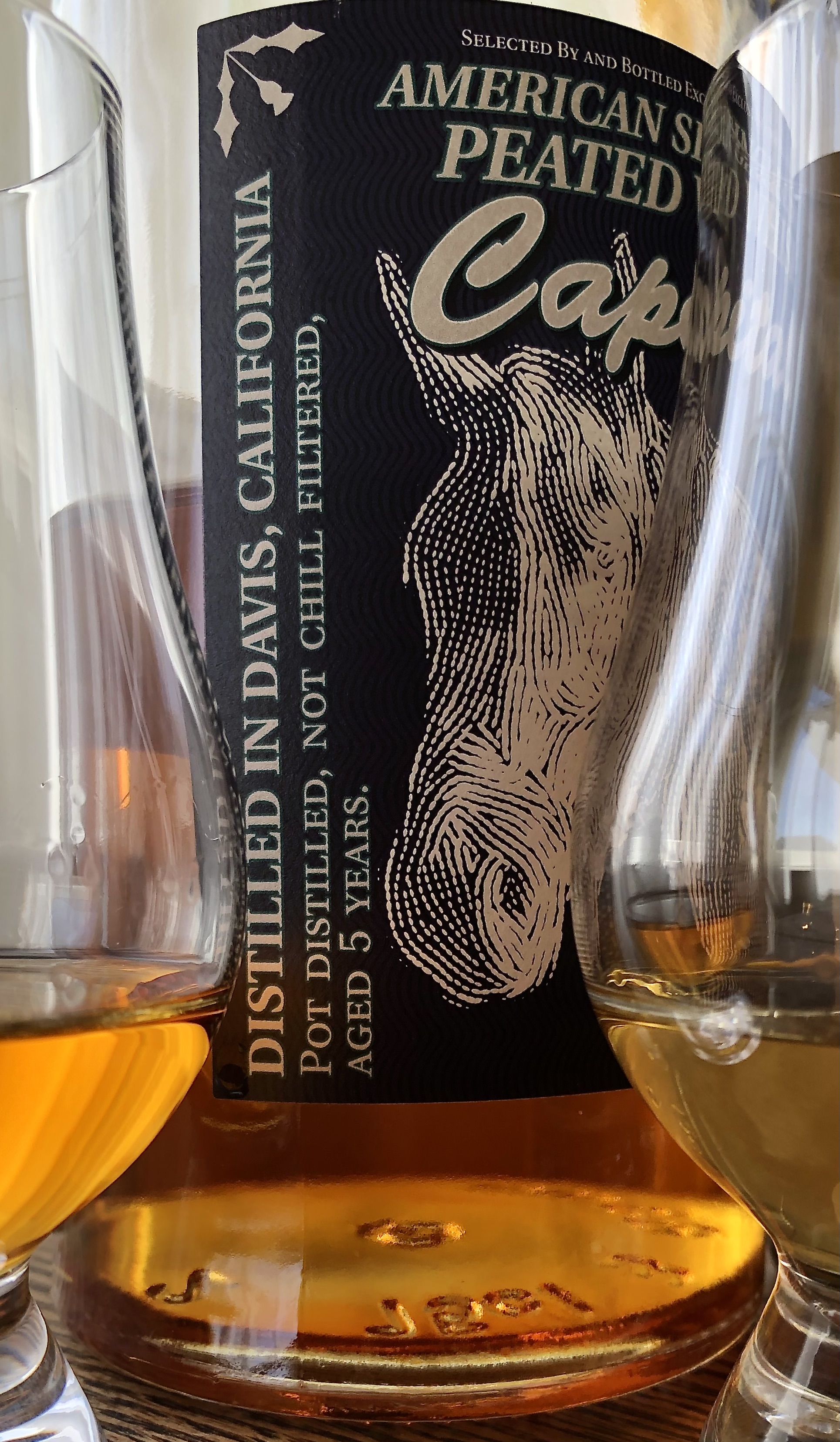
CAPITAL PEATED WHISKY
Single Cask #2017-01 sold exclusively by K&L (2022)MASH BILL – 100% Scottish Bairds heavily peated malt
PROOF – 133.4
AGE – 5 years in a once-used barrel, which had first aged rye whiskey for only one year
DISTILLERY – Capital Liquors Project
PRICE – $55
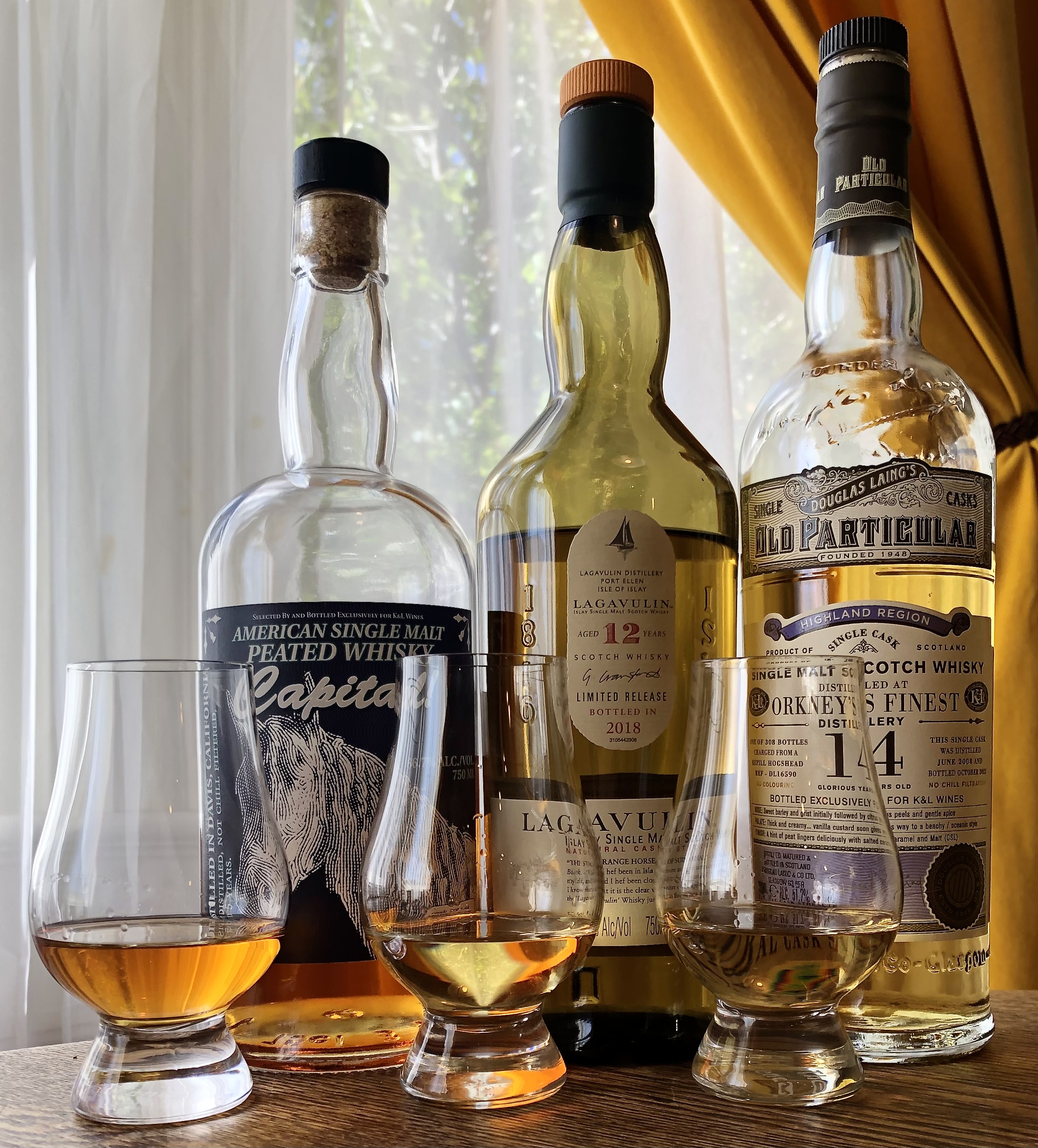
An old friend came to town for a visit recently. He said he’d been reading the blog and wanted to try everything. I said that could be arranged. 😉
We started our day with a hearty protein blast at Swan Oyster Depot, a pocket-sized San Francisco institution going back to 1915. Fresh from generous amounts of oysters, prawns, bay shrimp, clam chowder and crayfish, we thought it appropriate to begin our daylong whisk(e)y tasting with scotch.
We tried a Clynelish 14 Year, and a Glenfarclas 32 Year cask strength single barrel courtesy of Hunter Laing. Both are sweet, easygoing, easy to like whiskies. The Clynelish offers a more rugged maritime experience, conjuring craggy beaches and pebbly sand. The Glenfarclas leans more inland, punching the tropical fruits, melon and honey.
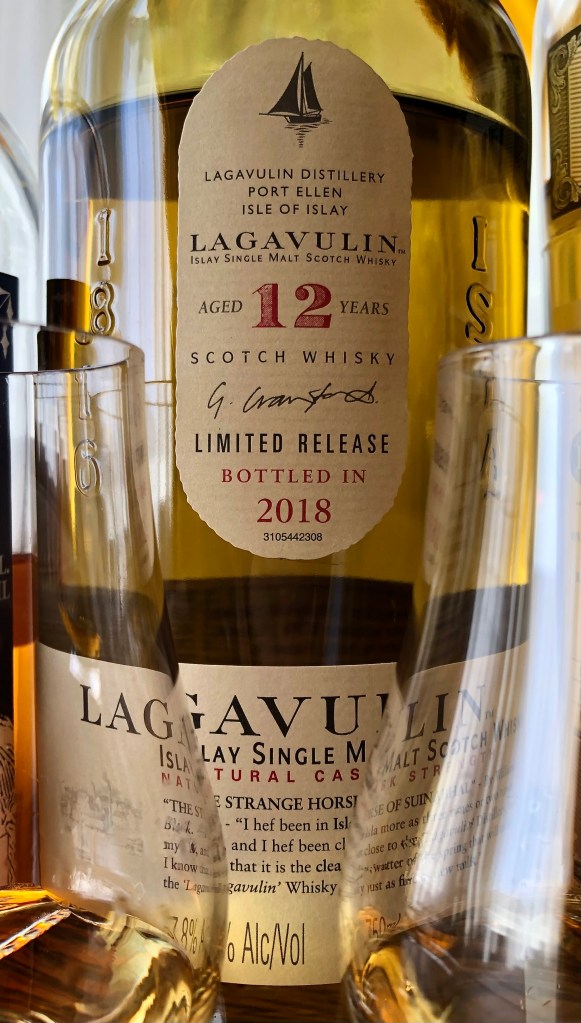
As I didn’t have any peated scotch already open on the shelf, I cracked a bottle of the 2018 Lagavulin 12 Year Cask Strength I’d recently picked up. I love this one. My friend found it too ashy. So I cracked an “Orkney” 14 Year I also had in the bunker. This he liked much better, Highland Park being a friendlier heathery style of peat. I also quite love this style of peat, and would actually say Highland Park and the similarly friendly Croftengea are neck and neck for me in terms of peated faves.
To my regret, I neglected to share with my friend the high-octane Capital American Single Malt Peated Whisky, which, though distilled in Davis, California, uses Scottish Bairds peated malt. The Capital Peated Whisky would have added greatly to our journey through the peat bog, offering a third distinction.

So let’s compare them now!
First I’ll go through each in turn, moving in order of ascending proof. Then I’ll do a bit of side-by-siding and reflect on the variances between these peated beasts. For each tasting I’ll use a traditional Glencairn.
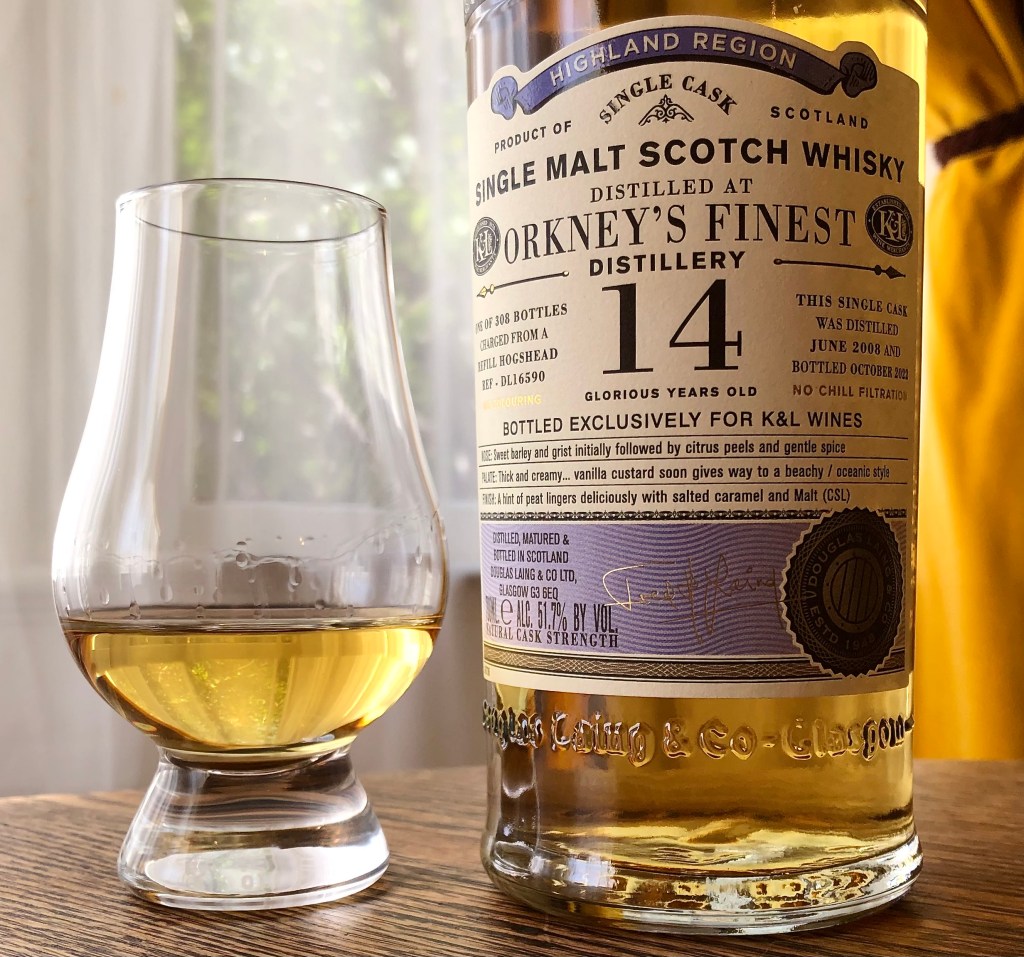
So first up, here we are with the “Orkney” 14 Year, one week after uncorking and a handful of pours into the bottle.
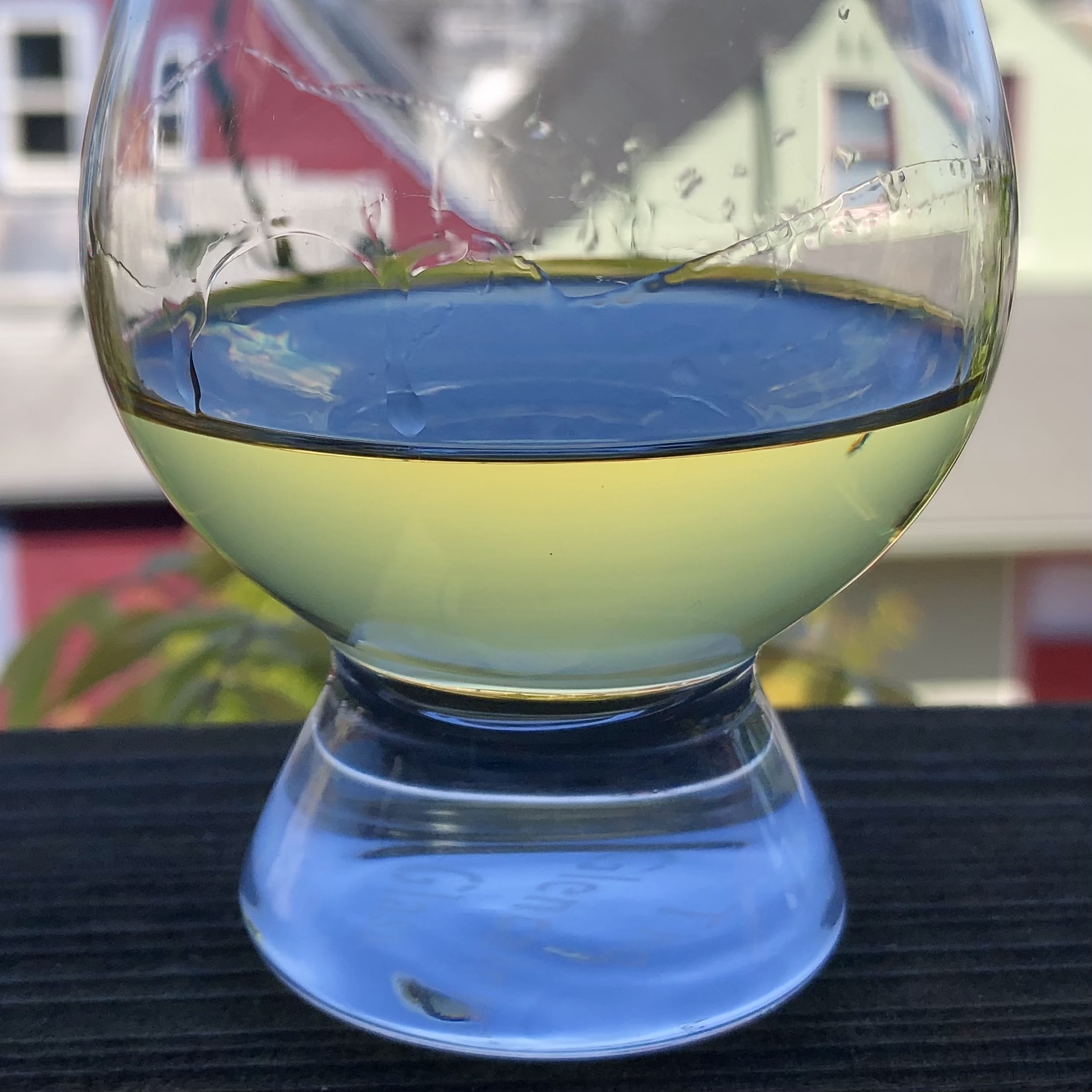
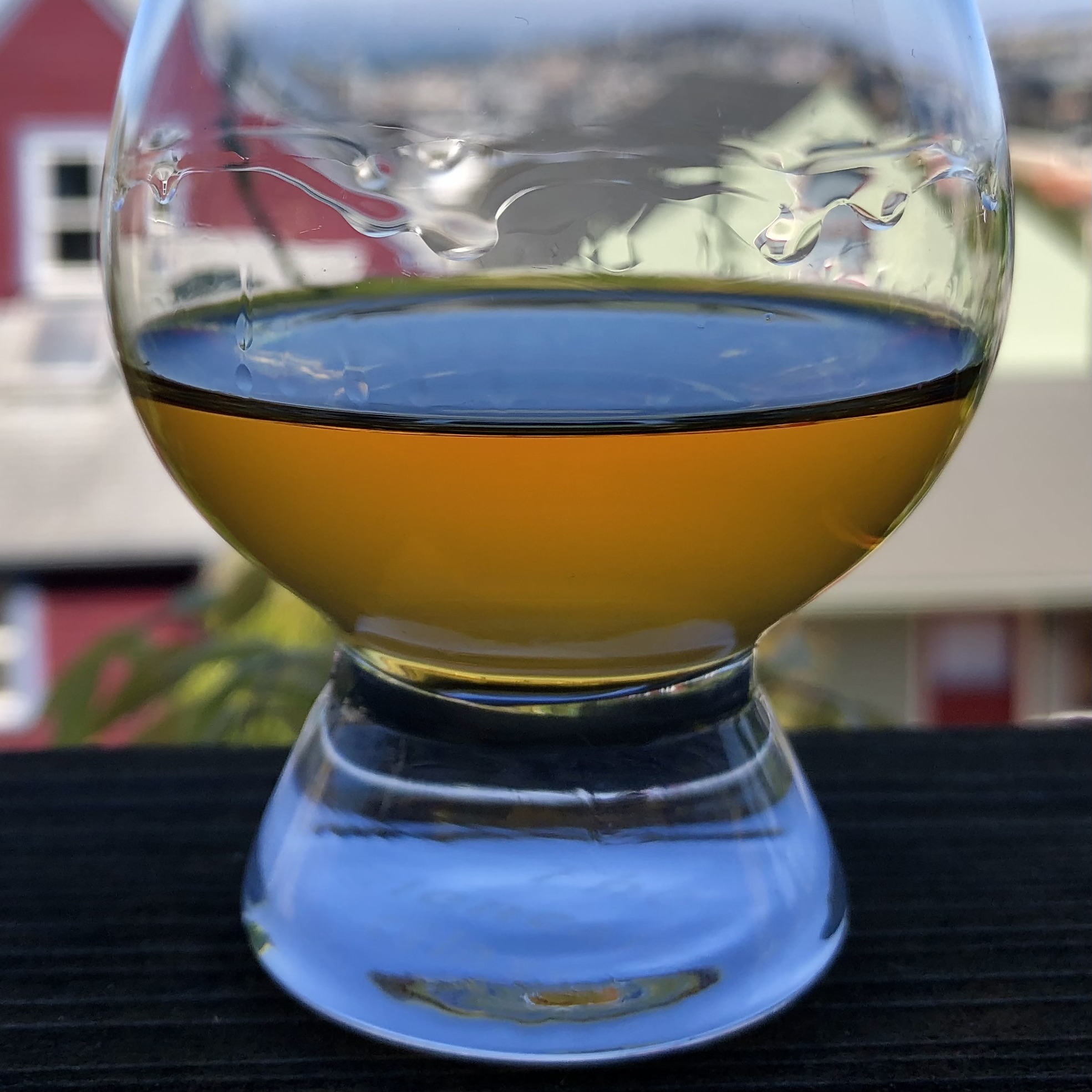
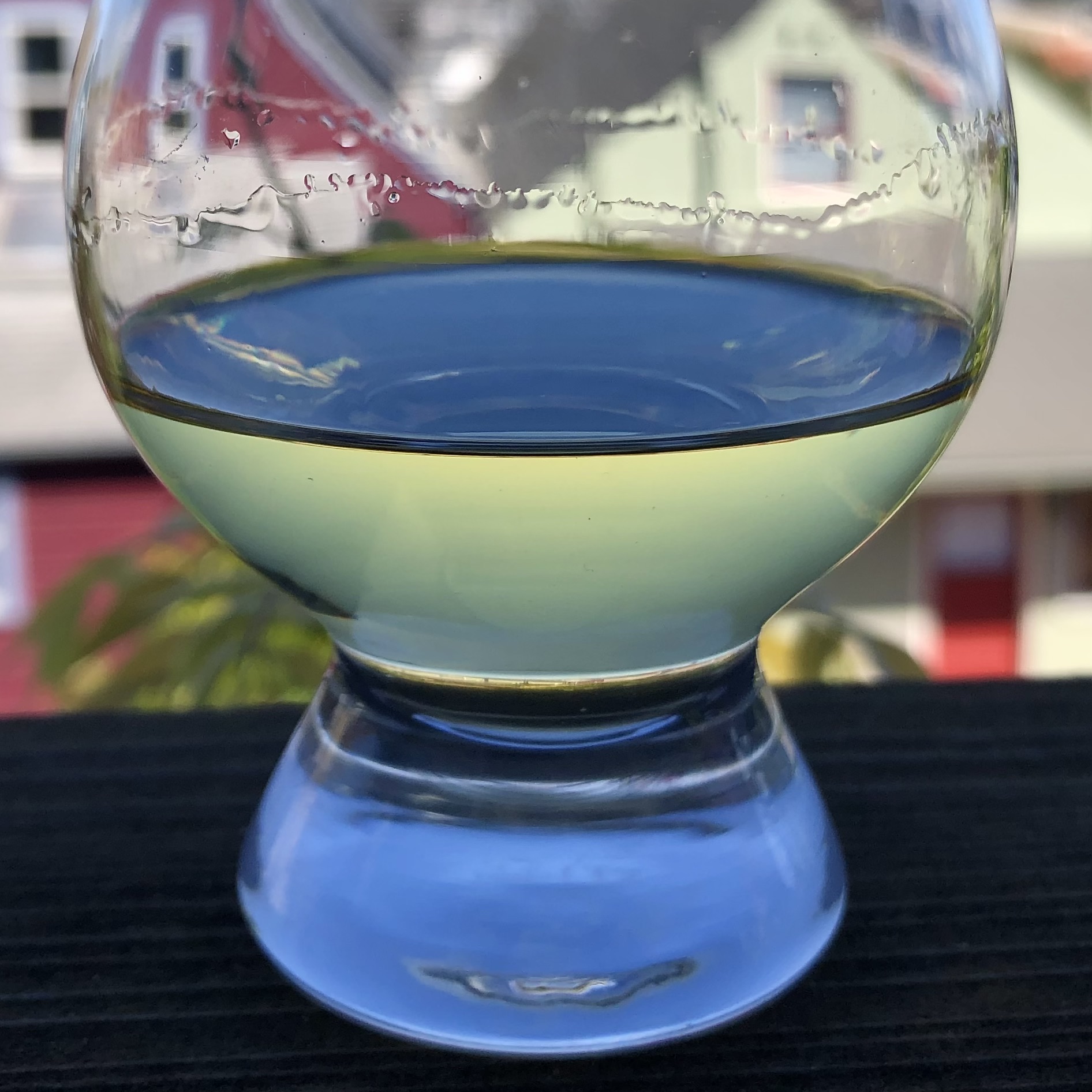
COLOR – pale lemon sherbet, very reflective of the world outside the glass
NOSE – salt, lemon pulp and rind, dry smoke and oak, heathery peat, faint fresh cream
TASTE – very consistent with what the nose offers, only now the creaminess kicks up a notch in both flavor and texture, which adds more sweet aspects to balance the dryness
FINISH – very like the taste, with a lovely caramel note threading through it and now also some tropical fruit like baked pineapple and grilled almost-ripe mango
OVERALL – nicely balanced between sweet and dry with a slight lean toward the dry side, and with lovely fruit, smoke, peat and oak notes working in harmony together
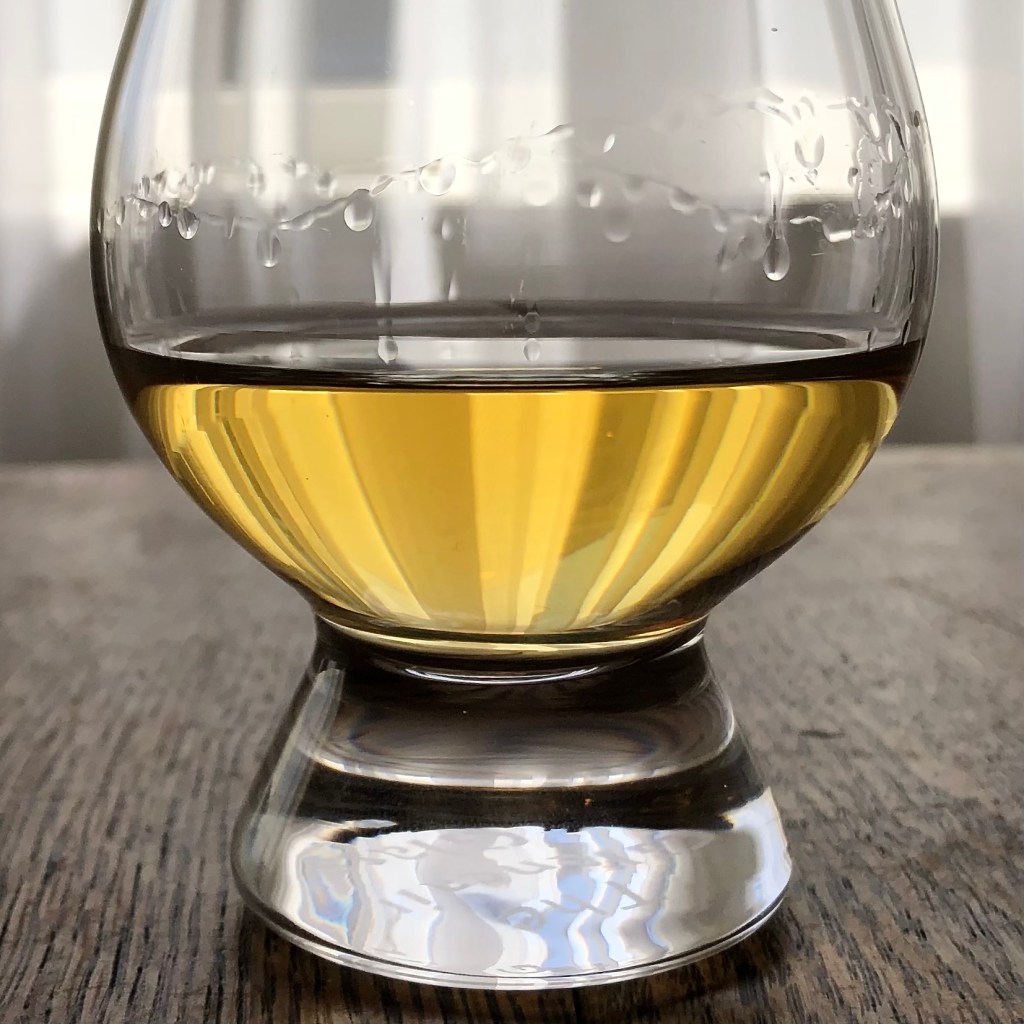
Yes indeed, these independently bottled “Orkney” releases make for good ol’ dependables. The price is right for the specs. And Highland Park’s inviting peat is delivered without any filtering, watering down, or added color to distract from its pure essence. I’ve had a few of these releases aged at or near 14 years, and they each have delivered the goods remarkably. I totally understand why this gentler variety of peat would be more appealing to someone new or less familiar with the range of peat’s impact, as compared to the heartier brands like Lagavulin, Ardbeg, Caol Ila, or the famously in-yer-face Laphroaig.
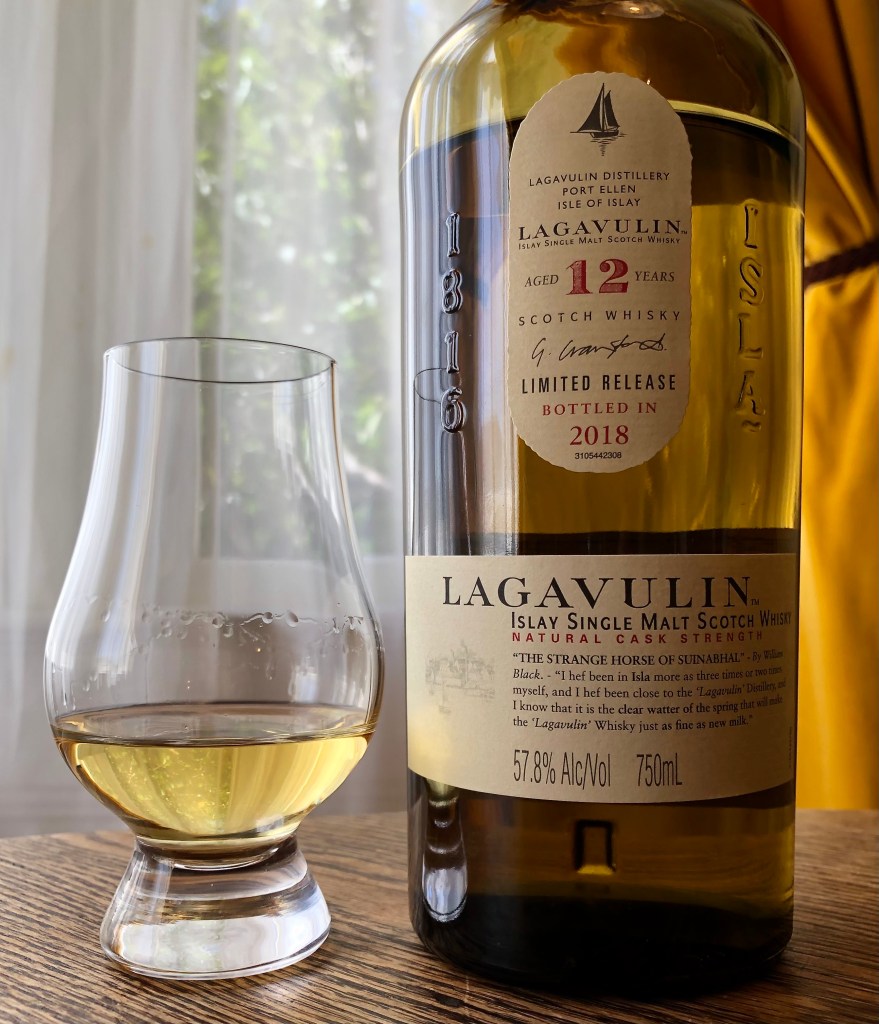
Next, the 2018 Lagavulin 12 Year, also one week after uncorking and a handful of pours into the bottle.
COLOR – an even paler lemon sherbet than the Orkney, and likewise very reflective of the world outside the glass
NOSE – tart lemon, smoky thick-cut bacon, dry oak logs cut for the fire, salty air, surprisingly subtle peat blending in among the rest
TASTE – the ash billows like a cloud right up front, soon making way for cream, caramel, wood smoke, mossy peat
FINISH – warm, with caramel, dark baked pineapple caramelizing a bit, ash, smoke, peat
OVERALL – both forceful and gentle at once, like a firm hand on the shoulder, the combination of ash and cream/caramel notes making the biggest impression
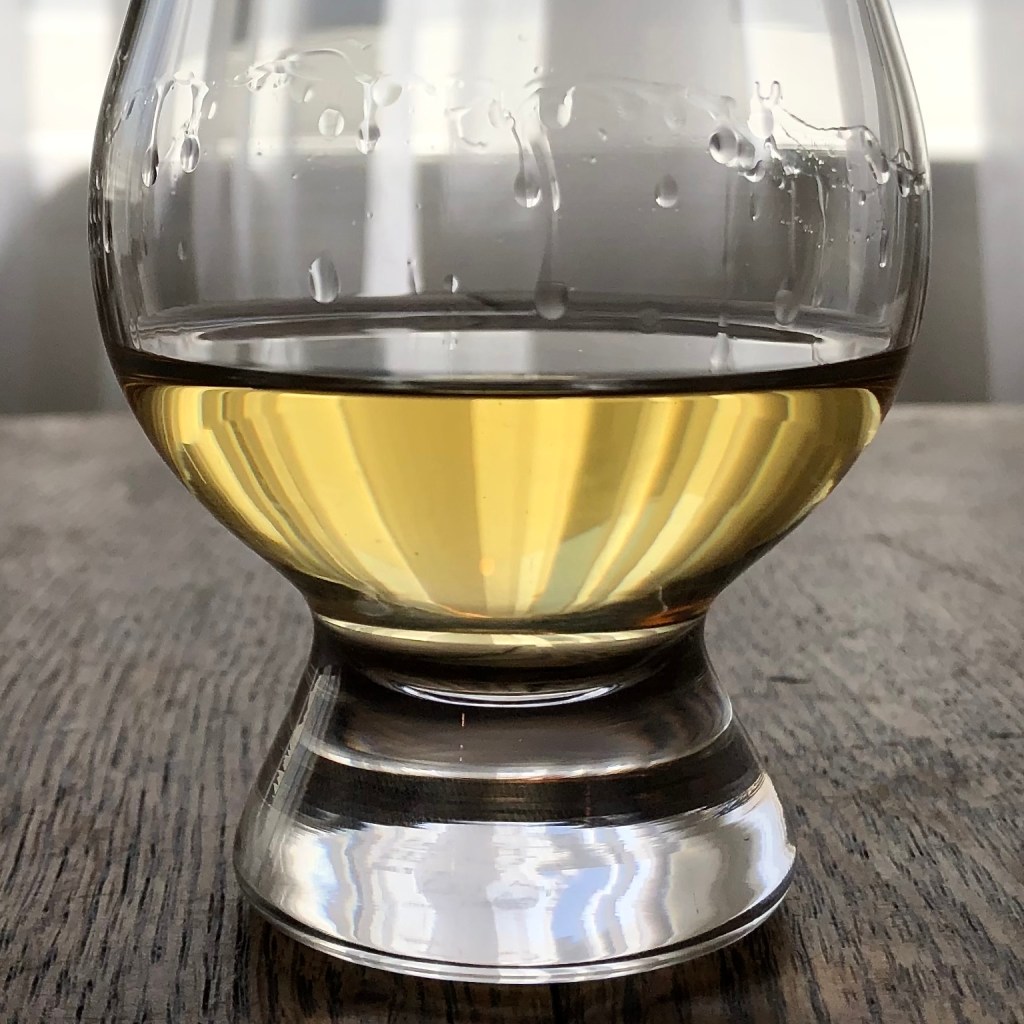
Coming off the bucolic Orkney, this brinier seaside smoke pit BBQ of a whisky is striking. My sense memory of the Lagavulin 12 Year when sipped on its own is of a much more overtly lovely peated whisky. But with a gentler variation next to it, Lagavulin’s own brand of brash becomes more apparent to my senses. To my tastes, this still qualifies as “lovely.” The aromas and flavors are strong, for sure. But they don’t throw themselves at you. They engulf you like the steady smoke of a beach BBQ bonfire. And that bacon on the nose! Makes me hungry.
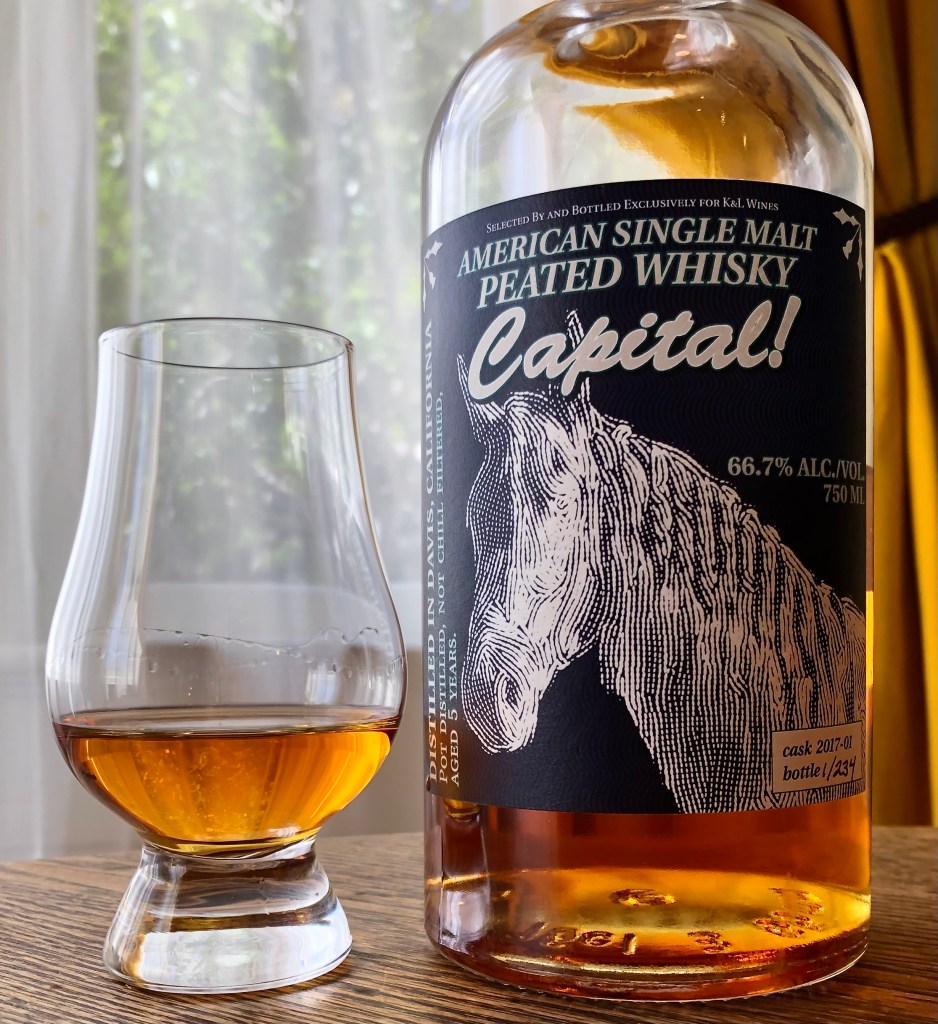
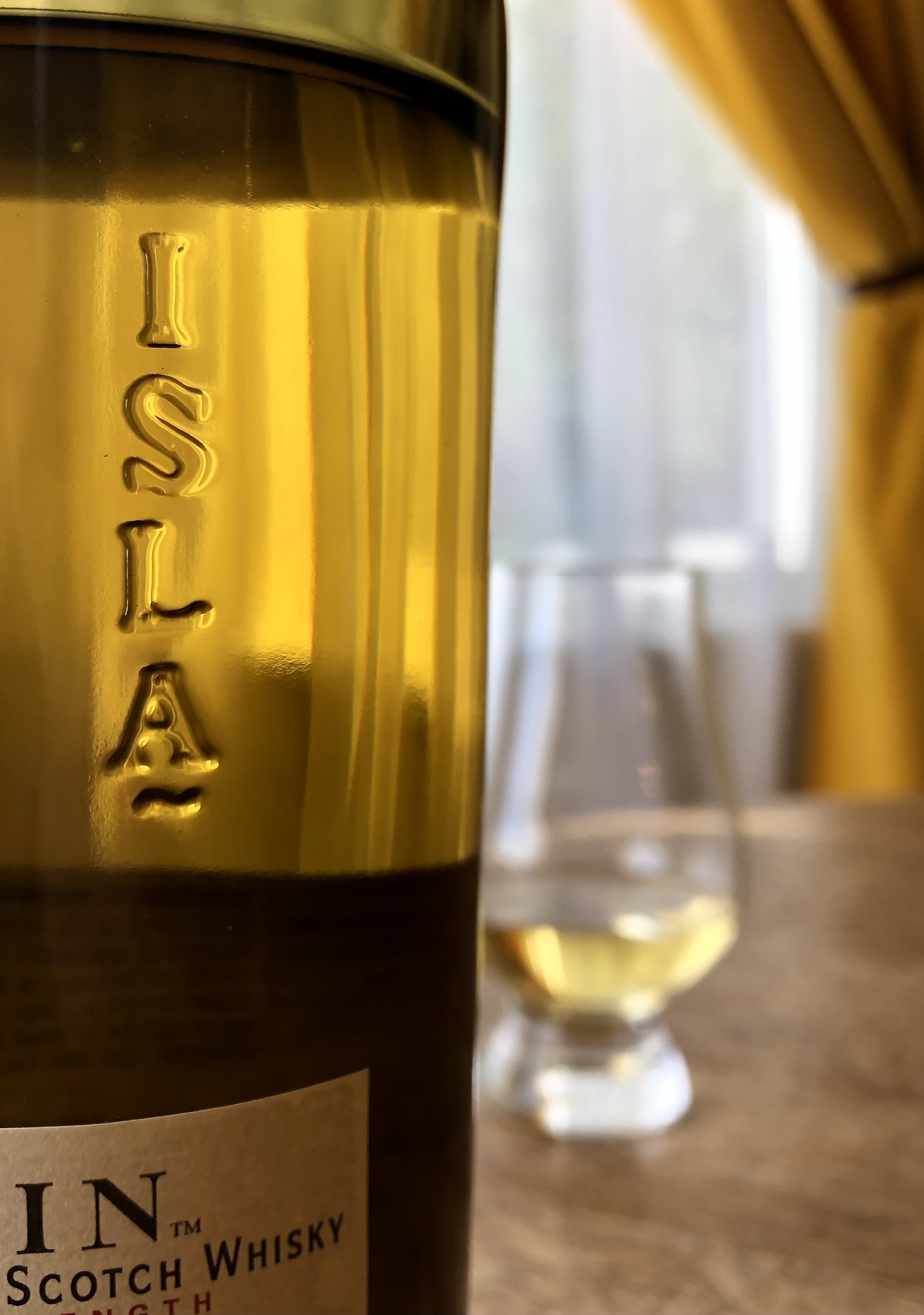
Finally, we have Capital American Single Malt Peated Whisky, two months after uncorking and about halfway through the bottle.
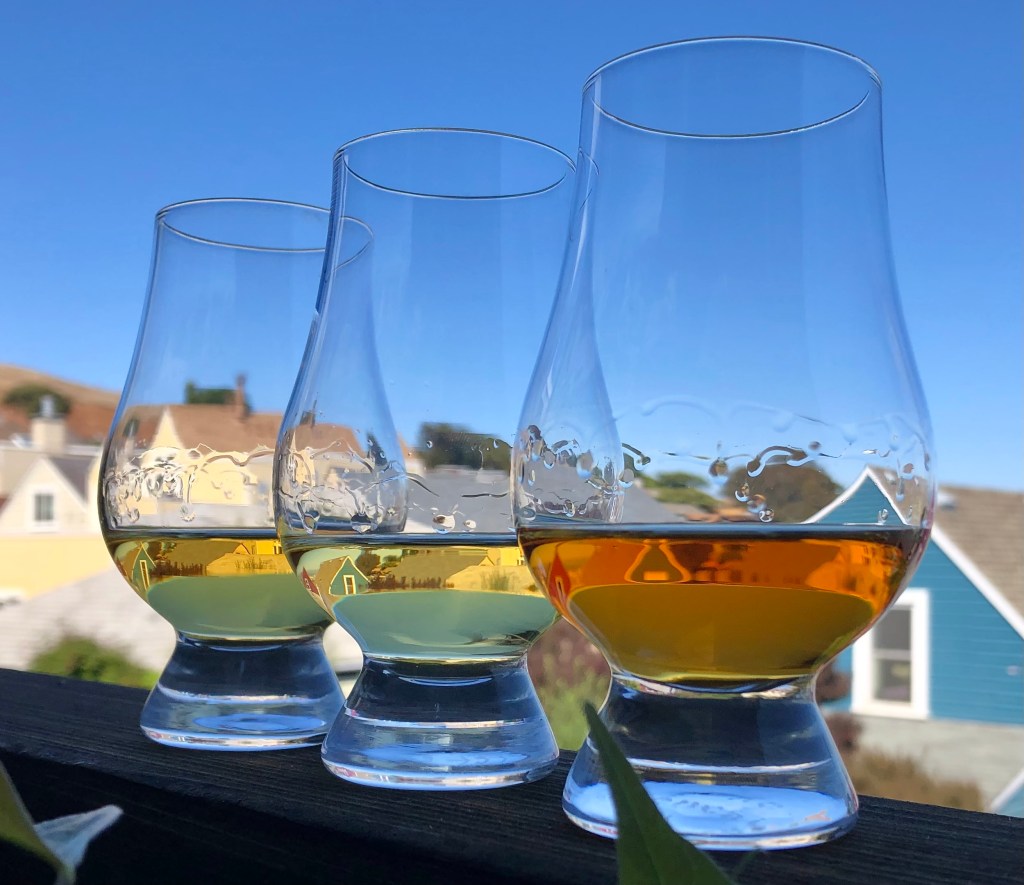
COLOR – a beautifully vibrant medium-amber
NOSE – salty caramel taffy, bacon and salted ham, very dry smoke, charcoal briquettes, a dry ashy/mossy peat
TASTE – very like the nose, with the taffy note now creamier and thicker like we’re in the candy shop’s kitchen, also a bitter metallic aspect to the drier notes; a force to it like a young muscly athlete.
FINISH – a gentle numbing warmth, with ash, acrid smoke, dried bacon, faint caramel taffy
OVERALL – bold, vibrant, young, smart, a bit unwieldy, and SMOKY
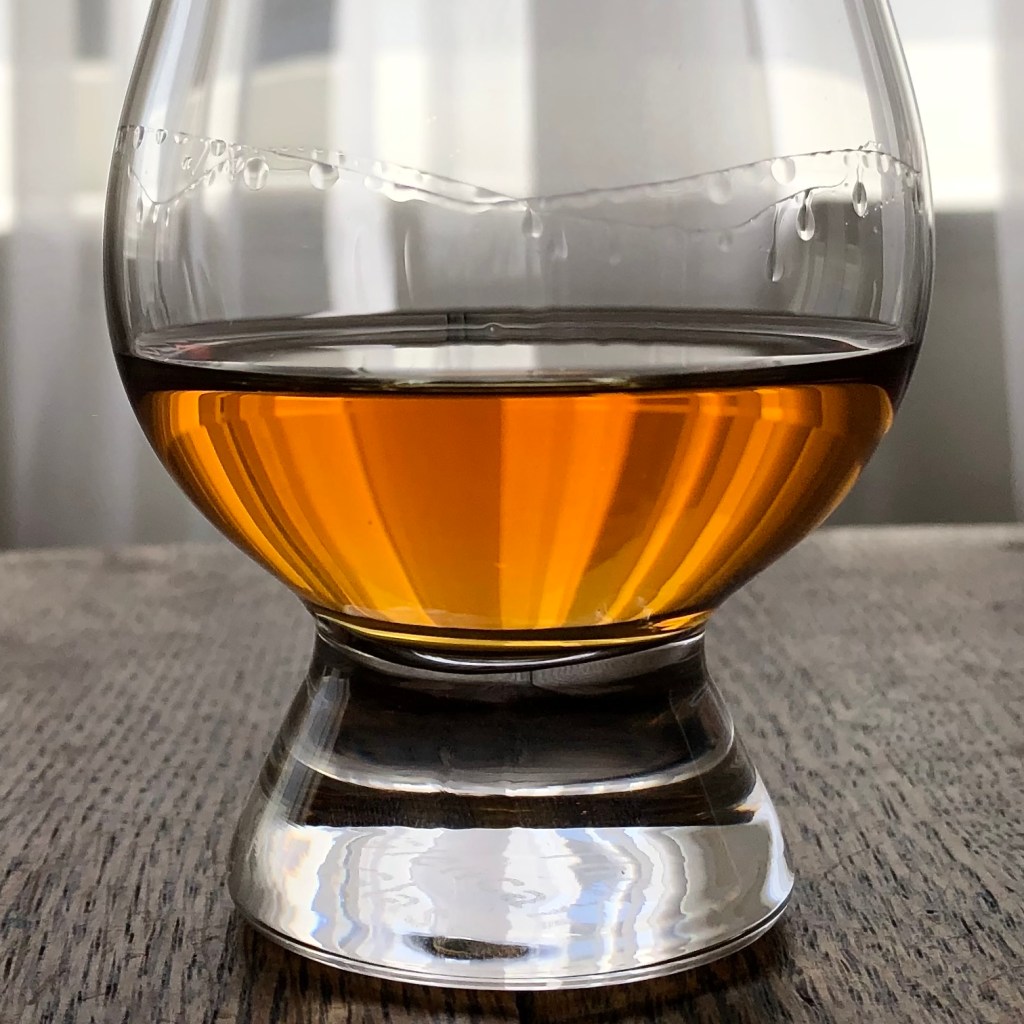
Good thing I saved this one for last! As I wrote in my previous notes on it, tasted blind I would never guess this was 133.4 proof. Strong, yes. Cask strength, for sure. But what little burn I get off this whisky defies not just expectations but logic. The heat seems to have devoted itself entirely to pushing flavor forward. Lovely, this is not. But tasty, it certainly is. From sip to sip it teeters in and out of some acrid and metallic notes, which I attribute to the whisky’s youth. At 5 years and aged in a much hotter climate than its older Orkney and Lagavulin counterparts, the Capital Peated Whisky is the talented apprentice to their accomplished old hats.
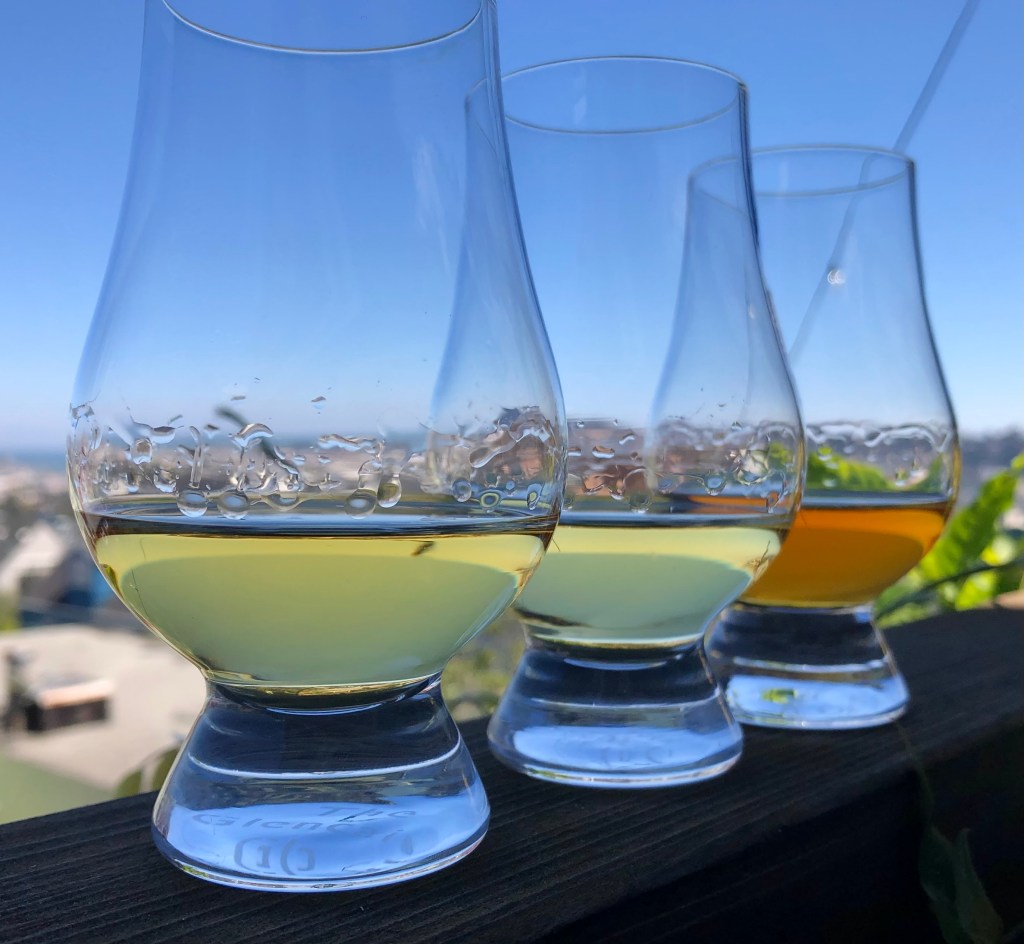
Nosing these side by side in the order I tasted them, it’s like stepping deeper and deeper into a peat bog picnic on fire. With the Orkney we’re in the bright sunny island meadow. The Lagavulin sends in a gust of smoke. The Capital then lifts the lid off the BBQ.
Tasting them again quickly back to back is a comparable experience, the same and similar notes darkening and intensifying as we go. More so here than on the nose or when tasted separately, the Capital’s youth is very apparent. It’s that acrid, metallic thing, which leans in right up front upon sipping.
The finish then is harder to parse at this point. The Capital Peated Whisky’s brashness simply overwhelms its older, mellower predecessors.
For one last hurrah, I blended what remained in each of my three glasses and let them mingle for a few minutes. On the nose, strong tropical fruit, bacon, and salty smoke. On the taste, a bit of a mess. And then the finish lingers like the taste, messily. Okay. So don’t blend them. But do try them!
Peat is so divisive. There are people who are very binary about it—they either love peat or hate it. Binary, either/or thinking is so widely promoted in society now, it takes an extra effort to move from knee-jerk reaction to considered response. It’s a bit like pushing against an ocean’s tide. If you don’t it will pull you under. Mainstream capitalism is not readily encouraging of consideration and response. Knee-jerk reactions sell sh*t much faster. One could argue that exploring peated whiskies is a simple way to practice critical thinking and resist the pull of reactionary mindlessness!
Or it’s simply enjoyable. The very qualities that make peat particularly divisive also make it uniquely intriguing. What other major flavor area of whisk(e)y can be compared to peat in that regard? I can’t think of one.
So line up a few of your favorites and see what you think. Don’t do it to choose which you like best—because who cares, really? Do it to experience the nuance your own senses are capable of offering to you.
Cheers!

 The Right Spirit