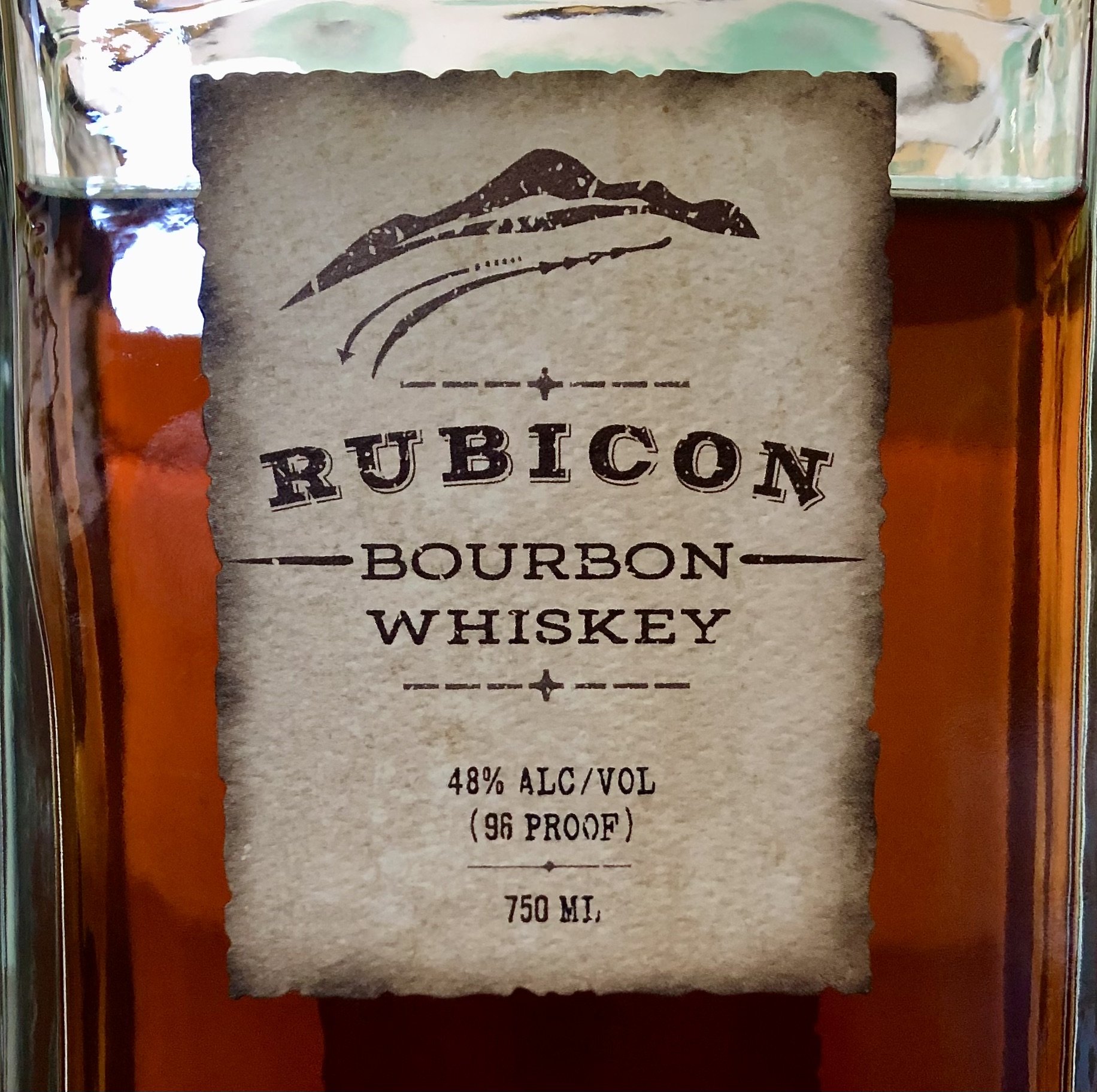
RUBICON BOURBON
Summer 2023MASH BILL – unstated
PROOF – 96
AGE – NAS (8-11 years)
DISTILLERY – Dry Diggings Distillery (sourcing)
PRICE – sample bottle (msrp $96)
WORTH BUYING? – I’ll be buying future batches of this, no question!
Uncorked and tasted in The Year of No Buying (The what? 🔗 here.)
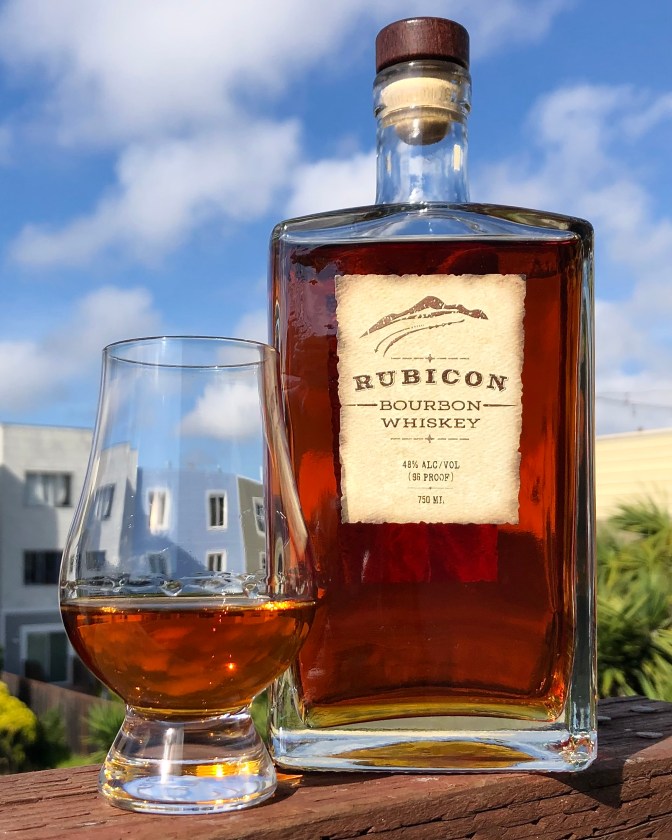
Regular readers of this blog know I’m a big Rubicon Rye fan. I’ve been following—and sipping!—the brand since 2018, and my home shelf is rarely empty of it. The flavor profile shows notable variations from batch to batch, with one leaning into sweet cherry notes and another into maple syrup. Every batch has a dependably nuanced core of dark pine around which the variables swirl. I always appreciate what the Dry Diggings team come up with.
It’s by design that each batch of Rubicon Rye has its own unique character. Rather than batching large numbers of barrels to achieve a consistent flavor profile from release to release, year to year, Dry Diggings embraces the singularity of each Rubicon Rye barrel. Some they blend in small batches of two or three barrels. Some they bottle on their own. And yet all get the same Rubicon label. The age-old marketing model of predicability meant to satisfy consumer expectation is let go in favor of the unpredictable idiosyncrasies inherent to the aging process.
Dry Diggings applies this same approach to many of their other products, and they say it will now be applied to this new extension of the Rubicon line, the bourbon:
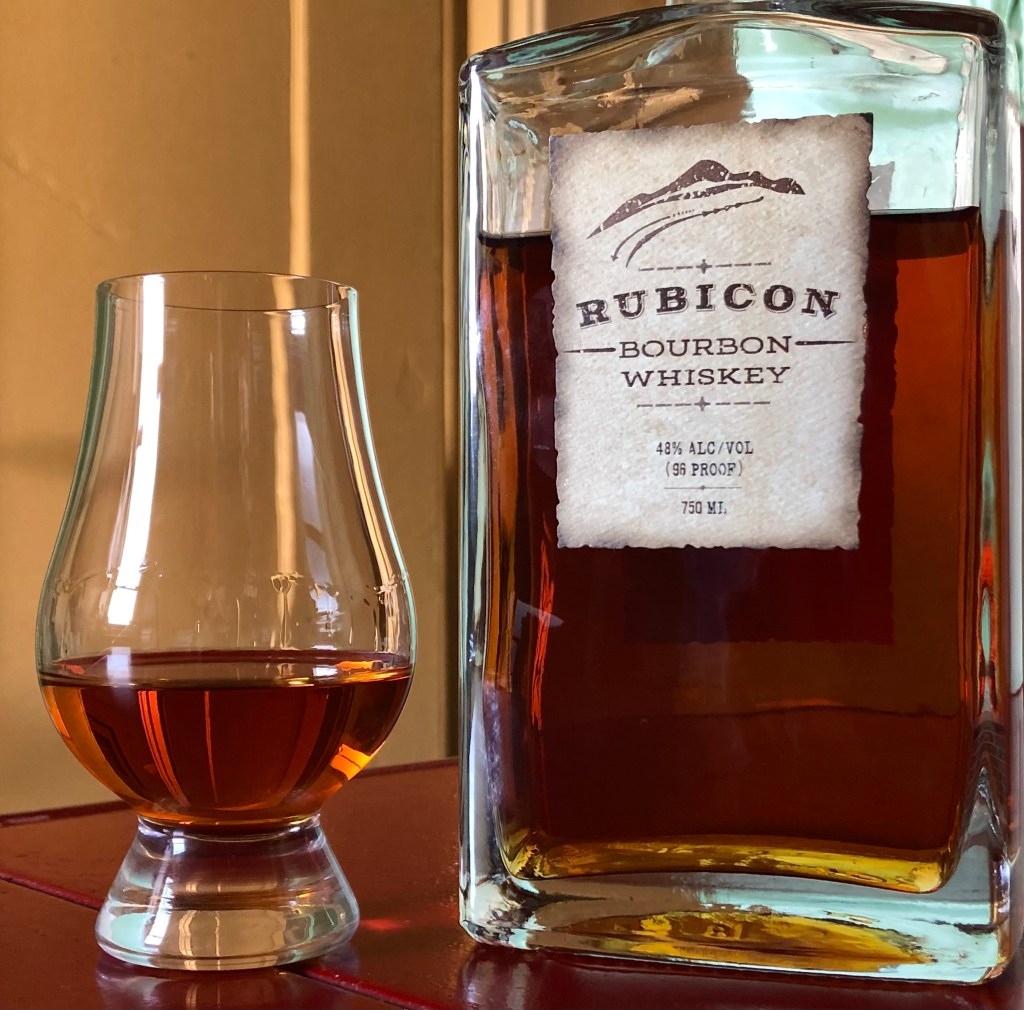
As a longtime Dry Diggings enthusiast, any new whiskey product they put out compels my anticipation. But a bourbon they saw fit to share their flagship Rubicon Rye’s name is of particular interest.
One key difference I noticed right away: Whereas the Rye is distilled, aged and bottled by Dry Diggings, this new Rubicon Bourbon is aged and bottled by them, but not distilled in-house. This puts it in the realm of their Engine 49 Bourbon line.
I asked Dry Diggings’ owner, Cris Steller, about this, and what he might be able to share with me about mash bills and the like. He’s keeping his cards closer to his chest on this one, not only due to contractual obligations but also to maintain the uniquely evolving formulae by which this new venture has been conceived.
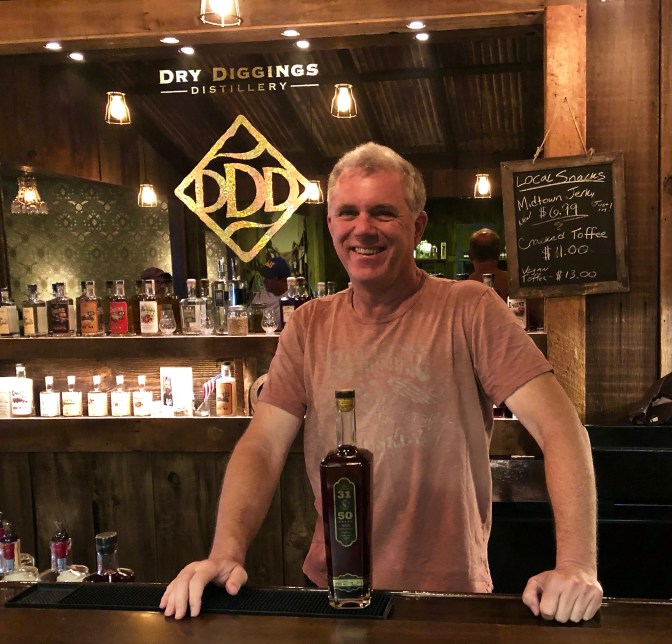
But Steller did share that the mash bill has higher corn and rye ratios than the distillate sourced for Engine 49. Also, like the Rubicon Rye, the Rubicon Bourbon is given a secondary barrel finishing with a higher toasting level than usual. And the barrels vatted together for this inaugural batch were all aged (variously from 8 to 11 years) on the top rack of the warehouse, where they’re subjected to the highest summer temperatures—which in El Dorado County can be brutal!
“Engine 49 Bourbon is meant to be a straight clean mash bill that lets you make cocktails or drink it neat and it’s just really nice,” wrote Steller. “Rubicon Bourbon is meant to give you a little more to think about.”
Steller then punctuated his comments with his trademark openness to variance: “This pertains to this release. Now I can’t promise what will change… But, my mood always seems to change… so we’ll see what’s next?”
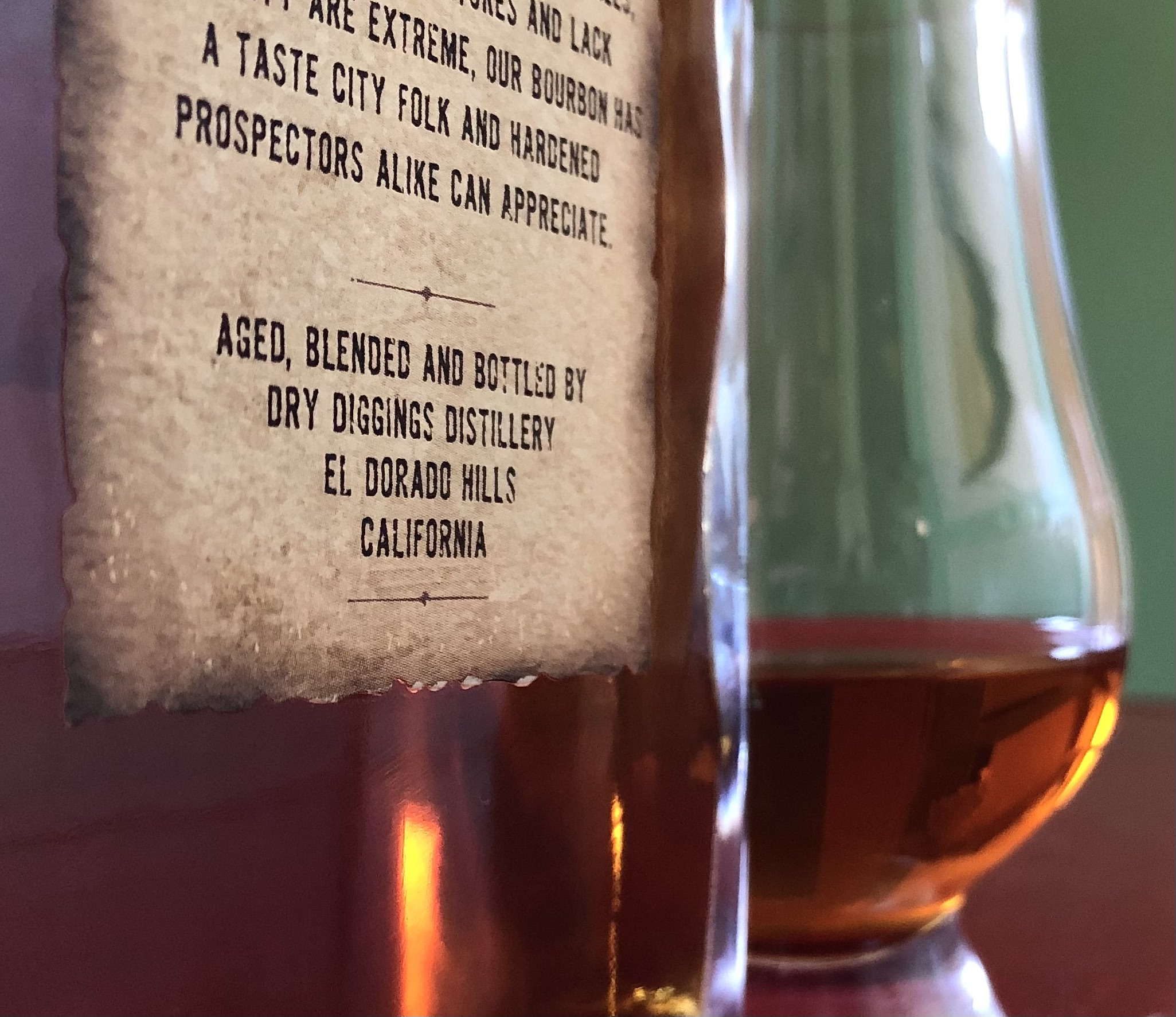
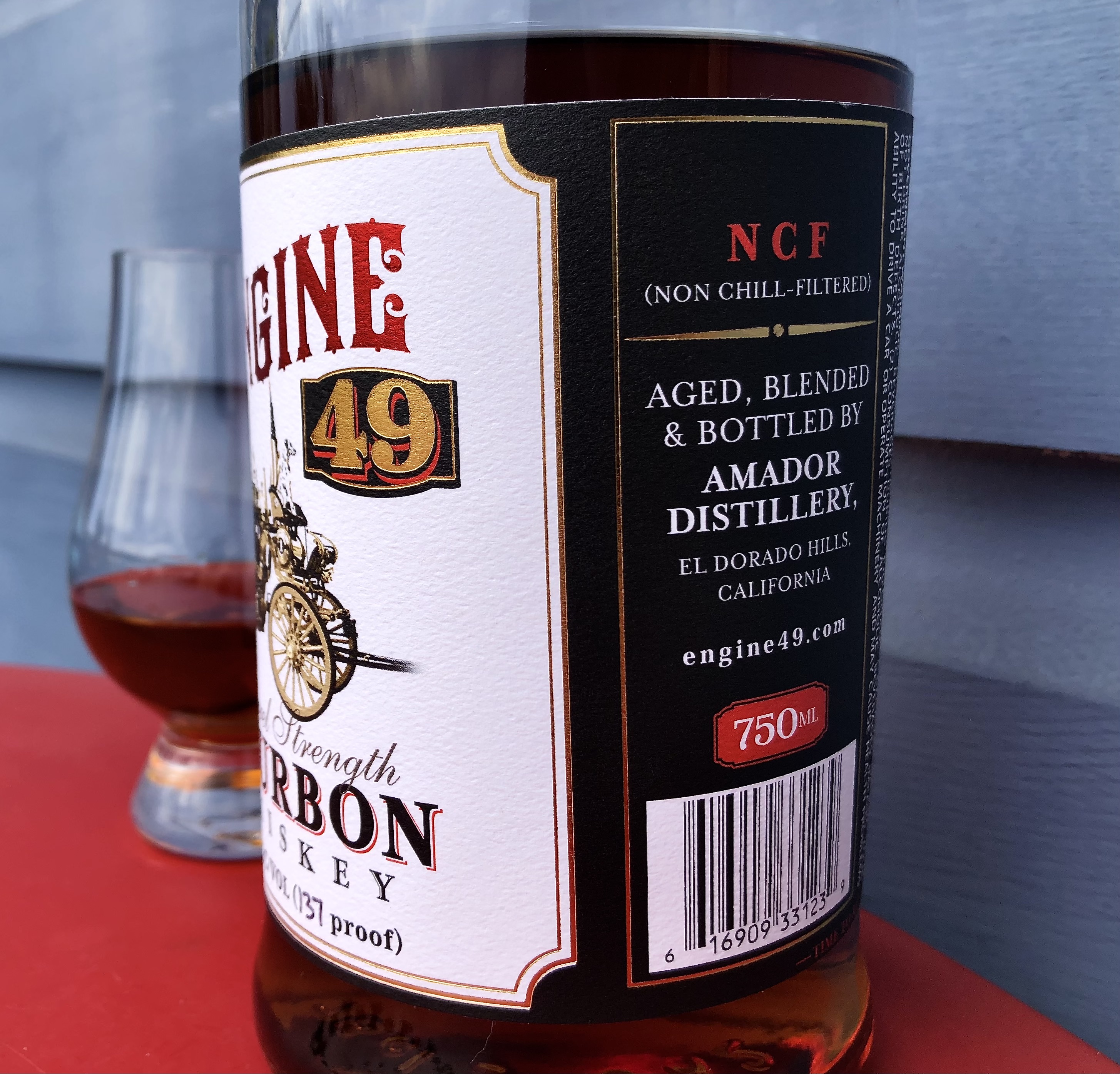

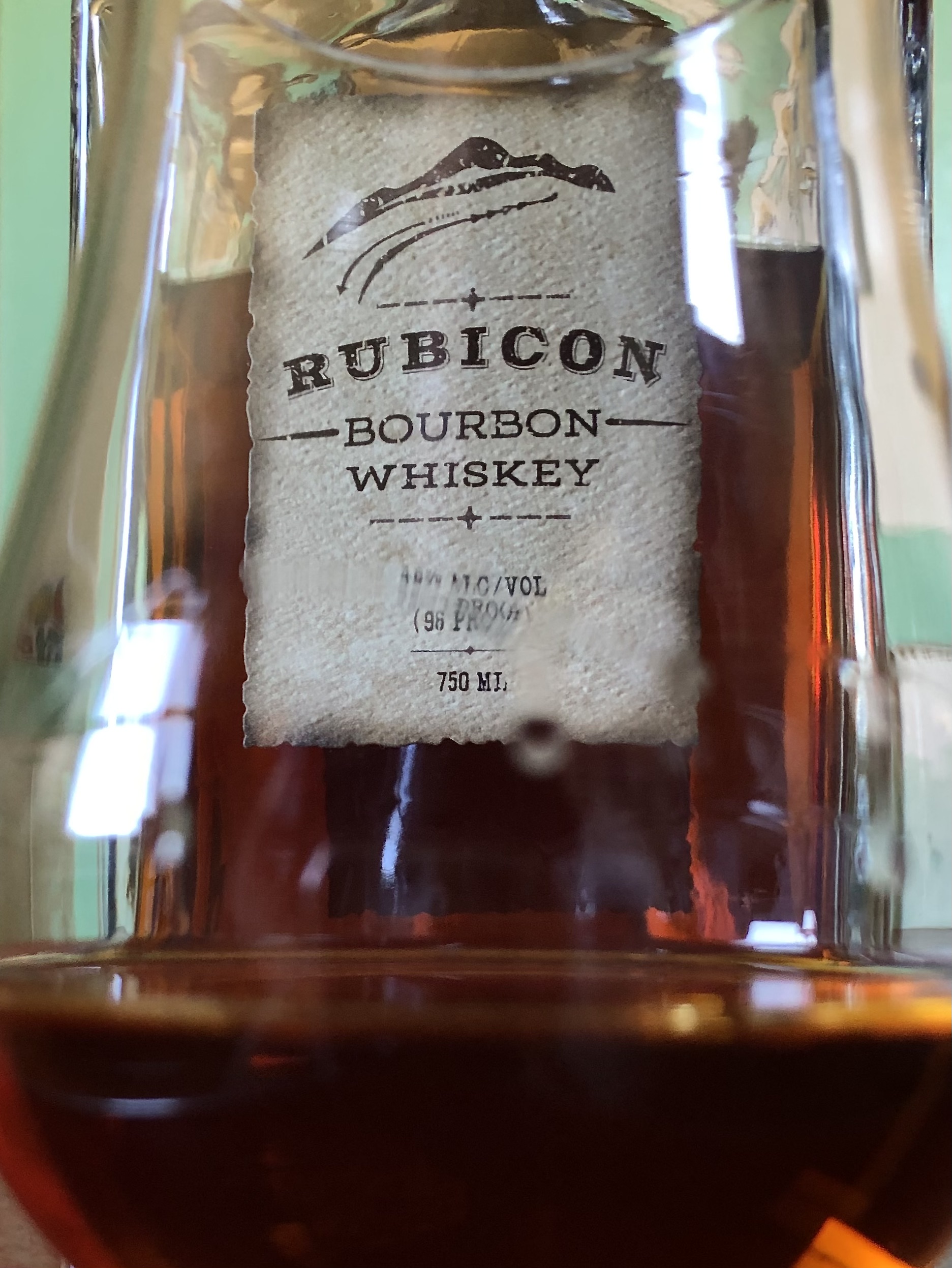
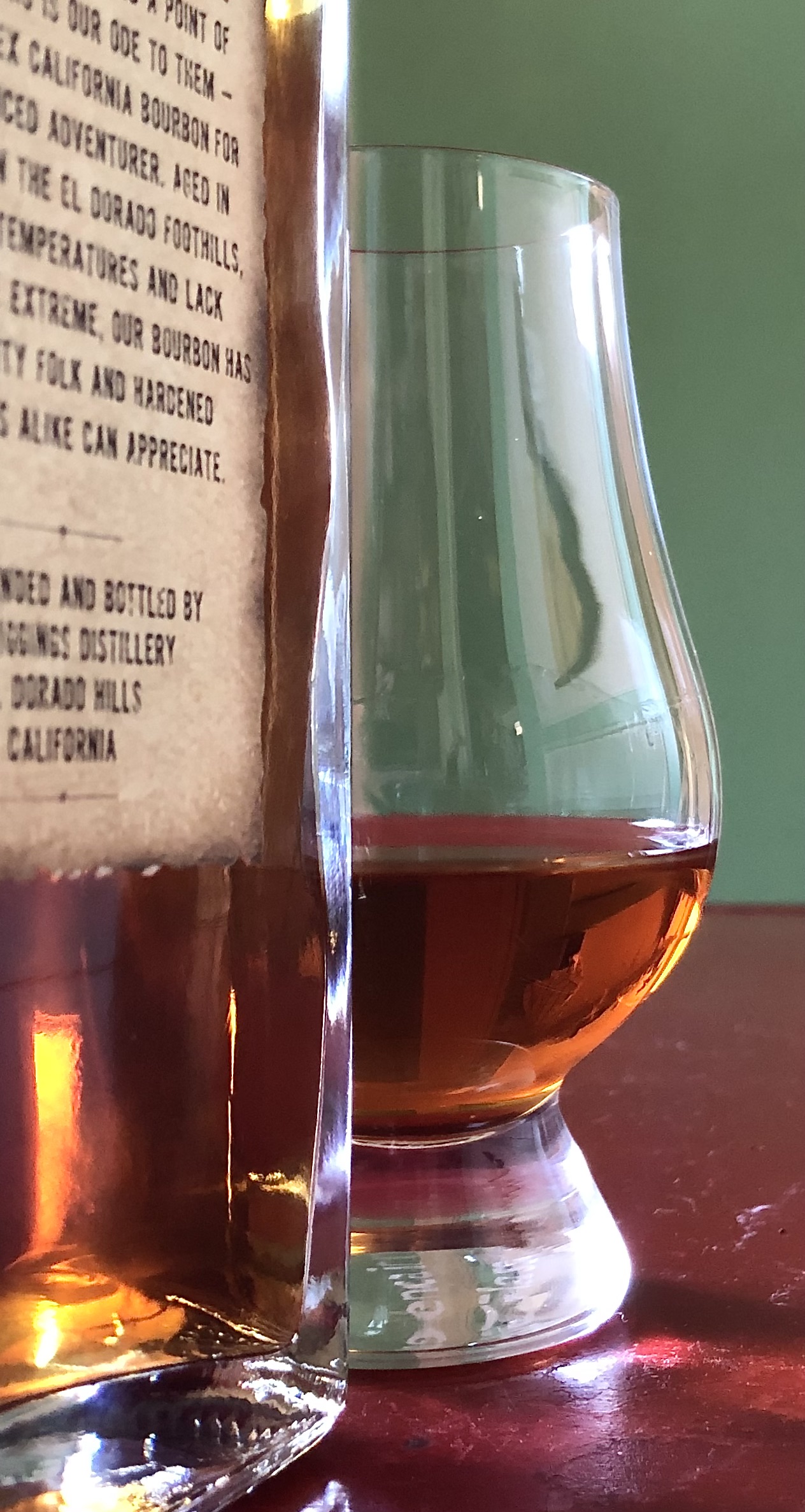
In any event, here we are, nine days after uncorking and four pours into the bottle. These brief notes were taken using a traditional Glencairn.
COLOR – smoky autumnal russet oranges
NOSE – cinnamon laden baking spices, dry rye spice, oak, cherry, dried apricot, dry dark caramel, buttered dark-crust toast
TASTE – syrupy and thick, with dark caramel coated in dark chocolate, solid oak, the various spices shimmering in the background
FINISH – oak, the dark caramel and chocolate, an easy yet deep and lingering warmth.
OVERALL – classic bourbon goodness
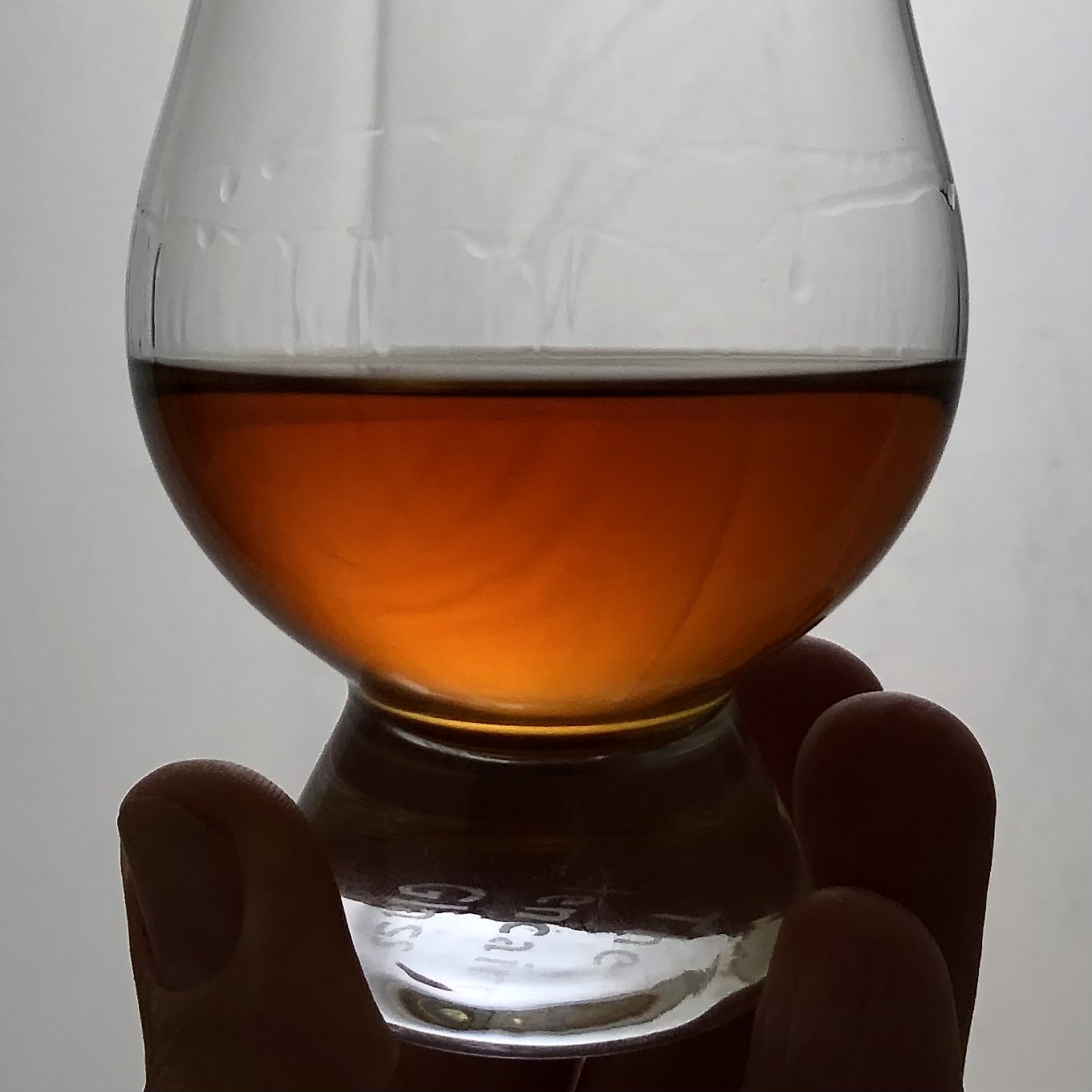
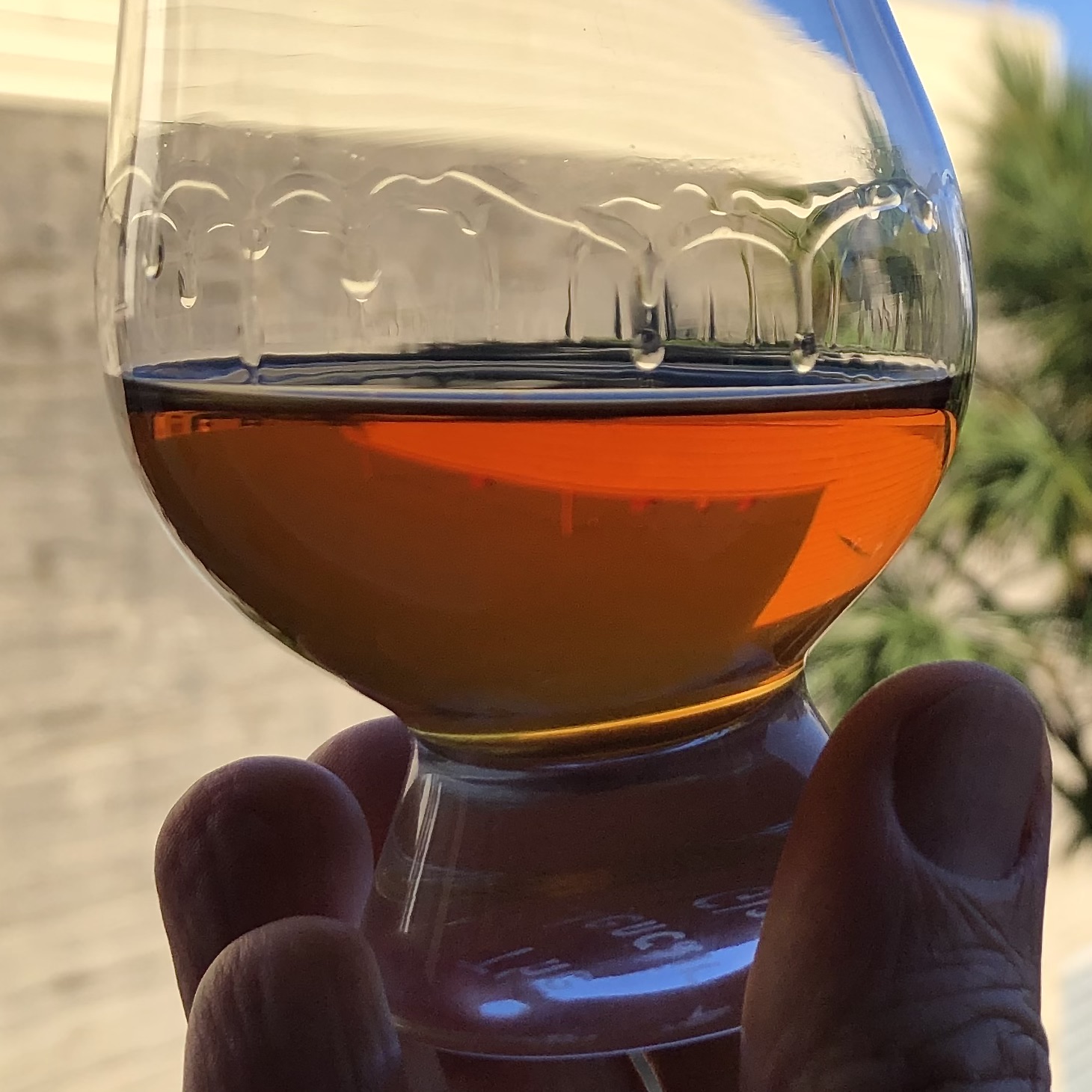
Tasted blind I’d swear this was a well-aged Knob Creek single barrel. It’s got the particular baking and rye spice, oak, caramel combo I often get from Beam’s more rustic offerings (e.g. Knob Creek, Baker’s, Booker’s). Though none of the orange peel I often also get from those brands shows here, there’s a nice dark cherry note lacing through the nose in particular.
I opened this in just the right season. Autumn. And I’m sipping it on a sunny, cool, late-afternoon. Perfect. It’s that combination of intense, dense aromas and flavors, with a remarkably penetrating warmth for such an average-proofed bourbon. A great whiskey to keep the chill away without competing with the sun’s own warmth.
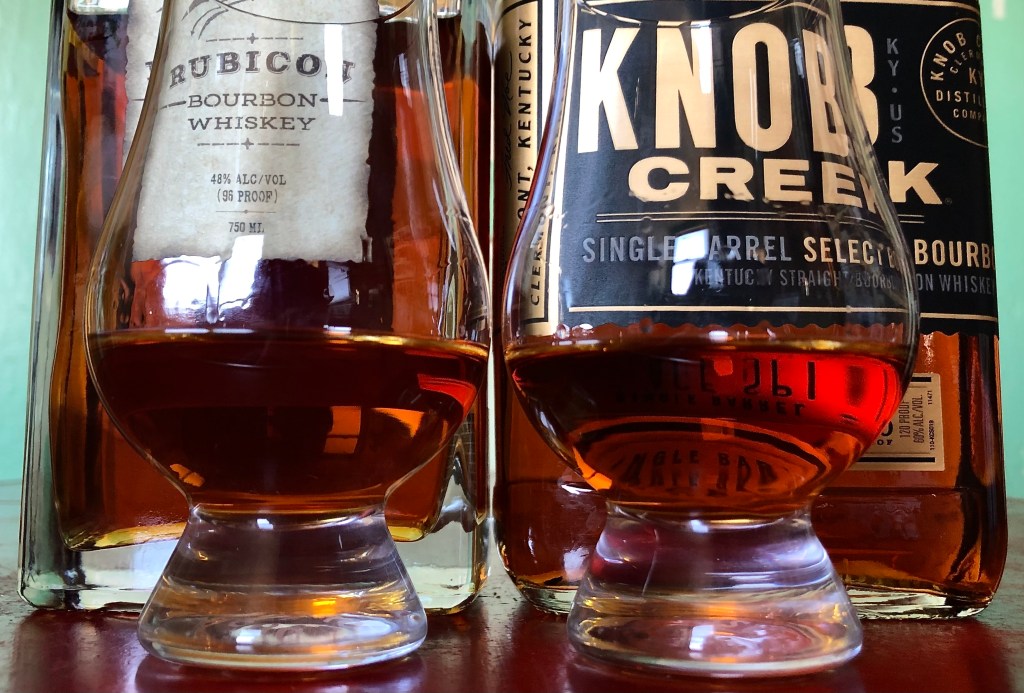
Given the likeness, I just had to compare it to a Knob Creek SiB. I’d opened one a few days earlier and tried it separately from the Rubicon. Let’s see what comes from sipping them side by side.
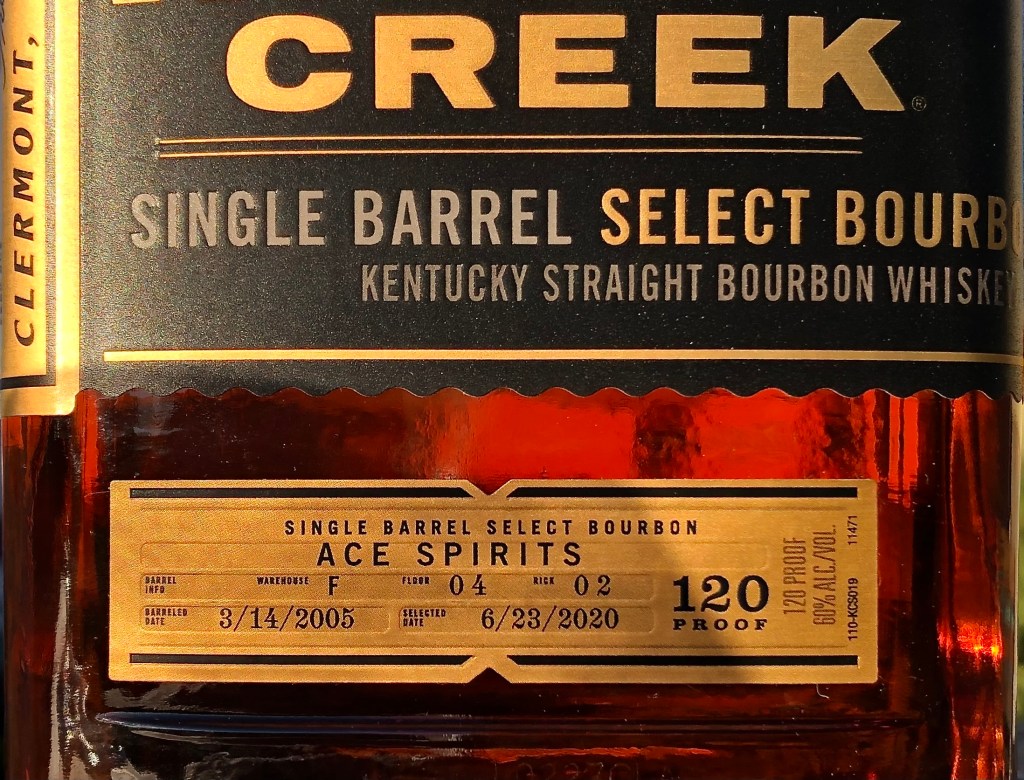
At 15 years 3 months, this particular Knob Creek SiB is older than the Rubicon by a good amount. And at 120 proof it’s certainly hotter. No surprise then that the Knob Creek’s color runs darker, though those smoky russet oranges do seem like family.
On the nose, the Knob Creek shows cinnamon baking spices submerged within a very dark, very reserved caramel and chocolate note. The cherry is also in there, and very dark. Overall the Knob Creek’s nose gives me the sense of something powerful holding back in the dark, ready to pounce. Next to it, the Rubicon’s nose comes across as more easygoing. Same basic notes, only brighter and more forthcoming, and now I can pick out some dark pine in the Rubicon I hadn’t noticed before.
I tasted the lower-proof Rubicon again first, to get a measure on it before then trying the hotter Knob Creek. Immediately I was hit by the Knob Creek’s solid oak note, which then gets slathered in the dense caramel and chocolate as it moves across the palate. Like the nose, the taste is notably darker than the Rubicon. But again similar notes. As for the proof, I would not guess the Knob Creek was 120! Though notably stronger than the Rubicon in this regard, still the two share a similar warmth that soaks, rather than a heat that bites.
The Knob Creek finishes with oak, dried mint leaf, the baking spices, and that sultry dark caramel still lingering around the edges. The Rubicon leaves behind a prominent oak note as well, though a notch or two brighter comparatively, plus the array of spices.
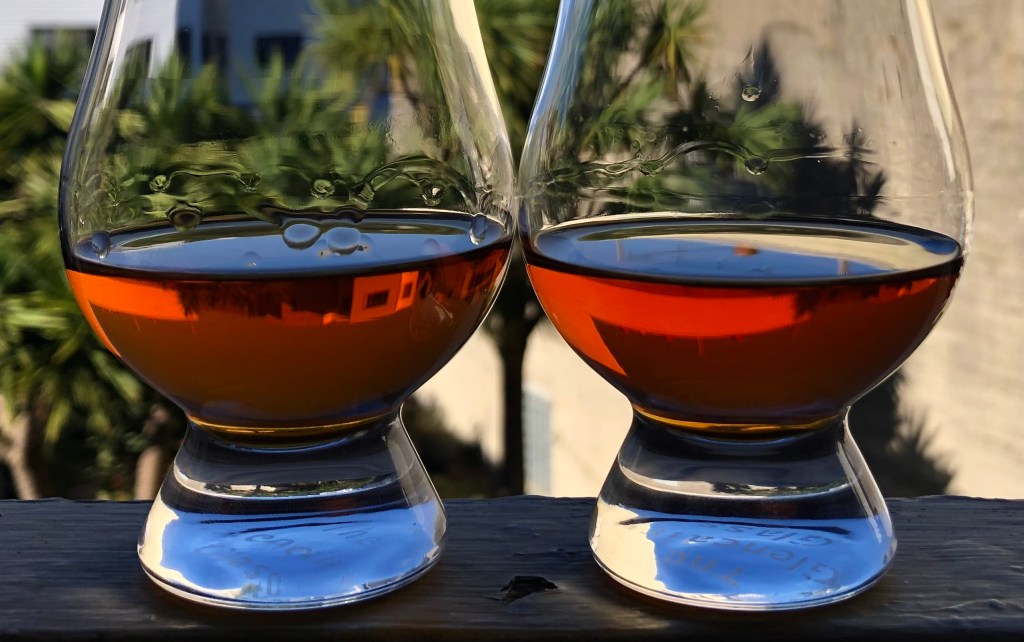
As noted, Dry Diggings is contractually obliged to not share their sources. But if this isn’t Jim Beam I’d be very surprised. Delightfully surprised, of course, given what this Rubicon Bourbon achieves. This will satisfy any Kentucky Bourbon fan.
Now, one could argue this to be a fault. Why look outside Kentucky for Kentucky whiskey, after all? And when I bought this Knob Creek SiB in 2020 it was $55 as compared to the younger, blended Rubicon’s current $96. Today, Knob Creek SiBs average around 9 years of age, always 120 proof, and are still around $60 or so on average. With Rubicon a blend of 8 to 11 year bourbons, the price might be difficult to justify for some—though there are increasingly more and more bourbons with similar specs priced a lot higher!
All that said, we know this is just the start for Rubicon Bourbon. Even on the Dry Diggings website, Steller openly shares his plan to forgo consistency for experimentation. Cask finishings, different age combinations, the erratic northern California weather. Rubicon Bourbon is intentionally a journey whiskey, not a destination whiskey. Whereas Knob Creek, even in its SiB releases, is pretty consistent by design. You pretty much know where you’re headed.
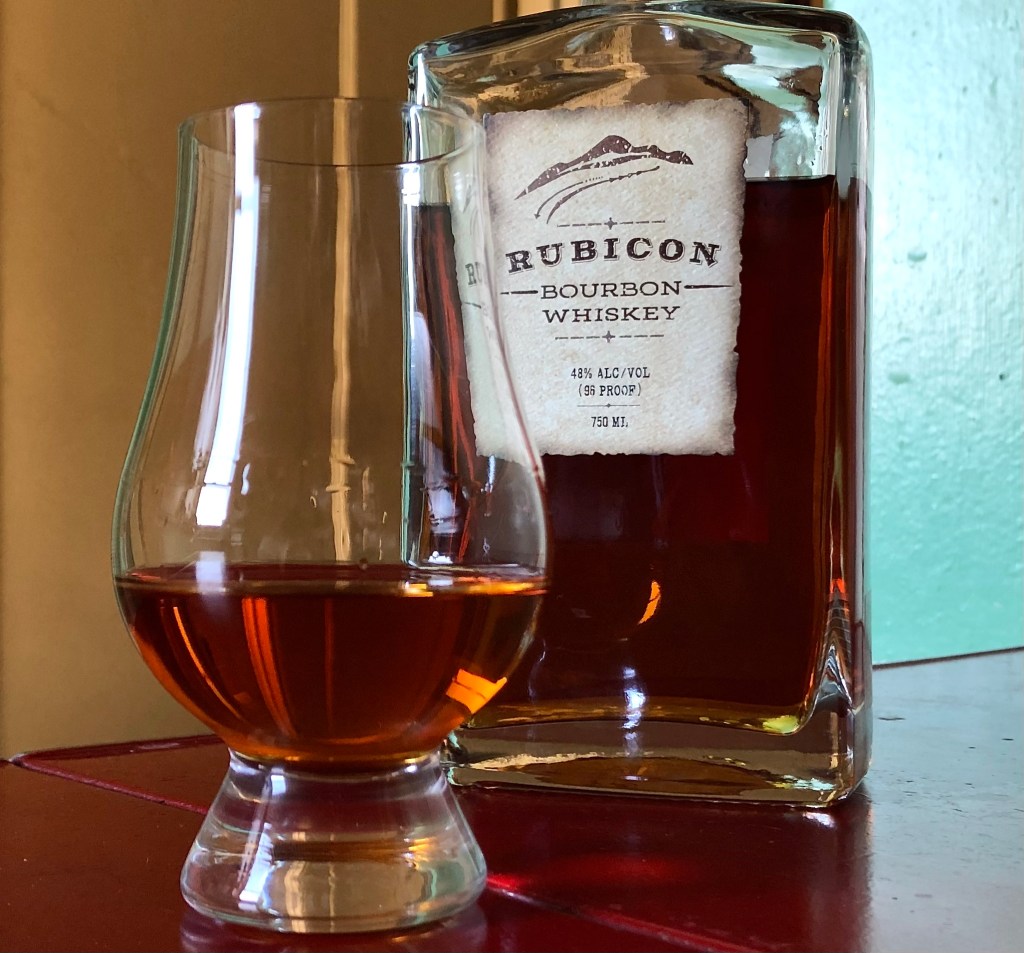
As for the bourbons on my table, I’m a fan of both and feel no need to choose between them. The days of Knob Creek SiBs aged 15+ years are over, so I will savor this dangerously quaffable bottle. The days of Rubicon Bourbon have only just begun, so I will savor this first outing—and hold much of it back to compare with future batches, as Dry Diggings goes about their exploration of this new offering. A journey has begun.
Cheers!

 The Right Spirit