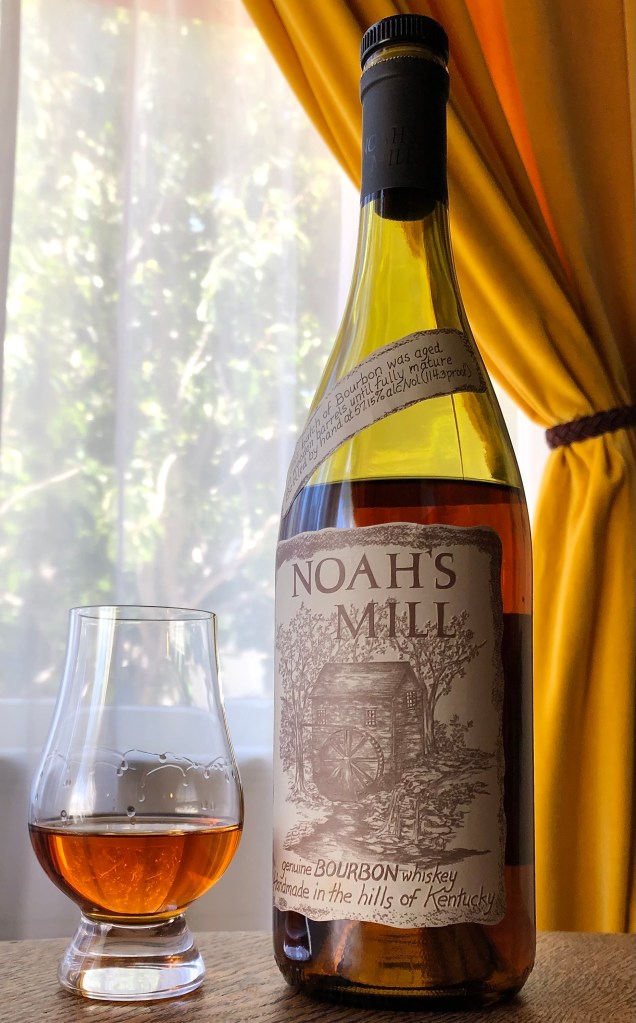
NOAH’S MILL
Batch 17-113 (2017)MASH BILL – Unknown
PROOF – 114.3
AGE – NAS
DISTILLERY – Noah’s Mill Distilling Company (i.e. Willett sourcing from an undisclosed Kentucky distillery)
PRICE – $55 (in 2017 when I bought it; now ~$75)
WORTH BUYING? – At the 2023 price? No. Drinking it in 2023 at the 2017 price…? Mmmm…
Uncorked and tasted in The Year of No Buying (The what? 🔗 here.)

Having started distilling their own whiskey in 2012, it wasn’t until around 2020 that Willett Distillery fully transitioned from sourced distillate to using their own make in their non-Willett labelled line of bourbons—including Johnny Drum Private Stock, Kentucky Vintage, Old Bardstown Estate Bottled (also Bottled in Bond and 90 Proof), Pure Kentucky XO, Rowan’s Creek, and Noah’s Mill. Today the labels of each say “Distilled, Aged, and Bottled in Kentucky by Willett Distillery.” But up through 2019, the Willett name didn’t even appear on these bottles, only their distillery number: DSP-KY-78.
Rumors abound as to where Willett sourced their whiskeys—Bernheim, Heaven Hill, Buffalo Trace, MGP—how they blended them, and how and exactly when they began to mix those stocks with their own distillate to bridge their transition to all Willett all the time. It’s a www rabbit hole down which one can devote endless hours hopping in circles. 🕳️🐇
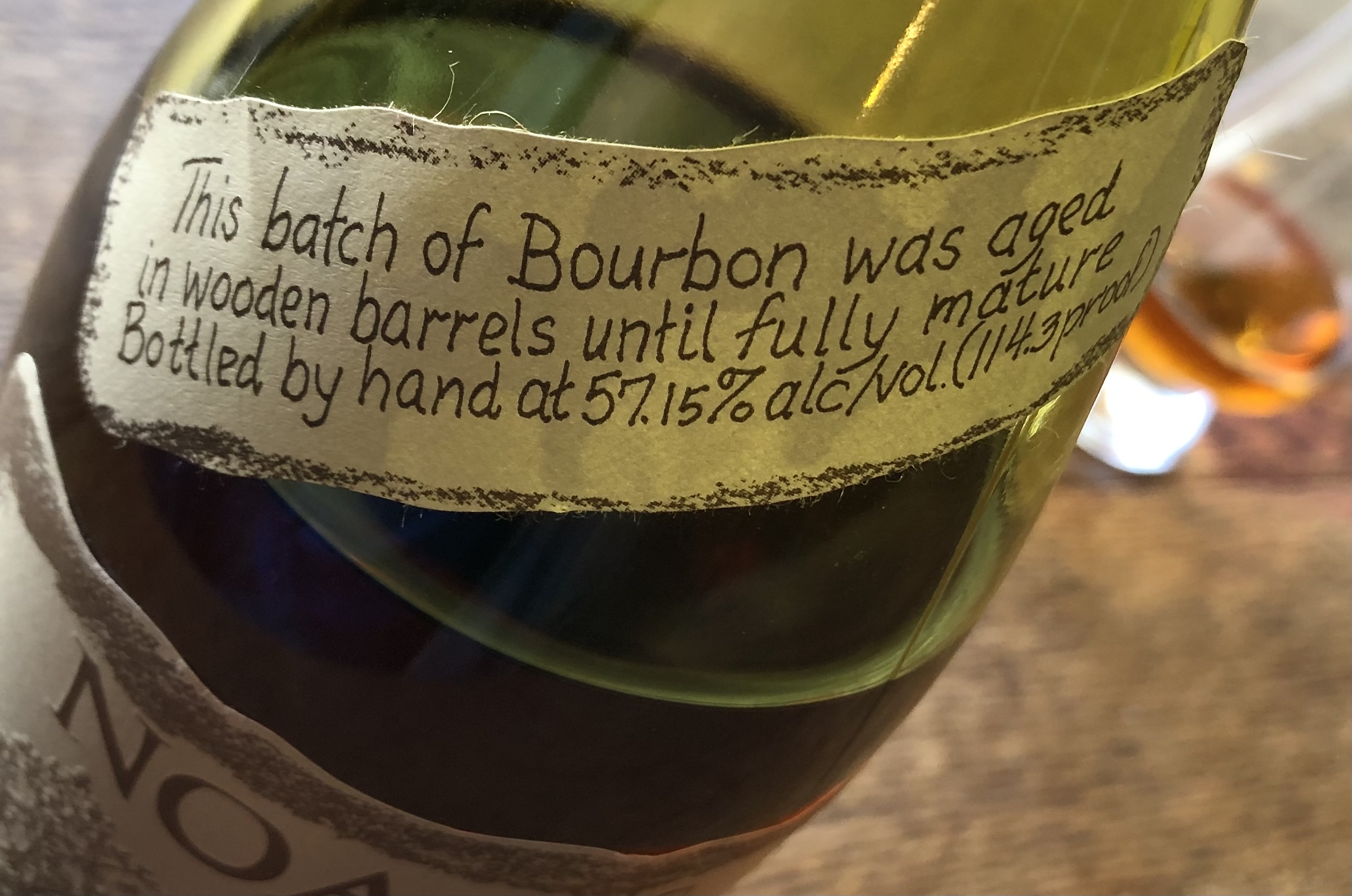
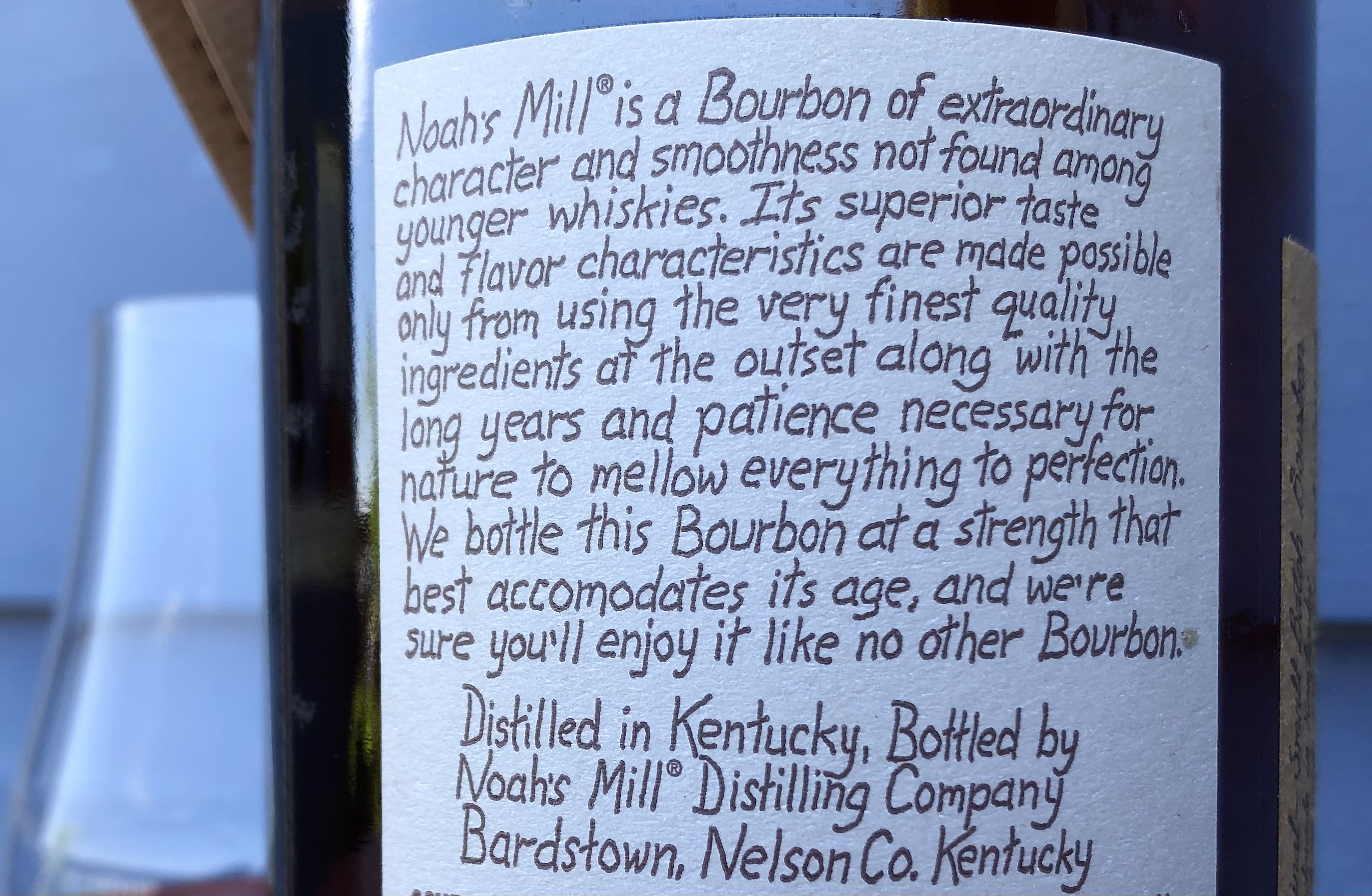
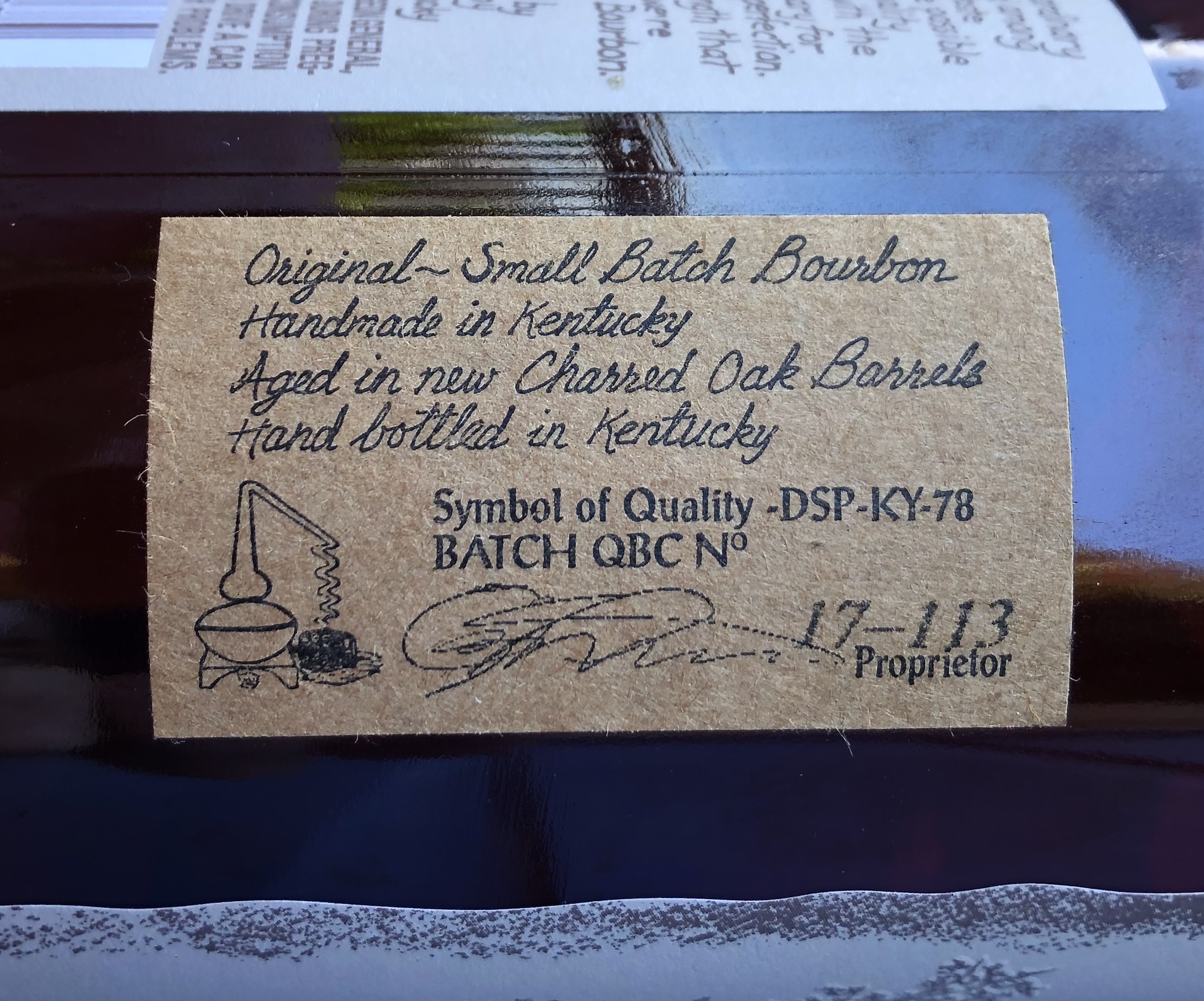
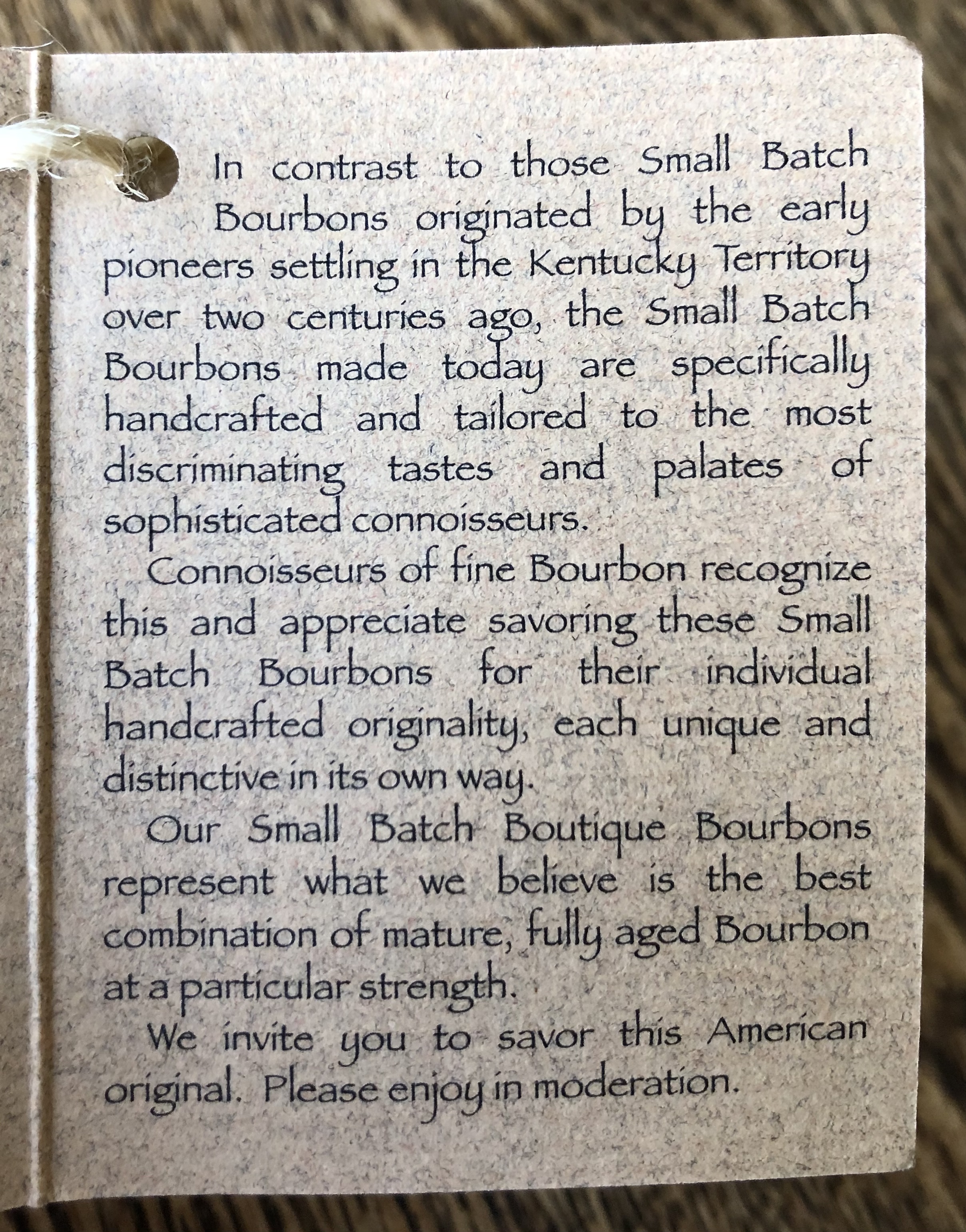
Many of these Willett bourbon brands had previously held age statements. Johnny Drum and Noah’s Mill were both 15-year bourbons, their age proudly displayed on their labels. Rowen’s Creek used to have a 12-year statement. And though the XO in Pure Kentucky XO never referred to a specific age, the brand’s flavor profile once made it evident that decently aged bourbons were indeed involved. This bygone explicit labelling fuels current guesses about which brand still blends older versus younger stocks. But given the evident similarities in taste between the current releases, and that they’re all now 100% Willett, I can’t help wonder if at this point the only key difference is the packaging. And if that is true, why does Willett continue to maintain so many labels? They’re not exactly flying off shelves.

The two non-“Willet” Willett brands I tried early on in my whiskey journey were Rowan’s Creek and Noah’s Mill. This was in late 2016 I’d say, so, still sourced and not yet Willett’s own. They tasted like siblings, with the Noah’s Mill coming across older. Rowan’s Creek had a lovely, floral take on the generally herbaceous profile I was already coming to expect from Willett back then. Noah’s Mill tasted similar enough to it, just a notch darker—whether due to age or its higher proof—so I saw no reason to spend more money on it when Rowan’s Creek was already so enjoyable.
But in early 2018 I picked up this bottle at a now sadly closed operation. It was mainly a wine shop. They were moving locations and trying to liquidate their small spirits selection. I saw this 2017 batch, still sourced and not yet naming Willett as the maker, and thought why not. I didn’t know then it would be a last of its kind. The bottle has been patiently gathering dust in my bunker ever since.
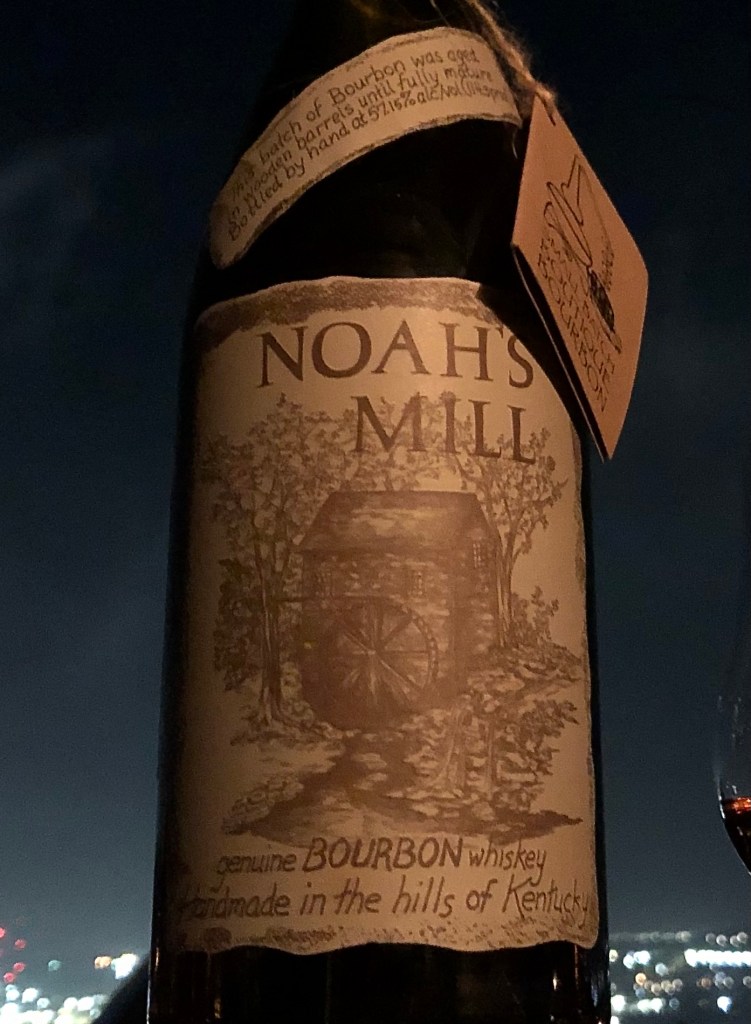
Finally, very late one recent night, I uncorked it and gave it a go. Out of the gate, the nose featured a very familiar cinnamon fruit candy note, floating on some kind of red tea. The taste was lightly syrupy, now with more fruit than cinnamon, but with a good sprinkle of baking spices on a light vanilla-caramel. The finish offered a slightly darker version of the taste, with the sweet flavors fading fast to leave the grittier spice flavors to linger lightly. Overall I found it to be a curious oddball. It made for a fine way to warm a cool summer midnight. But I figured I needed to sit down with it further, to parse out whether I actually liked it, or just wanted to like it out of nostalgia…

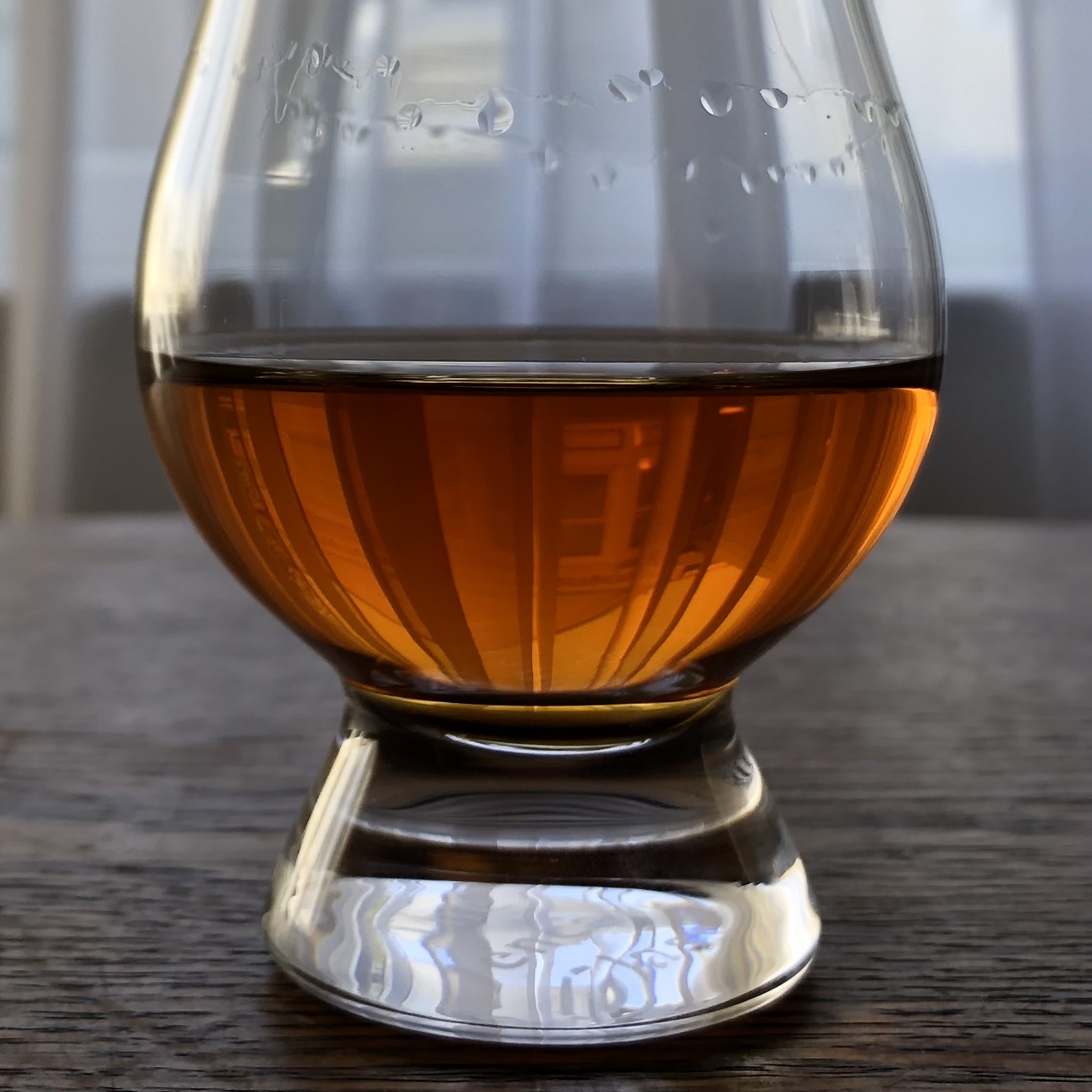
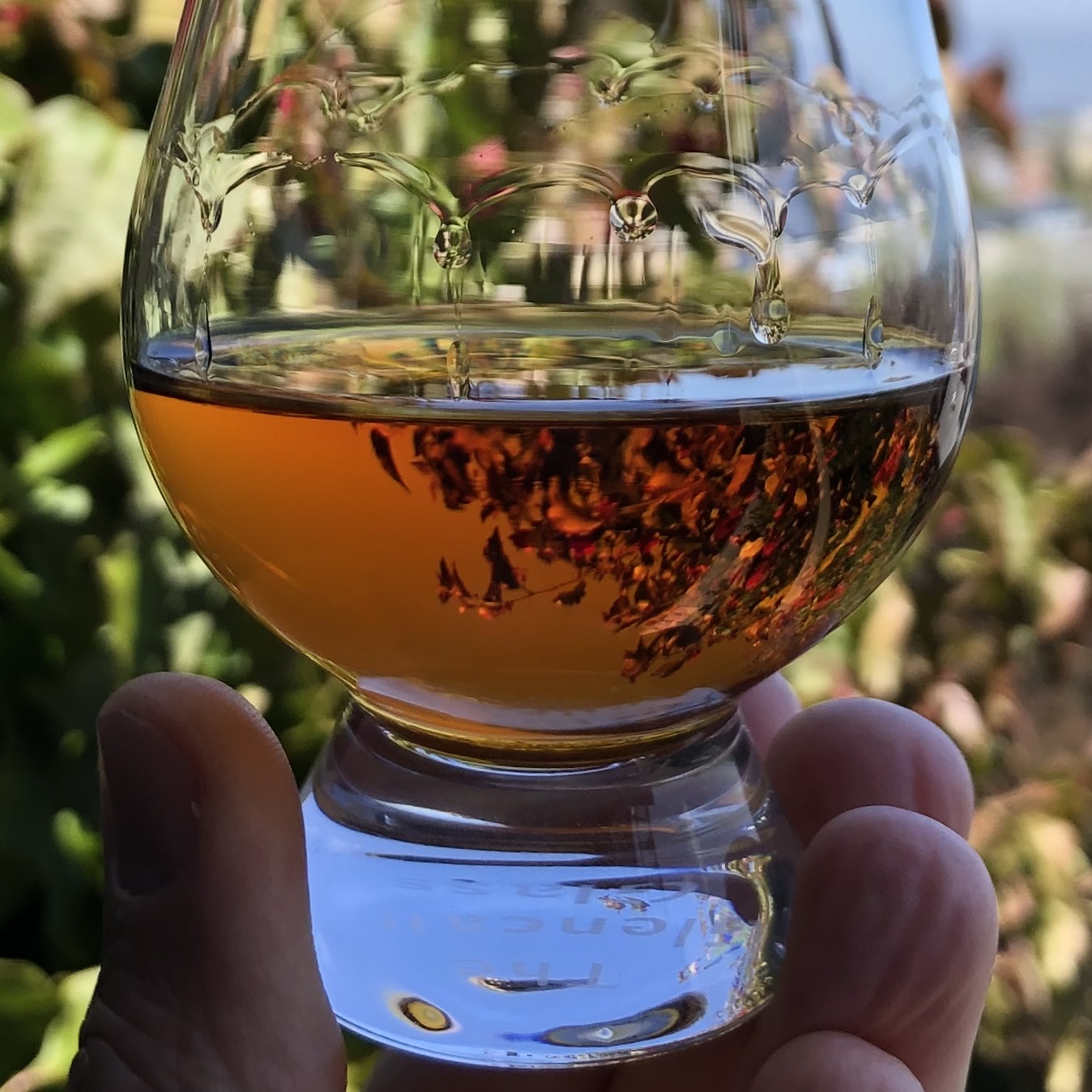
So here we are, eleven days after uncorking and three pours into the bottle. These brief notes were taken using a traditional Glencairn.
COLOR – pale-medium autumnal oranges
NOSE – fresh rye spice, sweet oak, dusty wood, that peculiar Willett fruity cinnamon, vanilla-caramel, milk chocolate
TASTE – splintery oak, sharp prickly heat, more Willett fruity cinnamon, herbal rye spices in fresh water
FINISH – lingering bite from the heat, the herbal and spice notes, thin fruity caramel, faint red tea
OVERALL – odd, sweet, savory, and not entirely pleasant
Not bothering with guessing what’s in this bottle—wheated versus high-rye bourbons, young versus old, all sourced versus blended with Willett’s own—but taken on its own terms, I think I might not care for it. At uncorking it had me waffling. But today I just can’t seem to come around to it.
Intellectually, I can understand why someone might enjoy this. What I’m calling the “Willett fruity-cinnamon” does have some appeal, especially on the nose where it’s reminiscent of Willett’s excellent house-distilled ryes. It’s a very specific note. But there is something saccharine about the overall effect here that takes my mind to some kind of packetted imitation sugar.
In addition, the 114.3 proof clenches its teeth in with just a bit too much bite for me—and I’m someone who appreciates a good high-proof whiskey. Maybe I need to only drink it late on cold nights?
I don’t like it.
There, I said it plainly. I’m compelled to be generous and say that a comparison between this 2017 bottle, a 2023 release, and an age-stated-era Noah’s Mill would be interesting. And I don’t doubt that would be interesting. But it’s not a possibility for me. And this 2017 bottle doesn’t at all inspire me to put out the effort and expense to line up such a comparison.
I’ve got bottles of Pure Kentucky XO and Johnny Drum, both from 2016, waiting for their revisiting as well. Maybe they will help me to further understand why I find this era of Willett’s efforts so off-putting. Maybe (hopefully!) I’ll enjoy them more than I do this Noah’s Mill.
I do still love Willett’s own in-house ryes. Their Family Estate Bottled SiB Bourbons are great too, if ultimately not worth the price. But these various longstanding bourbon brands that don’t prominently feature the Willett name are a bit of a mystery to me. I understand their role during Willett’s early sourcing days. But now? Why has Willett stuck with them? And where are they being bought up in great enough quantities to justify their price tags and continued production?
Feels odd to say cheers, but… Cheers!
Coming Up in Part 2:
Pure Kentucky XO from 2016

 The Right Spirit